



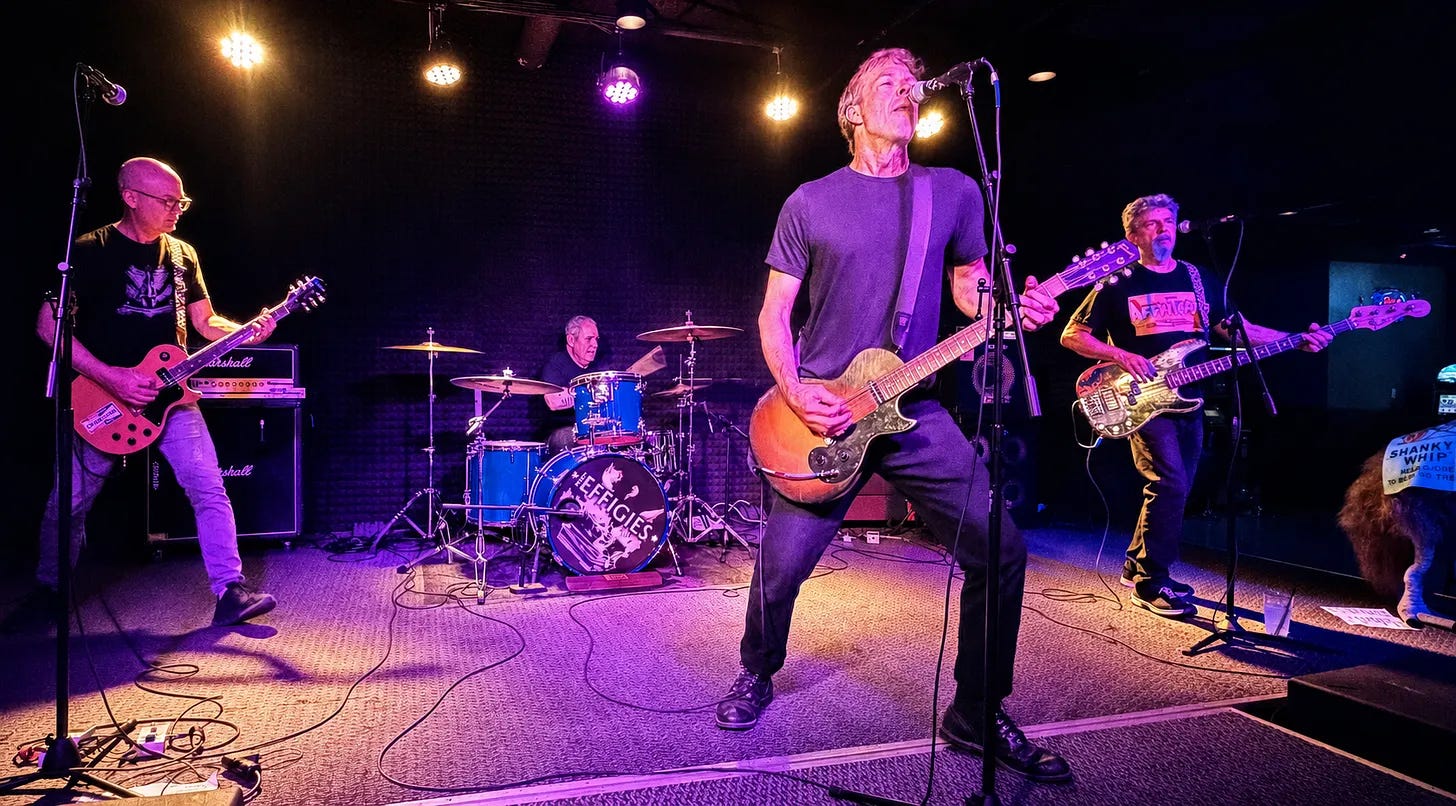
The all-ages room
There was something quietly perfect about a Father’s Day punk show being all ages.
On paper, that detail sounds logistical. At The Den in Sioux Falls it meant dads and kids did not have to split the night in half. No one had to stay home because the room belonged only to adults. No one had to explain why the music they loved was locked behind a door their kid could not walk through. For a genre that has always sold itself as a place for outsiders, the all-ages part was not a footnote. It was the right kind of invitation.
Punk has always survived through younger people finding it before they are old enough to know better and older people staying with it long after the world expects them to settle down and hush up. A Father’s Day bill with a Madison band, an Omaha band and a Chicago band formed in 1980 created a strange little family tree in real time. The kids in the room could see what punk looks like when it is new to you. The dads could see what it looks like when it refuses to die.
The lineup carried a clean Midwest logic. The Degenerates, a punk band born out of Madison, South Dakota’s college-town orbit, opened the night. River City Rejects, a hardcore street-punk band out of Omaha, took the middle slot. Then The Effigies, one of Chicago punk’s long-running names, closed the evening with the kind of set that can only come from a band that has dragged its sound through several decades and still found reasons to plug in.

Madison opens the door with The Degenerates
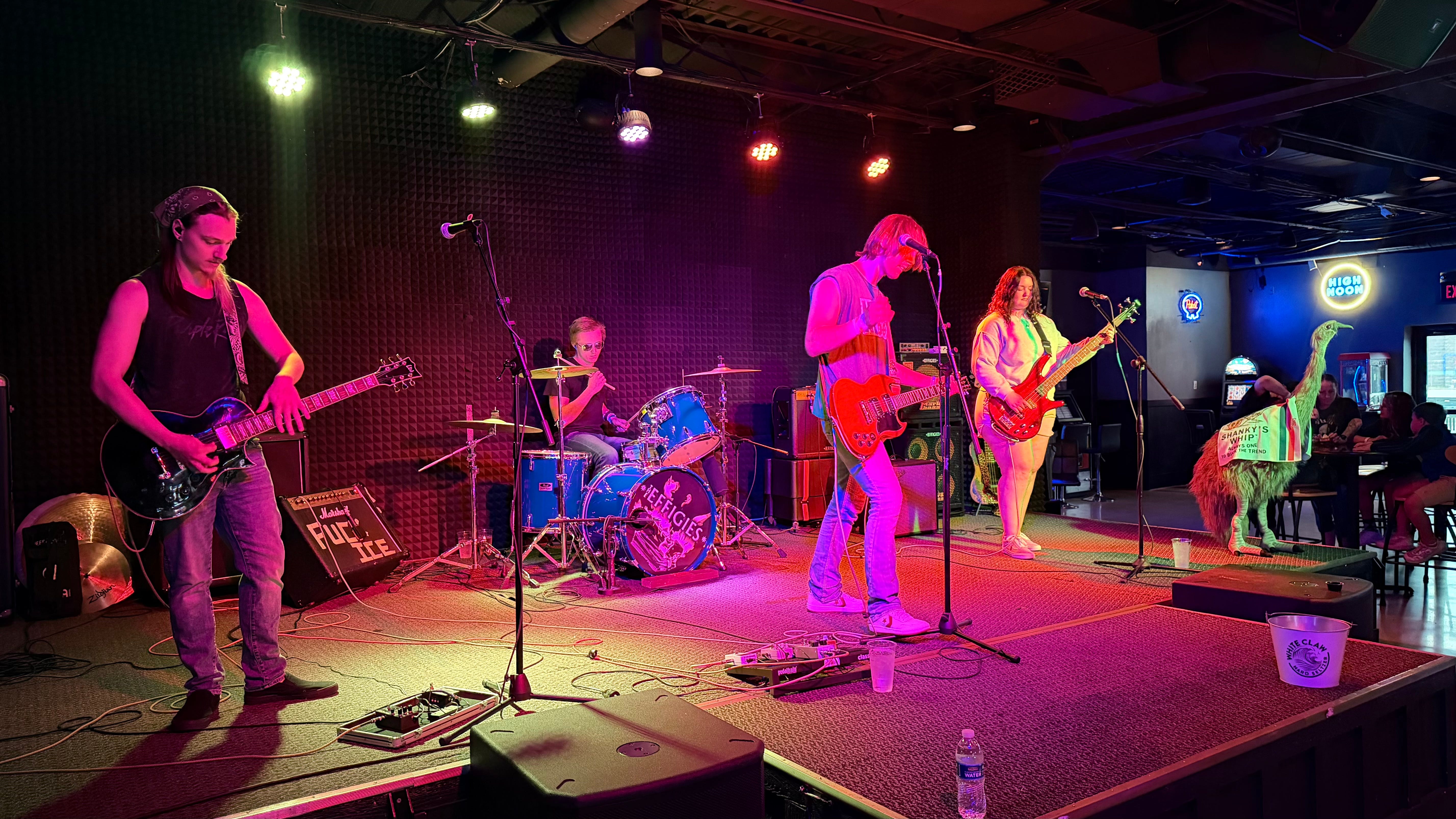
The Degenerates played first, and they came out with the kind of clean punk foundation that immediately brought the 1990s and 2000s back into the room without turning the set into nostalgia cosplay. Their sound had that familiar melodic-punk skeleton: forward-driving guitars, hooks with scuffed elbows and enough pop-punk lift to make the songs move without sanding off the grit.
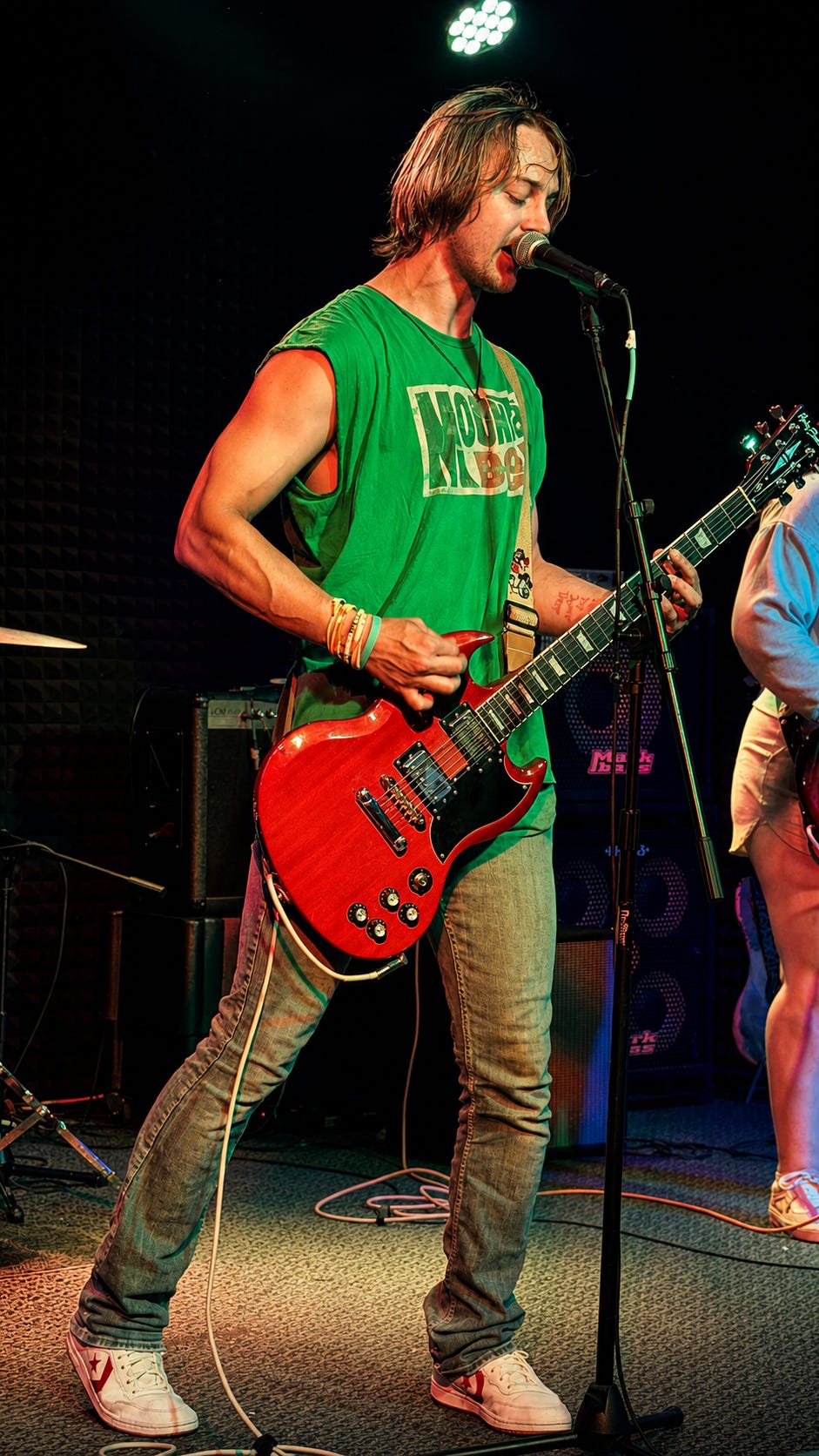
The current lineup puts Jacob Hoffer on guitar and lead vocals, Makenna Portinga on bass and vocals, Tyler Tillman on guitar and Caleb Roberts on drums. That setup gave the band a strong center, especially with Hoffer’s lead vocal sitting clearly in the mix while Portinga’s bass and backing vocals helped keep the songs grounded. Tillman’s guitar added the second layer of bite, and Roberts’ drumming kept the whole thing moving with the kind of momentum punk needs when it wants to sound loose without actually falling apart.
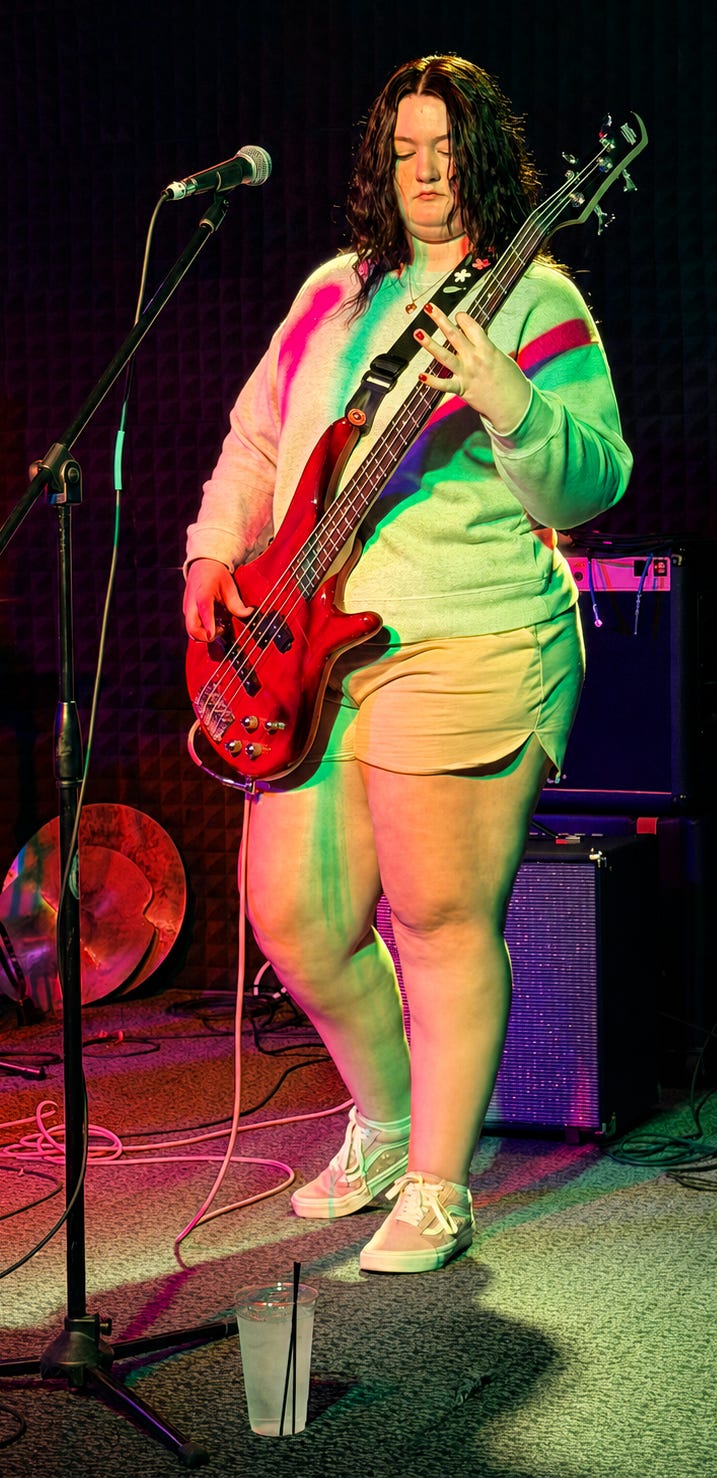
This was not my first time seeing them. I first caught them back at Four Winds, and the thing that stood out then still stood out here: they sound like a band that understands its own lane. They are local in the best sense, not small, not lesser, not “opening act” as a synonym for filler. They have a regional identity that feels lived in.
The band started with roots in Madison, where a couple of the guys went to college together, and even now, with members spread between Madison and Watertown, they are still getting together for the music.
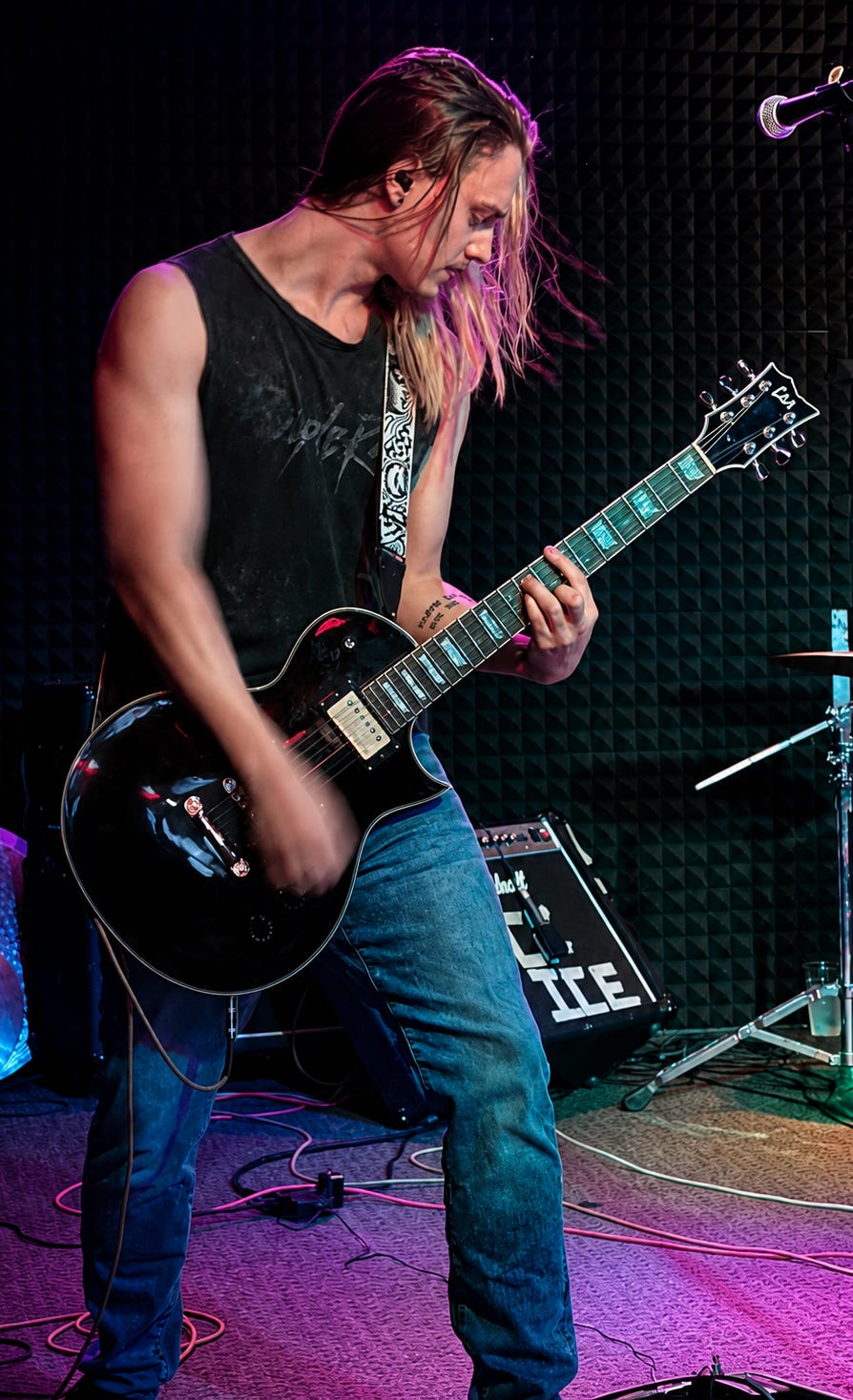
That kind of thing sounds simple until you think about what it actually takes. Local bands do not survive on convenience. They survive on calendars, gas money, late nights, borrowed time and the stubborn belief that the songs are worth the drive.
The Degenerates have that. You can hear it in the way they hit the stage, not overcomplicating the job, not trying to posture their way into a bigger identity. They played like a band that has figured out how to sound solid without chasing every possible direction at once.
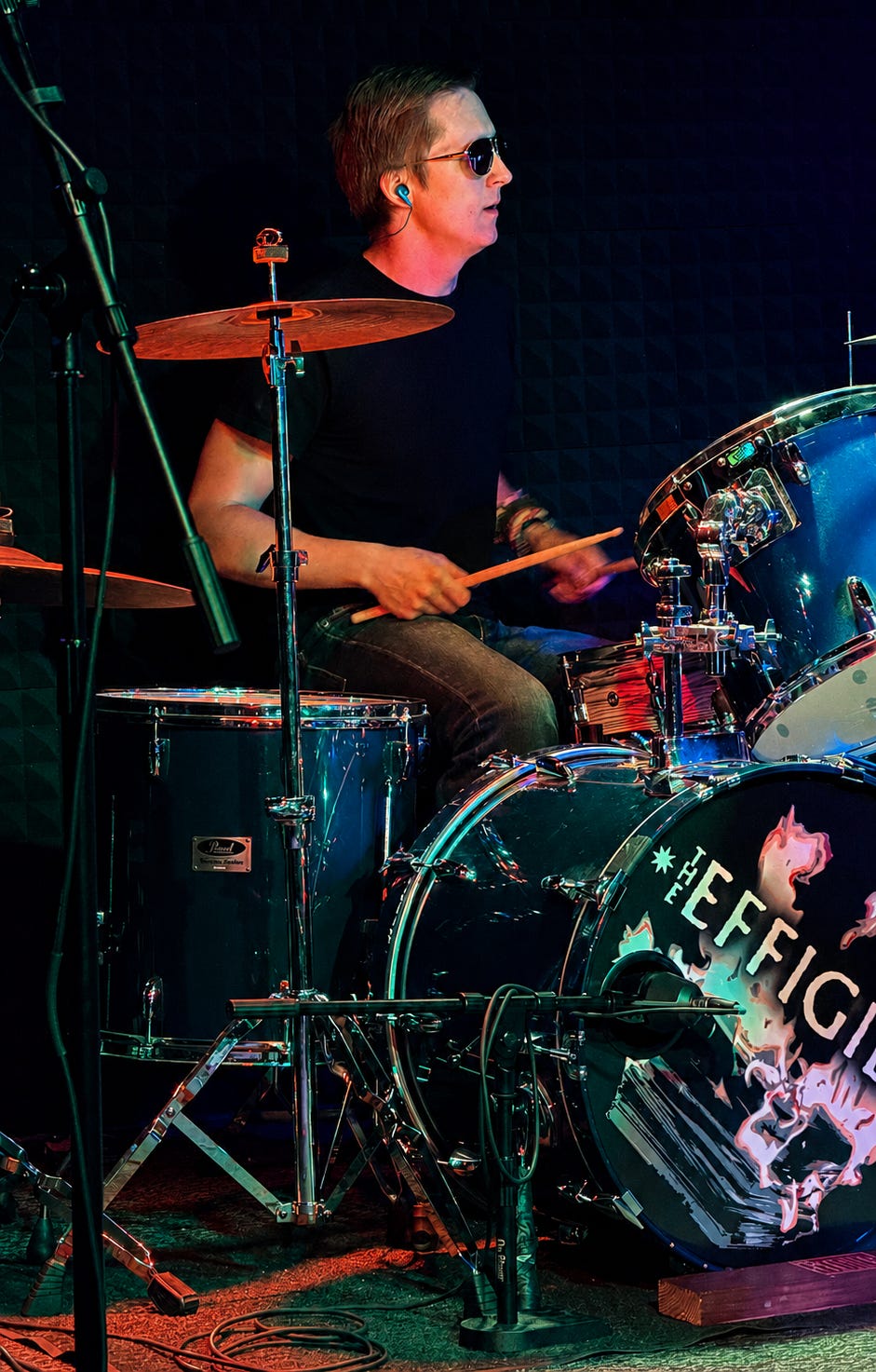
Their set was also the best-balanced of the two openers. The vocal and instrumental blend landed better in the room, which is no small thing at a punk show. Volume alone can lie to you. A band can sound aggressive and still be muddy. A band can play hard and still bury the vocal line under a wall of good intentions. The Degenerates avoided that trap. They had punch, but they also had shape. You could hear the songs, not just the effort.
That made them a strong opener for a Chicago punk institution like The Effigies. The Degenerates did not try to sound old-school in some museum-display way. They came from a cleaner, later punk language, the kind a lot of listeners who grew up on 1990s and 2000s bands would recognize immediately. In a different room, or maybe with a different running order, they could have done even more to build the night’s momentum.
You can catch them again at Four Winds again this year if your looking for a solid punk band to see live. Otherwise you can catch them on Spotify.
Please consider Donating to Sponsor an article even $1 helps!


River City Rejects fill the middle of the night
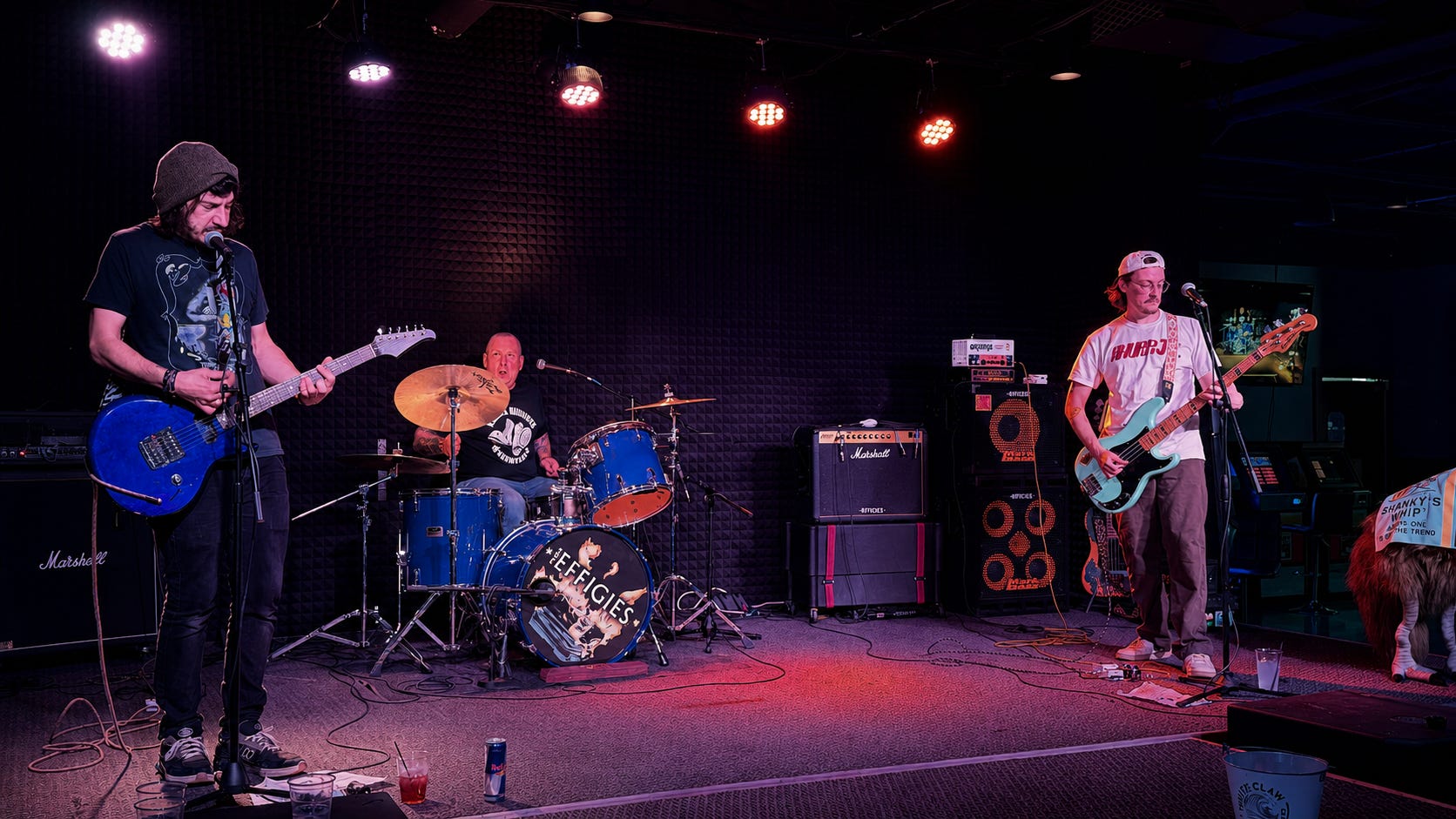
River City Rejects came next, bringing Omaha hardcore street punk into the room with a heavier vocal attack than The Degenerates. Their public description keeps things blunt, calling them “Omaha NE hardcore streetpunk,” and that is pretty much the target they hit. The songs came with more bark, more scrape and more old-floorboard pressure.
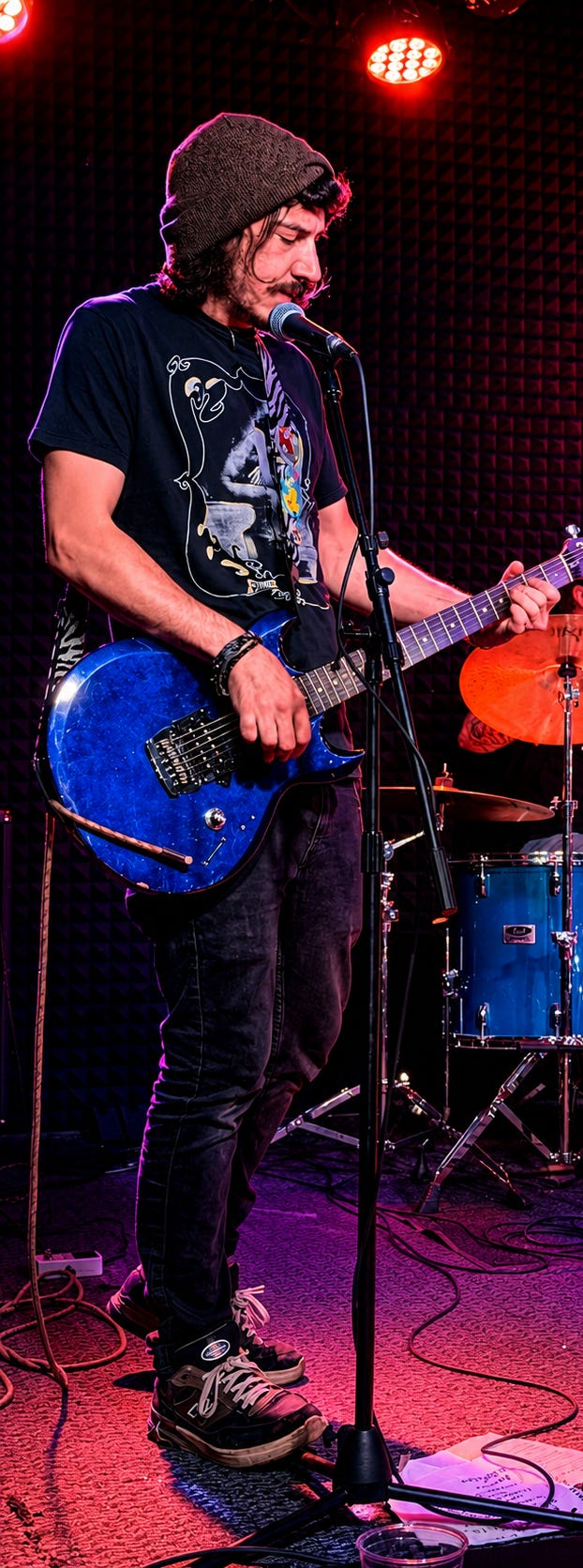
They were a solid band to enjoy. Let’s not twist the knife into something it was not. River City Rejects played hard, and there is a physical commitment in their live show that cannot be faked. After their set, I got a chance to talk with them, and two of the members told me they have been playing together for about three years, while the bassist, is the newer guy from the last few months. By the end, the drummer still had sweat pouring off his face, which told its own little truth. You do not work that hard onstage by accident.
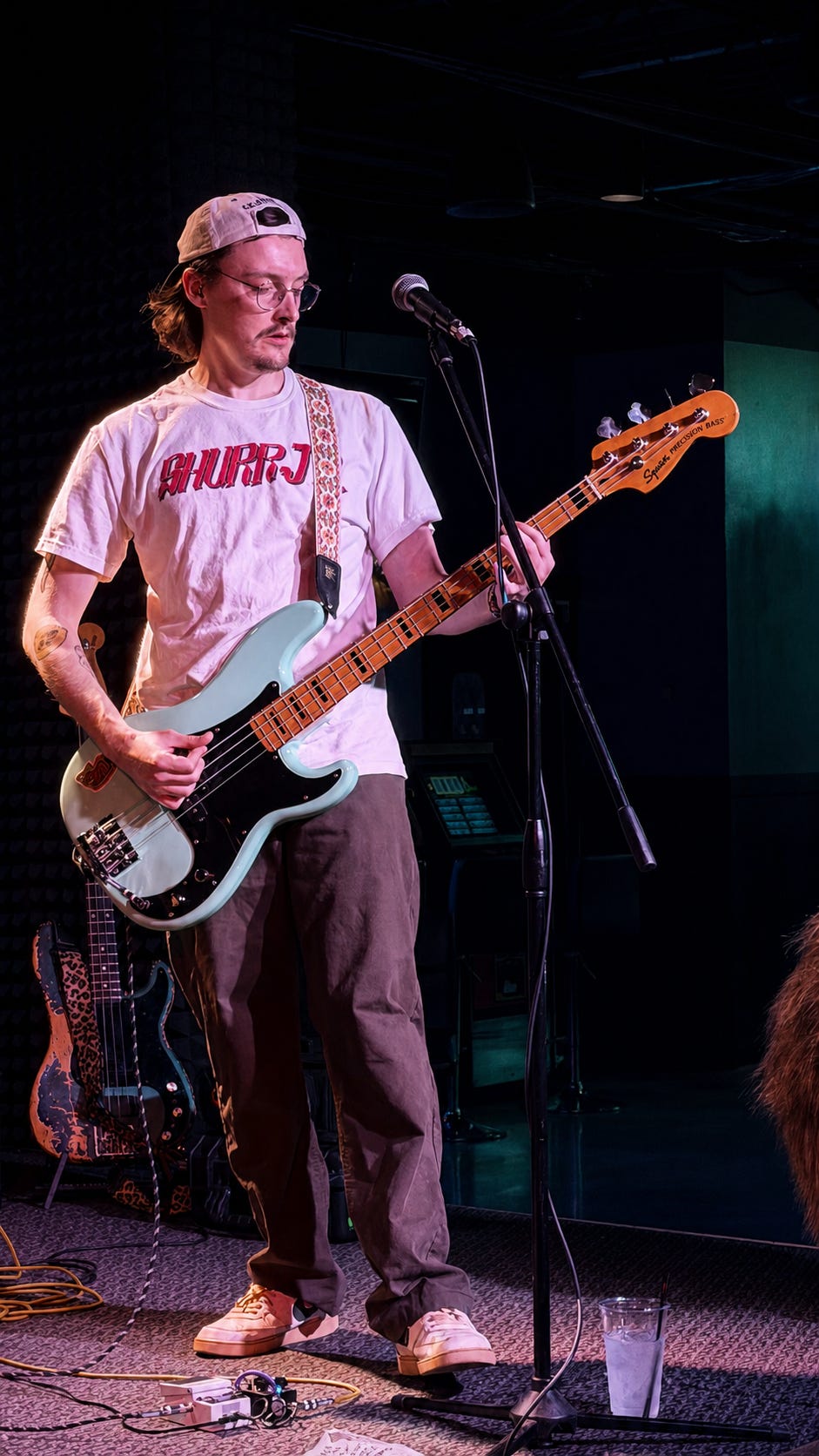
They also understood one of the oldest laws of live music: give people something to take home. At the end of their set, they threw their guitar picks and sticks into the crowd. That is a small gesture, but small gestures are how shows become personal. Every music fan loves a piece of the night to carry out the door, something physical that says, yes, I was there when the room was loud.
River City Rejects definitely brought a worthwhile set. Their sound is rougher and more forceful, closer to classic hardcore punk and street punk than the cleaner melodic punk lane The Degenerates worked in. For listeners who like the heavier end of regional punk, they make sense. So make sure to check them out if that peaks your interest.
Chicago arrives with mileage in The Effigies


Then came the time of the evening everyone had been orbiting: The Effigies.
Calling them a Chicago punk band is accurate, but it almost feels too small. The Effigies are part of the architecture of Midwest punk itself. They formed in 1980, and that date hung over the set in a way that felt less like trivia and more like weather. Forty-six years is a long time for any band name to keep moving through rooms. Punk years should probably count like dog years anyway. Add touring, lineup changes, industry shifts, scenes rising and collapsing, and the math gets even stranger.
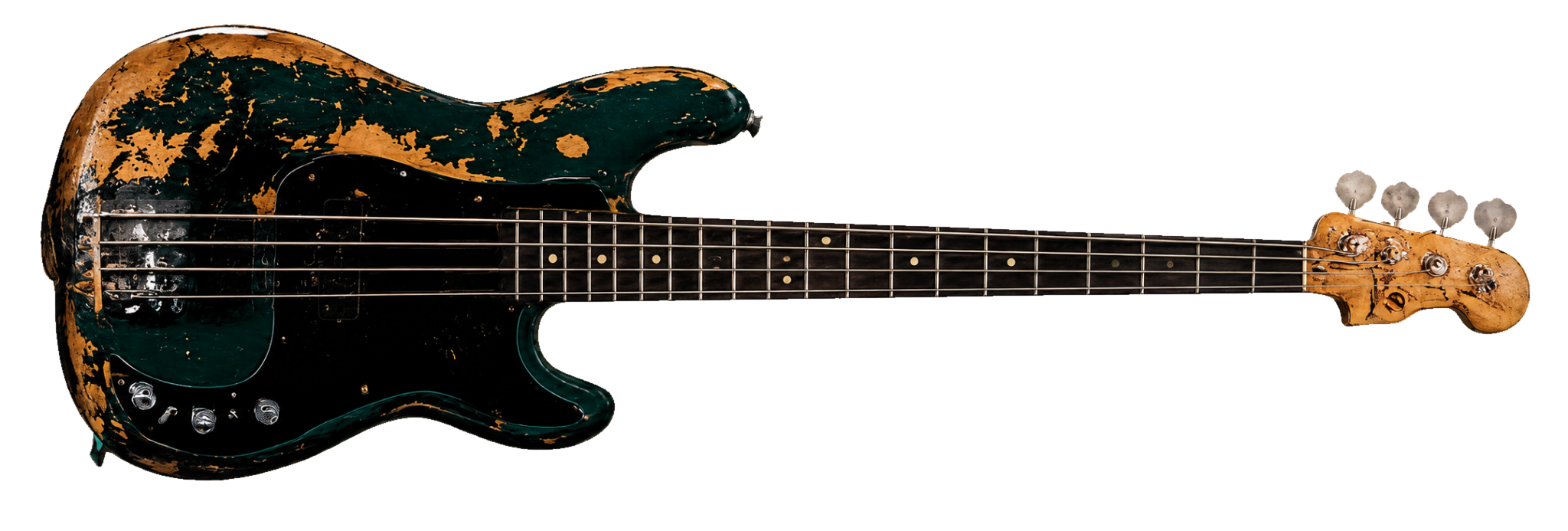
After their set, I got to talk with them and I noted to the bassist that if his bass could talk it has to have stories. His response was “It has all my stories, I got it in 1976.”
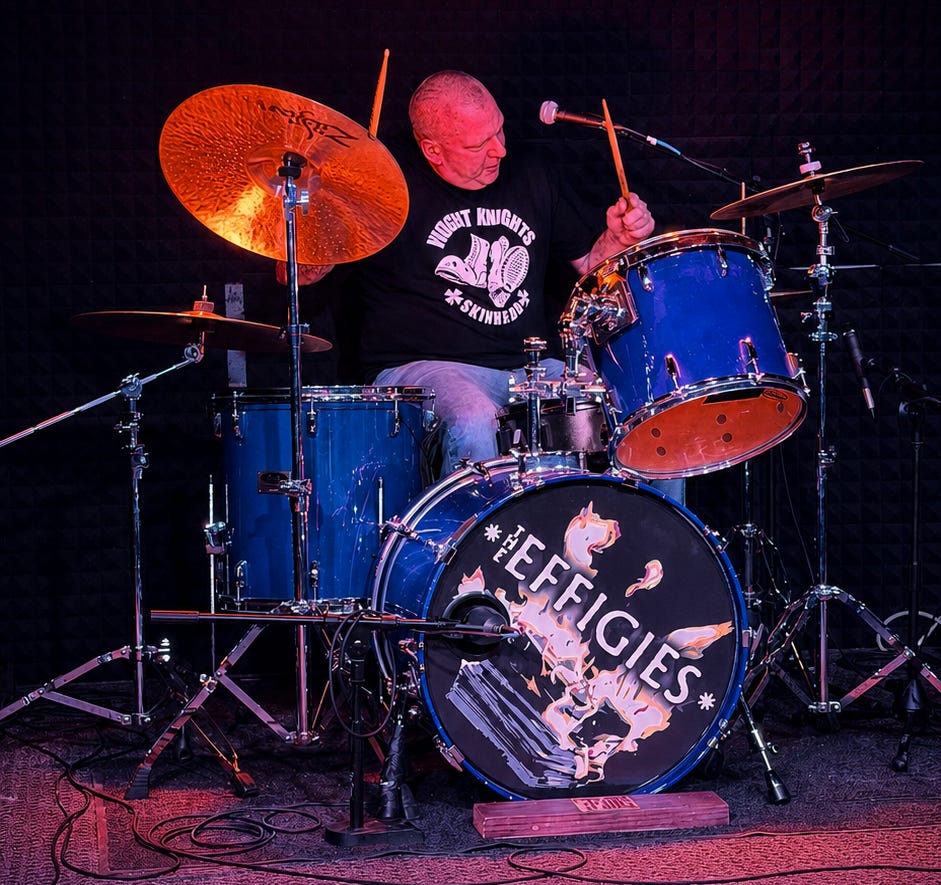
Later after the set and the crowd dying down, I spoke with bassist Paul Zamost and drummer Steve Economou about what has changed since the early days and what still feels the same. Steve laughed first about the schedule. Back then, bands were going on closer to midnight. Now, these shows start much earlier.
Paul’s answer was better and more sensory: “The smell is the same.” Old bars still have that old-bar smell when you walk in, the load-in still happens, the gear still has to move and the room still decides what kind of night it wants to become. The PAs are better now, they said, but the camaraderie and vibe are still familiar. Steve described it as a family feeling, and Paul talked about the shock of seeing around 100 kids show up to a record store in Bismarck the night before. That kind of thing keeps a band from turning into a display case. It proves people are still finding the door.
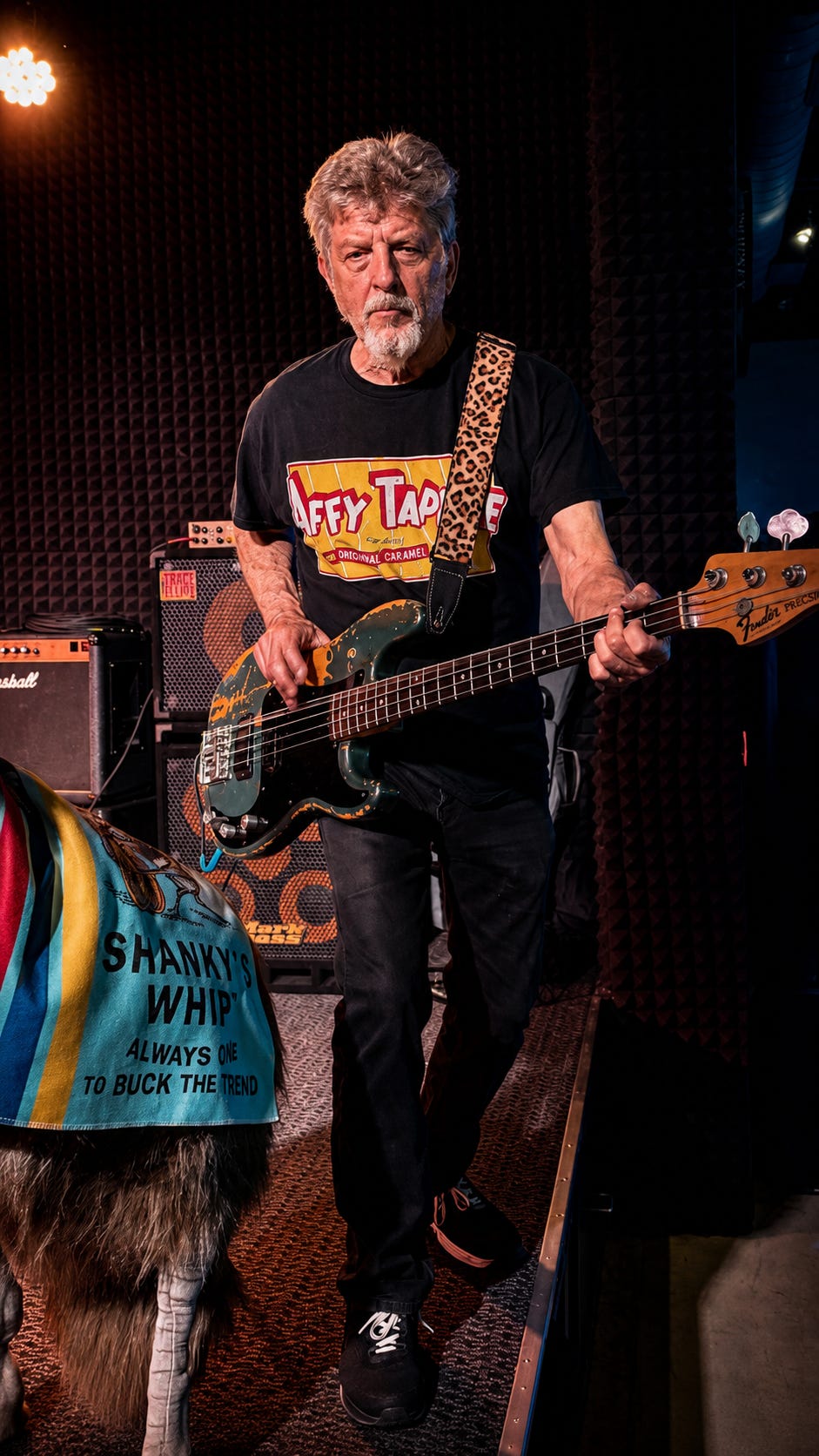
The Effigies are not interested in simply being admired from a safe historical distance. Paul was direct about that. After being gone for years, he said no one was going to sit around waiting for them to come back. “You gotta do it yourself,” he told me. He said it is up to the band to make itself relevant again, and that thought mirrorer the way their set landed that night. They were not acting like a band walking back through old songs for applause. They were still trying to put weight behind the name.
That is why their current chapter gives the set more charge. Their recent album Burned has been described through the band’s official store as their first new release in 17 years and the final album with vocals from late lead singer John Kezdy, who died during the recording period. Talking about that record with Zamost and Economou made it clear the album was not just another release cycle. Steve described the emotional side as an urgency, the reminder that anything can happen at any time. Paul gave major credit to Andy Gerber, who took over guitar and production after the original guitarist left the project, then kept pushing the work forward after John died. Paul said he and Steve did not want to go on at first, but others around them kept saying the record had to be finished and done right. Once Geoff Sabin came in, Paul said, moving forward became easier.


There is no neat way to package that kind of grief. Paul even described a form of survivor’s guilt, the strange feeling of success arriving in the wake of tragedy. That could have frozen the band in place, but it did not. Last year, they said, felt more like the memorial year. Now the band is playing new material, talking about another record and treating the current version of The Effigies as a living thing rather than a tribute machine. Paul put it simply: they are moving forward without forgetting the past.
That came through in the set. The Effigies are not a band you reduce to one era, which is what made their performance enjoyable. They carried several versions of punk with them at once. You could feel the early Chicago edge, the post-punk tension, the blunt-force political spine, the older-school pacing and the stubborn modern continuation. Their set moved through different feels instead of locking into one speed and daring everyone to survive it.
That is one thing veteran bands either learn or they don’t. A set cannot stay at peak impact forever, especially when the material stretches across decades. The Effigies did a strong job bringing the room up and down, letting songs hit with different kinds of force. Some moments pushed forward with that older punk urgency, while others let the weight settle differently. You could feel the longevity in the choices. This was not a young band sprinting through every idea like the cops were outside. This was a band with miles on it, knowing when to tighten the fist and when to let the room breathe.
What also stood out was how much they still cared about the younger bands around them. When I asked what they look for in newer punk bands, Paul talked less about image and more about hunger. He said there are people who talk about doing things and people who get things done. He also said they want younger bands to have an experience and that they will do anything they can to help. Steve backed up what I had been hearing in The Degenerates’ set too, saying they had really good songs from really good songwriters. Coming from a band with The Effigies’ history, that is not a small compliment.
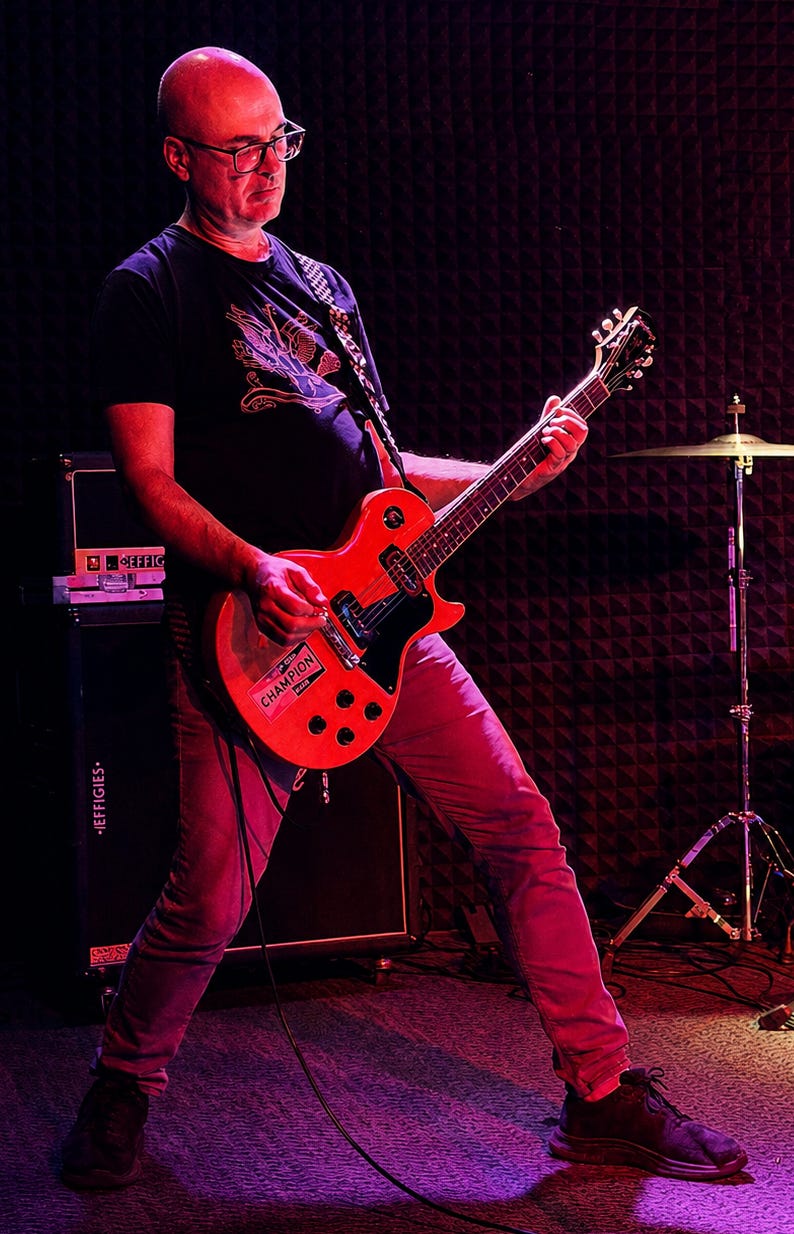
The Midwest part of the conversation may have been the most telling. Steve said every town has its own feel, but people across the Midwest are friendly, open and willing to help each other. Paul said that kind of camaraderie has always been part of the Midwest, and now they are finding it again. He talked about how every little town has its own connection, just like it did before the internet, when bands relied on fanzines, phone calls and letters in the mail. The Effigies, River City Rejects and The Degenerates were not just three bands sharing a date. They were part of the same inland wiring.
And after everything The Effigies have survived, the reason to keep doing it has not become complicated. Paul said the key word was “playing.” Not working. Playing. Steve added the rest: music and people. That is the whole machine, really. Six-hour rides, old bars, younger bands, better PAs, the same smell, a new record, old songs and another room willing to listen.
And the set did not feel like a memorial. It felt alive. Not shiny, not sentimental, not trapped behind glass. Alive in the practical punk sense and the songs still doing their job. There is a difference between legacy and taxidermy. The Effigies still have enough pulse to continue as the legacies they are. Don’t count them out!
The merch table told its own story


The merch table at The Den looked exactly how a punk merch table should look: shirts folded into tight black stacks, CDs and cassettes spread across the table, stickers tucked between releases and handwritten price signs doing more work than any polished display ever could. It was not corporate. It was not sterile. It looked like bands keeping the lights on one shirt, one patch and one five-dollar CD at a time.
The Degenerates kept their setup clean and personal, with black shirts and tanks featuring the same cigarette-themed illustrated design, plus smaller pieces like stickers, a CD and little fan-table extras. The design fit their sound well: sharp, simple and just polished enough without losing the DIY feel. For a band coming out of Madison’s punk orbit, their merch had the same quality their set did. It felt local without feeling thrown together.
River City Rejects had the most classic street-punk spread of the night. Their table was crowded with black shirts, patches, tapes, CDs, stickers and split releases, with several items marked at punk-friendly prices. Shirts were listed around $15 to $20, with EPs, comp CDs, cassettes and small patches spread out underneath. The whole layout felt like a road map of a working regional band: part merch table, part archive, part proof that they have been moving through rooms and leaving something behind at each stop. It matched their set completely. Rougher, heavier and built for people who still like taking home a physical piece of the night.
The Effigies’ table carried the most history. Alongside shirts and smaller items, they had copies of Burned, their long-awaited new studio album, plus the 40th anniversary edition of Fly on a Wire. Seeing those records laid out beside the shirts made their set feel even more connected to the band’s longer story. This was not just a legacy act selling a logo. It was a band carrying old catalog, new material and decades of Chicago punk history across the table in front of a Sioux Falls crowd. Their posted prices listed tour shirts and cassette shirts at $25, logo shirts at $20, vinyl at $25, CDs at $15 and buttons or stickers as free extras.
That is the thing about punk merch: it is rarely just decoration. It is how bands pay for gas, keep releases moving and let fans leave with something more than ringing ears. At a show built around Madison, Omaha and Chicago sharing the same room, the merch tables made the whole Midwest punk circuit feel tangible. You could see the scene in cotton, plastic cases, vinyl sleeves, patches and stickers.
Afterglow
By the end of the night, The Den felt less like a stop on a calendar and more like a little family photo of Midwest punk, weird faces and all.
The Degenerates showed why local does not mean lesser. River City Rejects showed the sweat and force that keep regional punk moving from city to city. The Effigies showed what it looks like when a band carries decades of noise, loss and stubborn continuation into a room that still has space for kids at the front.
On Father’s Day, that felt right. Punk has always been handed down strangely. Not clean. Not polite. Not with a bow on it. It moves through borrowed records, older siblings, local shows, busted speakers, and road trips.
At The Den, no one had to leave the next generation outside.
Please consider Donating to Sponsor an article even $1 helps!




