



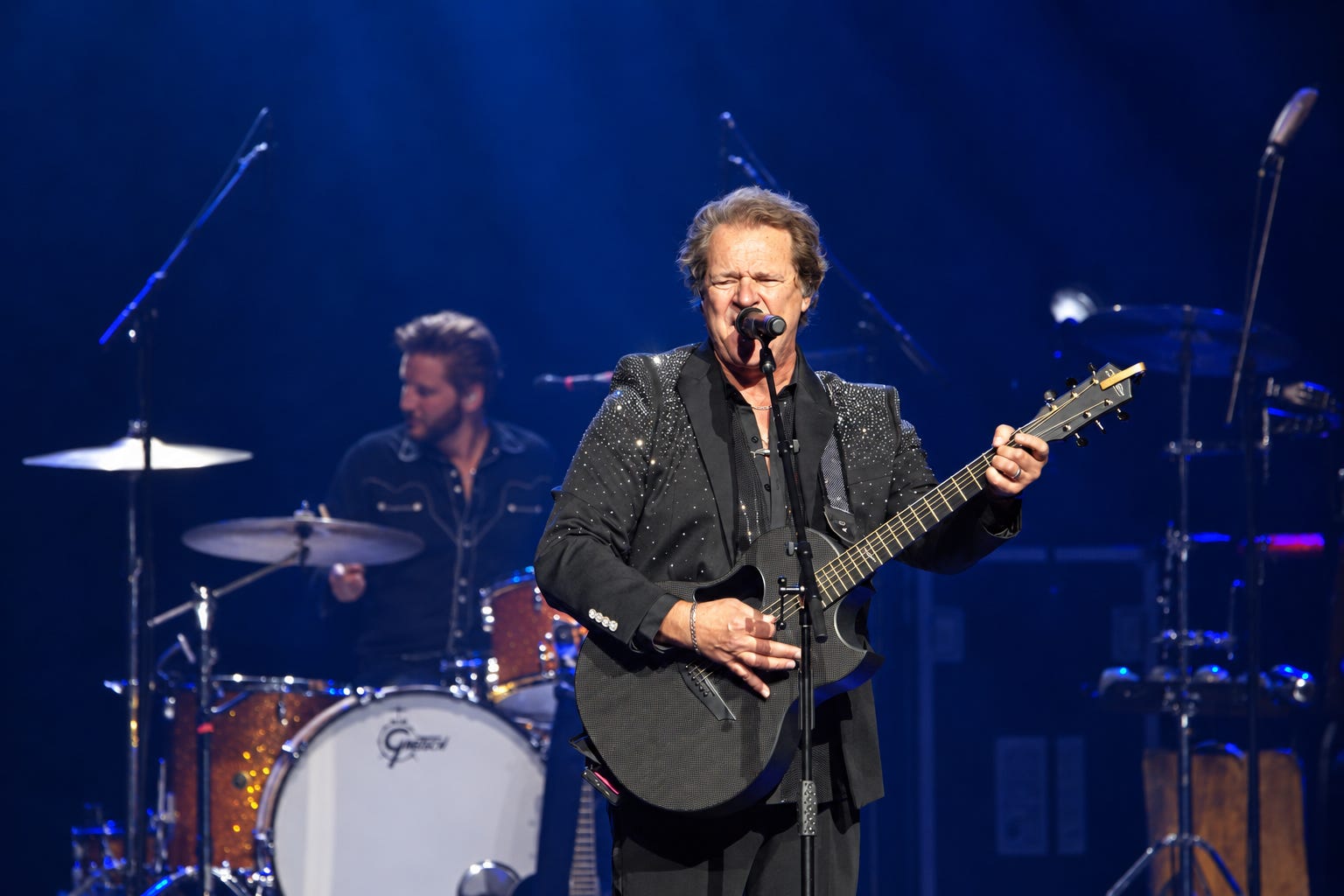
There was something immediately encouraging about looking around Mary W. Sommervold Hall inside the Washington Pavilion and realizing just how many people had come out for Neil Diamond’s songs.
Gray and white hair dominated the crowd, certainly, but this wasn’t an audience sitting politely with its hands folded, waiting for memories to arrive on schedule. People sang. They held phones in the air during songs they loved. They sent heart-shaped hands toward the stage and, every so often, seemed to shed a few decades entirely.
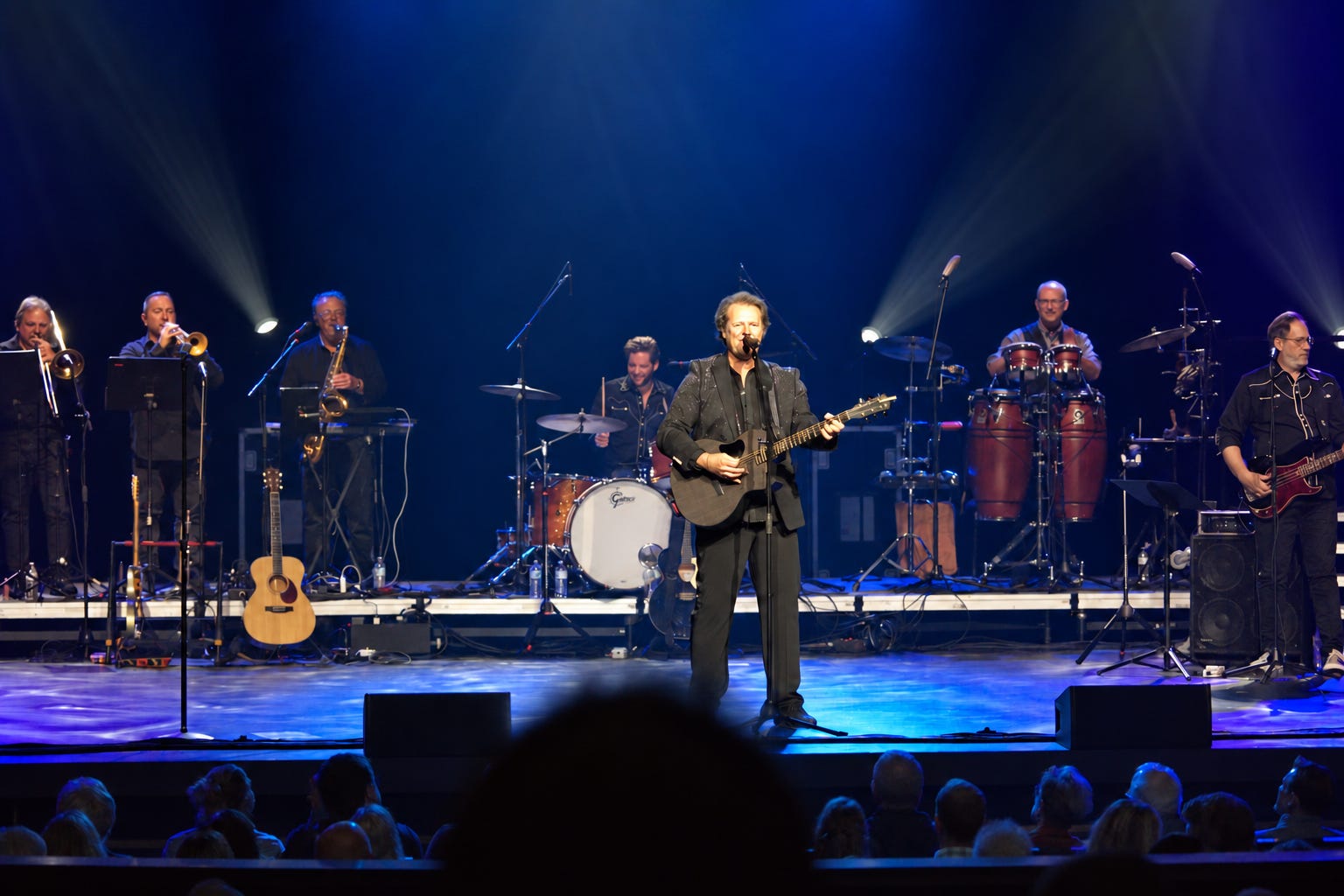
Matt Vee and The Killer Vees gave them plenty of reasons to.

Saying what he said
The opening stretch established quickly that I Am, He Said was going to be more ambitious than a handful of musicians standing beneath stage lights and running through familiar hits. “Forever in Blue Jeans” arrived early with enough movement to loosen the room, Vee working the stage comfortably and keeping his attention trained on the audience instead of disappearing into the mechanics of impersonation.
“Song Sung Blue” opened that relationship further. It is practically constructed for communal singing, and Vee knew better than to keep it to himself. He encouraged the room to answer, allowing hundreds of voices to become part of an arrangement they already seemed to know instinctively. Neil Diamond’s original recording has always carried that accessibility, simple without being disposable, and hearing the chorus returned from the seats made its durability obvious.
Vee spent much of the evening putting Diamond’s catalog into context, talking about the period when the songwriter imagined his future primarily as someone supplying songs to other performers rather than becoming the person standing at center stage singing them.
The stories weren’t interruptions. They were part of the production.
Vee has spent enough years performing this material that he knows when to let a song carry the room and when a story can change the way the next one lands. He doesn’t approach Diamond as a costume. The resemblance comes through most clearly in his phrasing and vocal tone, close enough to evoke Diamond without reducing the evening to imitation.
That approach makes the show’s own description of itself feel more accurate. The Killer Vees have resisted calling I Am, He Said simply a tribute, instead presenting it as a celebration of Diamond’s music. Watching the production unfold, the difference was easier to understand. Nobody appeared interested in pretending it was 1972. They were interested in why the songs still worked in 2026.
Julie Velline gave the show another dimension.
During “I’m a Believer,” Diamond’s composition that became a massive hit for The Monkees and later found an entirely new generation through Shrek, Matt moved closer to Julie when the song reached its declaration of being in love. It was a small gesture, almost playful, but those details kept the performance from becoming mechanical.
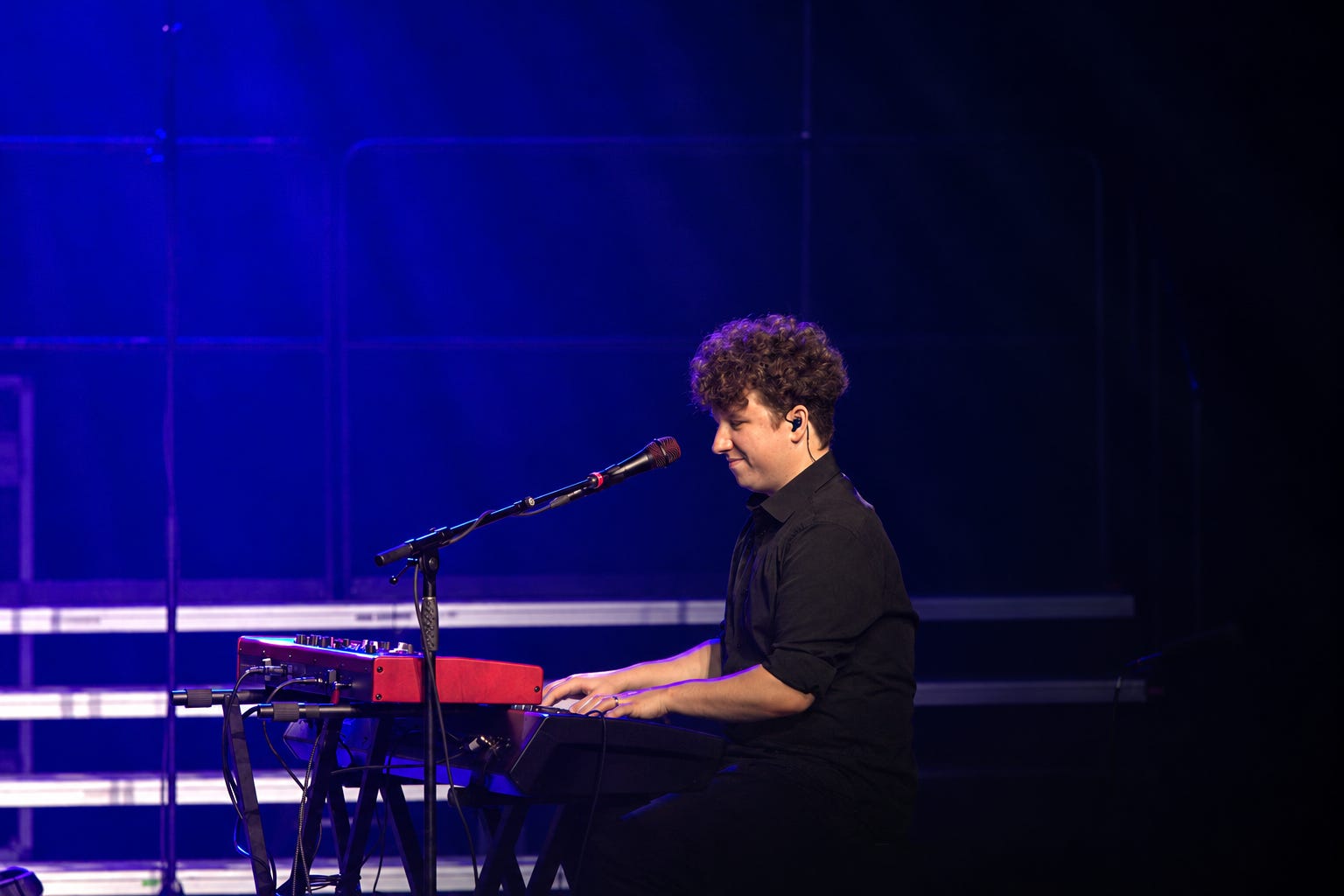
The keyboardist had one of his strongest moments of the night during the song as well, breaking outward from the arrangement instead of simply furnishing the chords underneath it.
Please consider Donating to Sponsor an article even $1 helps!

More than one voice
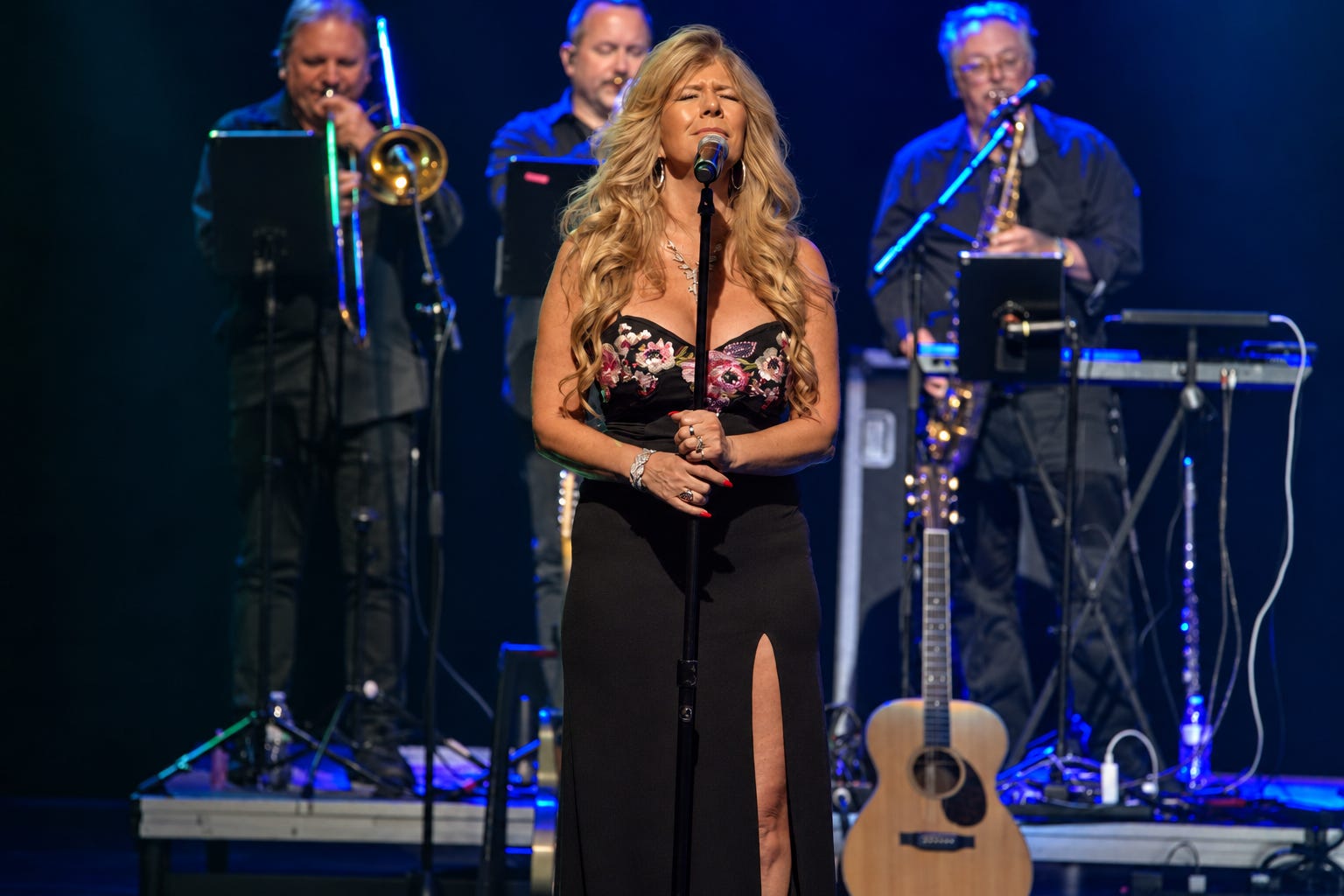
Julie returned throughout the night for backing vocals and featured performances, eventually becoming essential to some of the show’s strongest material.
“You Don’t Bring Me Flowers” was the obvious centerpiece.
The song, recorded by Diamond and Barbra Streisand, depends on tension more than volume. Matt and Julie understood that. Rather than overselling the drama, they let the conversation inside it do the work. The closeness between the two performers gave its depiction of affection disappearing through ordinary neglect an added weight. Two people standing beside each other singing about two people growing apart creates its own quiet friction.
It also showed why Julie’s role mattered. She wasn’t brought onto the stage merely to recreate a famous duet before disappearing again. Her voice became part of the architecture of the production.
When she remained onstage for another featured performance, the shift felt natural rather than scheduled. The band had already established that I Am, He Said was willing to move its center around. Matt remained the host and primary voice, but the musicians surrounding him were repeatedly allowed to become part of the story.
And Matt made sure the audience knew who they were.
The introductions were thorough. Chris Bloniarz had traveled from New York to handle keyboards. Dennis Kennedy worked percussion. Richard Manik covered saxophone, flute, keyboards and vocals. Around them sat the familial DNA that gives The Killer Vees an identity beyond the average touring tribute production.
That family connection extends directly to Bobby Vee, whose sons Tommy and Jeff Vee are part of the project and whose grandson Bennett Vee handles lead guitar. Matt Vee’s own connection to the family and its musical history gave him plenty to draw from whenever he stepped away from the setlist and started talking.
Some of those stories were almost too strange to need embellishment.
One reached back to Bobby Vee’s early band and a young pianist remembered as Elston Gunnn, who didn’t remain with the group for long. The musician behind that name was Robert Zimmerman.
The world would come to know him as Bob Dylan.
The story fits into a particularly peculiar corner of American music history: Dylan briefly played piano with Bobby Vee before either man’s career had become what history now remembers. In Sioux Falls, Vee told it less like a lecture than family lore, another strange intersection between artists whose names would eventually grow far beyond the rooms where they first played.
Matt had previously spoken with Lyrical Limelight about growing up around that history, including Bobby Vee’s career, and during the Sioux Falls performance he took a moment to thank us for the interview. Feel free to click the link below to watch the interview!

Then he went back to work.
When the room got younger
“Thank the Lord for the Night Time” became one of the evening’s most physical numbers. Kennedy pushed the percussion hard, at one point sending his tambourine into the air, while the guitar stepped forward with considerably more bite than anyone expecting a polite nostalgia show might have anticipated.
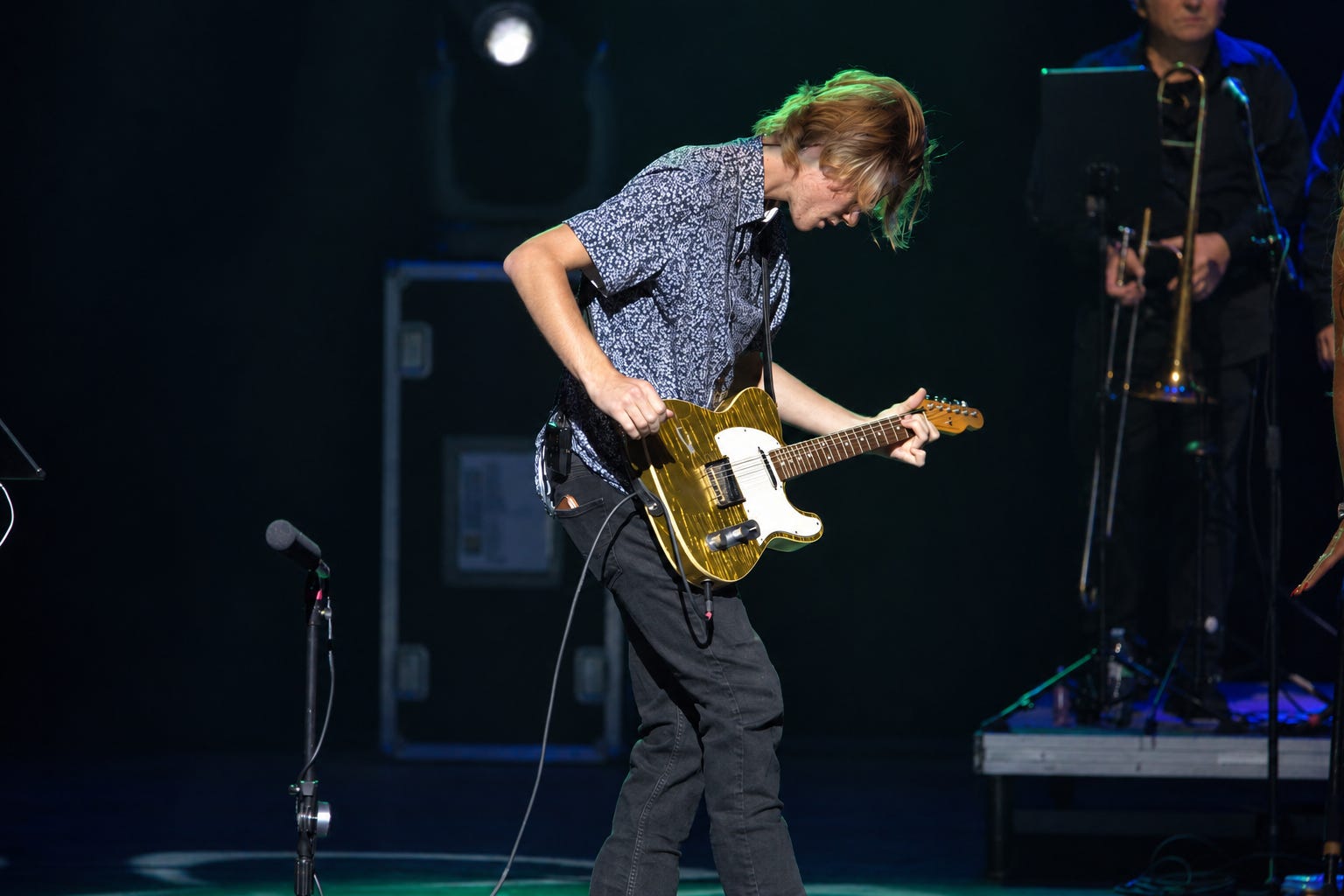
It was one of those moments when the audience’s age became almost irrelevant. Shoulders moved. People responded. The room got louder.
Neil Diamond songs have survived partly because they invite that reaction without demanding it.
“Kentucky Woman” came with another piece of Diamond history, Vee explaining the circumstances surrounding the song before launching into it. Diamond’s 1967 recording remains one of the sharper examples of the punch his early songwriting could carry, and The Killer Vees gave the arrangement some muscle of their own.
It also produced the only noticeable sound-balance issue of the evening. The live horn cut aggressively through the mix and occasionally competed with Vee’s vocal rather than sitting beside it.
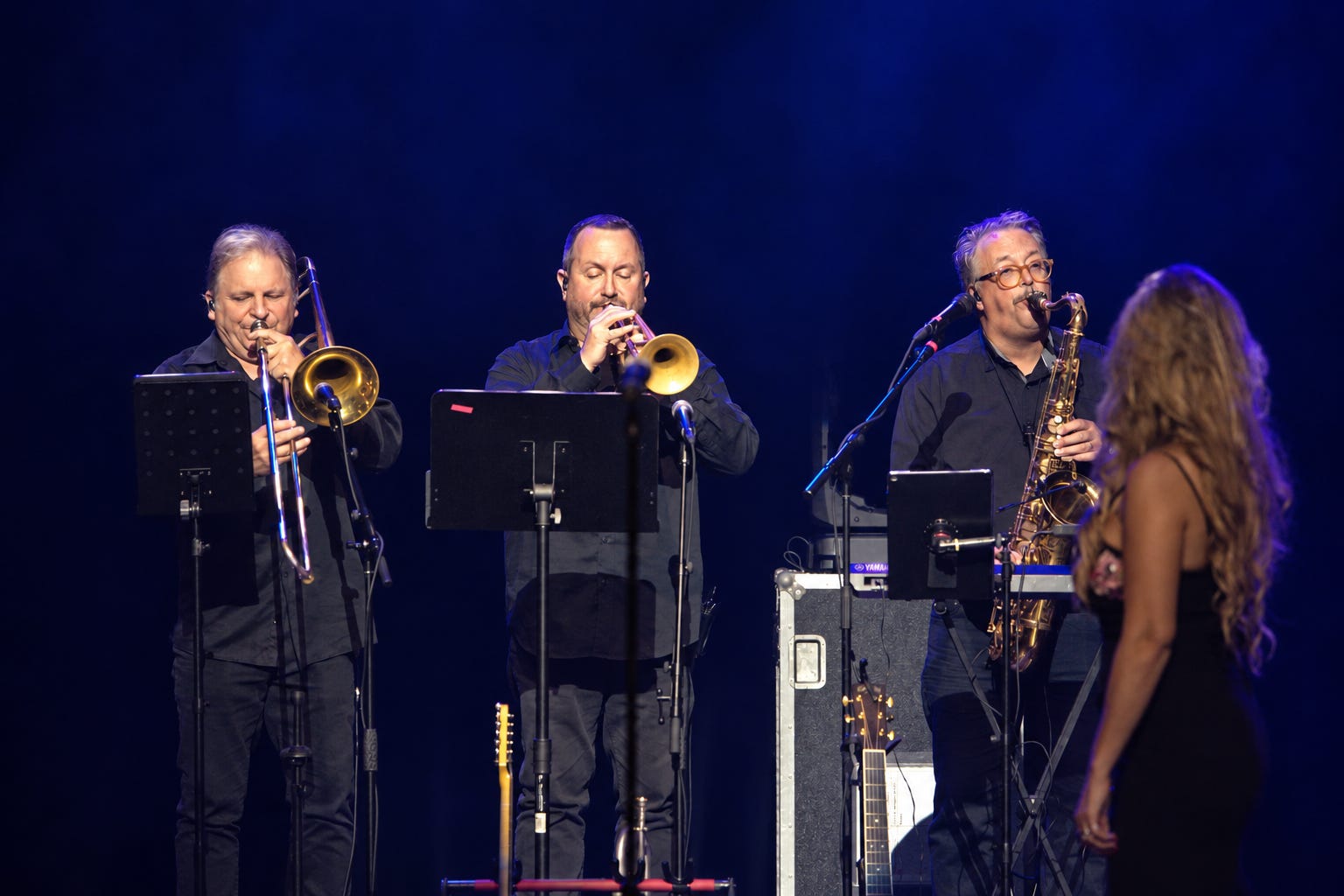
Live horns are unforgiving that way.
It was a small blemish during a show that otherwise remained remarkably controlled, especially considering how many moving pieces were involved.
That control mattered because the band had promised something larger than a stripped-down Neil Diamond tribute.
They delivered it.
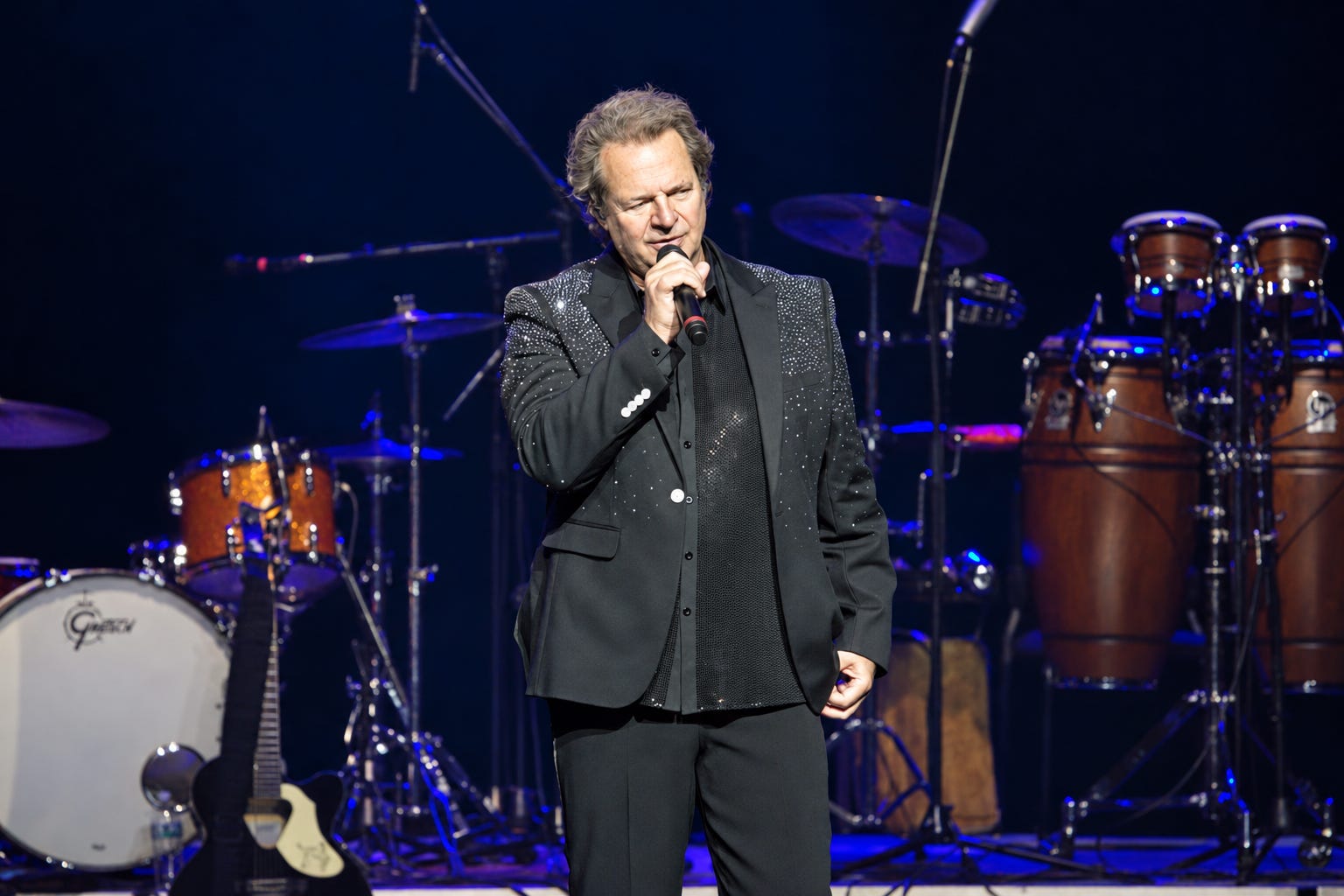
The arrangements had full-band weight. Instrumentation changed. Julie moved between backing vocals and the foreground. Guitar, percussion, keyboards and saxophone were each given room. Family history occasionally interrupted the music in the best possible way.
The musicians weren’t trying to reproduce old records note for note. They were preserving the characteristics that made those records worth returning to.
The audience understood that better than anyone.
Watching older concertgoers illuminate their phones during songs that had been part of their lives decades before was one of the night’s most telling images. Phone lights have become such a familiar concert ritual that they can feel obligatory, but here they carried a different weight.
These weren’t teenagers discovering their first favorite band.
Some of the people around us had likely been listening to Diamond before anyone could imagine a phone becoming a flashlight, camera, ticket and lighter replacement all at once.
They sang anyway.
They sent hand hearts toward the stage. They reacted to opening notes before Vee had time to begin the first lyric. Certain songs appeared to trigger something physical, bodies straightening in seats, heads turning toward partners, voices suddenly joining from sections of the room that had been quiet minutes earlier.
For a few songs, they looked younger.
Afterglow
The finale widened the production one final time when the Spotlight Choir joined The Killer Vees onstage, fulfilling the evening’s promised appearance by local performers and turning a show built around one songwriter’s catalog into something communal.
Julie’s vocals were especially strong there. She had been reliable throughout the evening, but during the closing stretch her voice pushed above the arrangement with clarity and confidence rather than simply supporting it.
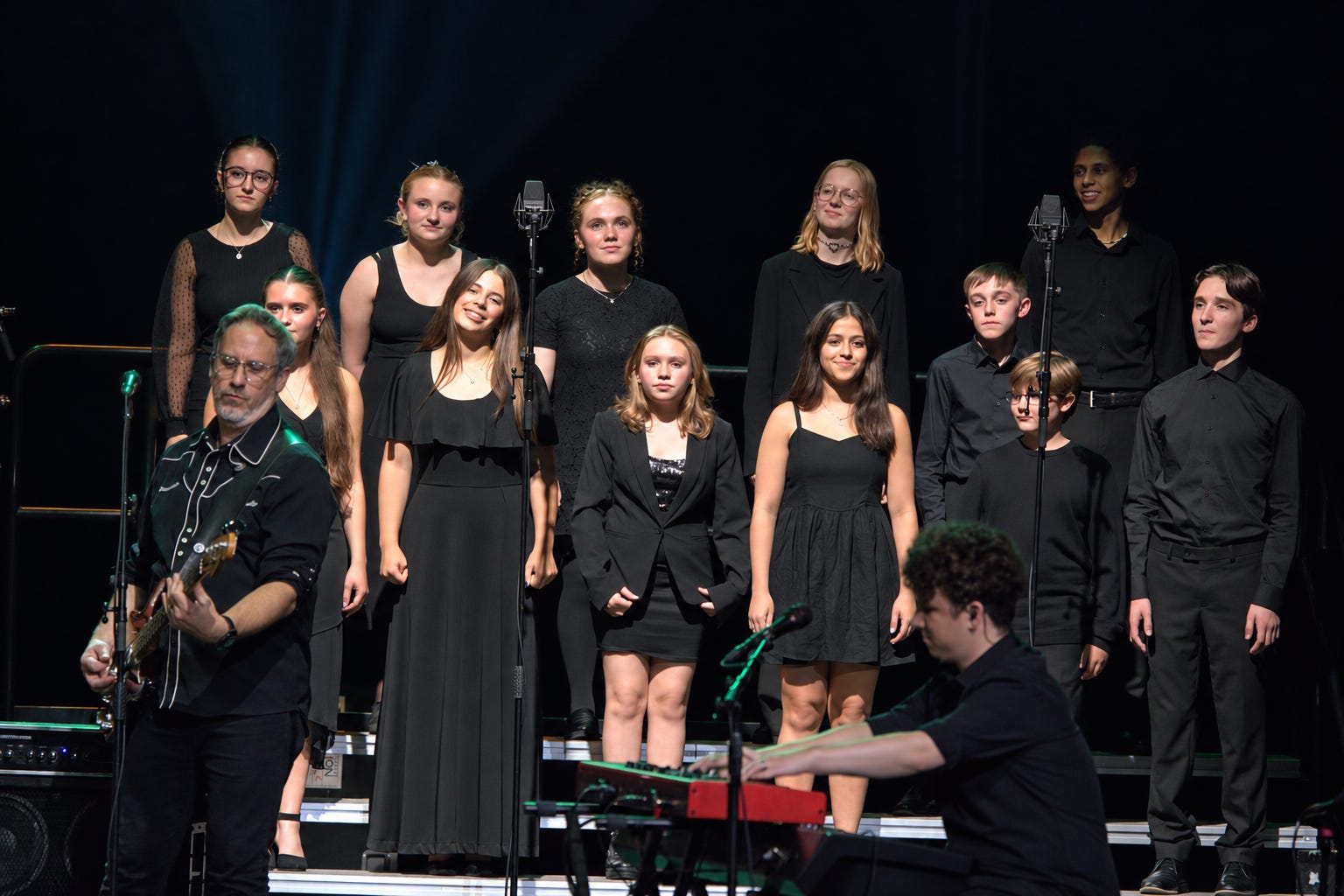
It was the right ending for a show that had spent the night gradually revealing how many people were involved in keeping these songs alive.
Matt Vee may stand at the microphone singing Neil Diamond, but I Am, He Said works because it refuses to treat Diamond’s catalog as museum property.
These songs were loud.
They were funny.
They carried family stories.
They occasionally came with a tambourine flying through the air.
And when the crowd sang back, Vee frequently stopped being the most interesting thing to watch.
The people around us were.
Some had probably been listening to Neil Diamond for more than half a century. Now they were holding phones above their heads, singing lyrics they didn’t need screens to remember and throwing hand hearts toward the stage.
For one night at the Washington Pavilion, Matt Vee and The Killer Vees didn’t simply remind Sioux Falls what those songs sounded like.
They reminded the room what it felt like when those songs belonged to them.
Please consider Donating to Sponsor an article even $1 helps!
