



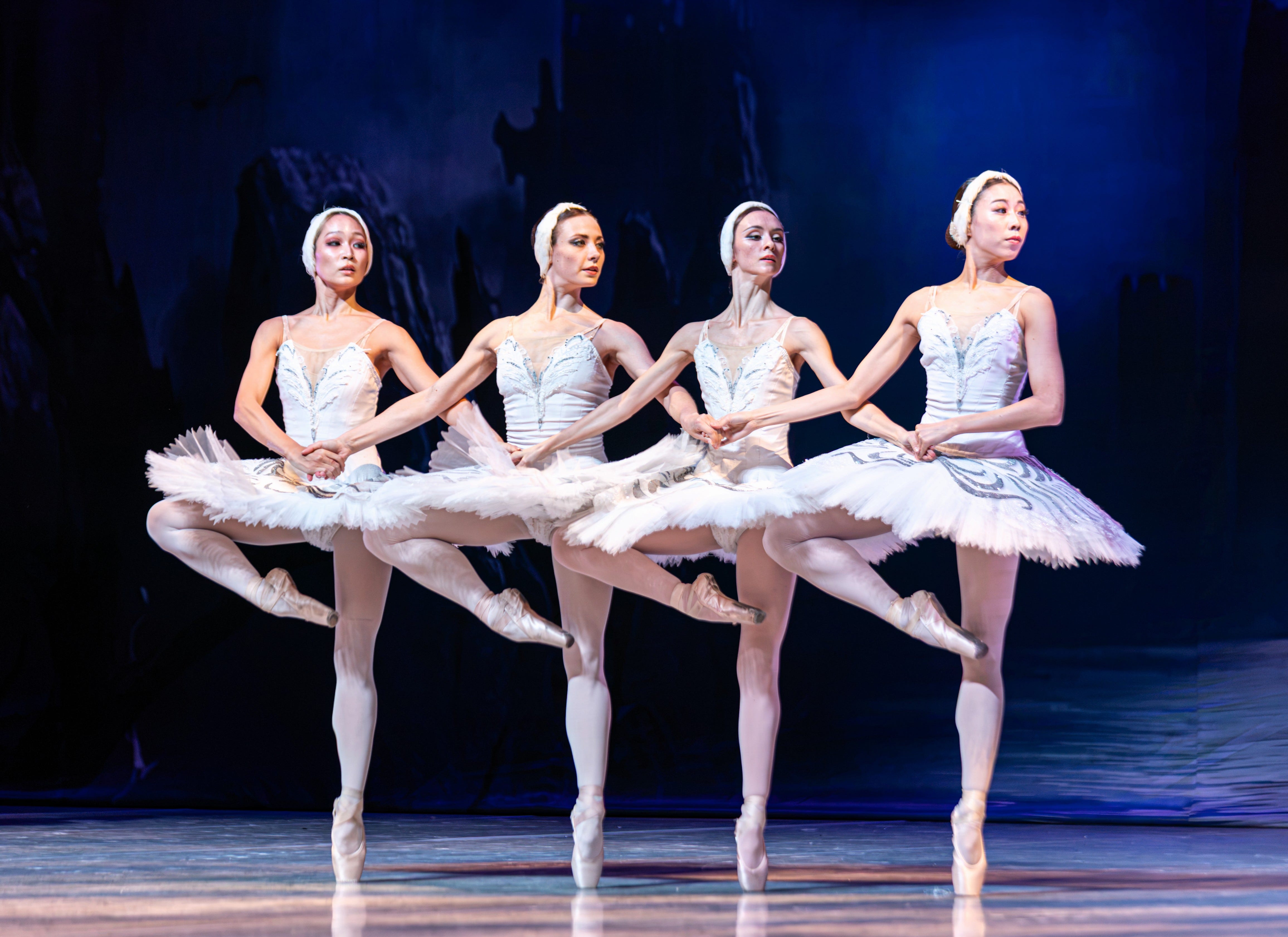
At times during World Ballet Company’s Swan Lake, I could hear the dancers’ shoes against the stage. It was a small detail among the costumes, scenery and music, but it stayed with me. Ballet can look effortless from the audience. Those sounds offered a little reminder of the strength and control behind the beautiful movements.
The Washington Pavilion was packed with people of all ages, from young children to grandparents enjoying an evening out. The company’s October 18 performance brought one of ballet’s most recognizable stories to Sioux Falls with a live orchestra. For me, it also brought an opportunity to photograph something connected to a part of my life that means a great deal to me. World Ballet Company
Before the performance even began, the staff helping guests throughout the venue stood out. The ushers were friendly, welcoming and seemed happy to be there. Their willingness to help made a good first impression, particularly in a room with so many people finding their way to their seats. The evening felt welcoming before the dancers had a chance to tell their story.
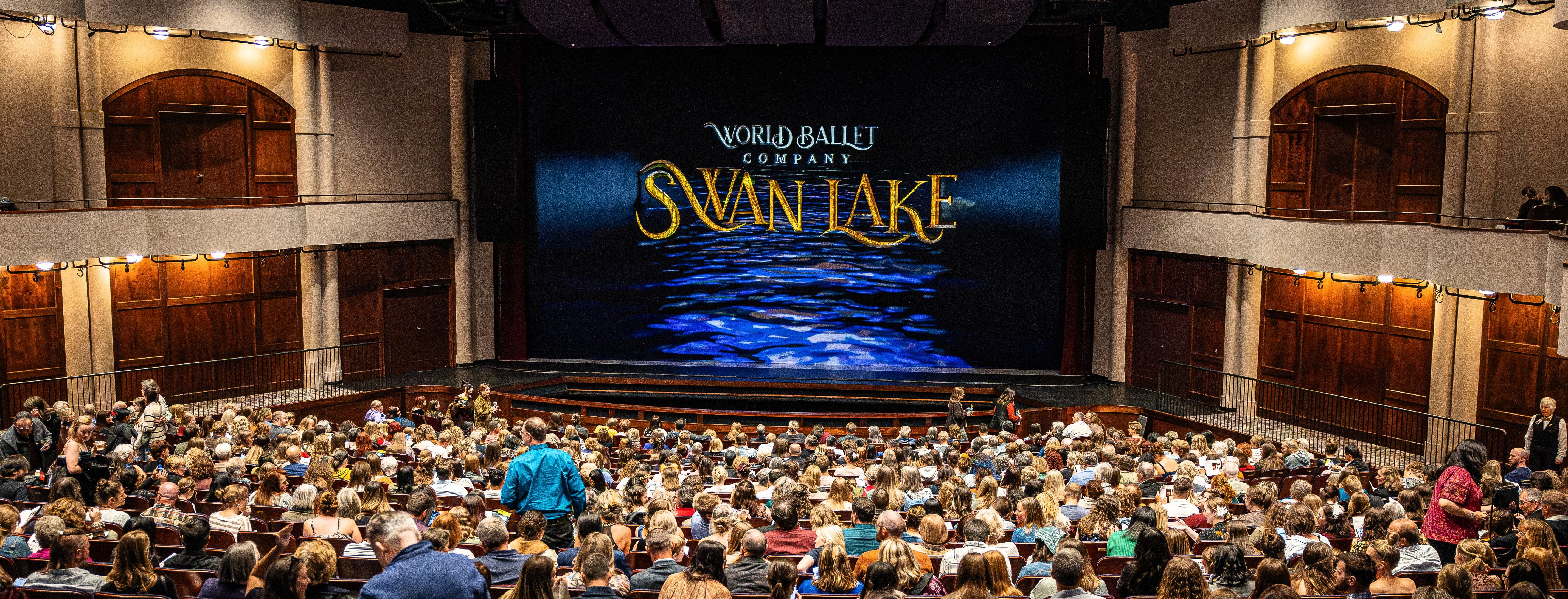
As a photographer, I was working with limited space along the sides of the room and the open seats I could find. There were practical things to figure out, as there always are when photographing a live performance. Even with those limitations, I was grateful to be there. Dance has always meant a lot to me, and this assignment felt different from photographing a typical event.

A story told without words
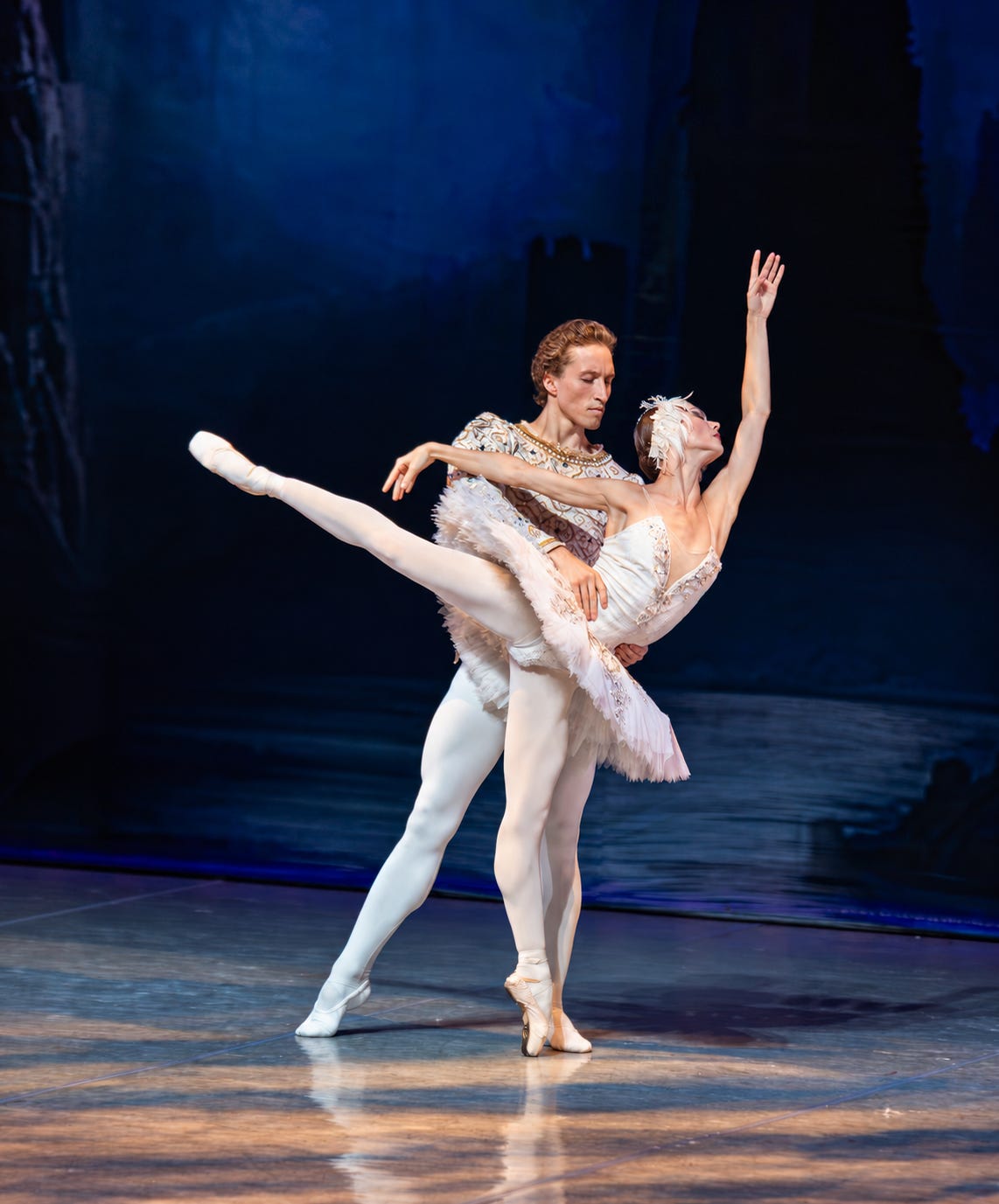
Swan Lake follows Princess Odette, who is cursed by the sorcerer Rothbart to live as a swan, returning to human form at night. Prince Siegfried falls in love with her and promises his faithfulness, but Rothbart’s daughter, Odile, deceives him into believing she is Odette. His mistaken promise to Odile threatens the love that could free Odette from the spell. That deception gives the dancers a great deal to communicate without a single spoken explanation. World Ballet Company
One of the most impressive parts of the performance was how much emotion came through in the dancers’ movements, expressions and interactions. There was a constant push and pull between characters, with lighter, more humorous moments balanced by darker scenes. The transitions helped keep the story engaging. I could appreciate the dancing while also following the relationships unfolding onstage.
In a written interview with Intellectual Dissatisfaction, company co-founder Sasha Gorskaya described how a familiar ballet can still feel immediate. “The freshness comes from how the dancers inhabit it. You can preserve the classical choreography and still make a look, a hesitation, or a betrayal feel immediate. The technique is incredibly demanding, but the audience should feel the emotion behind it. Love and bad decisions haven’t become any less relevant!”
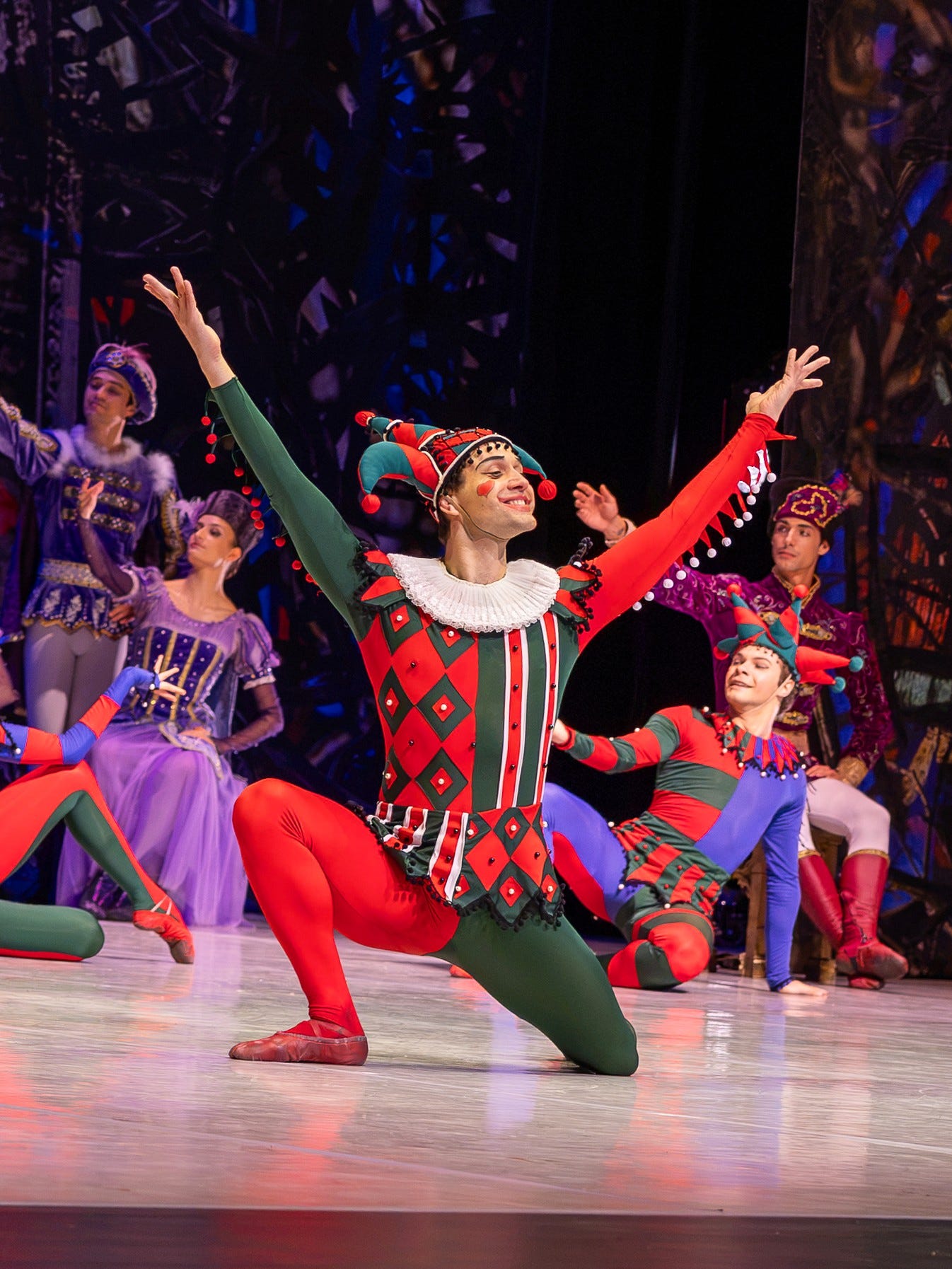
The Jester gave the production some welcome humor, offering a lighter contrast to the more serious parts of the story. Those moments let the evening change its mood without losing its direction. The solos also gave individual dancers room to stand out. There was pleasure in watching one performer command attention, then seeing that attention expand again as the stage filled with dancers.
The larger group performances were just as impressive. The dancers moved so closely in sync that it was easy to forget how much practice it takes to make that coordination look natural. Every formation depended on the people within it maintaining their balance, timing and control. Watching them together made me appreciate the dedication behind the production as much as the finished image.
Gorskaya said the company’s international mix of dancers brings “Different training, different instincts, different ways of approaching a character.” Those differences become part of the work in rehearsal. “That gives us a lot to work with creatively. Then rehearsal turns those individual qualities into a company that can breathe together.”
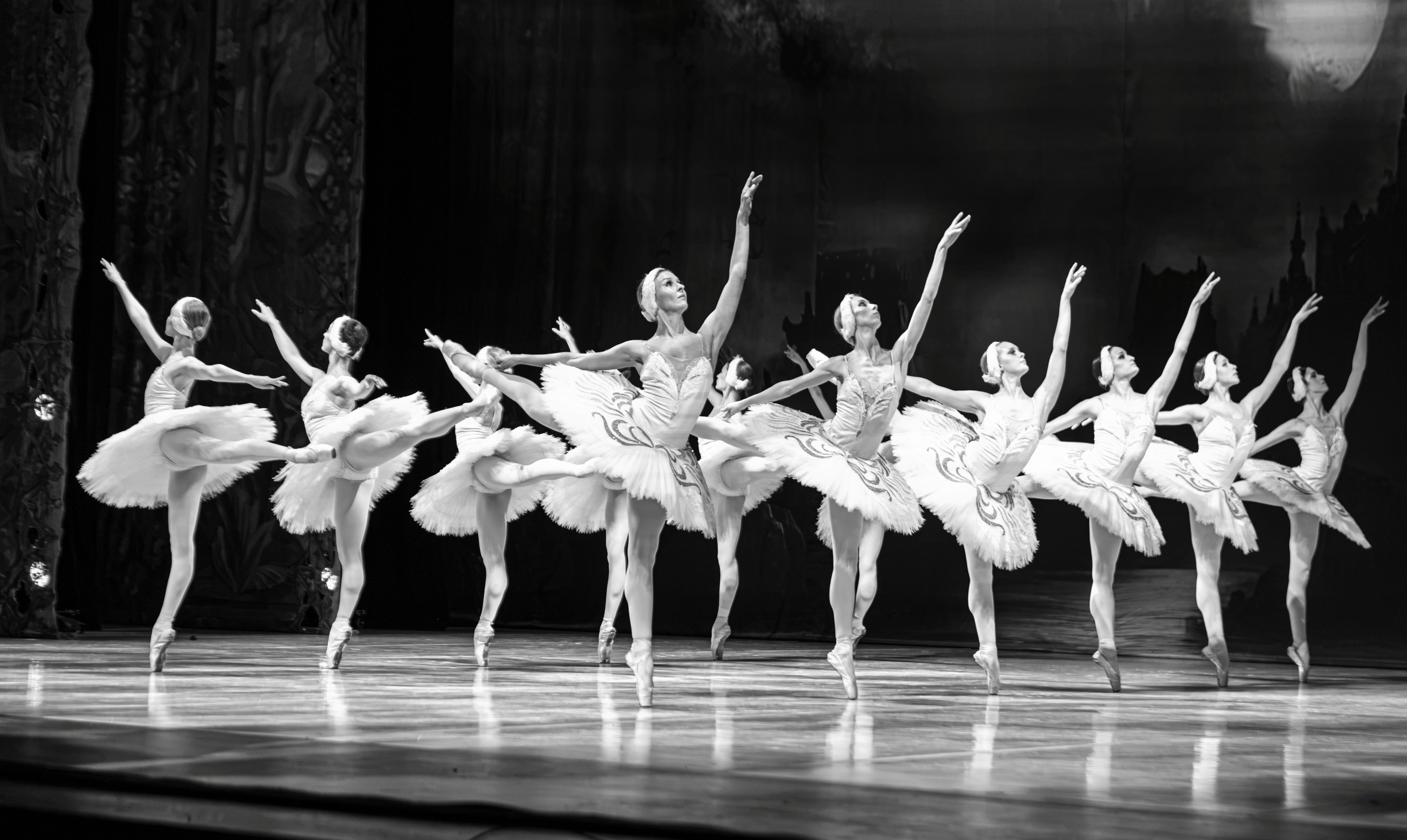
Co-founder Gulya Hartwick still finds herself stopping to watch the ensemble. “And when all the swans come onstage, moving in perfect synchronization, the beauty is overwhelming. No matter how many times I’ve seen it, I still stop to watch.” Her answer felt close to what I appreciated in Sioux Falls: the individual effort was considerable, but the dancers kept drawing my attention back to what they could create together.
Please consider Donating to Sponsor an article even $1 helps!

Hearing the music happen
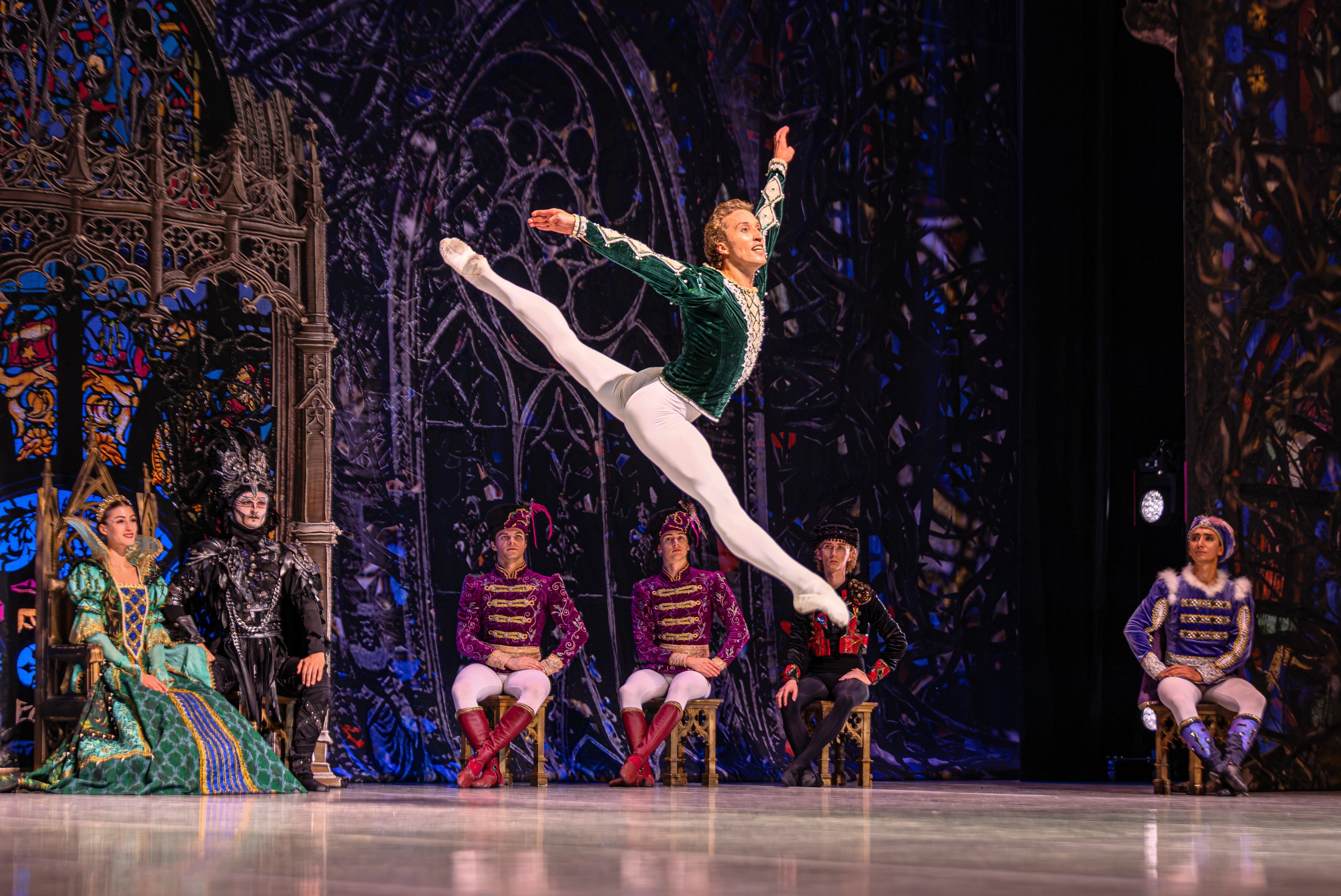
The live orchestra added another layer to the experience. Tchaikovsky’s music sounded clear and full, working alongside the choreography rather than competing with it. The orchestra and dancers seemed to move together, with the music helping build the emotion of each scene and guide the story.
Hartwick said this season marked the arrival of the company’s own WBC Orchestra. “For me, nothing compares to seeing Swan Lake while hearing Tchaikovsky’s music performed live. It’s how this extraordinary ballet deserves to be experienced.” Asked what live musicians add, she put it in physical terms: “You feel the music being created in the room—the breath, the texture, the sheer physical sound.”
Gorskaya described the same relationship from the dancers’ side. “For the dancers, there’s a living relationship with the conductor and musicians. Recorded music gives you consistency; live music asks everyone to listen and respond. That makes each performance its own event.”
That sense of people responding to one another was part of what made the performance rewarding to watch. There was plenty to take in visually, but the music helped me stay connected to the emotion while I was also thinking about photographs. Hearing the score performed in the same room gave the evening a presence that became part of my memory of it.
A world you could follow
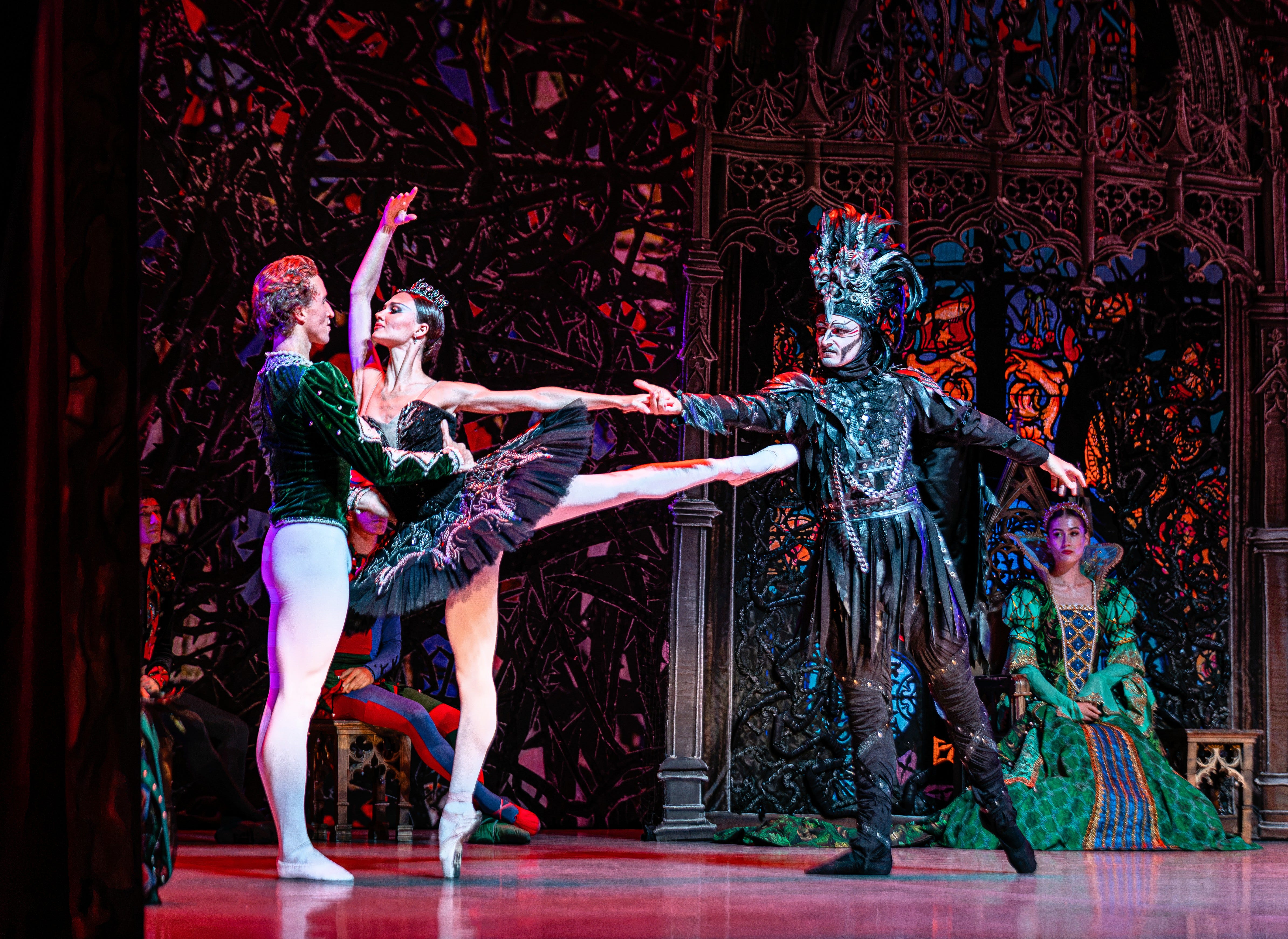
The backdrops established the setting for each part of the story, while the costumes added color and elegance to the stage. With the theater dark beyond the performance area, the lighting drew attention to the dancers and the world around them. There was a lot to admire through a camera, but those visual details also helped make the story readable from the audience.
Gorskaya said the company first presented this production in 2019, giving it a prologue, additional characters and a more vibrant visual approach. “Over the years, we’ve added multimedia elements and projections, continuing to build that world. Gradually, our Swan Lake has grown into something that feels like a true ballet blockbuster.”
For Hartwick, the design begins with helping an audience understand where it is and who it is watching. “The palace and the lake should feel like very different places, and the costumes tell you something about the people who inhabit them.” She also described a specific change prompted by audience feedback: “We realized that the curse wasn’t always clear through ballet gestures alone, so we added projected lightning to make that moment unmistakable.”
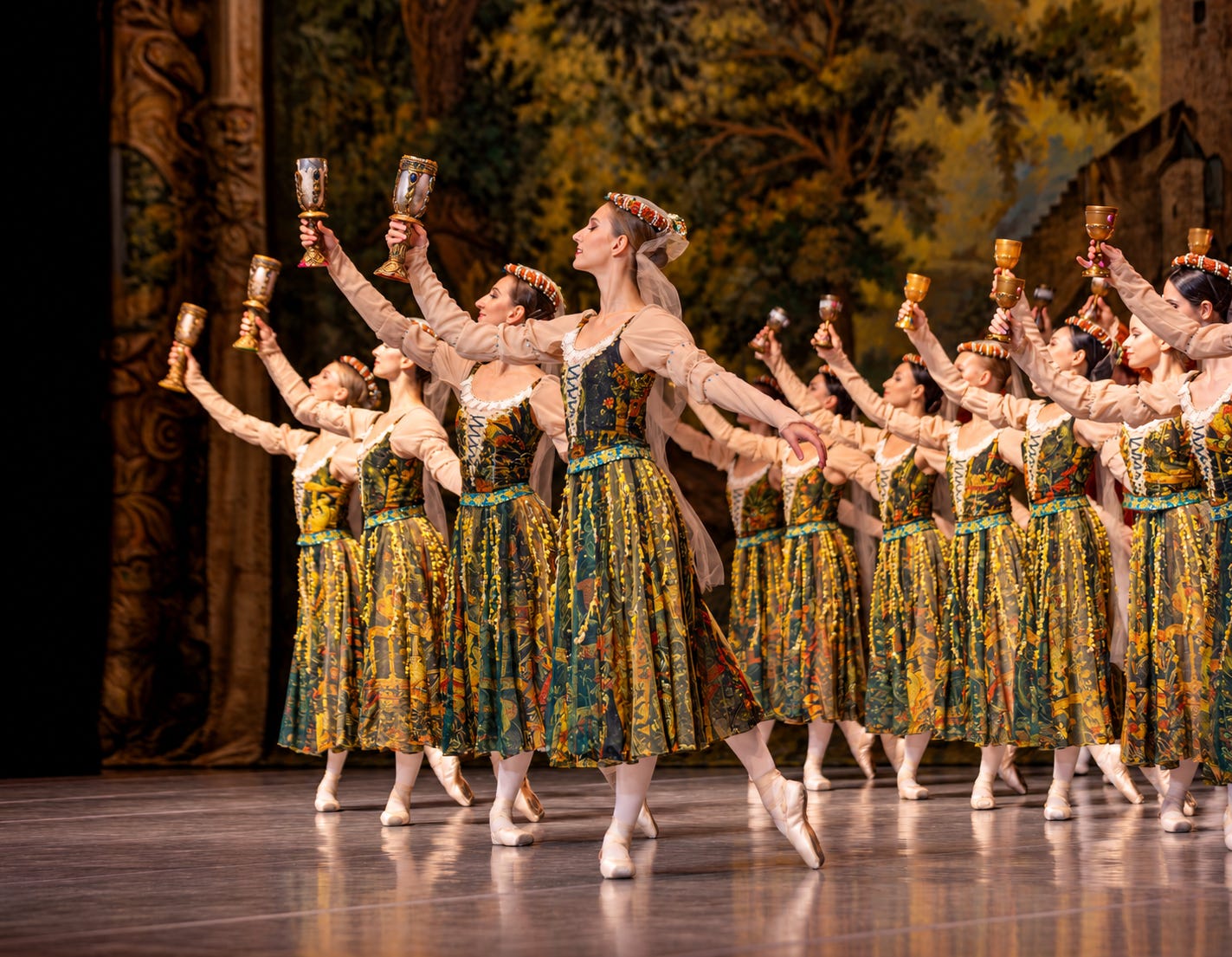
The curse has to make sense before an audience can follow its consequences. In Sioux Falls, the costumes and scenery gave us a world to look at, while the dancers’ expressions and interactions gave us relationships to follow. Both helped keep the production engaging.
There is a practical side to all of that visual detail, too. Hartwick offered a glimpse of it with a little humor: “And yes, transporting more than 150 costumes does make packing for a personal vacation seem wonderfully simple.” From the audience, those costumes helped make each setting feel complete. Her answer was another reminder of the work that goes into bringing the production from city to city.
Gorskaya connected that attention to storytelling with her earlier career. “Working in journalism and media teaches you to think about the person receiving the story. What do they need to understand? What holds their attention? We bring those questions into the theatre.” The question of what an audience needs to understand is especially useful for a performance that must communicate so much through movement.
An invitation close to home
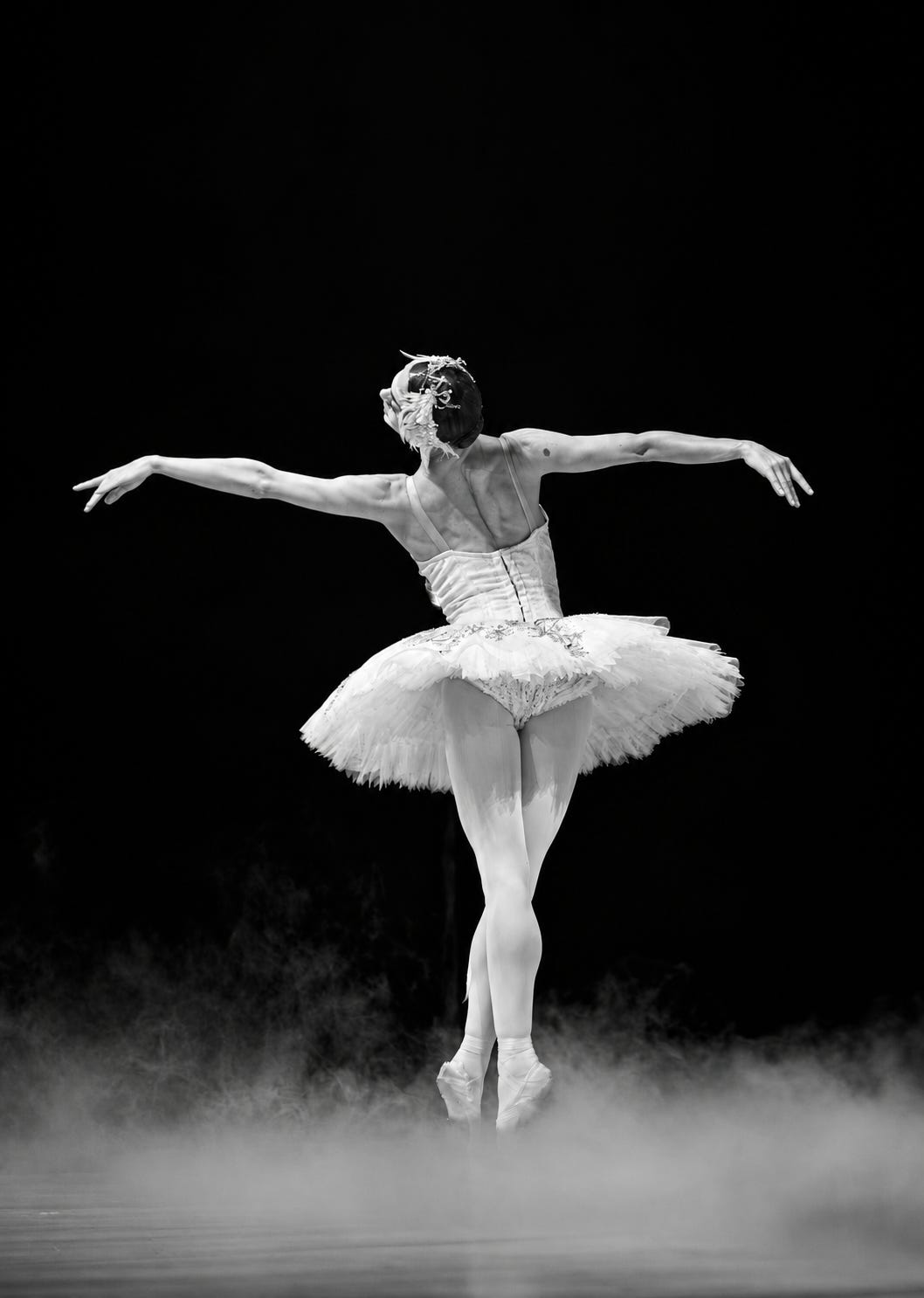
Based in Los Angeles, World Ballet Company tours nationwide with the aim of reaching both longtime ballet audiences and people who have never attended a performance. Bringing full productions into those communities is central to the founders’ approach. At the Pavilion, the mix of ages in the audience gave that goal a local setting: children and grandparents could share the same evening without needing the same history with ballet. worldballetcompany.com
“Sometimes the biggest barrier is the idea that ballet is for someone else—that you need special knowledge, special clothes, or a certain background,” Hartwick said. “You don’t. You can come curious and let the music and story do their work. We also bring full productions to people’s own communities, so attending doesn’t have to mean planning a trip to a major city.”
Gorskaya’s answer was shorter. “There’s no exam afterward. You’re allowed to enjoy it in your own way.” That seems like a good invitation for a room with so many ages represented. A person could follow the love story, appreciate the orchestra, watch the formations or find a favorite character in the Jester. There was room to connect with the performance in more than one way.
Hartwick said her experience producing major national music tours in different countries taught her to take responsibility for decisions and see them through. She described that same attitude toward building the ballet company and its audience. “We had to earn our audience, one city at a time. So we think about the whole experience, from someone first hearing about the show to leaving the theatre.”
That attention to the whole evening brought me back to the welcome at the Pavilion. The ushers were part of the experience, too, helping people settle in before the performance took over. A visit to the theater includes those smaller interactions alongside what happens onstage. In Sioux Falls, they helped make a busy room feel comfortable.
For Hartwick, the reward comes when an introduction to ballet becomes something people want to repeat. “Someone comes to their first ballet, brings a friend the following year, and eventually it becomes a family tradition. That’s what makes me proud: we’ve created a company people choose to come back to, and an audience that keeps growing with us.”
My own connection to the evening came through dance and photography. I love being able to capture people doing what they love, and there was something especially rewarding about documenting the talent, dedication and emotion in this production. I’m not usually a very emotional person, but there was a moment during the performance when I found myself with a tear in my eye.
I think it was a combination of watching the dancers, hearing the music and realizing that I was actually there, getting to photograph something connected to a part of my life that means so much to me. The technical considerations were still there. Where could I stand? Which moments could I capture? But so was the simple gratitude of having the opportunity.
Afterglow
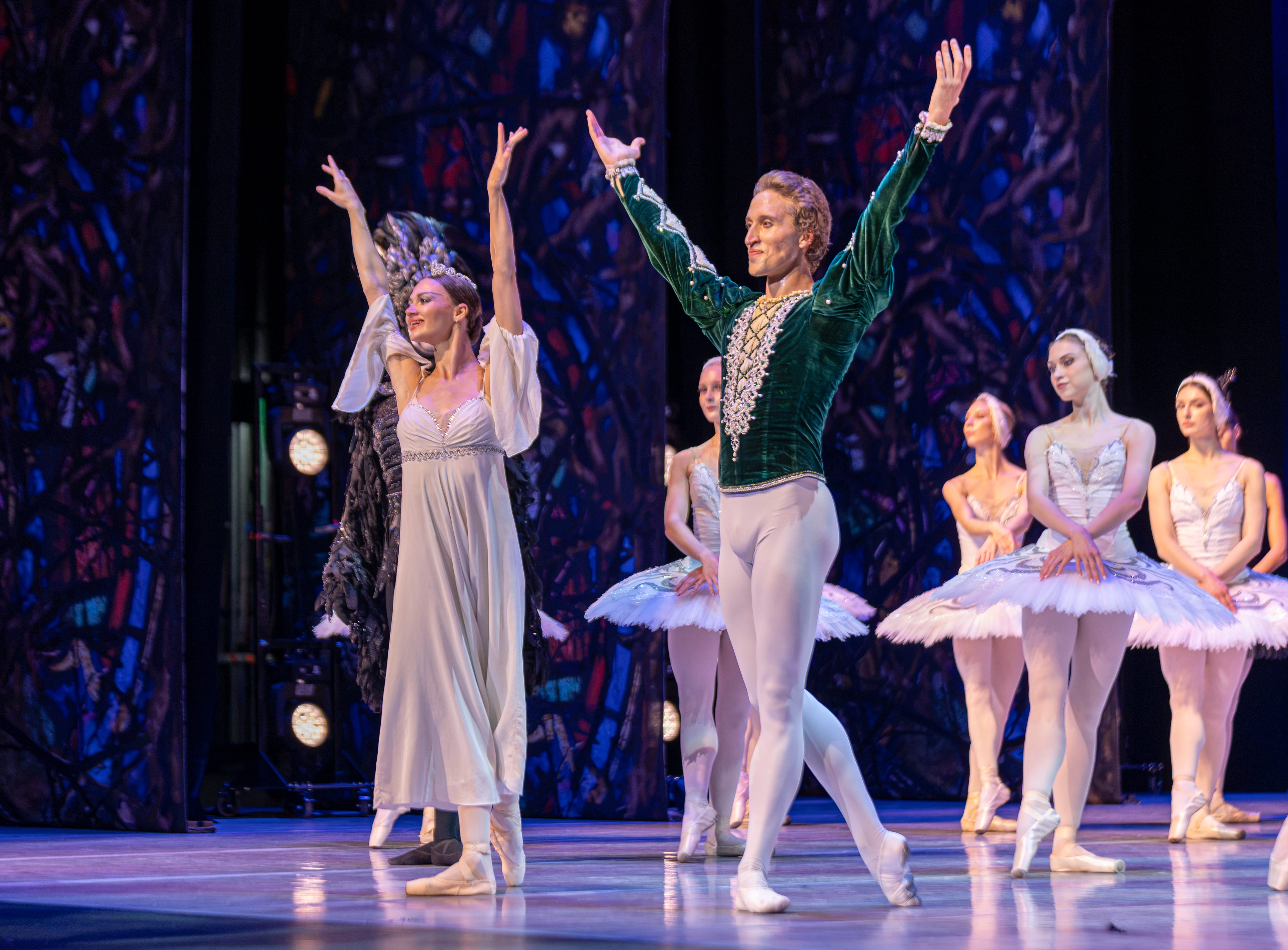
It’s easy to get caught up in the technical side of photography, thinking about where to stand, what settings to use and which moments to capture. Every once in a while, an opportunity reminds you why you love what you do in the first place. This was one of those opportunities for me.
I keep coming back to those small sounds of shoes against the stage. They made the physical work audible for a moment, even as the dancers made it look so graceful. Getting to photograph Swan Lake meant documenting that work, but it also meant being there to feel something myself. That is the part of the evening I won’t soon forget.


Please consider Donating to Sponsor an article even $1 helps!
