


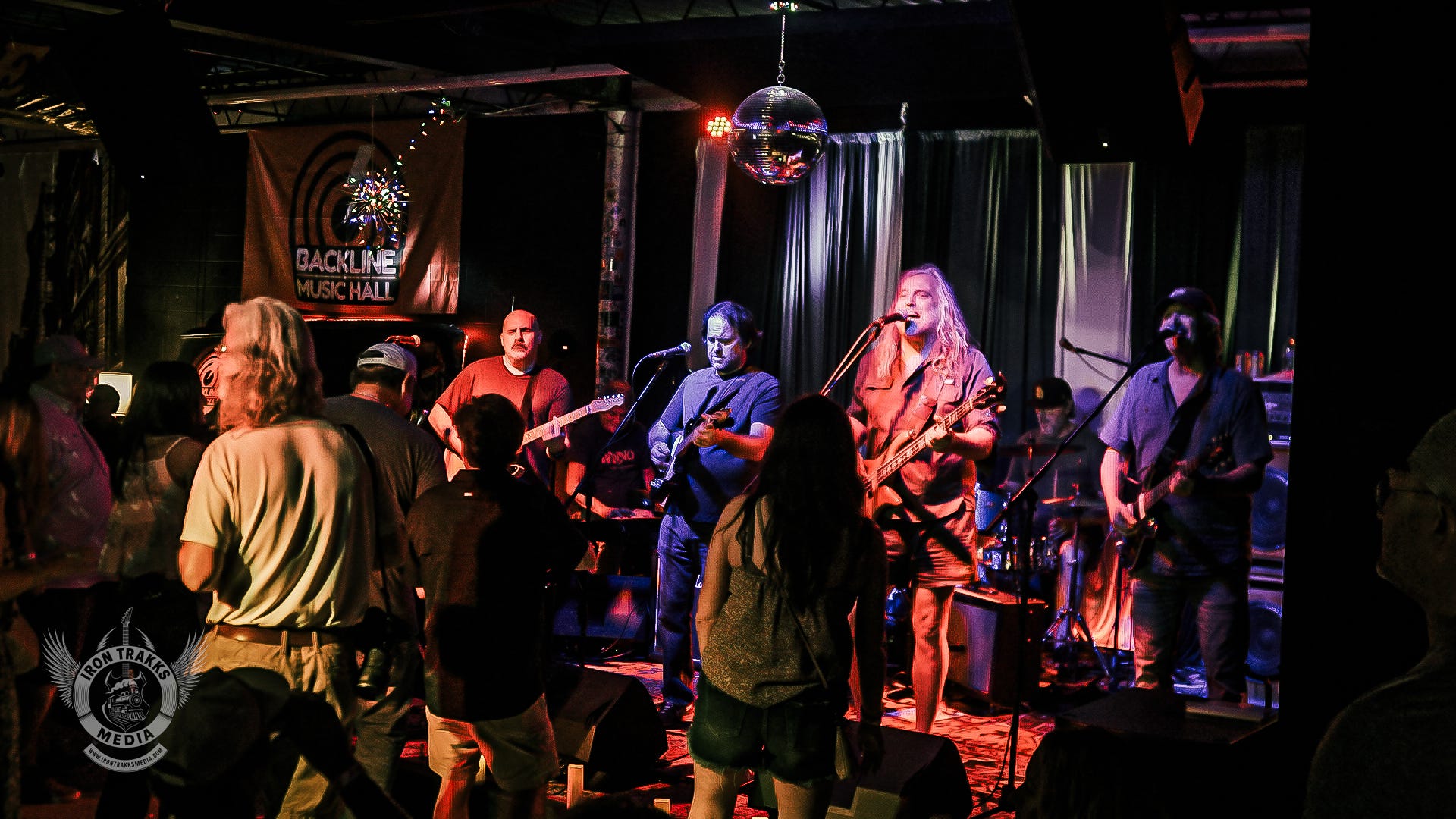
Tate Moore, George McConnell, Max Williams, “Kudzu” Dave Woolworth, Robert Chaffe and Chuck Sigler walked onto the stage and the crowd rose to meet them. It happened before the evening had time to manufacture suspense. Every corner was occupied. The people in the room knew who had come down the road from Oxford, knew the songs waiting somewhere in that catalog and knew a Kudzu Kings headlining show was likely to run longer than one set.
The first night had sold out. Demand pushed the venue to add a second show for Saturday, which sold out too. For a band whose members no longer spend most of the year living out of vans and hotel rooms, the response felt less like casual weekend business than a reunion with people who had been keeping their place.
Anticipation is a word that gets abused in concert reviews. Here it had physical proof. There was nowhere for the room’s attention to wander. When six familiar figures appeared, people were already on their feet.

Thirty-two years of funktry
The Kudzu Kings formed in Oxford in 1994, when a college town full of bars could make a young group compete for every stage and then teach it how to hold one. The band called its sound “funktry,” a useful little word for music that refuses to choose among country writing, bluegrass momentum, syncopation and the looseness of a rock improvisation.
From 1994 through 2003, the Kings toured across the United States and into Canada. The University of Mississippi’s digital Kudzu Kings collection traces a run that included shows with Widespread Panic, Bob Weir, Jimmie Dale Gilmore, Junior Brown and Aquarium Rescue Unit. Around Oxford, they worked the Harrison Street circuit at Proud Larry’s, The Gin and Ireland’s, then carried that music into rooms such as Tipitina’s in New Orleans, the Gothic Theatre in Denver and Red Rocks as an opener for Widespread Panic.
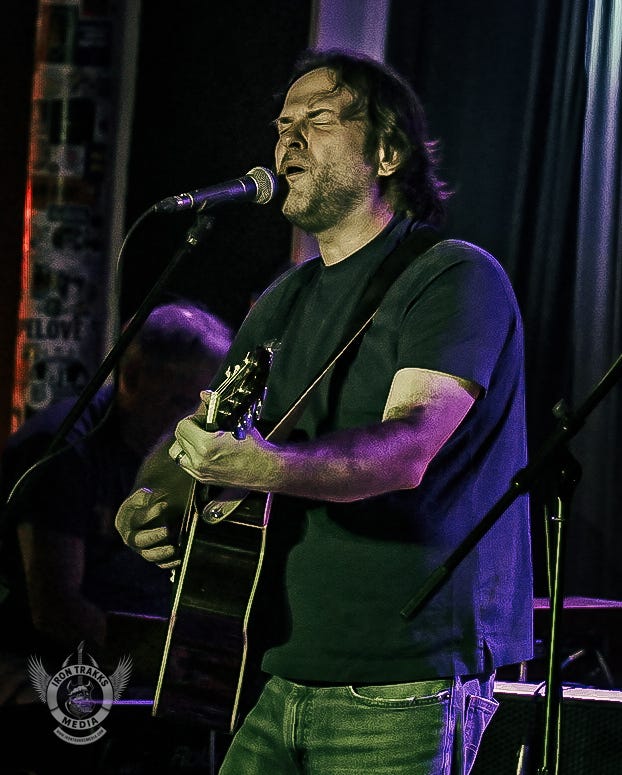
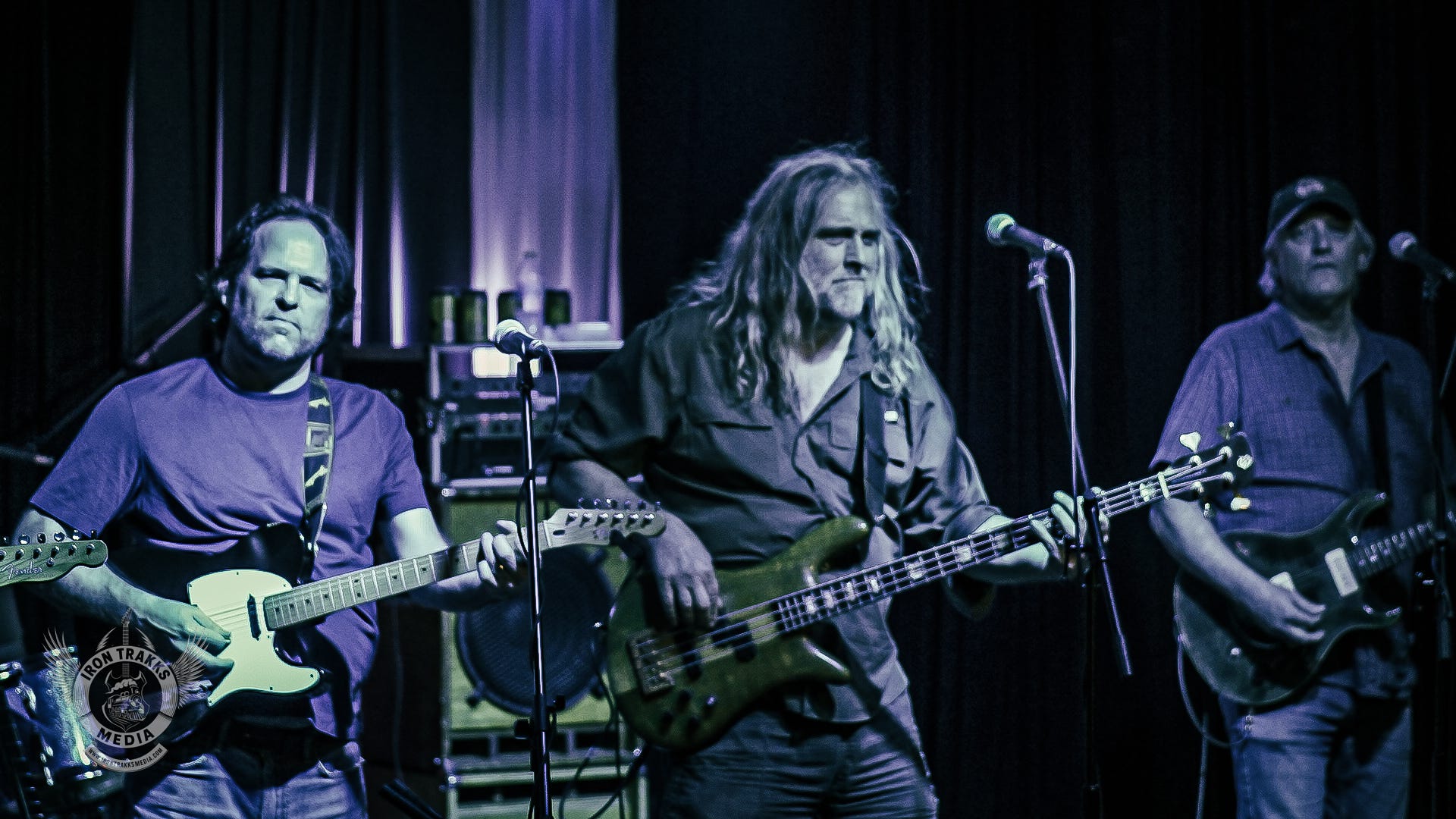
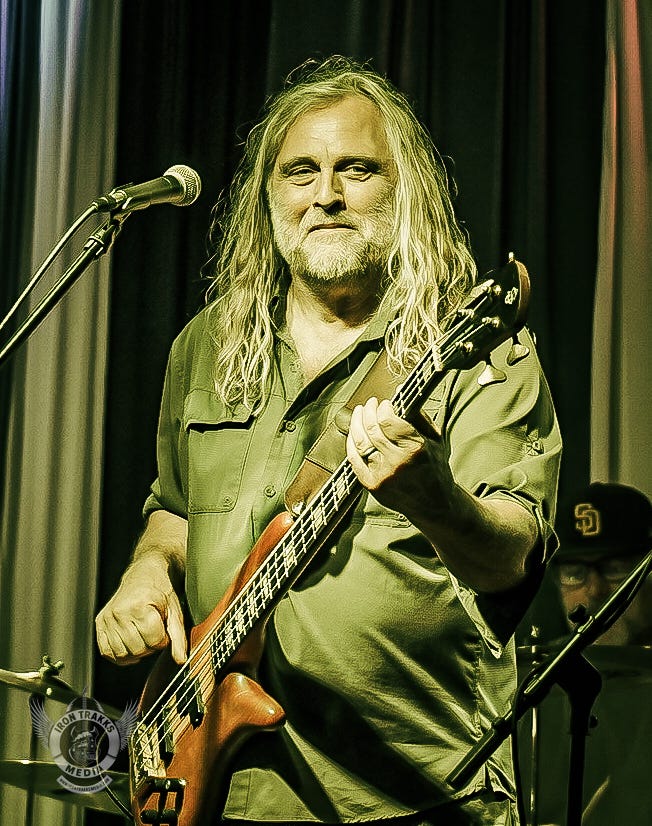
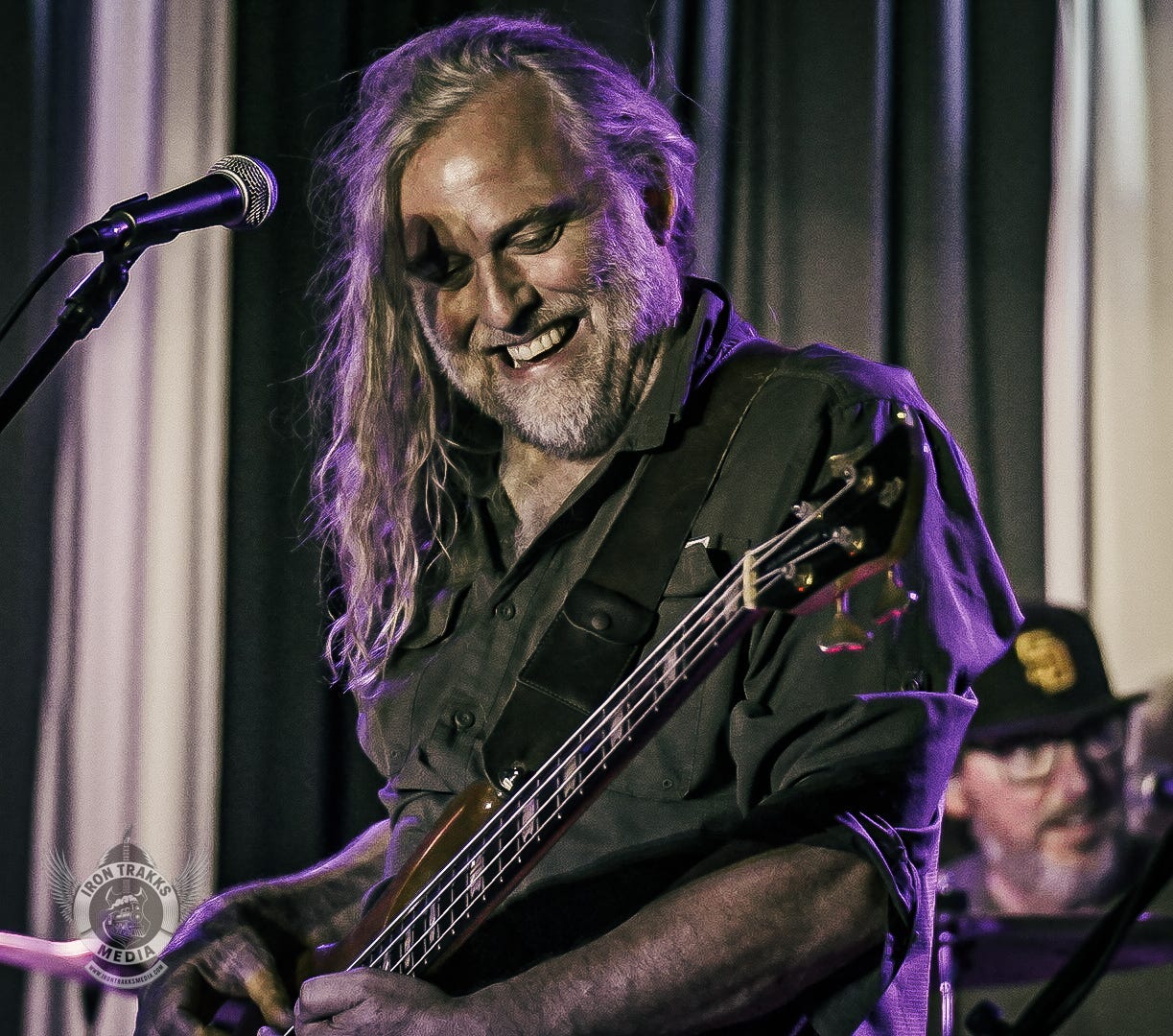
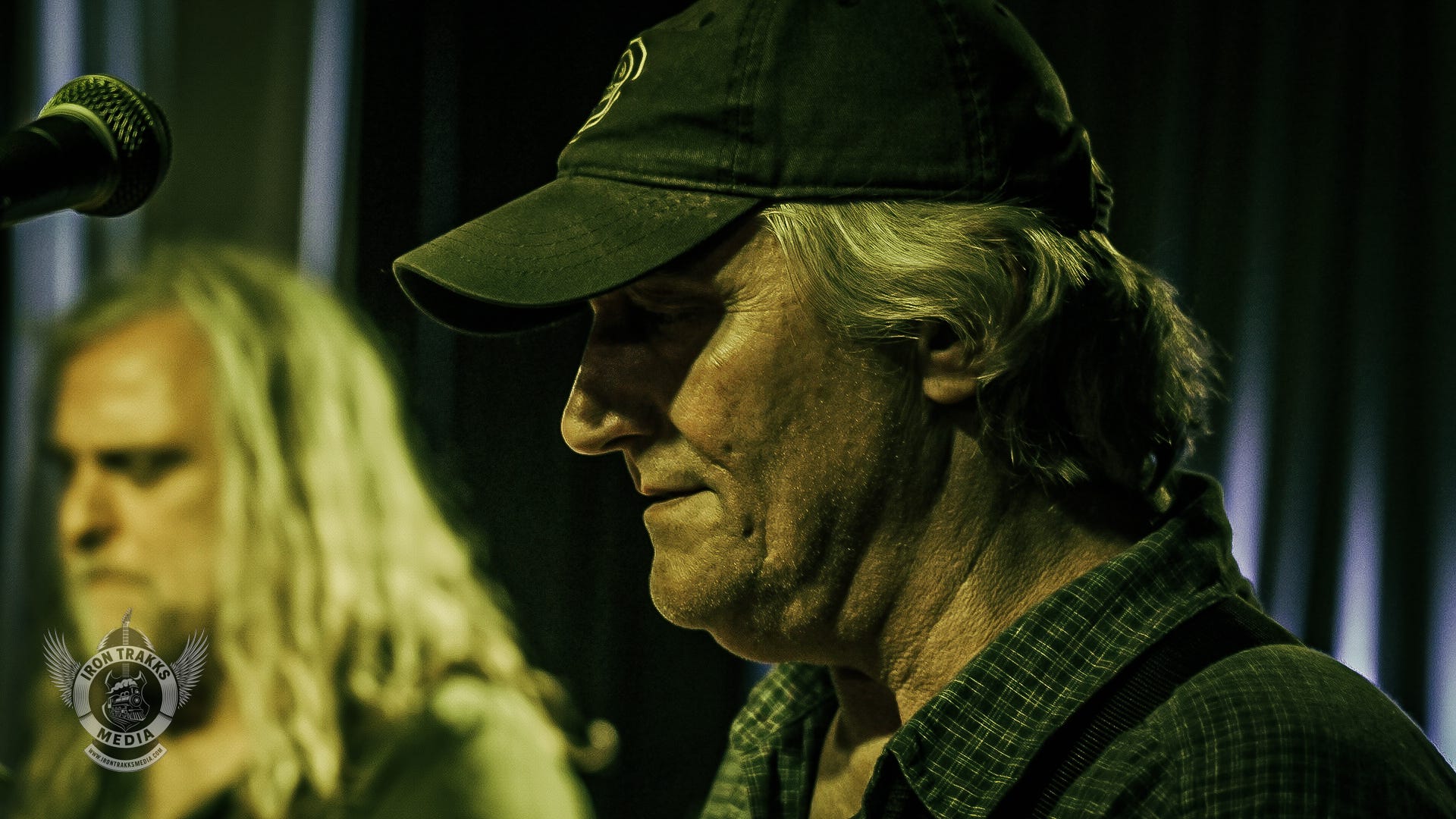
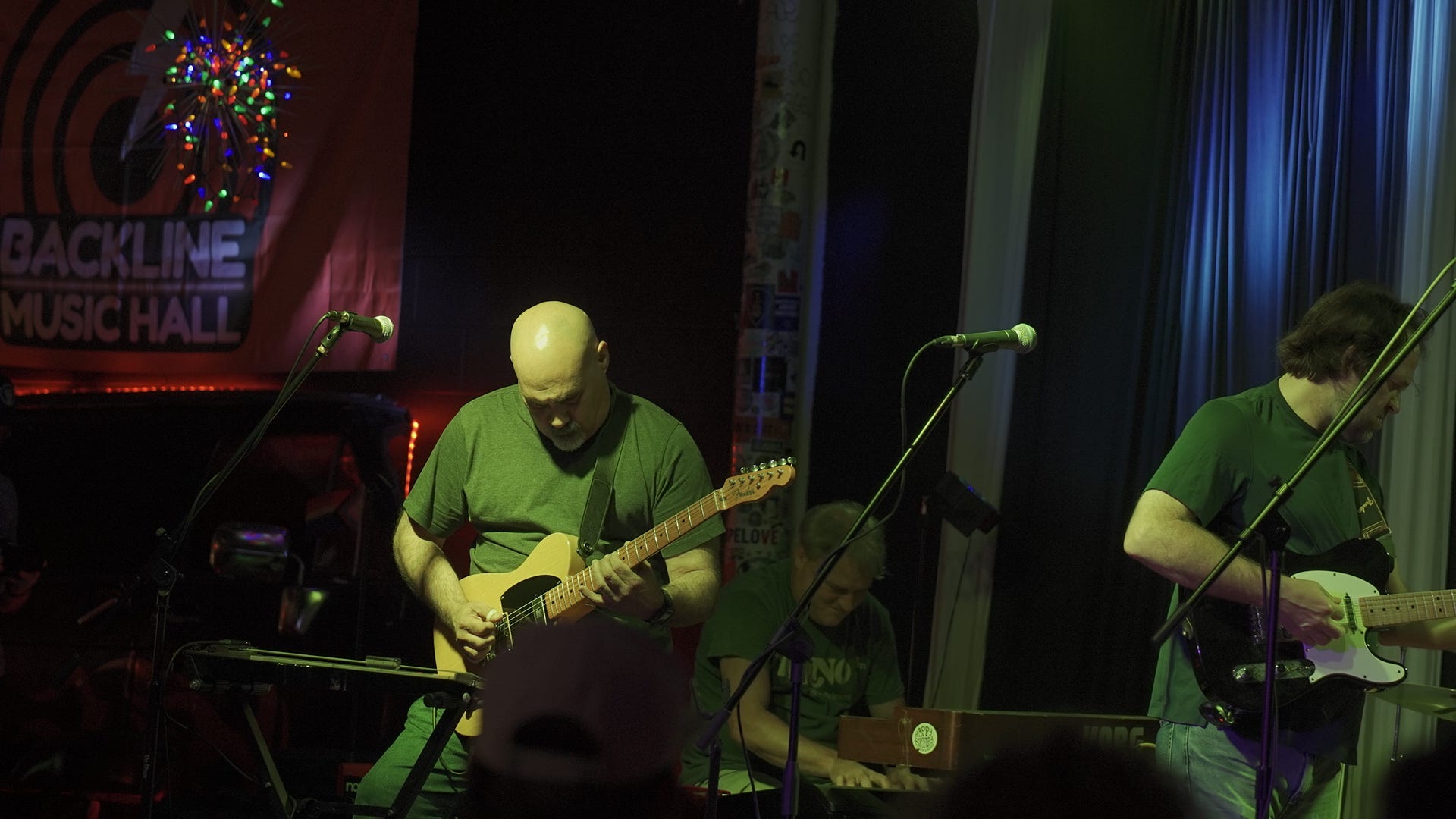
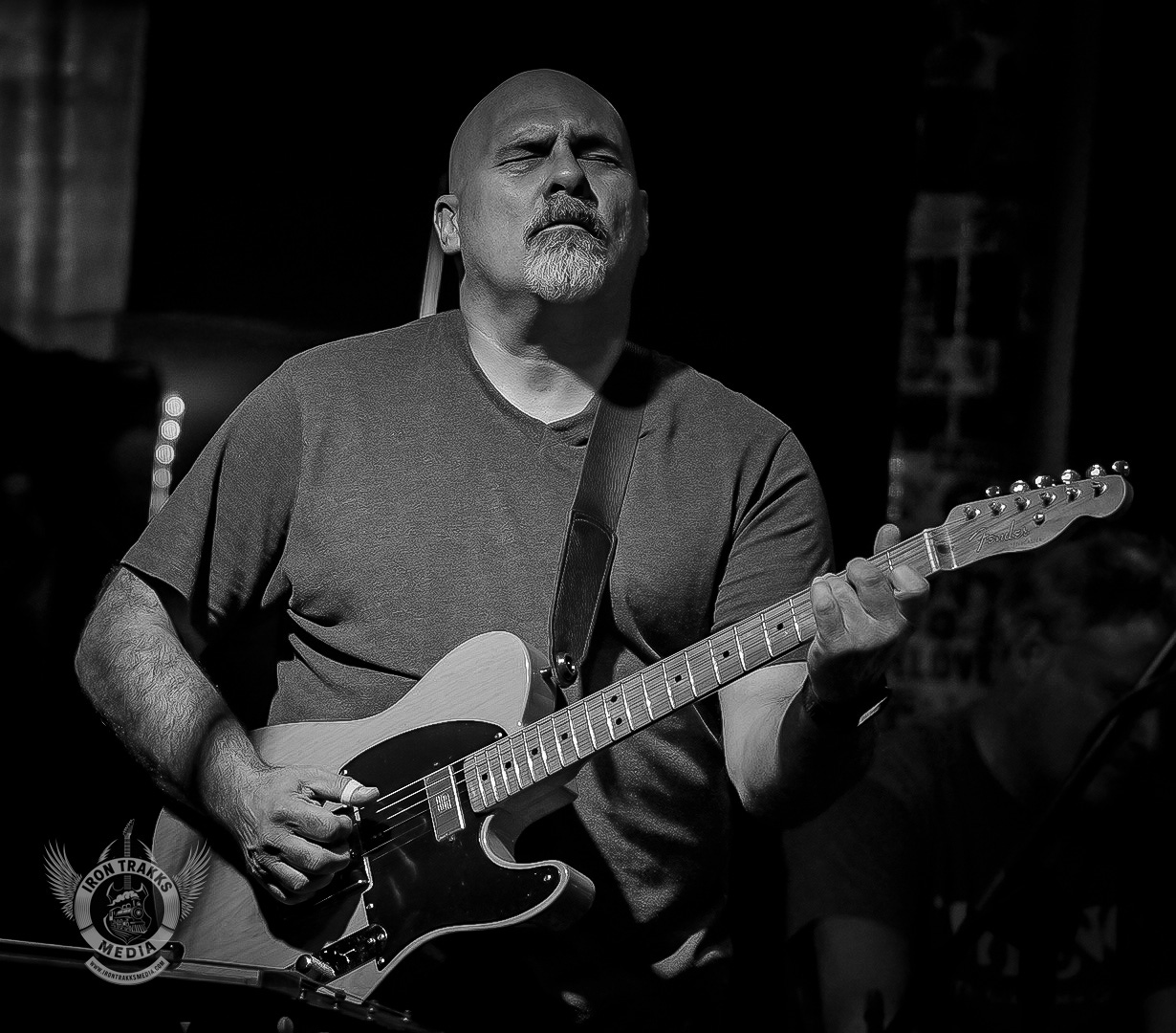
That history was standing onstage in Tupelo, though it did not arrive as a lecture. Moore handled vocals and acoustic guitar. Woolworth brought bass and vocals, Chaffe played keyboards and Sigler sat behind the drums. Williams and McConnell supplied the electric and acoustic guitar work, with McConnell carrying his own history in Beanland and Widespread Panic. The reunited six-piece lineup has enough shared language that the songs can remain recognizable without feeling sealed beneath glass.
In 2020, the University of Mississippi Blues Archive honored the band with an exhibit and living digital archive. That kind of institutional recognition can make a group sound finished, preserved for research after the noise has stopped. Friday’s sellout made the opposite case. These songs still have a working life. They reside in records and archives, yes, but also in the quick change that came over the room when the players took their places.
The dates are rarer now. Family life and age have a vote. Nobody needs to apologize for that. A band does not spend more than three decades together by pretending time has no authority. Scarcity has changed what a Kudzu Kings appearance means in Mississippi. A show is no longer one more stop in an aggressive touring year. It is an appointment, and Tupelo treated it like one.
Please consider Donating to Sponsor an article even $1 helps!

The room already knew
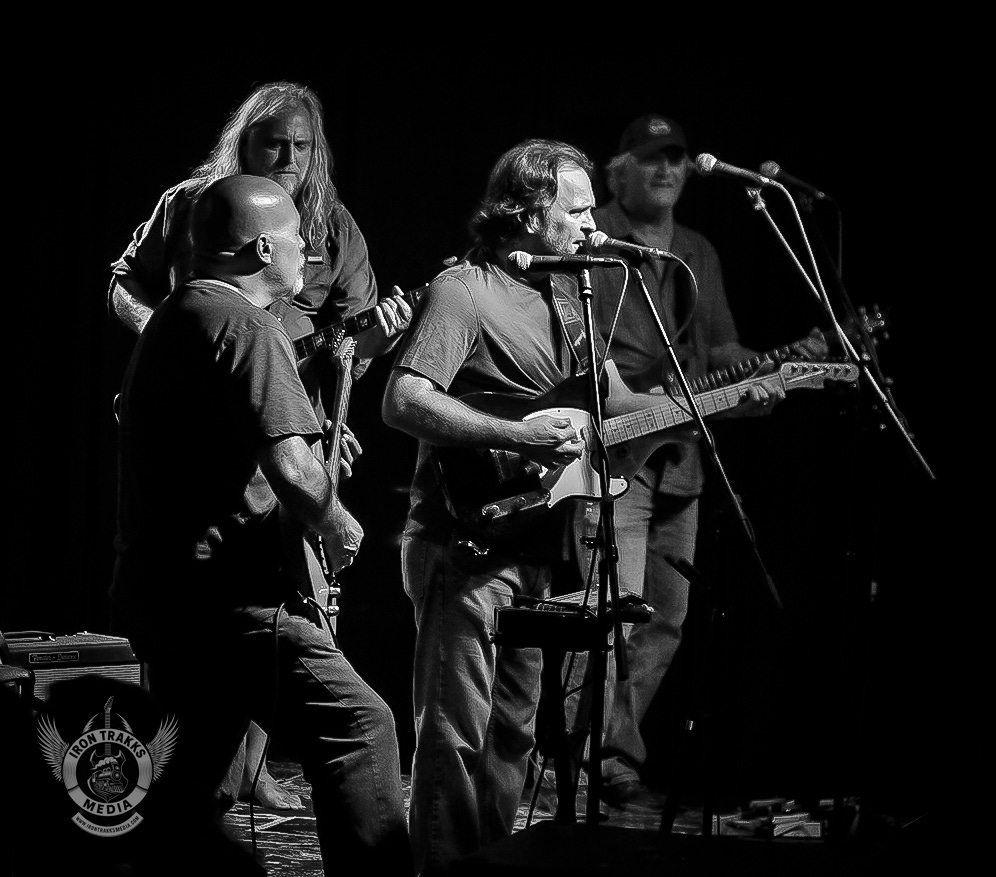
The two-set format gave the catalog space, and the first set did not waste much time testing whether the crowd remembered it. “Bound for Zion”, “Old Last Name” and “Street Walking” turned standing attention into a moving floor. The reaction did not depend on a costume change, a screen or some oversized production cue. Recognition did the work. The band reached into its own history and the response arrived without hesitation.
That is where “funktry” becomes more useful than a neat genre label. The Kudzu Kings can begin with the bones of Southern songcraft, allow the rhythm section to put a different lean on it and leave the guitars and keys enough room to breathe. Country is present, but it is not standing still. The jam-band instinct is there too, though it serves songs sturdy enough to exist without a long improvisation strapped to them.
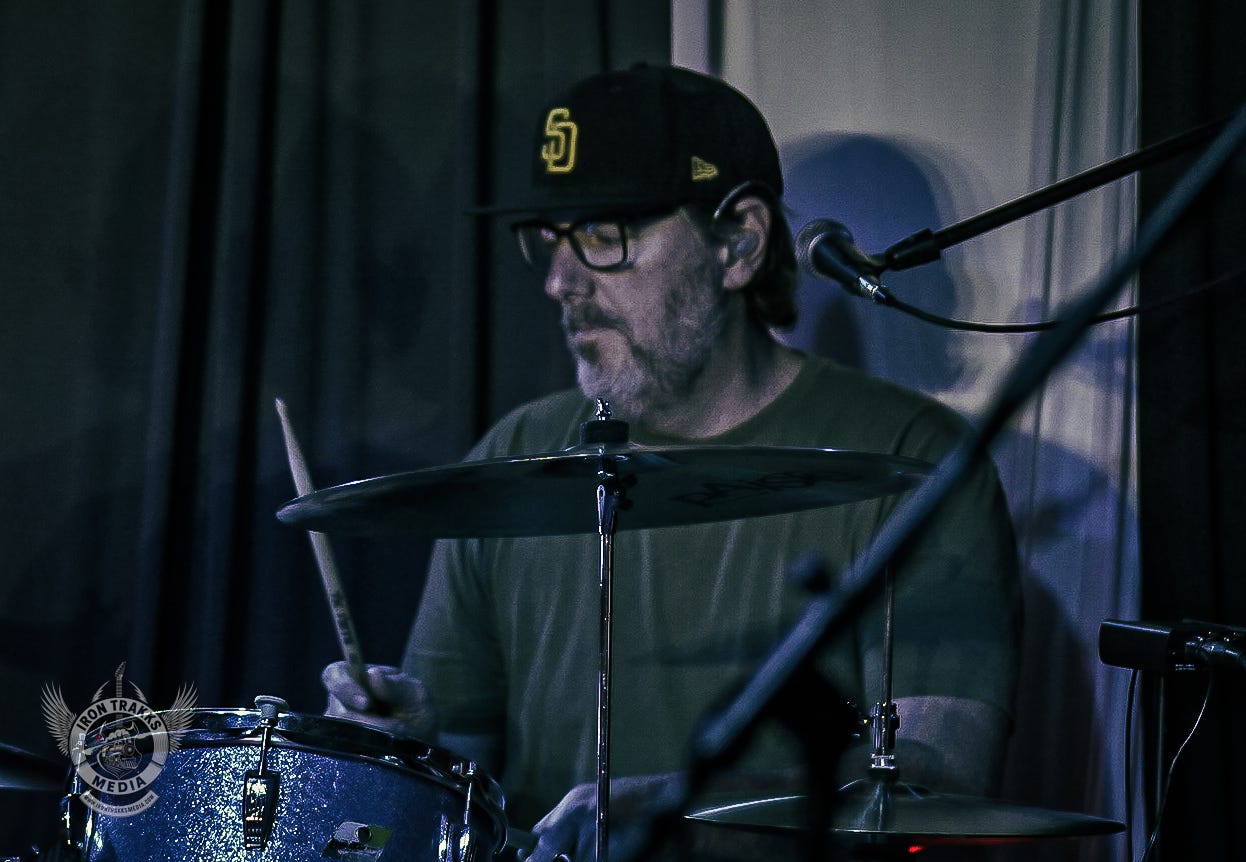
The first set kept drawing from that balance. “Bar-B-Q Blues” and “Mississippi Mud” carried their home state in their names without reducing it to decoration. They belong to the band’s long habit of writing about Southern life from inside it, with affection sharpened by humor and enough rhythmic mischief to keep the material from turning into a heritage display. “Truly” and “Dream” widened the set’s emotional range while the crowd stayed with the band.
That sentence sounds simple, but it says more than another paragraph of inflated praise. A set built around familiar material can coast on memory. This one did not during the portion I witnessed. The audience remained engaged and the band used the depth of its catalog instead of treating the night like a fixed greatest-hits recital. It felt lived in rather than rehearsed for display, the sort of comfort musicians earn only after learning where everyone else is likely to turn.
The honest edge of the night
I left at intermission.
There is no dramatic story behind that decision. I had what I needed for this article, I have gotten used to earlier nights and the prospect of a two-hour drive after midnight has lost whatever outlaw glamour it once possessed. Age changes concertgoing in small negotiations. You begin calculating the road home while everyone else is preparing for another set.
The honest boundary of this review is the first set. I can report that Backline remained packed at the break and showed no sign of surrendering its mood. I cannot tell you what happened after I walked out, which song cracked open the second half or how the final note landed. A review should not borrow certainty from a performance its writer did not see.
The same line applies to Saturday. Ticket sales establish that Tupelo wanted another night. The added date selling out says plenty about demand, but it does not give me memories of a show I did not attend. Kudzu Kings are known for changing their sets, so anyone who bought both nights had reason to expect a different selection. Expectation is where my claim ends.
There was still something revealing in leaving while the building remained awake. Most concert stories chase the encore because an ending supplies a convenient conclusion. Friday offered another image instead — a full room at intermission, a band with another set ahead and no evidence that anybody else was considering an early drive home.
The room Tupelo still needs
Across two Tupelo venues that week, I saw two packed houses. It was encouraging, but one healthy stretch does not erase the local scene’s cruel arithmetic. A venue can hit capacity on Friday and struggle to break even on the next available night. Musicians know it. Promoters know it. The people counting the drawer after close certainly know it.
Supporting local music is easy to discuss as a transaction between a band and its audience. The real machinery is larger. A night depends on the venue taking a risk, the front-of-house crew making six musicians intelligible in a crowded room, bartenders working through the rush and staff handling all the unglamorous details that disappear when they are done correctly. Nearby businesses feel the traffic. Photographers, writers and independent outlets give the event a life beyond the people who could fit through the door. Remove enough pieces and the stage goes dark no matter how talented the players are.
The two Kudzu Kings sellouts keep alive a question Tupelo has not fully answered. Is Northeast Mississippi ready for a dependable 600-to-1,200-capacity music venue?
My answer is that such a room is the next sensible step, though “build it and they will come” is not a business plan. Two sold-out nights in a smaller hall do not guarantee four figures of paid attendance every weekend. They do show an appetite that the current mix of venues cannot always accommodate. A hall in that middle range could give regional artists somewhere to grow and give touring acts a reason to leave the interstate instead of treating Tupelo as scenery between dates.
That room would need consistent support, professional production and booking patient enough to develop an audience rather than demand instant proof. It would also need nights like this one. Infrastructure begins with people deciding to go out, buy a ticket and remain present for musicians they already love as well as ones they have not met yet.
So the thanks belong everywhere. To the crowd that filled Backline. To the workers behind the scenes. To the venues willing to gamble on live music in a market where a good night does not protect the next one.
For years, I was a heavy-metal and hard-rock listener who allowed only a few 1970s classics across the border. Other forms of music were somebody else’s concern. Smaller local shows have been correcting that stubbornness one evening at a time. They have stripped away the lazy idea that scale and seriousness are the same thing. A major production can overwhelm the senses. A small room can let you see how six people listen to one another and how a familiar song moves through the people who helped keep it alive.
Some of the strongest performances I have seen did not require an arena, a barricade or a long line of trucks outside. They required songs with enough mileage to survive changing fashions and musicians willing to keep meeting them honestly. The local circuit is where artists learn how to hold attention without hiding behind size. It is also where listeners can discover how much music they dismissed while waiting for a famous name to tell them what was worth hearing.
Afterglow
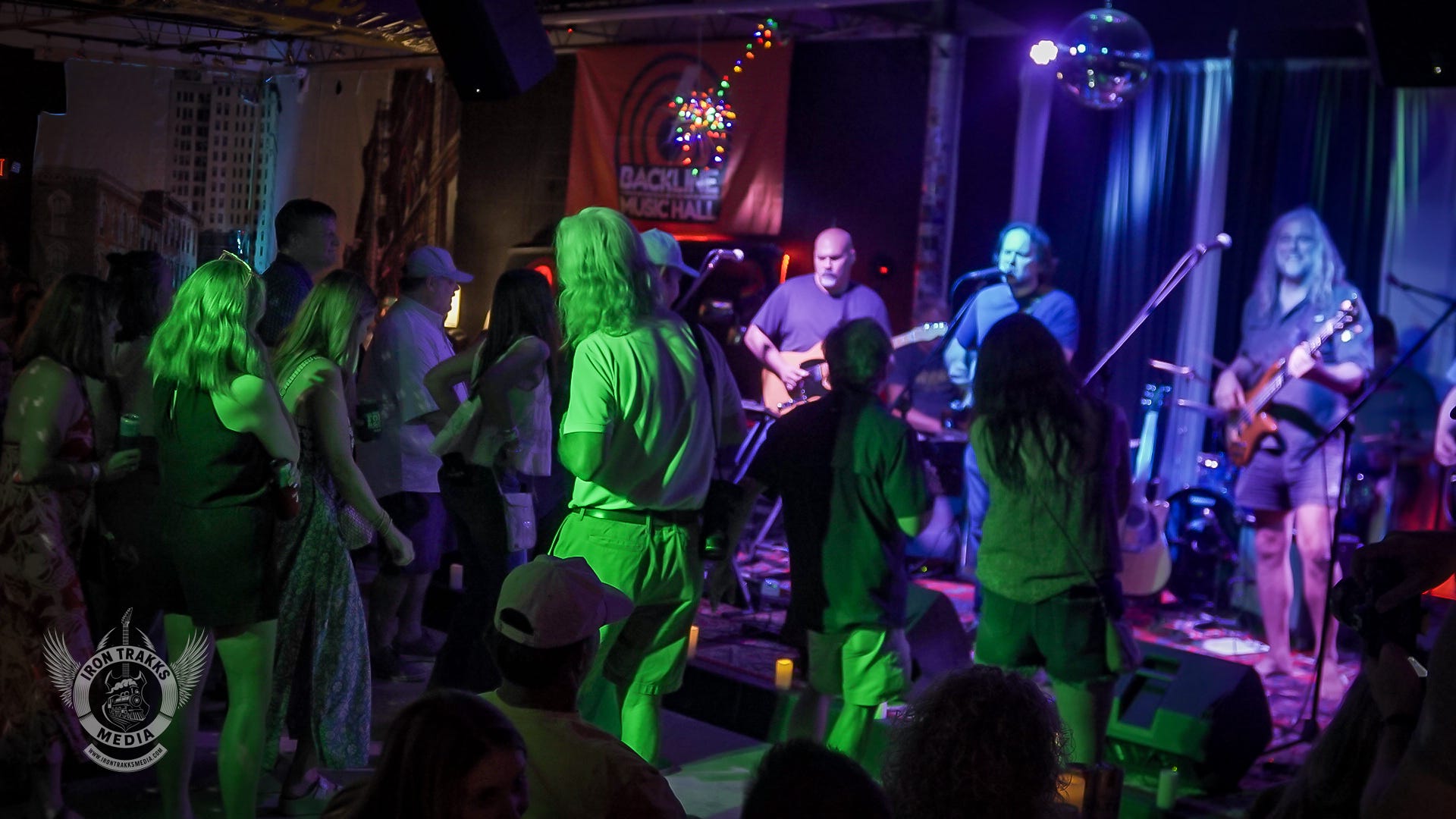
Backline was still full when I left. That is the last honest image I own from the night — the short settling of intermission, people holding their places and the Kudzu Kings somewhere behind the stage preparing to return.
The road home won. It often does these days.
Yet the moment that stayed with me happened much earlier. Six musicians walked onto a small Tupelo stage and an entire room stood before they played. No history lesson was required, though the band carried 32 years of it. No argument for local support had to be made, though the evidence surrounded us.
For one set, at least, Oxford’s “funktry” kings were not a reunion act or an archive entry. They were the reason every corner of Backline Music Hall was occupied.


Please consider Donating to Sponsor an article even $1 helps!
