



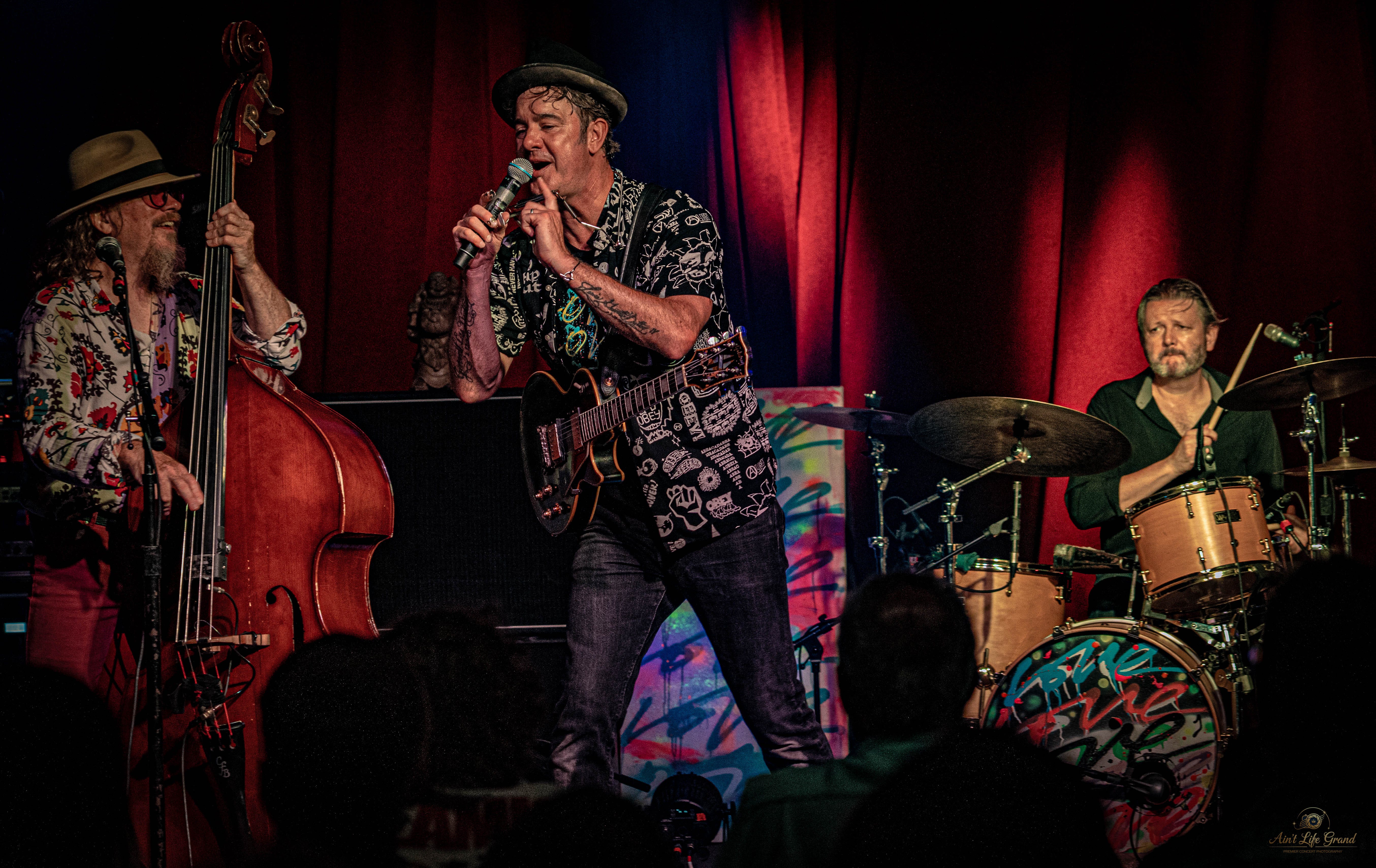
When Igor asked if we could cover G. Love & Special Sauce at Wooly’s, I happily agreed.
Then I had a second thought.
Who is G. Love & Special Sauce?
I knew the name in the vague way you know a band whose logo has probably passed through your peripheral vision a hundred times. I couldn’t have named a song. I didn’t have some formative G. Love memory tucked away from high school or an old CD wallet. Igor wanted the show, the date worked and I was curious. Sometimes that is enough.
The evening started rewarding that curiosity before anyone played a note.
The Aug. 26 show had originally been advertised with Canadian alternative artist DIZZYISDEAD opening. By show day, First Fleet Concerts and local listings had Wayne Baker Brooks in the opening slot instead.
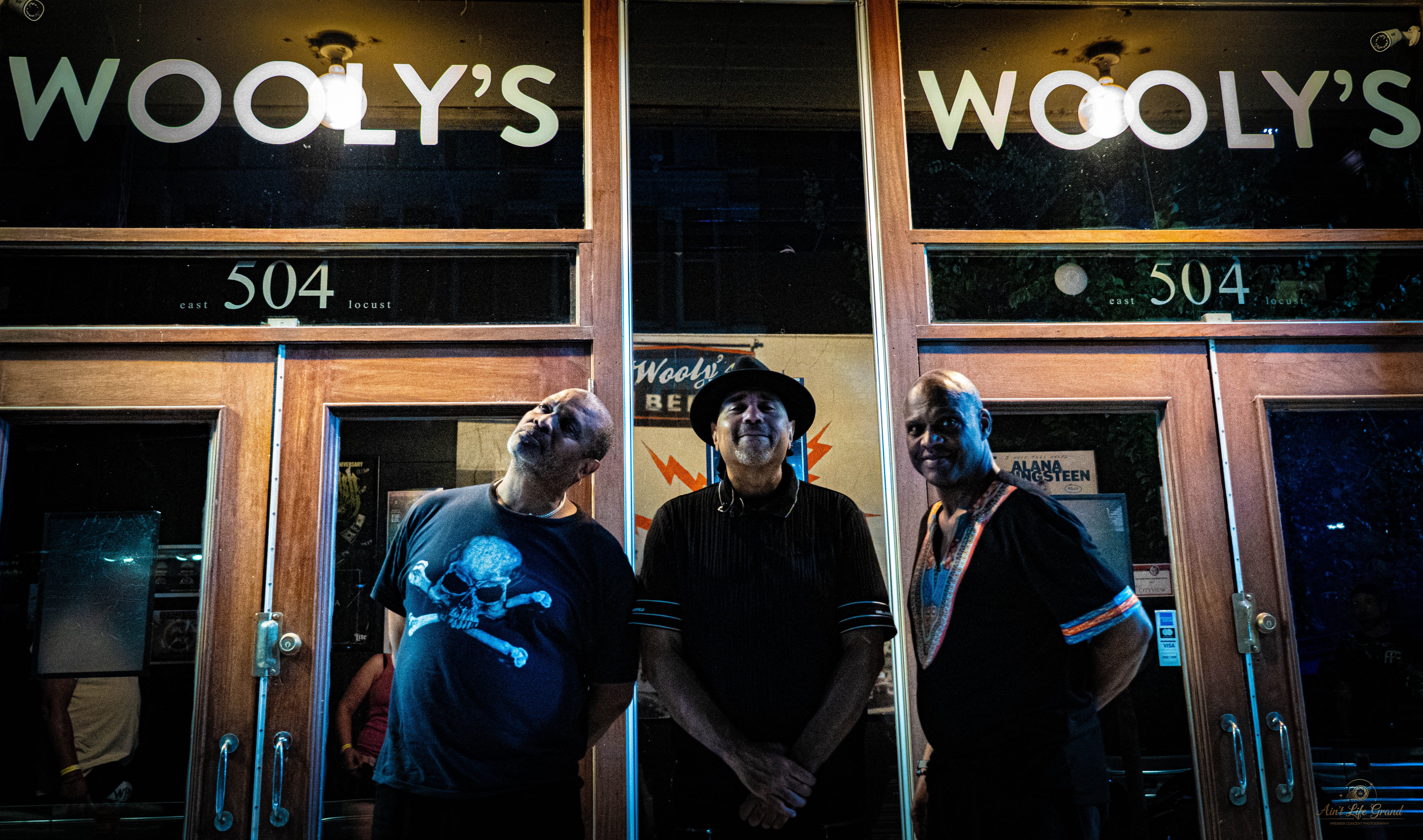
I would eventually become very happy about the change.
But first, there were Brents.

Three Brents walk into Wooly’s
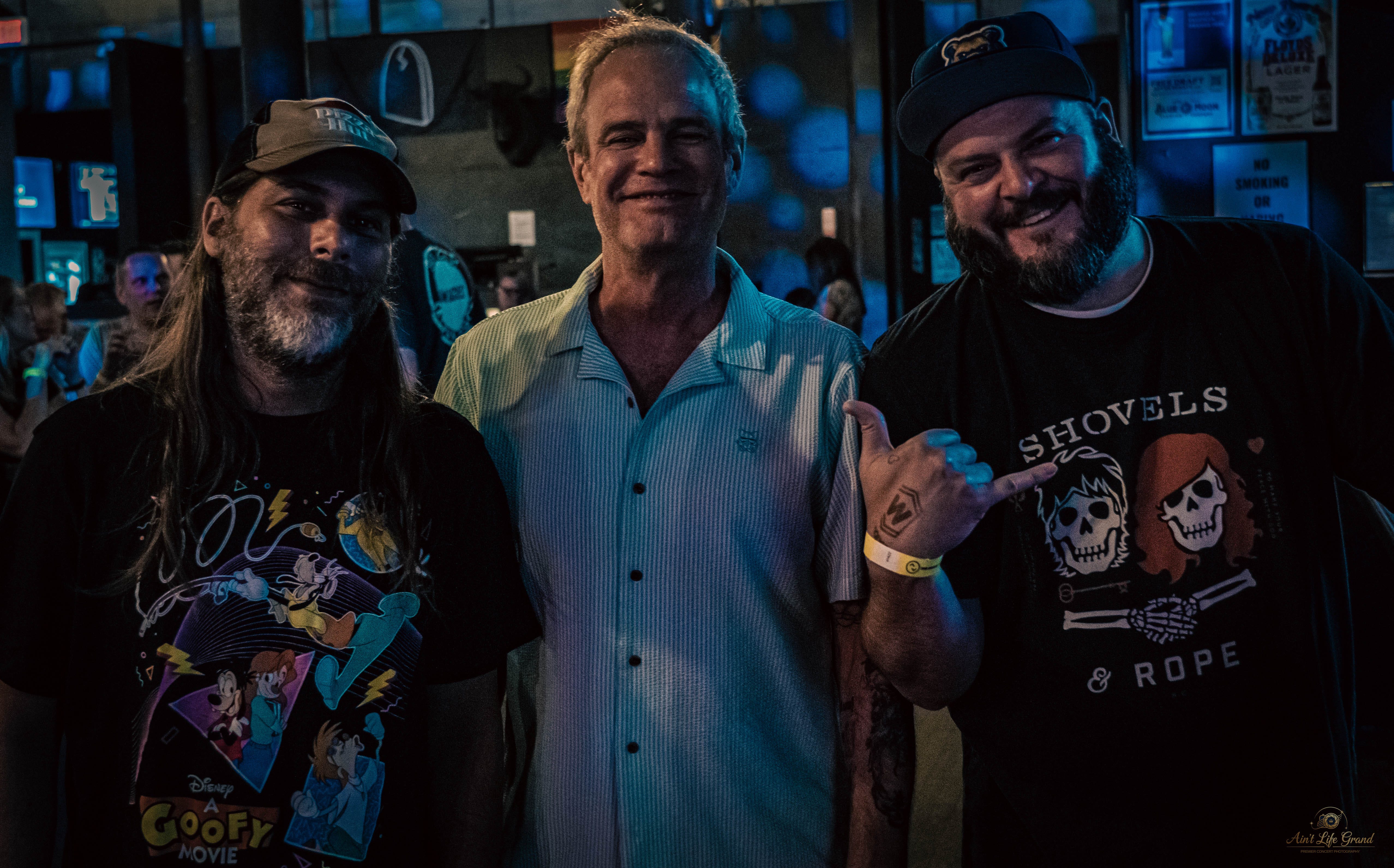
I got absurdly lucky with parking, finding a space about half a block down and around the corner from Wooly’s in Des Moines’ East Village. Igor and I had traveled separately, and I beat him there by enough time that the usual pre-show scramble turned into something rarer: an opportunity to actually talk to people.
Concert photography is filled with five-minute friendships. You meet somebody against a barricade, compare camera settings, complain about red lighting, shoot three songs shoulder-to-shoulder and disappear into separate lives before learning much more than each other’s first names.
This night slowed down a little.
I caught up with Antonio Rodriguez, a really cool cat who is also in the music business, and finally had time to meet First Fleet photographer Josh instead of exchanging the usual pit-side pleasantries while mentally calculating shutter speed.
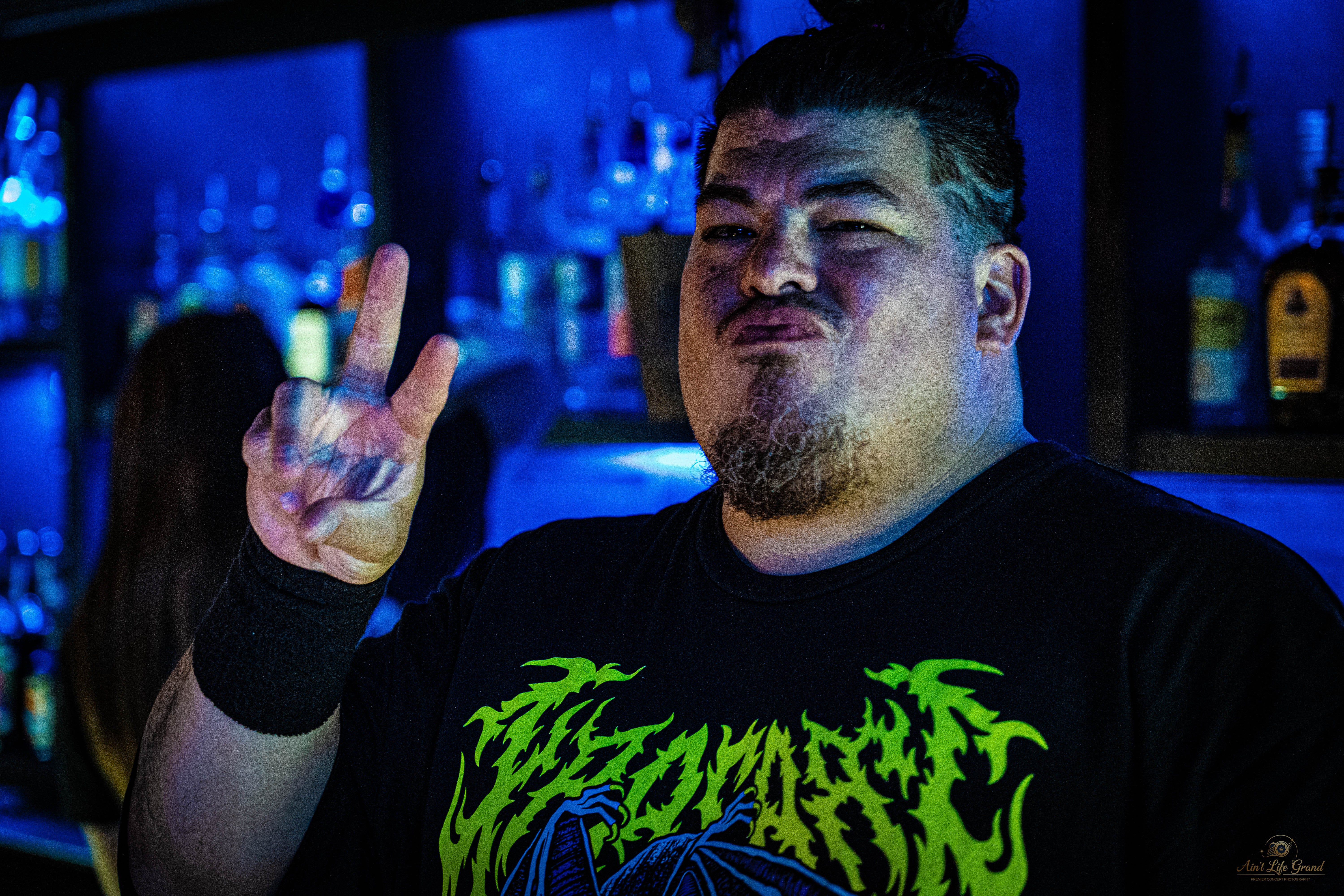
Then, somehow, we accumulated three Brents.
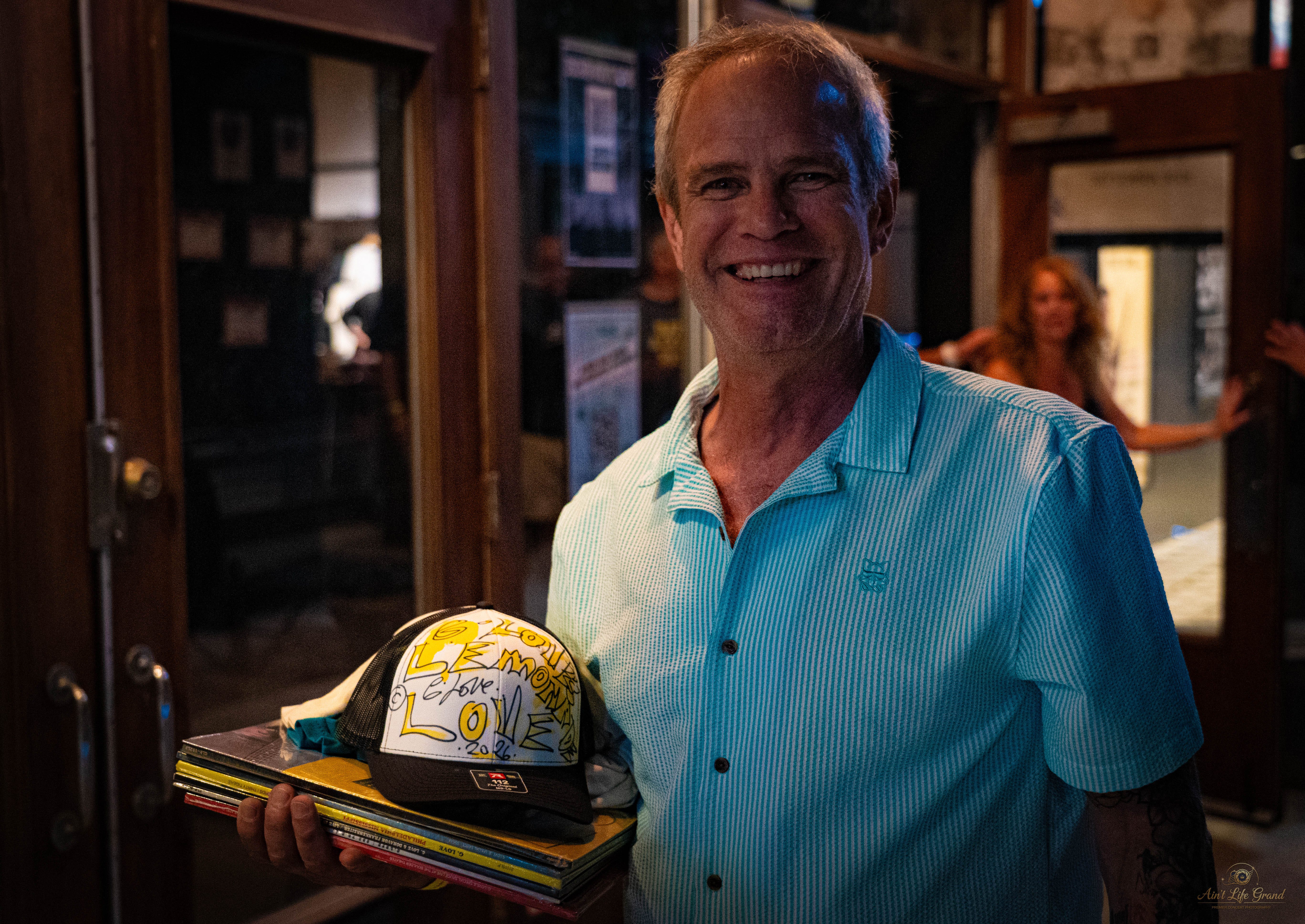
One Brent was visiting from Chicago. Another was a Des Moines local. A bartender was also named Brent. Once you accidentally assemble a trio of unrelated men named Brent in one venue, documentation becomes mandatory. Pictures were taken with Brent, Brent and Brent.
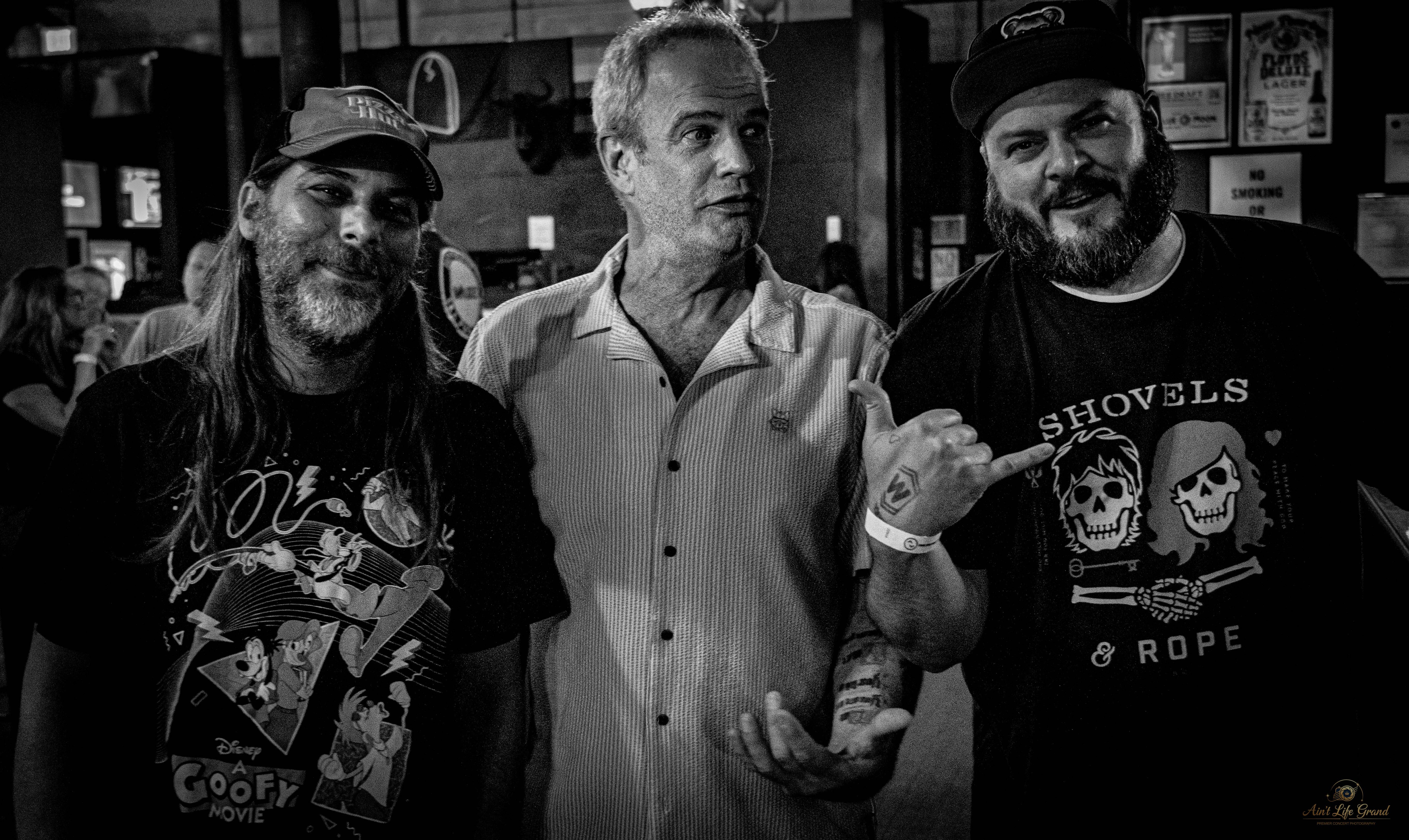
Chicago Brent deserves special recognition for making sure I had a beverage in hand throughout the night. That becomes particularly appropriate considering one of the songs I was about to discover.
Then the house lights shifted.
Showtime.
Please consider Donating to Sponsor an article even $1 helps!

Wayne Baker Brooks was one hell of a last-minute replacement
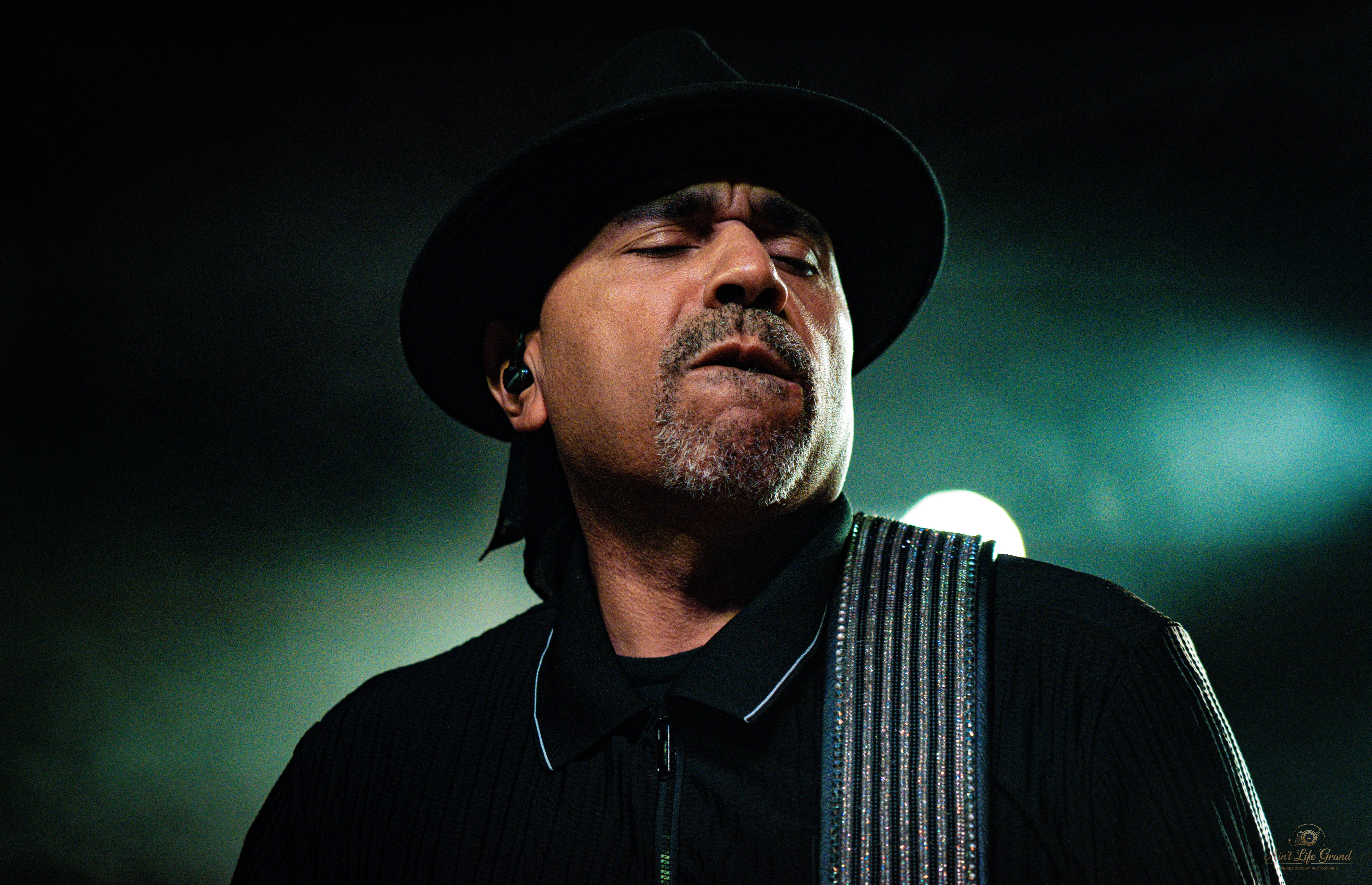
Igor and I entered the pit alongside Josh and another photographer without much idea what Wayne Baker Brooks was about to do.
My first note was visual. Brooks walked out with a sparkly, gem-encrusted guitar strap that grabbed whatever light Wooly’s was willing to surrender. It was hard not to notice.
Then he played.
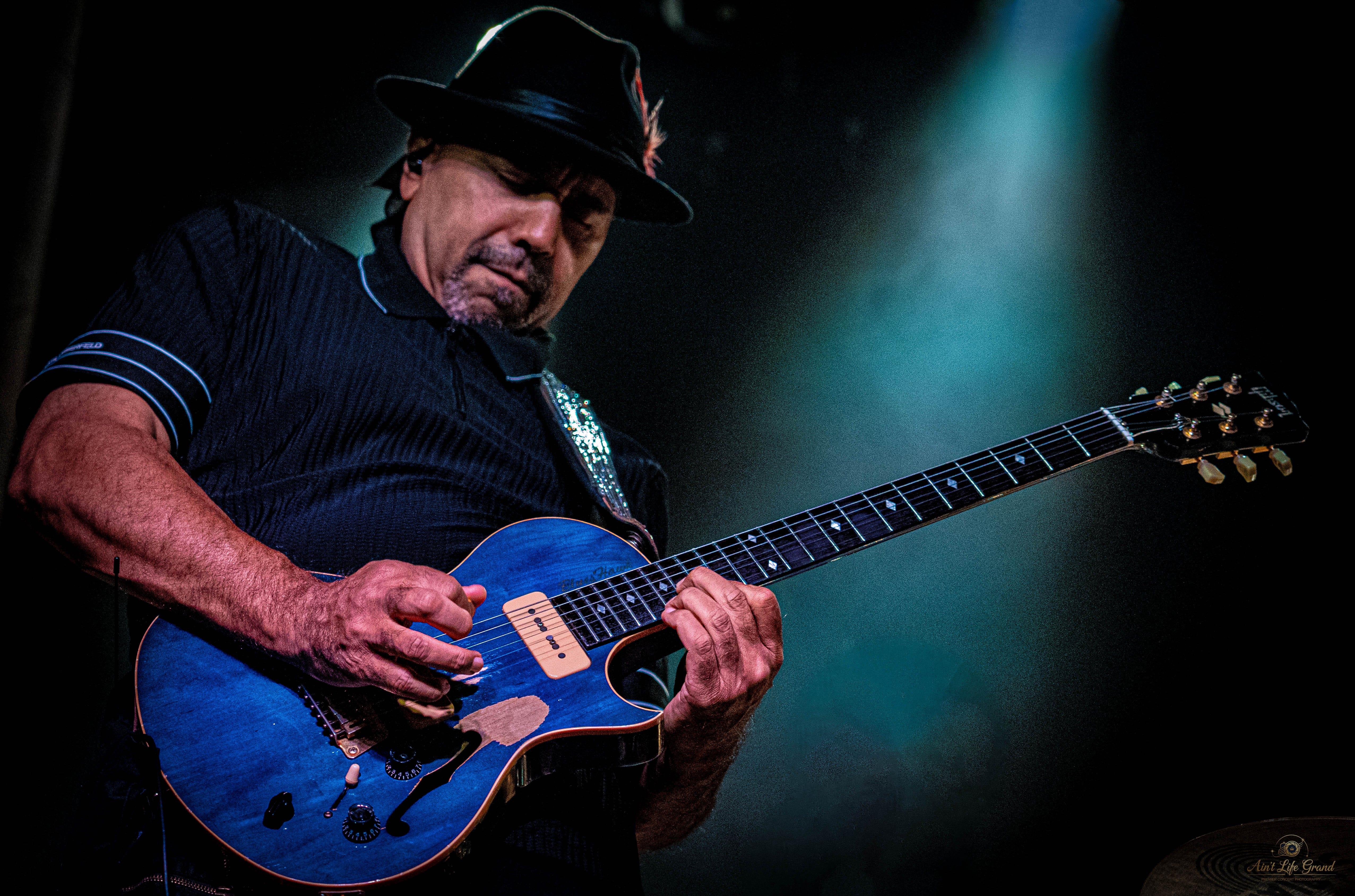
My attention moved from the strap very quickly.
There was no easing into the set. Brooks brought the unmistakable bite of Chicago electric blues, the kind built around guitar phrases that speak in complete sentences rather than simply decorating a song. His bassist and drummer gave him plenty of room without ever letting the songs sag. When Brooks pushed, they followed. When he backed off, the rhythm section left air around the guitar instead of trying to fill every available inch.
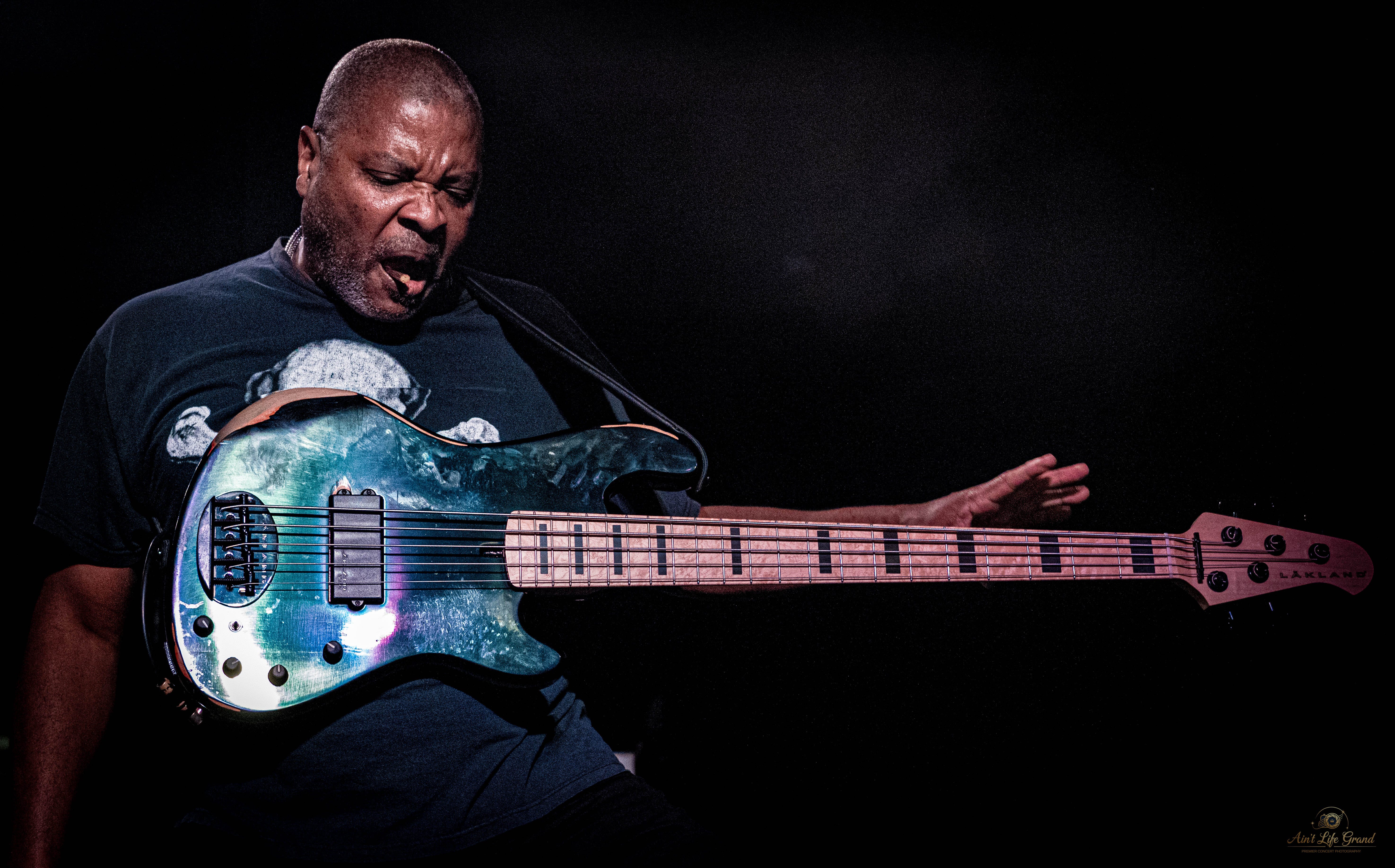
I love Chicago blues, so this was less an introduction than somebody unexpectedly ordering one of my favorite meals for me.
There is some history behind that sound. Brooks is the youngest son of Chicago blues great Lonnie Brooks. He started traveling with his father’s band as a roadie in 1988, began playing guitar in the group in 1990 and formed the Wayne Baker Brooks Band in 1997 while continuing to work alongside his father and brother Ronnie Baker Brooks. His own catalog reaches beyond traditional blues into funk, soul and more contemporary production, but the family vocabulary is still audible in the way he handles a guitar.
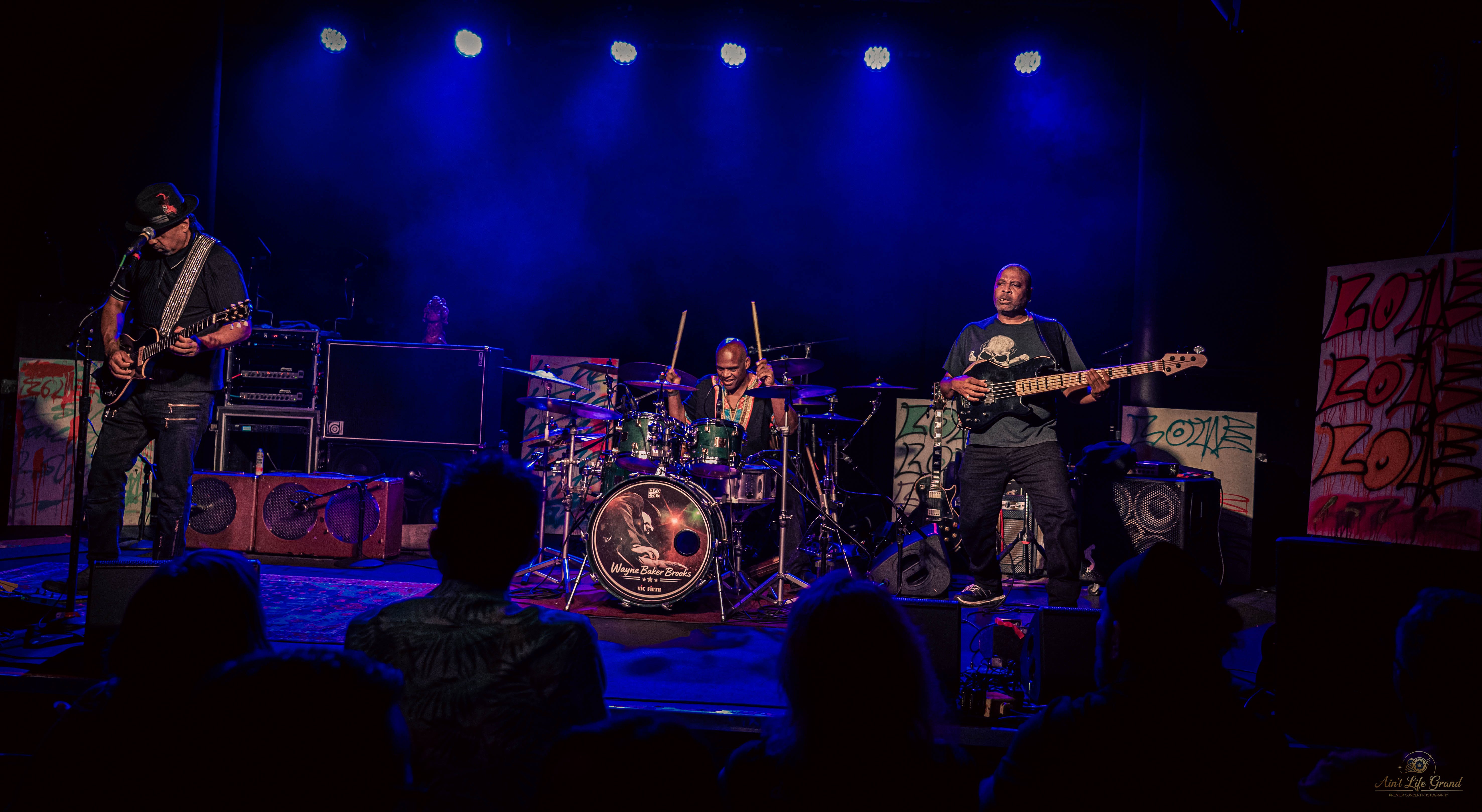
I spent part of the set scribbling bits of lyrics so I could piece together song titles later. My notes point to “Coming Home,” “Big Boss Man”, “The Crawl,” “Bewitched,” “Two Headed Man,” “Mystery” and other Brooks material, “I Can Read Your Mind,” “Sooner or Later,” “Tricks Up My Sleeve,” “Baby What You Want Me to Do” and “You Make It Easy, Baby,” along with a bass-and-drums jam.
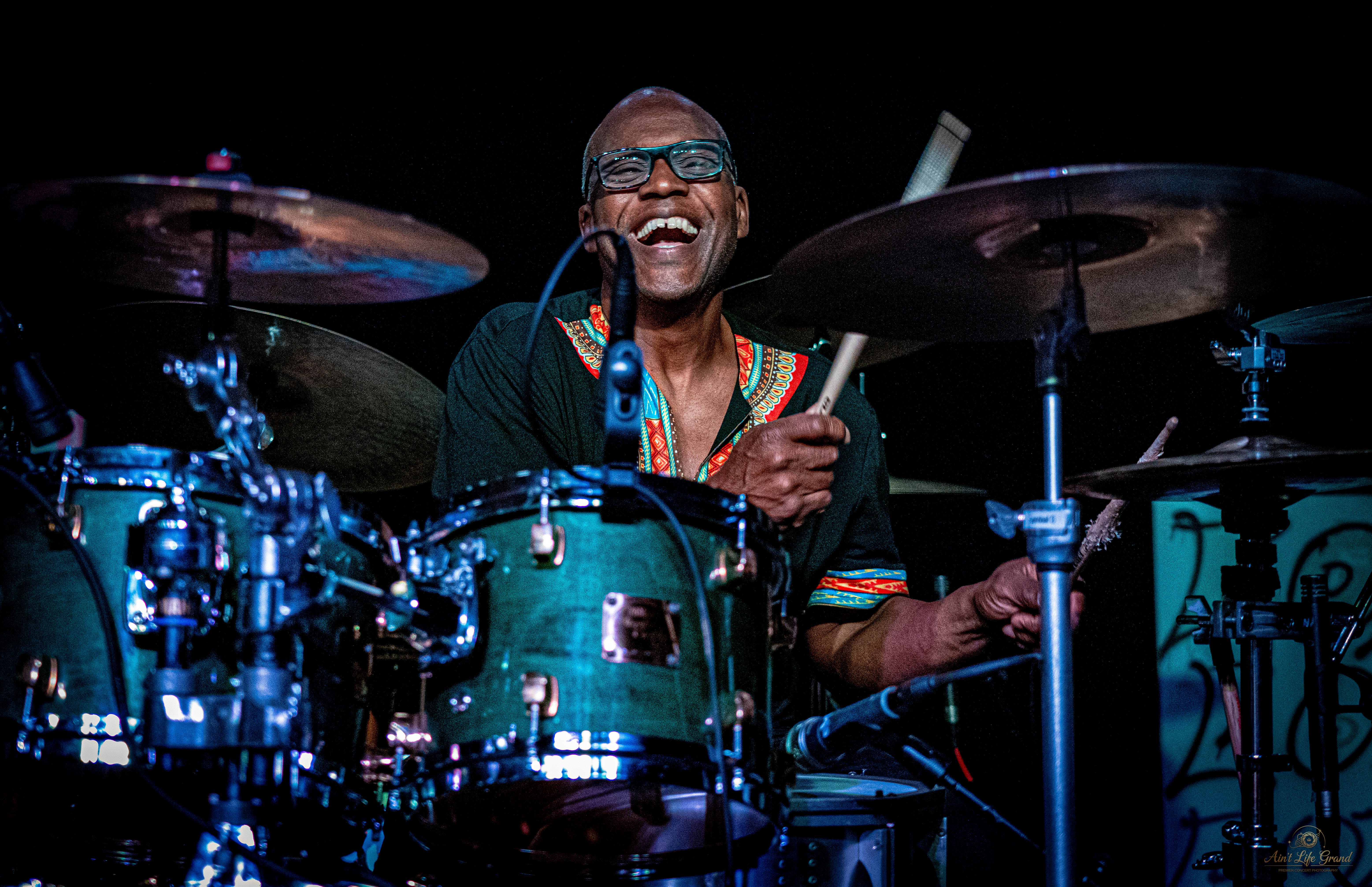
The titles mattered less in the room than how naturally the set moved. Brooks could lean into the familiar grammar of the blues without turning the performance into preservation society theater. There was history in it, certainly, but it was being played by a living musician rather than handled behind glass.
The crowd knew him better than I did.
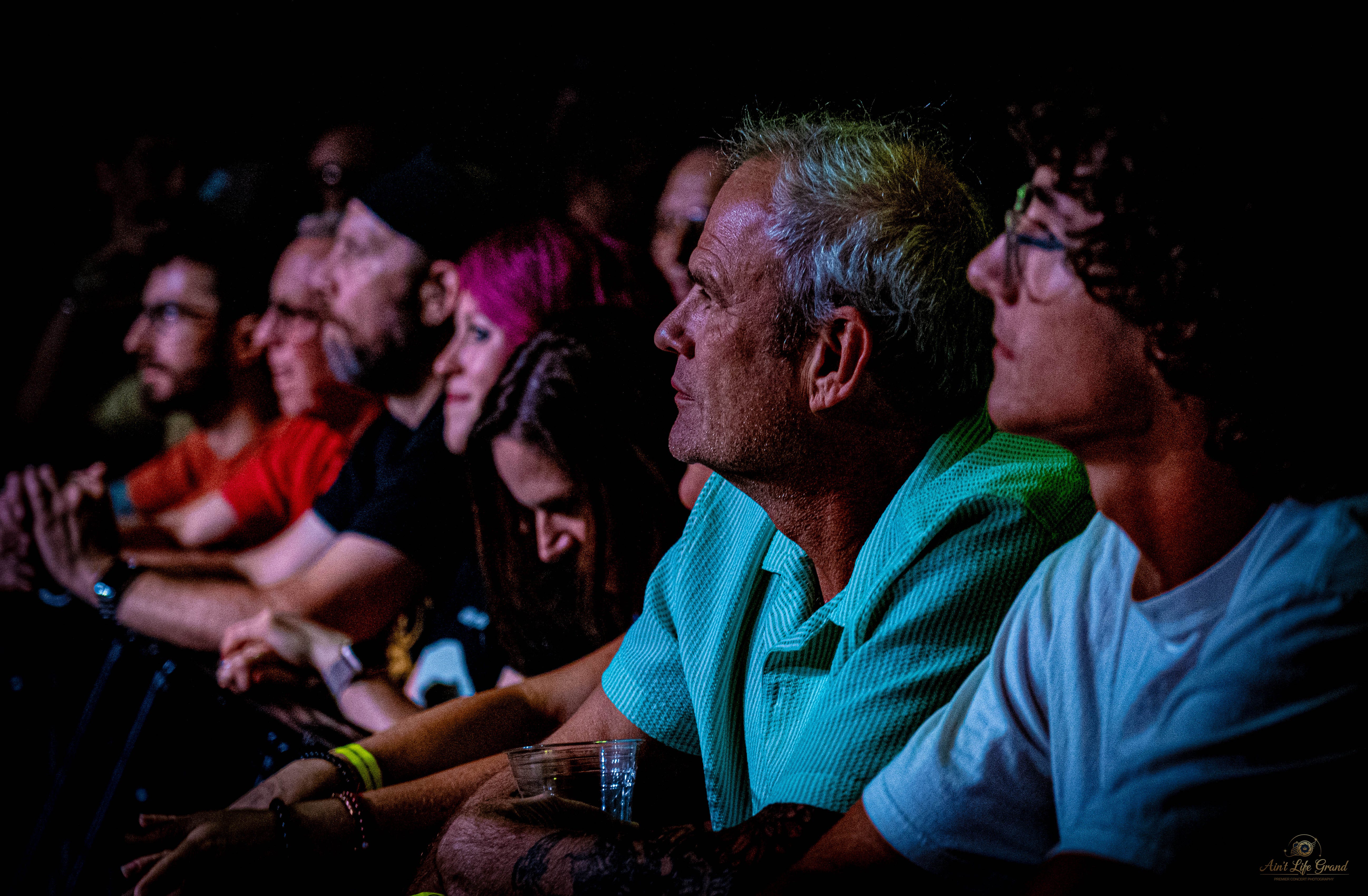
People sang. Bodies started moving. Reactions came before the recognizable moments had fully arrived, the way they do when an audience already knows where a song is headed. My position changed from “Who is the opener?” to furiously writing things down so I could find him again later.
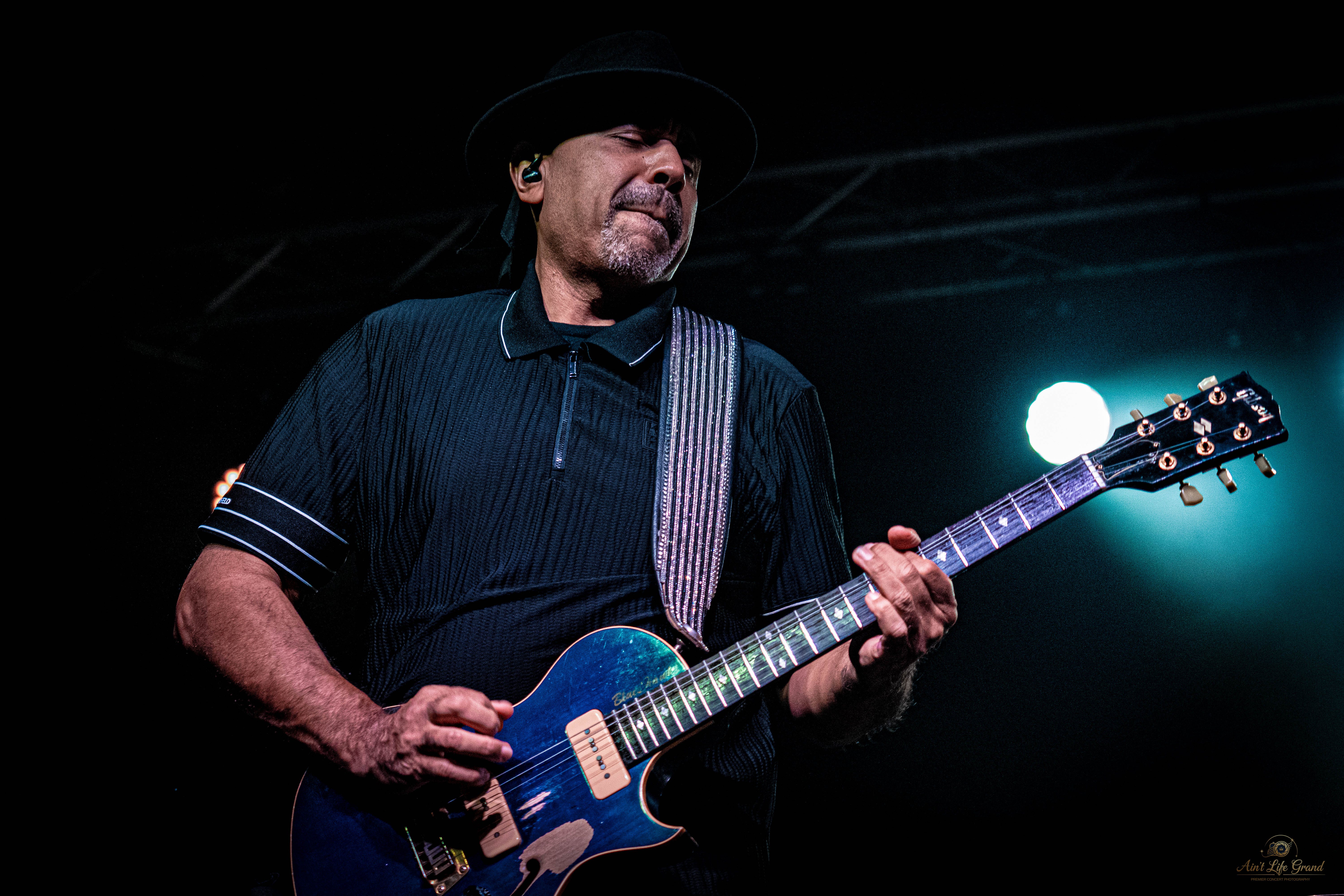
And then, between sets, we found out the guy could talk just as easily as he could play.
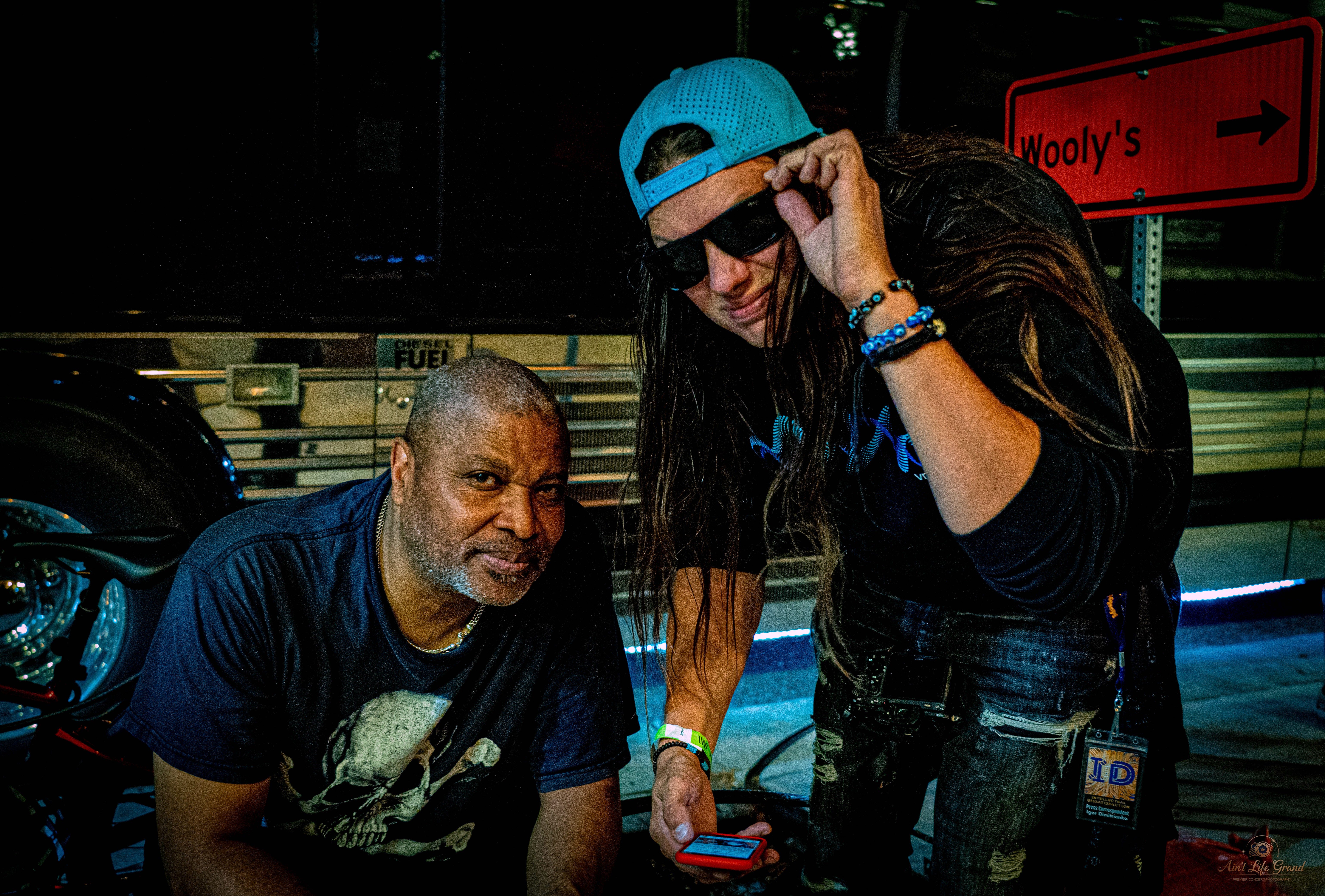
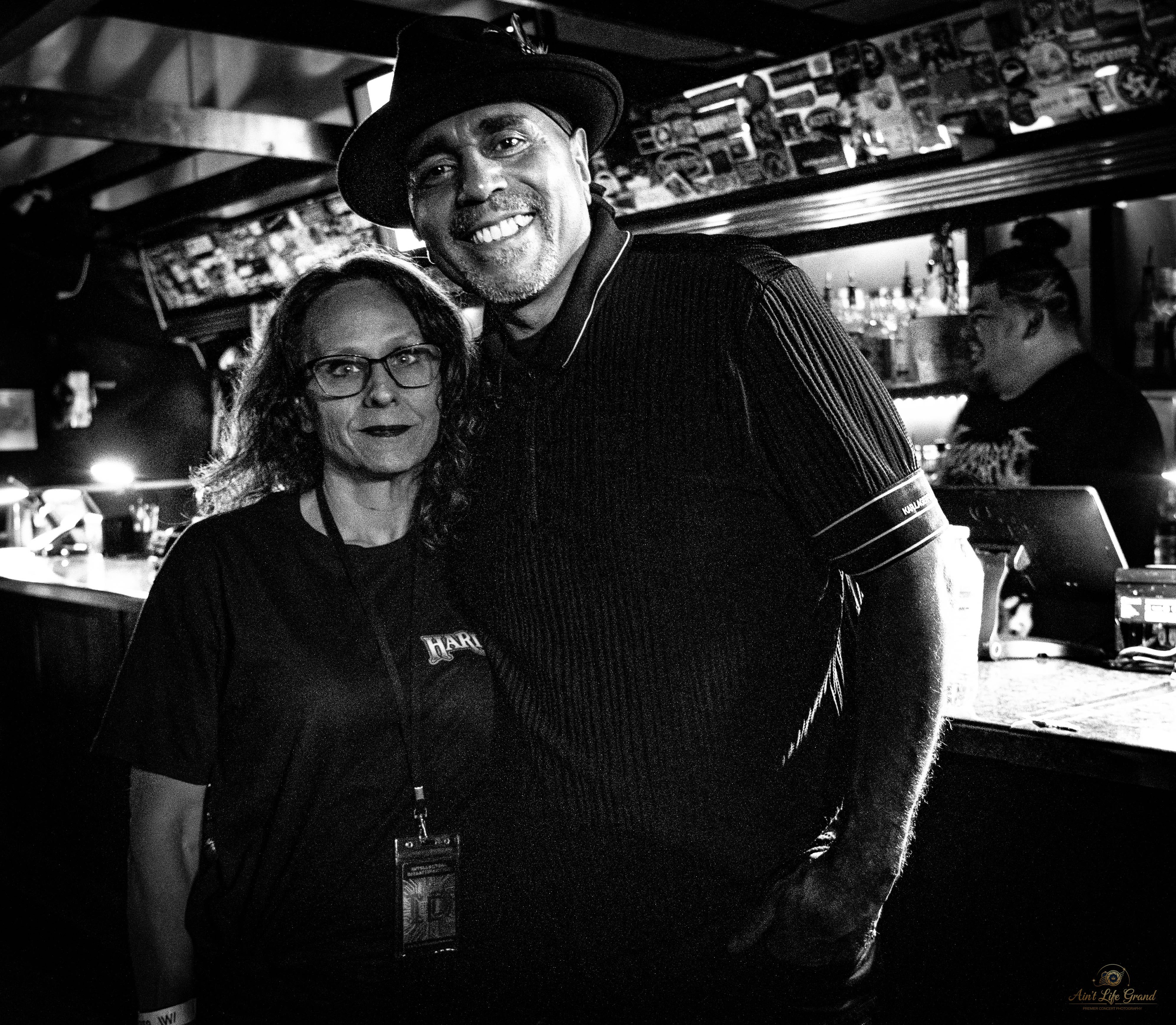
Brooks and his touring musicians were hanging out right in front of Wooly’s. Igor and I ended up chatting with them for quite a while. There was no manufactured meet-and-greet stiffness, no sense that somebody was watching the clock while waiting for an escape route. They talked. We talked. They posed for pictures. They were remarkably friendly and humble for a group that had just walked offstage after commanding the room.
Sometimes the best endorsement of an artist happens nowhere near a microphone.
Wooly’s sounded better than it looked
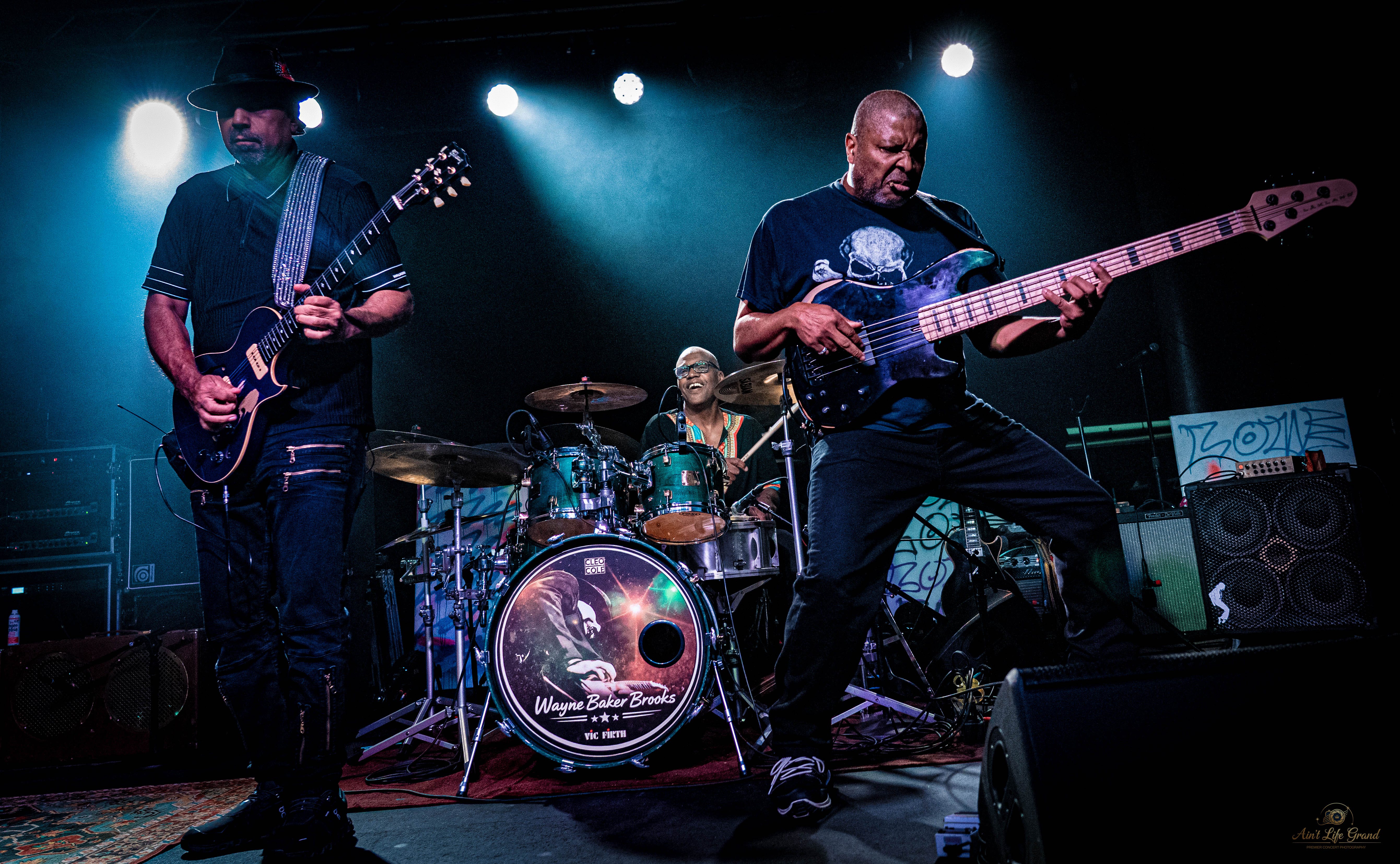
One complaint followed us through both sets: the lighting.
Photographing Wooly’s can be rough. On this night it was mediocre at best, with stretches where the available stage light simply did not give the performers or photographers much to work with. Wooly’s has hosted a wildly broad range of artists since opening in the East Village in 2012, and if I could magically improve one thing about the room, the lighting rig would win before I finished reading the ballot.
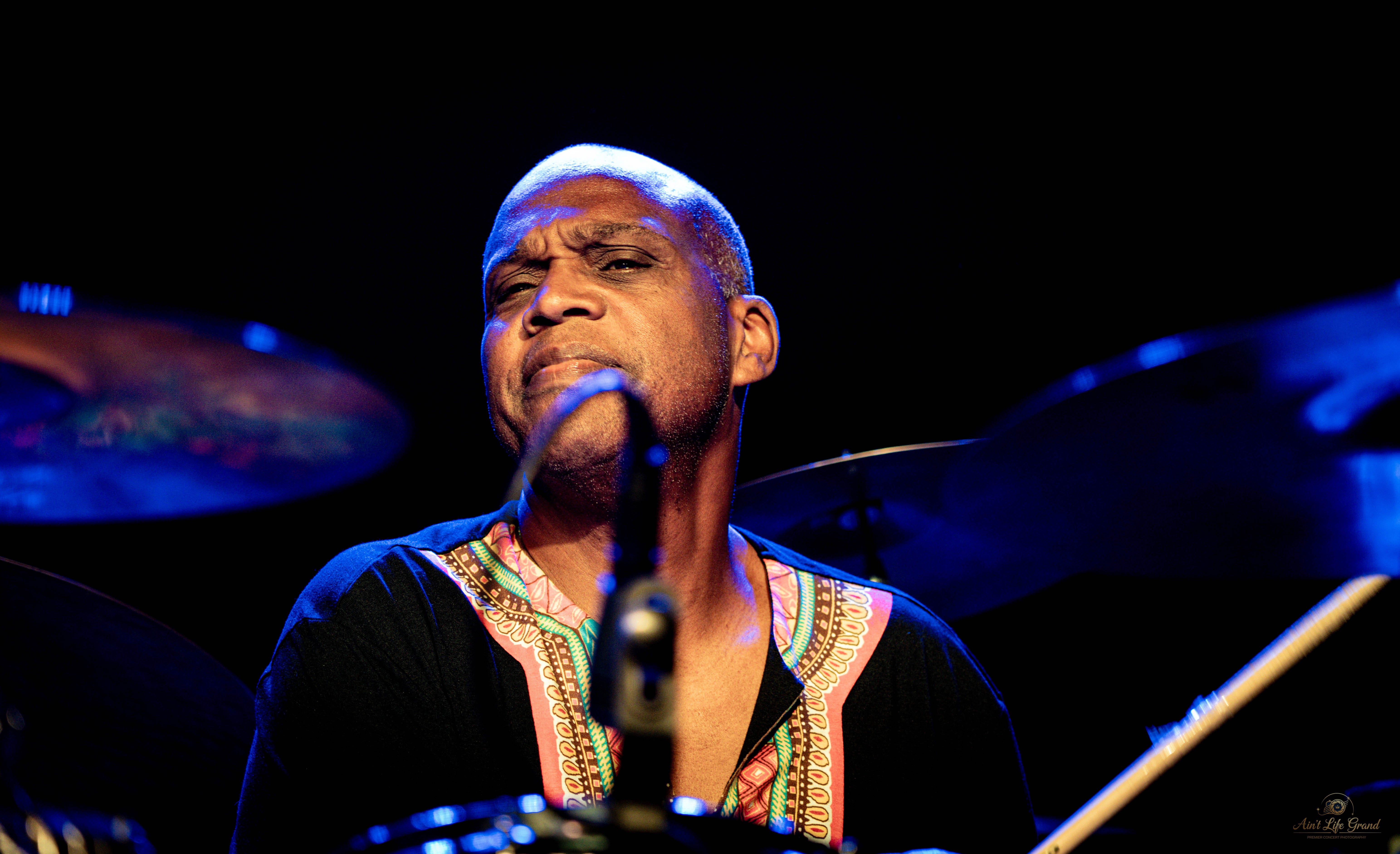
The sound was another matter.
The mix was excellent.
Vocals came through cleanly. Individual instruments retained their character rather than collapsing into one muddy midrange pile. Bass had weight without swallowing everything around it. Guitar stayed articulate. Considering how easily a blues-oriented bill can become a traffic jam of overlapping frequencies, the separation made a difference.
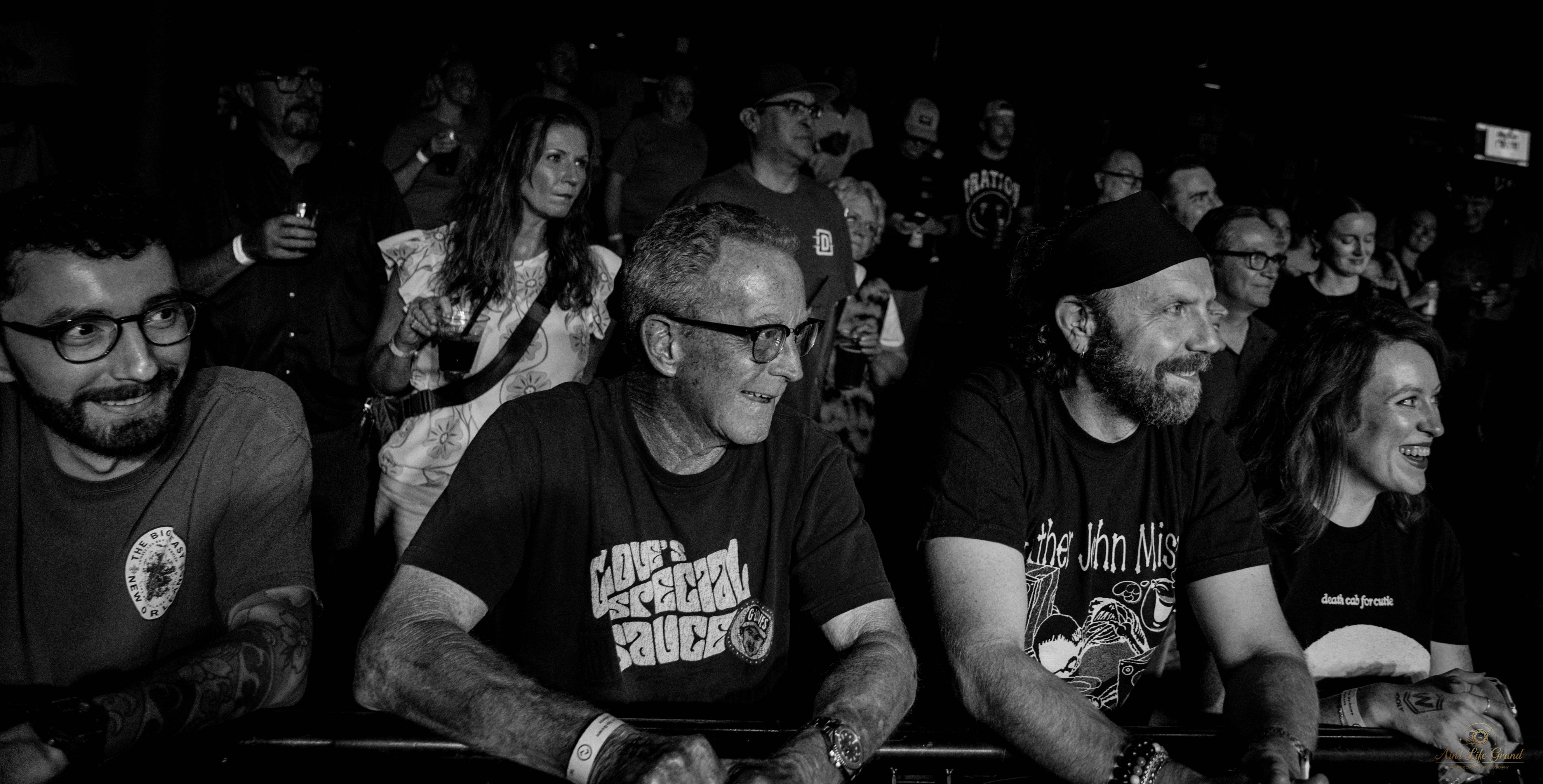
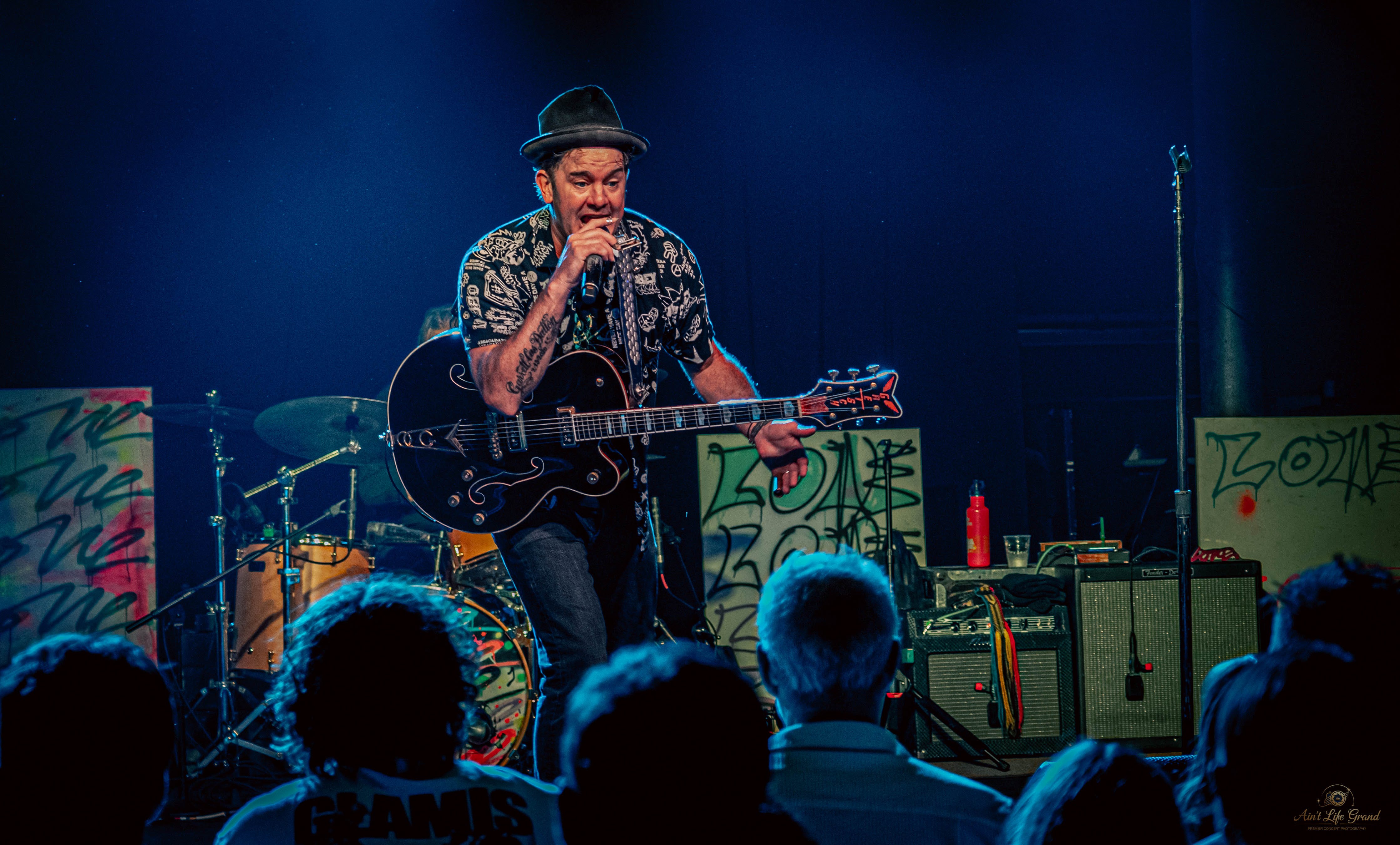
By the time G. Love & Special Sauce took over, the stage itself had changed character too. Hand-drawn-looking posters and artwork surrounded the band, glowing underneath blacklight. They had an almost homemade quality, less polished corporate tour package and more collection of things somebody genuinely wanted hanging behind the band.
It fit.
Because once G. Love started playing, the question I had asked before leaving home began sounding increasingly ridiculous.
So, apparently I like G. Love
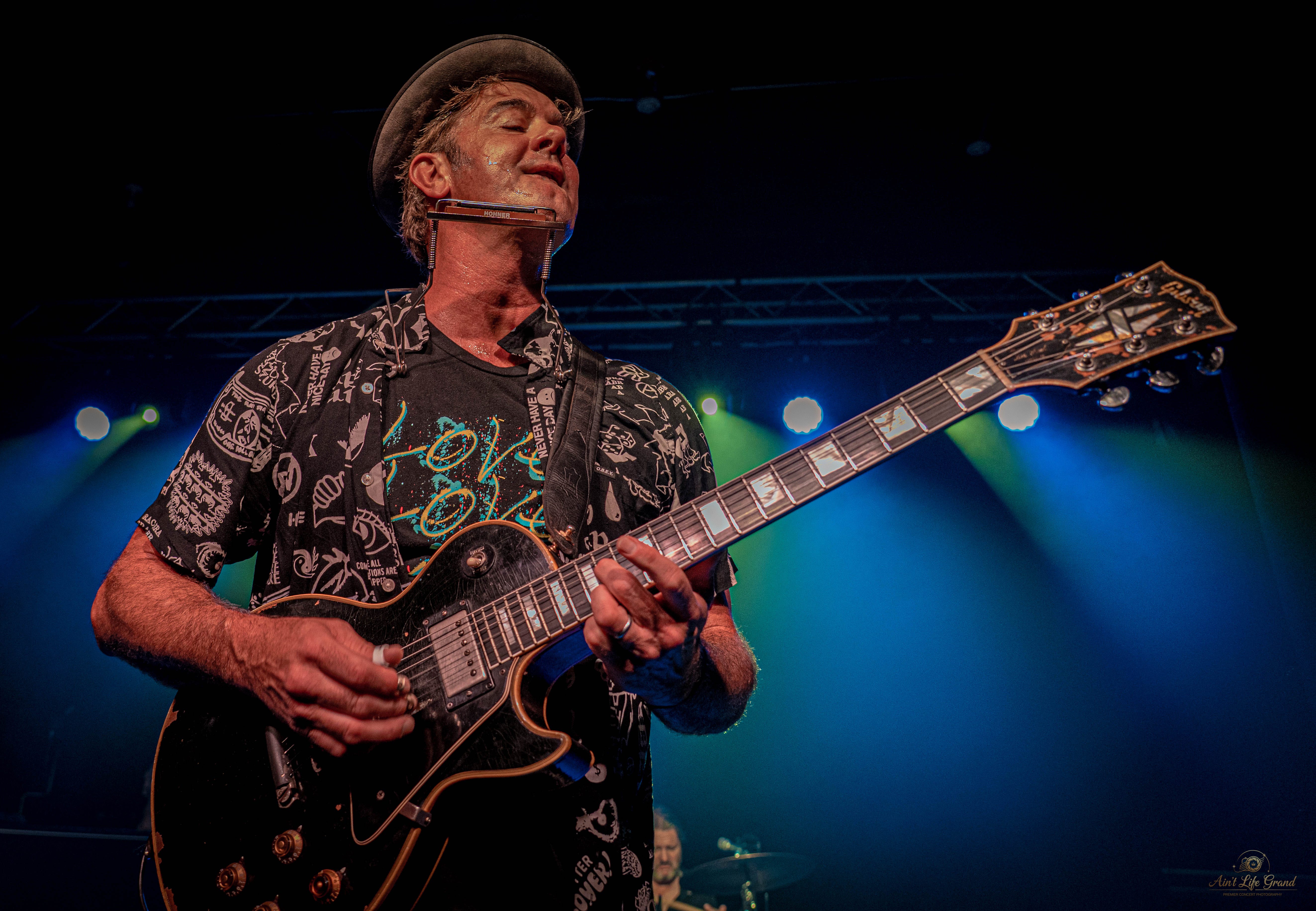
G. Love, Garrett Dutton, occupies a strange little intersection of blues, hip-hop, funk, soul and rock that makes far more sense coming out of an amplifier than it does written in a genre description. His official biography calls it “The Hip-Hop Blues,” which is about as efficient a description as anyone is going to manage.
There was looseness to the performance without sloppiness in the playing. G. Love could sing a phrase, bend it toward spoken rhythm, answer himself with harmonica and fall back into the groove before the idea wore out its welcome.
The first real disruption came almost immediately.
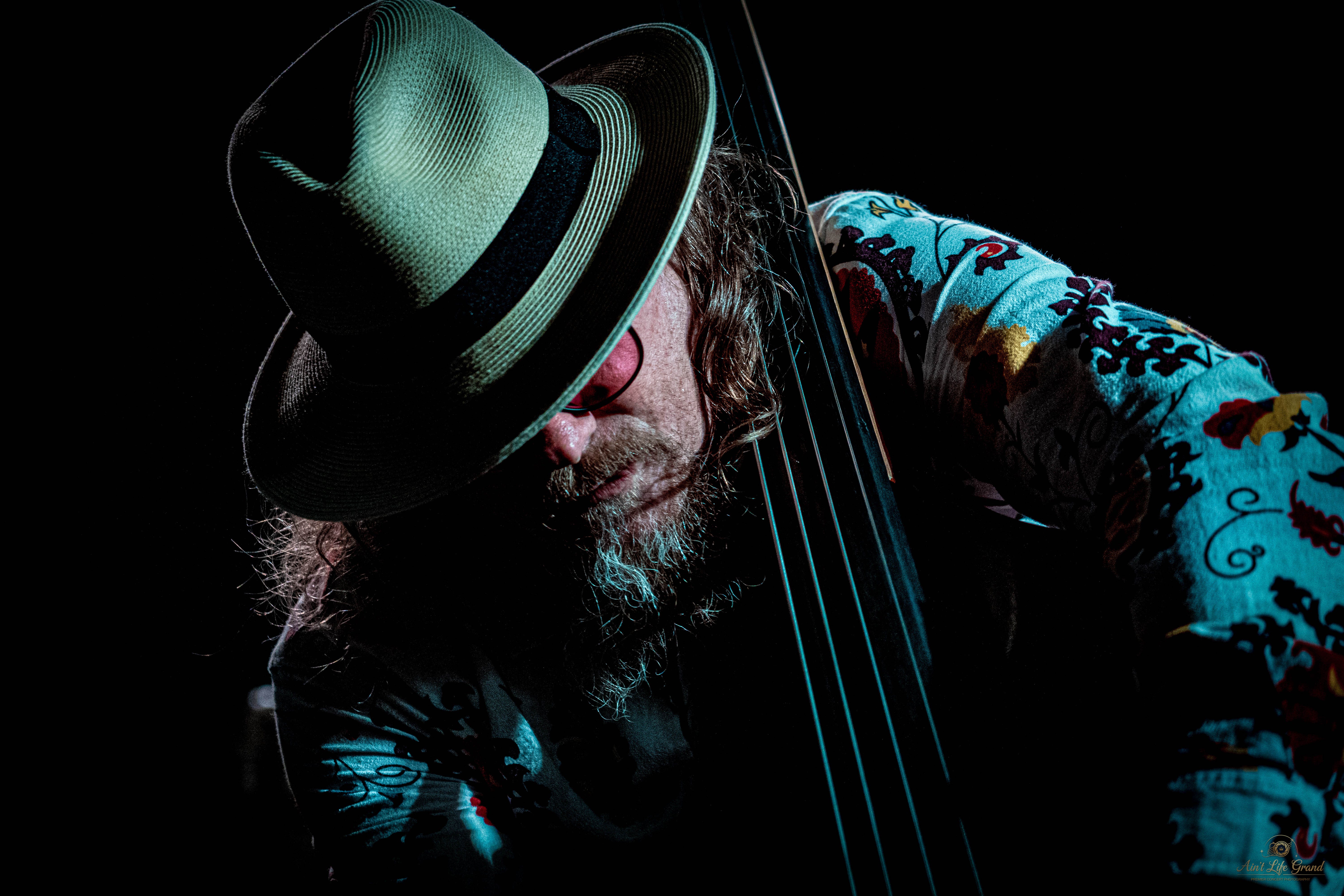
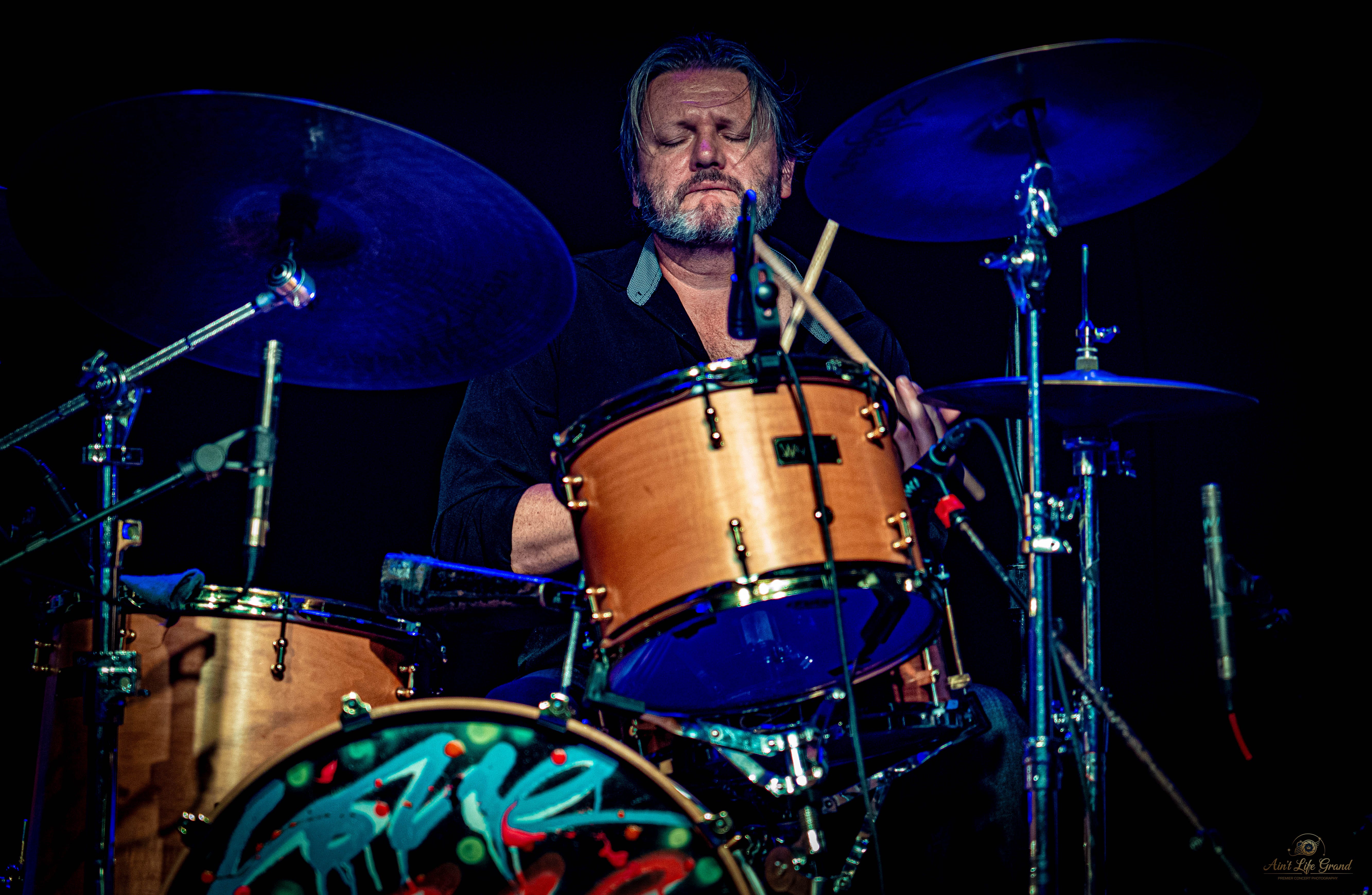
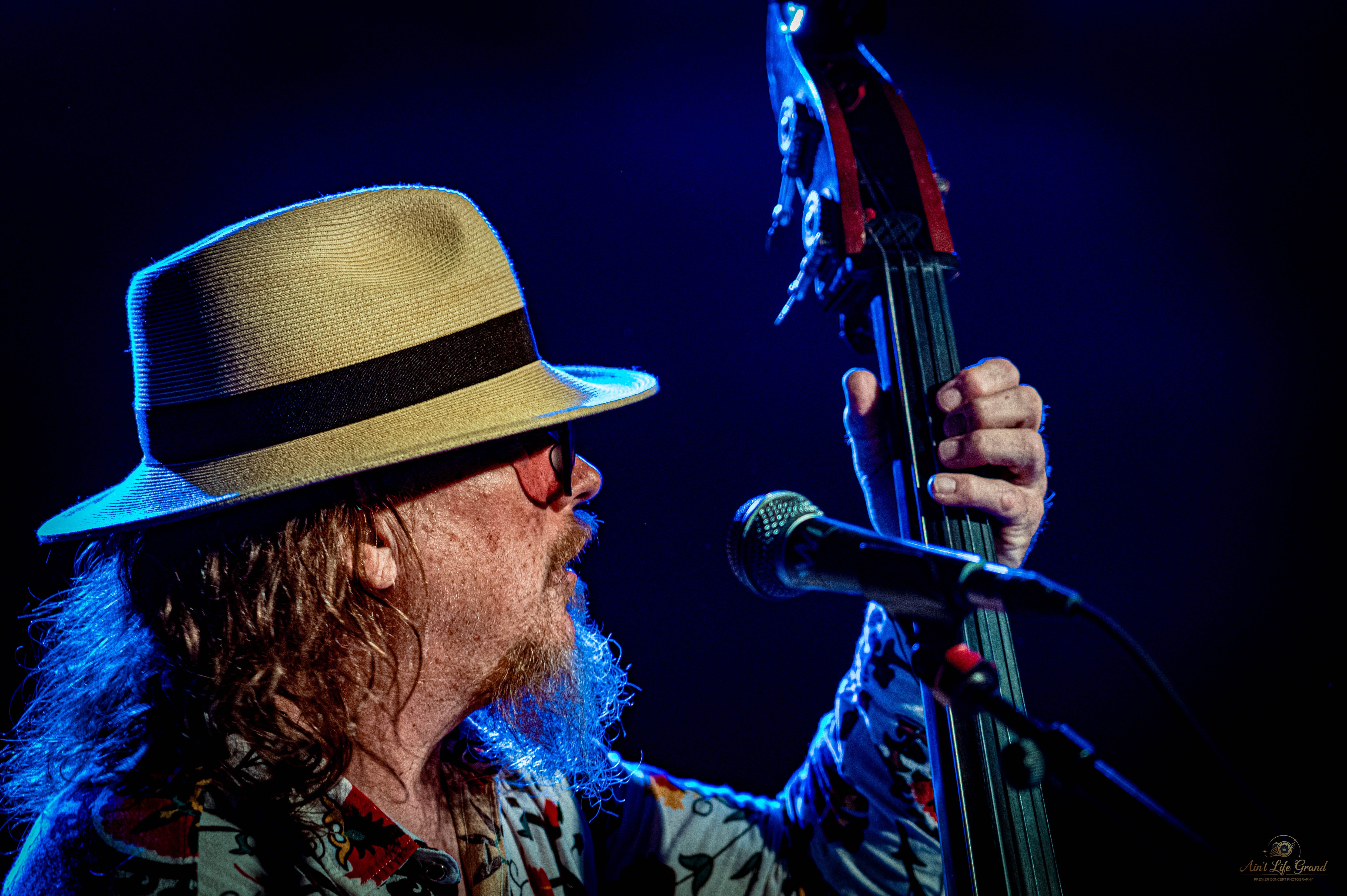
Jim “Jimi Jazz” Prescott’s upright bass developed a technical issue, and a tech remained onstage working on the instrument for what felt like an extraordinarily long time. It is always an odd sight when a show has technically started but a member of the crew is still very visibly performing emergency surgery a few feet away.
Once the problem was under control, Prescott quickly became one of my favorite things about the set.
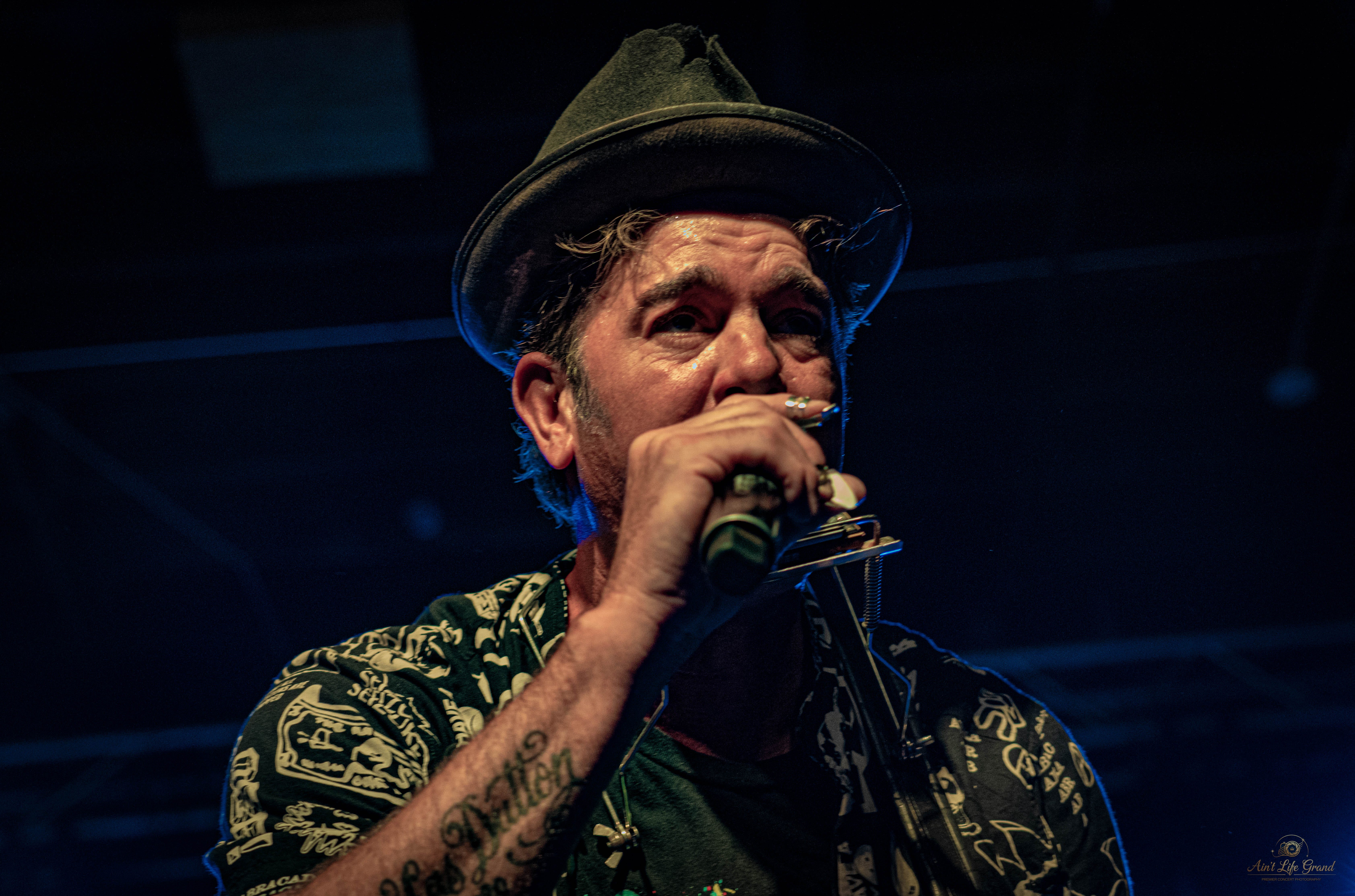
He is an original piece of the Special Sauce chemistry. Prescott was part of the trio that formed with Dutton and drummer Jeffrey Clemens in the early 1990s, and his string bass has been central to the group’s sound for most of its history. He even tours with a folding upright bass designed to survive the realities of life on the road.
Watching him work the instrument live explains why replacing that upright with a standard electric bass would change far more than the silhouette. The notes have physical movement. The instrument adds wood, attack and bounce underneath music that already refuses to stay inside one genre.
Then the songs I supposedly didn’t know started arriving.
“Cold Beverage” came from the band’s 1994 self-titled debut, the same record that gave us “Baby’s Got Sauce”. Both are early examples of why G. Love’s formula worked in the first place. The blues references are real, but there is no reverence requiring everybody to sit quietly and admire them. The grooves are playful. The vocals lean into conversational cadence. “Cold Beverage” is built around the profoundly serious human desire to have something cold to drink.
After Chicago Brent’s work earlier in the evening, I understood the scholarship.
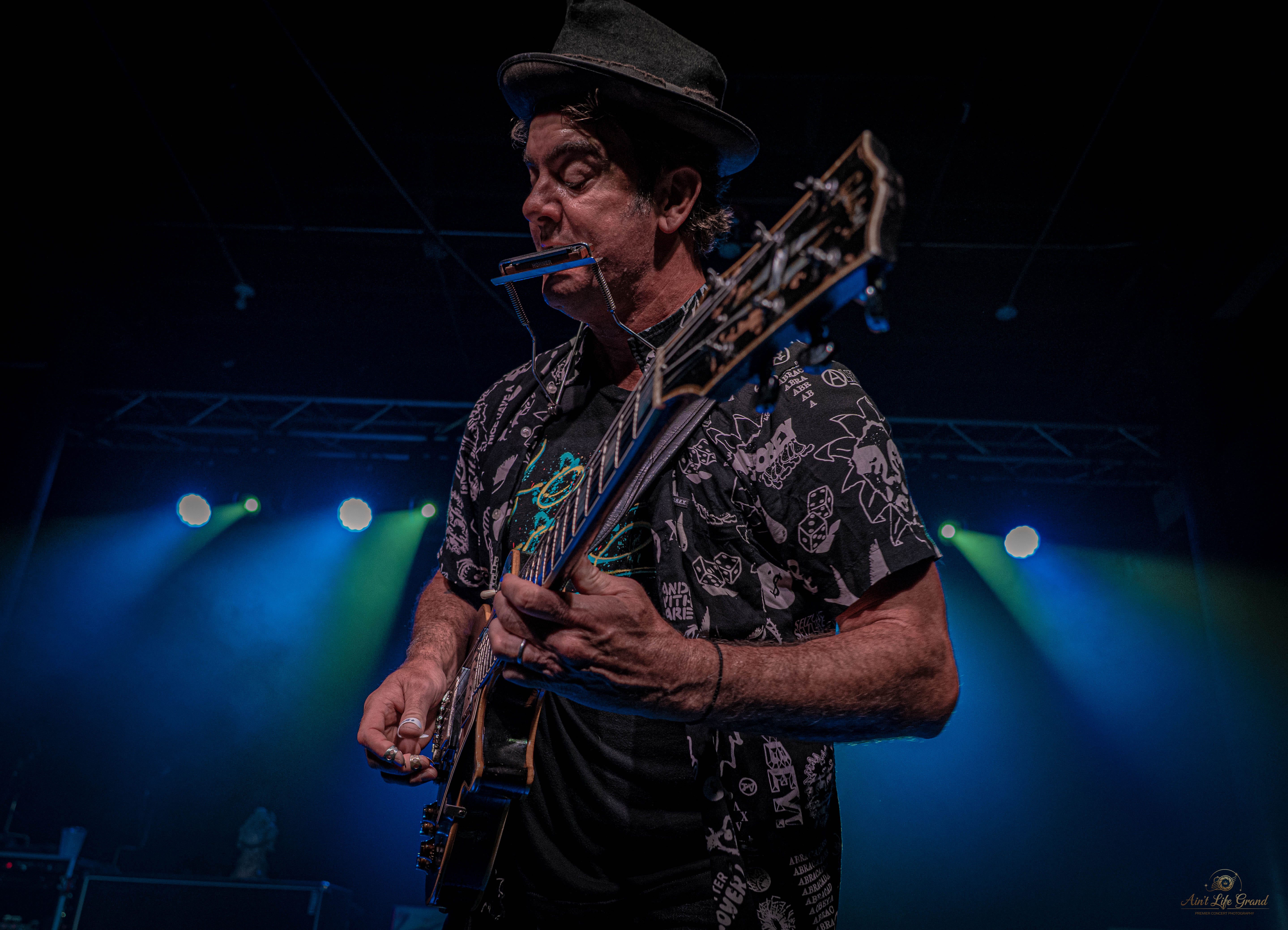
Other songs included “I-76”, “Rainbow,” “Thanks and Praise” and “Rodeo Clowns”. I had previously thought of “Rodeo Clowns” as simply part of G. Love’s catalog, but the history is better than that. It was written by a then-little-known Jack Johnson, who recorded an early version of it with G. Love for 1999’s Philadelphonic before Johnson’s own recording appeared later. G. Love didn’t write the song, but his recording helped put Johnson on a much larger radar.
Those details are fun afterward.
In the room, I was mostly busy realizing how many of these songs felt familiar despite my inability to name them a few hours earlier.
Chicago meets Philly
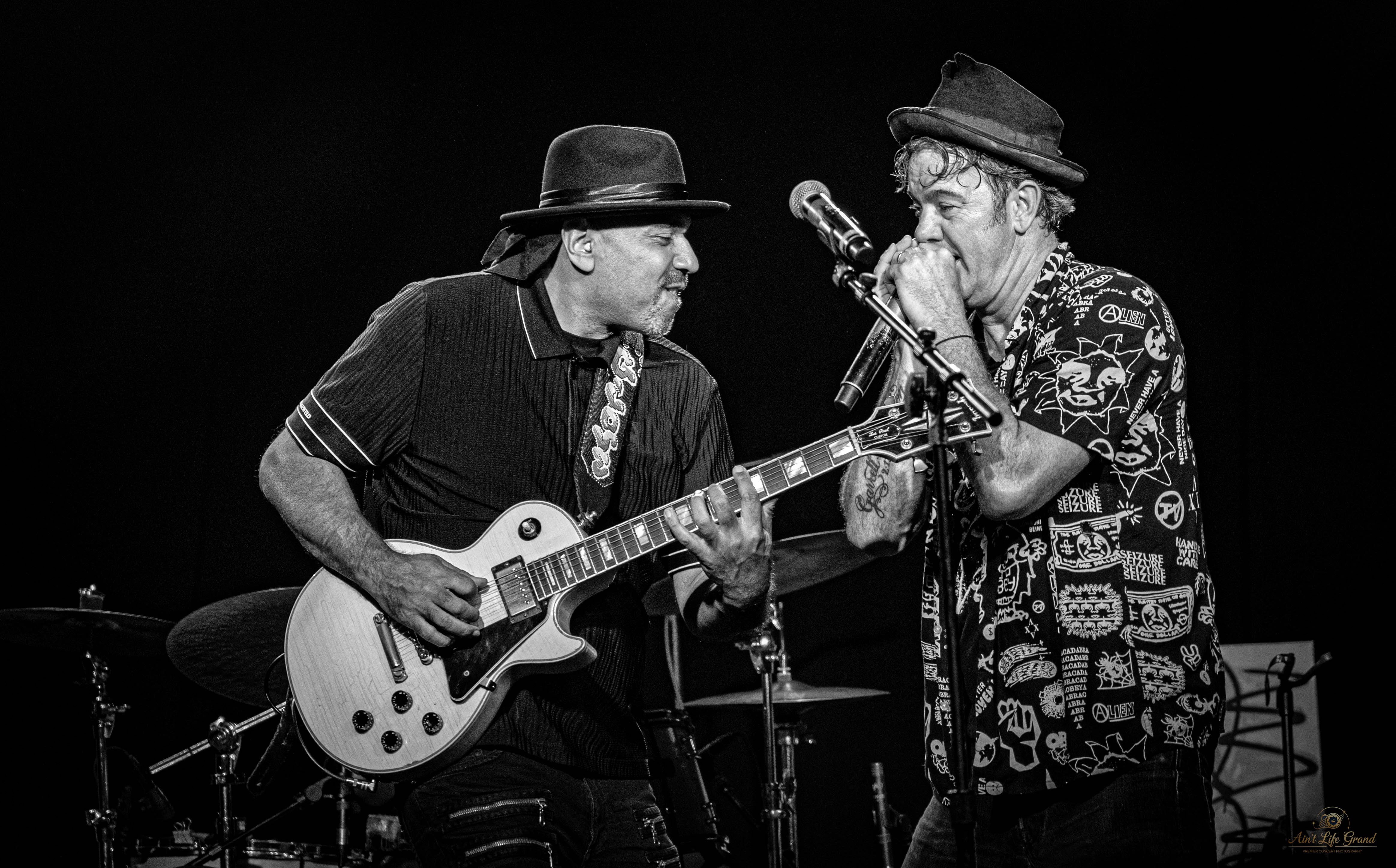
The best moment of the entire night came when Wayne Baker Brooks returned.
G. Love brought him back onstage, and suddenly the night’s two musical dialects were standing next to each other instead of taking turns.
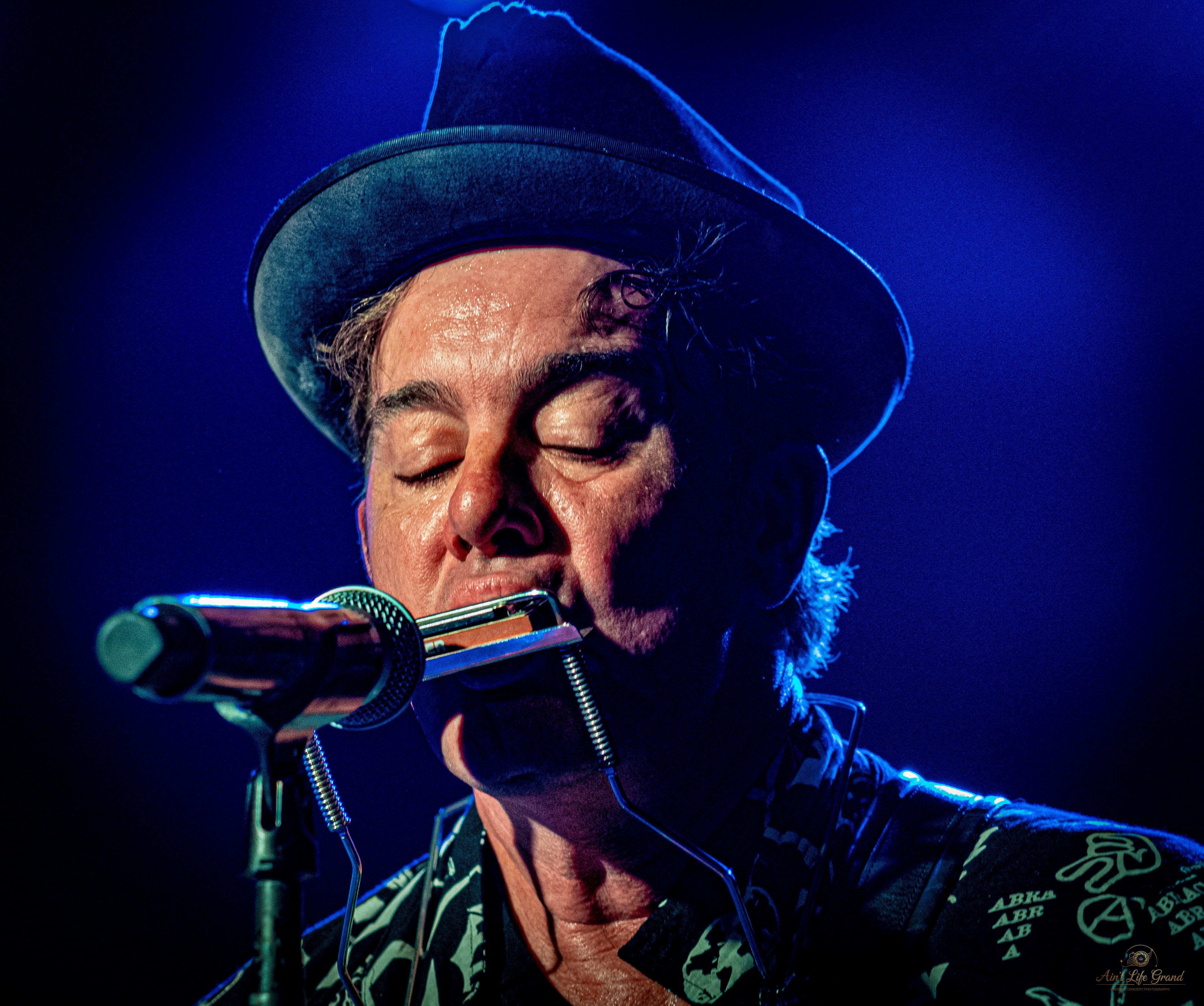
They went after “(I’m Your) Hoochie Coochie Man”, the Willie Dixon-written Muddy Waters standard, with Brooks handling the vocal while G. Love attacked the harmonica.
And attacked is the correct word.
He wailed on that thing.
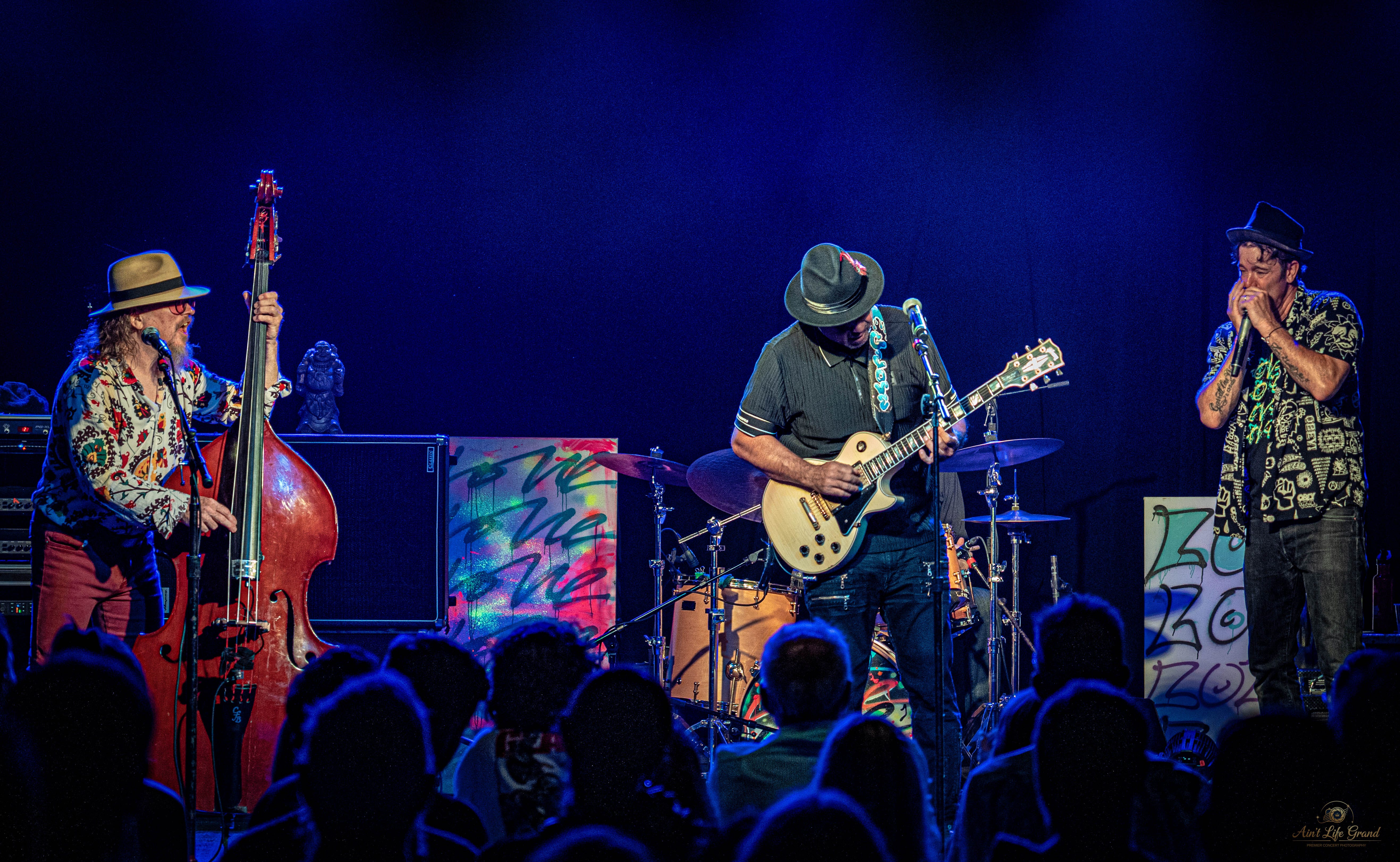
Harmonica is one of those instruments capable of becoming novelty furniture in the wrong hands. Here it became the sharpest sound in the room. G. Love pushed and pulled against Brooks’ vocal, throwing phrases between the lines while Brooks stood inside one of the foundational songs of electric Chicago blues.
This was the part of the show where my unfamiliarity became an advantage.
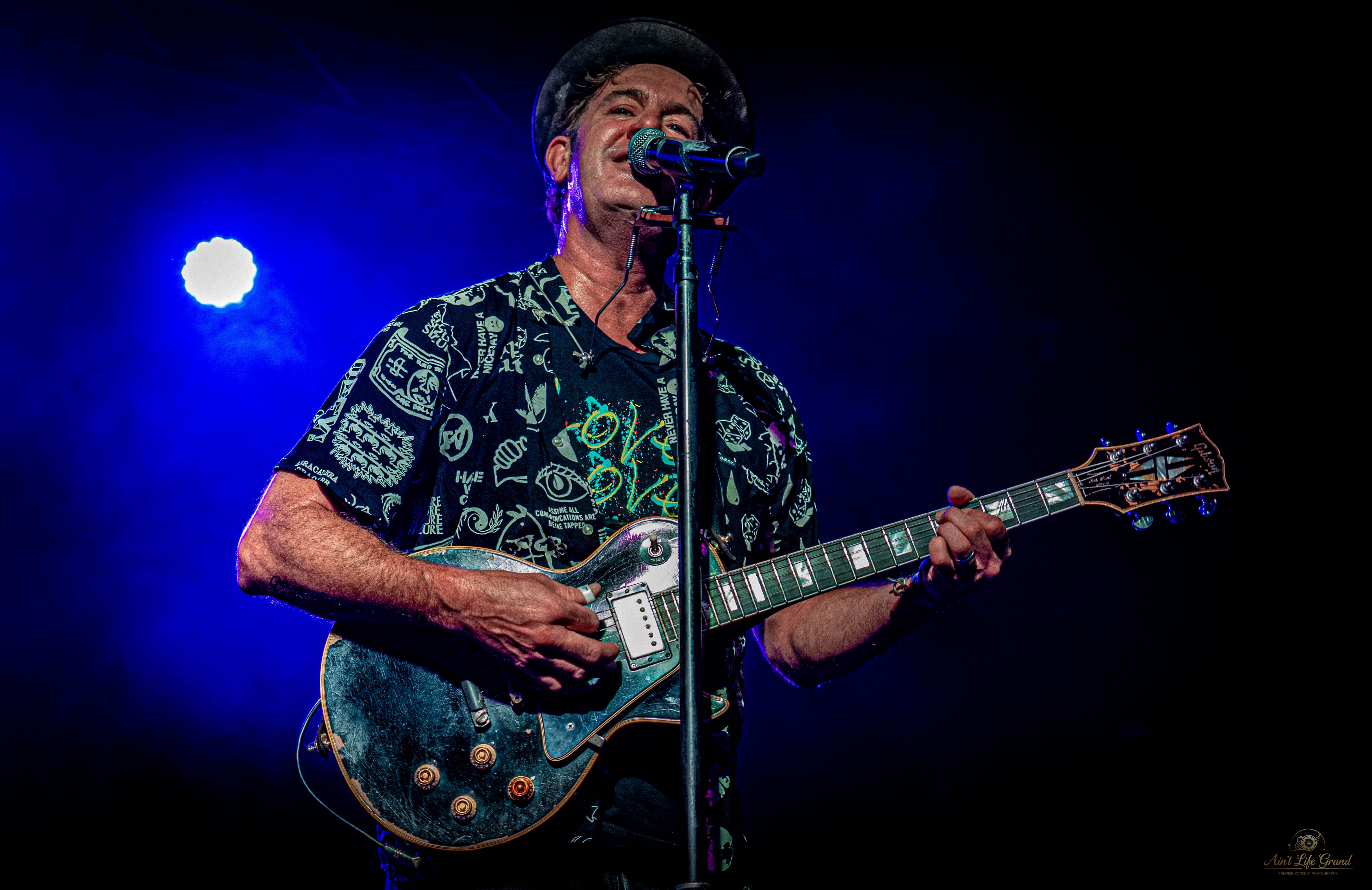
I hadn’t arrived waiting for a particular hit. I had no fantasy setlist to compare against reality. No song needed to recreate a memory from 1998. I could simply watch G. Love and Wayne Baker Brooks collide on a blues standard and recognize that something special was happening without having planned to feel anything about it.
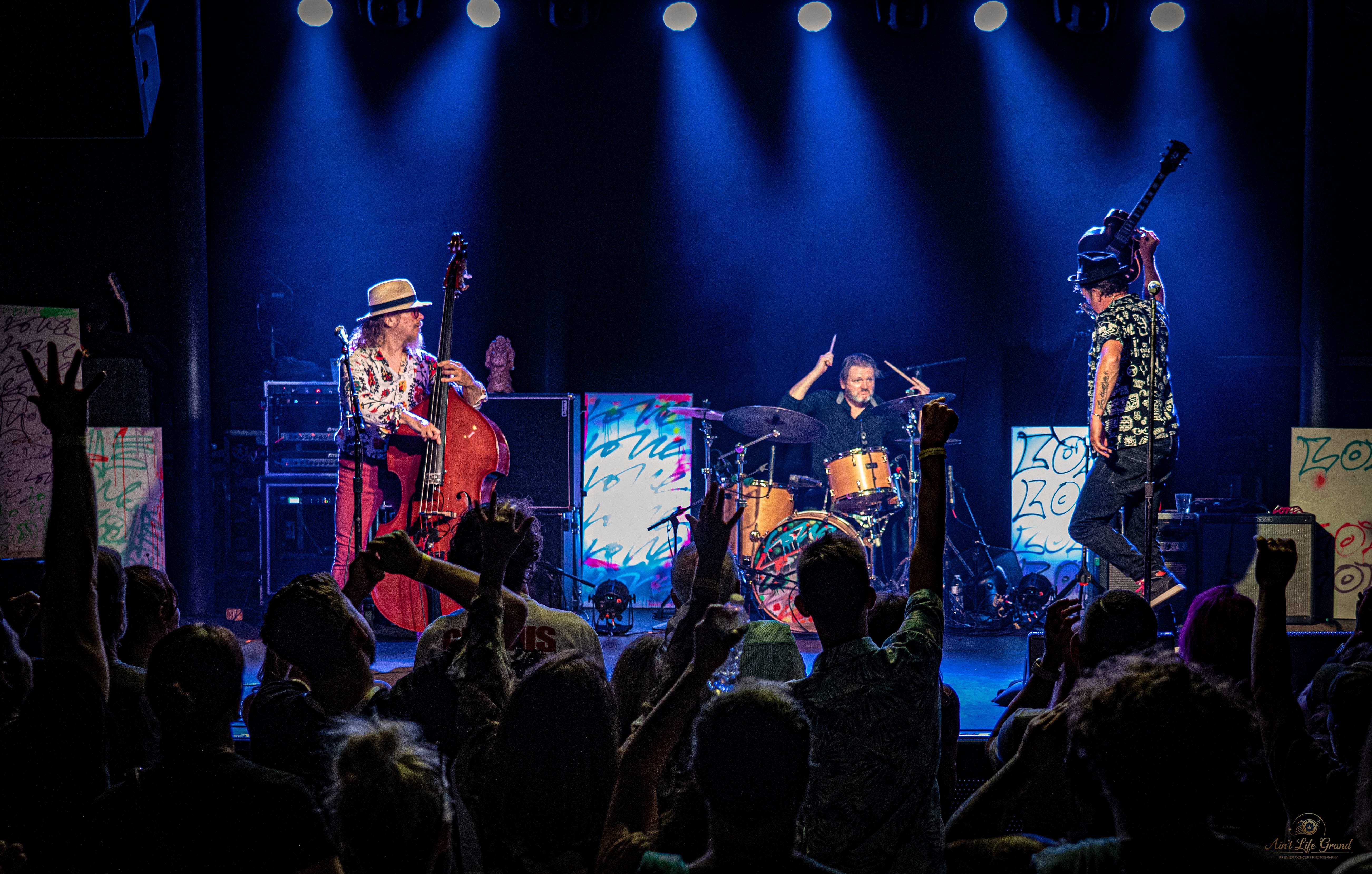
Brooks was already the surprise of the night. Bringing him back made the booking change feel less like a substitution and more like an accidental improvement to the architecture of the show.
Then came the encore.
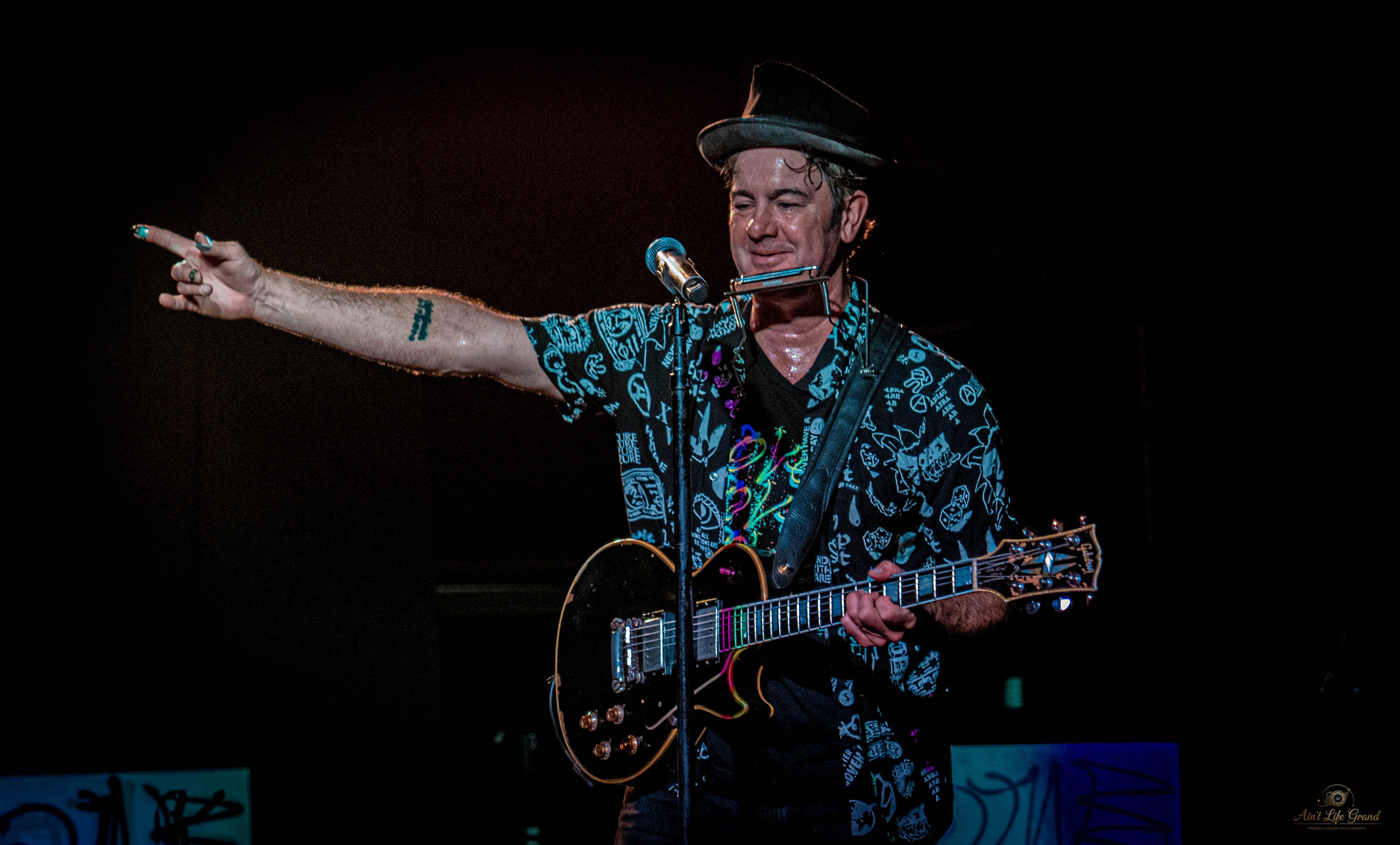
The opening notes of “Baby’s Got Sauce” produced exactly the reaction you would expect from a crowd that had spent the evening waiting for it. Voices rose immediately. The audience pressed into the familiar rhythm. It was one of those reactions where the song title becomes unnecessary because the room has already identified it for you.
Now I knew it too.
Afterglow

There is a strange emotional drop after a good show.
For hours, everything has a purpose. Find the venue. Find parking. Find the photographer. Check settings. Get into the pit. Shoot. Write. Listen. Talk to people. Catch the moment you almost missed. Move before you block somebody. Remember the lyric. Forget the lyric. Write down half of it anyway.
Then someone turns the lights on and suddenly you are carrying gear toward the door.
Igor and I walked out of Wooly’s with that familiar post-show dip starting to creep in, but Des Moines refused to let the night end cleanly.
Around the corner, we ran directly into street karaoke.
Of course we did.
We stopped. We talked with the group. Somewhere in the middle of all of this, Igor ended up with the microphone and started belting out a few songs himself.
So the night that began with me wondering who the hell G. Love & Special Sauce were ended with my photographer performing karaoke on a Des Moines sidewalk after we had spent the evening hanging out with a Chicago blues guitarist, photographing a gem-covered guitar strap, documenting three unrelated Brents and watching G. Love nearly tear the reeds out of a harmonica.
Eventually, we actually went home.
My music rotation got a little bigger first.
Please consider Donating to Sponsor an article even $1 helps!
