


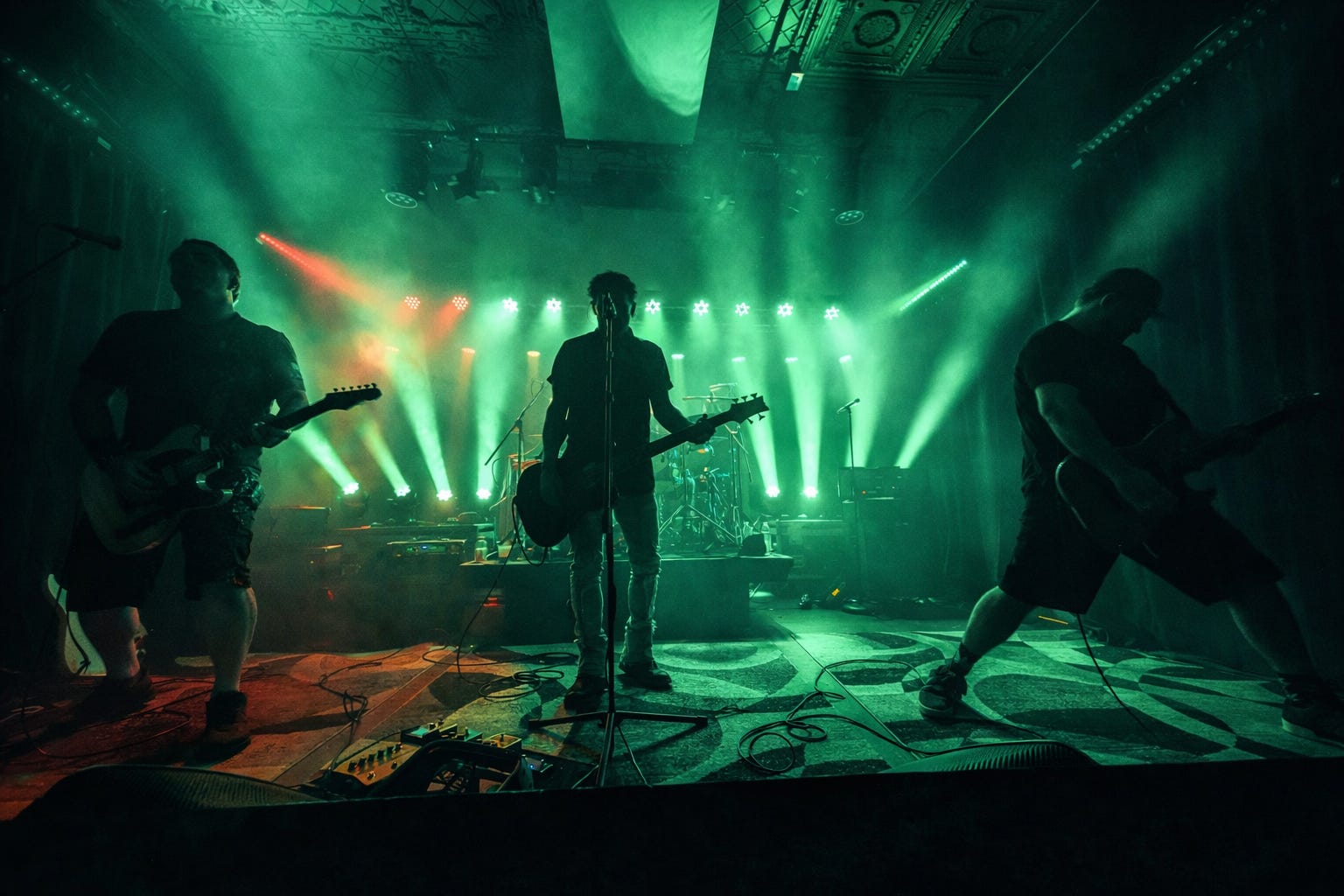
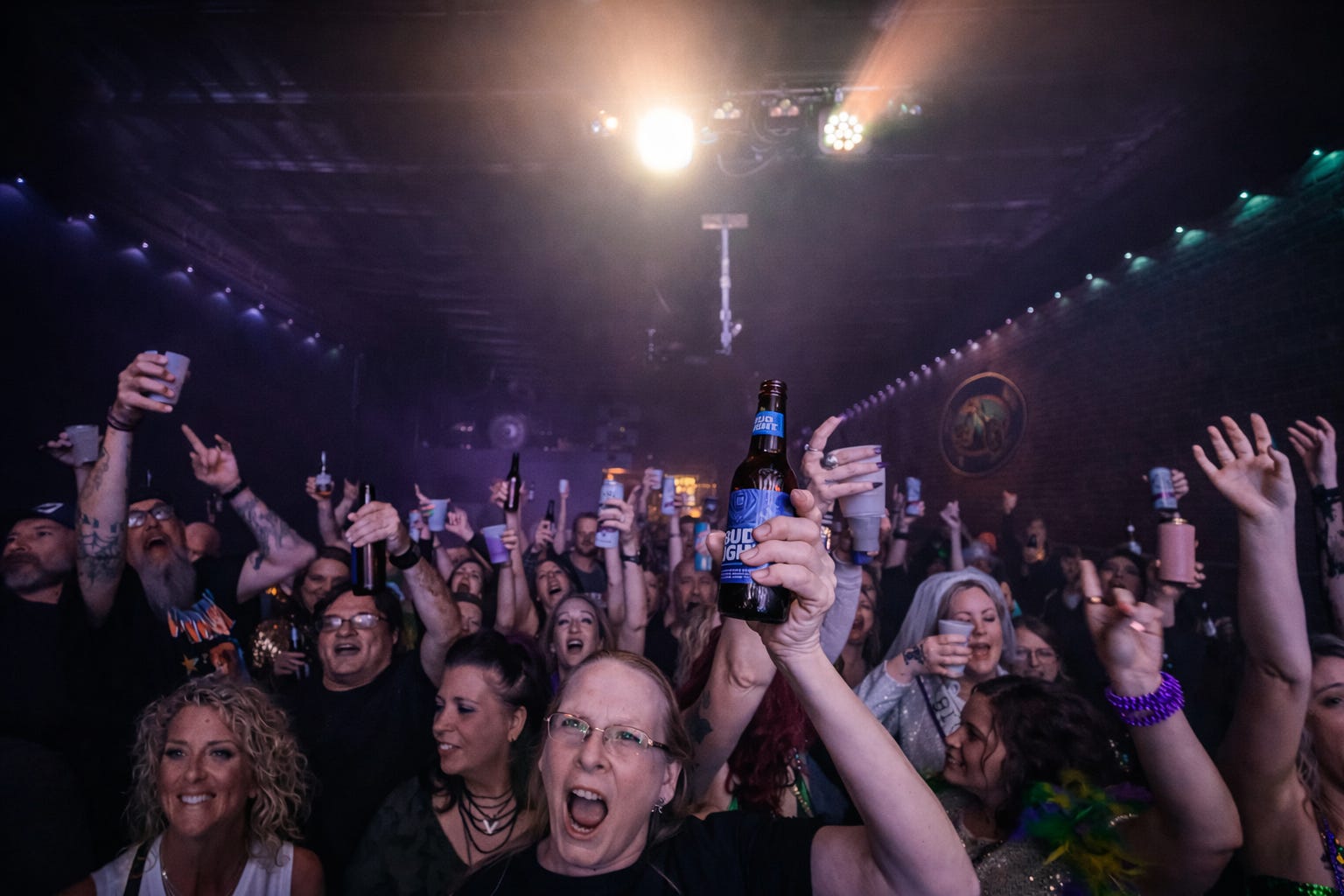
Walking into The B-Side Bar for Cheshire Grin’s 30th anniversary show, I could tell right away this was going to be different. The place was packed, absolutely wall to wall, and usually in a room that full you expect the mood to get rough around the edges. Instead, it felt a little like slipping down the rabbit hole into something bigger than just another show.
It never happened.
Instead, the whole place stayed upbeat. Security was welcoming, the sound crew was on point, and the bartenders were hustling all night keeping drinks moving and people happy. That probably did more for the energy in the room than people realize. In a packed house like that, things can either stay fun or fall apart fast, and this one stayed fun.
That also matched what the night really was. This wasn’t just a band playing a set. It felt like a reunion, a celebration, and a room full of memories all happening at once. Cheshire Grin weren’t just playing songs. They were bringing years of history back into the room with them.


Down the Rabbit Hole
From the start, the thing that stood out wasn’t just the music. It was how personal the whole night felt. Between songs, the band kept dropping into these “Remember the time…” stories, the kind that only work when a band has actually lived enough life together to have a treasury of them. They pointed out people in the front who had been coming to shows for the full 30 years. Not five. Not ten. Thirty. In a music scene that eats trends for breakfast and forgets names by dinner, that kind of loyalty feels almost fictional.
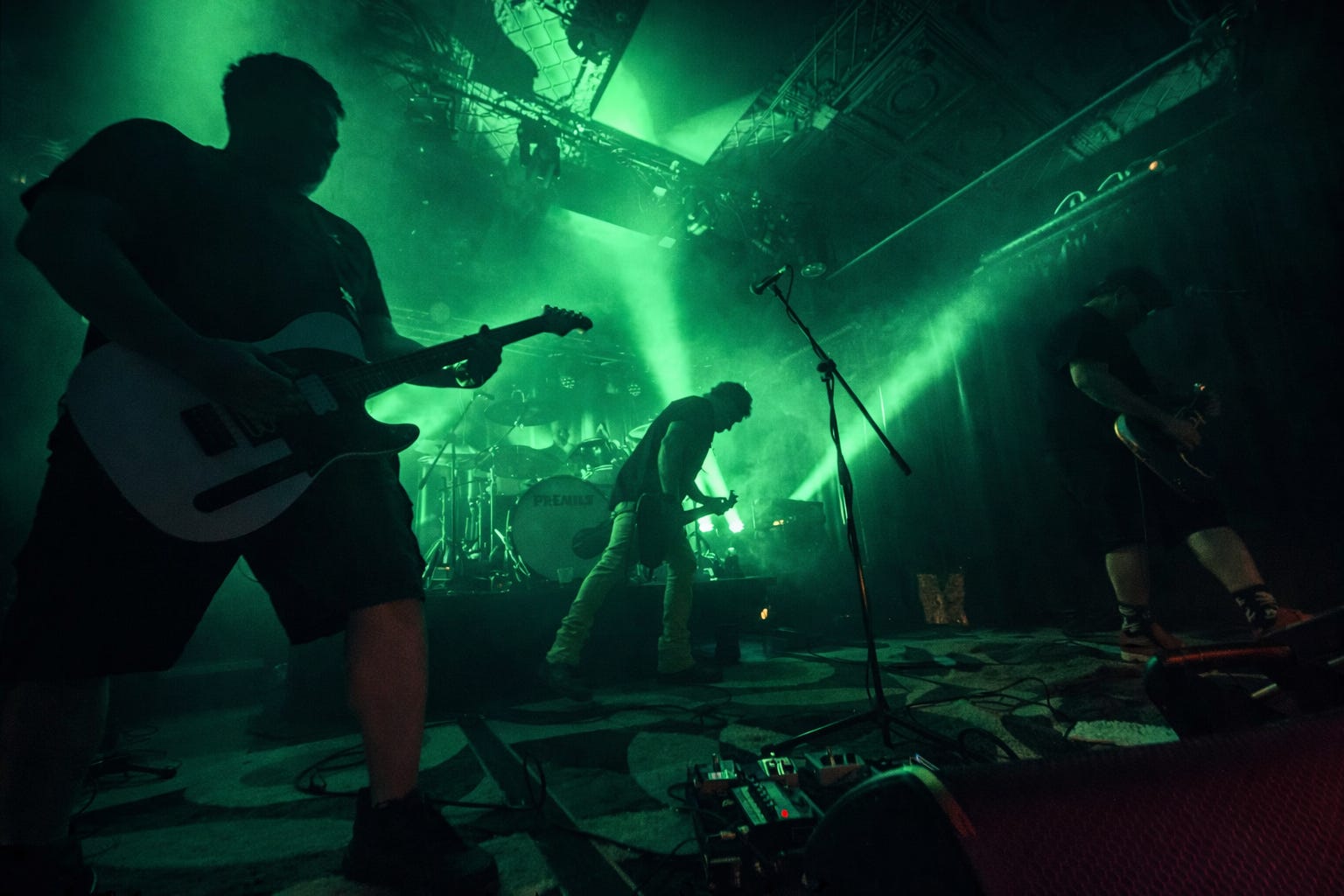
But there it was, standing right in front of them.
The night kept expanding from there. Friends came up. Former players came up. Guys who had shared stages with them in different eras climbed aboard to jam. It didn’t feel rehearsed into some polished anniversary package. It felt messy in the best way, like a reunion that had been waiting all year to get loud enough to deserve itself. The stage stopped feeling like a border and started feeling like an invitation.
That was the pulse of the night. Not nostalgia in the cheap sense. Not a museum piece. Not a band trying to embalm its own past in applause. It felt more like a long table in Wonderland where every chair had a story attached to it, and every story kept finding another voice to finish the sentence.
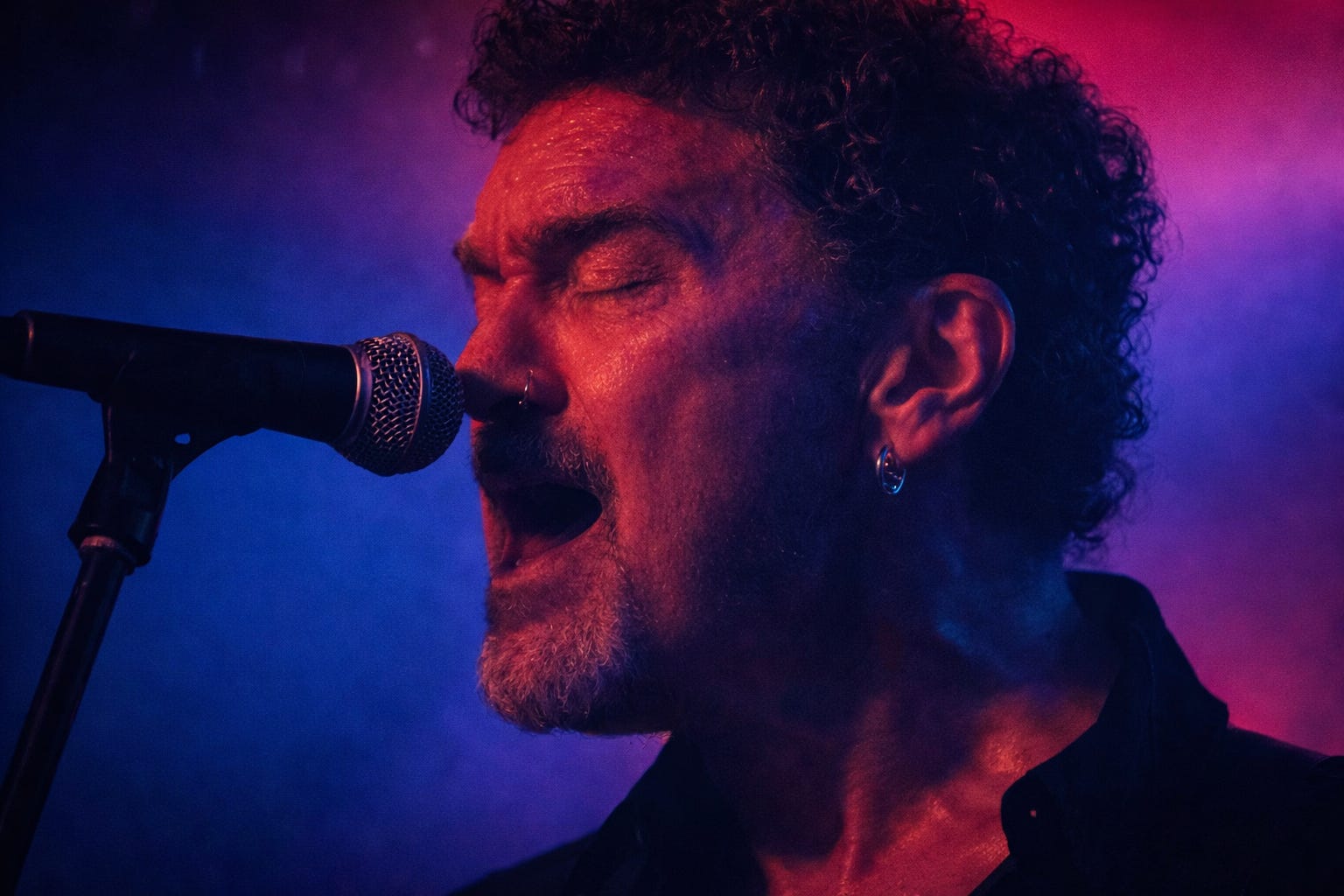
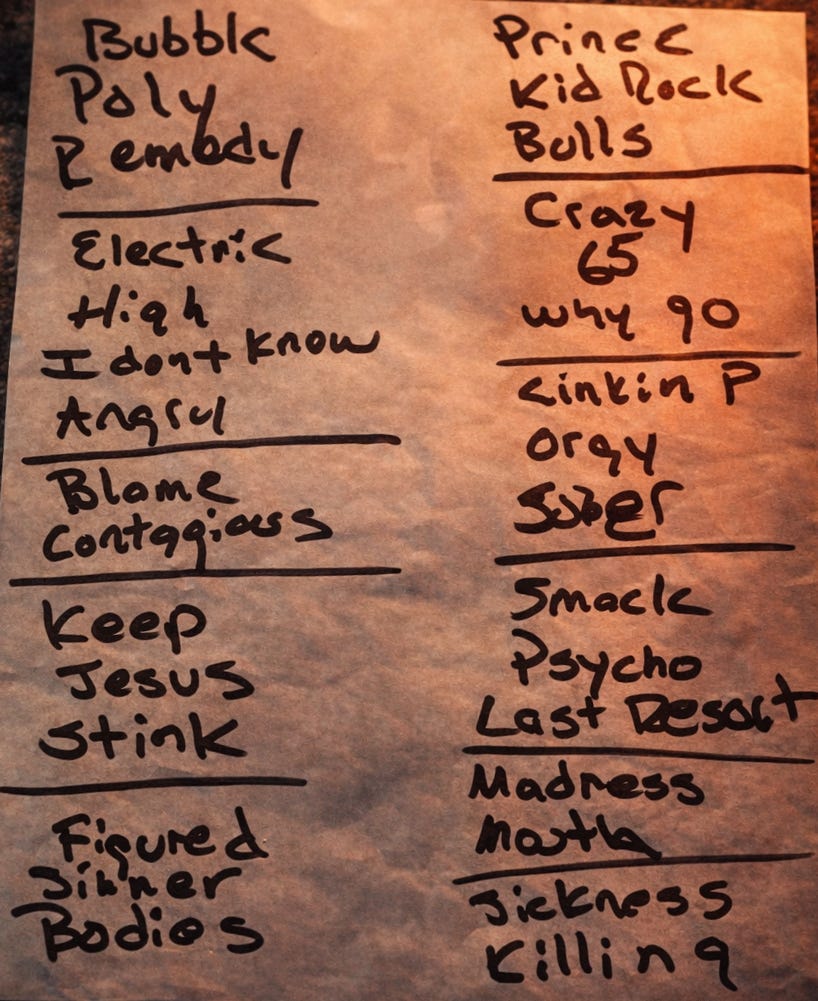
The setlist itself read like a map through decades of hard rock memory, scribbled in shorthand and sweat. “Bubble.” “Poly.” “Remedy.” “Electric.” “High.” “I Don’t Know.” “Angry.” “Blame.” “Contagious.” “Keep.” “Jesus.” Then deeper into the night, “Stink Fist,” “Sinner,” “Bodies,” “Prince,” “Kid Rock,” “Bulls,” “Crazy,” “Linkin P,” “Orgy,” “Sober”, “Smack,” “Psycho,” “Last Resort”, “Madness,” “Mouth,” “Down With the Sickness”, and “Killing.” On paper it looks almost like code. On stage it landed like shared language.
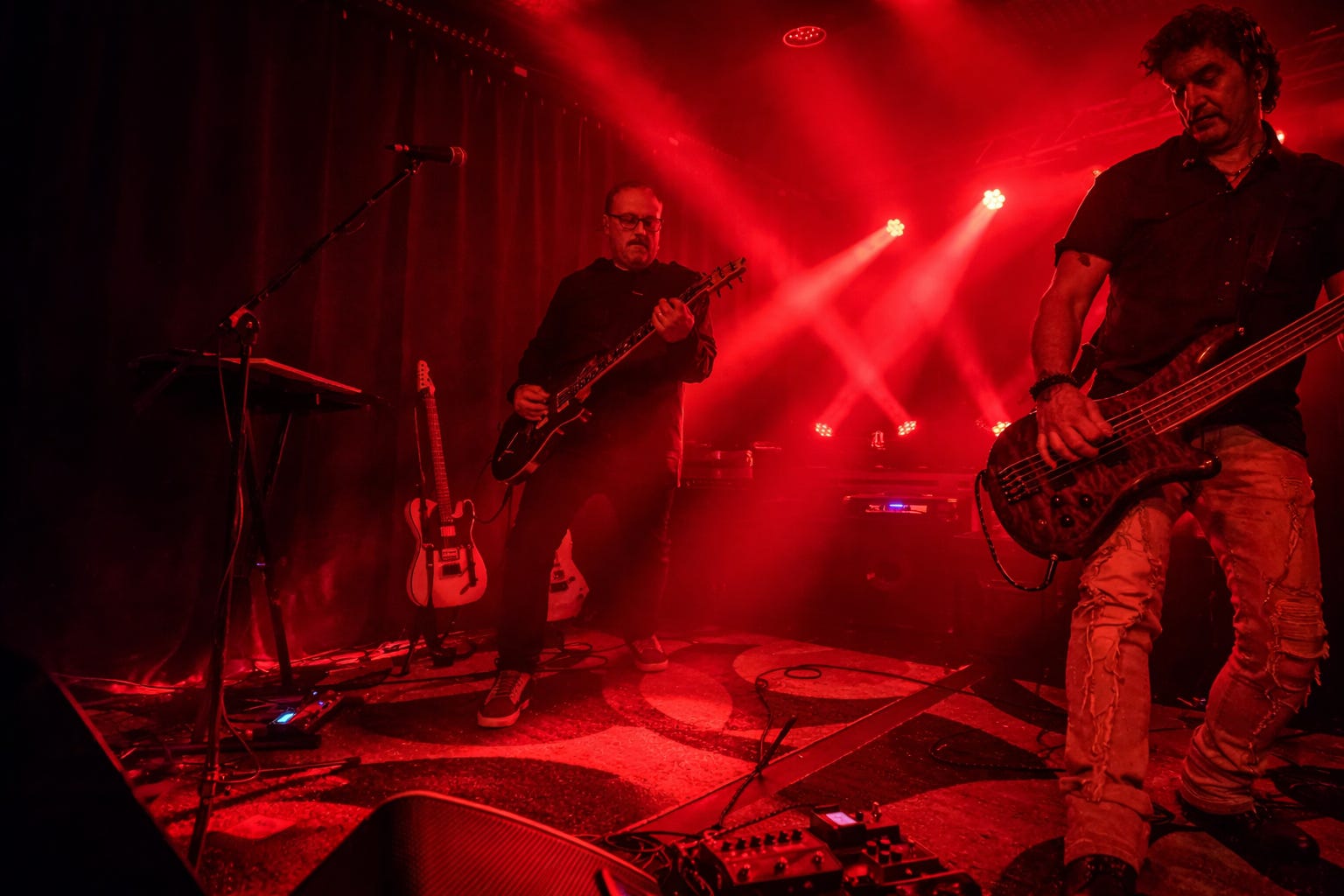
One of the sharpest moments of the night came when original member Jason Mathews jumped in for a guest spot during “Angry Chair”. It fit so naturally it didn’t feel like a stunt or a detour. It felt like the song had been waiting for one more set of hands.
And then there was “Stinkfist”.
If you wanted the exact point where the whole room seemed to lose its remaining restraint, that was it. The biggest reaction of the night, no question. The place didn’t just cheer. It detonated. You could feel it ripple front to back, the kind of response that reminds you some songs never really age out of a room like this. They just wait for the right band, the right crowd, and the right amount of accumulated history to hit the gas.
Please consider Donating to Sponsor an article even $1 helps!

The Tea Table Backstage
Backstage, the mood was somehow even more revealing. The room carried that strange anniversary-show electricity where everyone seems to be smiling with their whole face. Not just because the show is going well, but because the years themselves have shown up. The history in that room was thick enough to trip over.
I sat down with founders Pat Bressman and Troy Tompkins, along with Mark Marquez, to ask the obvious question first: where did this all start, and how in the world are we here 30 years later?
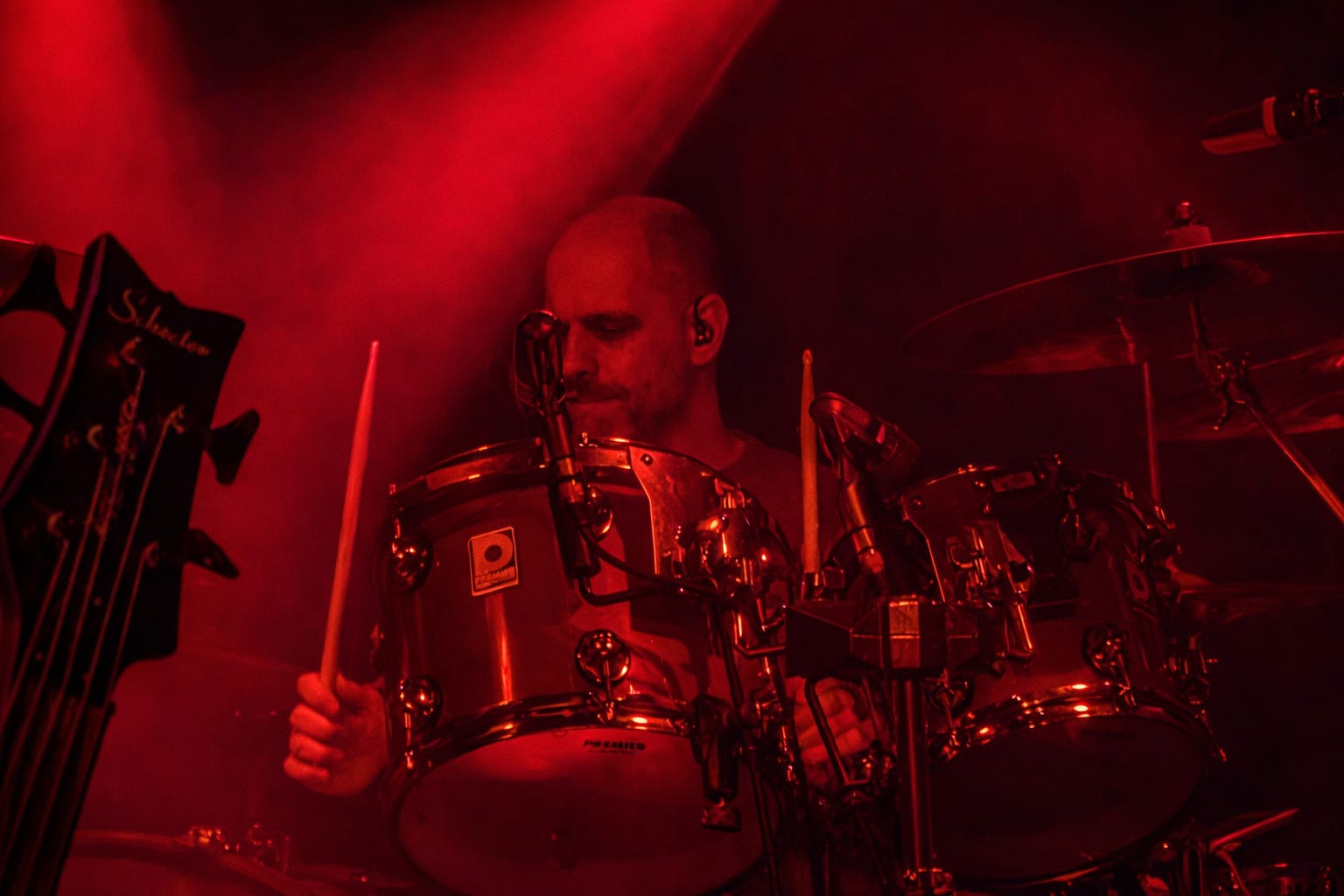
Pat took it back to the beginning in a way that instantly stripped the legend down to its bones. “The history was me and Troy getting together with Jason Mathews and a drummer named Matt. We were looking to do something that wasn't just another classic rock cover band.” Then he laughed at the way time trims a story down and thickens it at once. “Matt was one of the early casualties—over the years, lives get in the way and people move on. But the current version with Kevin Boukal on drums and Mark Marquez on guitar is the longest steady lineup we’ve ever had.”
Thirty years is long enough for myths to start hardening around a band. You hear that number and assume there must be some grand secret, some hidden machinery, some contract written in blood or stubbornness. Troy’s answer was much simpler than that, which probably means it was true. “I think we’re more brothers than we were band-mates. It’s easy to spend a year without talking and then still pick up and be brothers the next day. It goes back to family. That’s what it is.”
That word kept coming up. Family. Not branding. Not chemistry in the polished, industry-approved sense. Family in the real sense, the complicated one, the durable one.
Pat put flesh on that idea. “Most of us have known each other in some capacity longer than the band exists. It helps that we don’t play as often as we used to, so the burnout factor didn’t happen. We all have other ways to express our creativity, so it’s not so all-consuming. But when we’re together, it’s like we just did it last week.”
That, more than anything, explained the feeling in the room. Not just why the crowd was so invested, but why the whole night had that loose, intimate, impossible-to-fake warmth. Cheshire Grin didn’t look like men performing an anniversary. They looked like men stepping back into a language they never really forgot.
The Cards on the Table
I asked about 1998, the year that apparently looms over the band’s history like one of those giant Wonderland cards looming over the croquet lawn. What actually happened that made that year feel so pivotal?
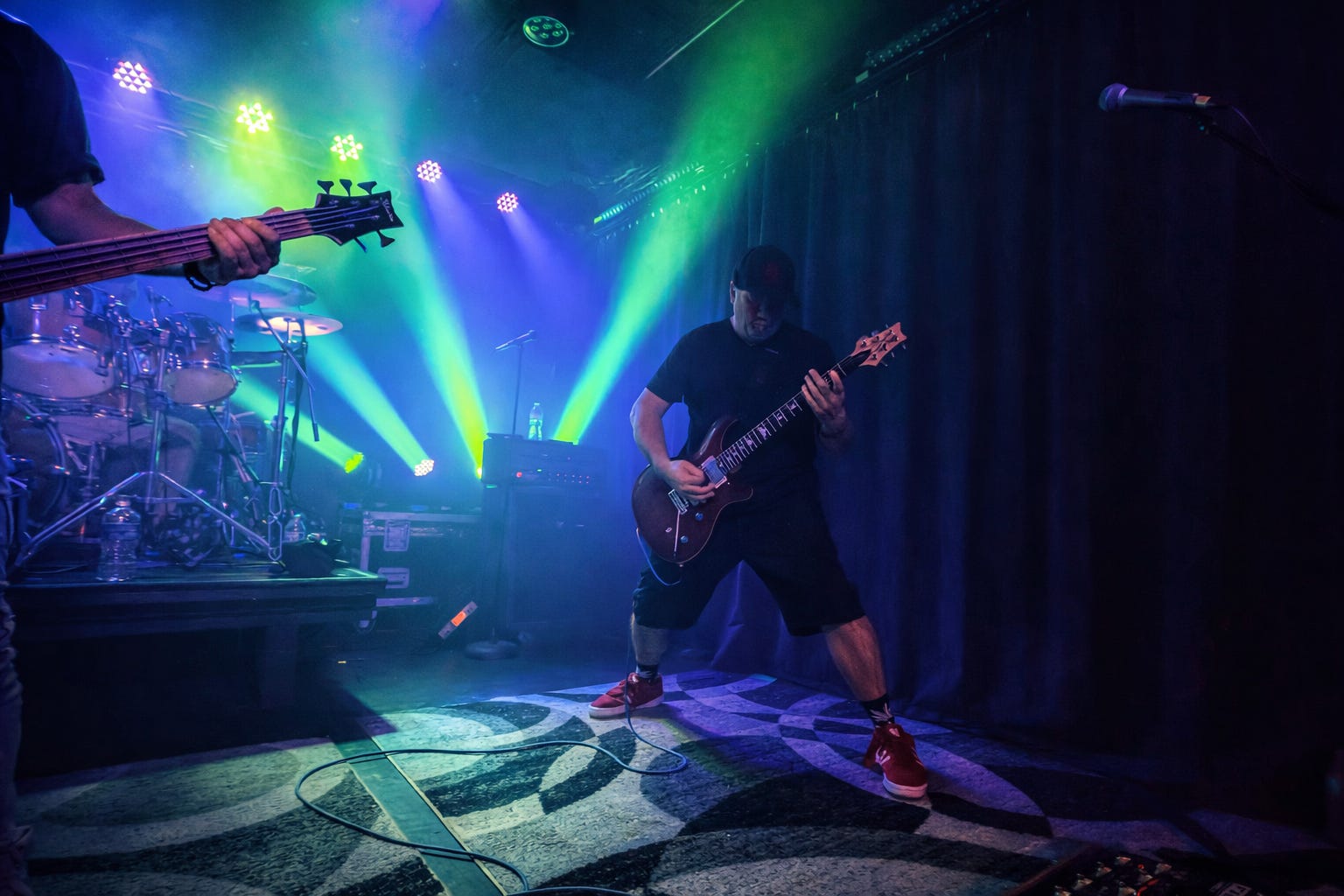
Pat didn’t hesitate. “That was when we added Mark Marquez on guitar and Mark Rotherman on drums. That’s when we started writing together. We won that radio contest to open for Mötley Crüe at the old Civic Auditorium. We played to 4,000 people, and then we invited all of them to the Ranch Bowl. The Ranch Bowl only held 400, but we didn’t have a slow night again for a long time.”
That’s the kind of local-scene folklore that would sound exaggerated if it weren’t delivered so matter-of-factly.
Troy, meanwhile, remembered the texture of it. “I remember Tommy Lee was right there, banging his head while we were playing Tool. Nikki Sixx didn’t hang out because they were mad we were a cover band, but Tommy didn’t give a shit. He was into it.”
That line tells you almost everything you need to know about the band’s approach. They have never sounded embarrassed by being a cover band, never apologized for loving the material, never tried to frame it like a lesser form. And honestly, good. Too many people talk about cover bands like they’re somehow disqualified from meaning anything. Nights like this kill that idea dead.
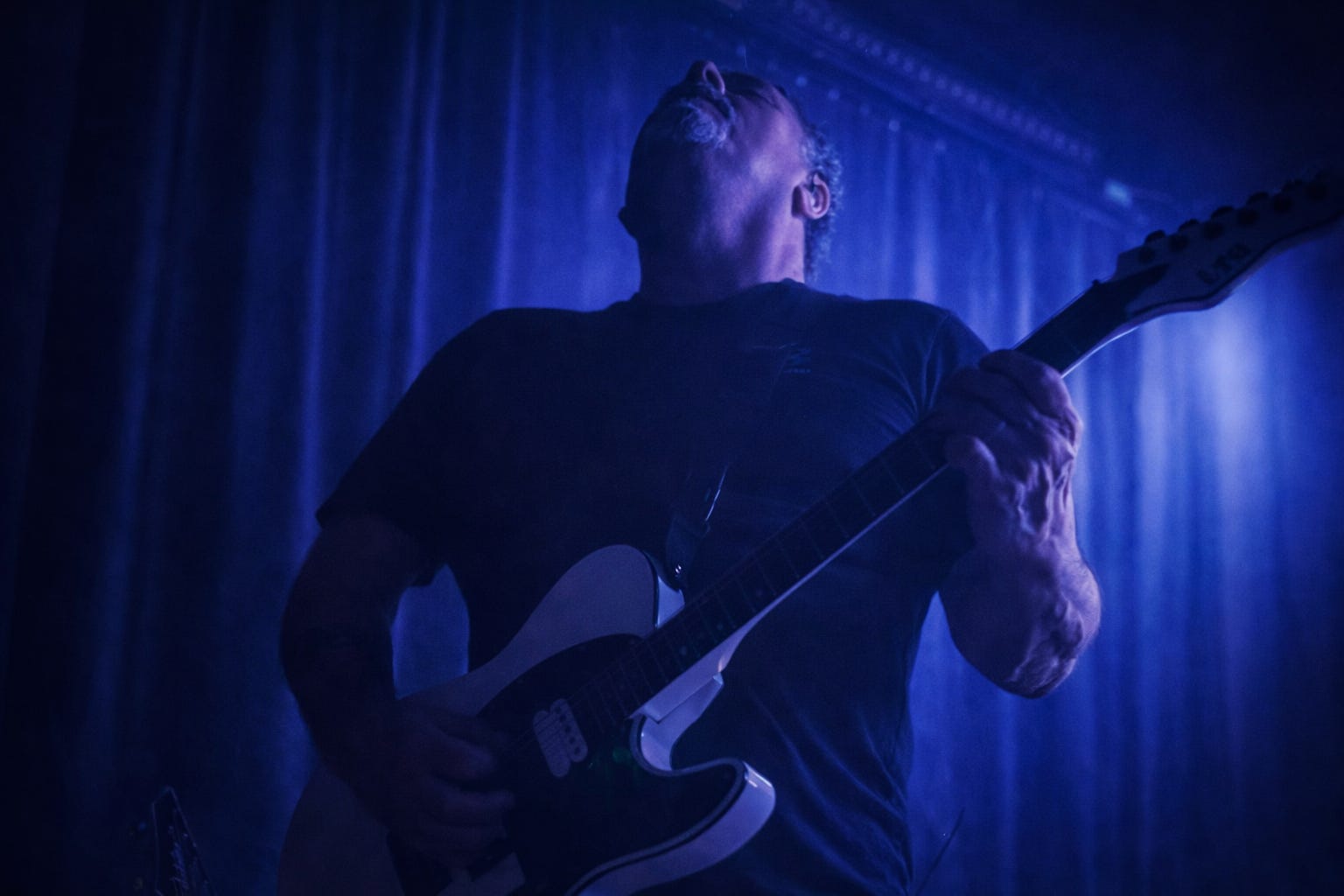
Because what Cheshire Grin are really covering, after all these years, is not just songs. They’re covering eras of people’s lives. They’re covering first drinks, bad breakups, old friends, vanished clubs, younger faces, dead-end jobs, glorious dumb decisions, the years when every weekend felt like a dare. That’s why a room explodes for a song like “Stinkfist.” That’s why a guest spot during “Angry Chair” lands so hard. The songs are not just songs anymore. They are keys.
Through the Looking Glass
I asked how a band survives grunge, the post-grunge years, the 2000s, the digital flattening of everything, and still sounds like itself.
Pat’s answer was refreshingly unromantic. “We’re lucky because we actually like the music we play. We were fans of grunge, and as that turned into modern rock, we stayed fans. We’re all deep music fans—classical piano, Steely Dan, hip hop—but we love this genre. It isn’t fun when you don’t like the music.”
There it is. No theory. No desperate bid for relevance. Just actual affection for the songs and the sound.
That explains why the set never felt like cosplay. Even when the band moved through songs associated with acts as different as Tool, Alice in Chains, Papa Roach, and Disturbed, the throughline stayed intact. The material lived inside their wheelhouse because they still sound like believers.
When I asked if this run felt like a victory lap, Pat swatted the phrase away gently. “I wouldn’t call it a victory lap. It’s just surprising to us that 30 years has gone by. I’m not even that old!” Then he turned serious again. “But so much life has happened in the time of this band. There’s a certain pride when the house is packed early... or your kids are out there in the crowd.”
That line stayed with me.
Maybe because it reframed the whole night. This wasn’t just about survival. It was about inheritance. About the strange moment when the people who once built their identities around the band now bring their children into the room and watch them catch the same spark. A club show becomes a time machine, then a family archive, then a living thing again.
Troy put the point on it with less poetry and more punch. “Everybody’s out there. It’s just a giant celebration. It kind of proved that there’s a reason it lasted 30 years: it’s because we’re good at what we do.”
Blunt. Clean. Hard to argue with.
And when I asked what people should know about a Cheshire Grin show in 2026, Pat gave the mission statement: “We came to play. We came to kick ass and have a good time. You can celebrate rock and roll.”
Mark Marquez, wisely, didn’t overcomplicate it. “Amen.”

Afterglow
By the end of the night, what stayed with me wasn’t just the size of the crowd or the roar that met “Stinkfist,” or even the pleasure of hearing all those shorthand setlist fragments turn back into full-body songs. It was the grin of the thing. The part that lingers after the body disappears.
That’s the real Cheshire trick, isn’t it?
Not vanishing, exactly. More like refusing to vanish completely.
Thirty years in, this band still knows how to turn a crowded room into a shared memory while it’s happening. They still know how to make a local bar feel like the center of its own universe for a couple of hours. They still know that the best rock shows are not just about volume or precision or how many songs you can cram into a night. They’re about recognition. About looking up and seeing old faces, new faces, kids in the crowd, former players on the stage, bartenders keeping the spell alive, security helping the whole thing hold its shape, and realizing this isn’t some fading photograph people are trying to reenact.
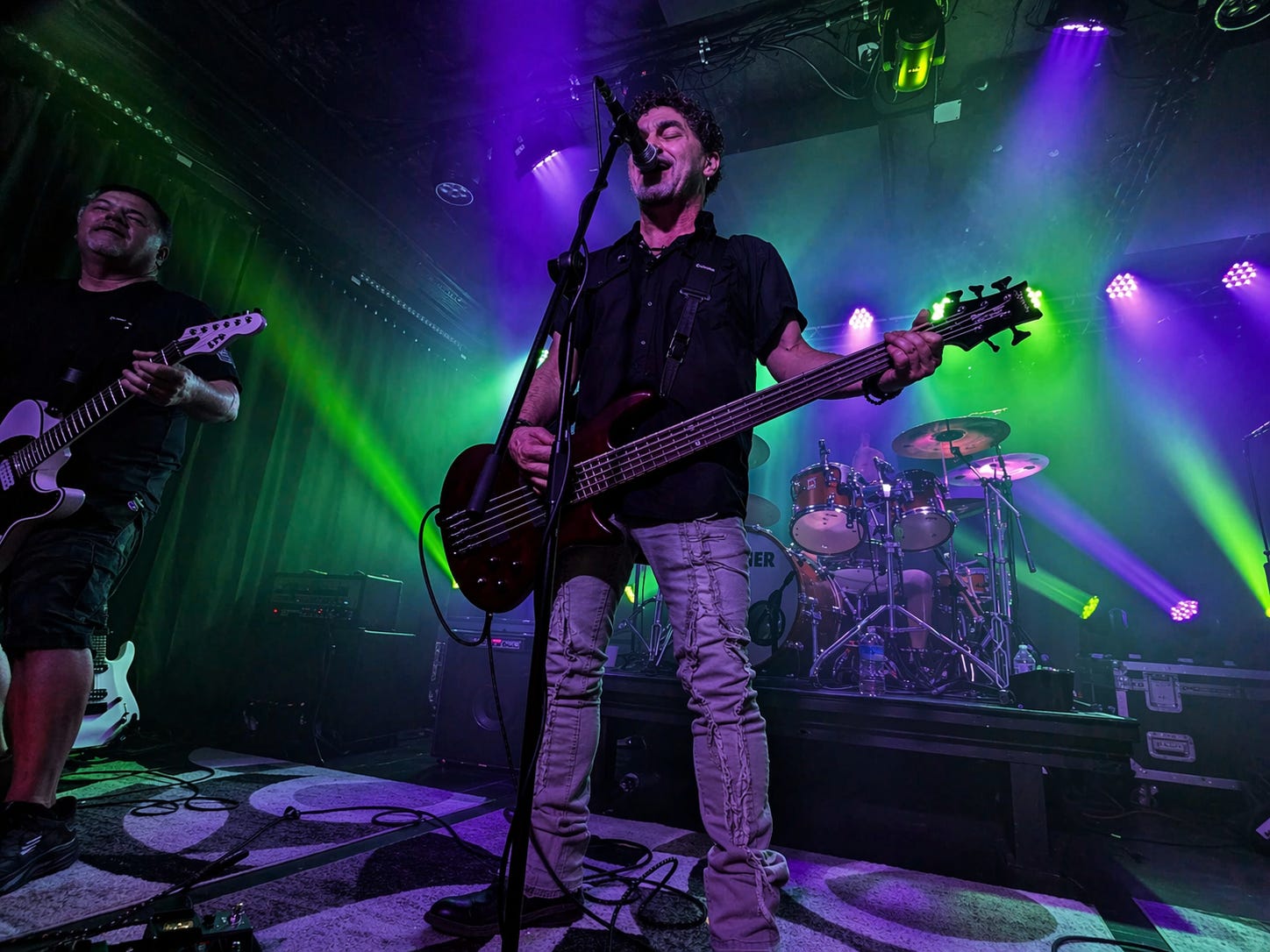
It’s still here.
Maybe that’s why the whole evening felt less like looking back and more like stumbling into some crooked little Wonderland where the clocks have all melted, the stories keep interrupting the songs, and the songs keep proving why they were worth carrying this far in the first place.

And when Cheshire Grin smiled, the room smiled back.
Please consider Donating to Sponsor an article even $1 helps!

