



Coming into this add on show for the Washington Pavilion’s Broadway season, I didn’t really have a grasp of what Jersey Boys was going to offer. I knew it was the story of Frankie Valli and The Four Seasons, but I had no idea how crazy of a story it truly was. When you think about a musical built around a group responsible for some of the most recognizable songs in American music, you naturally expect plenty of great music and a little history along the way. What I wasn’t expecting was a story involving the mob, questionable business decisions, broken relationships, jail time, and enough personal drama to fill several seasons of television.
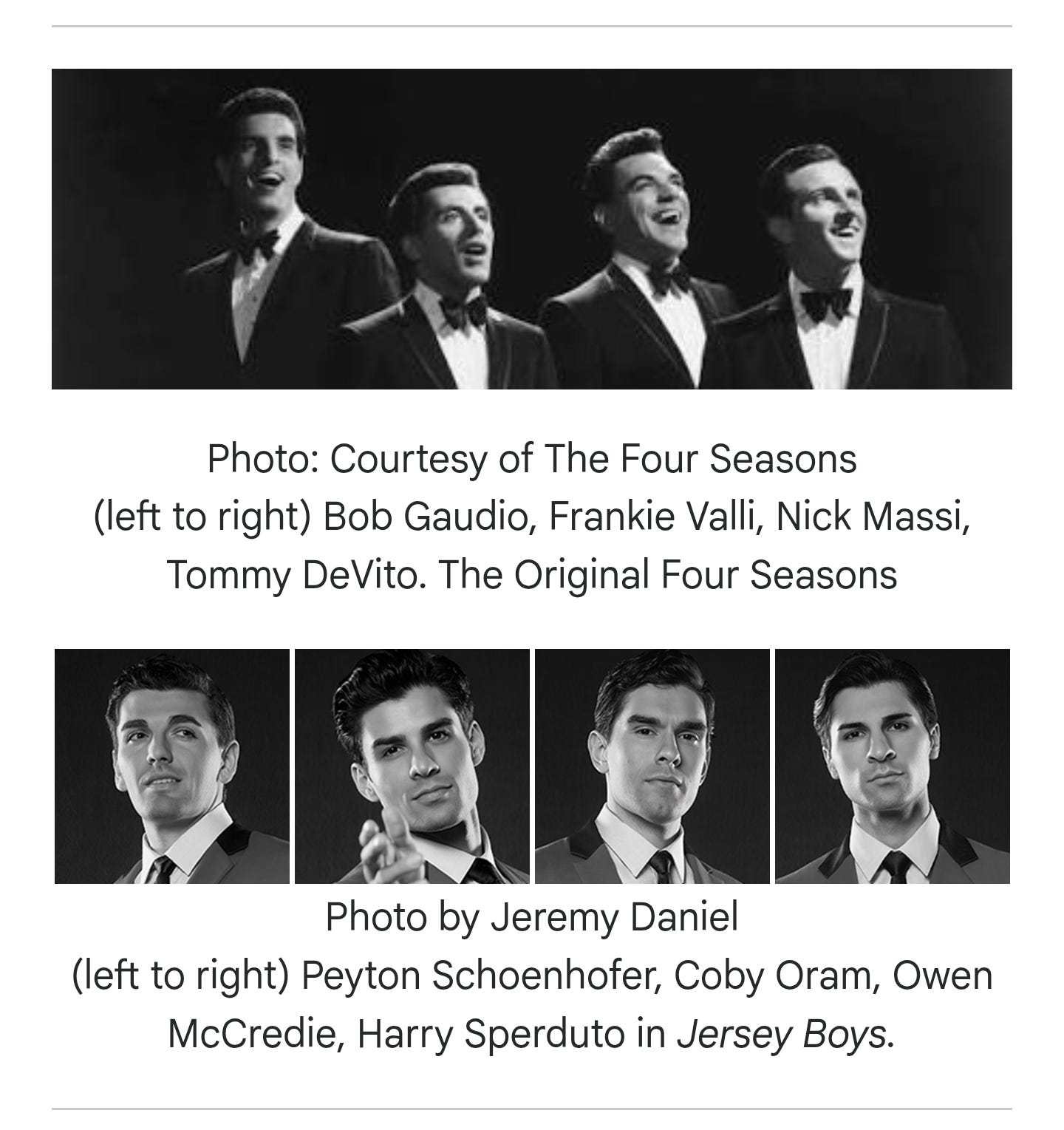
The 20th Anniversary Tour of Jersey Boys made its way to Sioux Falls for one of the shorter engagements in the Pavilion’s Broadway offerings, with only two opportunities to catch the production on October 27th and 28th. That’s a shame, considering just how much this show has to offer. Beginning in Belleville, New Jersey, the story follows Frankie from his early days and his introduction to the people who would eventually help shape his musical career, through the ups and downs of finding the right lineup and finally becoming The Four Seasons audiences grew to know. One particularly nice touch in the online playbill, and I won’t bore you with my ongoing complaints about that format again, was the inclusion of a photograph of the real Four Seasons above the Broadway actors portraying them. The resemblance was actually uncanny, making it that much easier to connect the people onstage with the musicians whose story we were watching unfold.
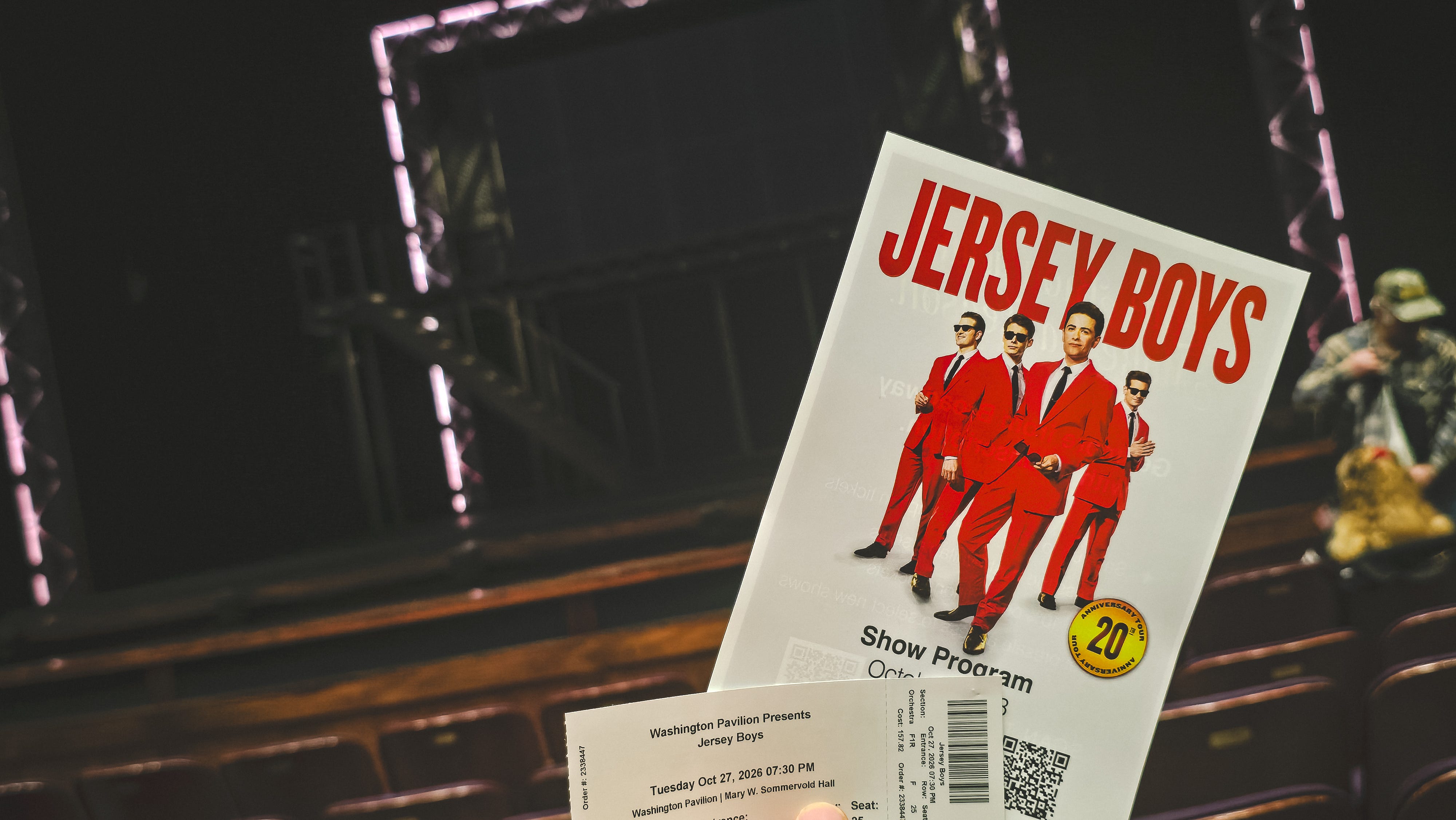
There’s also something fitting about seeing this production celebrate its twentieth anniversary. The original Broadway production opened in November 2005 and went on to play more than 4,600 performances before closing in 2017. The anniversary tour brings back the original creative team, including director Des McAnuff and choreographer Sergio Trujillo, giving this production a connection to the show that first introduced audiences to the story two decades ago. And with the music written by actual Four Seasons member Bob Gaudio, alongside lyrics by Bob Crewe, the production has a foundation that goes beyond simply assembling a collection of familiar songs. It’s telling the story from inside the music itself.
More than just a walk down memory lane
Not truly knowing much about the show beforehand, I was surprised by just how vulgar it was. But I guess that’s what happens when the mob, nightclubs, and a collection of guys trying to make their way through the music business are involved. This isn’t a sanitized story about four musicians who meet, make some music, become famous, and live happily ever after. Quite the opposite. The story that took place that night was unbelievable, and the production certainly doesn’t shy away from the less glamorous parts of the group’s history.
From fake murders to robberies, jail time, multiple band member changes, and falling outs, the story of Frankie Valli had just about everything. Including Joe Pesci. Yes, that Joe Pesci.
If you’re anything like me, hearing his name pop up in a musical about The Four Seasons is enough to make you do a double take. But his connection isn’t simply a random celebrity reference thrown into the story. Pesci was part of the same New Jersey circle as the musicians and helped introduce Frankie Valli to Bob Gaudio, who would become one of the most important people in the group’s history. Gaudio was already a songwriter, having found success with the Royal Teens and their hit “Short Shorts” before joining the Four Seasons. That introduction would prove to be a pretty important moment in music history.

And that’s one of the things I appreciated about Jersey Boys. The story isn’t simply about the songs we recognize today. It’s about the people, circumstances, and sometimes downright bizarre situations that brought those songs into existence. The Four Seasons didn’t just appear fully formed, with matching outfits and a collection of chart topping hits. There were different musicians, different personalities, and plenty of disagreements along the way. The production takes audiences through those changes rather than glossing over them.
The show also has an interesting storytelling structure, dividing the story into literal four seasons, with different members of the group offering their perspectives along the way. It’s a clever way of approaching a story in which the people involved didn’t always see things the same way. In fact, the original writers encountered conflicting accounts of events when speaking with the band members. Rather than trying to force every disagreement into one definitive version, the musical allows those different perspectives to become part of the storytelling.
When loyalty comes at a cost
But for all the insane situations, there was also real heartache and betrayal portrayed throughout the production. From adultery to distant relationships with children, to borderline embezzlement and having to take on debt for someone else’s decisions, Frankie and the gang went through some real hell. It was a reminder that the story behind a successful musical career doesn’t always have the same happy ending as the songs playing on the radio.
There’s a particularly difficult contrast in watching these men build something together while simultaneously finding ways to tear it apart. The music brings them together, but their personal lives, financial decisions, and individual ambitions continually threaten to pull them in different directions. And when you’re talking about a group whose success depends on everyone playing their part, those disagreements can become much bigger than a simple argument between friends.
Much of the story's emotional depth comes through Frankie. The success of The Four Seasons doesn’t automatically translate into success at home, and the personal sacrifices along the way become increasingly difficult to ignore. There’s a difference between being able to provide for a family and actually being present for one. Fame might bring opportunities, but it certainly doesn’t guarantee that the people closest to you won’t pay a price for it.
That was one of the bigger surprises for me. I came in expecting to hear some great music and enjoy a familiar collection of hits. I left thinking much more about the relationships behind the music and just how complicated loyalty can become when money, fame, and personal decisions enter the picture.
Loyalty can be a wonderful thing, but it can also become a two edged sword. At what point does standing by someone turn into carrying the consequences of their decisions? And how much can a person sacrifice for a relationship before there’s simply too much to recover? Those questions linger throughout the story, particularly as the original group begins to come apart.
Yet through all of it, Frankie continues forward. His ability to overcome the circumstances surrounding him and maintain a musical career is a remarkable part of the story. The name Frankie Valli is still recognized today, and the music of The Four Seasons continues to find new audiences decades after its original success. The production doesn’t pretend that the road there was easy, which makes the eventual recognition of that legacy feel all the more rewarding.
The music that made it all worthwhile
Of course, you can’t have Jersey Boys without the music. And even for someone who didn’t know much about the group’s history coming into the theater, it’s difficult to sit through this production without recognizing a good portion of the songs. “Sherry,” “Big Girls Don’t Cry,” “Walk Like a Man,” “Can’t Take My Eyes Off You,” and “Oh, What a Night” are just a handful of the hits that helped establish The Four Seasons as one of the defining groups of their era.
There’s a reason these songs have continued to live on. They’re instantly recognizable, built around memorable melodies and the distinctive vocal sound that helped set Frankie Valli apart. Bob Gaudio’s songwriting and the group’s harmonies created something that audiences connected with then and continue to enjoy today. Hearing those songs placed back into the circumstances surrounding their creation gives them a little more meaning than simply hearing another familiar tune.
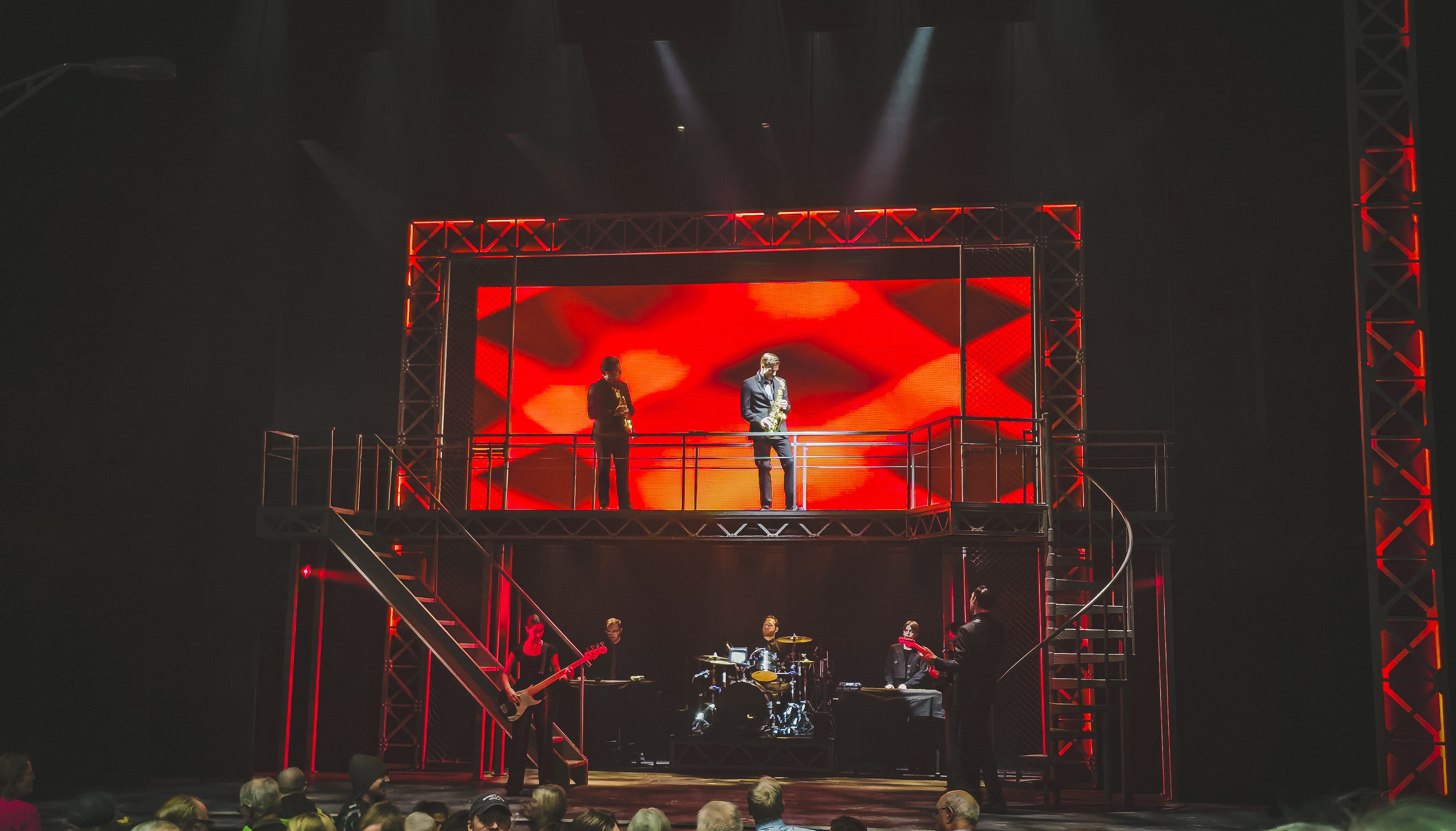
I also appreciated that the musical doesn’t treat the songs as separate performances loosely connected by a storyline. They’re part of the story. They help demonstrate the group’s evolution, the changing relationships between its members, and the success that was being built even as the personal circumstances behind the scenes became increasingly complicated.
The 20th Anniversary Tour also reunites the original Broadway creative team, with McAnuff directing and Trujillo handling choreography. The production’s music supervision and vocal arrangements are led by Ron Melrose, with orchestrations by Steve Orich. That’s a substantial amount of experience behind a show so dependent on getting the musical details right.
And while I didn’t walk into the Washington Pavilion knowing every detail of the Four Seasons’ history, I certainly walked out with a greater appreciation for the music and the people behind it. There’s something enjoyable about discovering the story behind songs you’ve probably heard countless times without ever giving much thought to how they came to be.
Curtain call
Overall, this walk down the life of Frankie Valli and The Four Seasons was far more emotional than I expected. What I thought would be a fun evening of recognizable music turned into a much deeper look at friendship, family, ambition, betrayal, and the complicated nature of loyalty. The story has more twists and turns than I could have anticipated, and somehow, through all the chaos, the music continues to shine.
I now understand why this musical has stood strong for twenty years. Its music is iconic, its story is unbelievable, and the talent behind bringing it to the stage is unmatched. It’s one thing to recognize a song when it comes through your speakers, but it’s another to understand the people and circumstances that helped make it part of musical history.
I only wish there had been more opportunities for people in Sioux Falls to catch this production. Two performances felt awfully short for a show with this much to offer. But perhaps next time around.
Until then, I’ll probably listen to The Four Seasons a little differently.
