


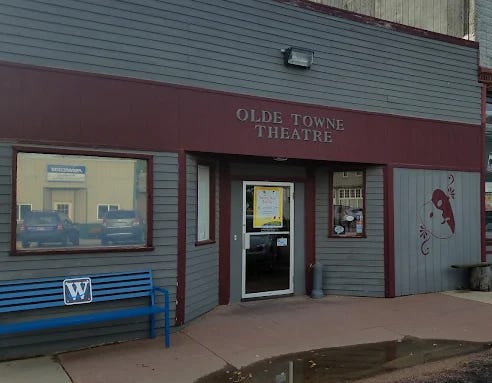

The one time I went solo to a show at the Olde Towne Dinner Theatre wasn’t a disaster. It was just awkward in that specific way where you’re eating a pre-show meal alone and trying to look like you totally meant to do this. That’s the night that got me volunteering, because it turned the “before” part into something shared instead of stretched out. It fixed the weirdest part of going alone. Volunteering means I still get to partake of the meal, but I’m not sitting there in my own little island of silence.
Olde Towne has been part of my yearly show-going since 2024, and the place keeps earning that slot. It’s an amazing night out whether it’s date night or a night with friends. There’s something about a full evening that starts with food and ends with curtain call that makes regular life feel a little less loud.
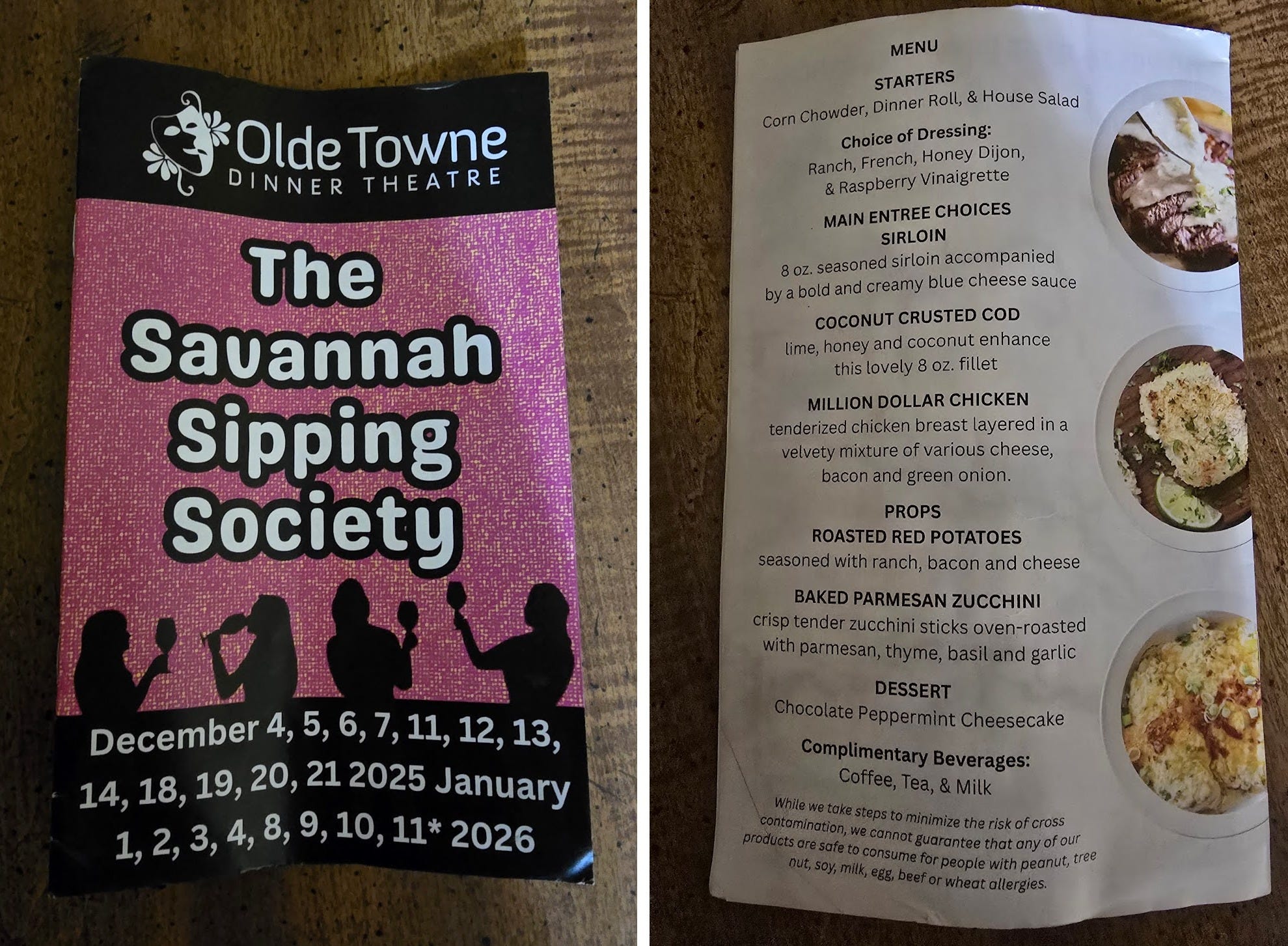
This year’s show was The Savannah Sipping Society on December 21, 2025.
Text, structure, and pacing
At the center of The Savannah Sipping Society, written by Jessie Jones, Nicholas Hope, and Jamie Wooten, are four women dealing with grief, job instability, and relationships that have stopped being kind. They’re down on their luck and trying to keep moving anyway while one of them, a supposed life coach, tests out her skills in real time.
On the surface it plays like a comedy. Underneath, it keeps circling serious subject matter. Loss shows up in more than one form, including death and the job market. The script also brushes up against toxic relationships and dating in general, with the kind of humor that doesn’t erase pain so much as make room to breathe around it.
The big idea I pulled out is the one that matters. People don’t get through hard seasons by powering through alone. They get through by having others in their corner.
Performances and direction
What still amazes me about Olde Towne is the volunteer magic powering the whole machine, and how that changes the atmosphere in the room. When you’re watching volunteer theatre, you’re not just seeing a performance. You’re seeing people choosing to build a night for strangers.
The Experience Sioux Falls listing for Olde Towne Dinner Theatre backs that up directly by naming the volunteer roles, including wait staff, bartenders, and performers. I can honestly say I have not seen a bad show here, and that’s not me being polite. That’s me being kind of shocked every time.
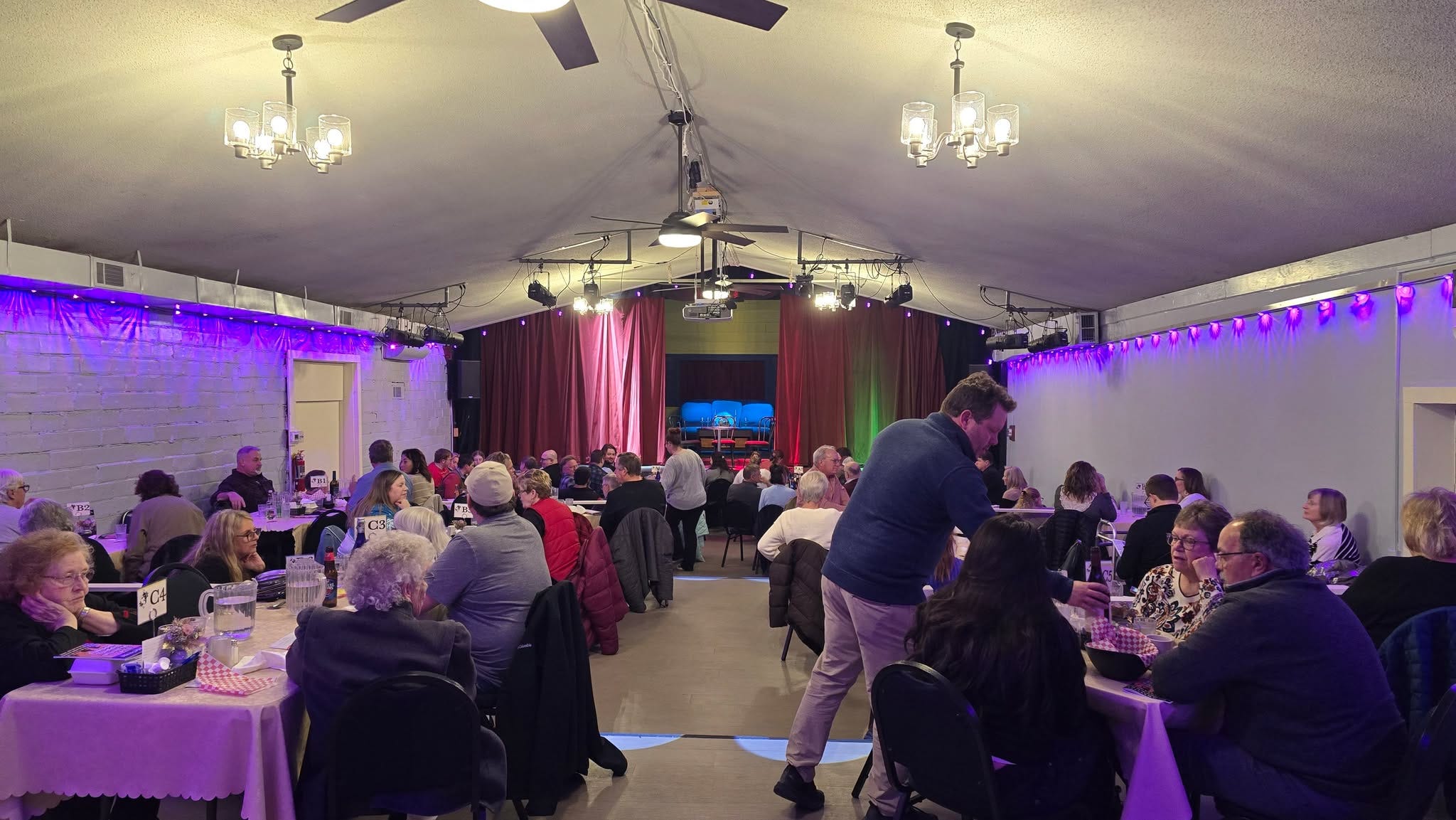
That volunteer backbone also makes the performances feel more exposed in the best way, because the actors aren’t mic’d. If you’re used to big venues and big sound, that might sound risky. Here, it works because the room is sized for real voices and the performers know how to project. There’s no hiding and no coasting. It feels less like theatre filtered through technology and more like you’re sitting in the same air as the story.
The shows still hold firm because the talent on the stage is real and the sets do their job. The production doesn’t need to overcompensate. It just needs to be solid, and it is.
Design and environment
Olde Towne’s “dinner first, show second” structure changes the whole feel of the night. It’s not just arriving, watching, leaving. It’s an evening you inhabit.
The biggest environmental detail, though, is how visibly the place runs on people deciding to show up. Olde Towne says on its About Olde Towne page that it began in 1982, and that matters beyond trivia. It makes it one of the longest continually running theatres in the Sioux Falls area, which is wild when you realize how much of it runs on people simply deciding to show up. It also makes the volunteer model part of its identity.
That knowledge changes how you watch everything. Even when you’re just sitting there, you’re watching a community choose itself, again.
Audience and context
Olde Towne isn’t just “a cute local thing.” It’s a machine that runs on community will.
The numbers back up the feeling. The Experience Sioux Falls listing for Olde Towne Dinner Theatre says the theatre draws over 8,500 people a year across more than 75 performances, which is a lot of momentum for a place powered by volunteers and stubborn hope.
A Sioux Falls Simplified profile of the Worthing dinner theatre puts it in human-scale terms, noting roughly 100 people nightly coming into a town of fewer than 1,000, and pointing out that the operation is volunteer-run from the bar to the stage.
Afterglow
Olde Towne is still the place that surprises me, because it runs on a fuel that’s getting rarer. It’s hard not to notice the parallel between a play about getting through life together and a theatre that runs because people keep choosing to show up for each other.
Overall, I enjoyed my time with The Savannah Sipping Society, and I’m looking forward to what I’ll see next as I keep volunteering.
