



The Arena Picks Up a Signal
By the time the lights dimmed inside the Denny Sanford PREMIER Center, the building felt less like an arena and more like a machine waking up.
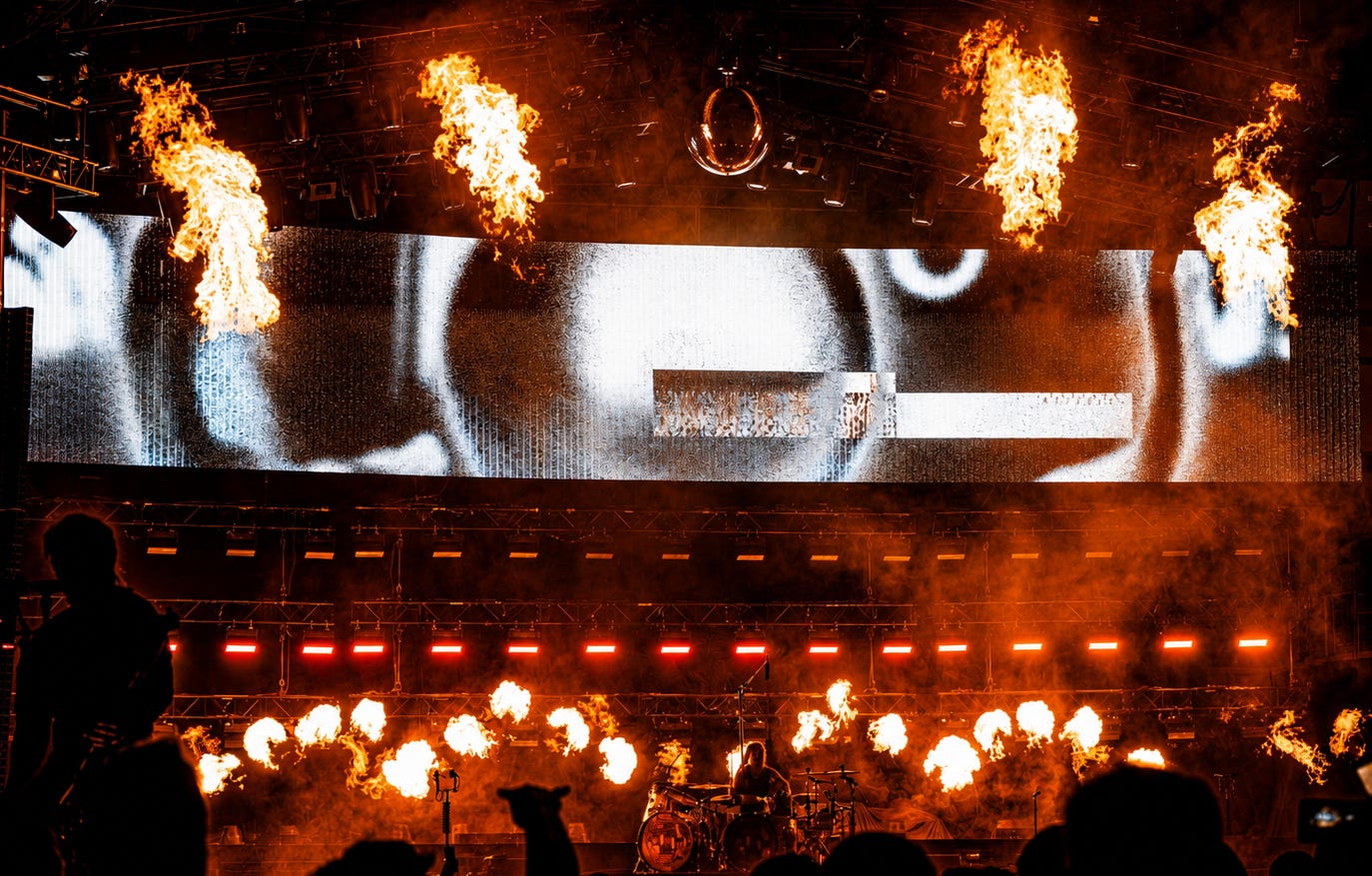
Television static glowed across the visual world of Shinedown’s “Dance, Kid, Dance” tour. Colored haze drifted through the rafters. Outside the bowl, the venue still carried the clean, industrial precision of a major Midwest entertainment space. Inside it, the night started bending into something louder, stranger, and more alive.
A signal cut through.
It came through southern grooves, progressive mythology, emotional confession, and enough pyro to make Sioux Falls feel briefly wired into the same overloaded broadcast.

Black Stone Cherry Brings the Ground Floor
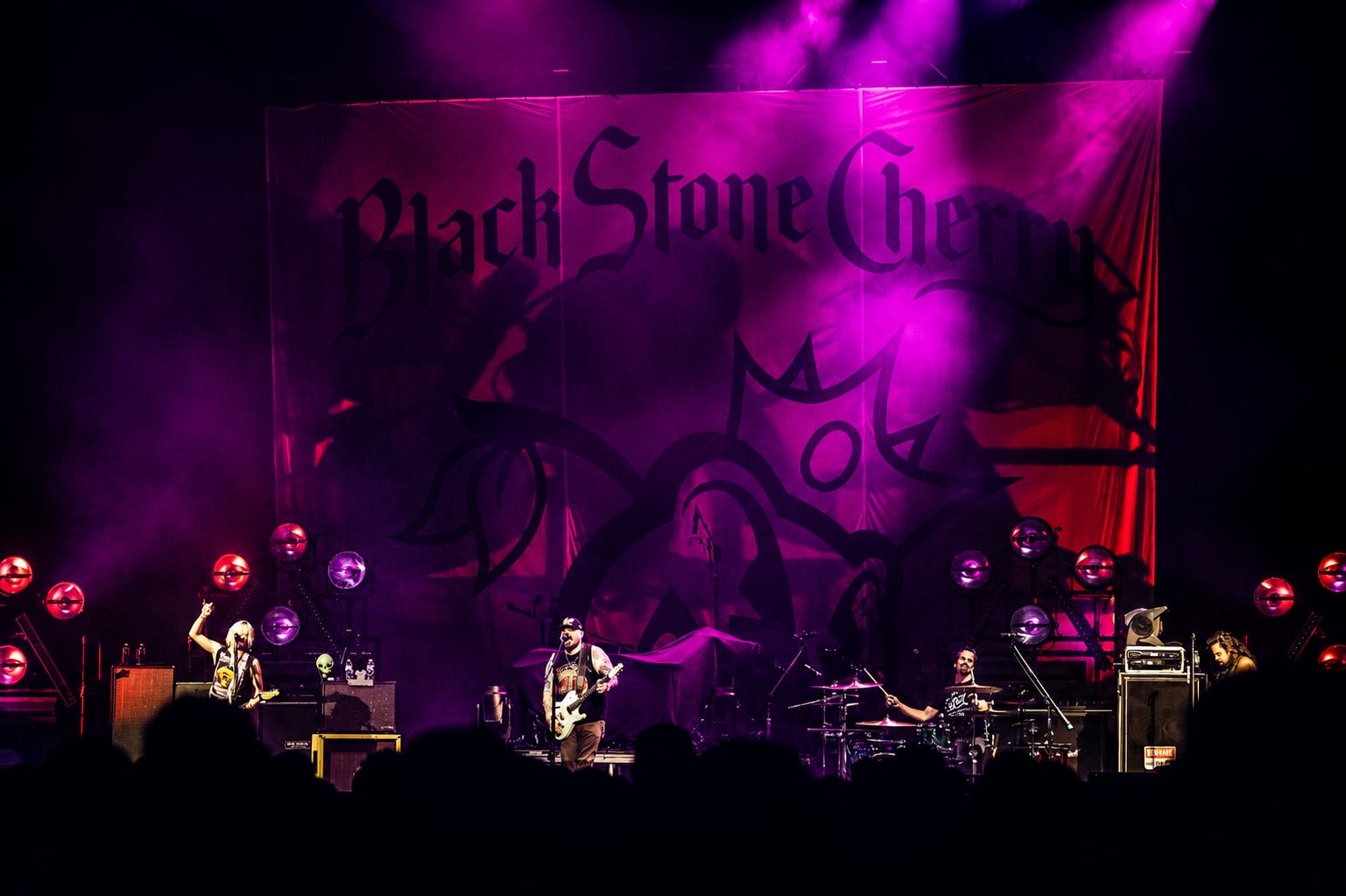
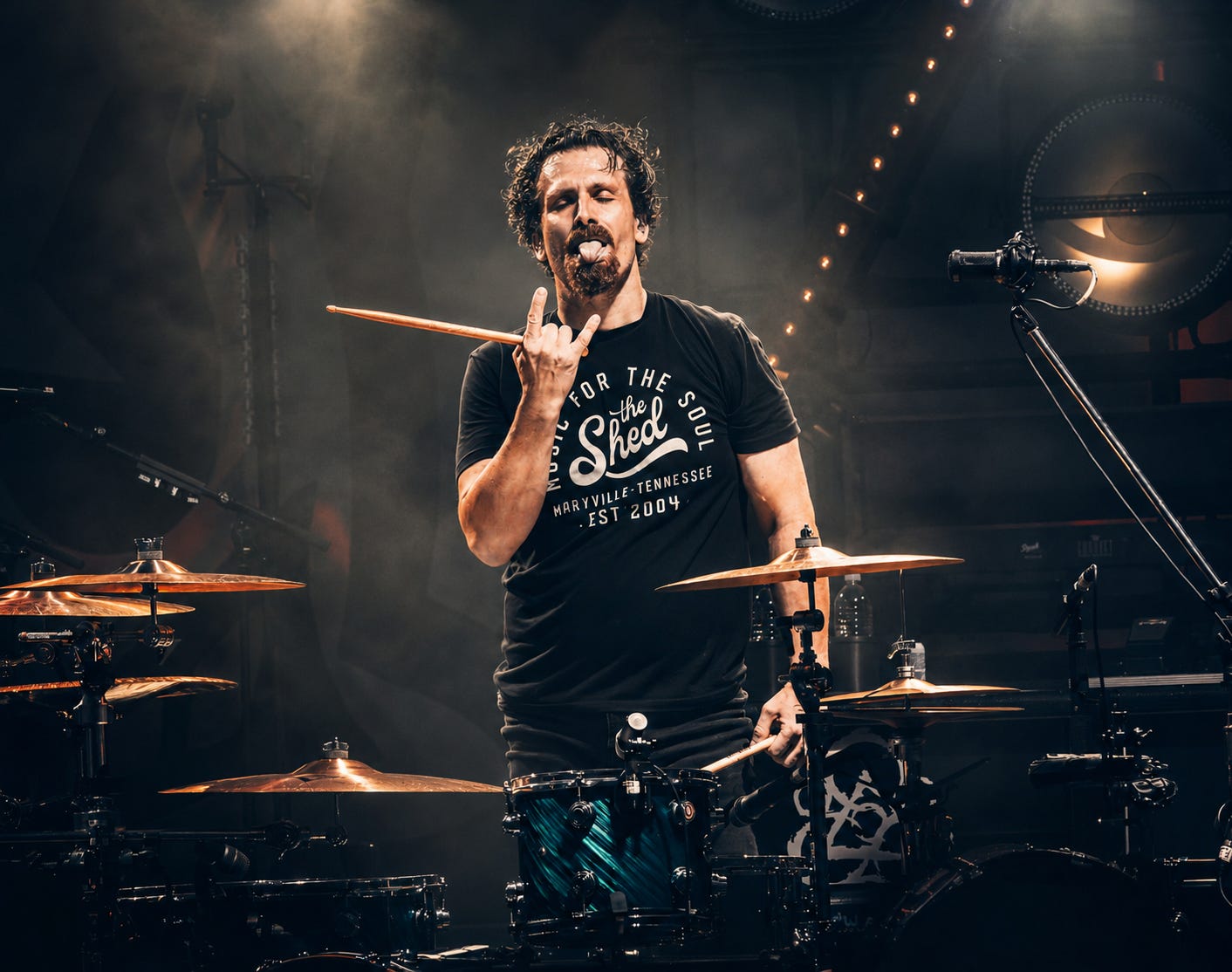
The night opened with Black Stone Cherry, who wasted no time kicking into “Me and Mary Jane.” From the start, the Kentucky hard rock outfit knew exactly how to handle the room. They didn’t just slam the gas and hope the crowd followed. They worked the energy up and down with a well-built set, letting the heavier moments hit harder because the quieter pockets had room to breathe.
Their massive cherry-skull backdrop loomed behind them while reds, greens, and stage haze gave the whole set a grit-stained glow. The band sounded locked in, but the real unsung hero was the sound engineer. Vocals and instruments were balanced cleanly across the room, with enough punch in the guitars and drums without turning the mix into arena mud.
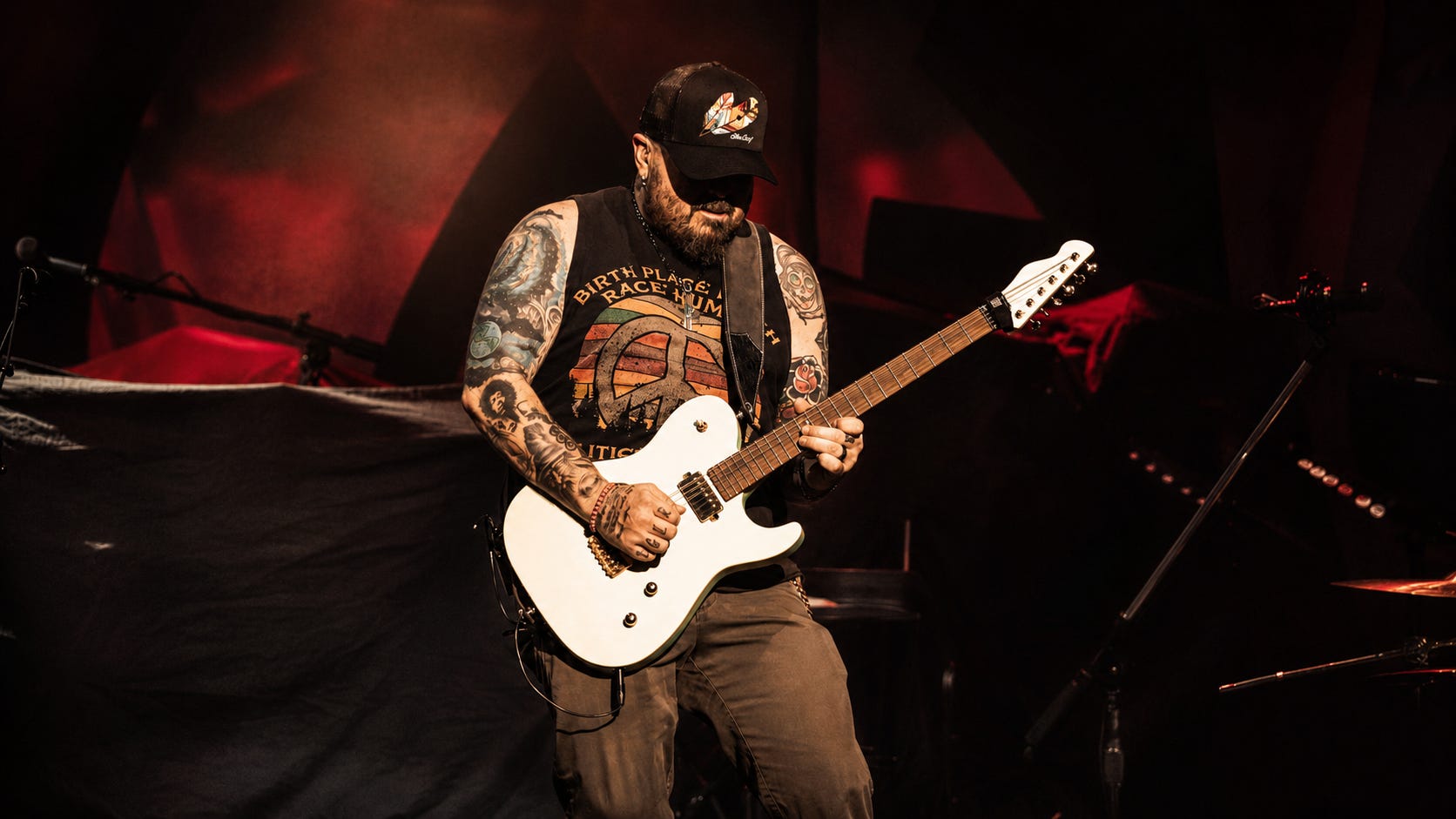
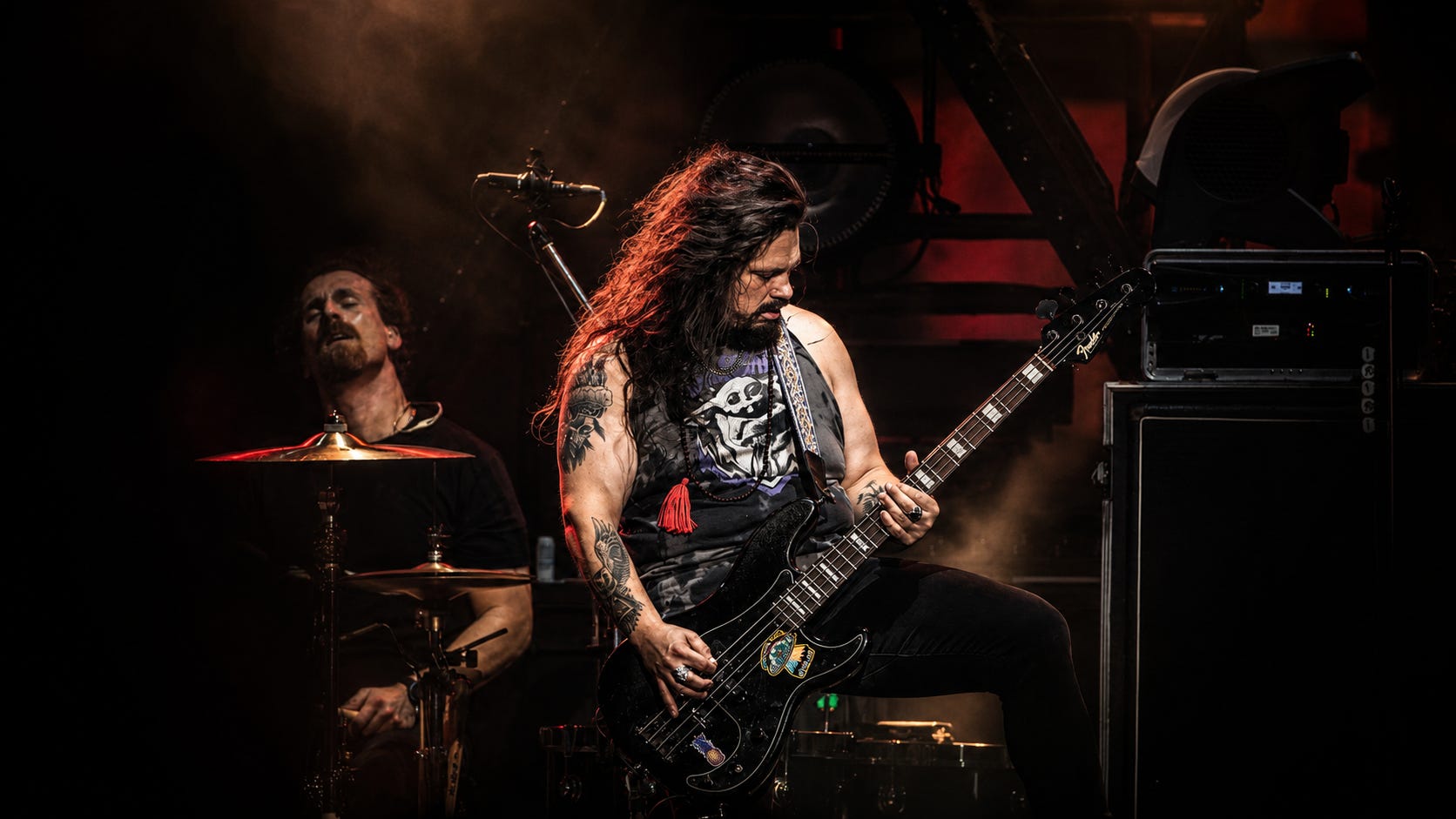
That balance gave Black Stone Cherry’s songs their weight. The riffs had muscle. The vocals had space. The groove had room to move.
Please consider Donating to Sponsor an article even $1 helps!

Coheed Opens the Portal
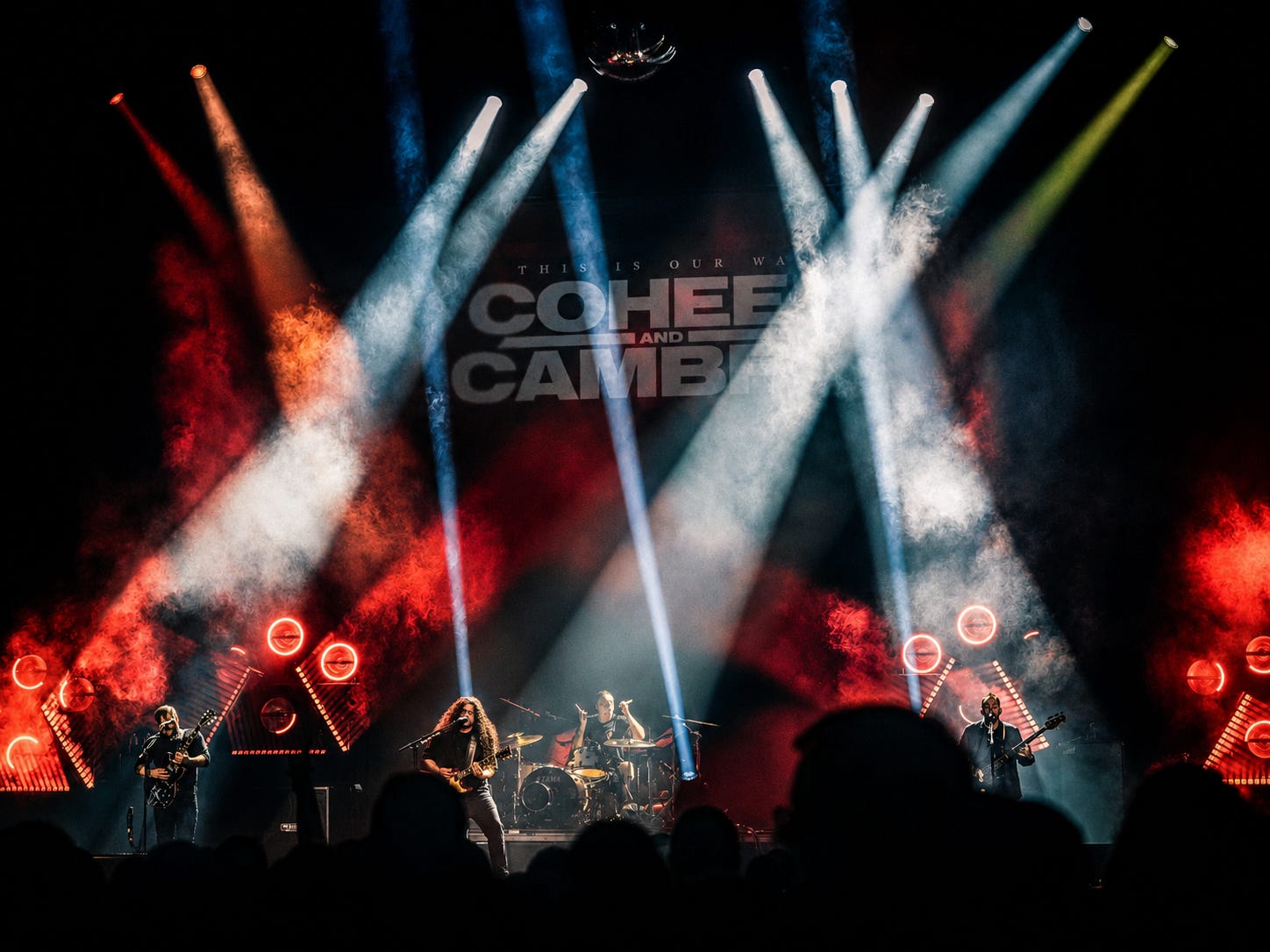
Then Coheed and Cambria changed the temperature of the room.
This was personal. Coheed had been sitting on my “need to see live” list since around 2006, and when they opened with “The Pavilion (A Long Way Back),” all that waiting snapped into the present.
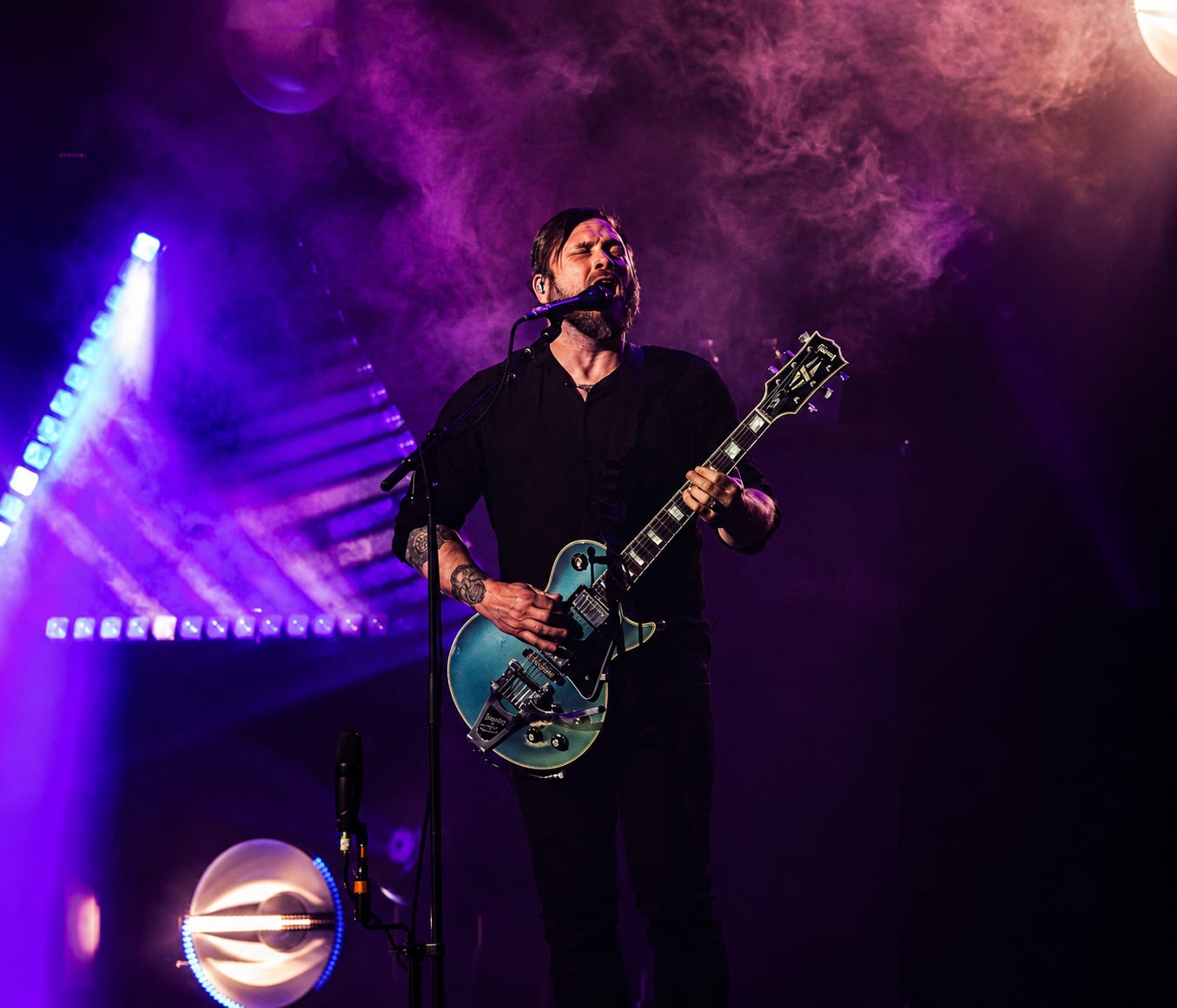
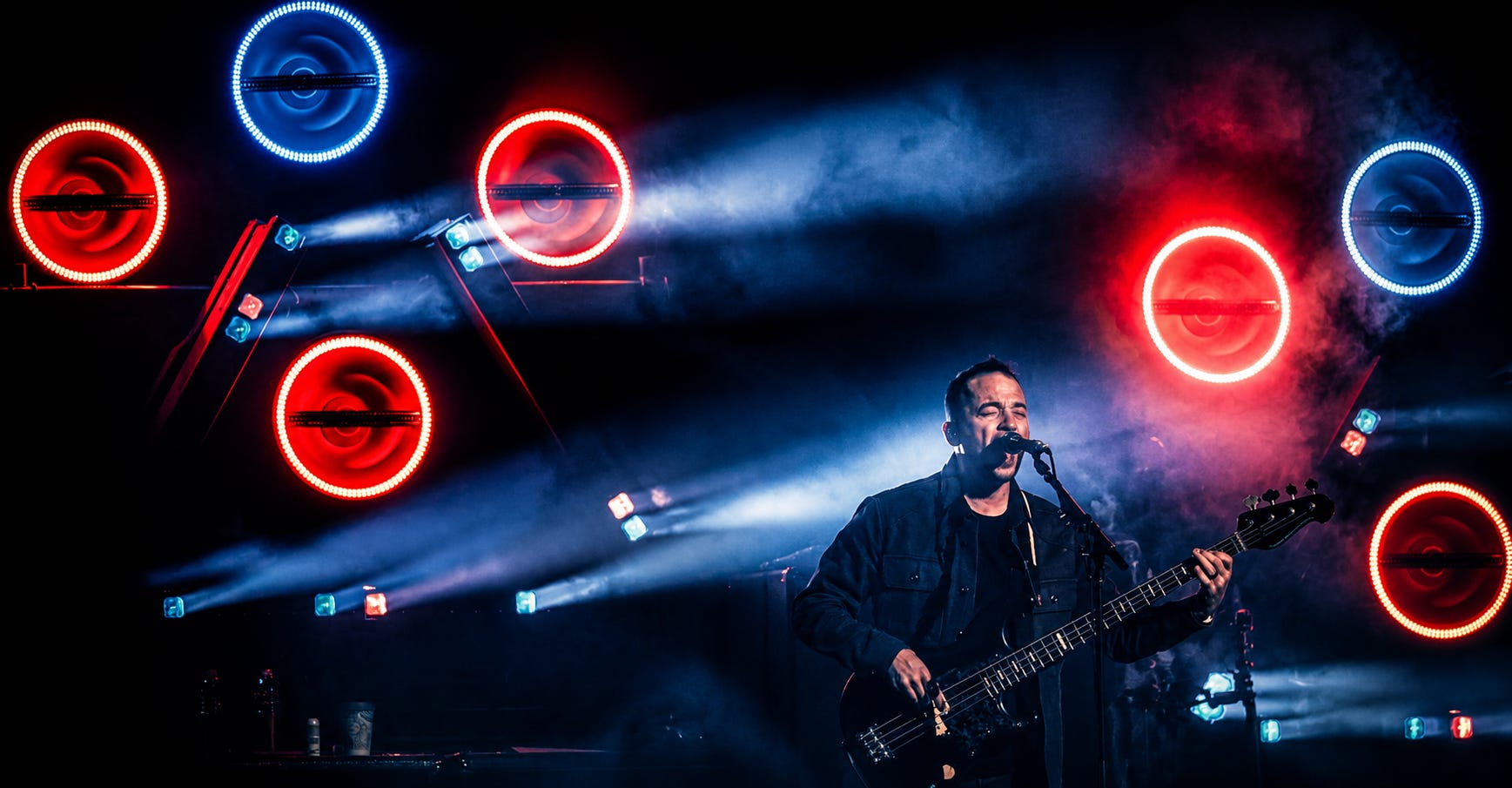
Large round blue lights announced their arrival like moons flickering on behind the band. As the set moved forward, those lights shifted colors while bar lights between them cut through the stage in sharp, moving lines. It gave the performance a strange, cinematic charge, less like a standard support slot and more like a transmission from another corner of rock’s universe.
Coheed have always occupied their own orbit. Their music carries prog complexity, post-hardcore urgency, and the deep mythology of The Amory Wars without losing the human ache beneath it all. Live, that worldbuilding became physical. You could feel it in the crowd, especially from the fans who knew every turn before it arrived.
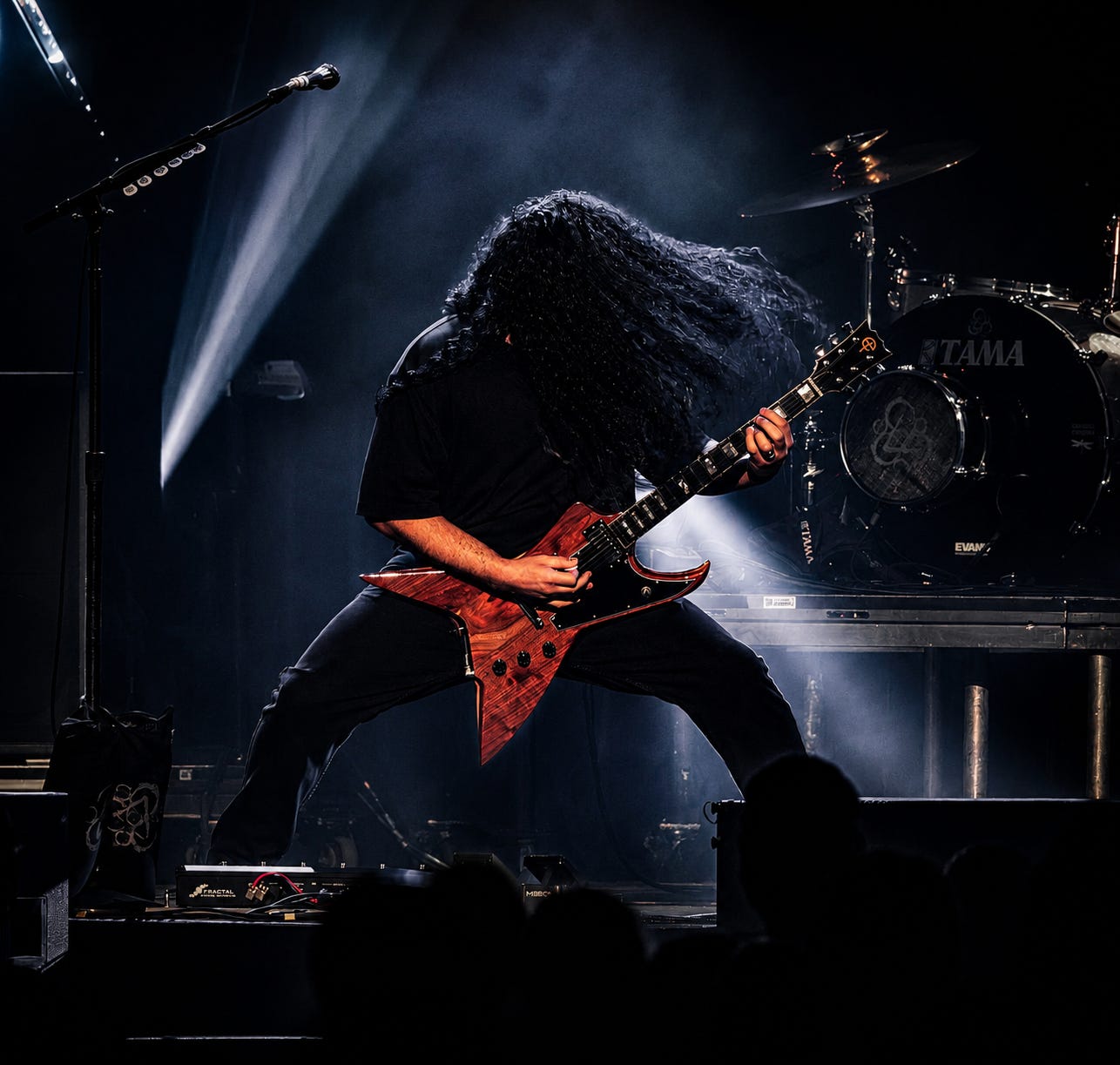
They ended strong with “The Suffering” and “Welcome Home,” sending the arena into full release. “Welcome Home” hit with that massive, descending-riff authority that still feels built to shake loose whatever dust has settled in your chest.
Shinedown Takes Control of the Broadcast
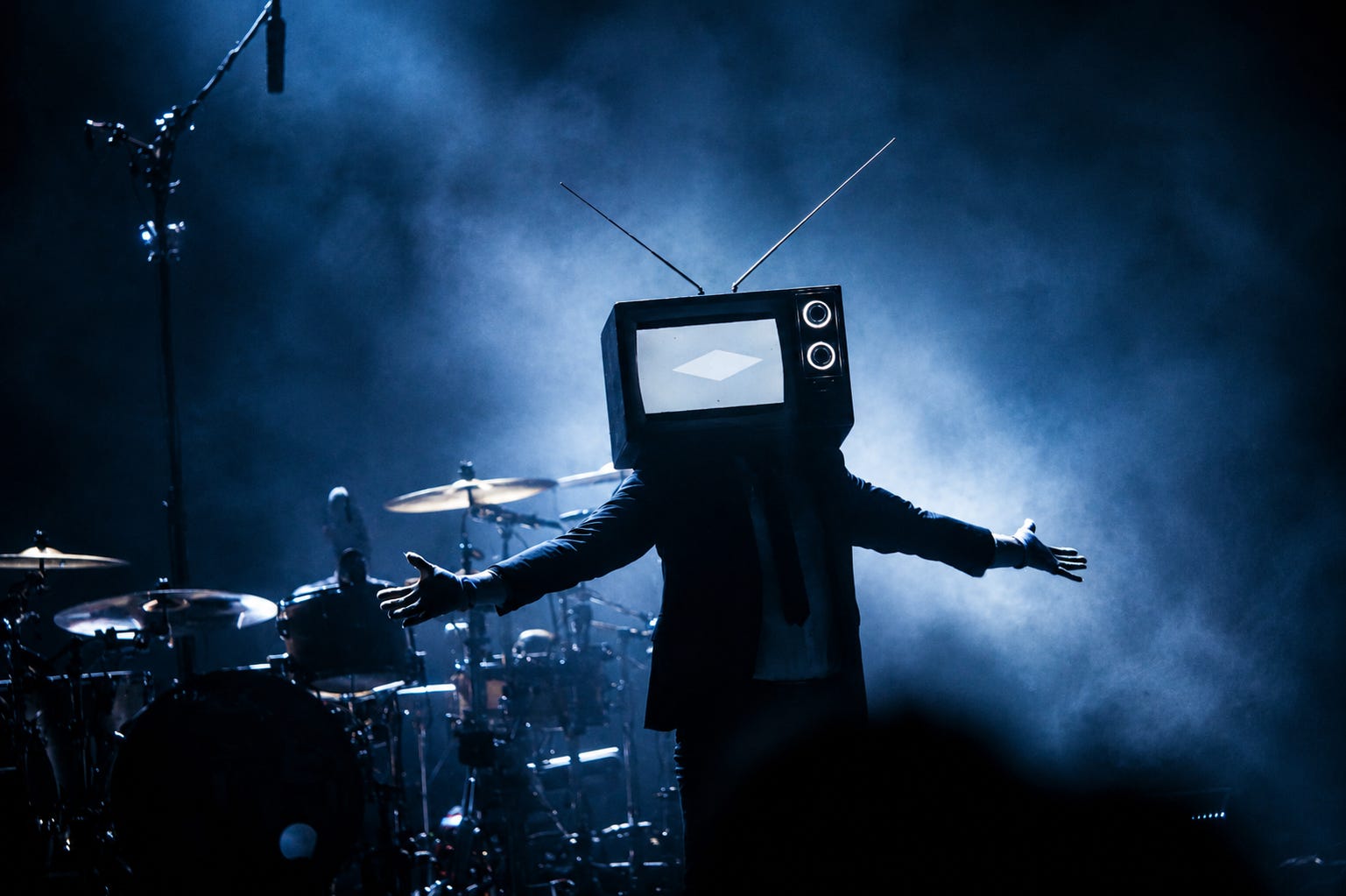
From the opening moments of Shinedown’s set, the production felt dialed in with film-level timing.
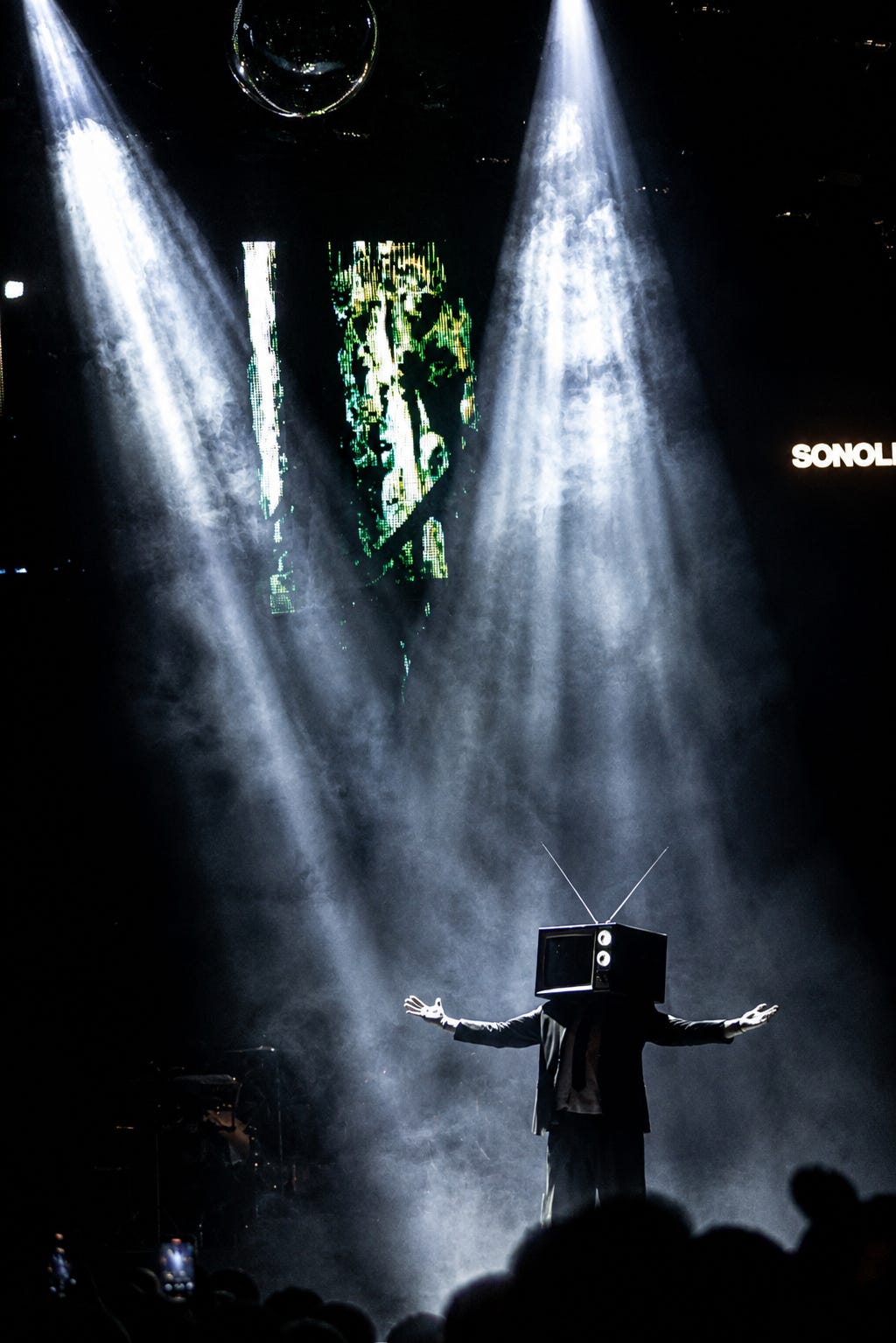
The intro leaned hard into a television-cinematic atmosphere, pulling the crowd into the tour’s visual world before the band’s arrival was marked by a loud burst of pyro. It wasn’t subtle. It didn’t need to be. Shinedown entered like the whole room had been waiting for a fuse to find flame.
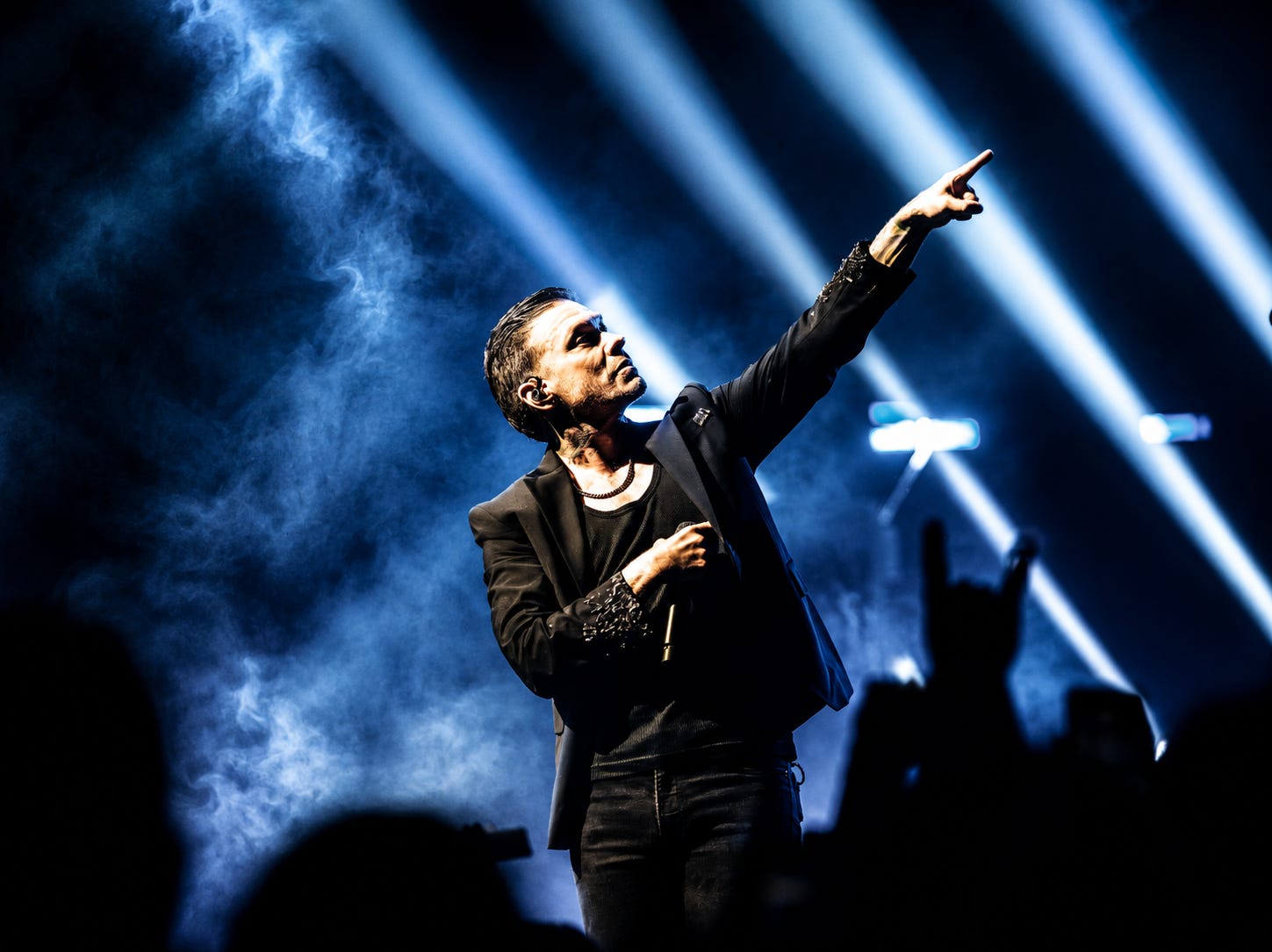
The stage design played directly into the tour’s visual language: screens, broadcast imagery, static, countdowns, and tension. During “Planet Zero,” the countdown began while guitarist Zach Myers headed back toward the main stage. As it hit zero, pyro fired again with perfect timing.
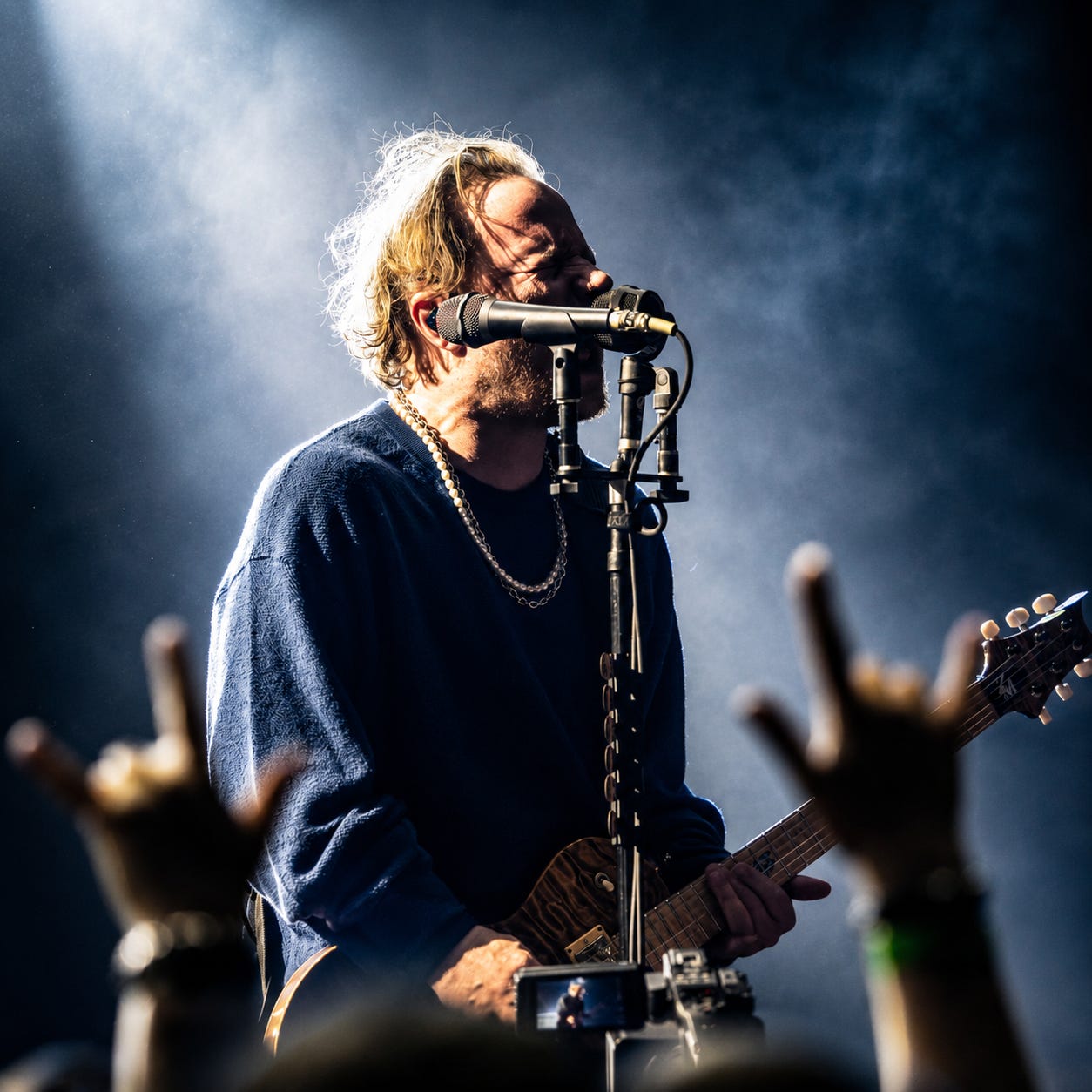
That was the strength of the show’s production. It never felt random. The bangs, lights, movement, and visual cues landed where they were supposed to land.
The Whole Room Sings
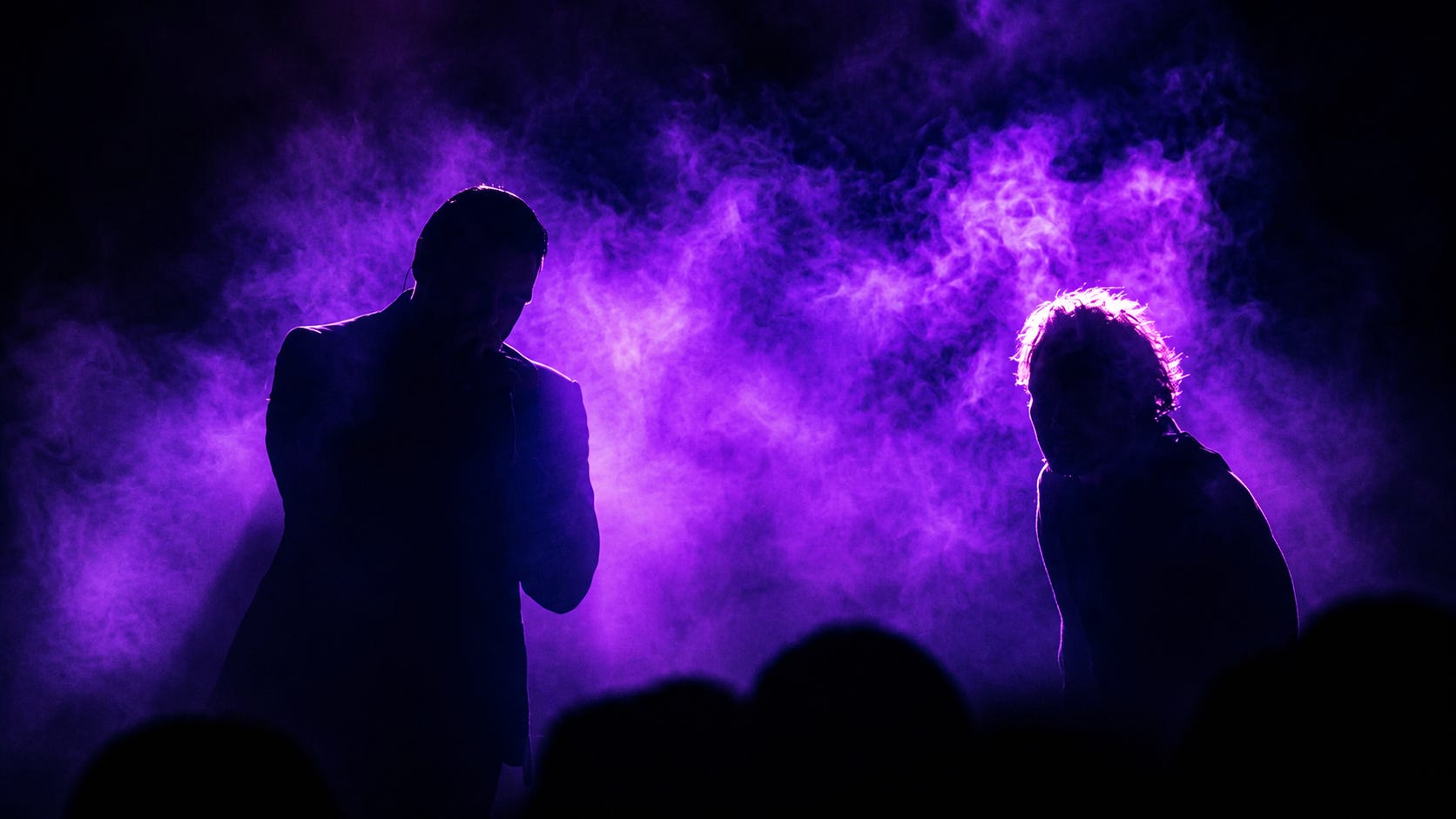
Then came “If You Only Knew.”
That was the moment the room stopped feeling divided into sections, rows, and ticket tiers. Guys and girls alike sang it back with full force, and the arena softened without losing volume. Shinedown has always understood how to turn private feeling into a public release, and this was one of those moments where the entire crowd seemed to find the same nerve at the same time.
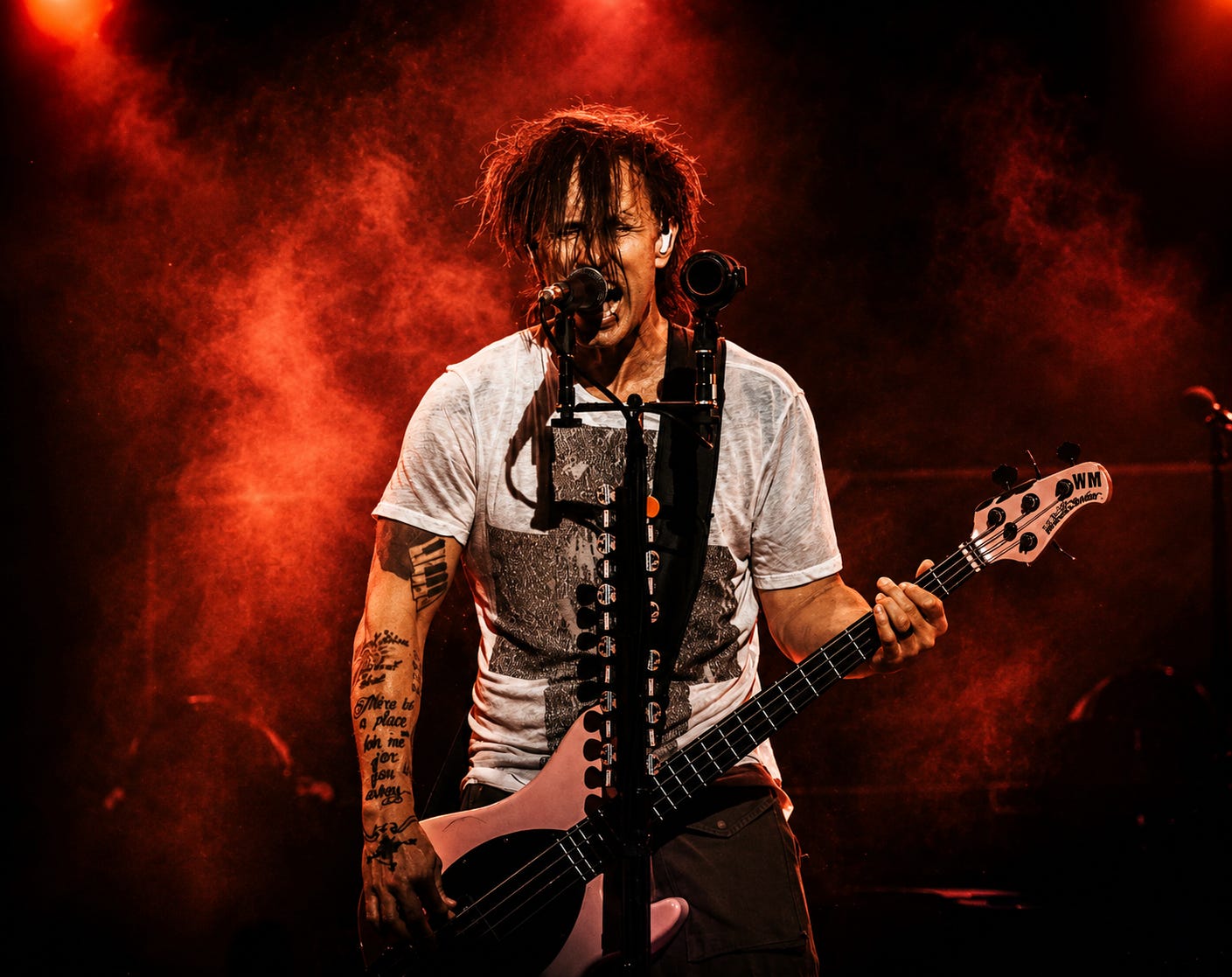
They made note how each show was different in setlist and things they talked about. Brent Smith also brought humor into the stormy night with a line that fit the evening almost too well:
“Normally we say we’re gonna tear this place down, but we didn’t mean to bring a tornado.”
Then he added:
“No seriously, last time we heard a siren on tour was in Iraq.”
It landed because it felt real to the room. Outside, the weather had its own drama. Inside, Shinedown kept the night locked on course.
Down in the Crowd
One of the strongest production choices came during the deeper portion of the set, when the band brought the drums down into the crowd-stage area. It changed the geometry of the show. Suddenly, the performance wasn’t just happening at one distant end of the arena. It moved into the people.
Arena shows can sometimes feel huge but distant. Shinedown worked against that. They kept finding ways to shrink the room emotionally while still making the production feel massive.
It also deserves mention that $1 from every ticket went toward cancer awareness. In a night built on spectacle, that detail gave the whole machine a human pulse.
Afterglow
Long after the final lights came up, the signal still seemed to hang in the rafters.
Black Stone Cherry had brought the dirt and groove. Coheed and Cambria had cracked open the night’s mythology. Shinedown turned the whole arena into a broadcast of fire, confession, static, and release.
Some fans came for riffs. Some came for songs they had carried for years. Some came looking for something loud enough to drown out the noise outside their own heads.
On a storm-marked night in Sioux Falls, they all found the same frequency.


Please consider Donating to Sponsor an article even $1 helps!
