


Returning to Slowdown
The last time I was at Slowdown was for the amazing Hawthorne Heights show back in March of this year, meaning this show had some pretty big shoes to fill. But as I walked through the doors this time, the thing I was most nervous about had nothing to do with the music.
It was my pictures.

The last time I was at Slowdown, my photography kit was, let’s just say it, hot garbage. I also made one of those rookie mistakes that you never want to make as a photographer. I let my camera battery die. That meant I walked away without getting the photographs I felt those bands deserved.
Since then, I’ve made quite a few upgrades to my kit. New equipment, more experience, and a better understanding of how to work in difficult lighting situations have all made a difference. So as I walked into Slowdown, I was hoping that these bands would get the coverage I strive to provide now.
Then I noticed something else.
The venue setup was completely different from what I remembered.
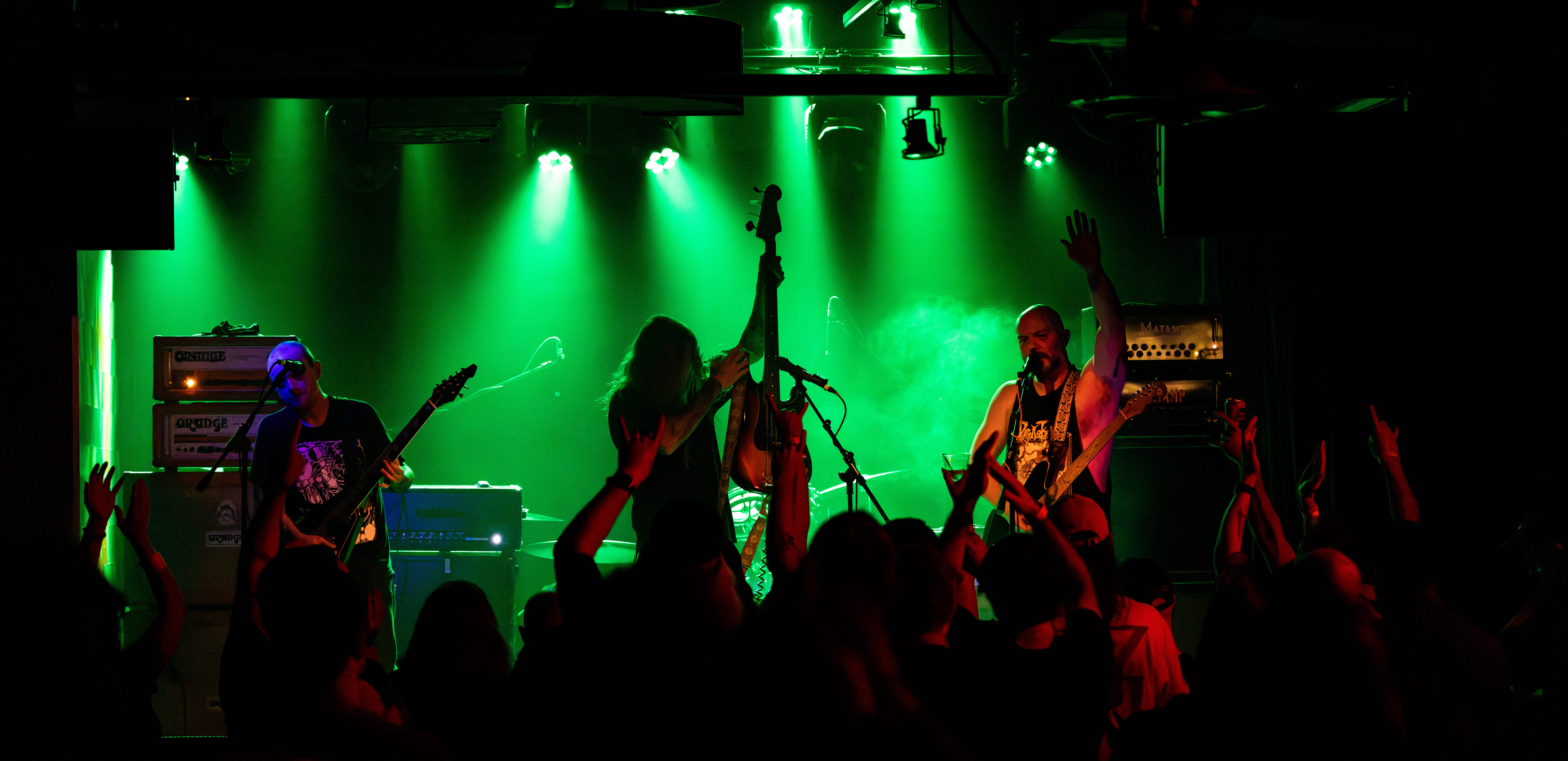
Rather than using the larger stage toward the back of the venue like the previous show, this night was set up in the front portion of Slowdown. The stage was significantly smaller, which immediately made me think about how that would affect the lighting and my ability to move around.
But that’s part of concert photography.
You adapt.
You take the room you’re given, figure out the lighting, adjust your settings and make the best photographs you can. Thankfully, one of the biggest advantages of a show like this is that I had the opportunity to photograph the full sets rather than dealing with the typical first-three-songs restriction, giving me room to experiment and adjust as needed.
By the grace of God, I think the results turned out pretty well. But I’ll let you be the judge of that.

Please consider Donating to Sponsor an article even $1 helps!

BleakHeart sets an ethereal start
The first band of the evening was BleakHeart, or, as became the running joke of the night, Blackheart.
Apparently, someone had a little trouble with the band’s name.
The venue had the name listed incorrectly on promotional materials and even on the marquee. The mistake became such a running joke that Pallbearer’s lead vocalist even made a comment about it during their set later in the evening with a chuckle.
Thankfully, the name may have been wrong, but the music certainly wasn’t.
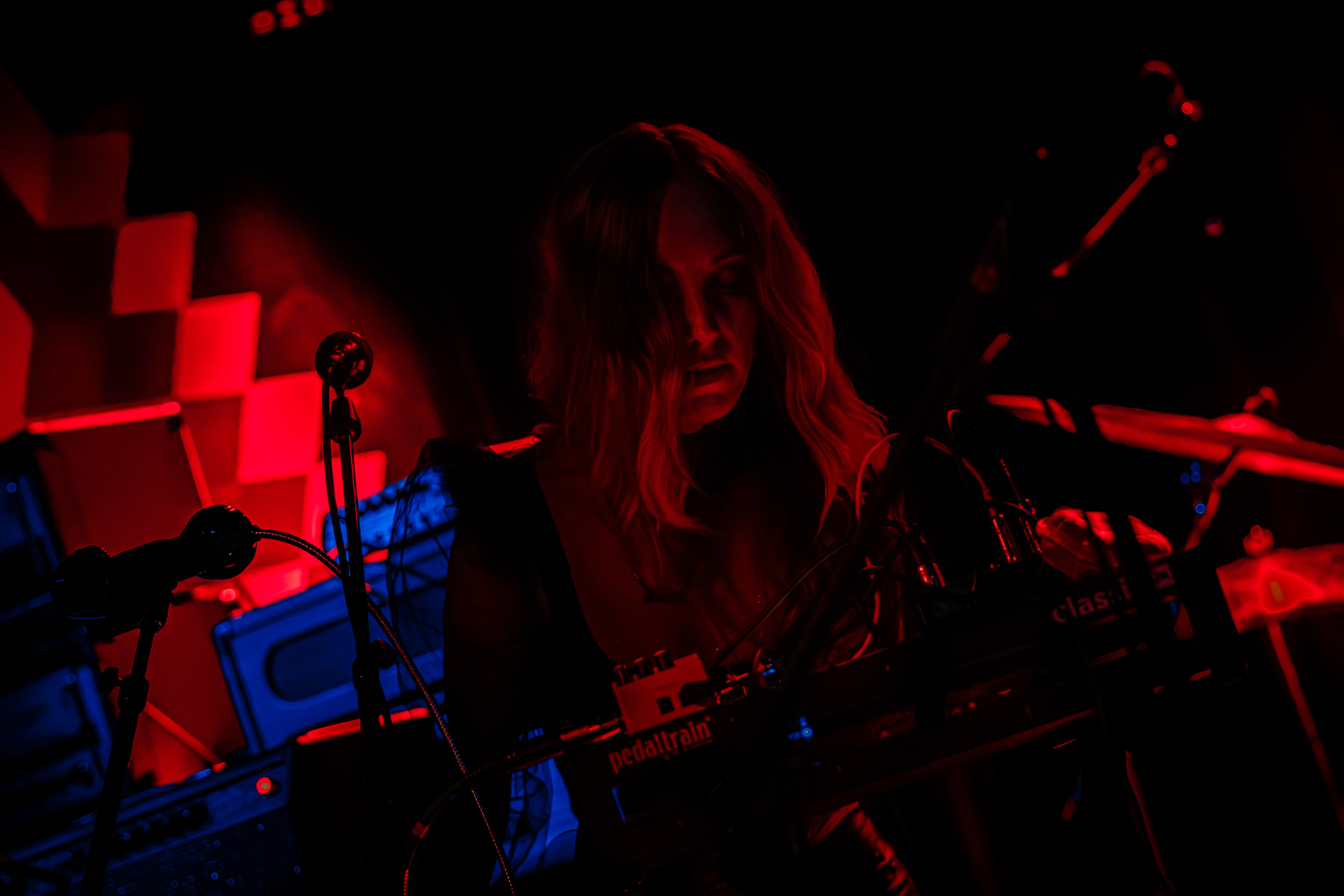
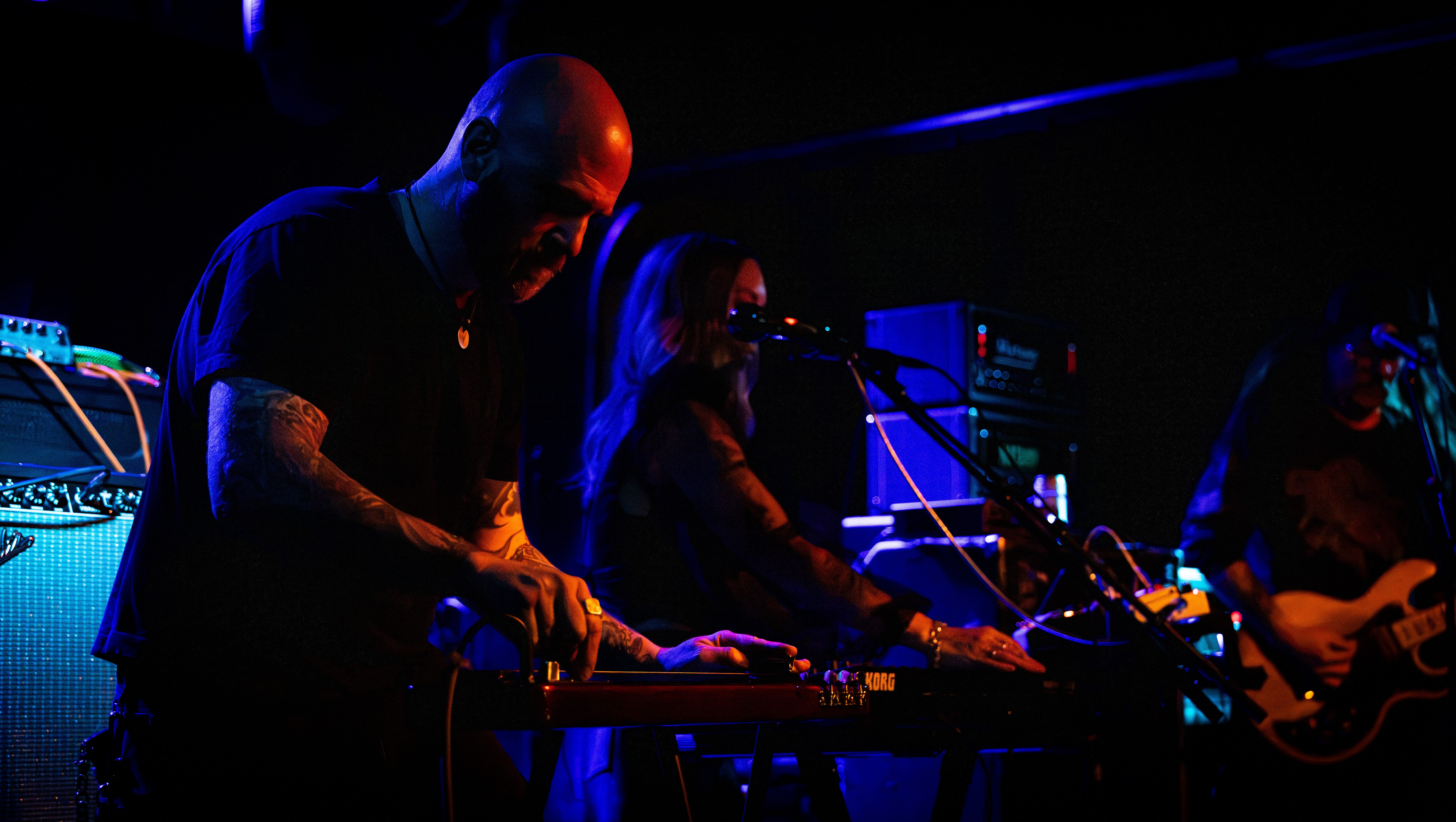
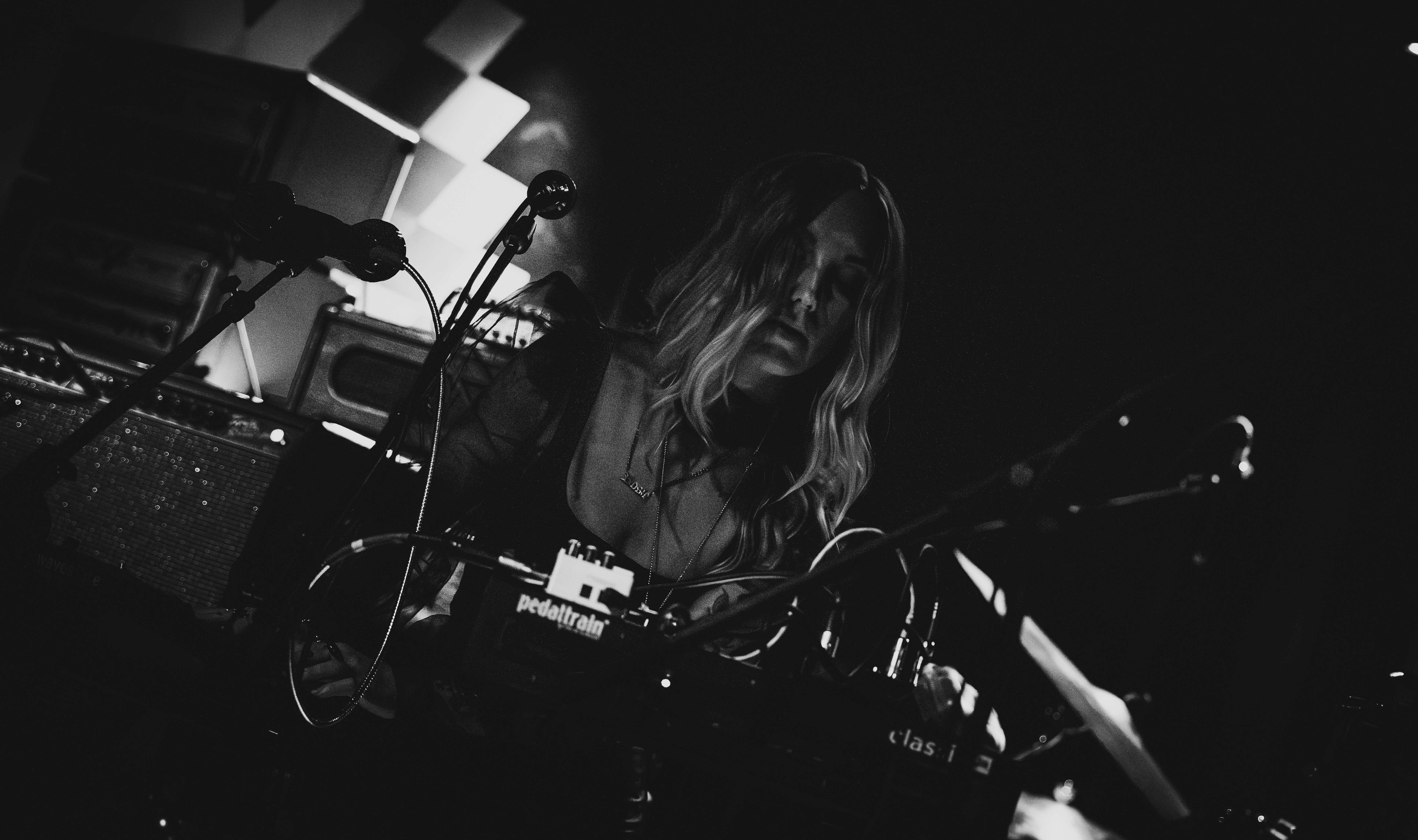
BleakHeart brought an incredibly ethereal sound to the stage. Their music had a calming quality to it while still carrying some seriously heavy tones. It’s one of those combinations that sounds strange when you try to explain it, but once you hear it, it makes perfect sense.
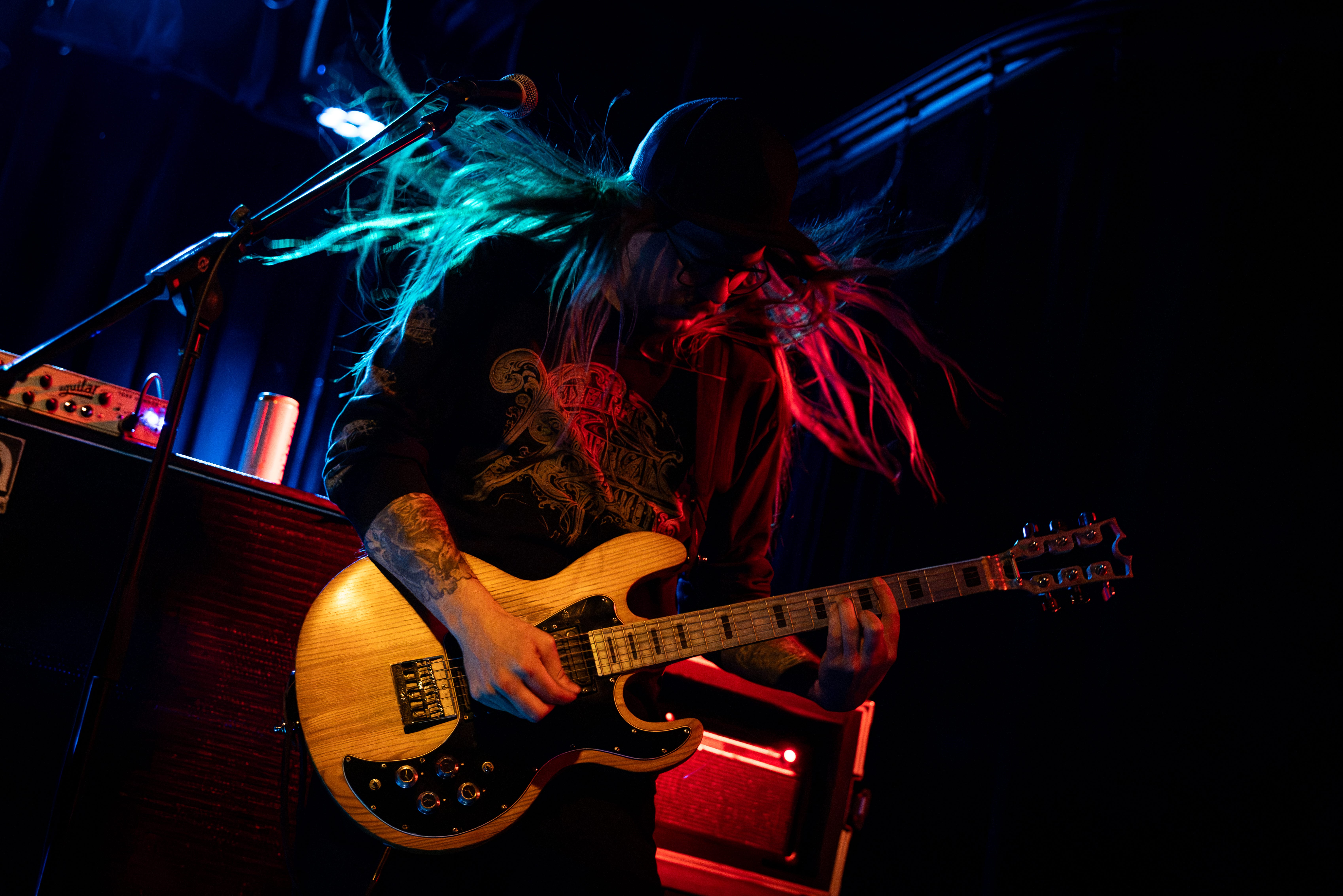
There was an almost physical atmosphere to the performance.
Rather than immediately hitting the audience with wall-to-wall heaviness, BleakHeart created a mood and slowly pulled you into their sound. It was an intense way to open the evening and a fitting introduction to what would become a pretty diverse night of music.
After their set, I had the opportunity to stop by the merch table and speak with lead vocalist Kiki GaNun. One of the things we talked about was the band’s newest album, A Stone Thrown to Silence.
The record represents a departure from BleakHeart’s previous work, as it’s the first album featuring GaNun as the sole vocalist following the departure of the band’s previous vocalist.
GaNun described the album as being more vulnerable for her personally, and after hearing that, I knew I had to pick up the vinyl.
That’s one of the things I love about smaller venues. You can actually talk to the people making the music.
It isn’t unusual to walk over to the merch table, have a conversation with a band member and learn something about the music that you wouldn’t necessarily get from a press release or a social media post.
Of course, our conversation also included our mutual love of dogs.
GaNun told me that she can’t bring her dog on tour because the dog isn’t exactly a fan of drums. As someone who can’t imagine being away from my own dogs for that long, my heart goes out to her.
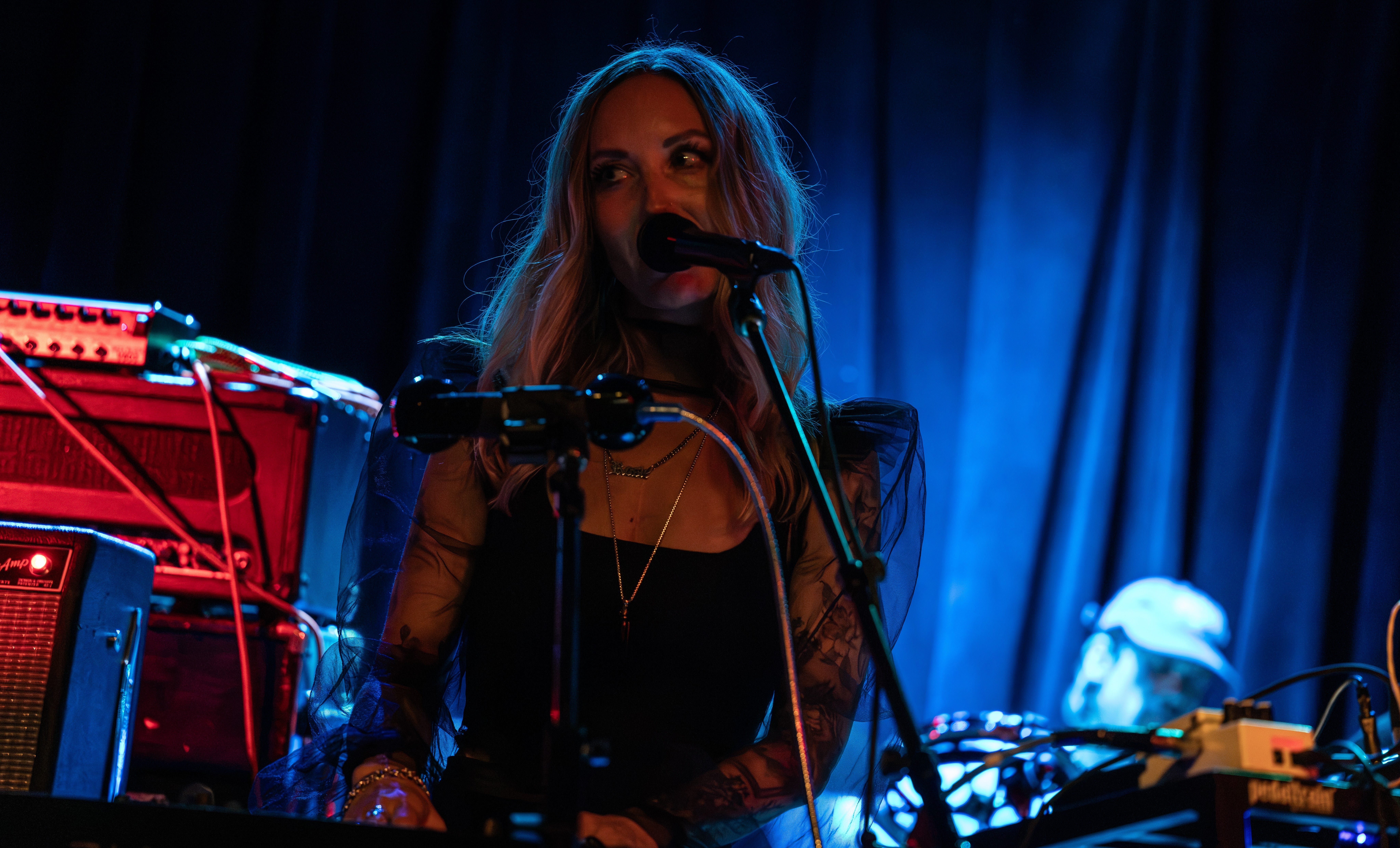
It was a great first set, both musically and personally.
But things were about to change pretty drastically.
Ordh brings a change of pace
If BleakHeart eased the audience into the evening, Ordh came in and kicked in the door.
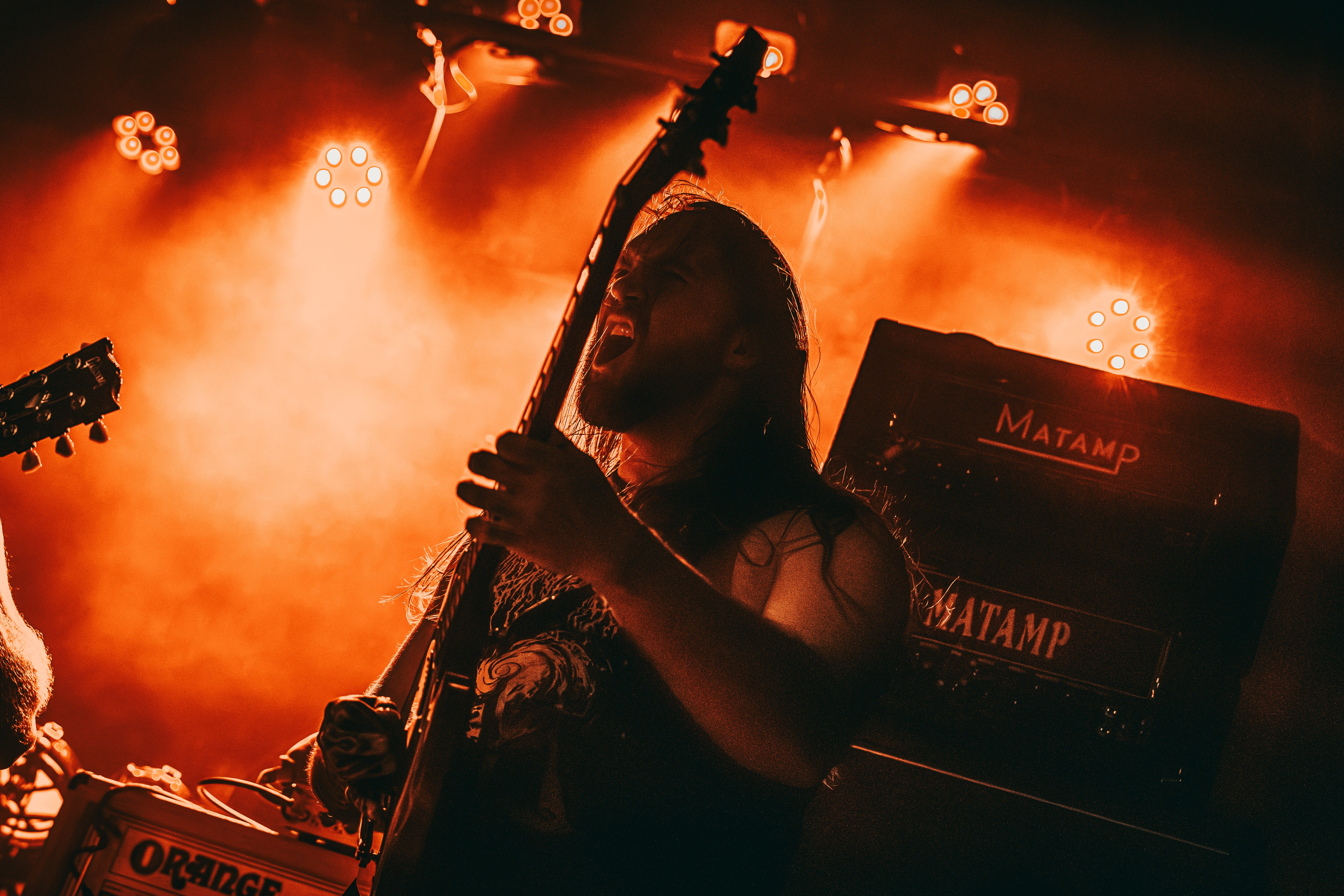
The musical contrast between the two bands was significant. Where BleakHeart leaned heavily into an atmospheric and instrumental sound, Ordh brought something that I can only describe as Dethklok and Amon Amarth having a baby.
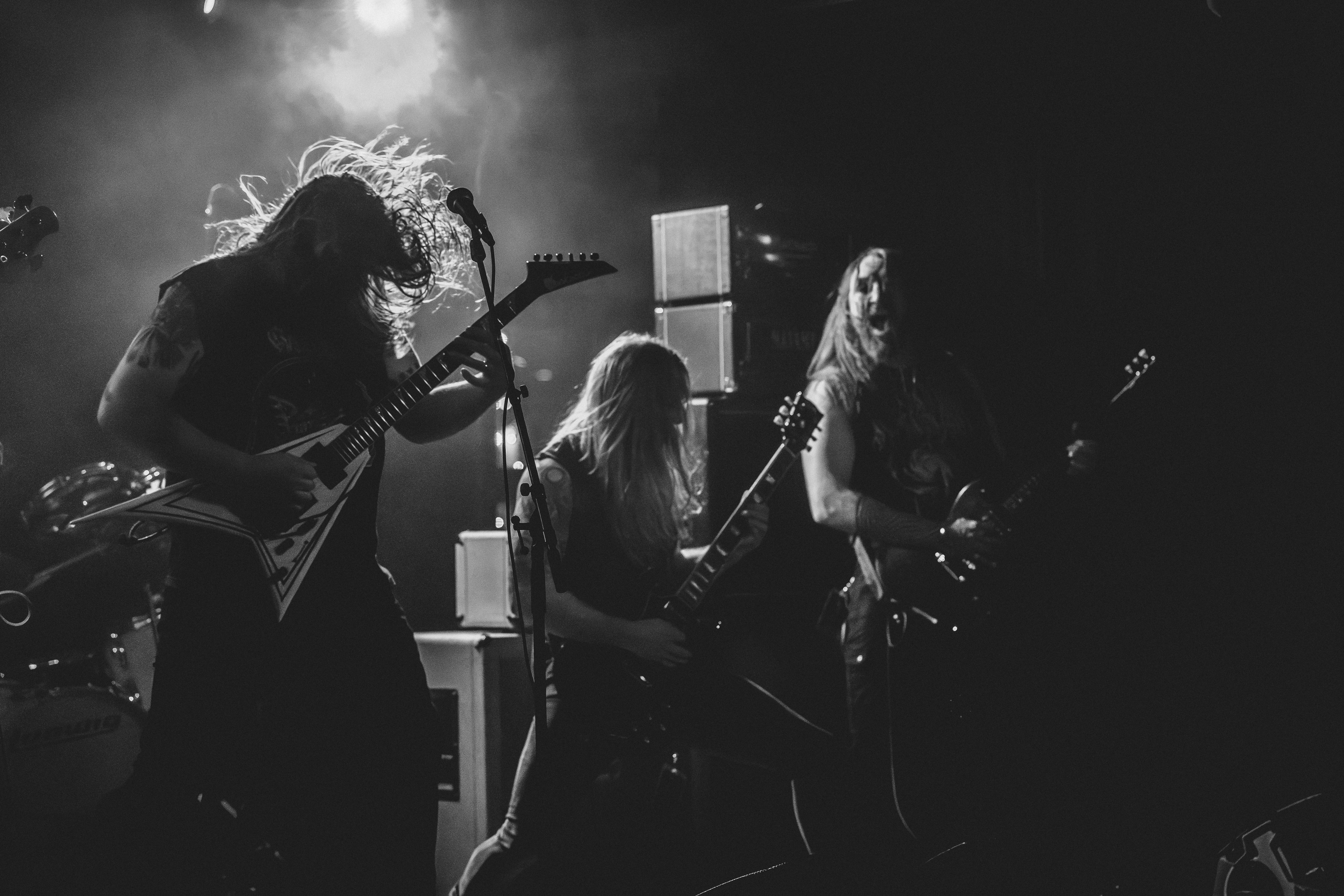
I couldn’t understand a single word of Jonathan Hebert’s vocal growls. And I mean that as a compliment.
The band looked like they’d walked straight out of some sort of Viking metal saga, complete with long hair and an aesthetic that matched the music. But underneath all of that aggression was something I wasn’t expecting.
Melody, and a lot of it.
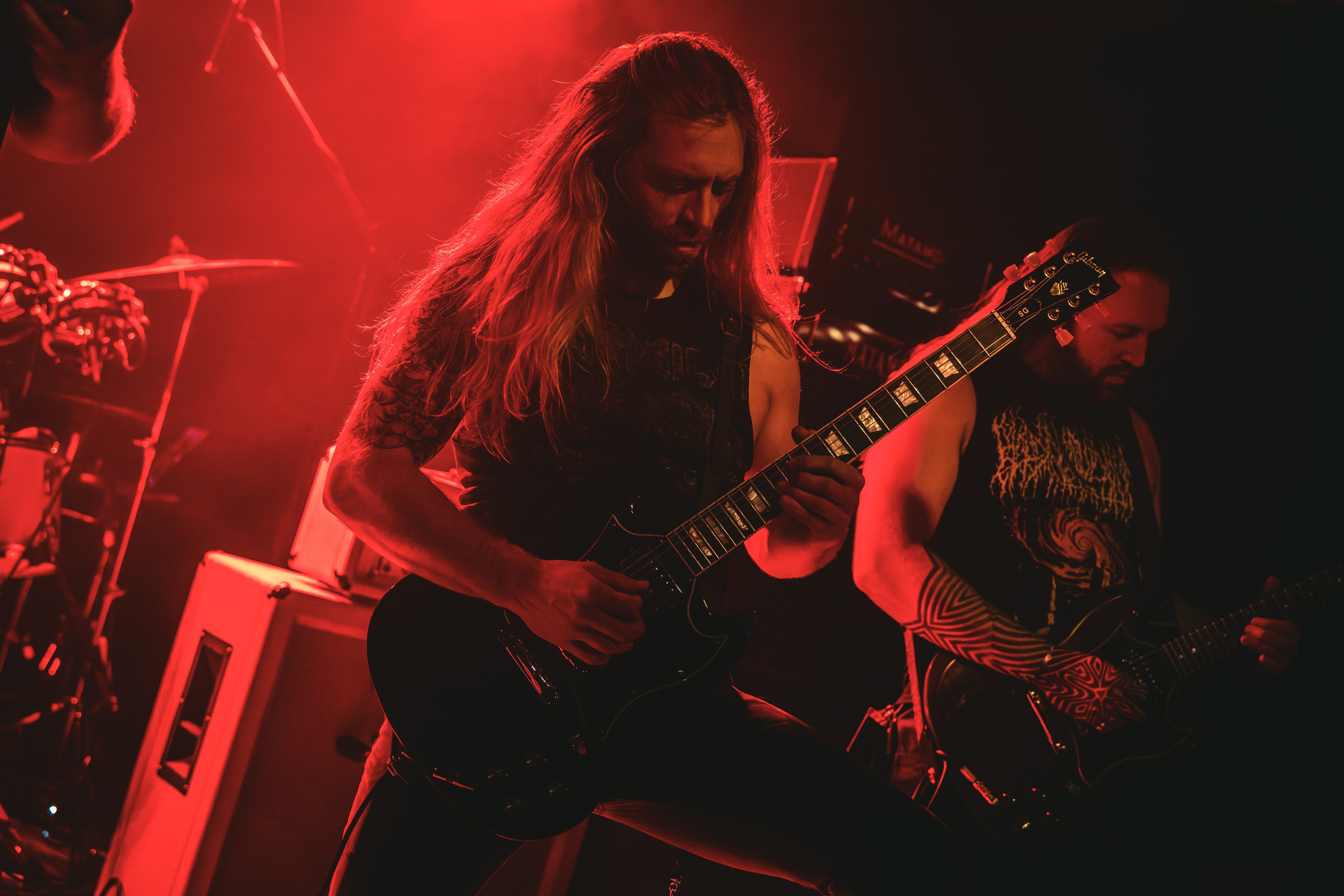
The riffs were far more melodic than I anticipated based on the band’s appearance and vocal style. At times, the music took on an almost orchestral quality, particularly during the title track from their new album, Blind in Abyssal Realms.
That combination of orchestral elements and deep guttural vocals shouldn’t necessarily work as well as it does.
But it does.
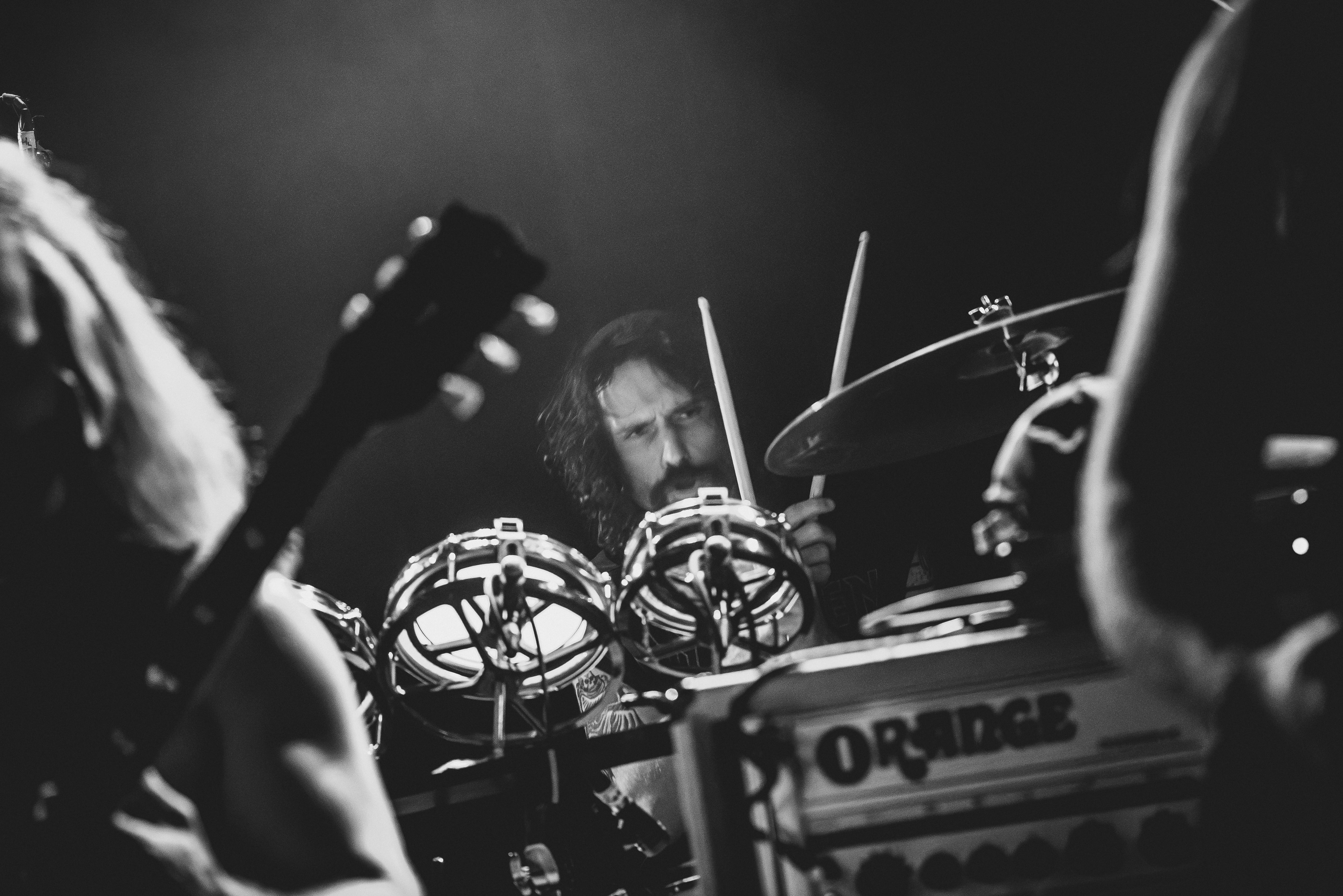
Ordh also brought plenty of the heavy, chunky riffs that I’ve grown to love about metal. The result was a set that felt like a significant change of pace from BleakHeart while still fitting naturally into the overall lineup.
By the time they finished, the audience had been taken through two very different interpretations of heavy music.
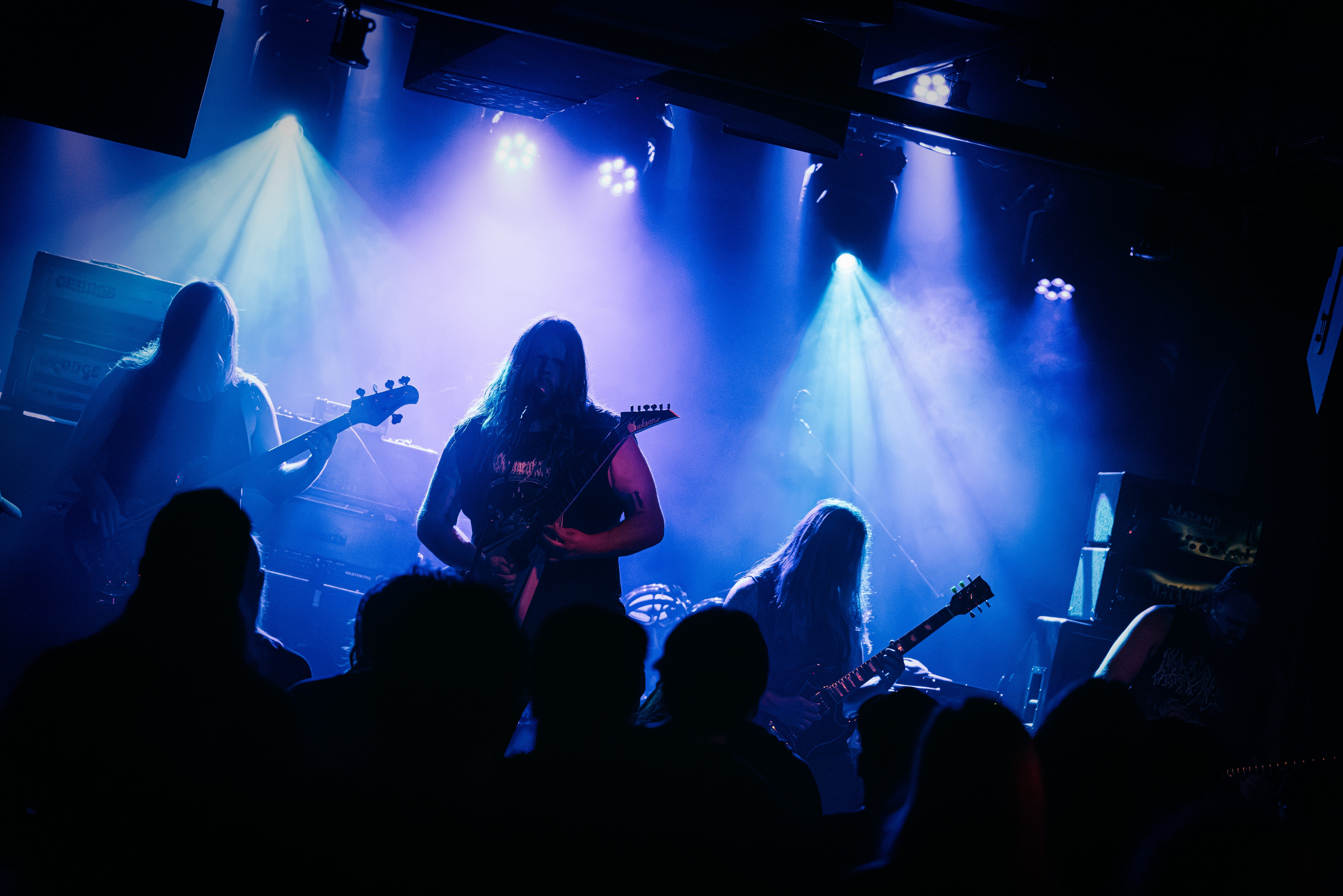
And then it was time for the main event.
Pallbearer revisits Foundations of Burden
This tour was built around an anniversary celebration of Pallbearer’s second studio album, Foundations of Burden, originally released in 2014.
The concept was simple.
Play the album in its entirety.
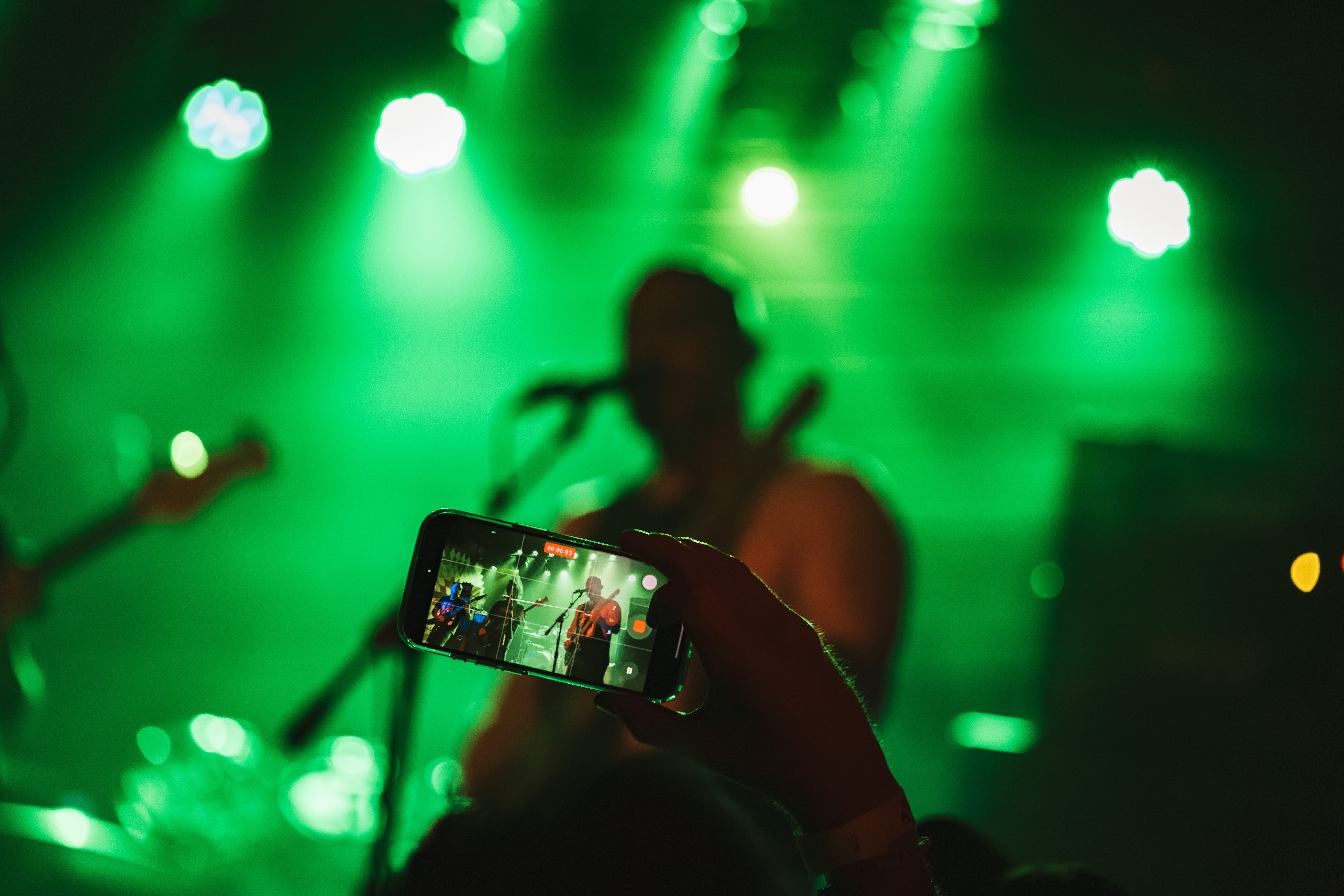
And that’s exactly what they did.
Well, almost.
After working through the entire album, Pallbearer returned for one final song to close out the evening. That meant only seven songs made up the complete set, but don’t let that number fool you.
These are not three-minute radio jingles.
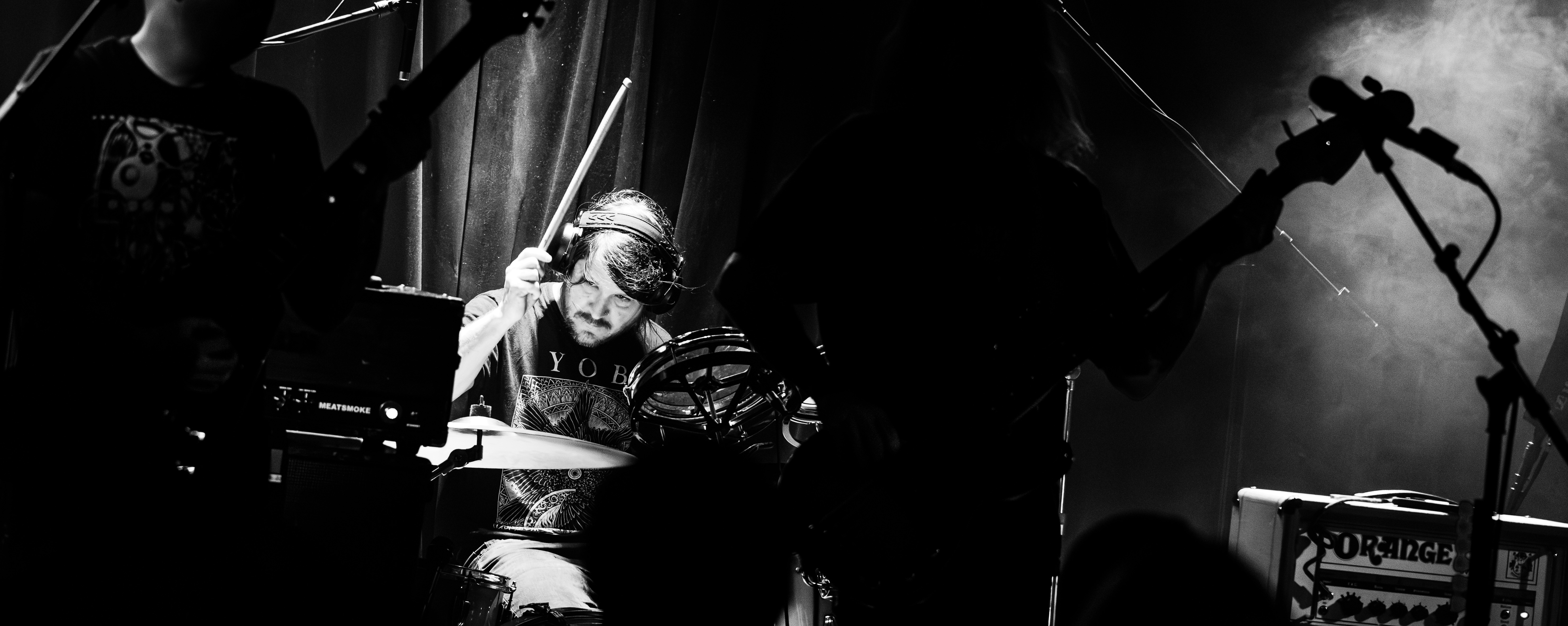
With songs averaging roughly nine minutes apiece, there was plenty of music packed into those seven tracks.
Pallbearer’s sound is heavily instrumental, with vocals used almost as another instrument rather than serving as the constant centerpiece of the songs. When Brett Campbell does sing, his vocals have an almost ghostly quality that adds another emotional layer to the music.
And then there’s the guitar.
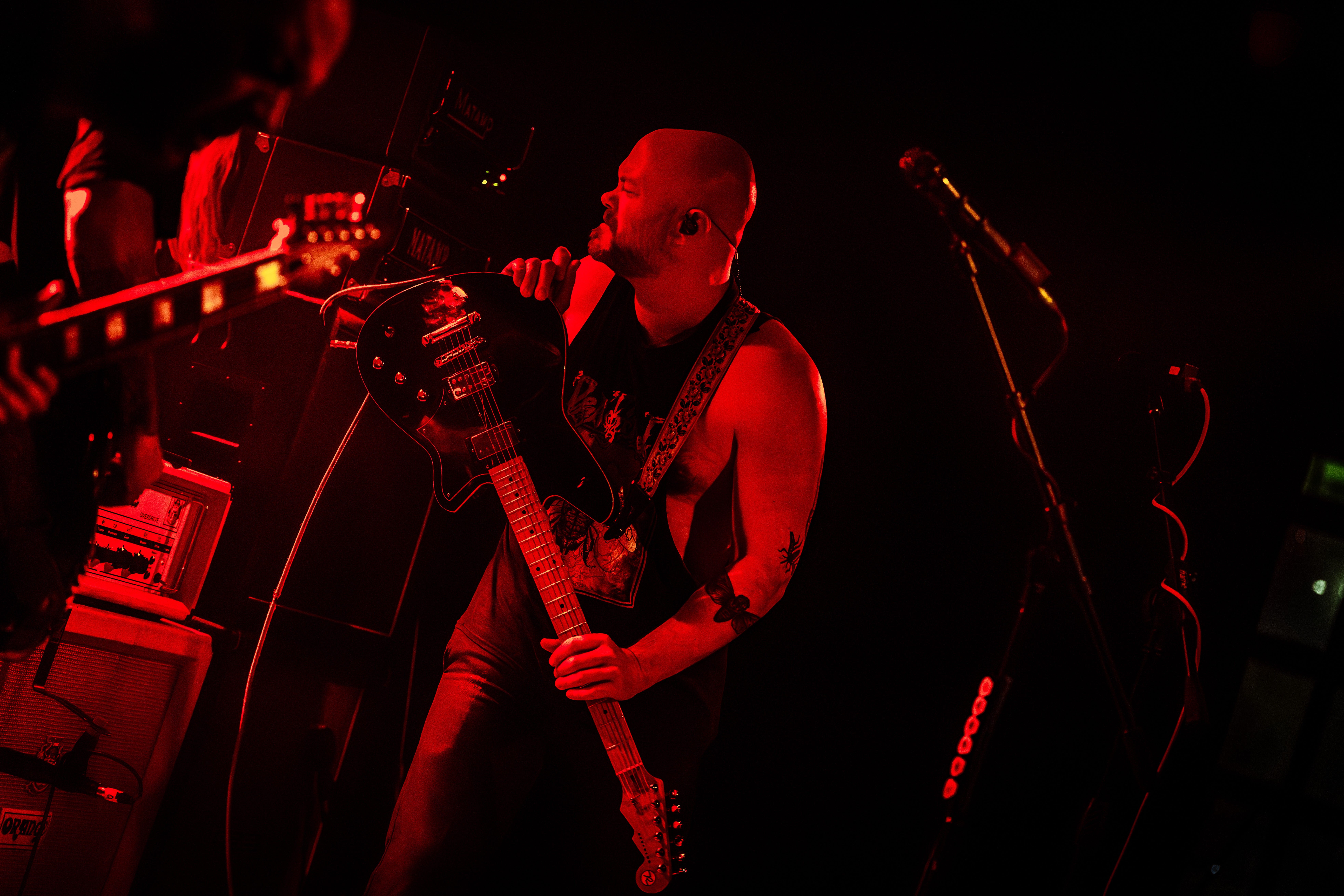
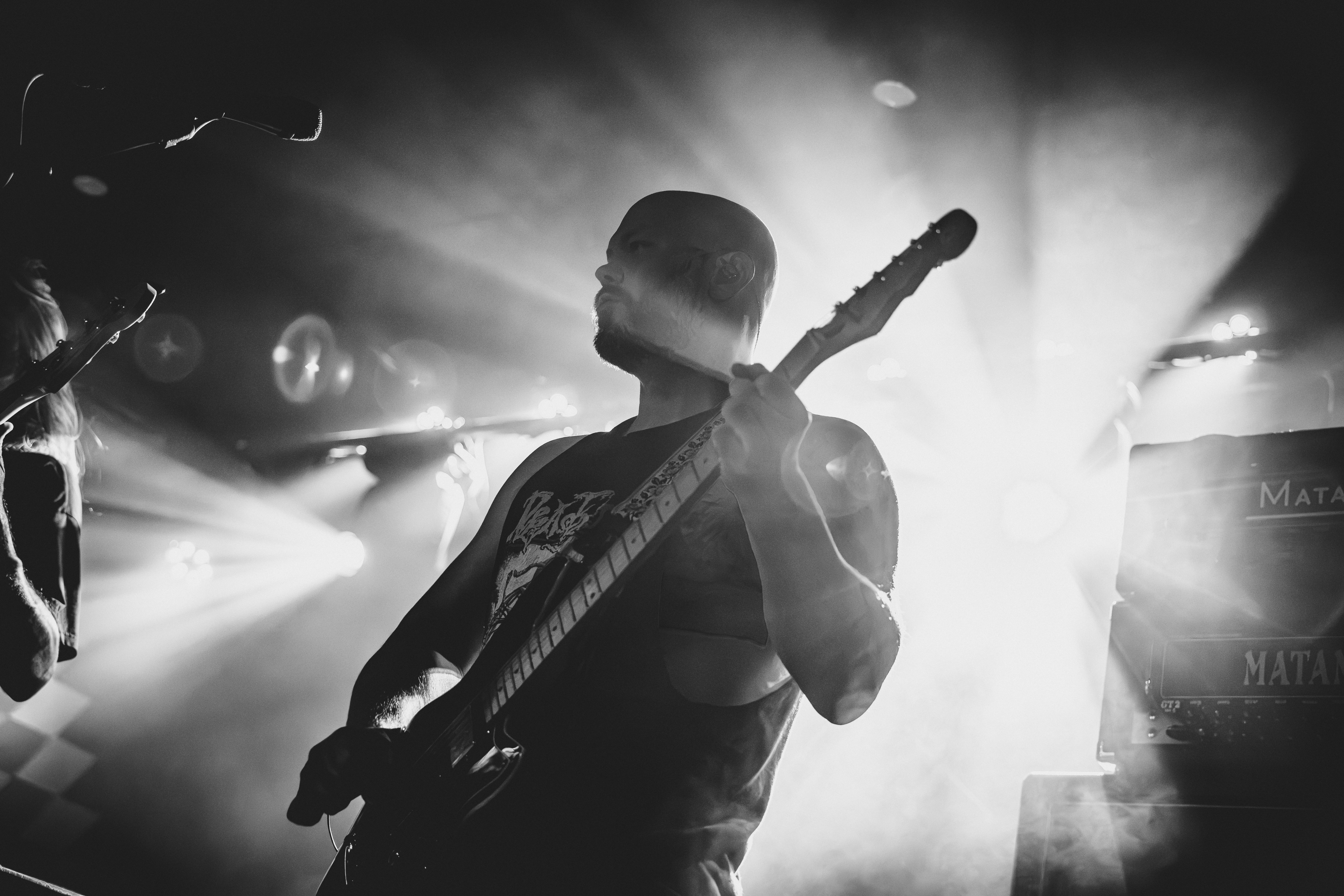
Campbell wasn’t just standing behind a microphone delivering vocals. He was shredding throughout the performance while the rest of the band moved around the stage.
And I mean really moved.
Considering how small the stage was, I was actually impressed with how the members managed to move around as much as they did without running into one another.
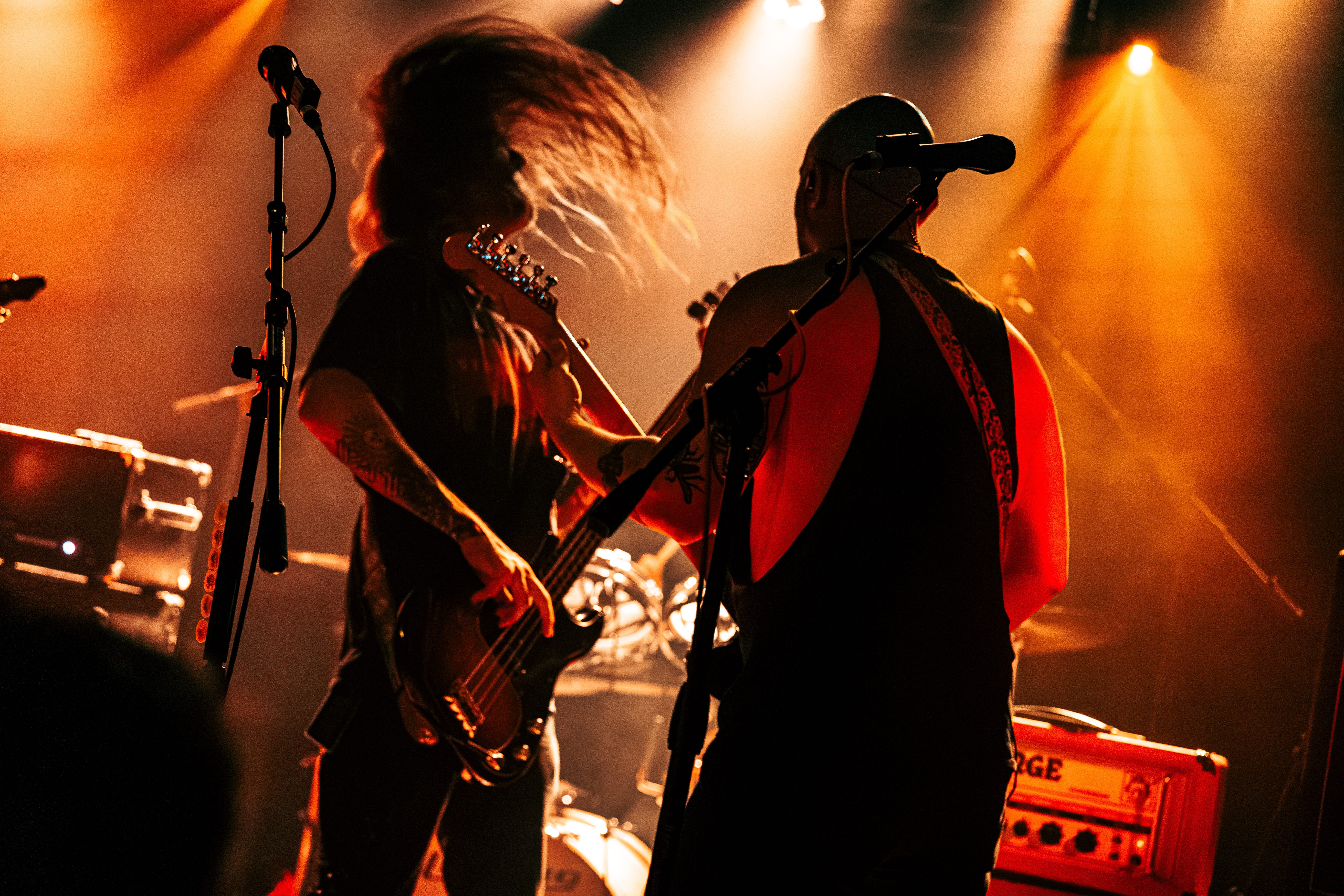
There was a physicality to the performance that helped make the lengthy instrumental passages work visually as well as musically.
Nine-minute songs that are mostly instrumental can become difficult to photograph if everyone simply stands in one place for the entire performance. But that wasn’t the case with Pallbearer. The members were clearly feeling the music, and that translated into the performance.
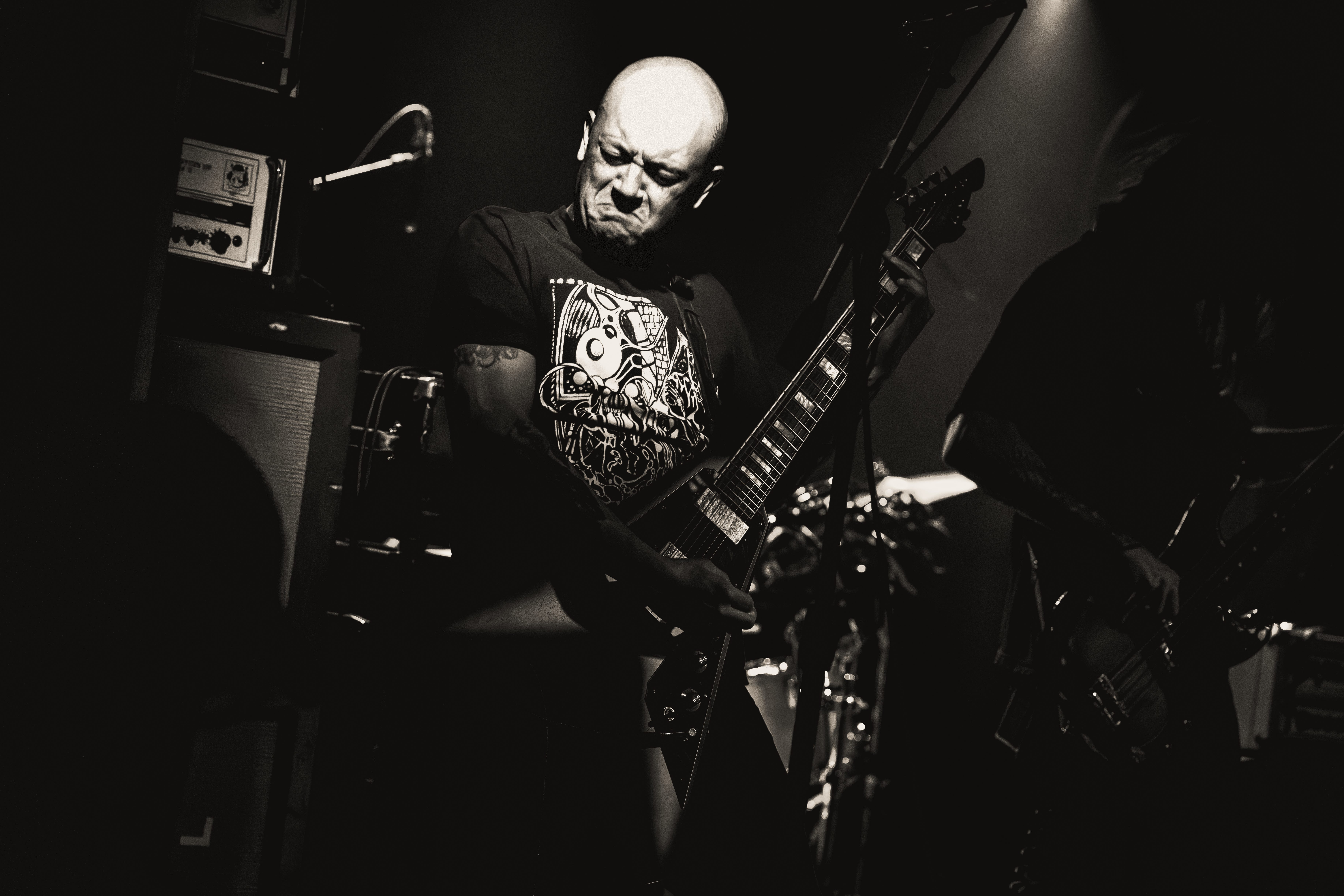
For a photographer, that movement is a gift.
For an audience member, it adds another layer to the experience.
A surprising ending
After working their way through Foundations of Burden, Pallbearer had one more surprise waiting.
They didn’t end the night with another Pallbearer song.
Instead, they closed the evening with a cover of “Love You to Death” by Type O Negative.
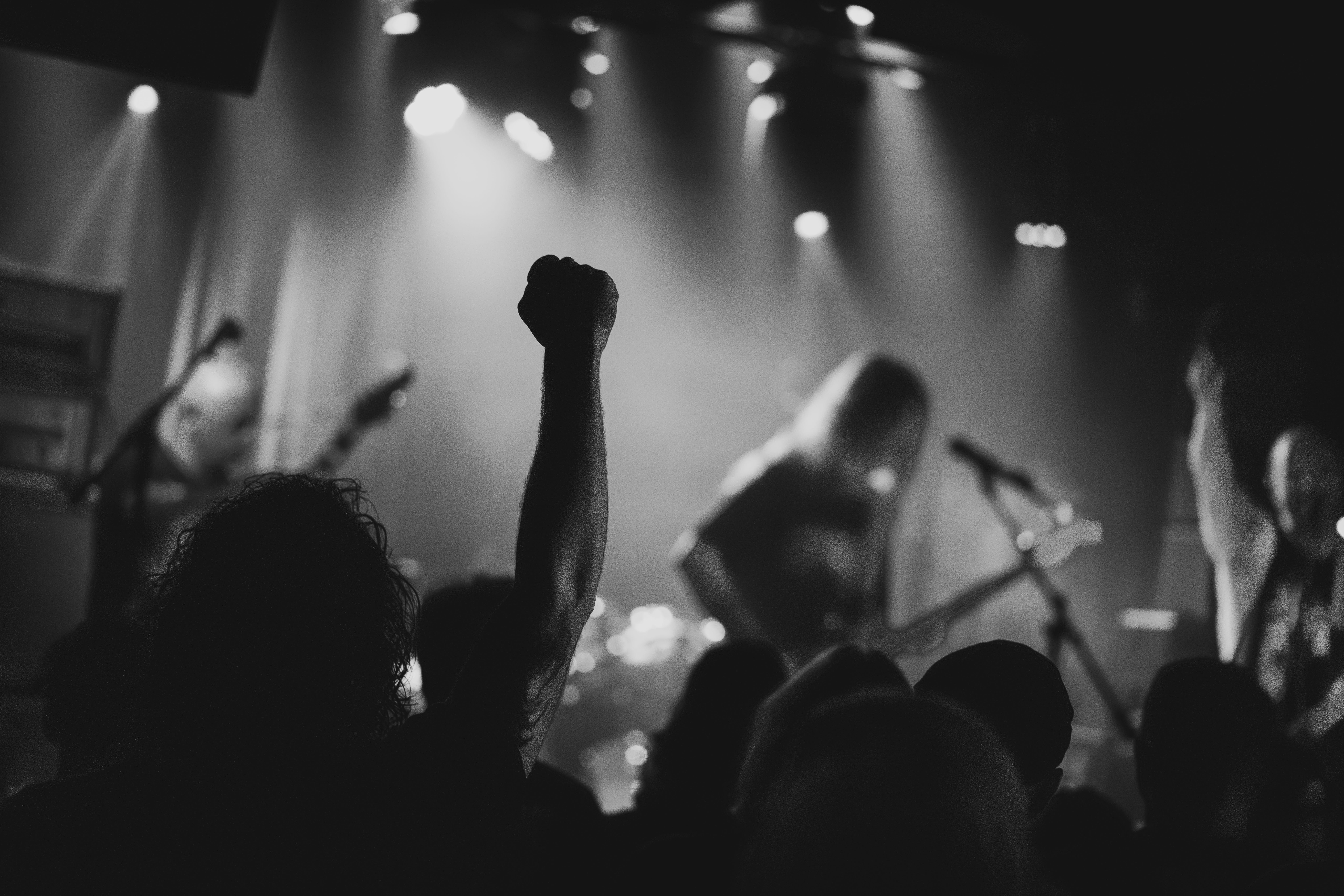
I can honestly say I don’t think I’ve ever seen a band end a set with somebody else’s song.
But the crowd absolutely ate it up.
It was an unexpected way to close the night, but it fit the atmosphere of the evening. After spending the majority of the show immersed in Pallbearer’s lengthy, atmospheric compositions, the cover gave the audience one final opportunity to let loose before the lights came up.
A much better night behind the camera
From a photography standpoint, this Slowdown experience was significantly smoother than my last visit.
I walked into the building carrying some nervousness from what happened in March. Walking out, I felt much more confident in the images I had captured.
The difference wasn’t simply better equipment.
It was experience.
It was knowing that I could adapt to a smaller stage. It was understanding how to work with difficult lighting. It was having enough battery power to actually make it through the night. And it was being willing to adjust rather than expecting the venue to conform to what I wanted.
That’s an important lesson for concert photography.
Every venue is different.
Every lighting setup is different.
Every band moves differently.
And every show requires you to figure things out on the fly.
This night gave me another opportunity to do exactly that.
And I think the results are something I can be proud of.
Why smaller venues matter
One of the biggest takeaways from this night wasn’t actually about photography.
It was about how important venues like Slowdown are.
The venue may be smaller than some of the arenas and theaters I find myself photographing in, but that smaller environment creates something special. You’re closer to the artists. You can talk to them at the merch table. You can discover bands you might otherwise never hear.
That happened to me this night.
I didn’t walk through the doors with an extensive knowledge of BleakHeart, Ordh or Pallbearer.
I walked out with three new bands added to my listening rotation and a new vinyl record sitting in my collection.
That’s one of the great things about live music.
You can show up for one band and walk away with a new favorite.
And you don’t necessarily need to spend a fortune to do it. For roughly the price of a fast-food meal, you can spend an evening hearing live music, supporting musicians and potentially discovering something completely new.
That’s what makes places like Slowdown so important.
Afterglow
Ultimately, this show was a success on just about every level.
I got to return to a venue where my previous photography experience had left me frustrated and proved to myself that I had grown since then.
I got to hear three bands I wasn’t particularly familiar with before the night began.
I got to talk with an artist about her new record and walk away with a physical copy of that album.
And I got to experience a Pallbearer set that brought an album from more than a decade ago back to life on a small Omaha stage.
Most importantly, I was reminded why I love doing this.
Concert photography isn’t just about getting pictures.
It’s about documenting an experience.
It’s about discovering music.
It’s about meeting artists.
It’s about supporting venues.
And sometimes, it’s about walking into a show knowing almost nothing about the bands and walking out with three new artists in your regular listening rotation.
If you haven’t listened to BleakHeart, Ordh or Pallbearer, do yourself a favor and check them out.
And if you’ve never been to a show at Slowdown, take a look at their upcoming schedule and get out for a night.
You might just find your next favorite band.
Please consider Donating to Sponsor an article even $1 helps!
