


A new cultural experience
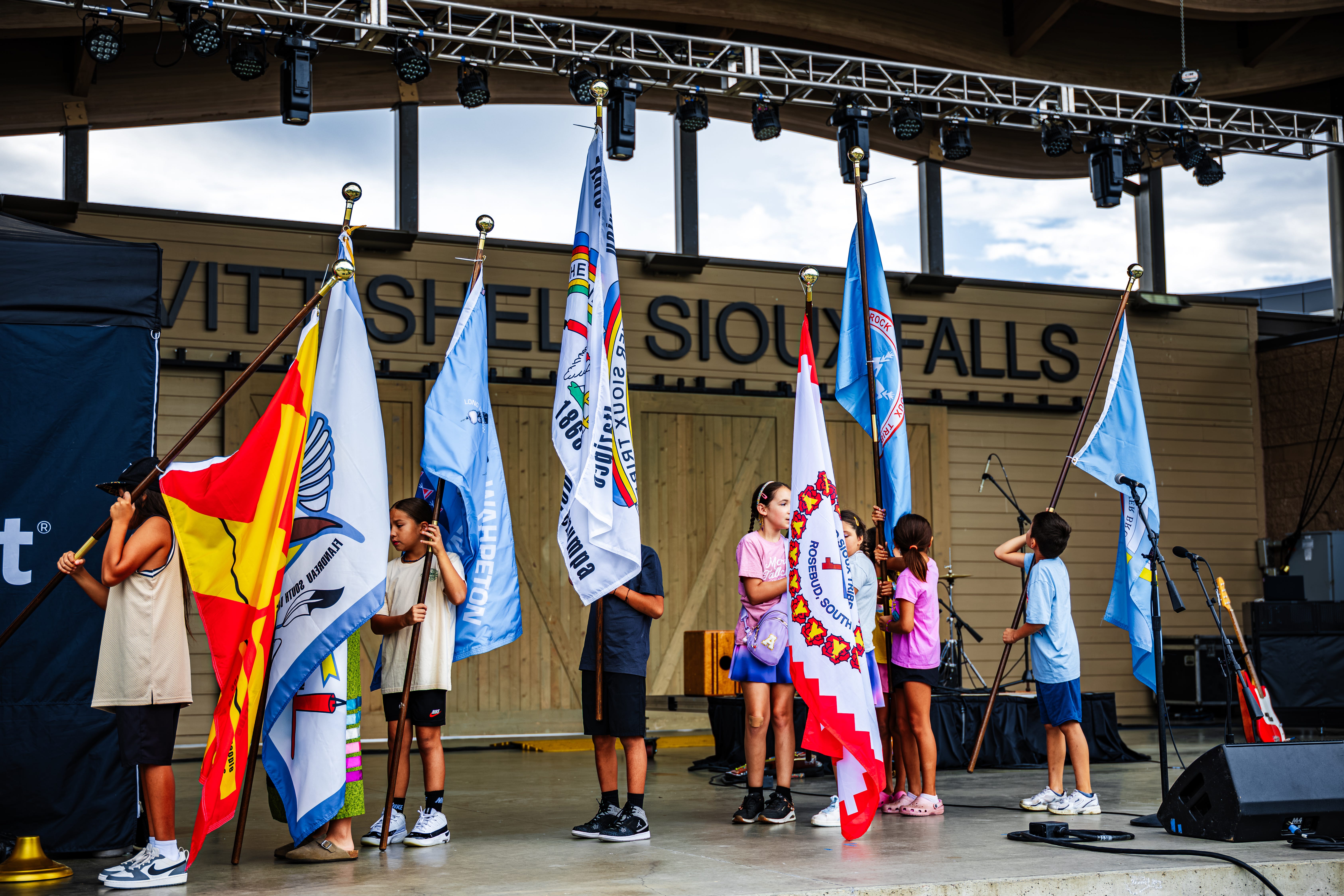
August 29th brought the fourth annual Mitakuye Owas’in Festival to The Levitt, turning the venue into a full day celebration of Native American culture, art, fashion, music, and community.
The festival’s name, Mitakuye Owas’in, means “All My Relatives,” and that idea of connection seemed to weave its way through nearly every part of the day. From traditional drumming and dancing to contemporary hip hop and R&B, from fashion shows to conversations about education and representation, the festival offered far more than I initially expected.
I’ll be the first to admit that I walked into the festival with very little personal understanding of what I was about to experience. I have no association with Native American culture, and I didn’t want to pretend otherwise. Instead, I looked at the opportunity for what it was: a chance to listen, learn, and experience another culture through the people who live it.
What followed was one of the most unique festival experiences I’ve had the opportunity to photograph.

One drum and a powerful beginning
The first act to grace the stage was Wakiyan Sapa, a group made up primarily of high school students from our local Roosevelt High School, along with one of their teachers.
There’s something incredibly fitting about having the festival begin with the next generation.
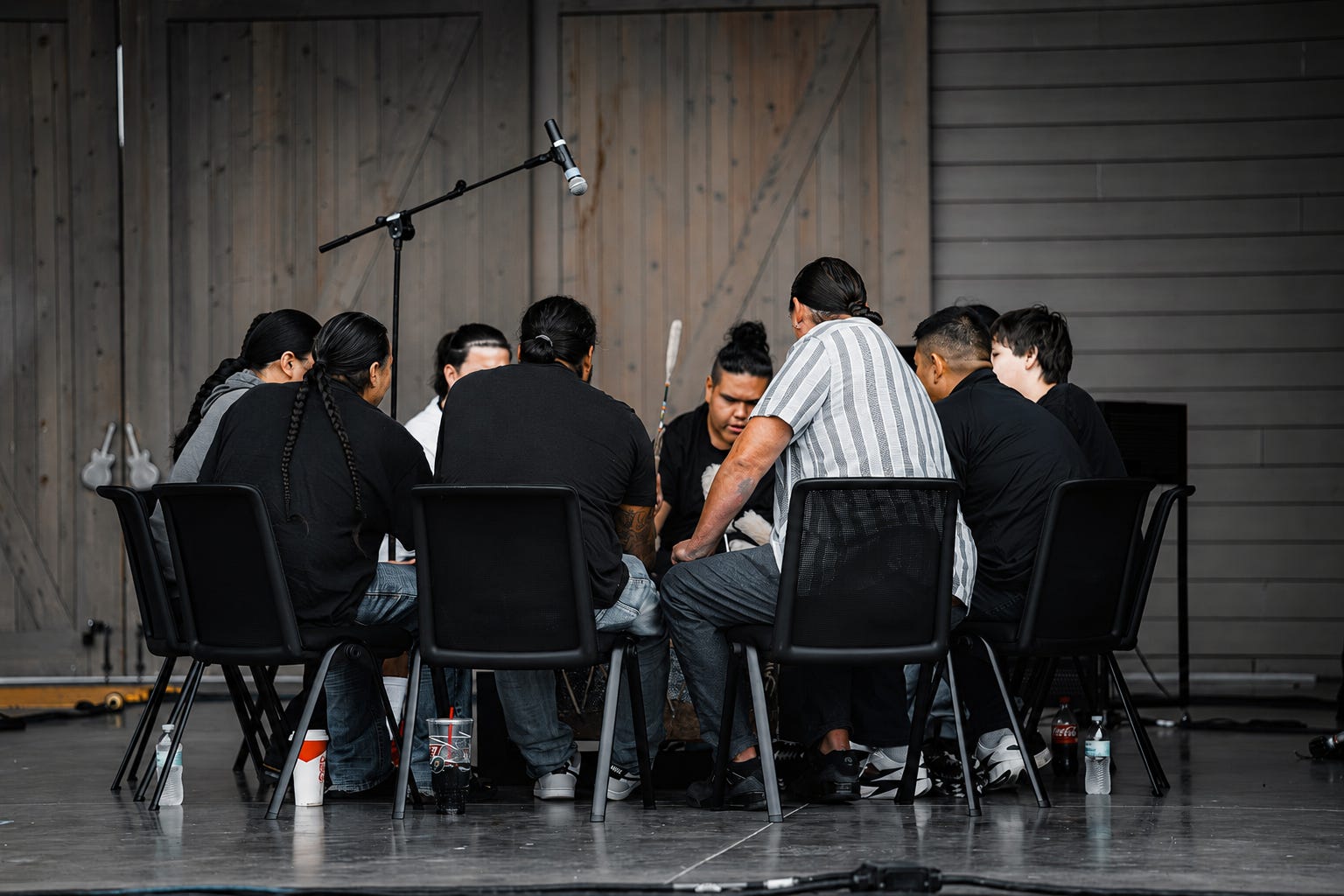
One drum. Ten men. And yet, the sound carried across The Levitt and immediately commanded attention. It was a reminder that cultural traditions don’t survive simply because they’re remembered. They survive because they’re taught, practiced, and passed from one generation to the next.
The performance concluded with a prayer in their native language, something that would become a recurring thread throughout the day.
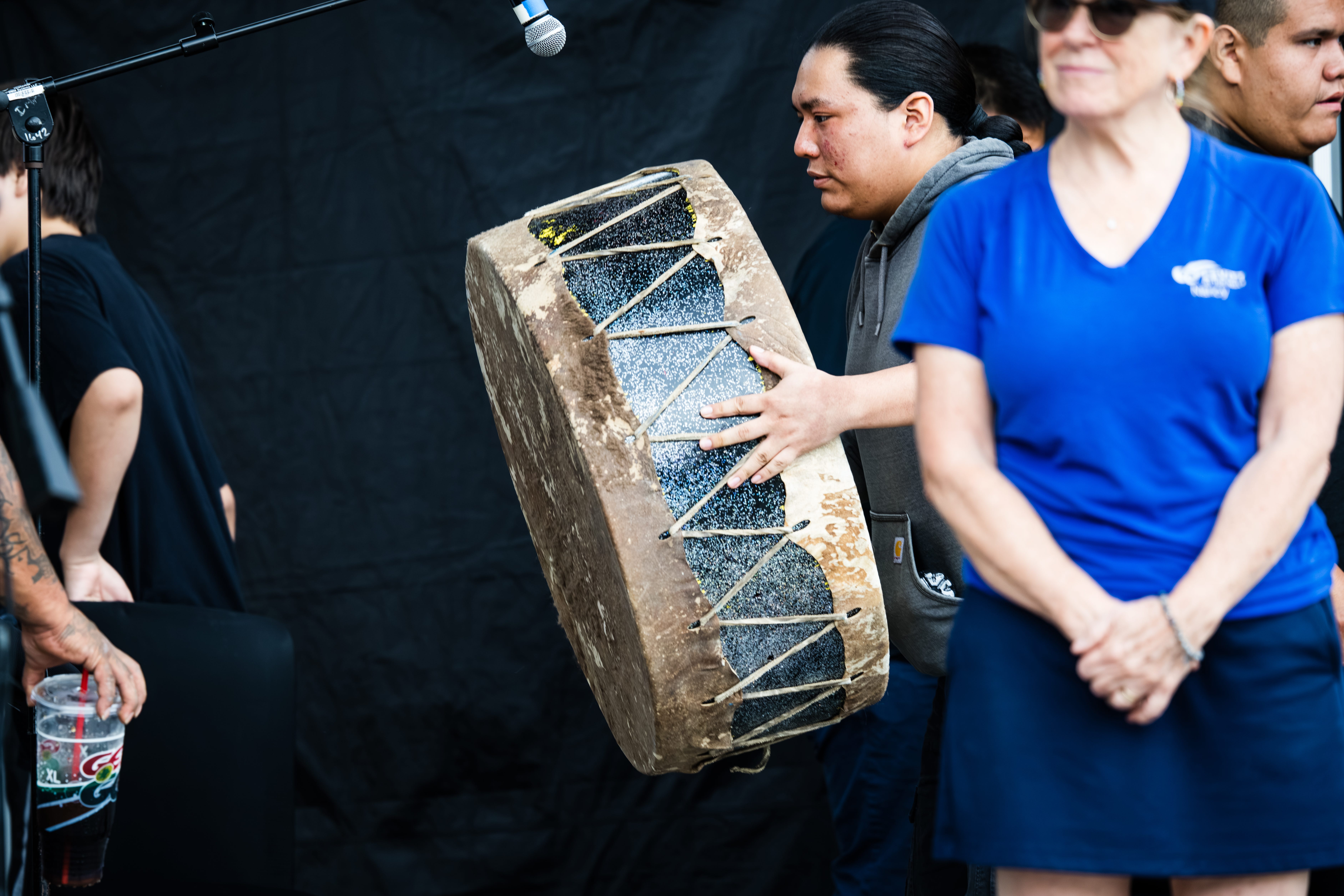
There’s something uniquely powerful about hearing another language, particularly one so deeply connected to the place where you’re standing. Even without understanding every word, there’s still something to appreciate in hearing a language spoken with such familiarity, reverence, and meaning.
Please consider Donating to Sponsor an article even $1 helps!

Jackie Bird brings music and laughter
After Wakiyan Sapa, the legendary Jackie Bird took the stage.
With decades of experience blending music, Native American dance, and family friendly entertainment, Jackie’s built a career around bringing people together. Her resume even includes participation in the opening ceremony of the 1988 Winter Olympics, making her appearance at The Levitt an opportunity to see a true veteran of entertainment.
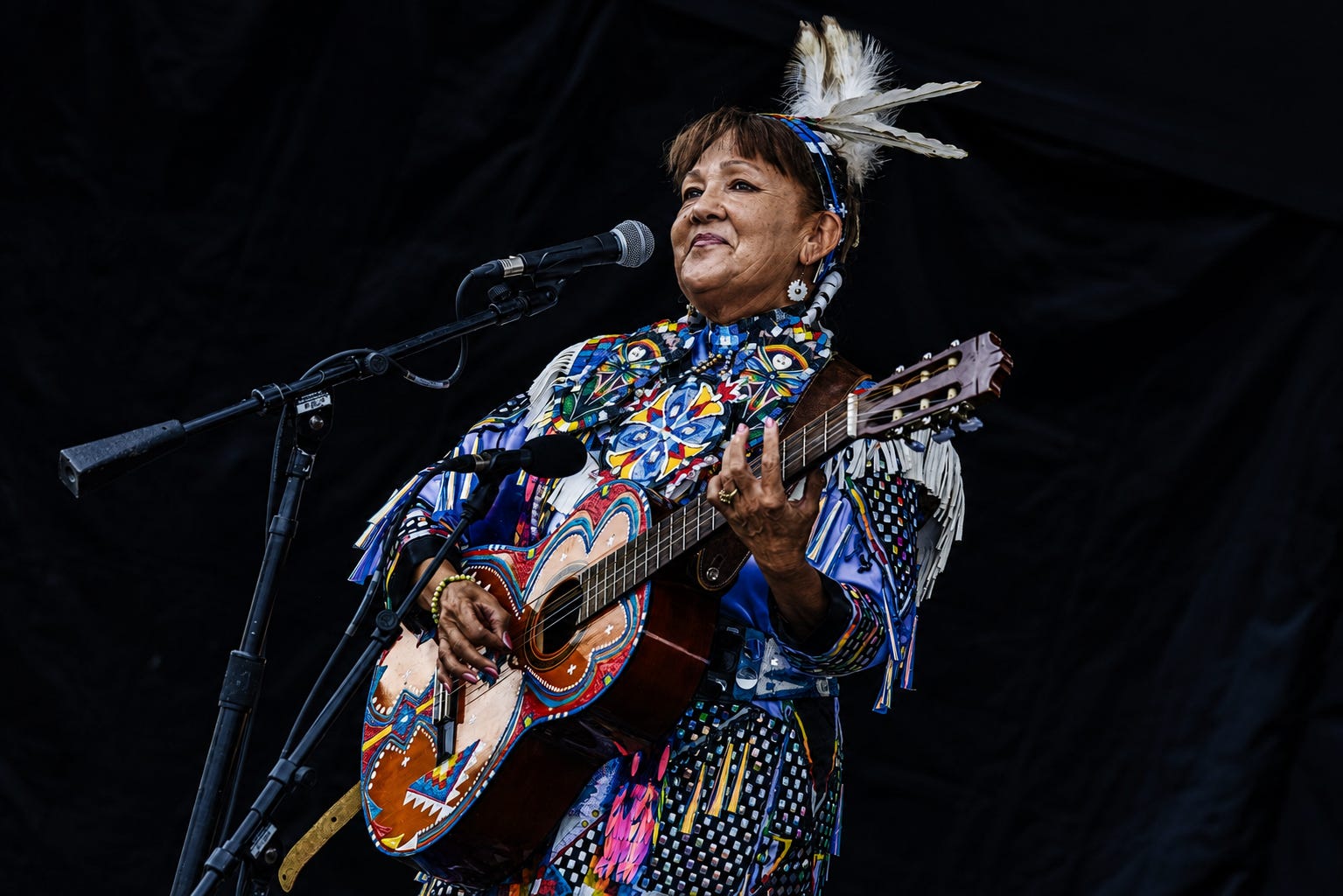
And she was an absolute blast.
Jackie was joined by two of her sons, and the family connection was immediately obvious. Their musical talent was evident not only through their instrumental performances but also through their voices.
But the performance wasn’t just about music.
There was plenty of laughter along the way, including when Jackie announced that she was going to bring her grandparents onto the stage. After creating some anticipation, she opened a suitcase and pulled out two puppets.
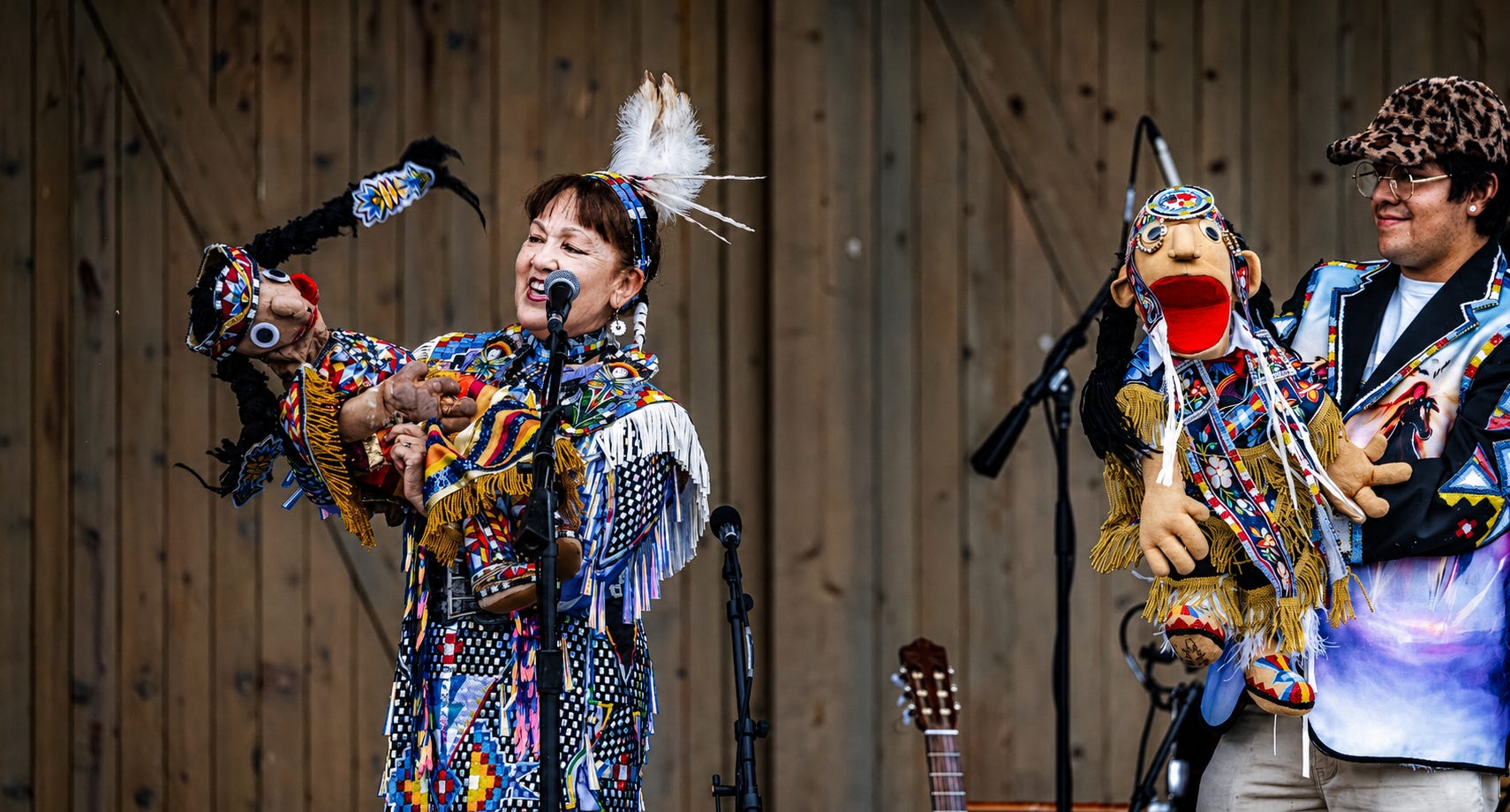
The crowd erupted.
It was silly, unexpected, and completely charming.
To close the performance, Jackie performed her traditional hoop dance, using the hoops to tell a story involving the elements and ultimately bringing everything together in a representation of the world coming together.
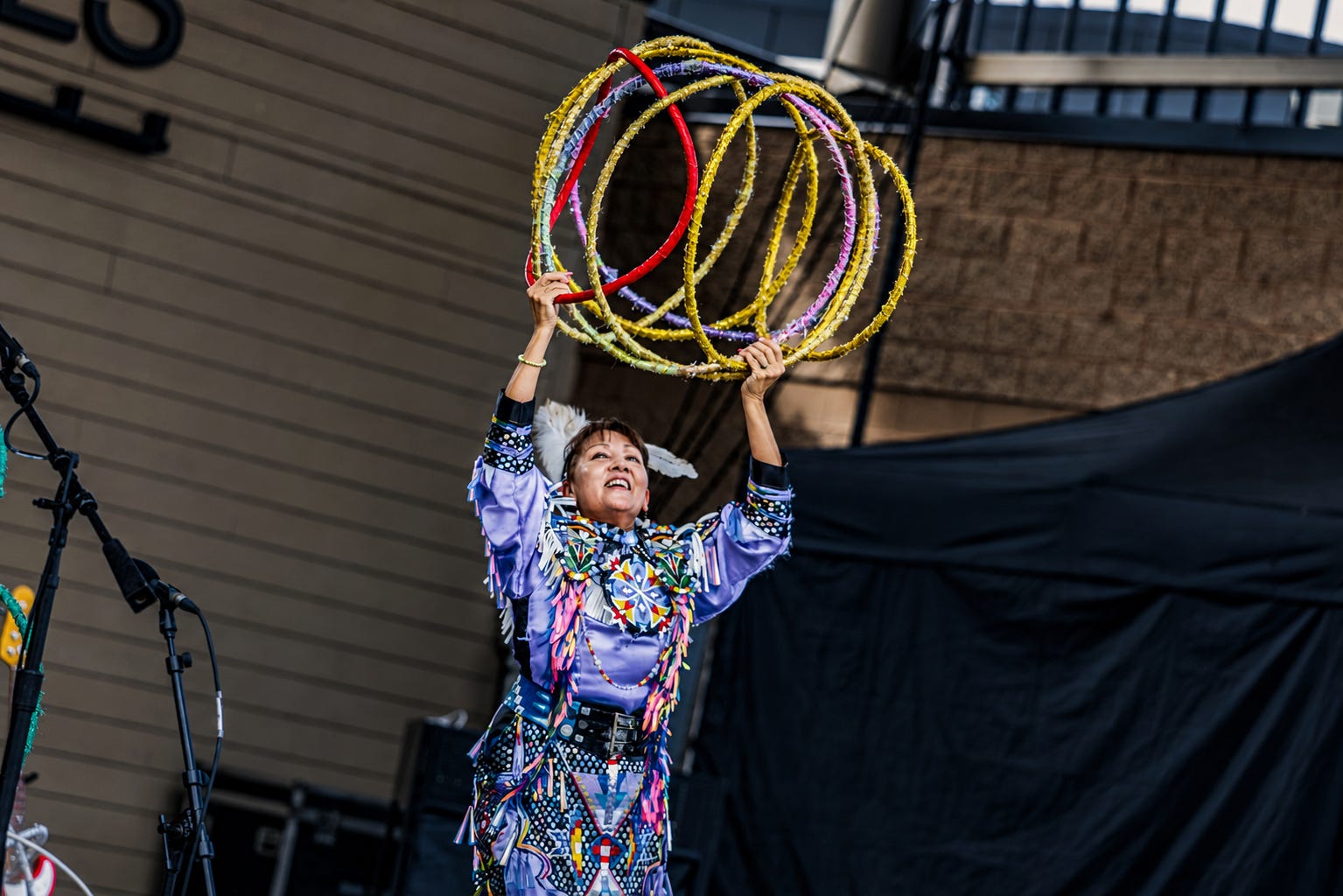
Even after her performance ended, Jackie wasn’t finished giving back. She remained near the festival grounds, handing out coloring books to children.
It was a fitting extension of what her performance had already demonstrated. Culture doesn’t have to be presented as something distant or inaccessible. It can be educational, entertaining, joyful, and something children can participate in.
Connecting education and community
After the first performances, there was a brief intermission as Barry Dunn, president of South Dakota State University, took the stage to speak about the university’s partnership with the community, specifically highlighting the Wokini Initiative.
For someone familiar with the area, it was another reminder of how much is happening within our own backyard.
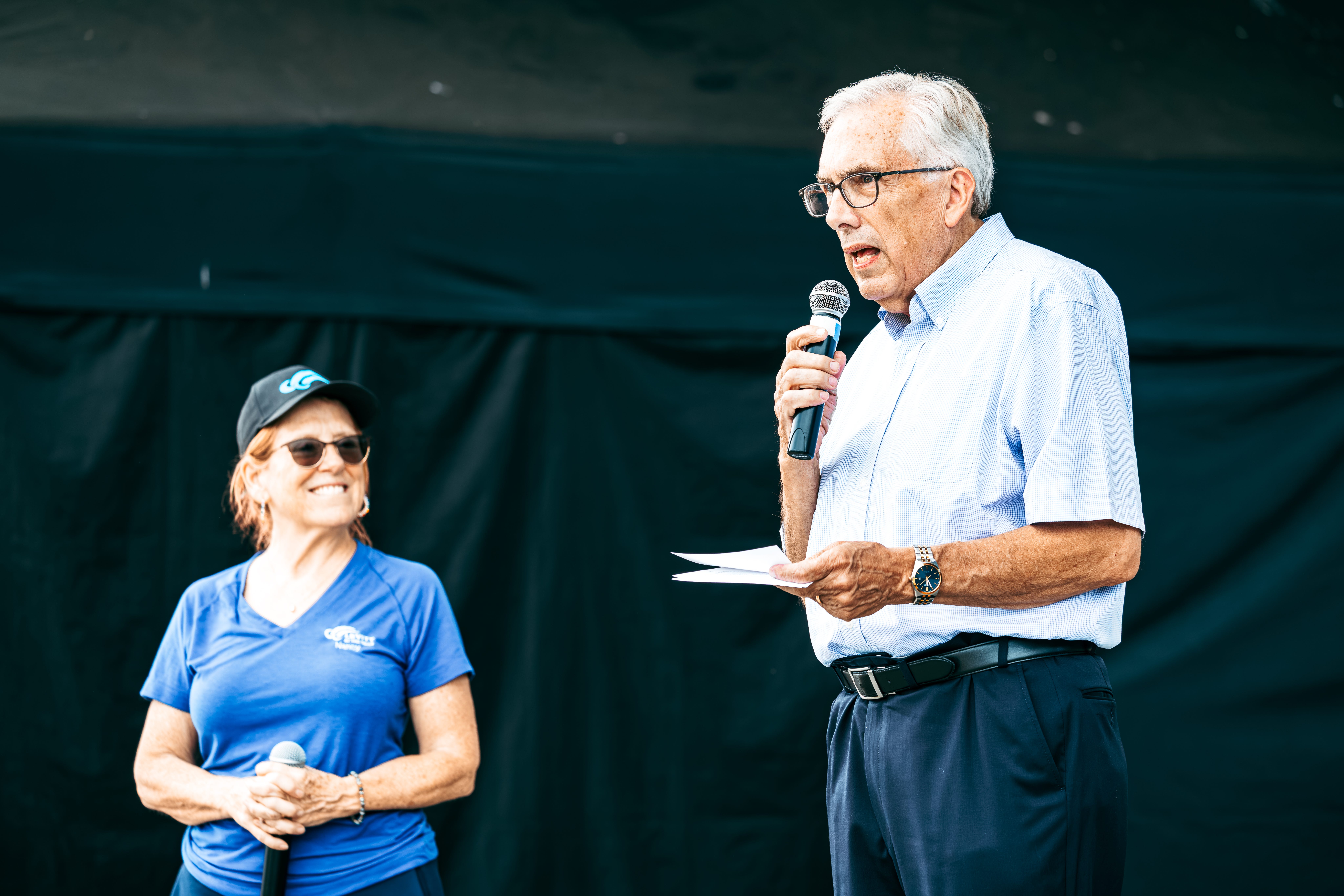
South Dakota State University is about 45 minutes north on the interstate, yet its relationship with the Native American community represents something much larger than geographical proximity. Partnerships like this demonstrate how education can become another avenue for connection, opportunity, and cultural understanding.
It was a brief portion of the day’s festivities, but an important one.
Three generations and a circle of community
Following the speech, Toka Nuwan took the stage.
Like Wakiyan Sapa, Toka Nuwan brought a drum core to the festival, but this time the performance expanded into something even more visual. Fully dressed dancers joined the musicians, transforming the songs into something that felt much larger than a musical performance.
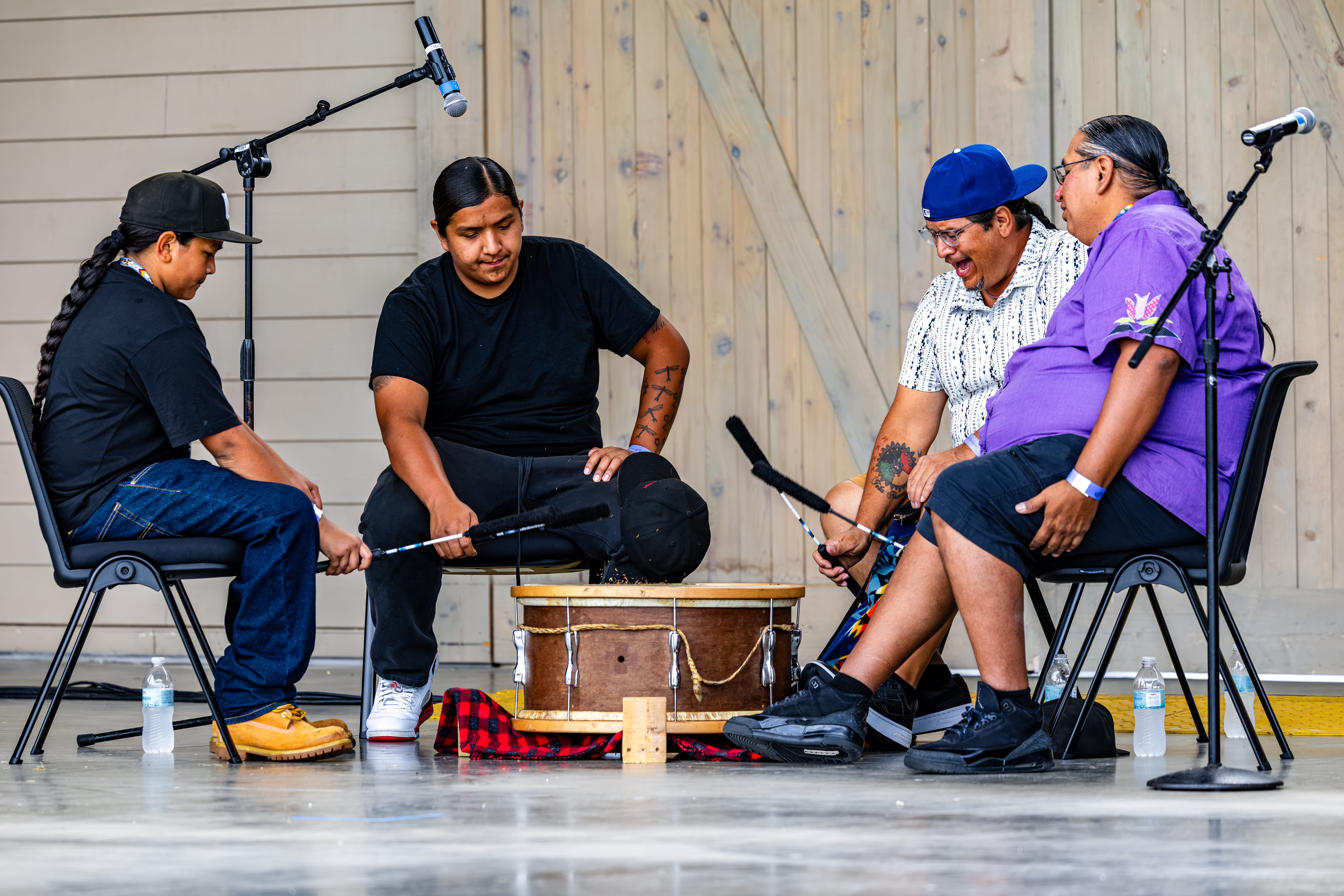
These weren’t simply songs being performed for an audience.
They carried history.
They carried stories.
They carried meaning.
Each song had a reason for being there, and watching the dancers move alongside the drummers provided another layer of understanding that simply listening to the music could not provide.
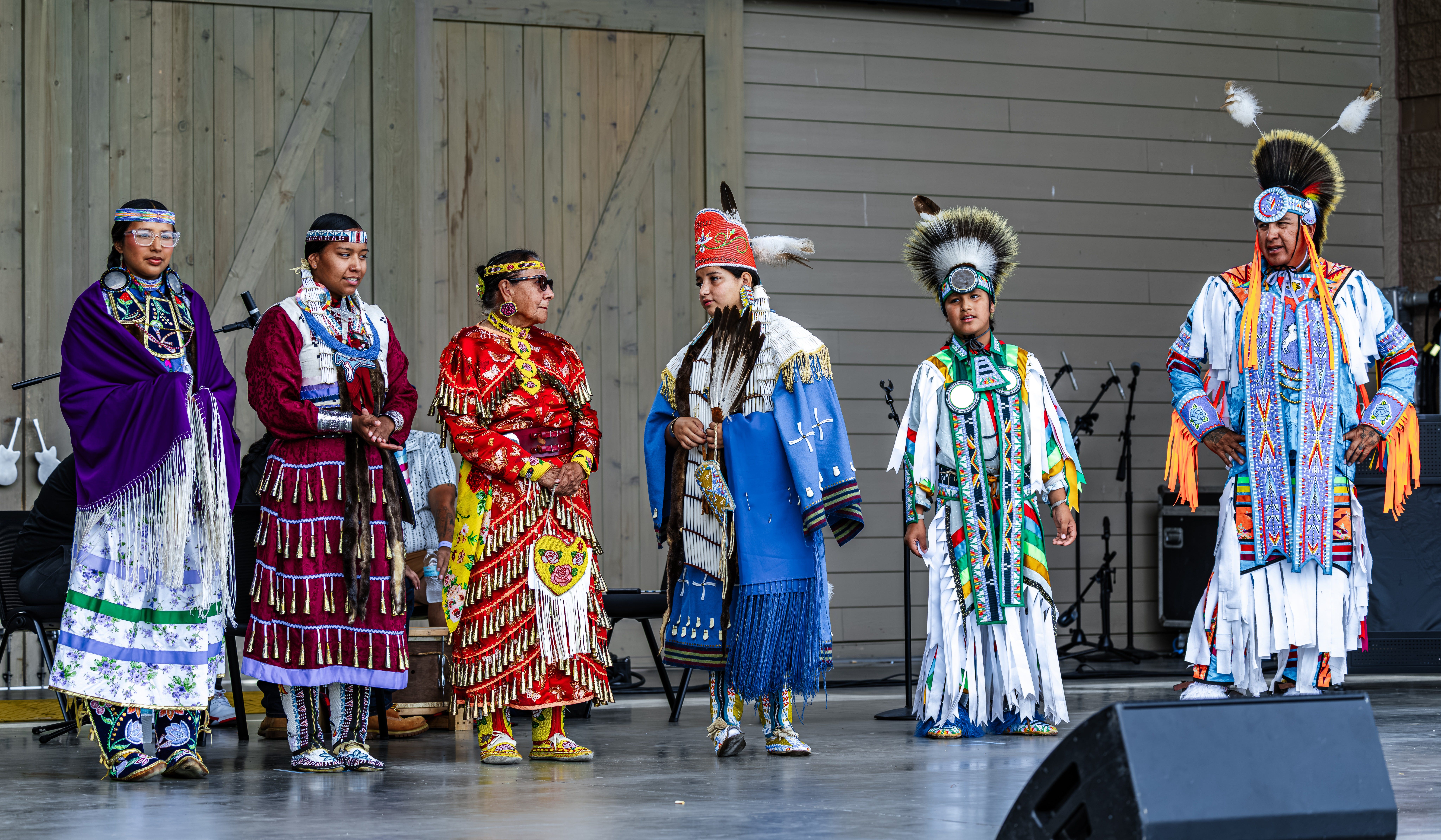
Perhaps one of the most striking aspects was the range of ages represented on stage. A 12-year-old dancer stood alongside older generations, including an elderly grandmother. Three generations were represented together, participating in something that connected them to one another and to the people who came before them.
The performance eventually moved beyond the stage.
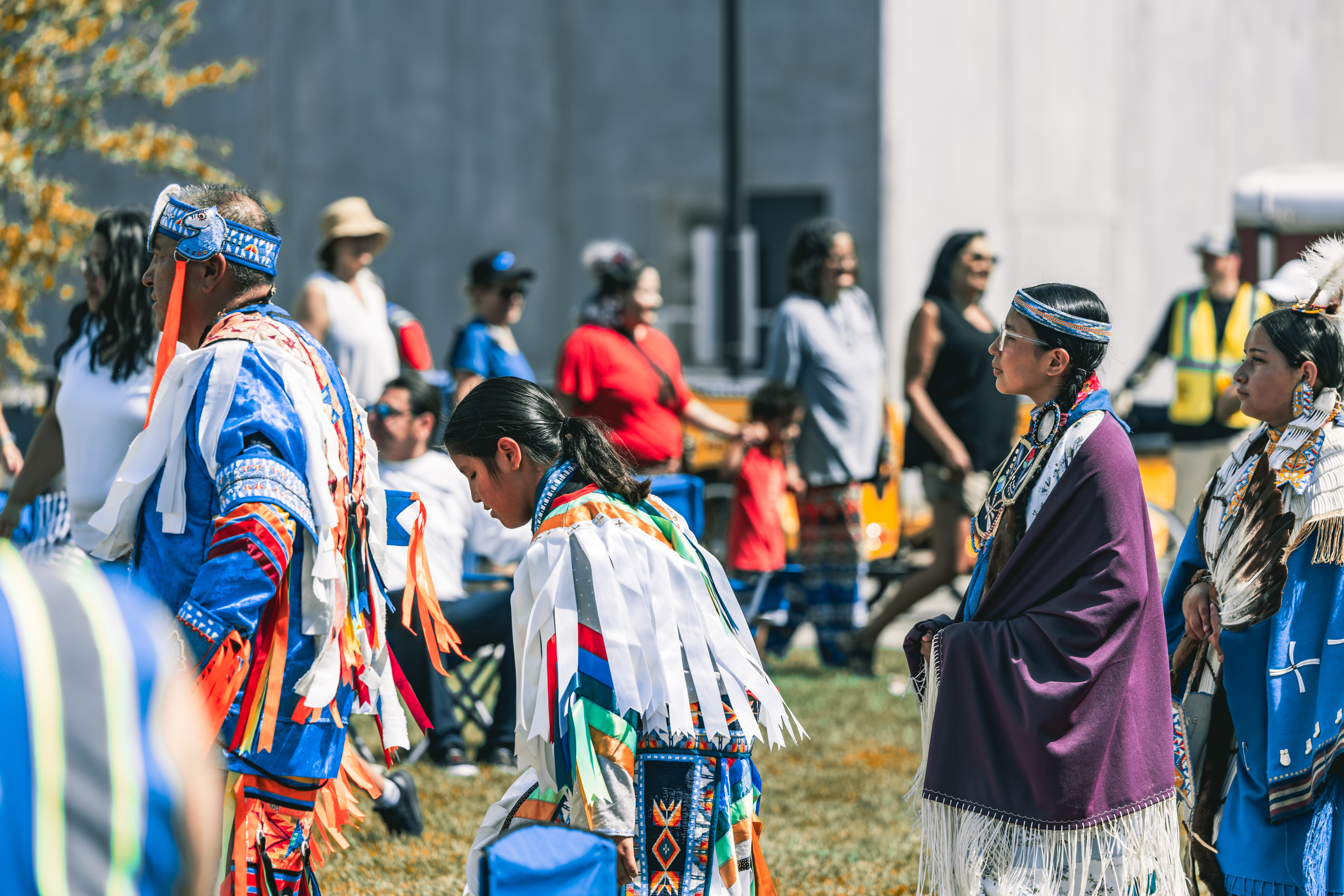
The dancers came out onto the lawn and began a dance of community, inviting those watching to join the growing circle.
That moment perfectly captured the meaning behind the festival’s name. The audience wasn’t simply being asked to watch. They were being invited into the experience.
A sobering reminder
Then came something I wasn’t expecting.
Thirteen year old Amiyah Weston took the stage for an interpretive dance.
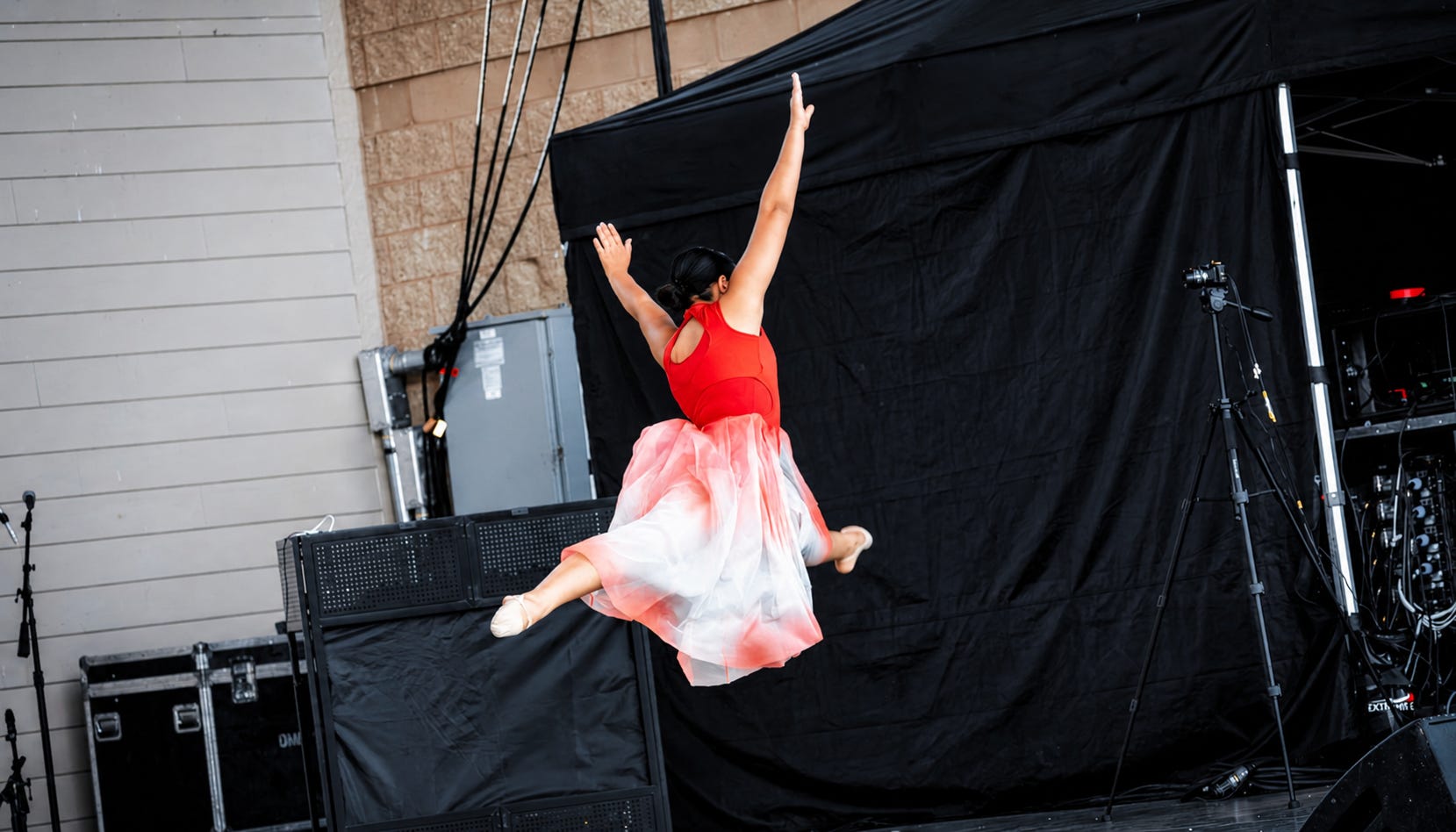
The accompanying piece wasn’t really a conventional song. Instead, spoken word played over instrumental music, addressing the devastating reality of Indigenous women going missing at disproportionately high rates.
It was a stark tonal shift.
Up until that point, the festival had been filled with celebration, laughter, music, dancing, and colorful clothing. Suddenly, the atmosphere became much heavier.
And perhaps that was the point.
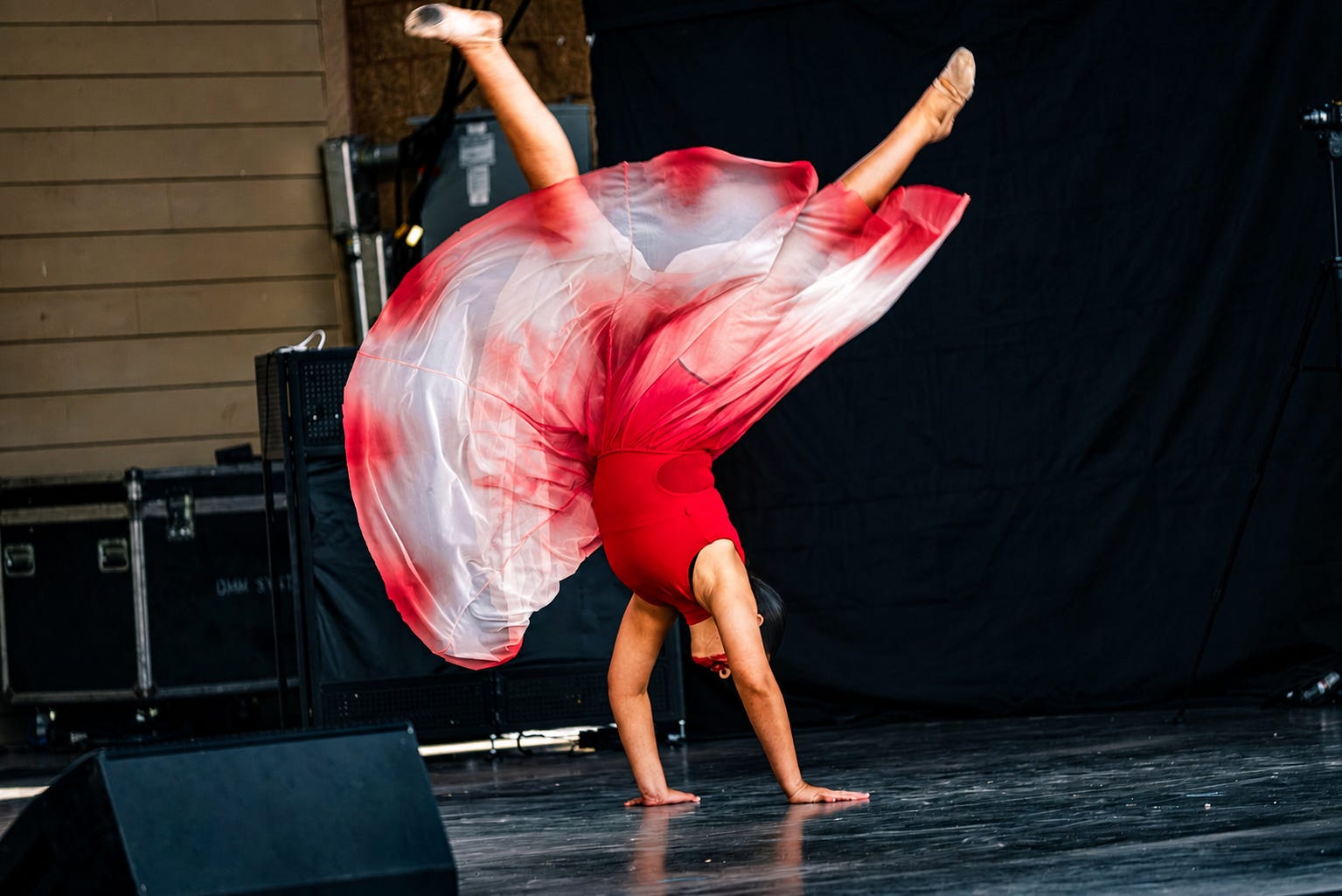
Celebrating a culture doesn’t mean ignoring the pain that exists within its communities. There are still atrocities and injustices that deserve attention, and the festival provided space to acknowledge those realities rather than pretending the celebration existed in a vacuum.
The performance was difficult to watch, but it was also important.
Fashion takes the stage
Music wasn’t the only form of artistic expression getting its moment at The Levitt.
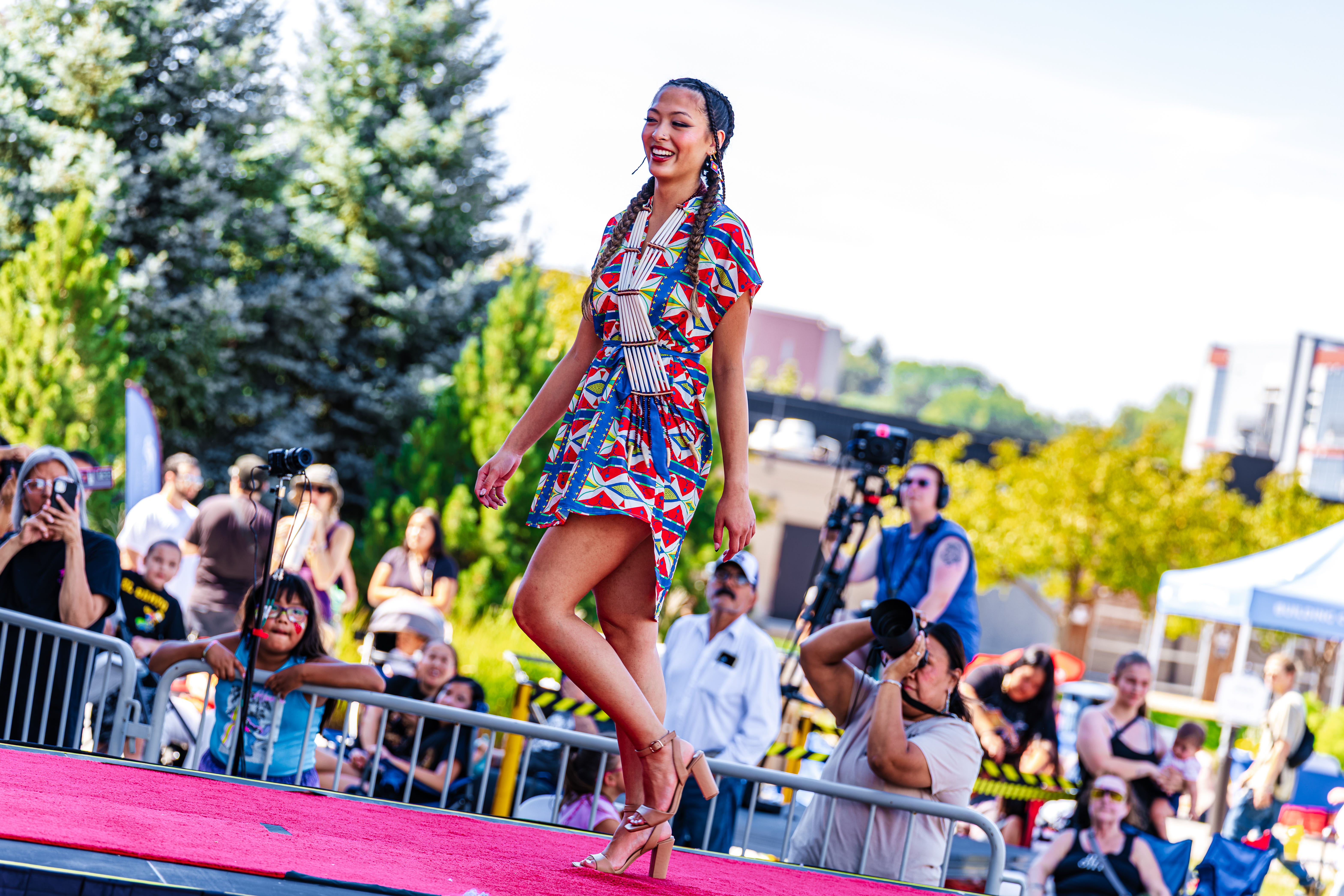
Throughout the day, two fashion shows brought crowds toward the stage as attendees gathered to see the various designs walk the makeshift catwalk.
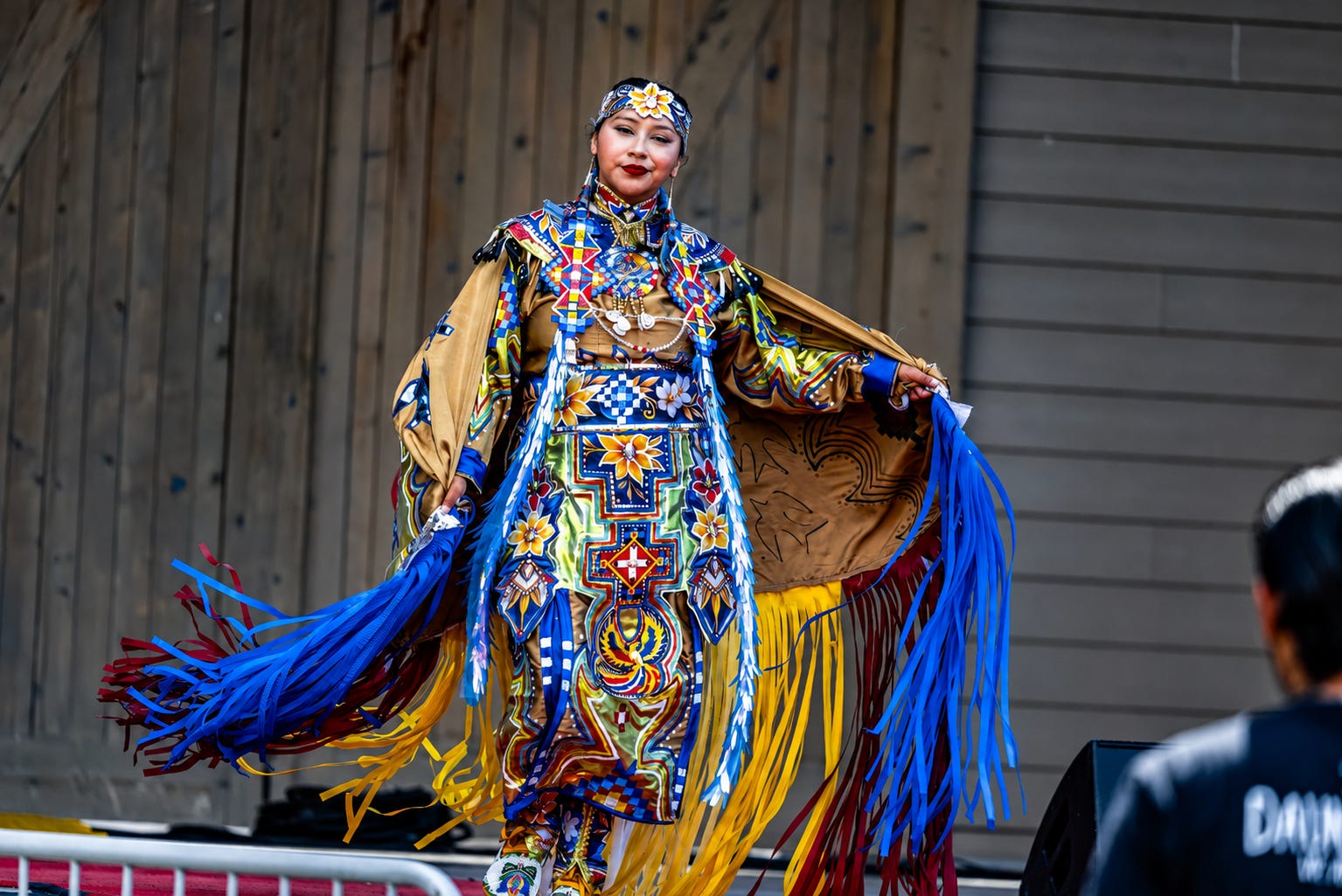
I’ll be honest: these were the first fashion shows I’d ever attended in person.
Seeing the different styles was genuinely fascinating. Each outfit incorporated different elements and details, demonstrating how clothing can become another avenue for cultural expression.
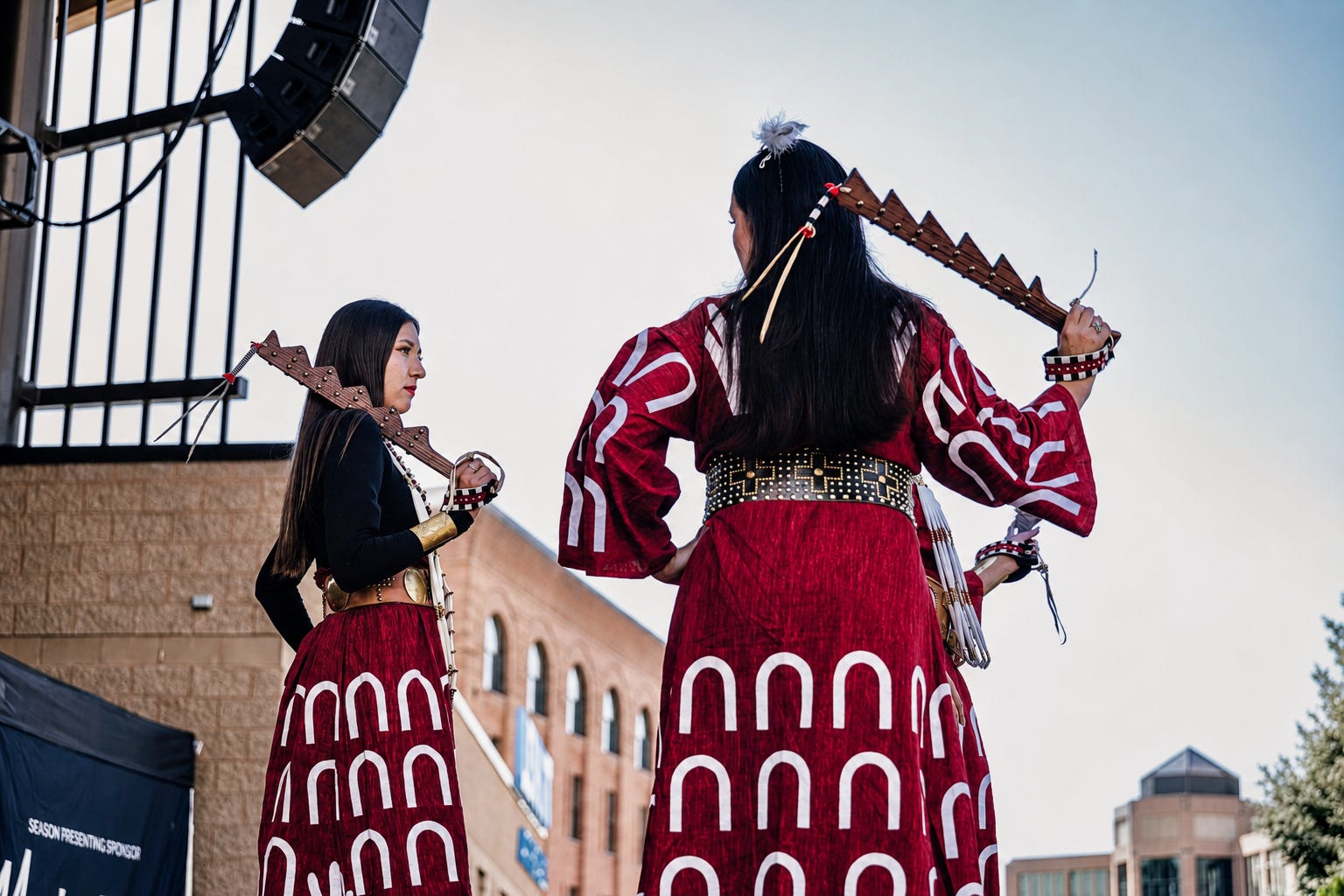
It was also a welcome change of pace from the music and dancing. The festival wasn’t presenting Native American culture through just one artistic medium. Fashion provided another opportunity to showcase creativity, individuality, history, and identity.
The designers represented included S’aic’iya Design, Jackie Bird, JS Wear, Shinin’ Star Style, Inspired By LCR, and Breezy Designs.
Kobe Jordan changes the musical direction
Once the clothing left the stage, the music returned with Kobe Jordan.
Jordan’s no stranger to The Levitt, having been invited to perform on the stage in some capacity for six consecutive years.
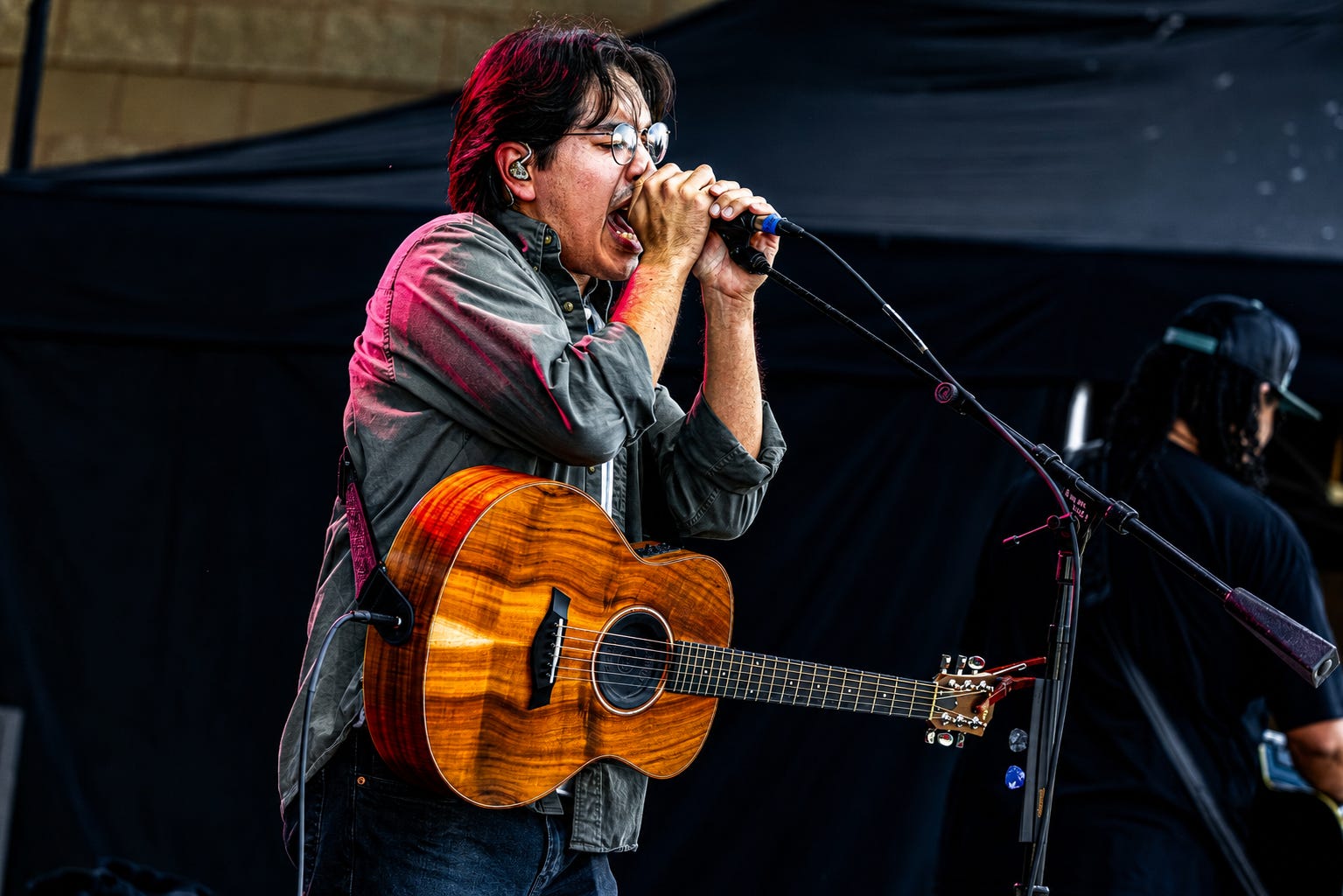
His performance marked an obvious shift in the musical direction of the day.
Where the morning had focused heavily on traditional sounds, Jordan moved toward something much more familiar to a mainstream music audience. His fast paced wordplay over pop inspired instrumentals immediately gave me Jason Mraz vibes.
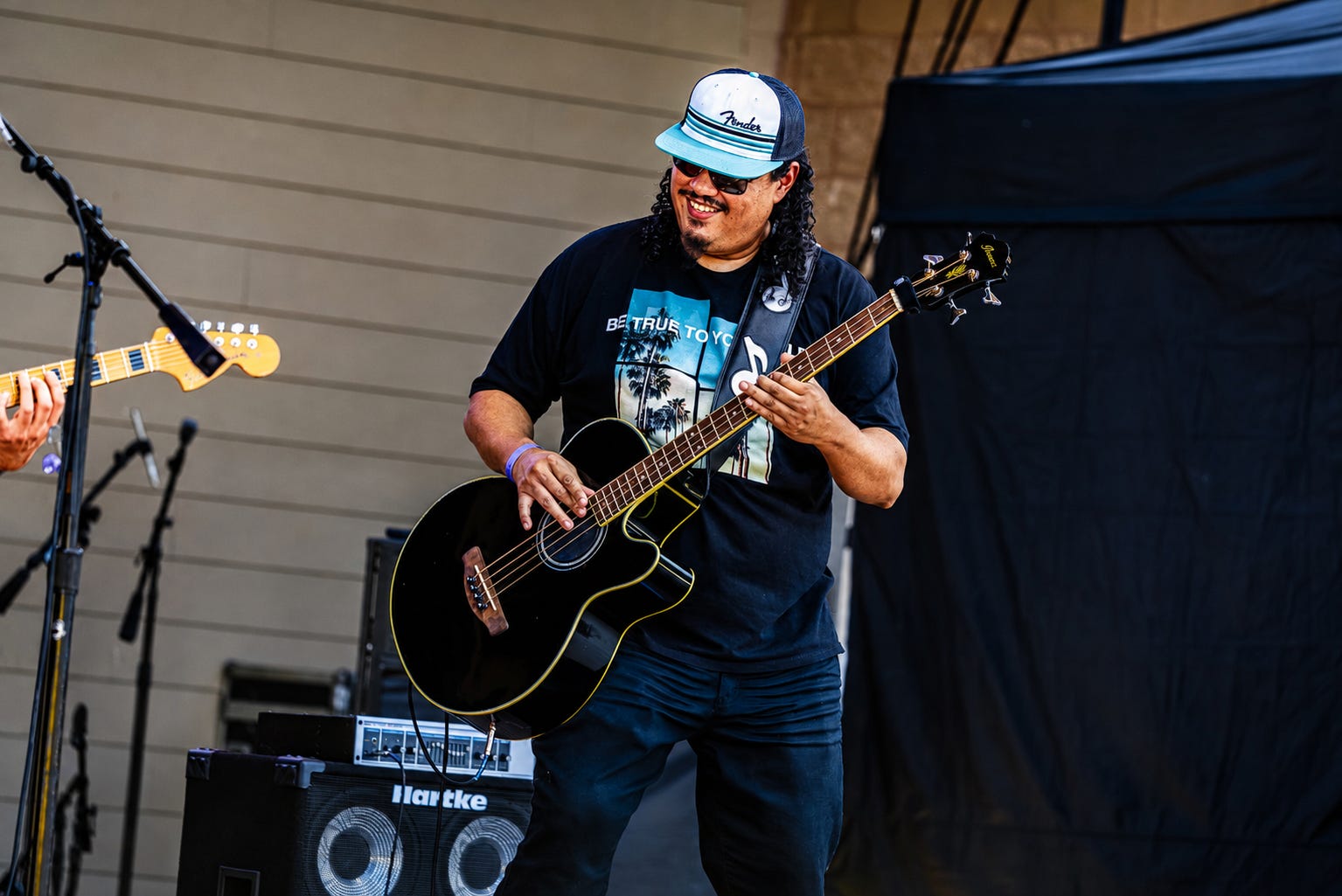
It was an effective transition into the more contemporary sounds that would close out the festival.
The highlight of his set was undoubtedly his mashup of Post Malone and Fleetwood Mac, appropriately titled “Dreams of Circles.”
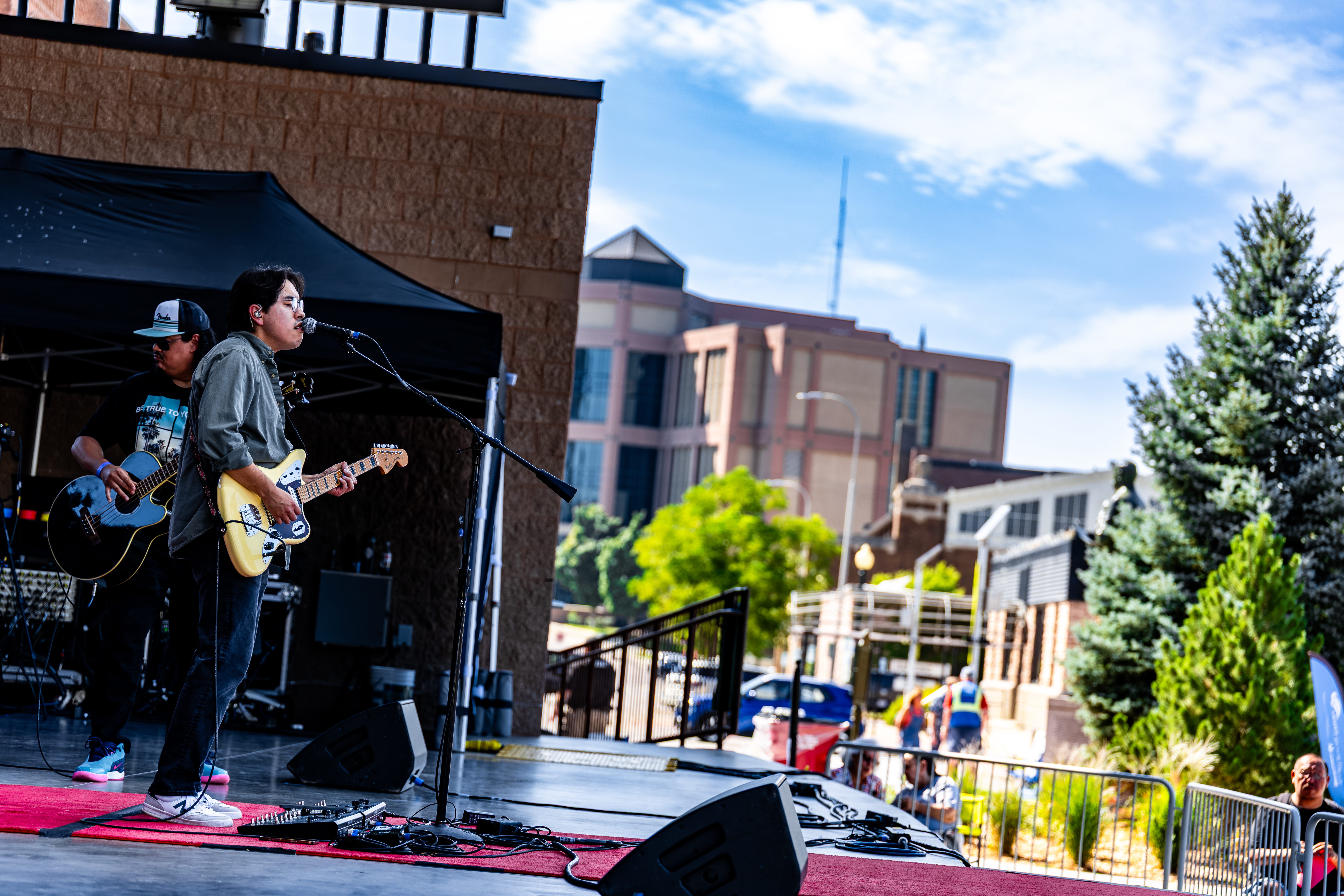
It was the kind of performance that demonstrated how traditional culture and modern musical influences could coexist within the same festival without either one feeling out of place.
A break before the main event
After another fashion show, the festival took a much needed break before the final two performances of the night.
The Levitt needed some time to reset, and frankly, after spending much of the day on my feet, so did I.
The festival itself didn’t completely stop, though.
Across the street, an art show was taking place, providing another opportunity to experience the artistic side of the culture being celebrated.
Unfortunately, I had to prioritize some food and a chance to rest my legs, so I didn’t make it over to the art show myself. From everything I heard afterward, however, the artwork was beautiful.
Before the evening’s main performances began, another surprise arrived.
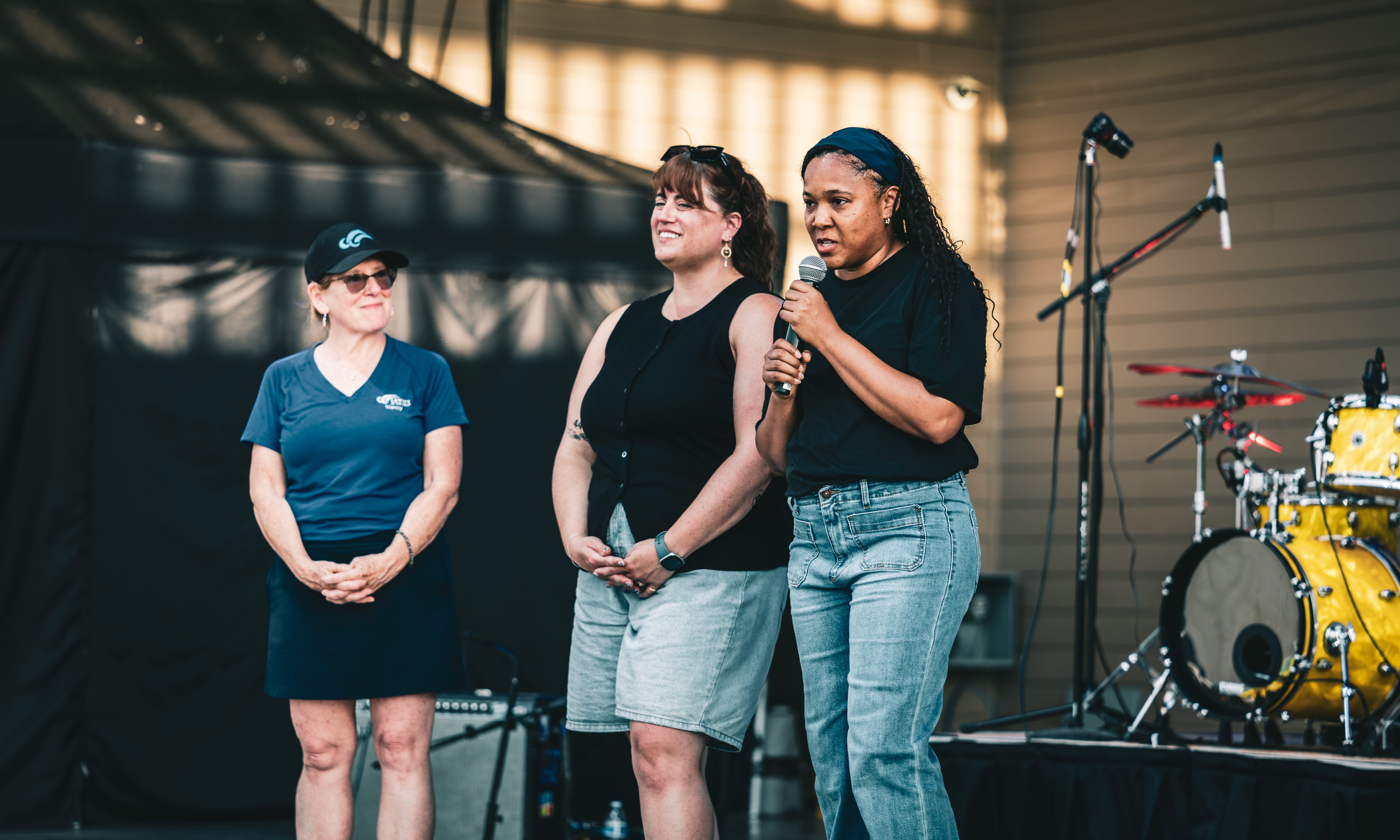
Representatives from the Smithsonian came all the way from Washington, D.C., to speak about the Festival of Festivals and the organization’s sponsorship of the Mitakuye Owas’in Festival.
Yes, that Smithsonian.
Seeing an organization with that level of national recognition involved was another reminder that what was happening at The Levitt wasn’t simply a small local gathering.
This festival had reached far beyond Sioux Falls.
Stella Standingbear Steps Up
You wouldn’t have known it from the crowd reaction, but Stella Standingbear was actually a last minute addition to the festival lineup after Tia Wood was unable to appear as previously announced.
Stella came out swinging.
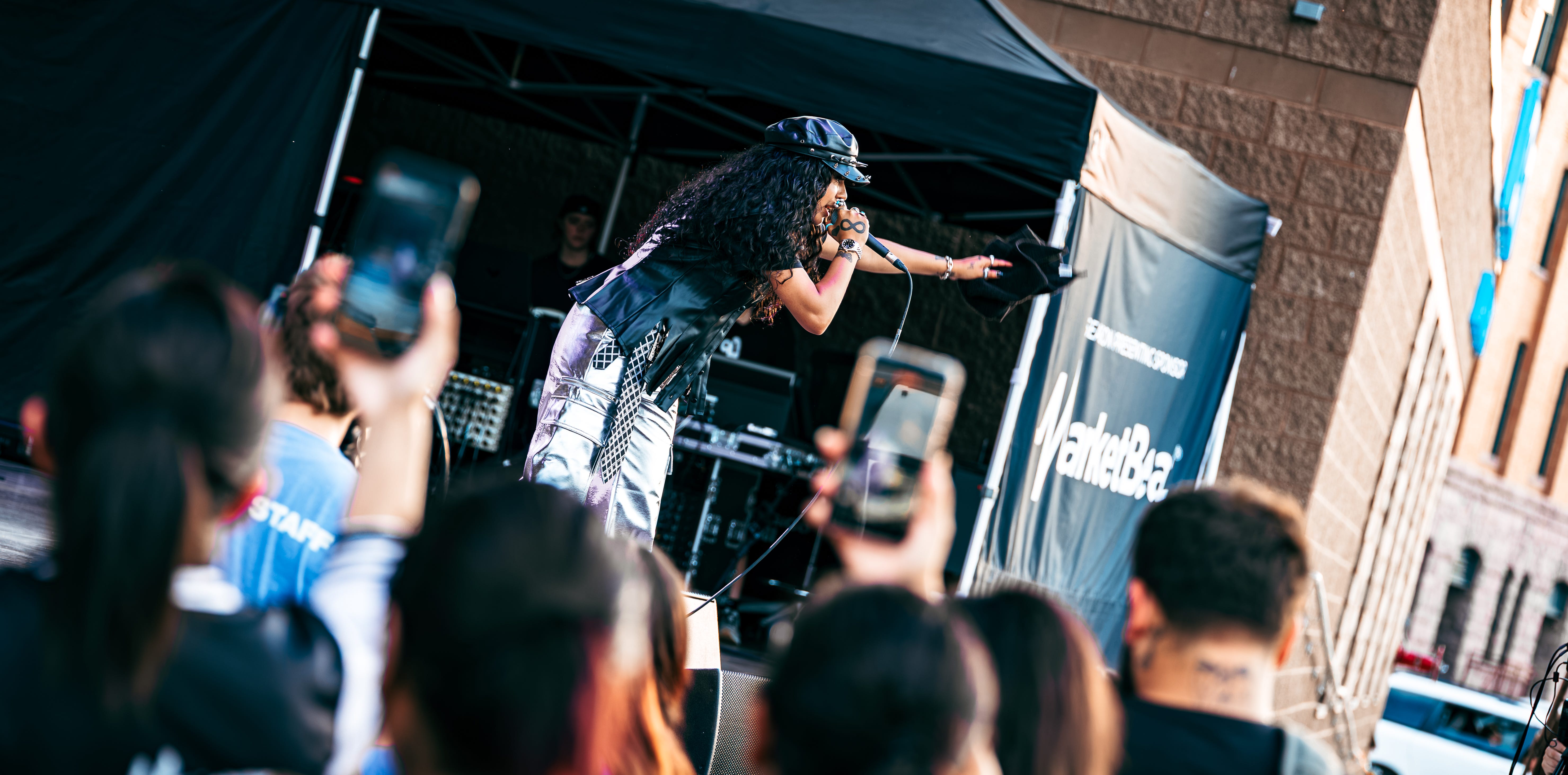
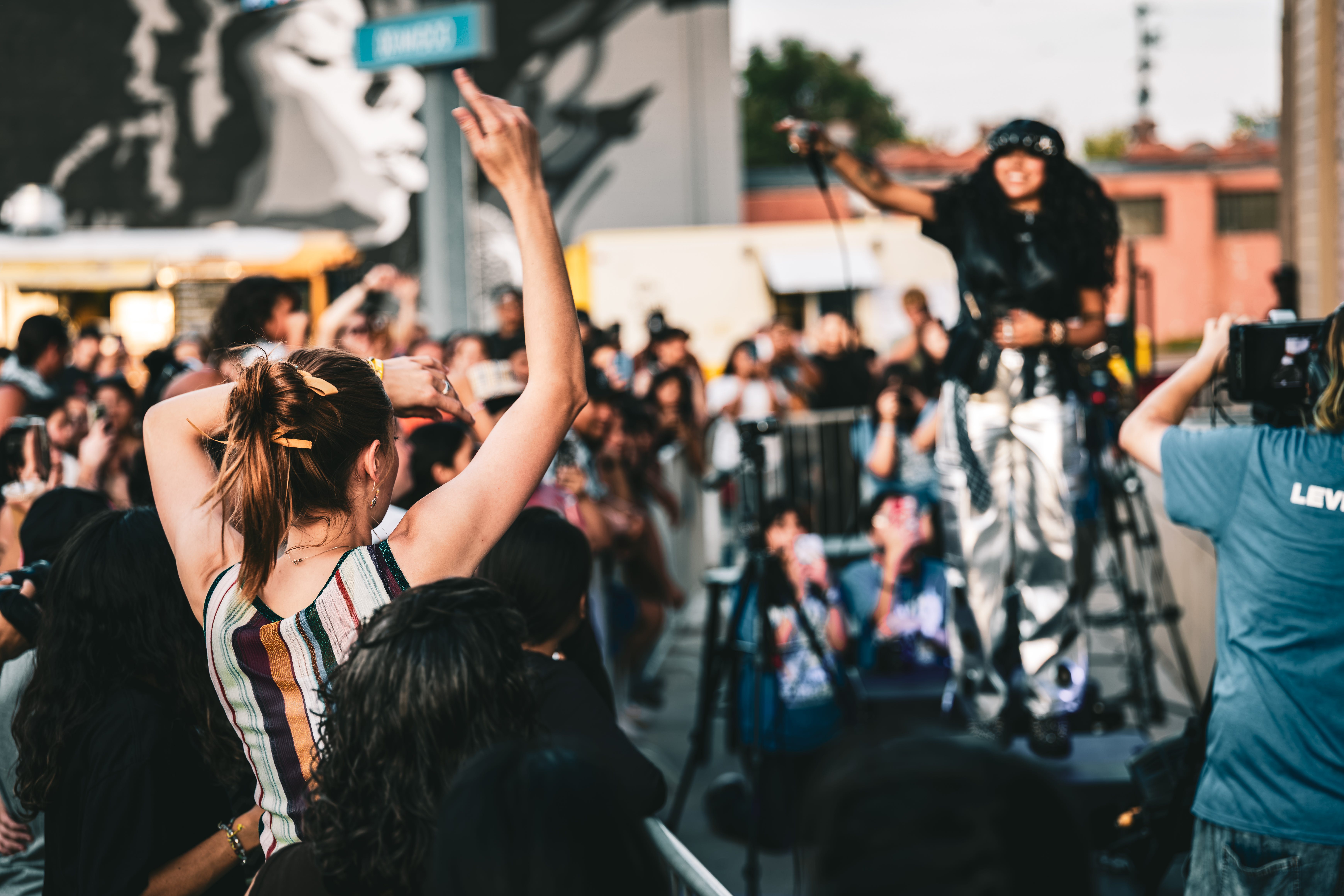
Her R&B and hip hop blend immediately connected with the crowd, and she proved to be a natural performer. She spent much of the set interacting with the audience, at one point climbing onto a speaker to get closer to the crowd.
She also took fans’ phones and used them to give people an onstage perspective of the performance.
One particularly thoughtful moment came when she recorded a video for Tia acknowledging her absence.

Stella understood how to work a crowd, and the audience clearly responded.
My one critique, and judging by the reaction of everyone around me, I was clearly in the minority, was that the performance leaned a little too heavily on backing tracks and autotune. Personally, I would have liked to hear more of Stella’s natural vocals.
But that didn’t seem to matter much to the crowd.
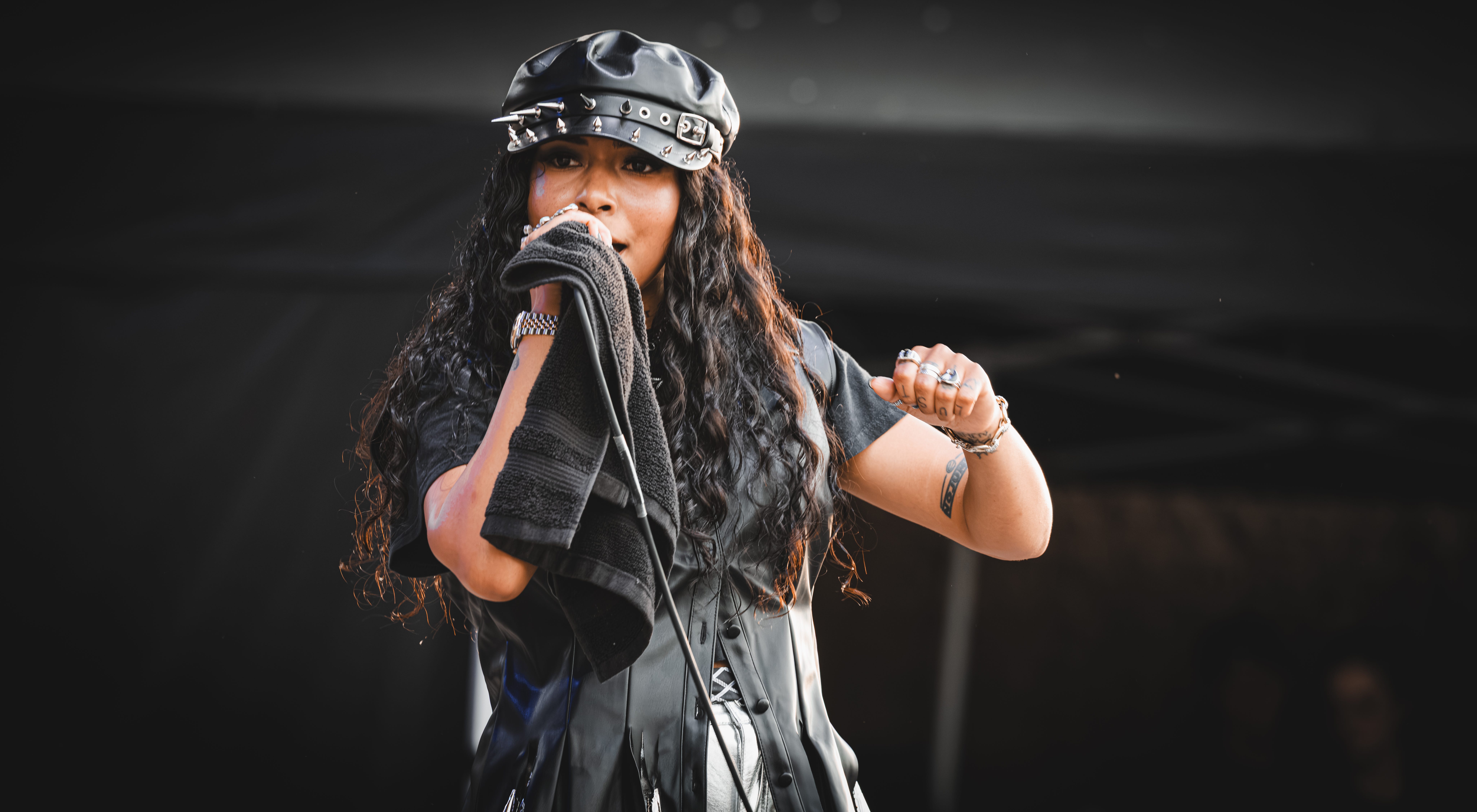
When the performance ended, people immediately lined up for the impromptu meet and greet. The line remained active well into the headliner’s set.
Considering Stella wasn’t even originally scheduled to perform, the response was honestly impressive. Sometimes the unexpected additions end up being exactly what a festival needs.
Mato Wayuhi closes the festival
And then there was one more act.
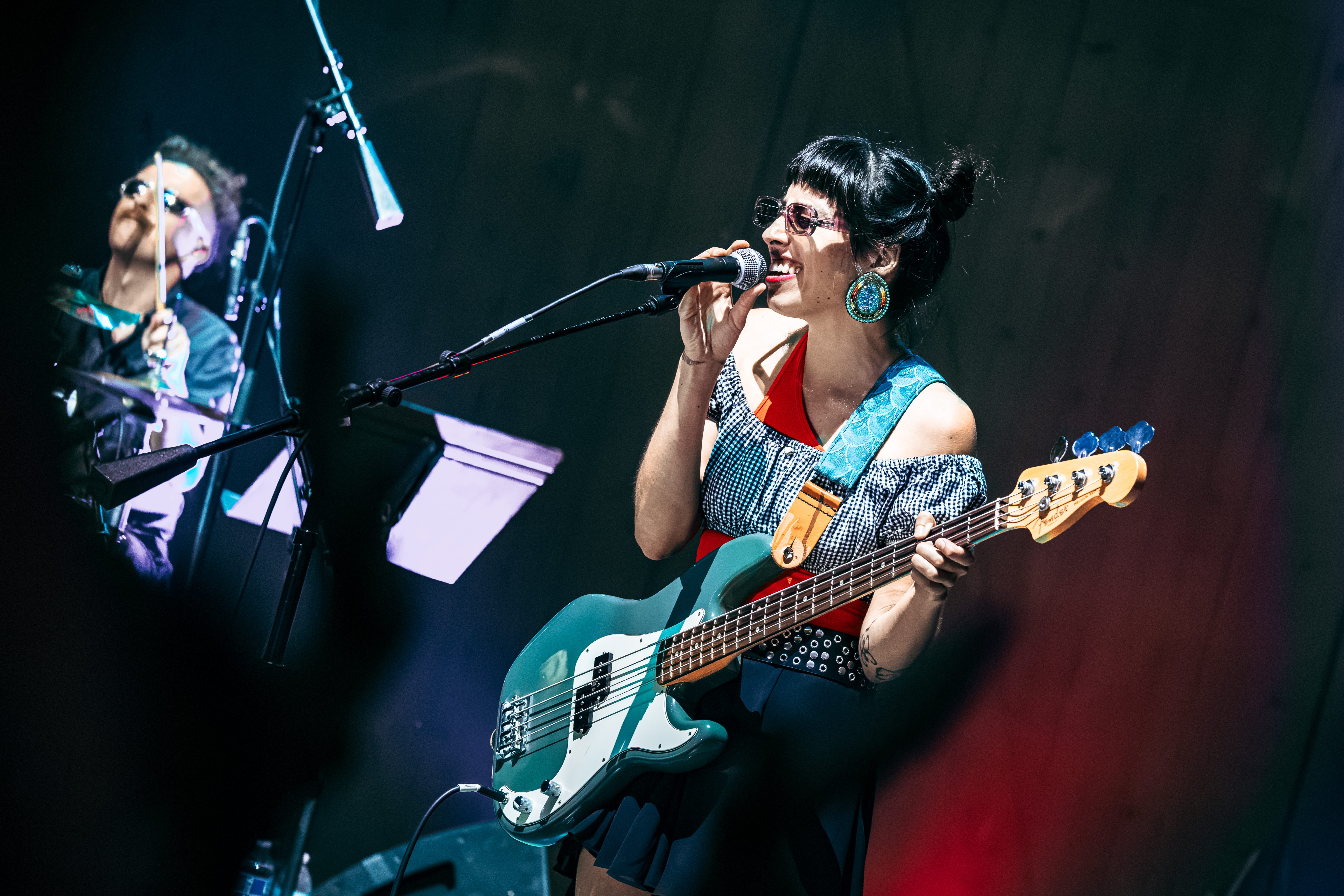
South Dakota native Mato Wayuhi, now an accomplished film and television composer, brought the festival home with a high energy combination of hip hop and alternative pop.
This was exactly the kind of performance I was hoping for.
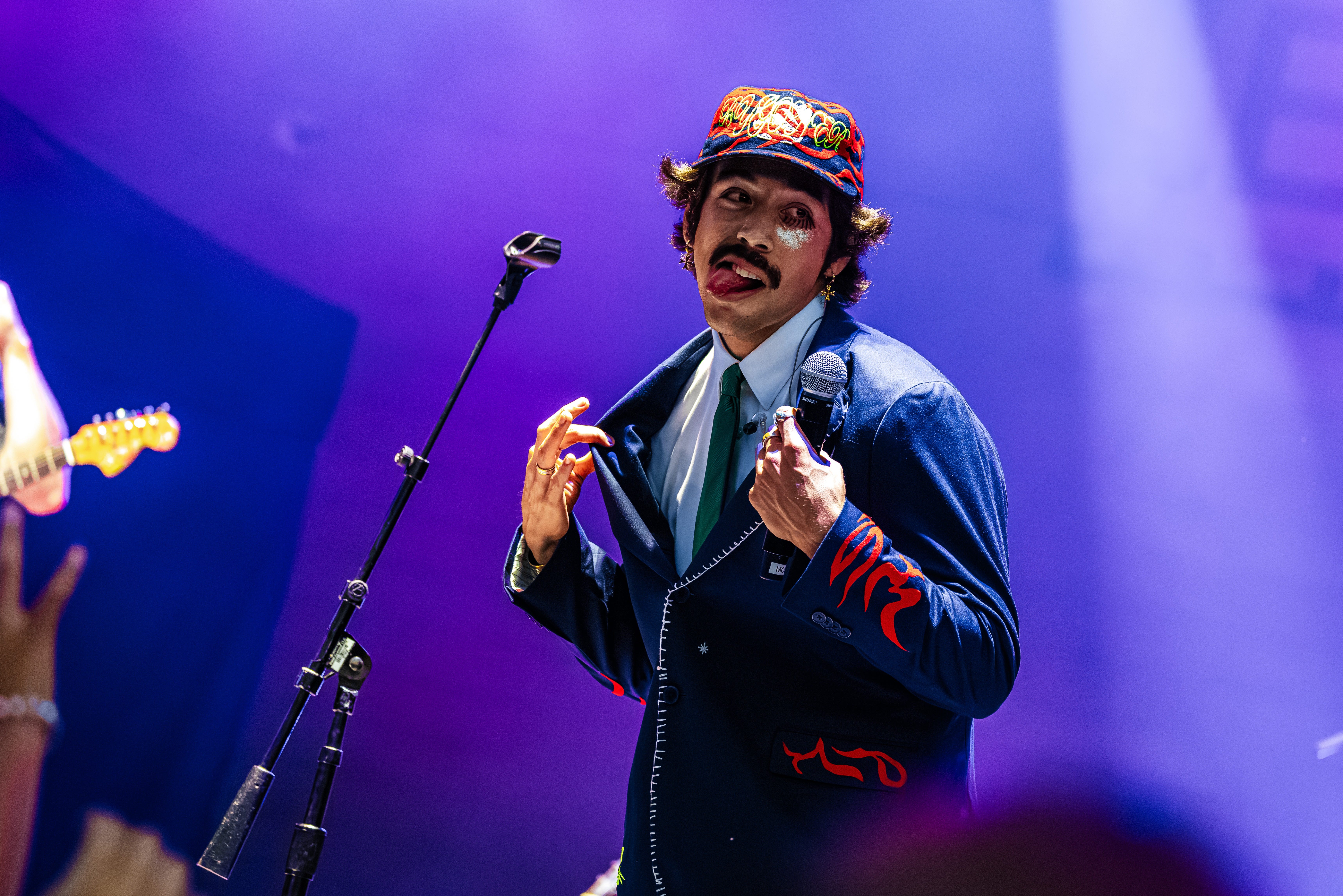
The songs flowed naturally into one another, creating a set that rarely lost momentum. Even when a microphone died in the middle of a song, the energy never disappeared.
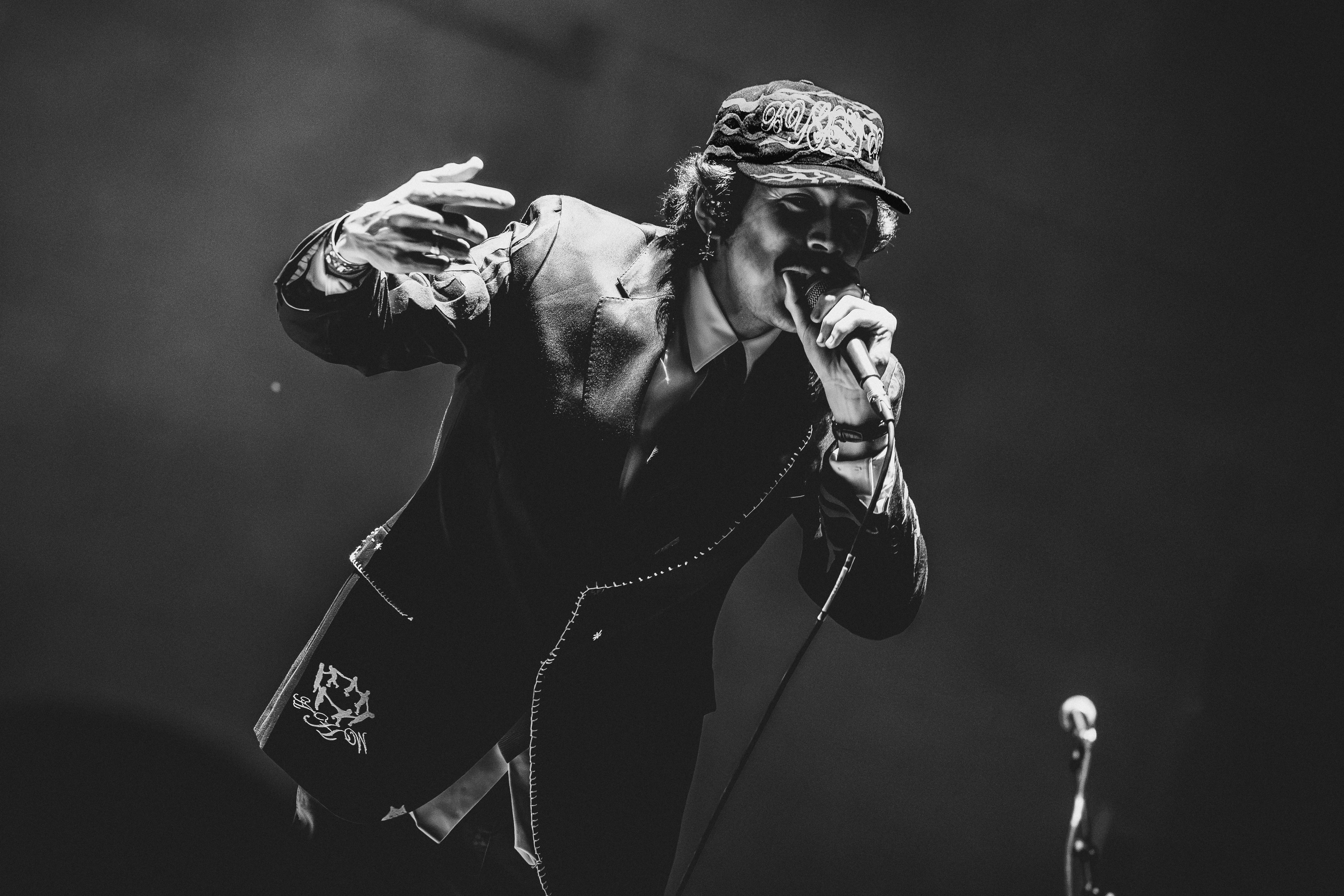
From a photography standpoint, Wayuhi was also a dream subject.
I absolutely love photographing artists who put some thought into their visual presentation and don’t simply stand in one spot for an entire performance. Mato checked both boxes.
His outfit immediately caught my attention, especially the flashy hat that popped under the stage lights. More importantly, he was constantly moving.
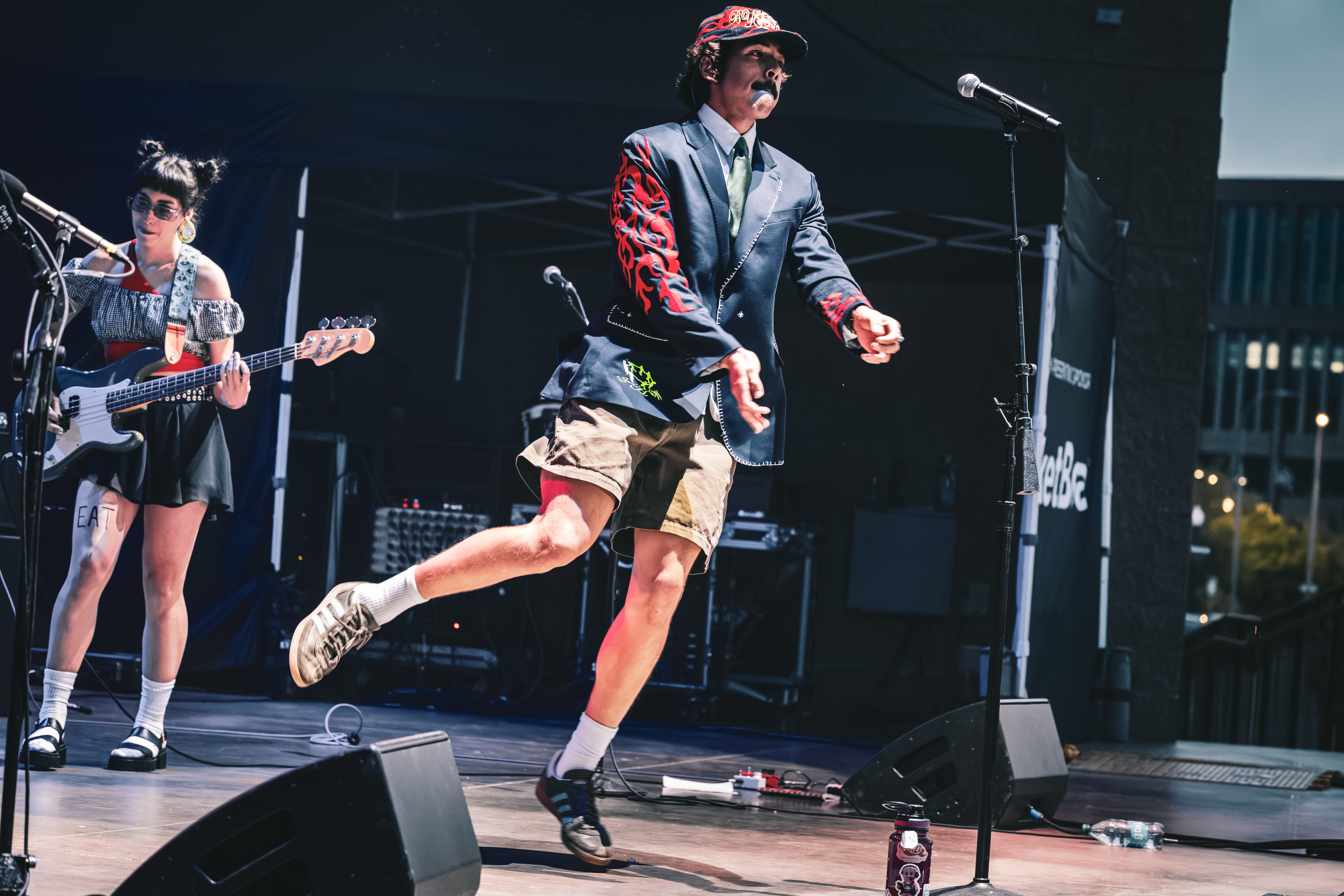
That combination of visual style and physical energy makes for an incredibly engaging live performance, both for the audience and for someone standing in a photo pit trying to capture the moment.
It was an ideal way to close out the day.
Afterglow
When I arrived at The Levitt that morning, I knew very little about what I was about to experience.
By the time I left, I had spent an entire day watching generations of performers share their culture through music, dance, fashion, art, storytelling, and community.
And that’s ultimately what made the Mitakuye Owas’in Festival stand out.
It wasn’t simply a collection of musical performances.
It was a celebration of culture.
It was an opportunity for education.
It was a place for difficult conversations.
It was a showcase of artistic expression.
And perhaps most importantly, it was an invitation for people who may not share the same cultural background to come together and experience something they might otherwise never encounter.
I’m honored that The Levitt trusted me to cover this event, especially given how unfamiliar I was with the culture going into it.
Sometimes the best experiences are the ones where you show up knowing very little and leave having learned something.
I’m already looking forward to seeing what the fifth annual Mitakuye Owas’in Festival brings to Sioux Falls in 2027.
Please consider Donating to Sponsor an article even $1 helps!

Beautifully written! I wish I could've made it!