



Six blocks and thirty minutes
If there is one universal truth about seeing a show at Wooly’s, it is knowing the parking situation may demand nearly as much endurance as the concert.
Igor spent a solid 30 minutes circling the surrounding blocks, watching available spaces disappear with the ruthless timing of someone shutting off a guitar solo halfway through its final bend. Luck eventually opened a spot six blocks away. From there, patience gave way to a frantic trek through Des Moines’ East Village with the clock ticking and the beginning of the show drawing closer.
We slipped through the doors just in time for the lights to go down.
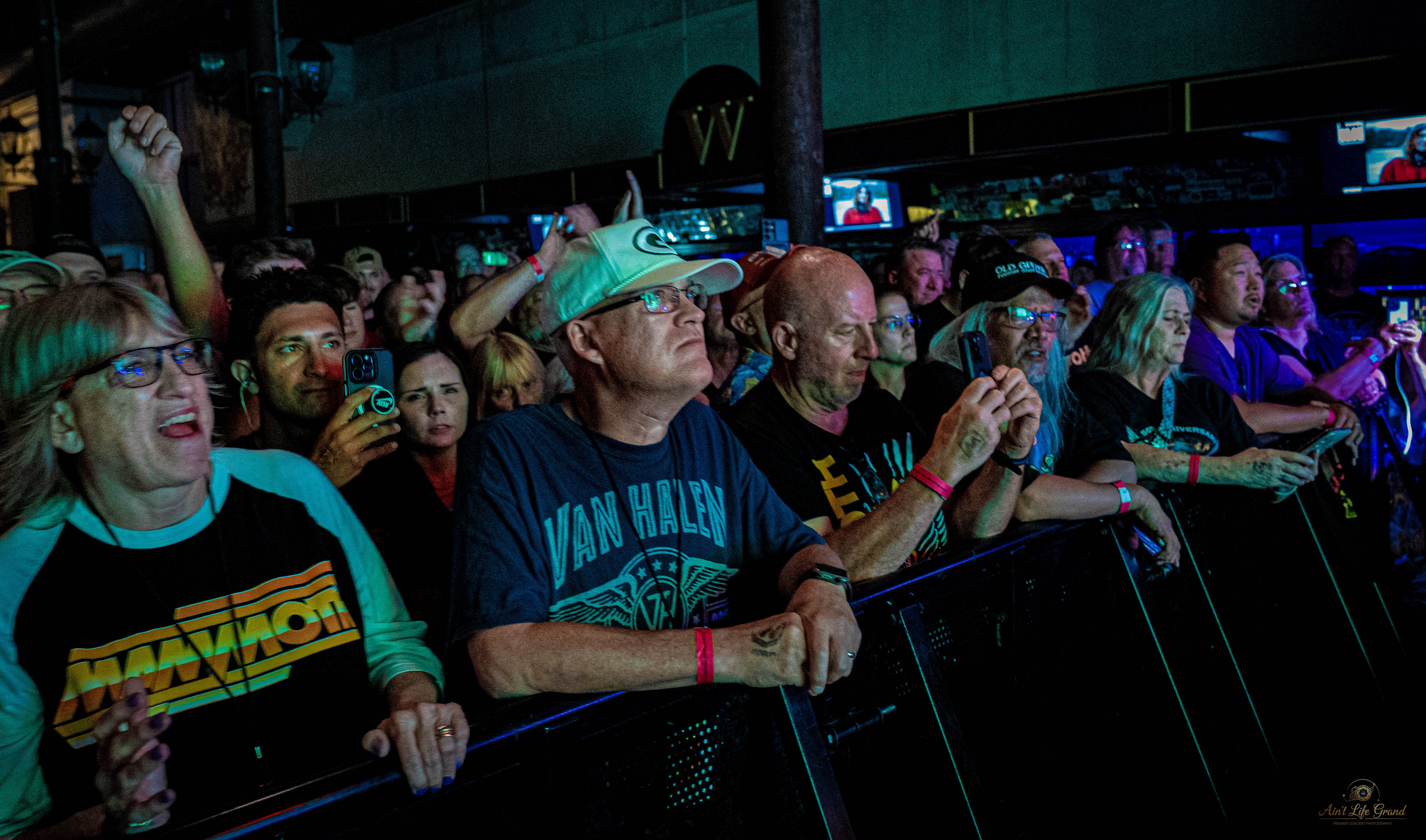
The aggravation faded quickly once we were inside. Wooly’s was packed with familiar faces, close friends and a strong turnout from Des Moines’ local music community. Musicians, photographers, writers and regular concertgoers filled the room until the evening began to feel less like another touring stop and more like a homecoming.
Every local scene has places where its paths cross. Wooly’s is one of those places for Des Moines. Since opening its doors in 2012, the venue has become a dependable landing point for national touring acts while remaining closely connected to the musicians and fans who keep Iowa’s rock scene moving between those larger visits. On July 16, both worlds met beneath the same roof.
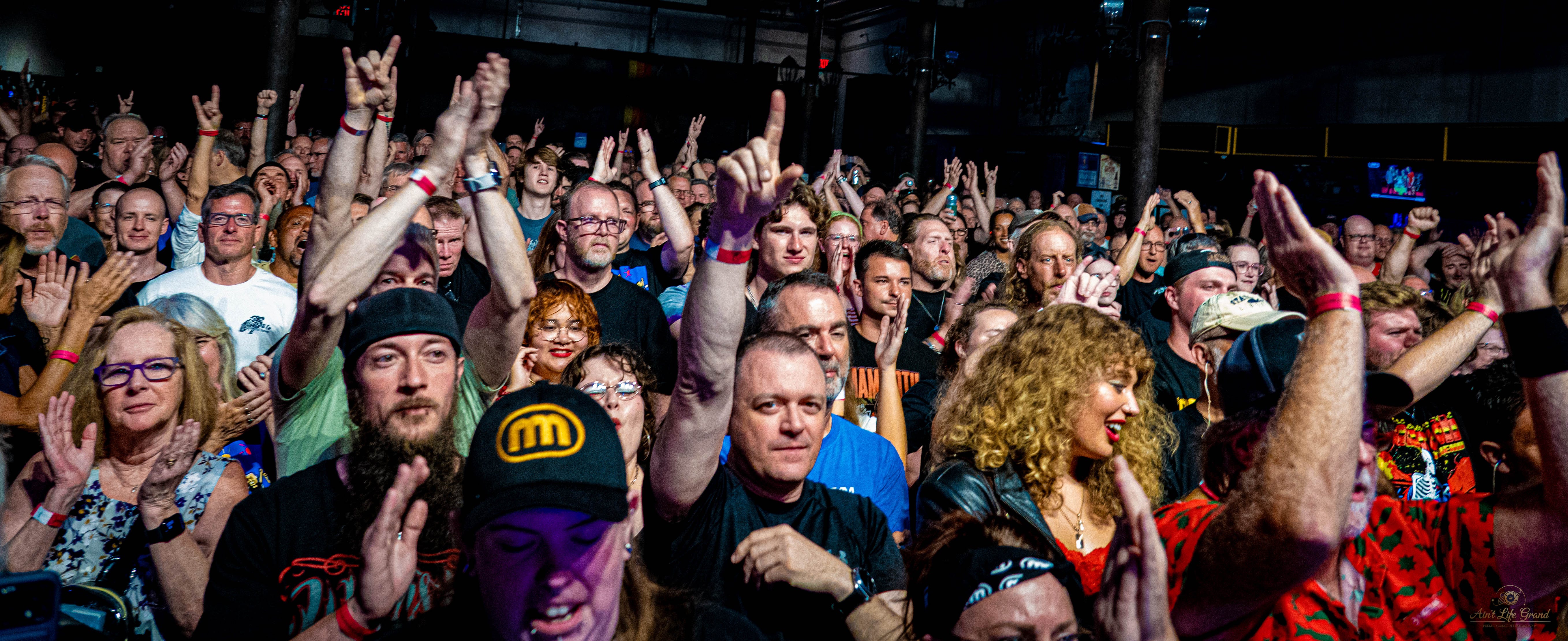
People had come to see Wolfgang Van Halen and Mammoth, of course, but the conversations moving across the room told another story too. Friends were spotting friends. Musicians were catching up with musicians. Photographers were finding familiar shoulders in a crowded pit. The concert had already become a community gathering before the headliner played a note.

Gallivant finds the groove
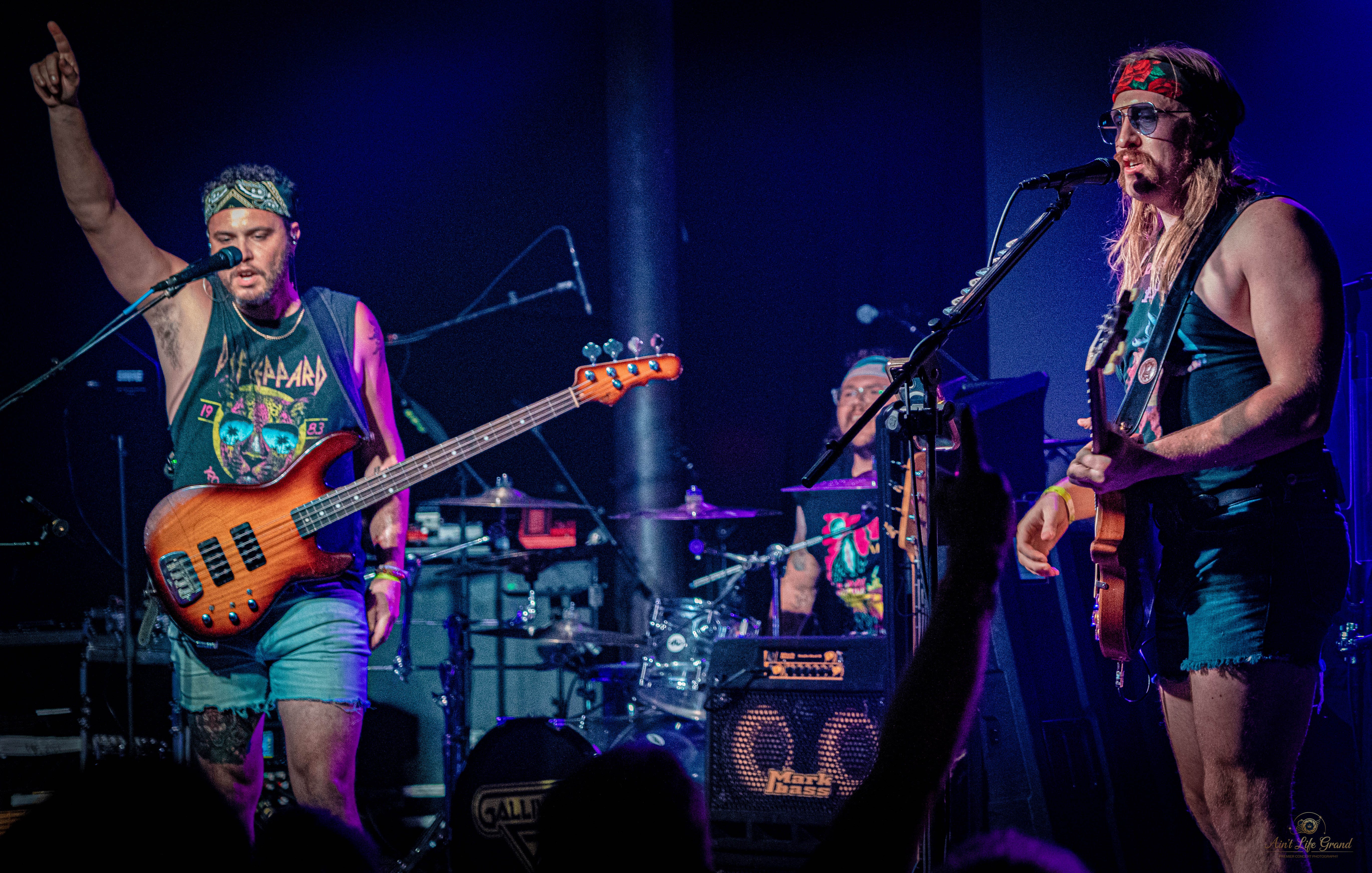
Gallivant opened the evening with the confidence of a band accustomed to winning over rooms one riff at a time.
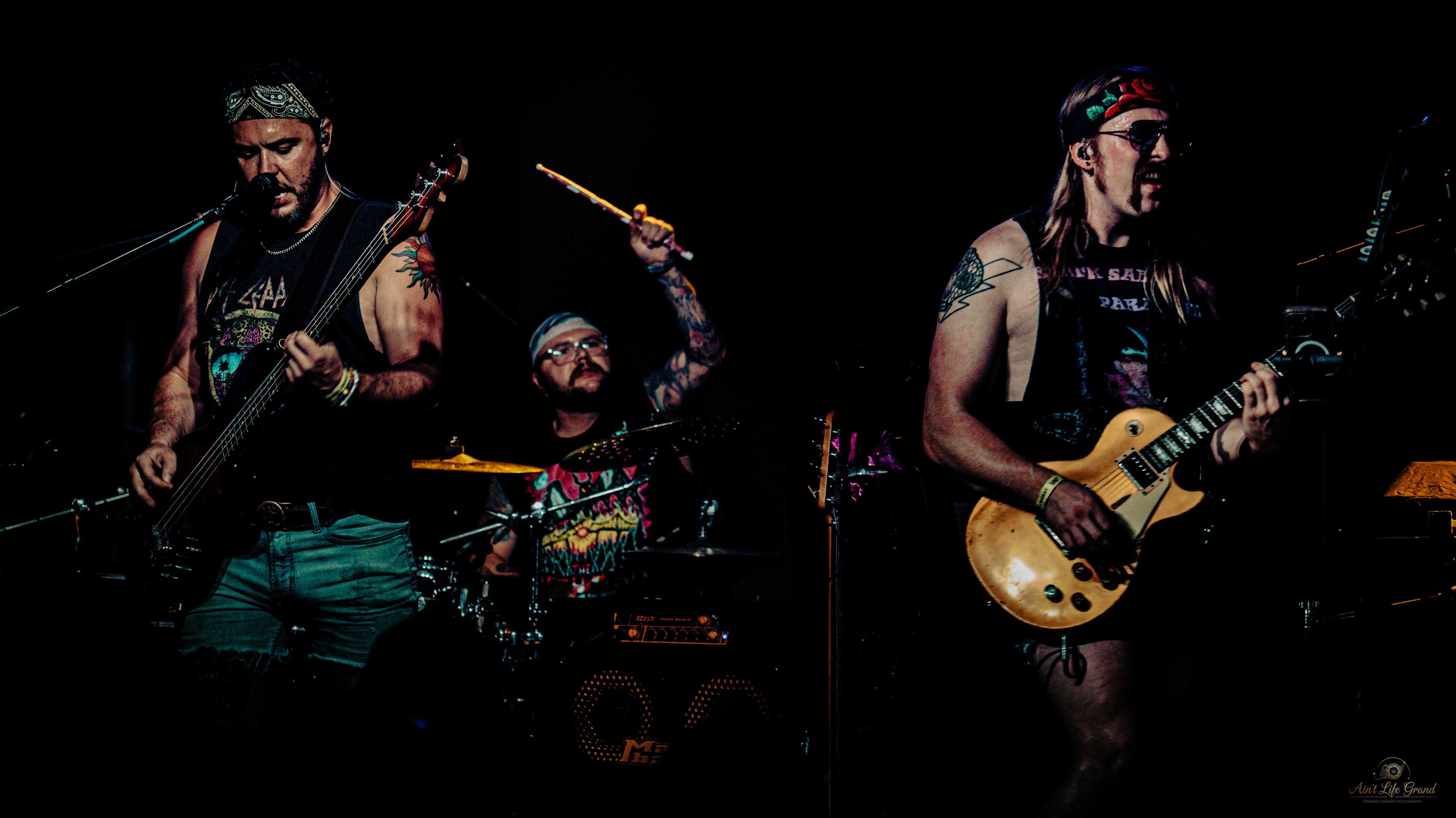
The Omaha three-piece describes its sound as riff-based groove rock, and the phrase fits. Their performance carried the looseness of a party band without sacrificing the muscle needed to prepare a packed rock crowd for Mammoth. A high-energy medley mashup pushed the room forward before the band capped the sequence with a stellar nod to the Scorpions.
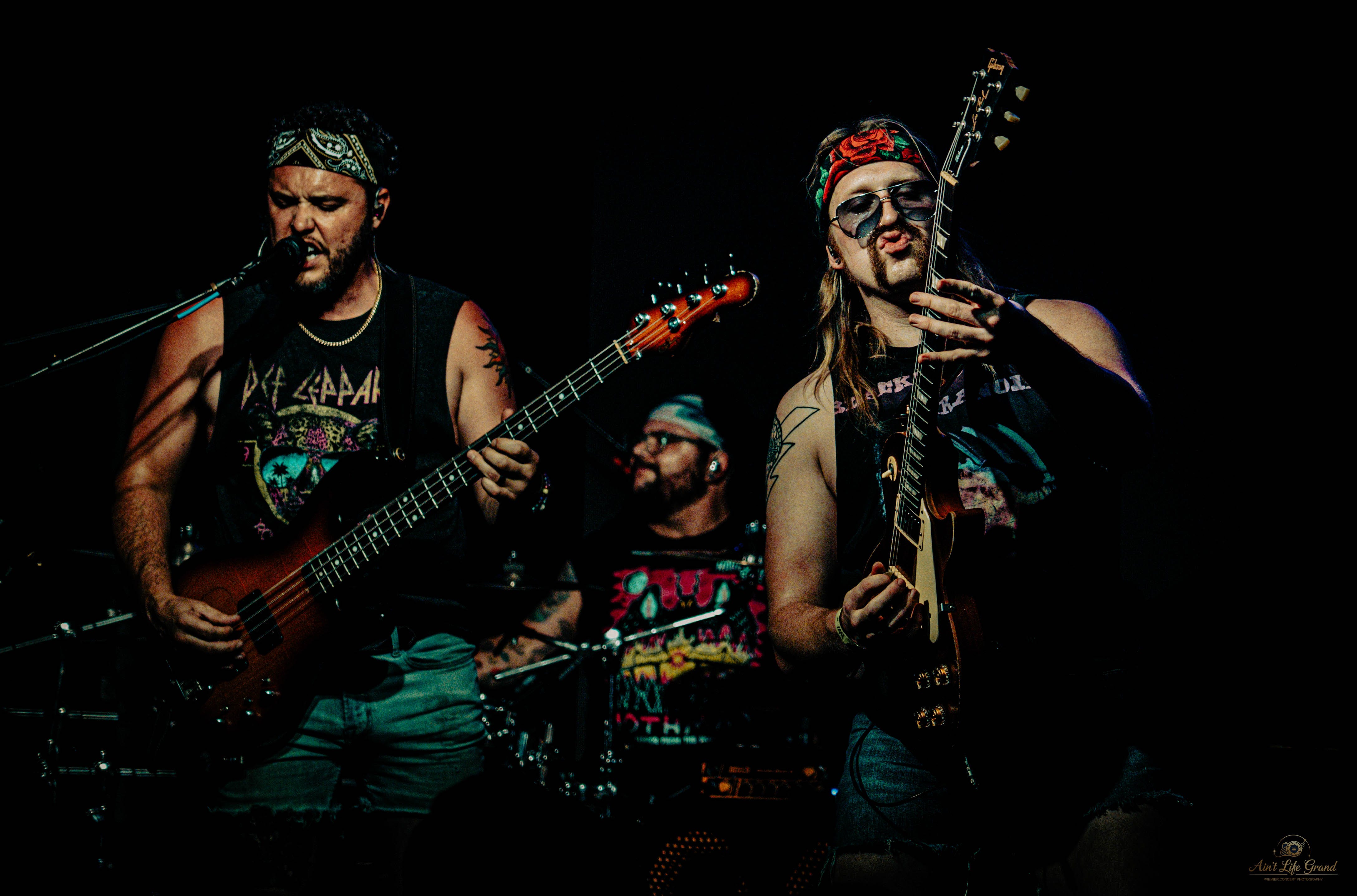
Medleys can become little more than jukebox tricks in the wrong hands. Gallivant approached theirs as a conversation with the crowd. Familiar fragments arrived quickly, giving listeners an immediate way into the performance while the band’s own personality held the pieces together.
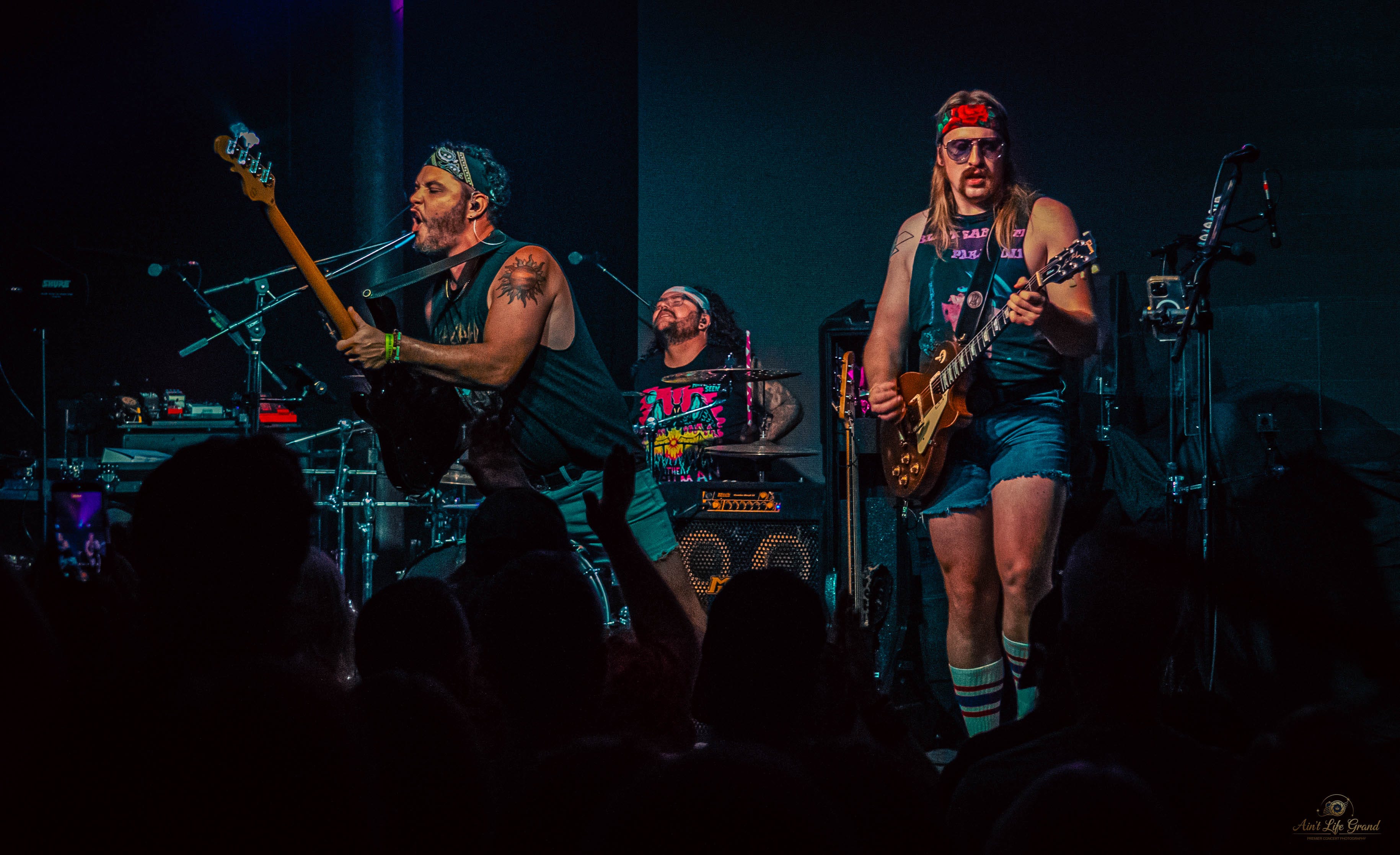
The frontman stood at the center of it all. He did not need inflated bravado, drawn-out speeches or any of the other habits occasionally mistaken for stage presence. His command came from charisma and timing. He knew when to pull the crowd closer, when to let the groove breathe and when to hand the moment back to the musicians beside him.
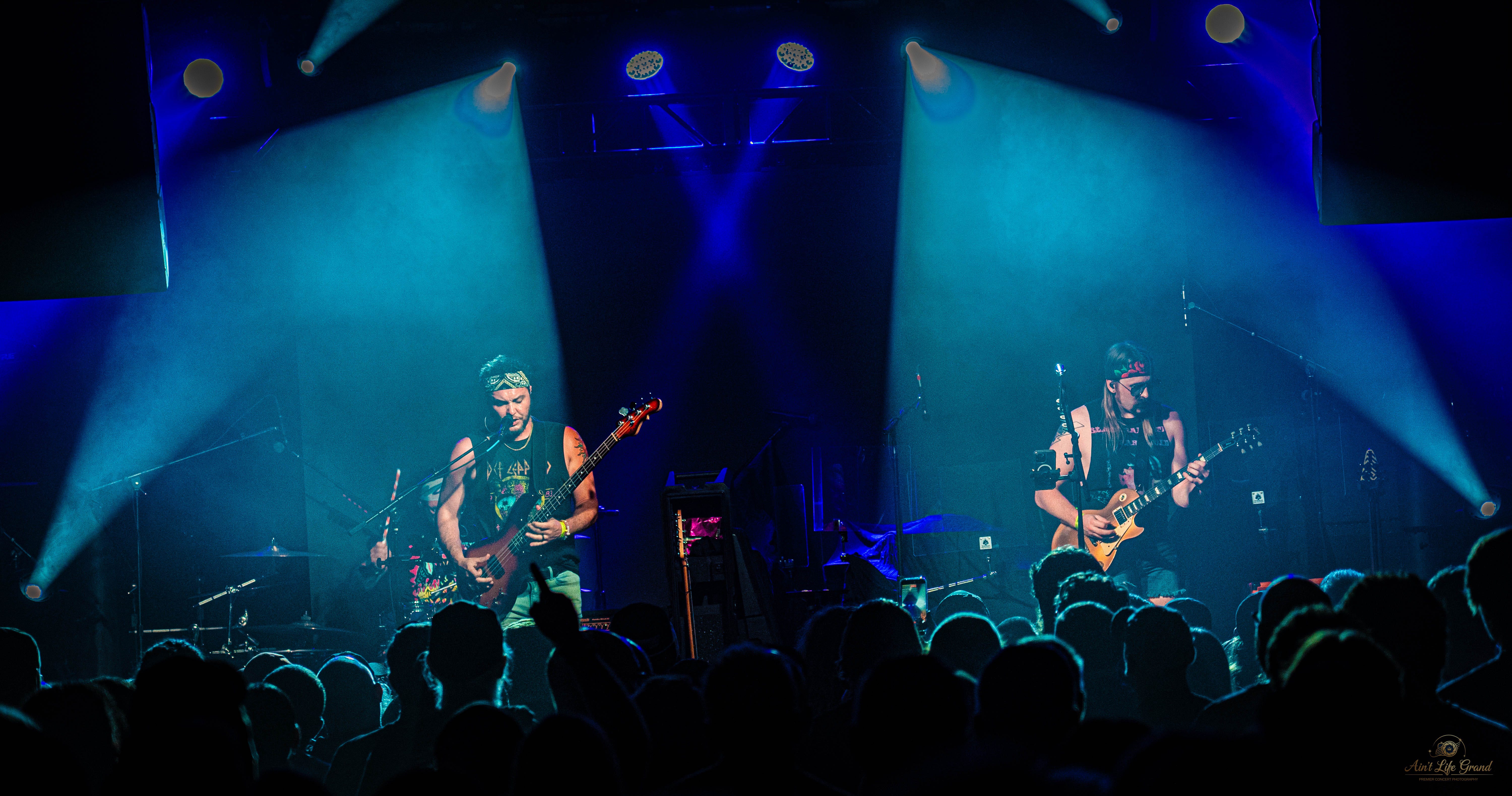
Rock frontmen often face a simple choice. They can perform at an audience or bring the audience into the performance. Gallivant chose the latter. By the end of the set, the distance between the stage and the floor had nearly disappeared.
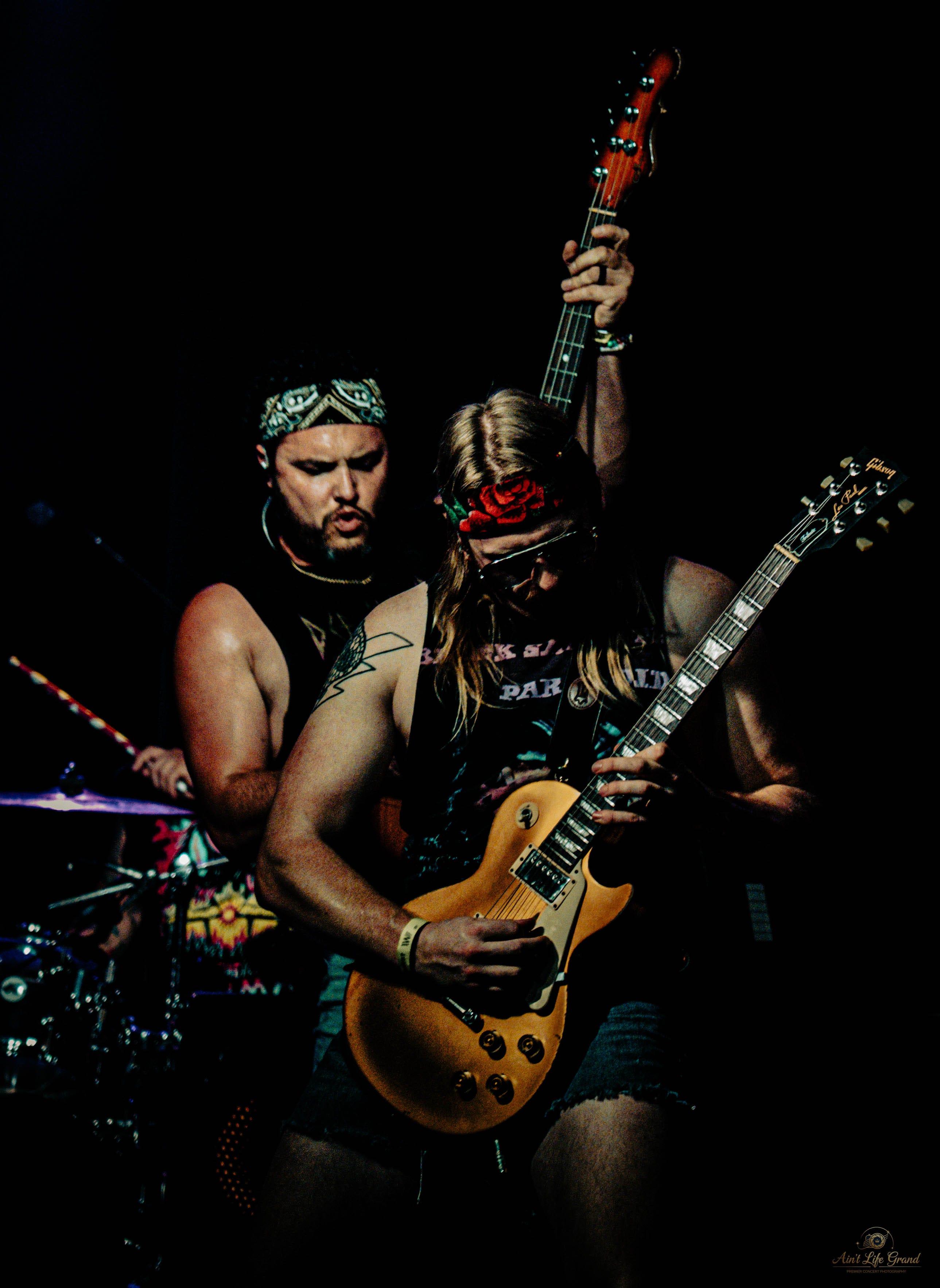
It was an intelligent opening performance because it understood its role without shrinking beneath it. Gallivant warmed the room, established the evening’s humor and delivered enough personality to leave its own mark. They did not imitate the headliner’s scale. They built their own momentum and handed Mammoth a crowd ready to move.
Please consider Donating to Sponsor an article even $1 helps!

A heartbeat in the dark
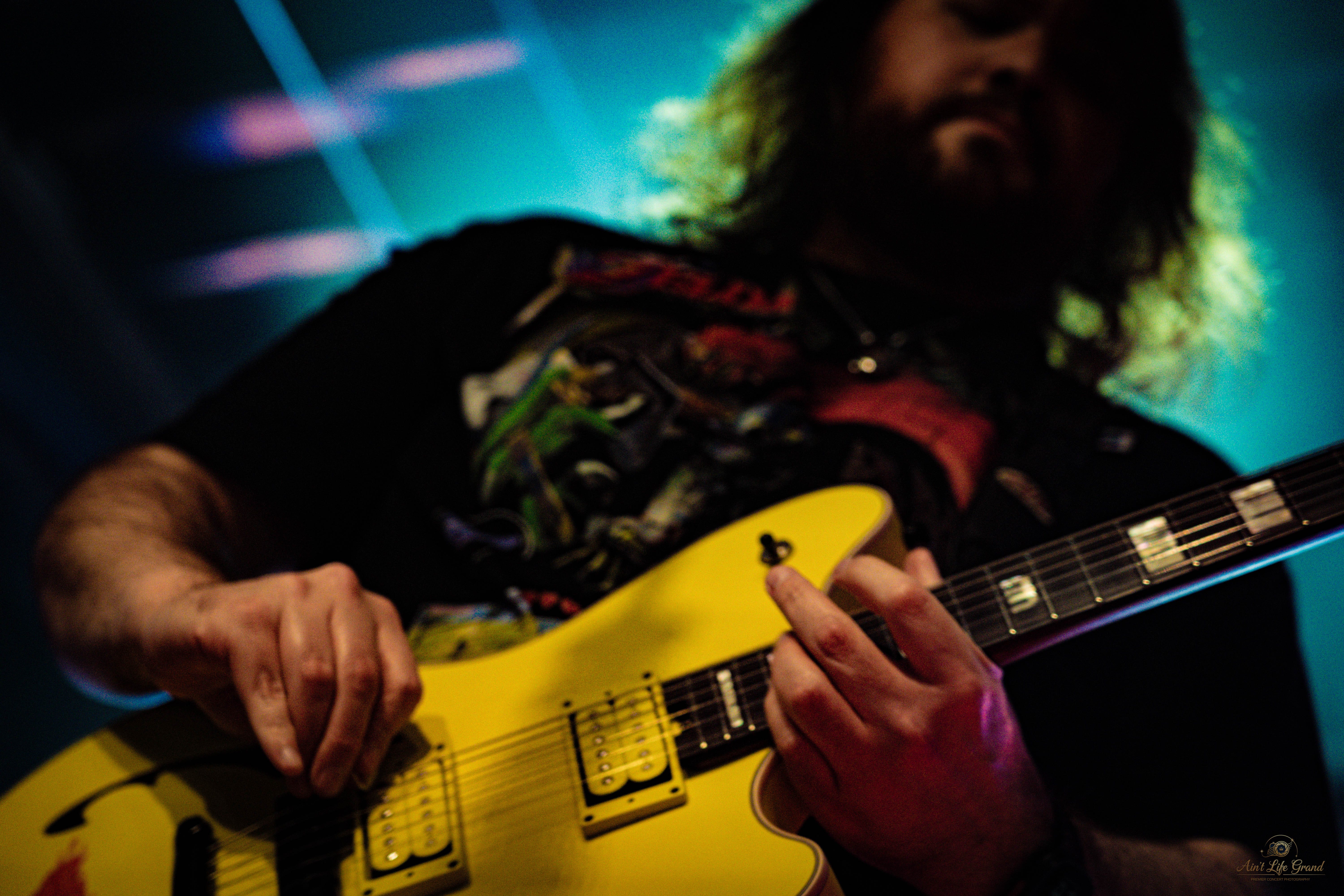
Mammoth ran only a few minutes behind schedule before taking the stage at 8:05 p.m.
The room fell into complete darkness. A heavy heartbeat began pulsing through the sound system, low enough to feel in the floorboards before it fully registered in the ears. Each beat tightened the anticipation until the band emerged and Wooly’s erupted.
Flashing lights cut through the room as pillars of digital flame climbed across the video wall. No actual fire was needed. The graphics, darkness and physical force of the opening rhythm made the stage appear wider than the building had any right to hold.
Once known as Mammoth WVH, Mammoth now carries a shorter name into the era surrounding its third album, The End. The initials may be gone, but the scope has only grown. In Wooly’s, the band delivered the kind of production and sound normally expected several rungs higher on the venue-capacity ladder.
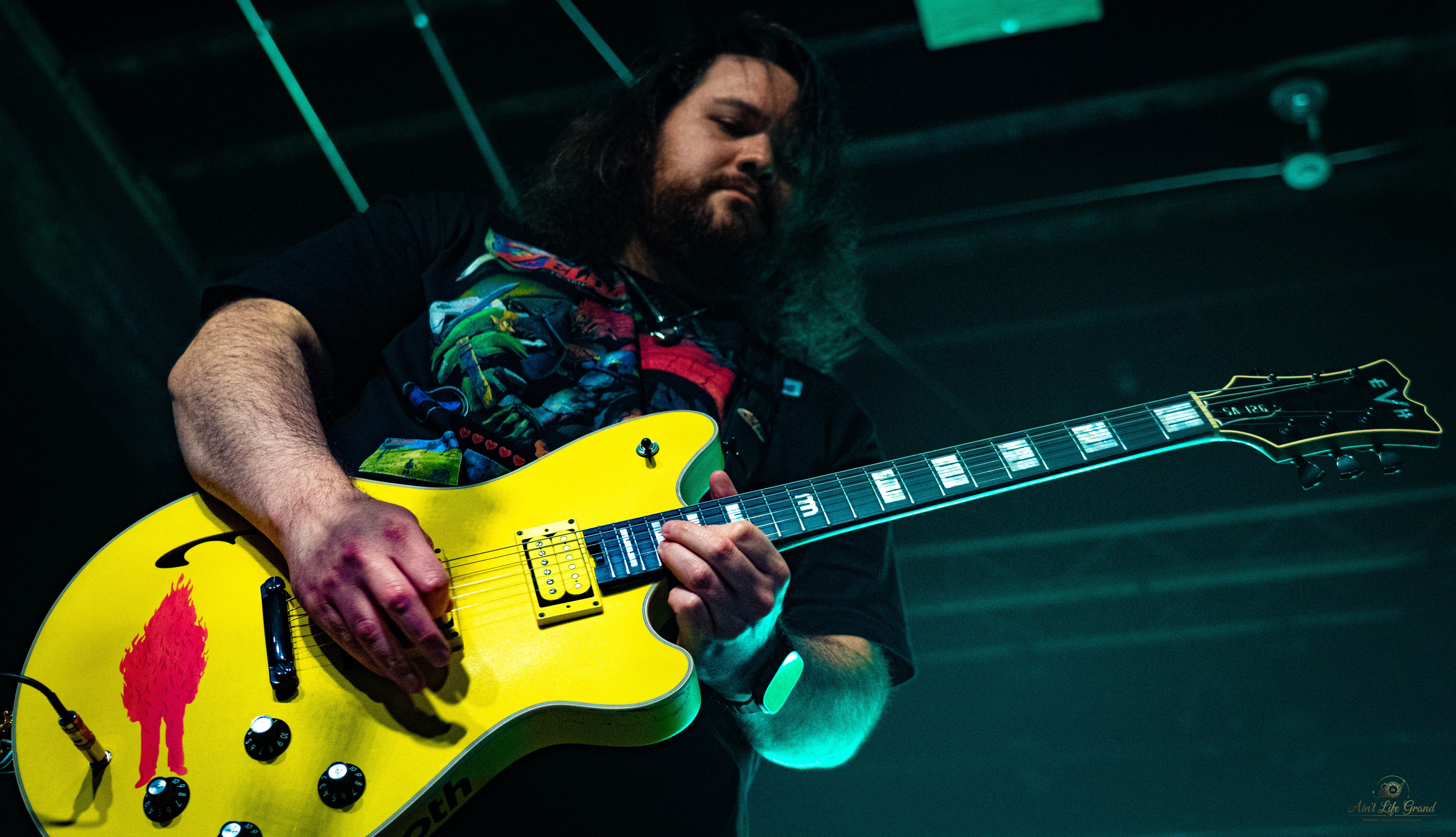
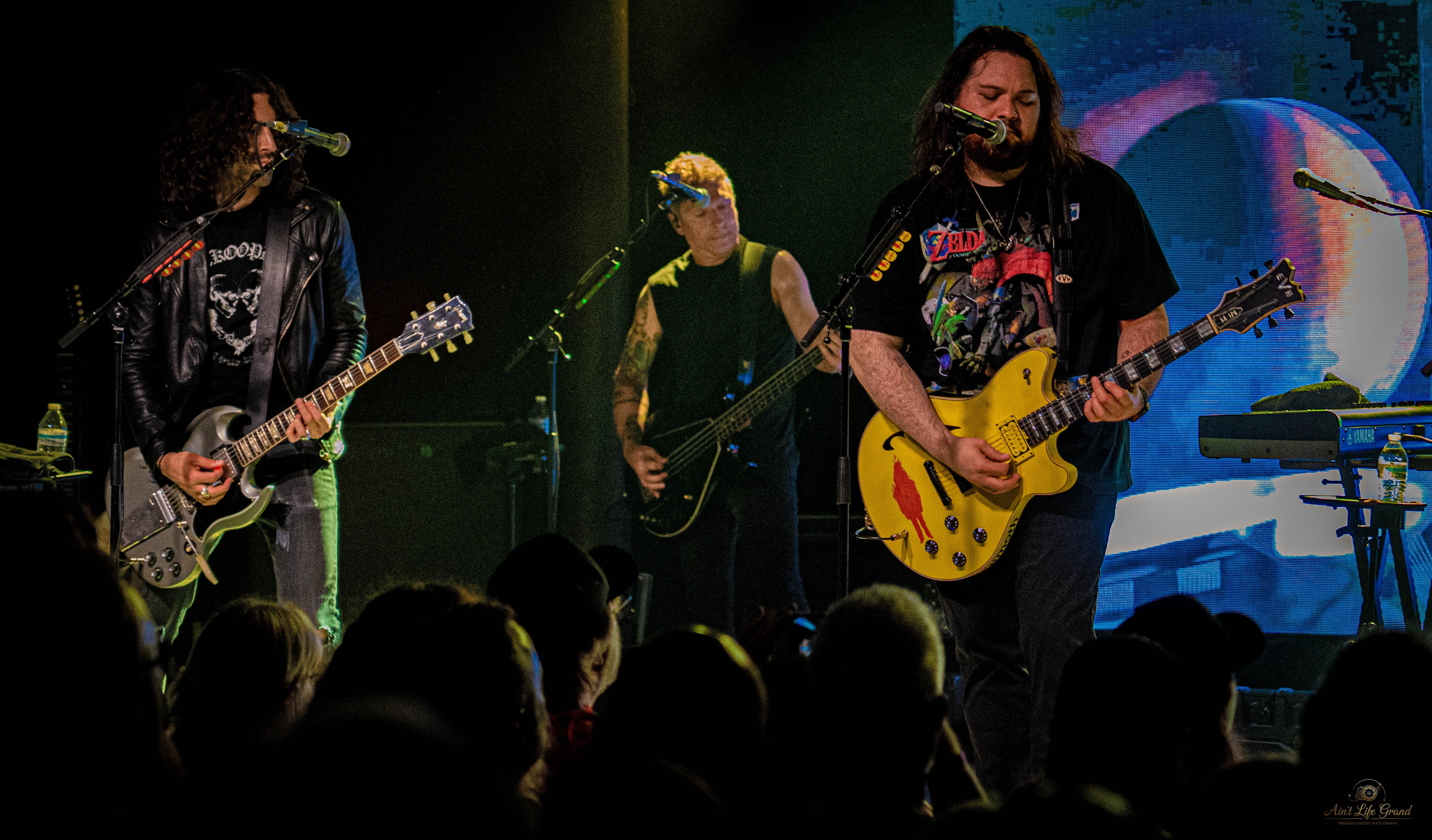
Wolfgang Van Halen stepped forward in a Zelda T-shirt, adding a small flash of color to a lineup otherwise dressed almost entirely in black. The shirt fit neatly with the arcade-inspired visuals waiting behind him. It also sparked one quick press-pit thought before the music reclaimed everyone’s attention: has Wolfie lost weight?
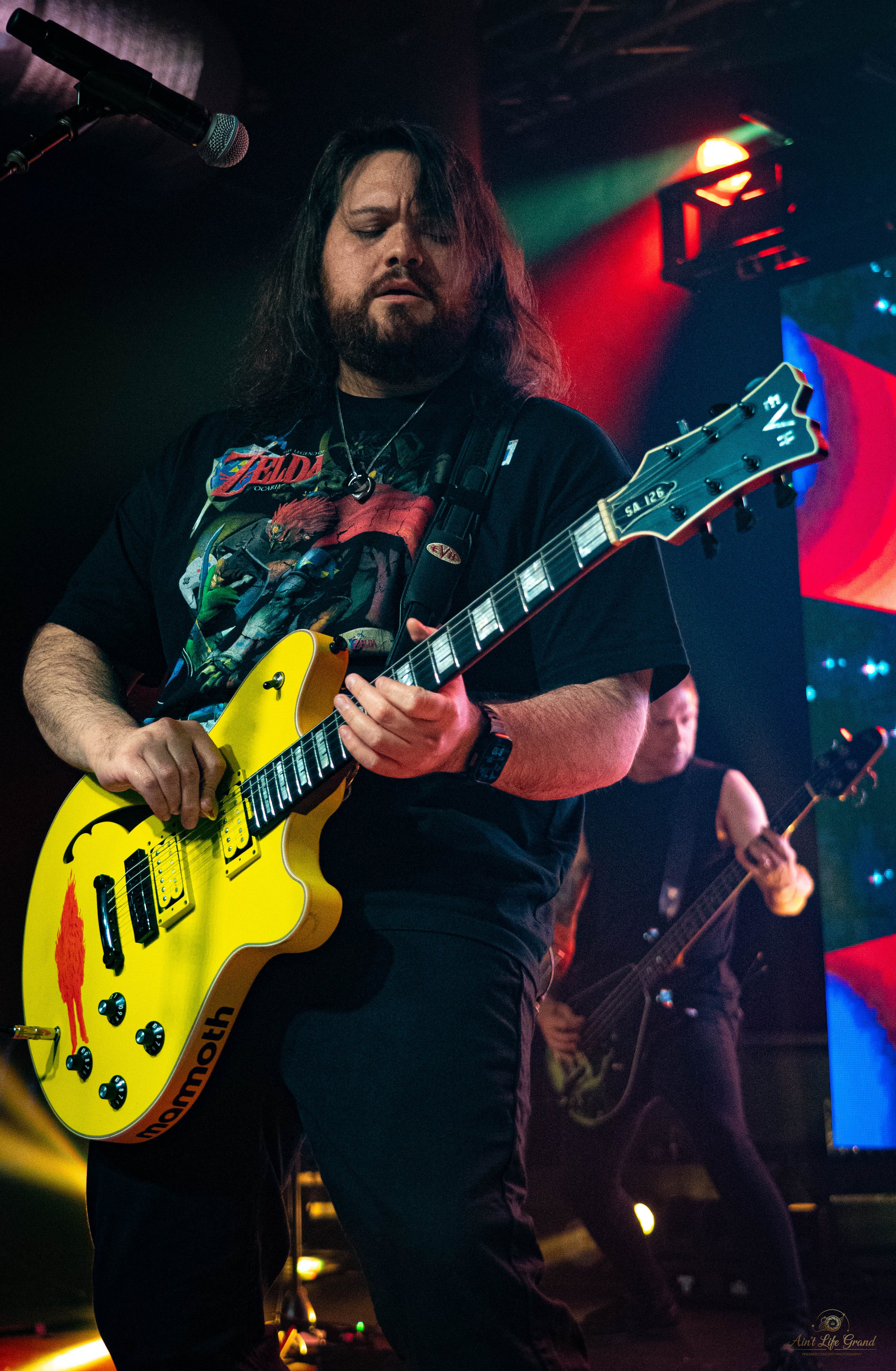
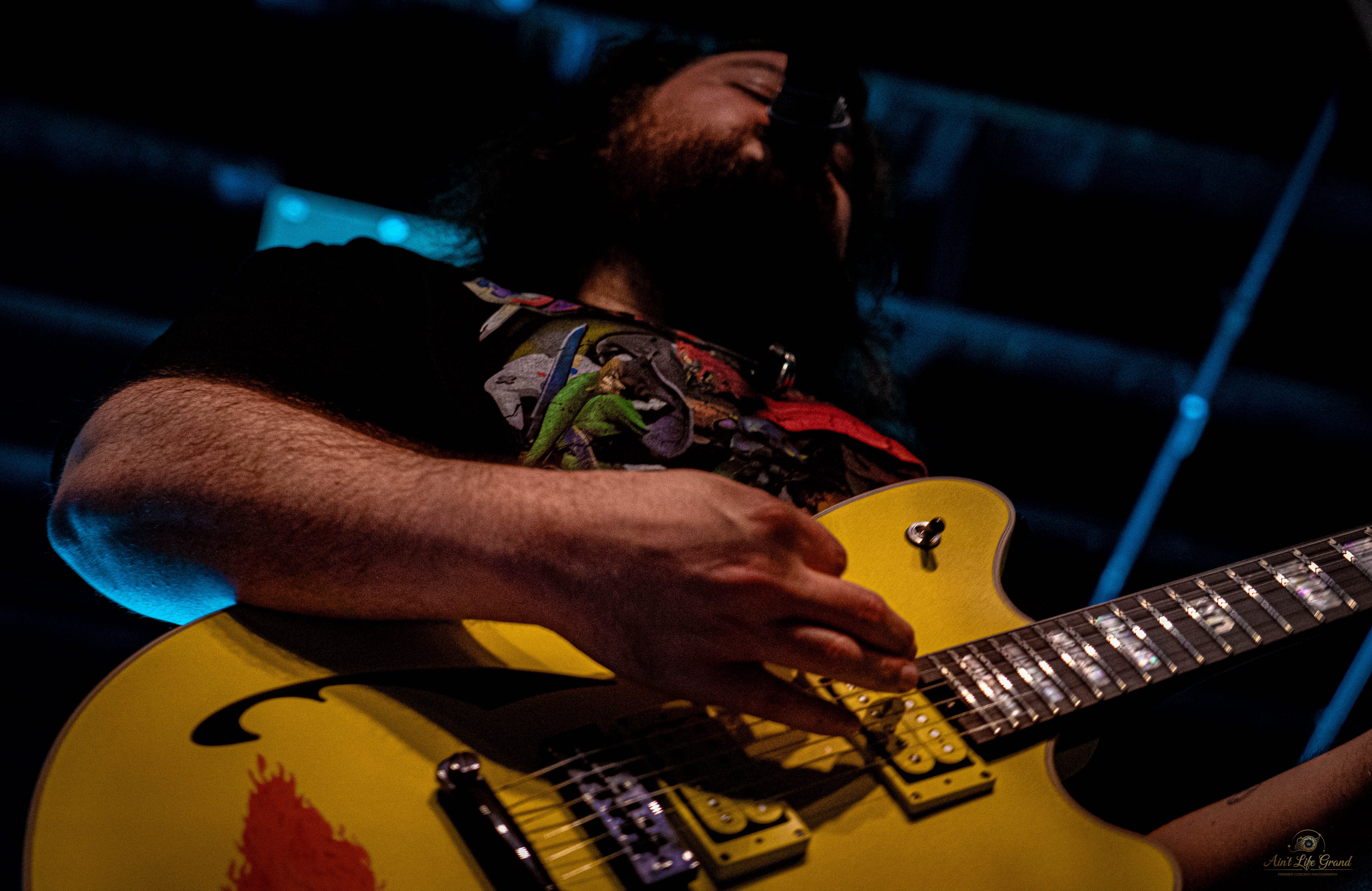
His signature yellow guitar supplied the brighter visual statement. Under the moving lights, it looked nearly illuminated against the darker clothing and stage design.


The current touring lineup places guitarists Jon Jourdan and Frank Sidoris on either side of Van Halen, with bassist Ronnie Ficarro and drummer Garrett Whitlock completing the five-piece formation. Their arrangement looked clean and balanced, each player occupying a defined piece of the stage while the sound remained dense enough to fill every corner of the club.
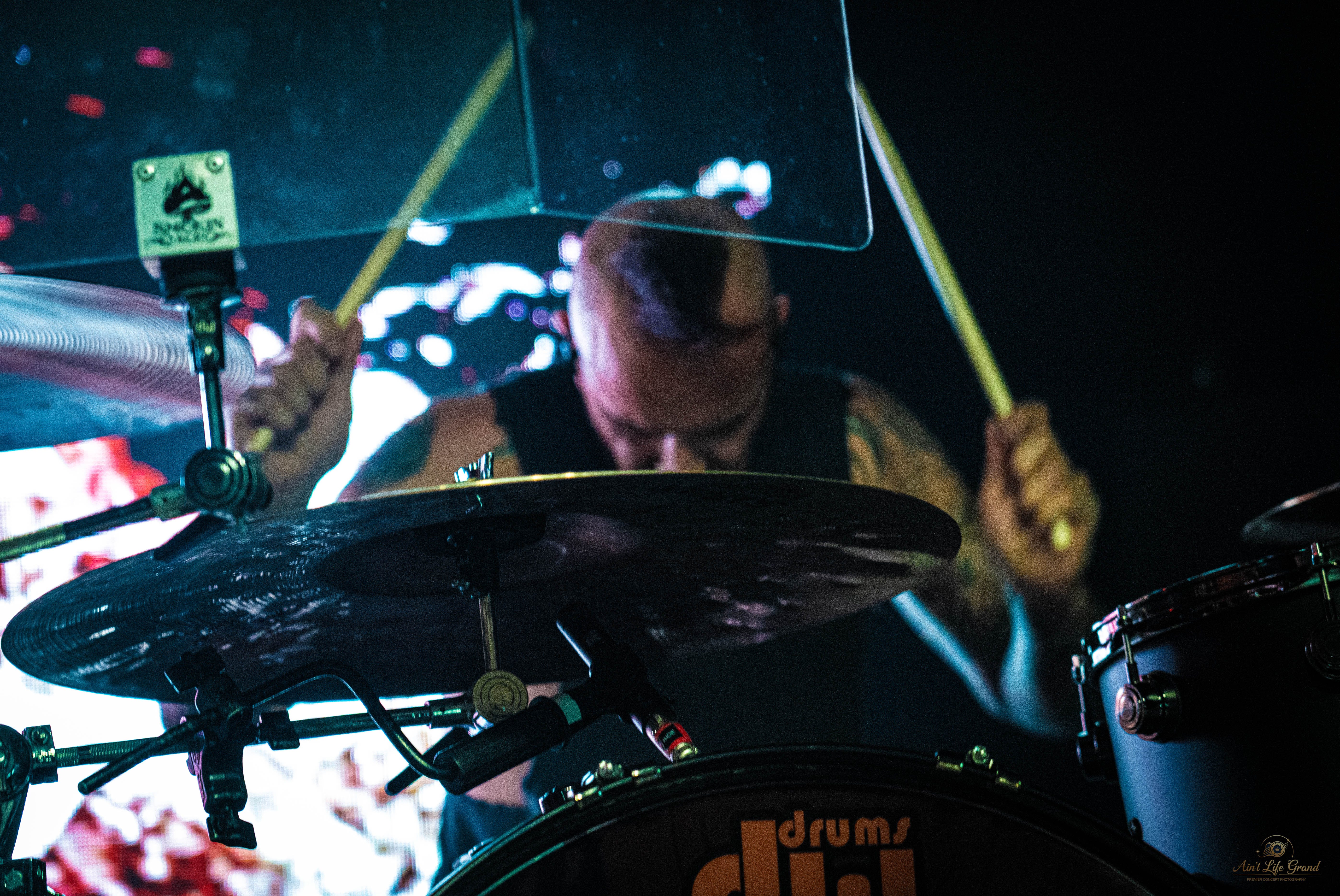
The band opened with “One of a Kind”, the first track from The End. Its immediate drive made it a natural entrance point, announcing the newest version of Mammoth before the set reached backward through the catalog.
Without wasting the momentum, the band moved into “Another Celebration at the End of the World”. The transition carried the audience from the latest album into Mammoth II while keeping the opening charge intact. Guitars remained sharp, the rhythm section landed with weight and Van Halen’s voice stayed clear above a mix capable of turning muddy in a room packed this tightly.
Instead, the sound was remarkably clean and crisp. Each instrument remained distinguishable inside the larger wall of sound. The guitars were heavy without becoming shapeless, the drums carried genuine physical impact and the bass gave the songs enough foundation to keep the room moving.
Big sound, human scale
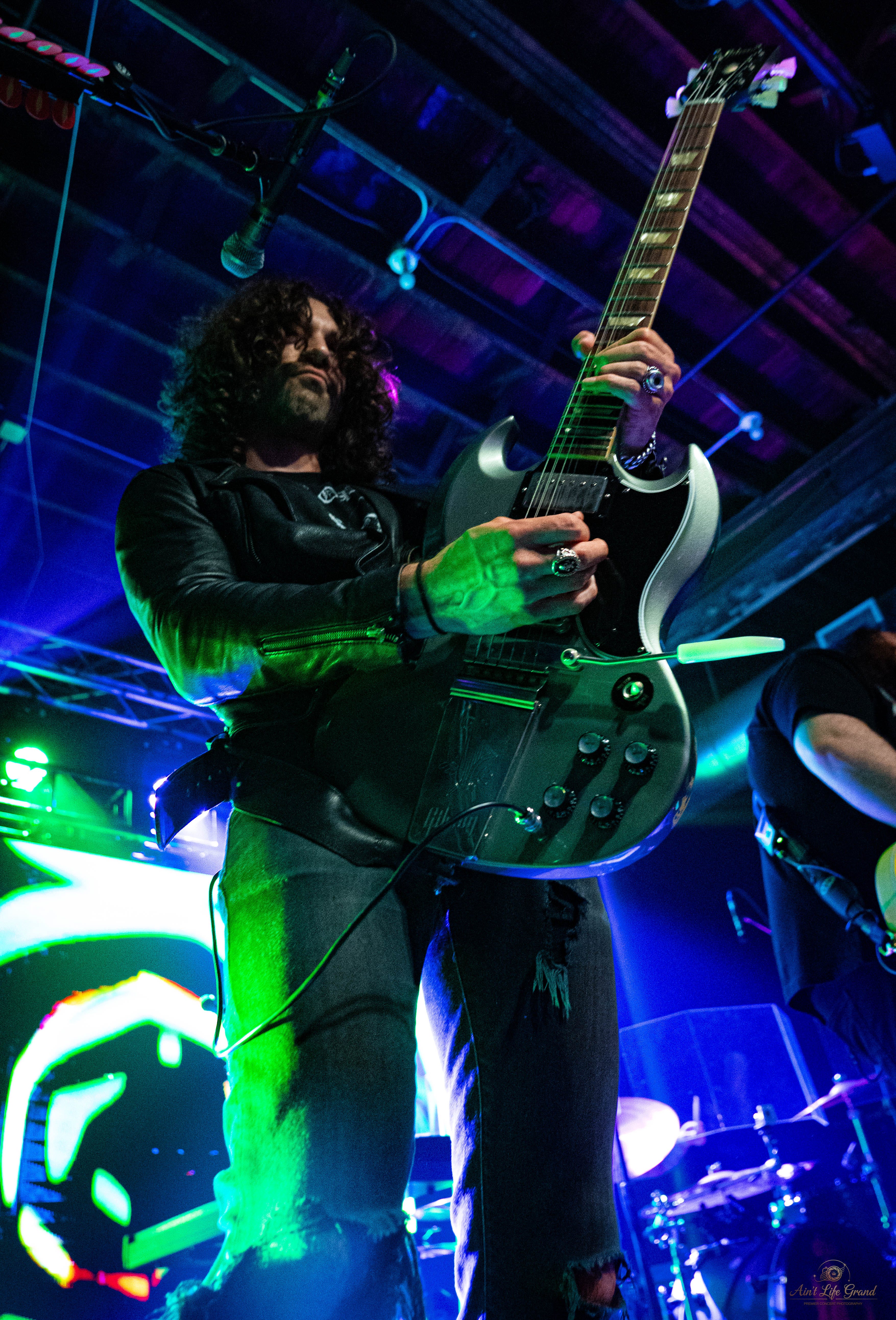
Van Halen stopped and addressed the audience directly, explaining, “We weren’t ready, some stuff going on with our ears,” while pointing toward the band’s in-ear monitors.
There was no attempt to disguise the problem or bury it beneath a vague excuse. He told the room what was happening, the issue was handled and the band moved forward. The interruption was brief, but it revealed plenty about the group’s temperament. Mammoth could deliver a highly polished production without pretending live music always behaves perfectly.
The 14-song set reached across all three Mammoth albums. Six selections came from The End, five from the 2021 debut Mammoth WVH and three from Mammoth II. Rather than leaning on a single chapter, the band presented a compact history of Wolfgang Van Halen’s work under the Mammoth name.
Hearing those periods together also clarified how quickly the project has developed. The early material established Van Halen as a songwriter and multi-instrumentalist with his own identity, while the newer songs have grown more comfortable with scale. The hooks are larger, the visual world is more defined and the touring band now carries the material with the confidence of a permanent unit rather than a collection of hired hands orbiting one recognizable name.
The family name will always enter the room before Wolfgang does. Rock history made sure of it. His live performance, however, did not depend on nostalgia or inherited goodwill. He did not spend the evening recreating someone else’s past. The set remained centered on Mammoth’s own songs, humor and visual language.
At one point, an unscripted conversation broke out over one guitarist’s impressive beard. It was ridiculous in the best possible way, the sort of exchange friends might have during rehearsal before remembering hundreds of people were listening. The crowd laughed because the moment did not feel rehearsed or strategically placed between songs. It was simply funny.
Van Halen’s self-deprecating delivery kept those exchanges from becoming distractions. He appeared comfortable enough to let the show loosen around the edges, trusting the music to pull everything back into focus when the next song began.
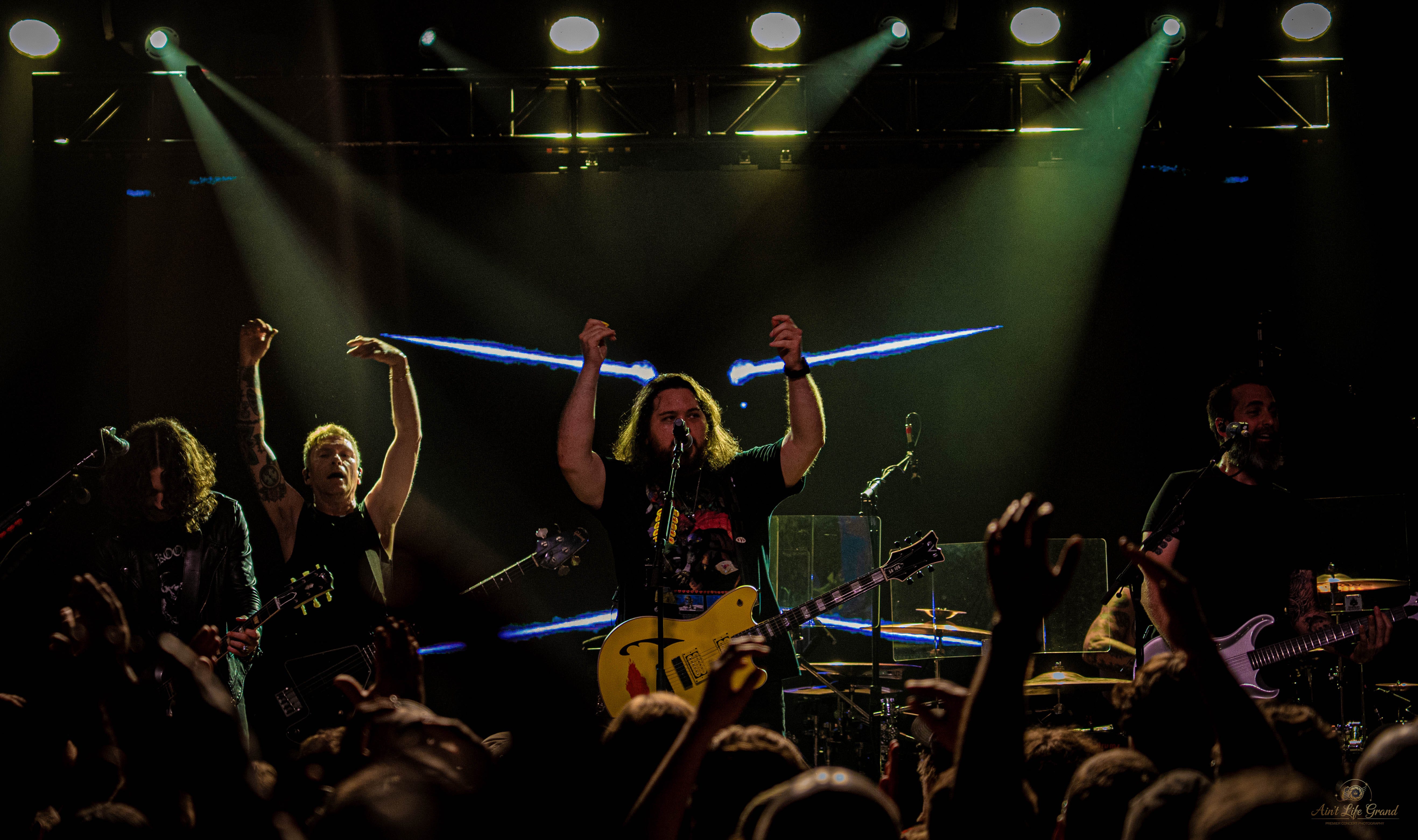
Humility is sometimes discussed as if it requires a performer to become smaller onstage. Mammoth offered a better version. The band could sound enormous, use elaborate visuals and command a packed club without treating the audience like anonymous bodies beneath the lights.
The visual presentation followed the same balance.
Old-school video-game imagery rolled across the backdrop in styles recalling classic arcade cabinets and early home consoles. The graphics were bright, playful and nostalgic without clashing with the weight of the music. Van Halen’s Zelda shirt made the theme feel even less like a production-company concept and more like a genuine extension of his personality.
Home videos appeared among those graphics, bringing a more intimate texture into the set. Their presence softened the machinery surrounding the band. Digital flames, flashing lights and heavy guitar tones could create spectacle, but the footage kept a piece of personal history close to the center.
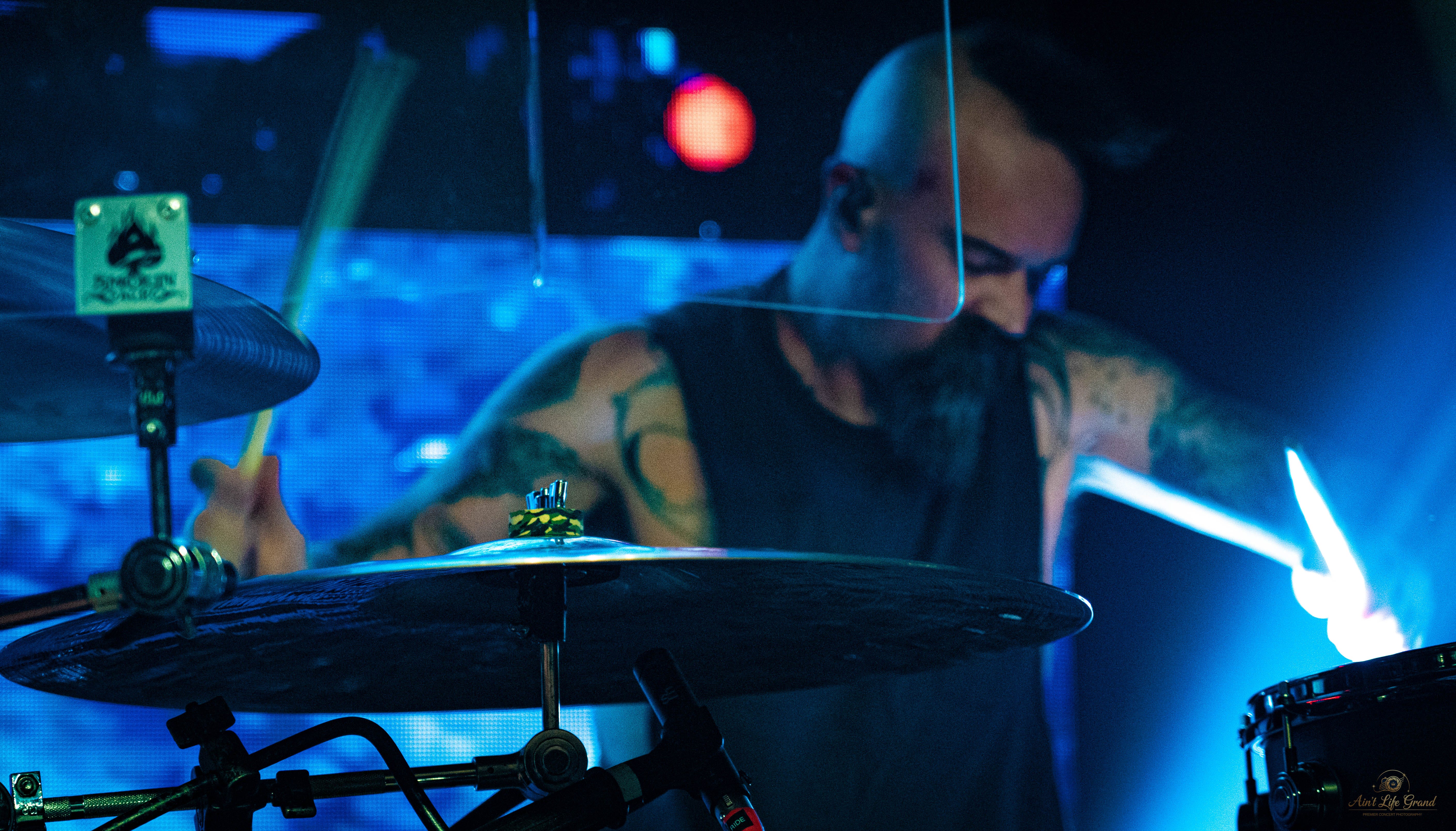
The pairing worked because Mammoth did not treat heaviness and sentiment as opposing forces. The show could be loud without becoming cold. It could be polished without becoming distant. It could acknowledge memory without allowing the past to swallow the person standing onstage in the present.
Near the end, Van Halen pretended the set was finished and staged a fake exit. He drew out the cheers, allowing the audience to play along even though few people appeared ready to believe him. The joke landed because it matched the personality established throughout the evening: accomplished, slightly mischievous and never too proud to undercut the drama with a grin.
The band returned for the final push with “Don’t Back Down”, one of Mammoth’s defining early songs. Its title alone made it a nearly perfect response to the fake departure. The riff hit, the crowd answered and any remaining separation between the stage and floor vanished.
Then came “The End”.
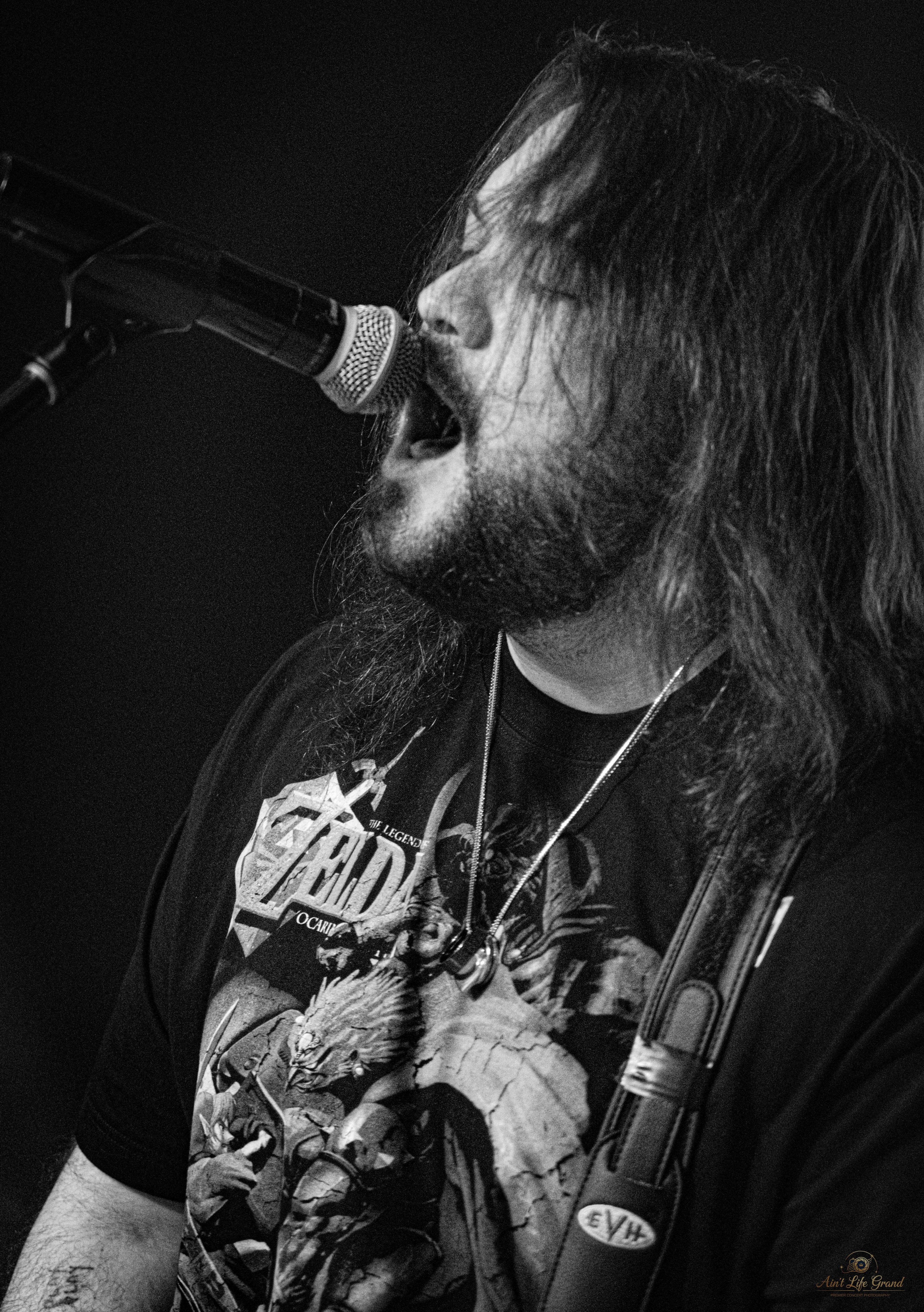
Closing with a song bearing the name of the album, tour and supposed conclusion could have felt overly tidy. Mammoth gave it enough force to make the choice feel earned. The final song did not suggest an ending so much as another door opening. Its weight carried the evening to a decisive finish while leaving the band’s next chapter very much in motion.
Afterglow
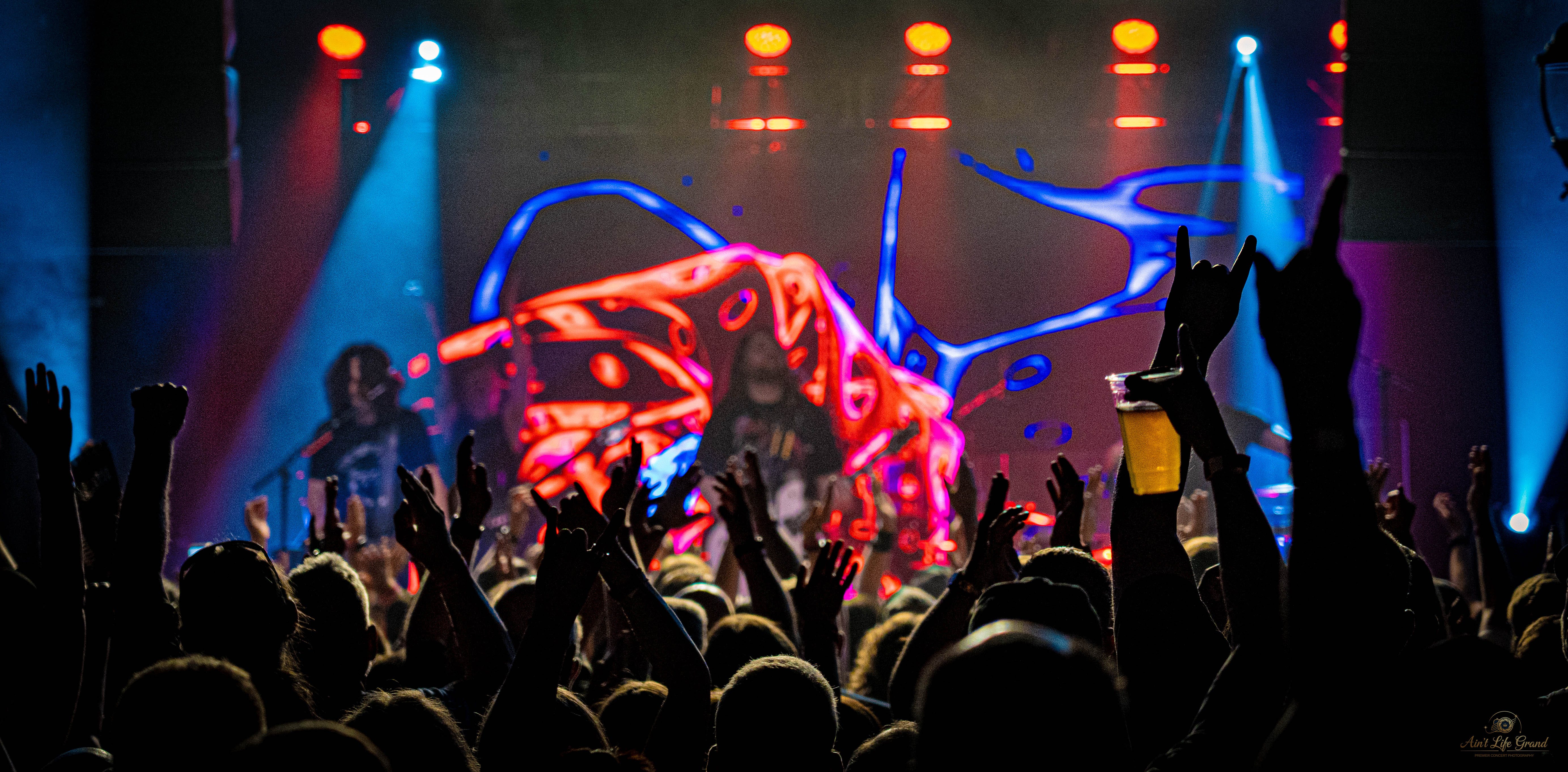
The evening began with Igor circling the block for 30 minutes and ended with a packed room refusing to let Mammoth leave without one final song. Somewhere between the parking hunt and the fake exit, the frustration of getting there became part of the story.
Concerts rarely begin with the first note. Sometimes they start six blocks away, moving at a near sprint while the clock argues with every crosswalk. Sometimes they begin in the relief of making it through the doors and discovering half the local music scene waiting inside.
Mammoth brought arena-sized sound into Wooly’s, but the evening worked because the band never lost sight of the people standing a few feet away. The heartbeat in the darkness, digital flames, arcade graphics and towering riffs gave the show scale. The monitor admission, beard discussion, home movies and fake exit gave it a pulse.
Outside, the cars still had to be found.
Inside, Mammoth had already shown everyone why they keep circling the block.
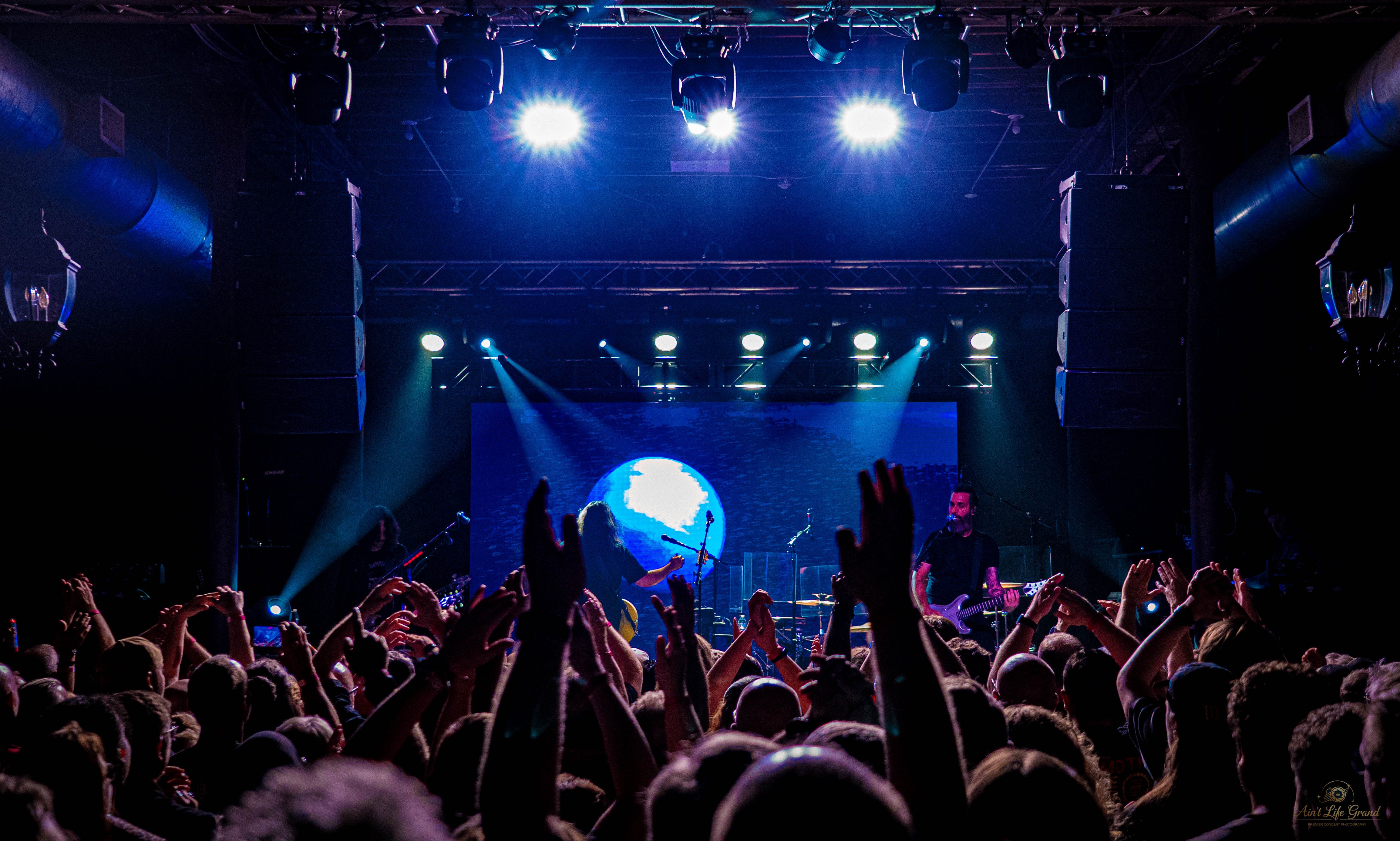
Please consider Donating to Sponsor an article even $1 helps!
