



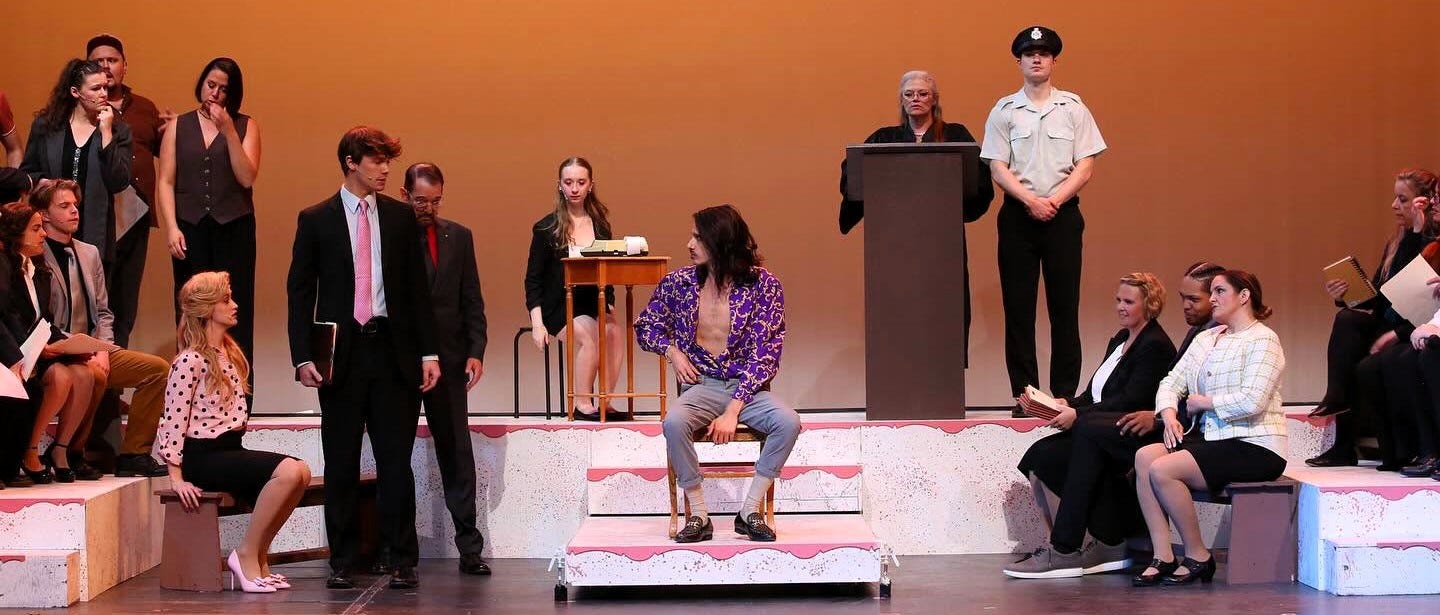
Production credits: Legally Blonde The Musical, book by Heather Hach, music and lyrics by Laurence O’Keefe and Nell Benjamin • Presented by The Premiere Playhouse at the Orpheum Theater Center
The Premiere Playhouse staged Legally Blonde from June 12 through June 21 at the Orpheum Theater Center in downtown Sioux Falls. The company described the show as an empowering Broadway musical comedy with “catchy songs” and “big dance numbers.” The musical has a book by Heather Hach and music and lyrics by Laurence O’Keefe and Nell Benjamin. Music Theatre International lists it as a two-act show with a large ensemble and a PG-13 rating.

Performances and direction
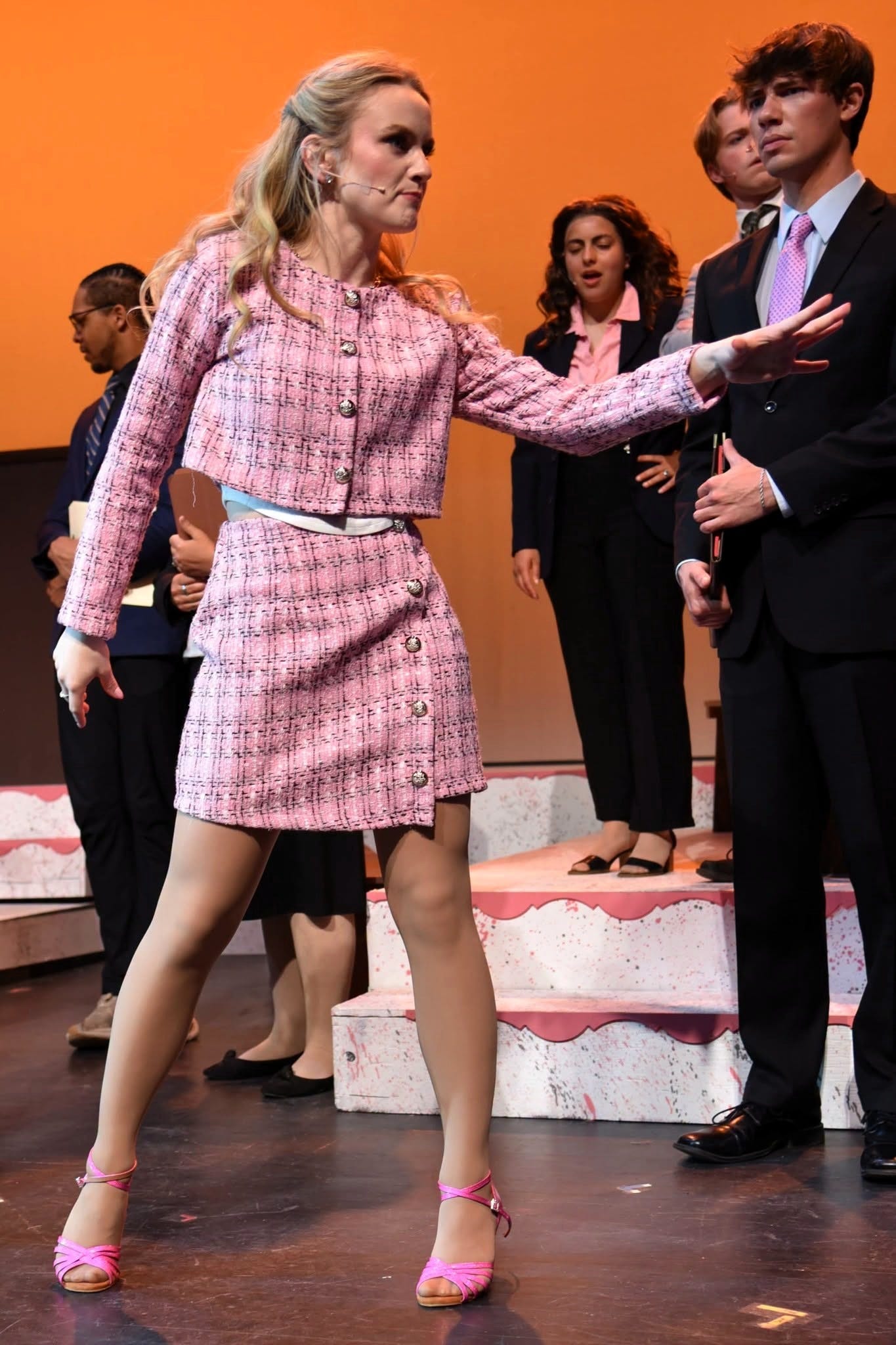
Elle Woods is a demanding role because the character has to carry the comedy without becoming a cartoon. Kianna Healy gave the role the right center. Her Elle was bright, direct and funny, but never empty. That matters because the whole show depends on the audience seeing Elle’s intelligence before Harvard does. If Elle is played as shallow early on, the story has to spend too much time correcting itself. Healy’s performance made clear that Elle was smart from the start. She just had to learn where to aim it.
The role also asks for constant shifts in tone. Elle has to move from sorority confidence to romantic disappointment, then into real academic pressure without losing the warmth that makes people trust her. Healy handled that arc with confidence. The best part of the performance was that Elle changed without becoming less recognizable. She became more focused, not less herself.
Toby Knutson’s Warner Huntington III worked because he did not need to be played as a monster. Warner is more useful as a familiar kind of disappointment. He wants the appearance of success more than the work of becoming a better person. Knutson gave him enough to make Elle’s early attachment believable, but enough shallowness to make the audience understand why she outgrows him.
Coleman Peterson brought an easy steadiness to Emmett Forrest. Emmett can sometimes become too passive in this show, but Peterson made him feel grounded. His scenes with Elle worked because he did not play Emmett as someone rescuing her. He played him as someone who sees her ability before anyone else.
Bella Rivero’s Vivienne Kensington gave the Harvard side of the story more bite. Vivienne begins as someone who understands the rules of that world and has learned how to survive inside them.
Casey Schultz brought warmth and comic timing to Paulette Buonofonte. “Ireland” can tip too far into joke territory, but Schultz gave Paulette enough longing underneath the comedy.
Thomas Andrew Simmons gave Professor Callahan the right kind of authority.
Avianna Steen as Margot, Kate Stahl as Serena and Madison Gerhart as Pilar helped define Elle’s Greek Chorus with strong energy and clear presence.
The Delta Nu ensemble, including Mo Plastow, MacKenzie Braak, India Johnson, Rosie Contreras-Cortes, Hannah Hetland, Peyten Wiese, Camryn McKinley, Emma Madeja, Tali Curry and Natalie Allcock, gave that world its needed shape
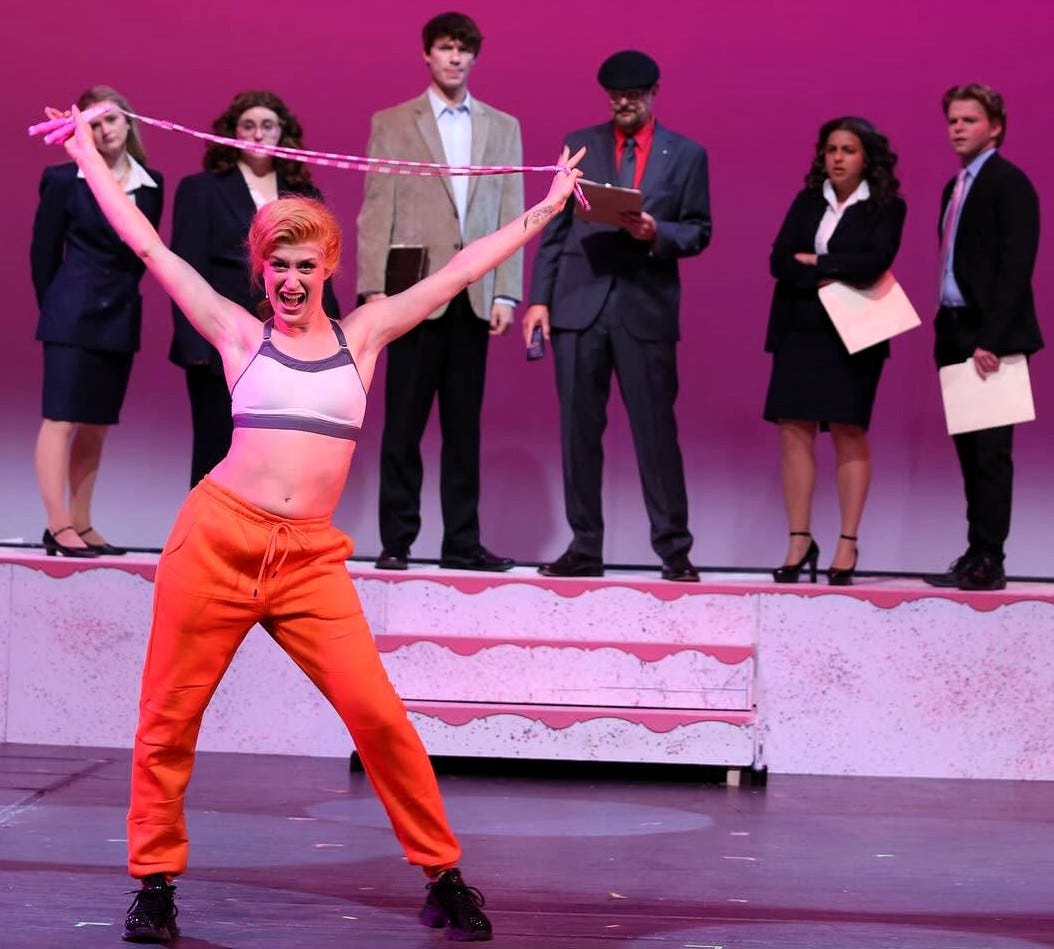
Mo Plastow also doubled as Brooke Wyndham and brought the physical confidence needed for “Whipped into Shape.” That number asks a performer to command the stage while carrying real athletic demands.
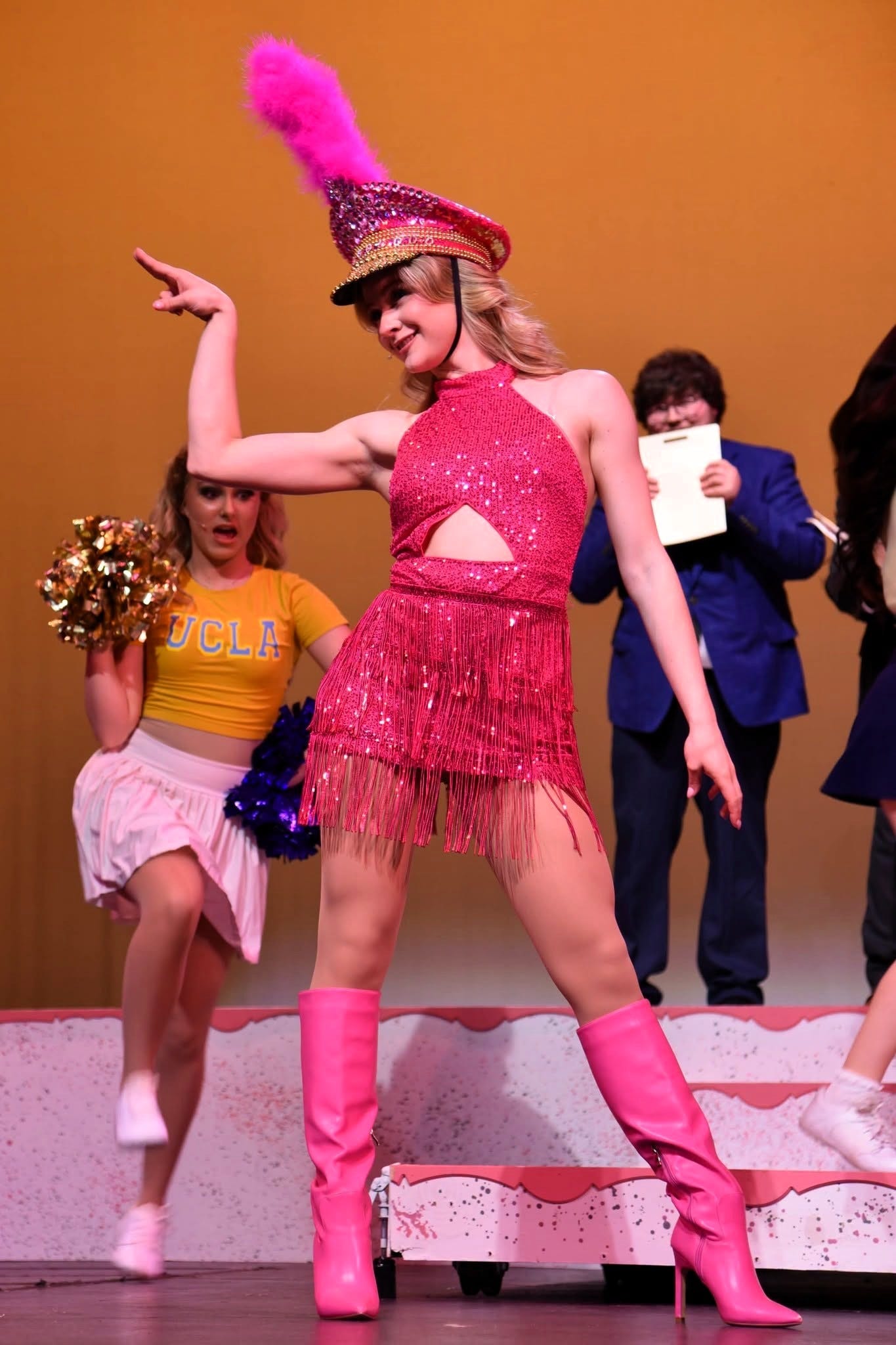
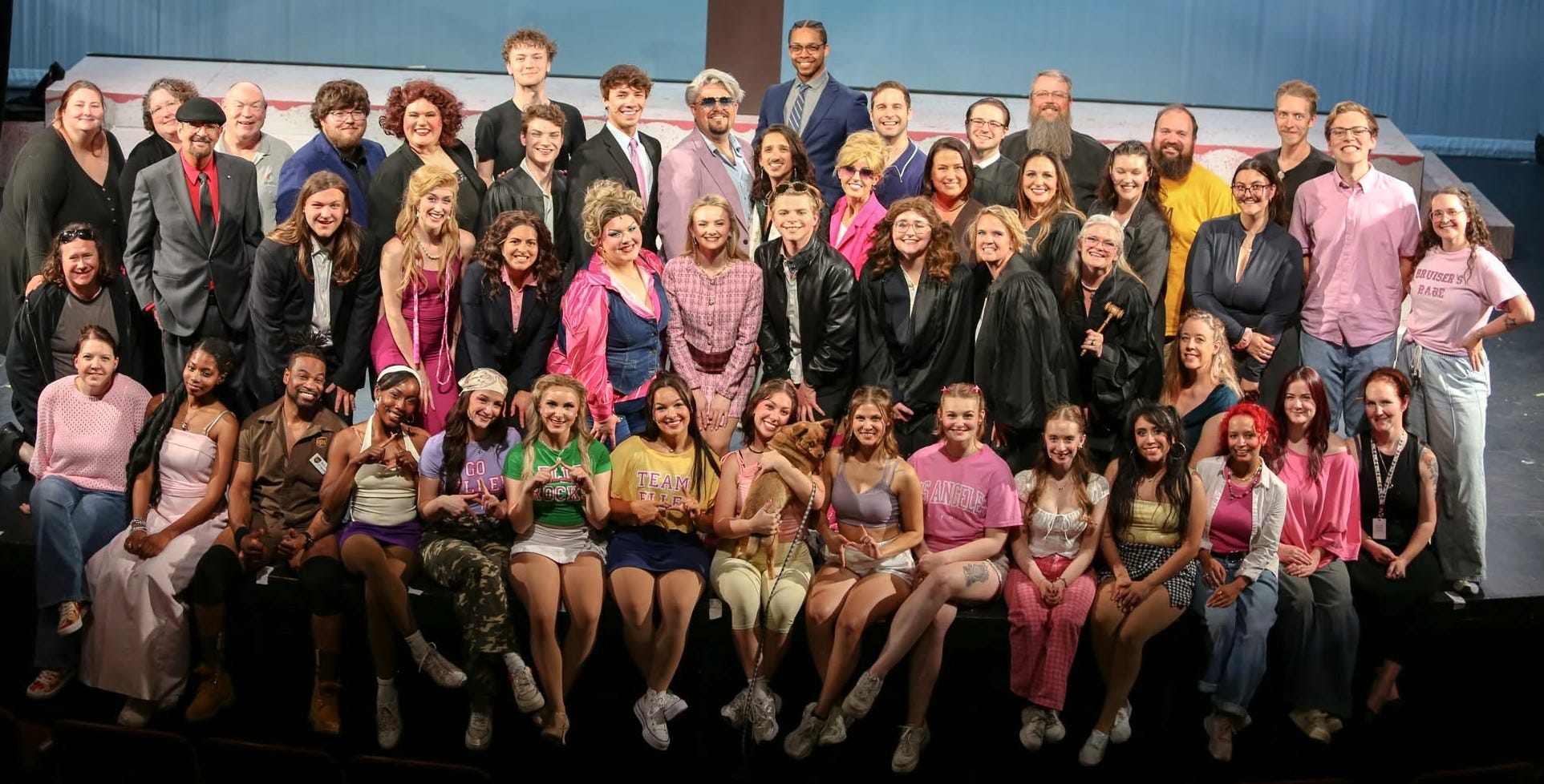
The supporting cast kept the production moving through its quick shifts from UCLA to Harvard to the courtroom. Clinton Store, Oliver Mayes, Jessica Ashton, Valerie Arens, Josiah Southall, Luke Humke, Jimmy McLain, Erica Stahl, Melissa Prostrollo, Ashley Bartholomaus, Aubrey Byrnes, Garrison Gross, Jackson Heiberger, Tyler Peters and Tony Serck helped fill out the world of the show across smaller roles, law students, clients, reporters, frat guys and courtroom figures. That kind of ensemble work is easy to overlook, but Legally Blonde depends on it. The show moves because those smaller roles keep the stage populated, reactive and alive.
Please consider Donating to Sponsor an article even $1 helps!

Structure and pacing
“Omigod You Guys” introduces Elle’s world. The number can be easy to play as a joke about sorority life. Delta Nu has to feel like a real community. Elle leaves behind people who know and love her, not just a room full of stereotypes.
“What You Want” turns Elle’s Harvard plan into a public argument. The joke is that her application is wildly unconventional. The point is that she already understands persuasion.
“So Much Better” is the first real break from Warner’s approval.
Act II depends on focus. “Whipped into Shape” has to carry athletic spectacle and courtroom information at the same time. “Bend and Snap” needs comic timing without stopping the show in its tracks. “There! Right There!” remains one of the show’s harder numbers to stage today because the comedy can age badly if the target is not clear. The joke needs to fall on panic, assumption and courtroom overreach, not on identity itself.
The strongest part of the writing is how the show turns dismissed traits into useful skills. Elle’s knowledge of hair care helps her understand a witness. Her loyalty earns Brooke’s trust.
Design environment
The Orpheum Theater Center is a good fit for this musical. Its main stage seats 686, giving the production enough room for ensemble numbers while keeping the performance close enough for smaller reactions to register.
The musical moves through several different social spaces. Delta Nu, Harvard, and the salon. The courtroom should raise the stakes without losing the show’s pace. The design has to help those shifts happen quickly.
Sound clarity is especially important. Legally Blonde moves fast, and many of the jokes sit inside quick lyrics or short spoken exchanges. The cast performed it flawlessly.
Audience & context
Legally Blonde makes sense for The Premiere Playhouse because it is accessible without being thin. It has name recognition, a familiar story and a bright surface. It also asks a lot from a community production. The ensemble has to move well, sing cleanly and keep the story sharp through quick transitions.

The Premiere Playhouse’s next Orpheum production is Frozen JR., running August 7 through August 16. The Orpheum listing describes the show as a story of true love and acceptance between Anna and Elsa, with magic, adventure, humor and a focus on sisterhood. Performances are scheduled for 7 p.m. on August 7, 8, 14 and 15, with 2 p.m. matinees on August 9 and 16.
Standout moments
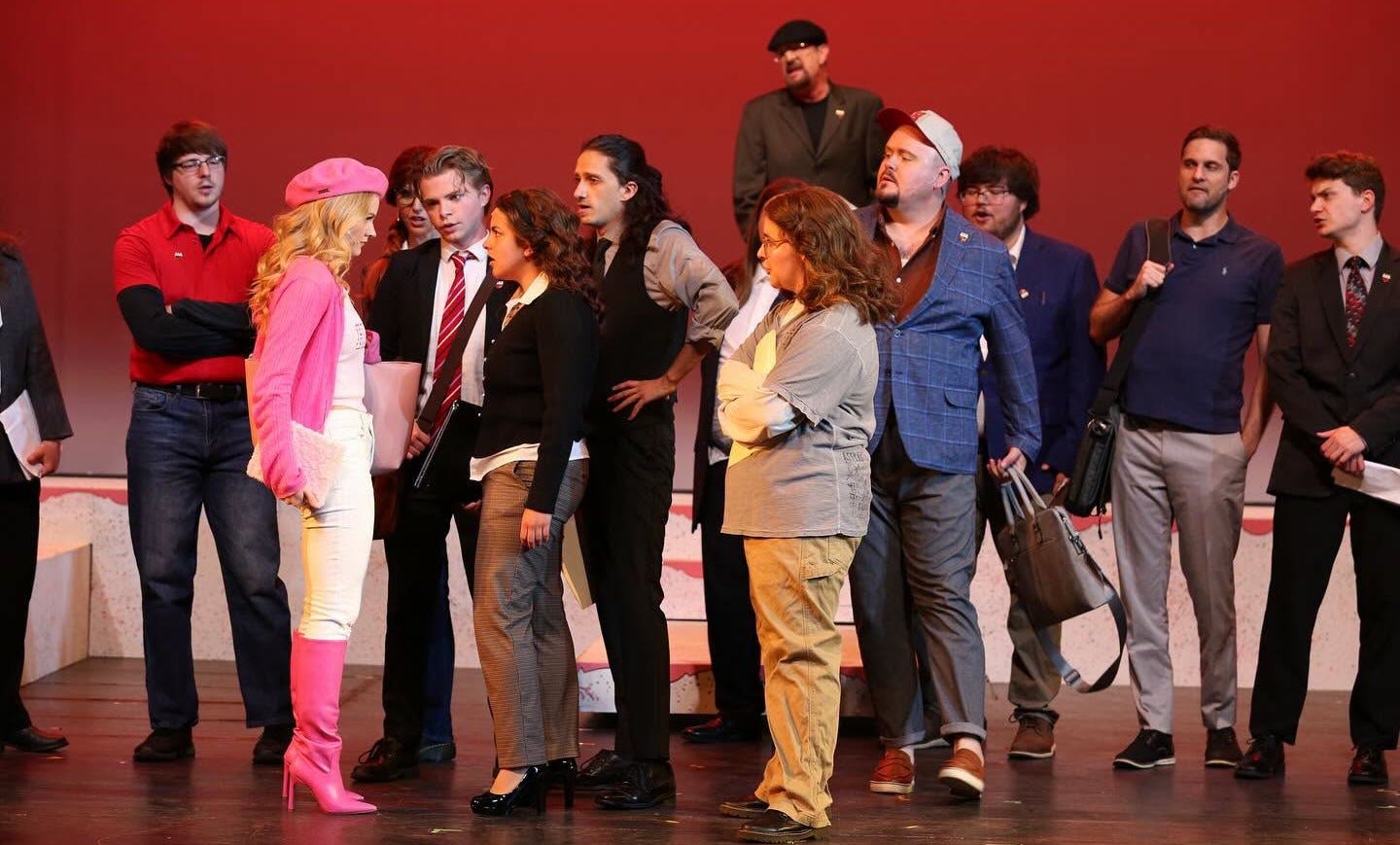
The major ensemble numbers give Legally Blonde its momentum. “Omigod You Guys,” “What You Want,” “So Much Better,” “Whipped into Shape” and “Bend and Snap” are the obvious audience-facing pieces. They need clean movement, bright timing and strong transitions.
“Legally Blonde,” the title song, is the key pause. It gives Elle space to feel the cost of trusting the wrong people.
The courtroom sequence has to make Elle’s intelligence visible. Her success should not feel accidental. The audience needs to see that she has been paying attention all along.
Limitations and missed beats
The only real issue I noticed was technical, and even that was brief. There was about one second of speaker feedback, and one microphone did not seem to work quite right for a moment. In a live production, that is minor. What mattered more was how the cast handled it.
No one broke character. No one let the interruption pull focus. The scene kept moving, and the performers stayed locked into the world of the show. If the worst thing an audience has to deal with at a live event is a tiny sound issue, and the cast handles it that smoothly, it says more about their discipline than the mistake itself.
Afterglow
Legally Blonde lasts because its central idea is clear and still useful. Elle Woods does not become serious by becoming colder. She becomes serious by learning how to use what she already has with more purpose.
At the Orpheum, the musical had the right kind of space for that idea. The stage could support the large numbers, and the room still allowed the story’s smaller turns to matter. The best version of Legally Blonde is not about proving Elle is different from who people thought she was. It is about proving they were wrong to dismiss her in the first place.
Please consider Donating to Sponsor an article even $1 helps!
