



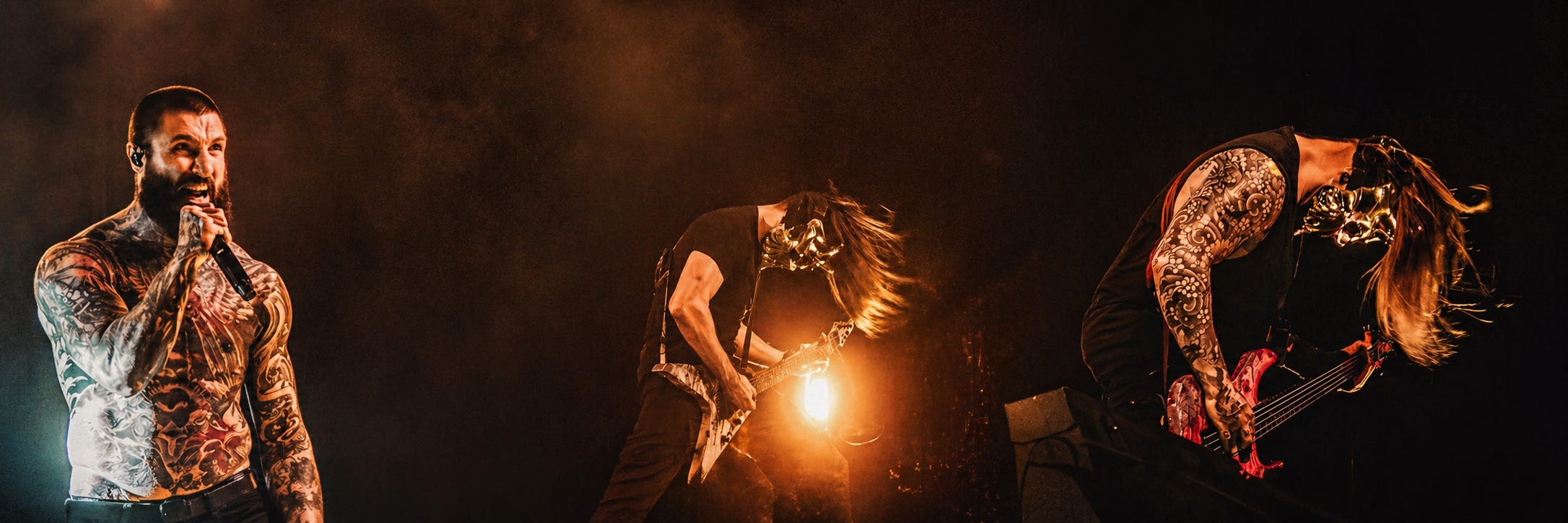


For a venue that has stood for more than two decades, it’s a surprising admission that this was my first time stepping inside Myth Live. With a several-thousand-capacity room built for large-scale concerts, the Twin Cities mainstay has hosted both marquee names and rising acts, building a reputation as one of the region’s premier live music destinations.
Located just outside downtown St. Paul, the venue is purpose-built for large-scale concert experiences. Multiple viewing levels offer options for every type of attendee, from those eager to be pressed against the barricade to others preferring a wider vantage point. Private suites, VIP sections, and an abundance of bars round out the amenities. While Myth Live regularly hosts weddings and private events as well, on this night it transformed into a haven for metal.
First Impressions and New Perspectives
Entry into the venue came with a few logistical hiccups, but the staff handled the situation with patience and professionalism. It marked a different experience from a previous visit covering Shaquille O’Neal’s DJ Diesel set months earlier. Once inside, operations ran smoothly, and access for media was handled with care.
This show also marked a personal first in bringing my older brother along as a second shooter. Beyond the practical benefit of capturing multiple angles, it added a new layer to the experience, sharing the rare privilege of a media pass while expanding the visual storytelling through fresh perspectives.
Before the music began, the merchandise tables offered a familiar yet always intriguing preview of the night’s identity. Standard fare of t-shirts, hoodies, and hats lined the booths, but standout items included vinyl records and signed, used drumheads, the latter being a prized collectible for dedicated fans.
Please consider Donating to Sponsor an article even $1 helps!

No Signs of Fatigue on the Final Night
As the final stop on Slaughter to Prevail’s 2026 North American spring tour, the question was on everyone’s mind: would the toll of touring show itself on stage? The answer came quickly and emphatically. Not even a little bit. There was no visible exhaustion, only intensity.
Attila Set the Tone
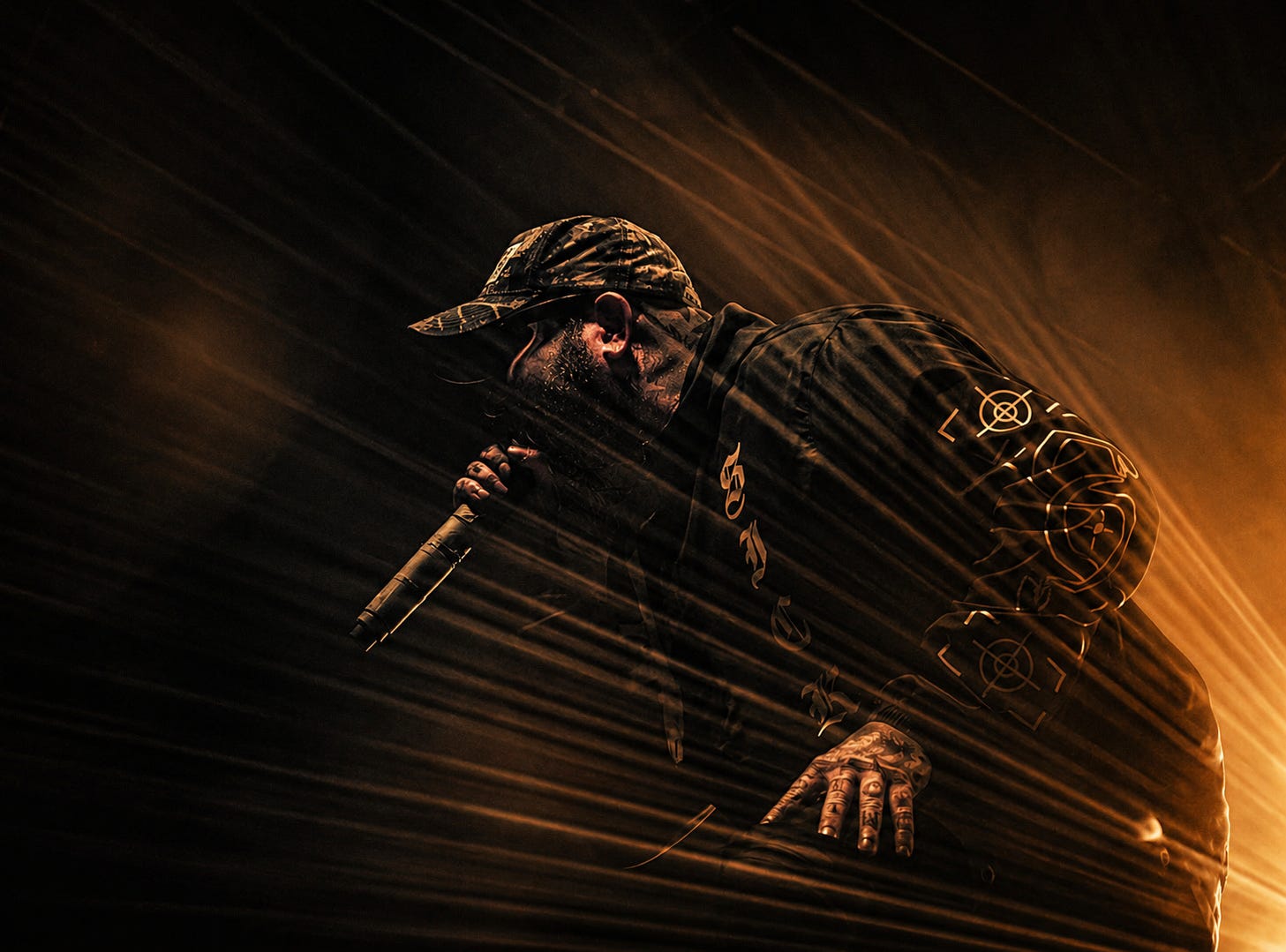
Opening the night was Attila, the Atlanta-based group known for fusing hip-hop swagger with crushing metalcore aggression. Since forming in 2005, the band has carved out a lane that leans as much on attitude as it does on sound, and from the moment they stepped on stage, that identity was impossible to miss.
Their set didn’t build slowly. It detonated. Bass-heavy backing tracks collided with downtuned riffs, creating a sonic blend that felt equal parts club energy and mosh-ready chaos. The crowd responded instantly, with heads nodding and bodies pressing forward before the first full song even settled in. It was less of an introduction and more of a command: get moving or get out of the way.
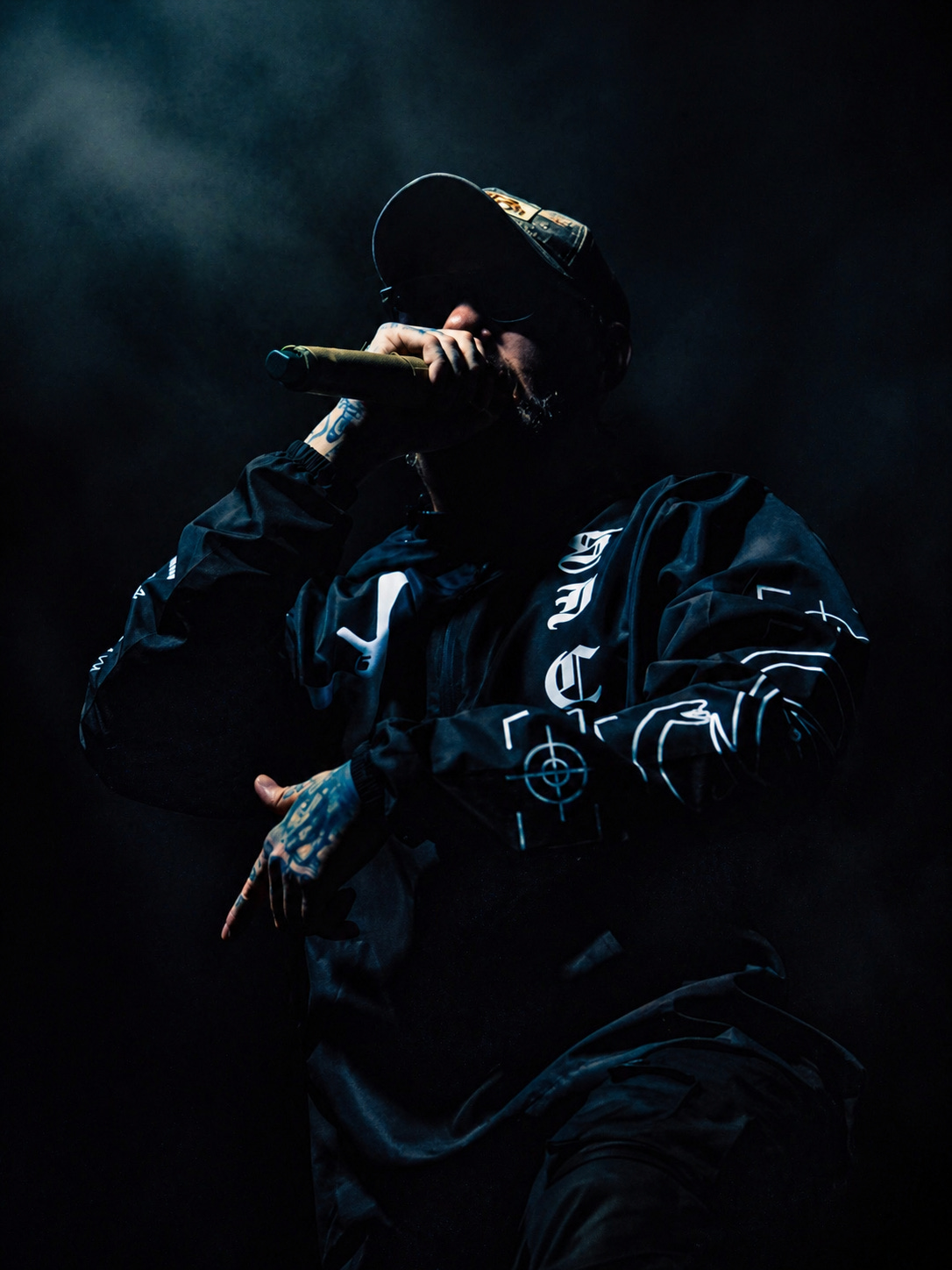
Chris Fronzak, the frontman who thrives on confrontation as much as connection, worked the stage with a veteran’s confidence, barking out orders, throwing playful jabs, and pushing the audience to match his intensity. His signature irreverence blurred the line between performer and instigator, and the crowd bought in completely. Every callout, every demand for louder screams or bigger movement was met without hesitation.
It didn’t take long for the pit to erupt. What started as a steady push near the barricade quickly expanded into a full-blown swirl of bodies. Attila’s ability to manufacture chaos on command was on full display, and it set a precedent that would carry through the rest of the night.
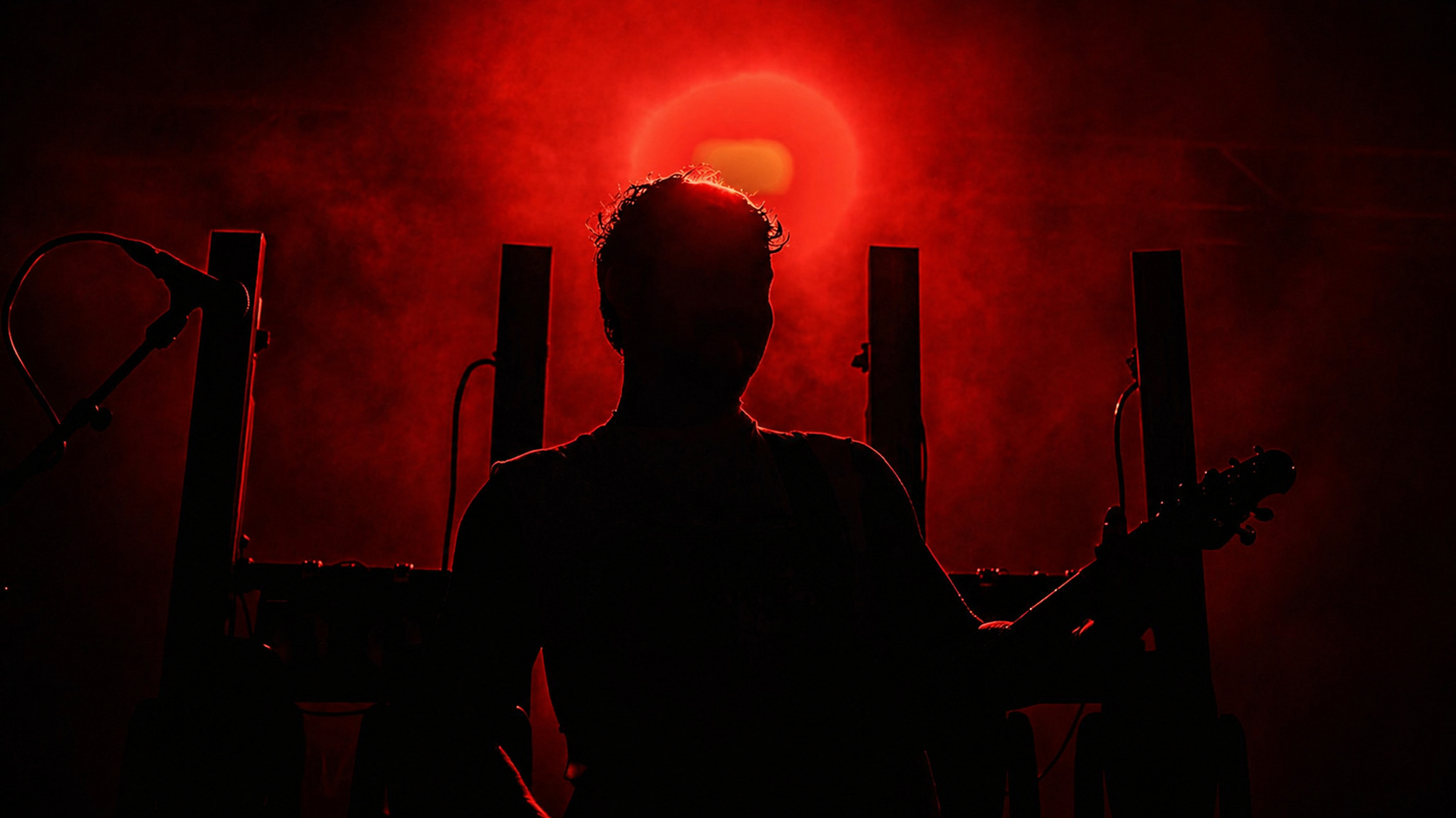
Musically, the set pulled from across their catalog, highlighting the band’s evolution while staying true to their core formula of bounce-heavy breakdowns and chant-along hooks. Still, for all the energy and crowd-pleasing moments, one omission stood out. “Pizza,” a personal favorite and a staple for many fans, was noticeably absent. It’s a small critique in the grand scheme, but one that left a lingering “what if” for those hoping to hear it live.
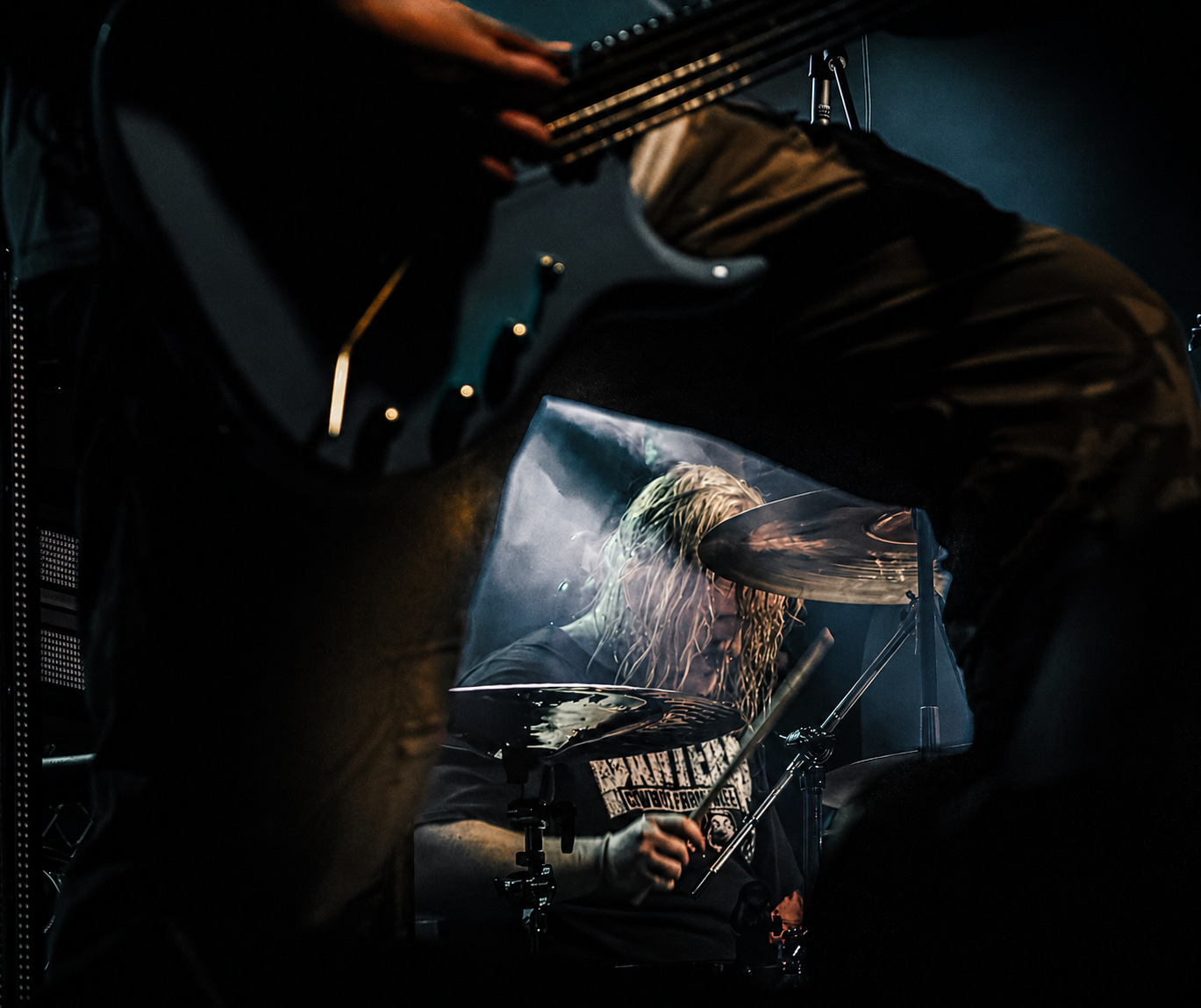
Even so, Attila’s role in the night was clear, and they executed it flawlessly. Their high-octane performance didn’t just open the show. It ignited it. By the time they exited the stage, the crowd was no longer settling in; it was fully engaged, adrenaline already surging. In a lineup built on escalation, Attila provided the spark that everything else would build upon.
Whitechapel Delivers Relentless Heaviness
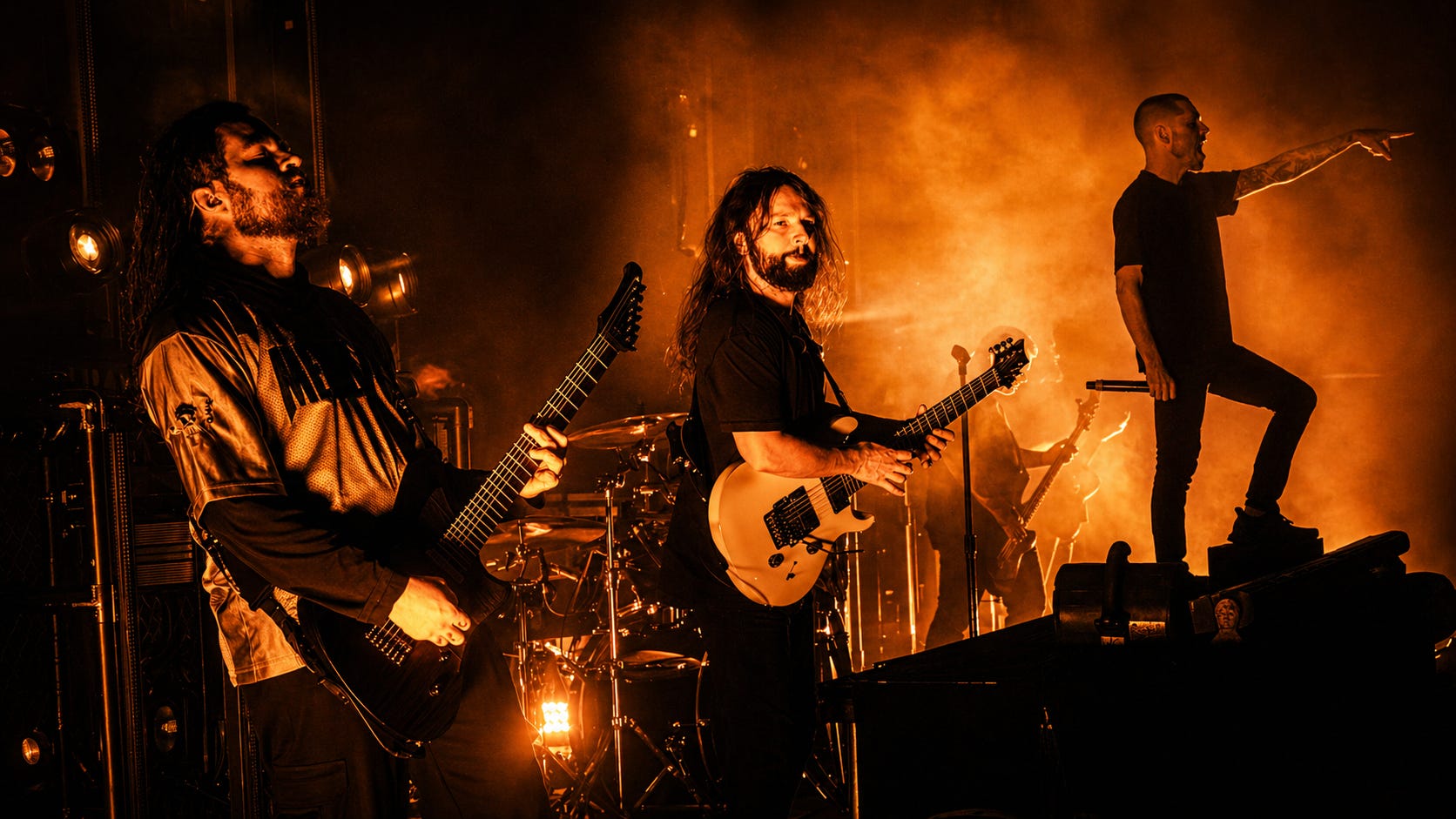
If Attila ignited the crowd, Whitechapel consumed it.
Formed in Tennessee in 2006 and named after the infamous London district tied to Jack the Ripper, Whitechapel have long built a reputation on sheer sonic brutality. Live, that reputation feels almost understated. From the moment they took the stage, the room shifted to less of a concert atmosphere and more a pressure cooker, tightening with every riff and punishing blast beat.
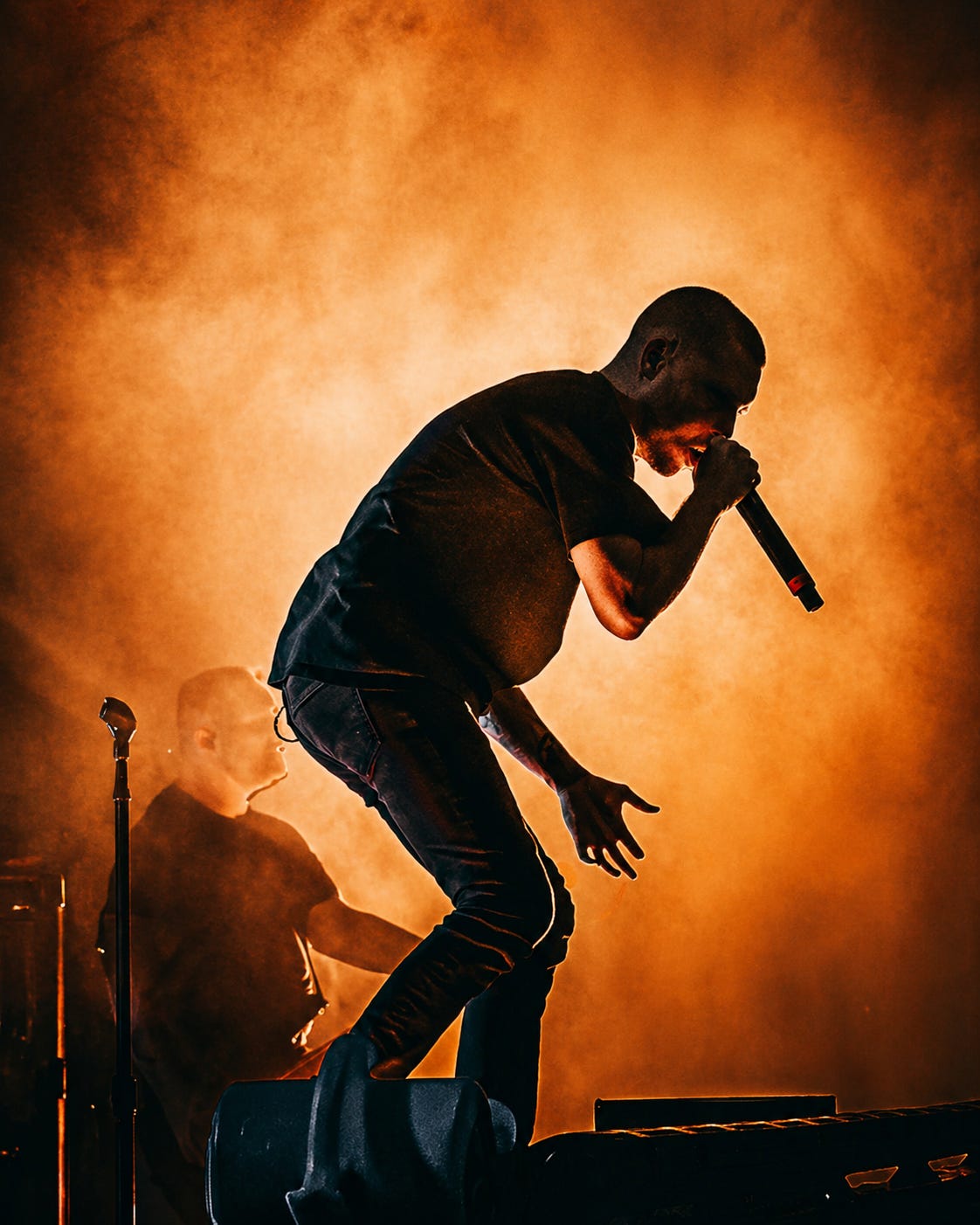
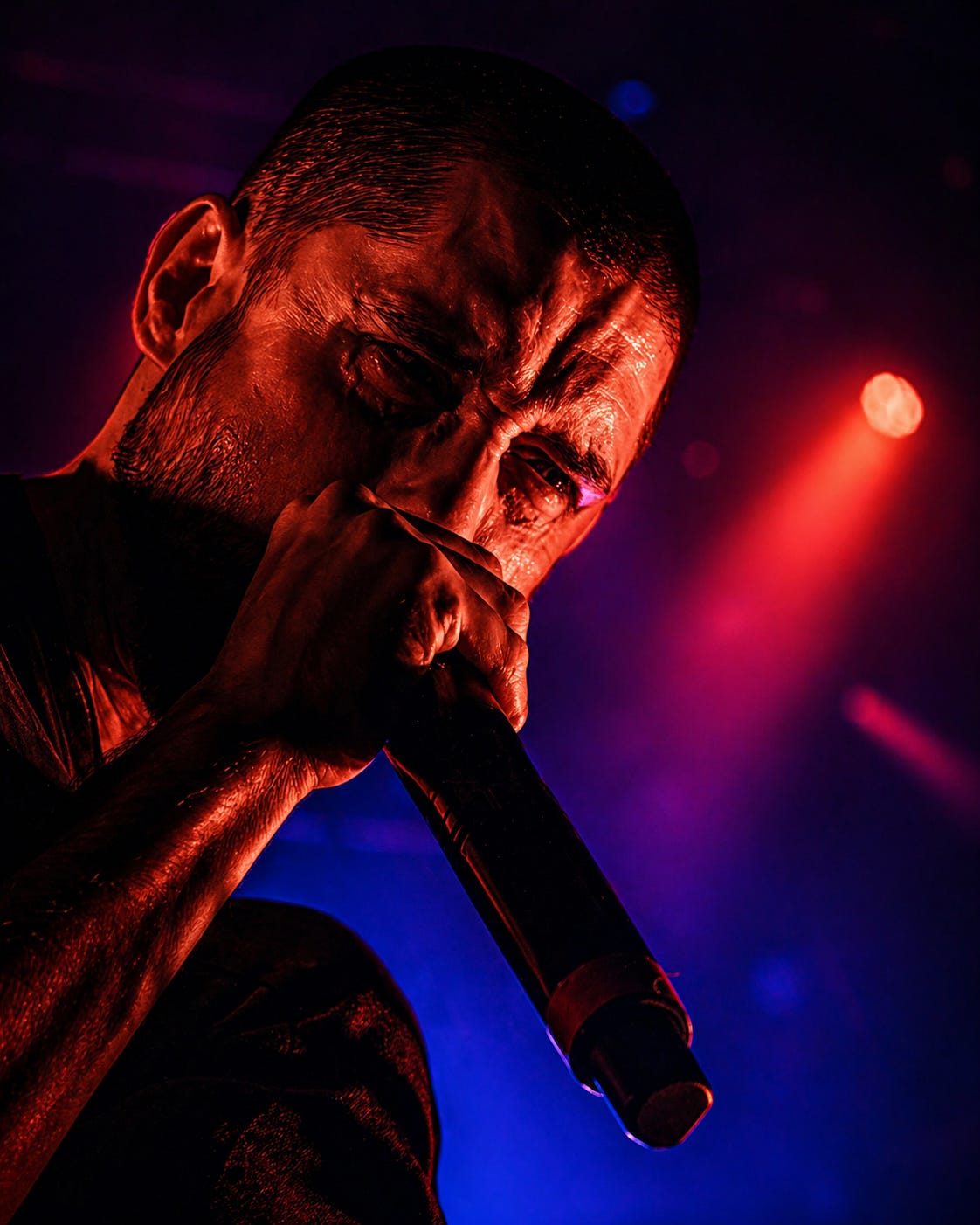
At the center of it all stood Phil Bozeman, whose presence was as intimidating as it was controlled. His vocal delivery wasn’t just heavy. It was surgical. Deep gutturals gave way to piercing highs with an ease that felt almost unnatural, cutting cleanly through the wall of sound behind him. Between songs, he said little, letting the music carry the set, which only amplified the intensity.
Instrumentally, the band operated with a precision that bordered on mechanical. The triple-guitar attack layered dense, churning riffs that never lost clarity, even at their most chaotic. The rhythm section locked in tightly, driving each song forward with a chunk that could be felt as much as heard. It wasn’t just loud, it was immersive, the kind of heaviness that settles in your chest and refuses to let go.
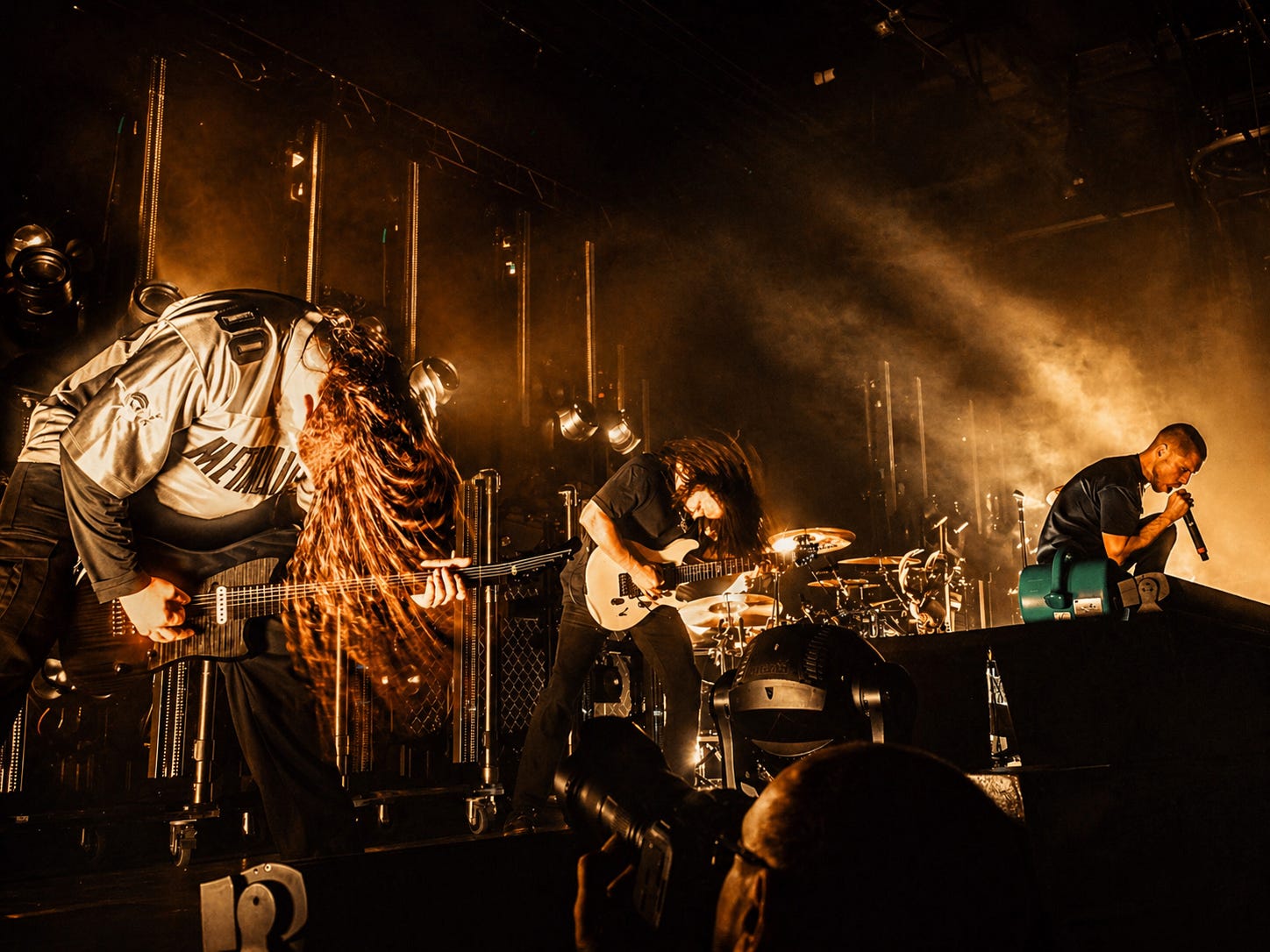
The setlist smartly bridged the band’s evolution, rewarding longtime fans with a track from their debut album The Somatic Defilement while still leaning into the more refined brutality of their later material. That balance gave the performance both nostalgia and momentum, a reminder of how far the band has come without losing the raw edge that has defined them.
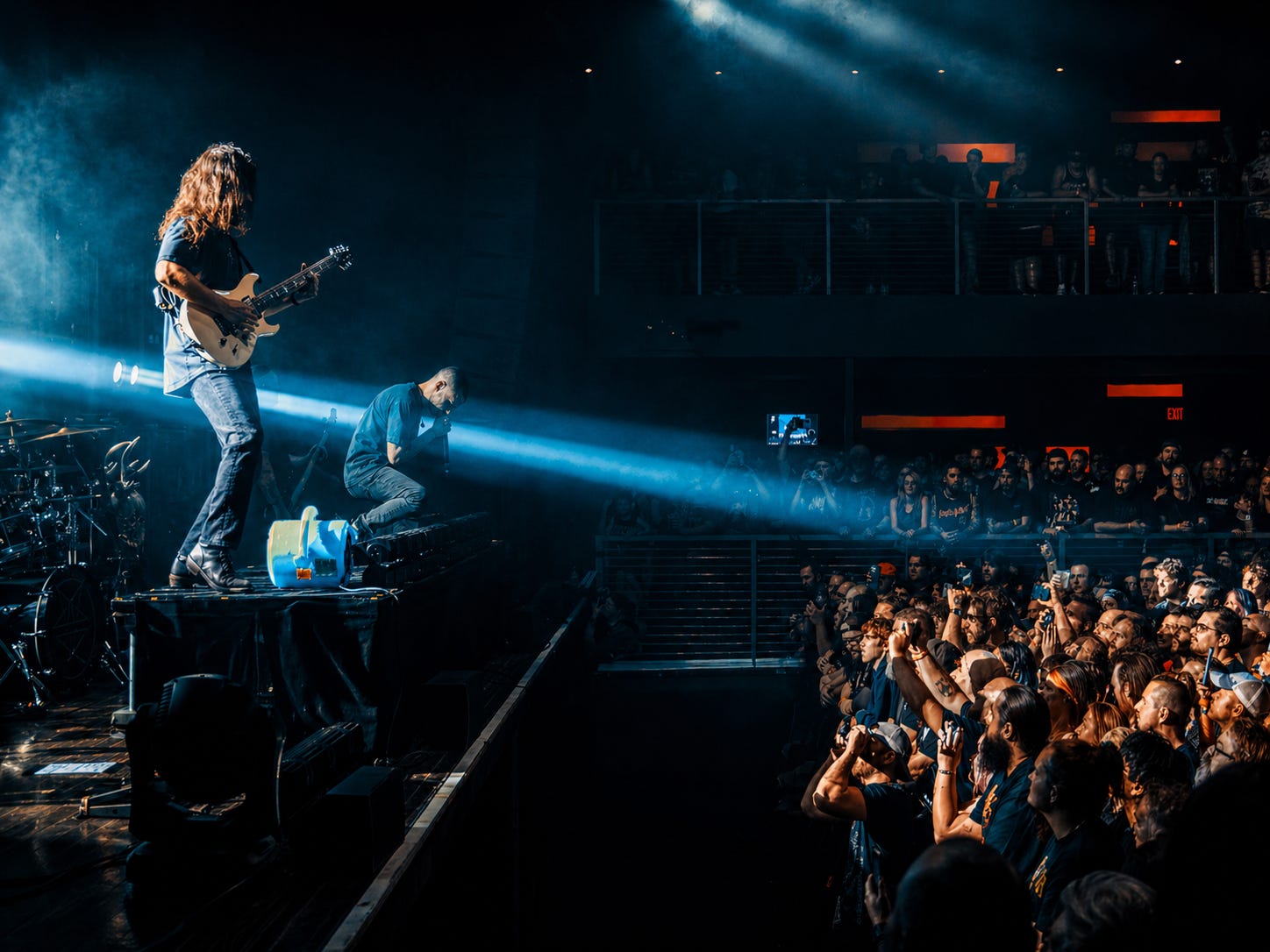
By the time their set reached its final moments, the crowd was fully surrendered. Mosh pits churned, bodies collided, and every breakdown hit with amplified impact. Positioned directly before the headliner, Whitechapel didn’t just warm up the room. They elevated it. Their performance served as a decisive turning point in the night, transforming an already energized audience into something feral, primed for what came next.
Slaughter to Prevail Command the Night
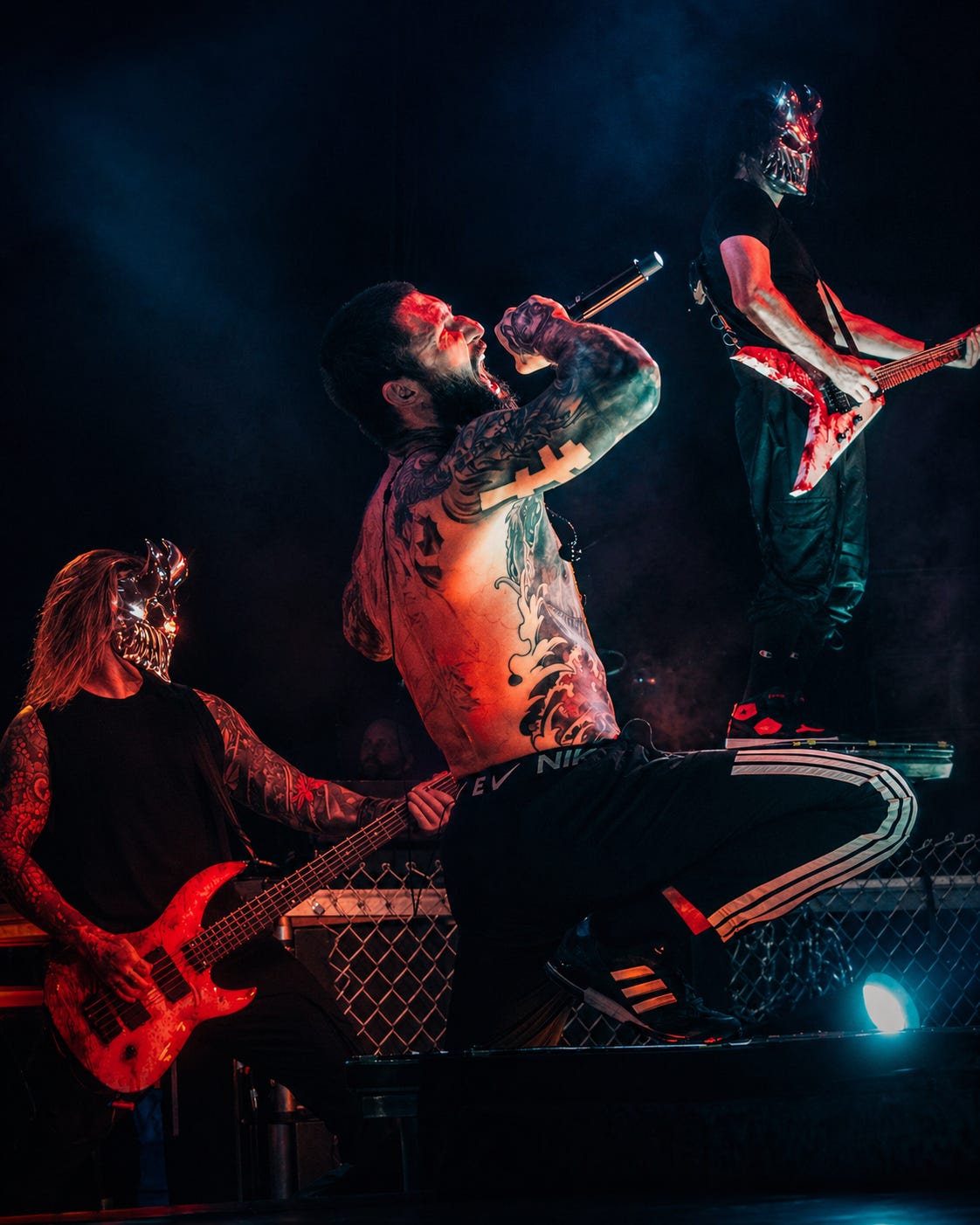
By the time Slaughter to Prevail took the stage, anticipation inside the venue had reached a near-breaking point. The energy that had been steadily building throughout the night finally found its release the moment the first notes rang out in an eruption that felt both inevitable and earned.
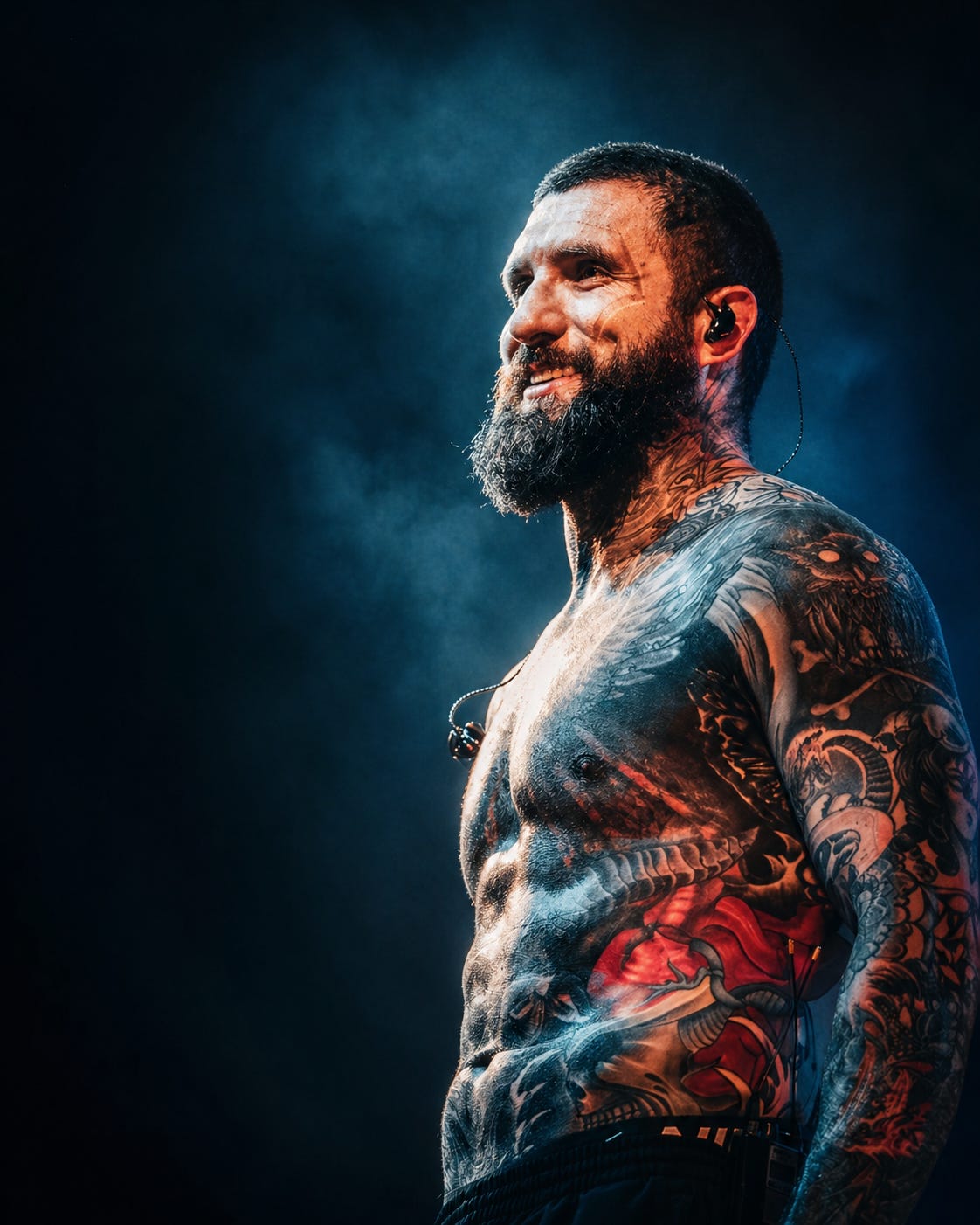
Formed in 2014, the Russian-born deathcore outfit has cultivated a global following, fueled in no small part by frontman Alex Terrible. Equal parts mystique and menace, his reputation extends far beyond the stage. Whether through viral vocal demonstrations or his unapologetically raw public persona, he has become a central figure in modern extreme metal. But in a live setting, those digital fragments coalesce into something far more imposing. His presence is not just seen or heard, it’s felt, a commanding force that anchors the band’s primal assault.
That presence carried added emotional weight on this particular night. In a recent Instagram Q&A, Alex hinted that this tour could mark a turning point, suggesting a step back from the demands of full-length touring in favor of time at home. Addressing the crowd between songs, he echoed that sentiment, not with finality, but with a reflective gratitude that gave the performance a sense of occasion. It introduced a subtle friction. The possibility that moments like this may soon become less frequent.
However, if there was any notion of restraint on this, the final night of the tour, it never surfaced.
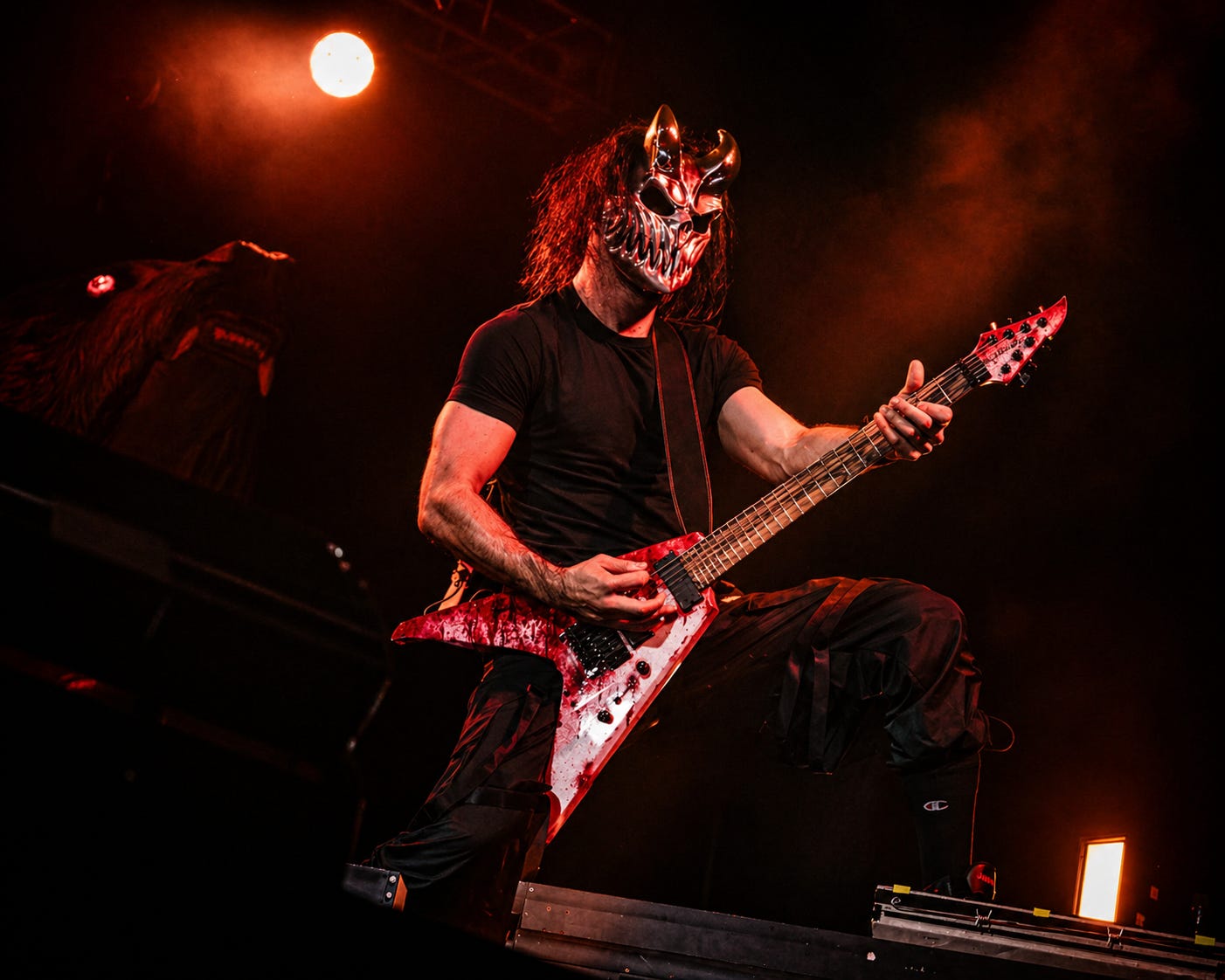
From the outset, the band moved with a precision that approached meticulous. Guitarists Jack Simmons and Dmitriy Mamedov locked into crushing, gut-punching riffs with unwavering symmetry, while bassist Mike Petrov provided a dense low-end foundation that gave each breakdown its heaviness. Behind them, drummer Evgeny Novikov delivered a relentless performance of blast beats and double-kick patterns executed with a level of endurance that never faltered.
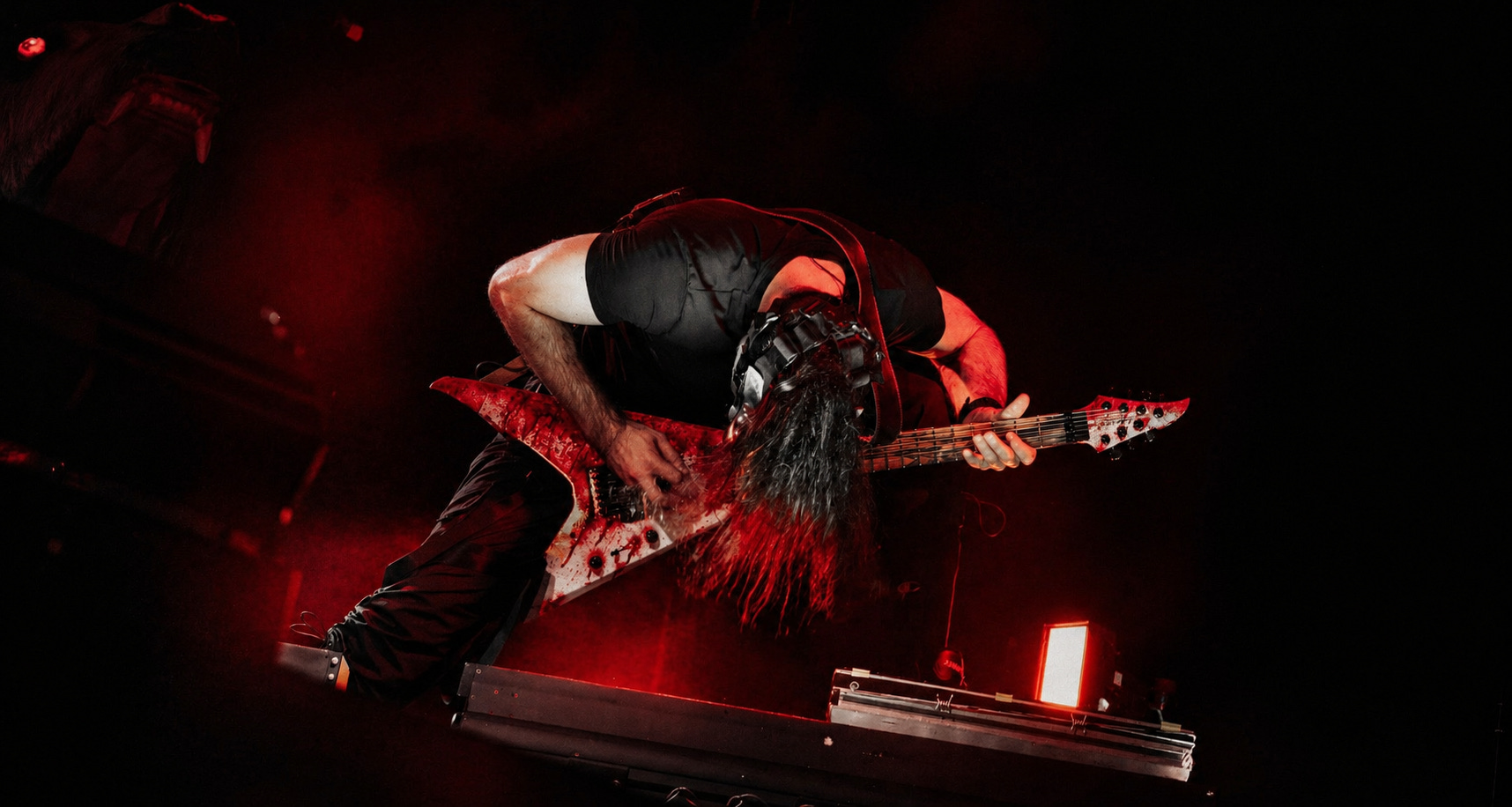
Visually, the band operated as a single unit. Headbanging cycles were synchronized, stage movements deliberate, and transitions seamless. What might appear chaotic to an outsider revealed itself, upon closer observation, to be potentially tightly controlled choreography, with each member moving within an unspoken framework that elevated the performance beyond mere aggression.
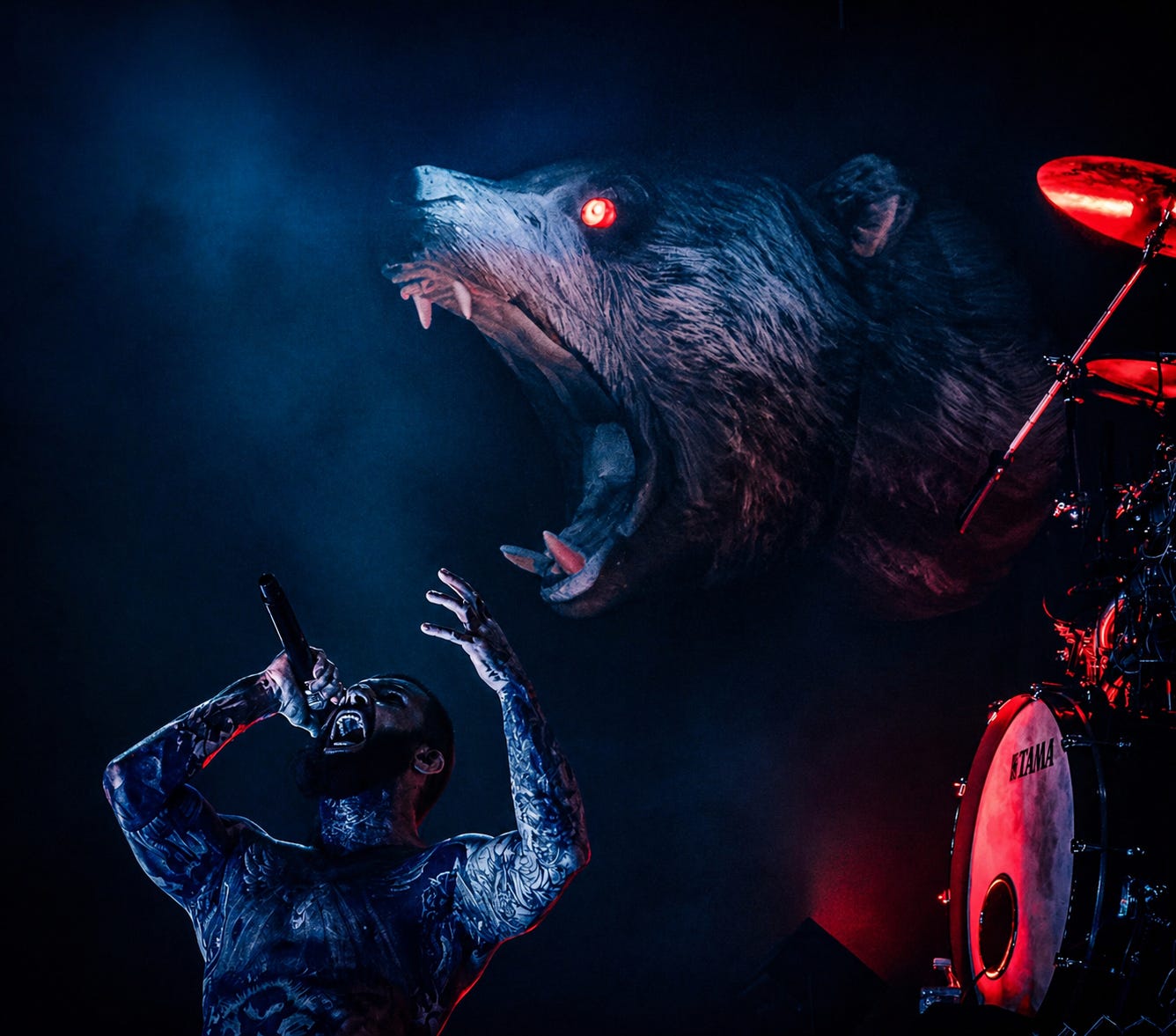
Several moments punctuated the set. Midway through, Alex stepped back from the microphone and unleashed his infamous guttural scream that carried cleanly across the entire venue, a stark demonstration of both technique and raw power. Later, in a brief shift of tone, a comrade of the band joined the stage and launched t-shirts into the crowd with a t-shirt cannon, an almost understated gesture that still managed to draw a surge of excitement from the fans.
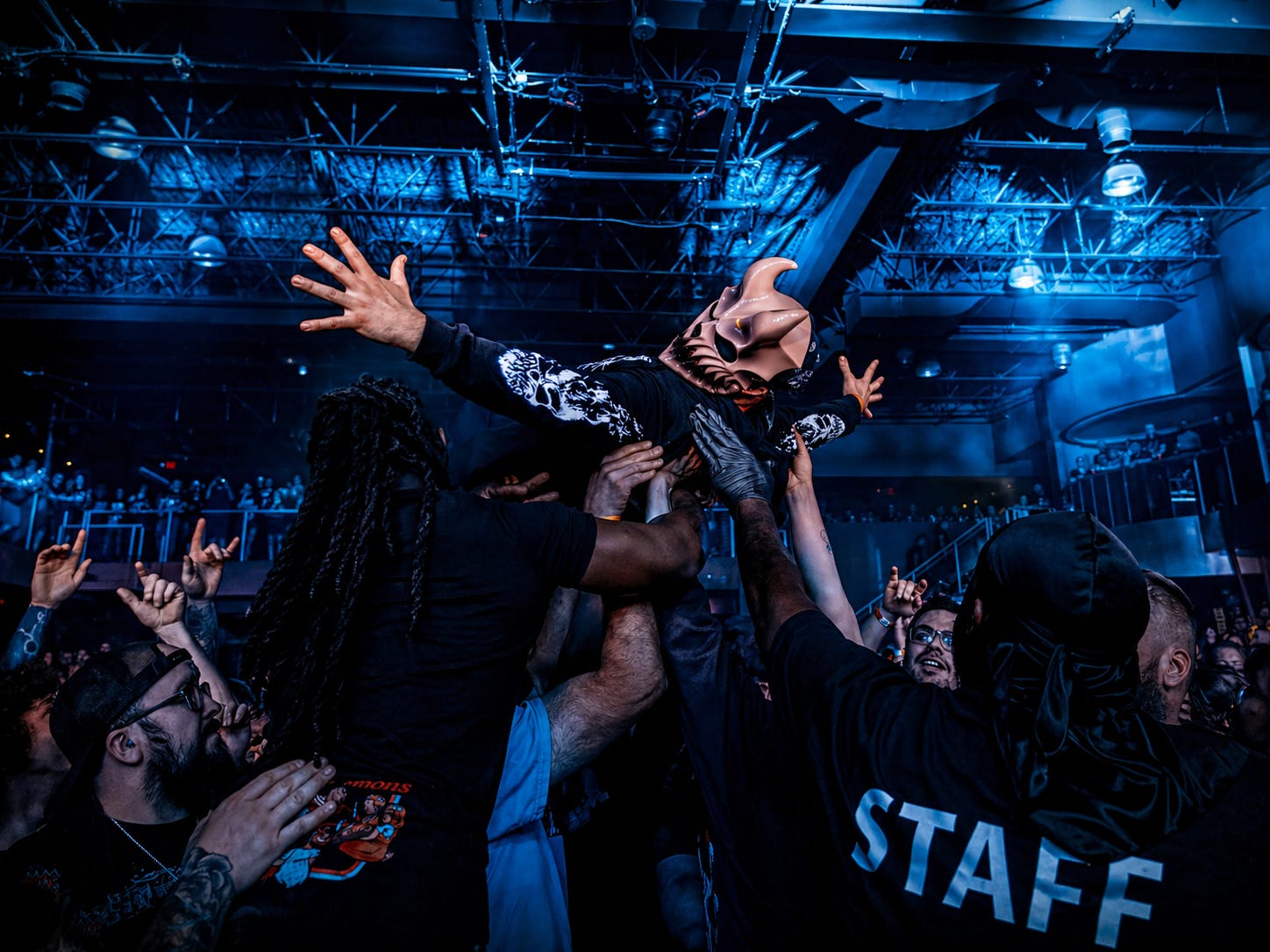
But it was the crowd itself that became an extension of the performance. Circle pits opened and collapsed in rapid succession. A wall of death split the floor with purpose before crashing back together on cue. Waves of synchronized jumps rippled outward from the barricade to the back of the room. It was movement at scale. Volatile, but never directionless.
In the end, the set was a study in contrast: brutality paired with discipline, chaos governed by intent. If this tour does represent a transition point for Alex Terrible and Slaughter to Prevail, they made certain the night would not be remembered as a farewell defined by sentiment, but as a statement of peak form that was unyielding, deliberate, and impossible to ignore.
Afterglow
While the lyrical themes may not resonate with every listener, the visceral energy of a live metal show remains undeniable. It exists beyond language or message as something felt more than analyzed. In a room packed shoulder to shoulder, the barriers between strangers dissolve quickly. What begins as individual spectatorship transforms into something collective: bodies moving in unison, voices shouted into the same air, a shared understanding forged in distortion and rhythm.
There is a catharsis in that release. The push and pull of the crowd, the cyclical surge of the pit, and the unspoken rules that govern it all create a space that is paradoxically both hectic and controlled. It’s an environment where intensity becomes a kind of communication. One that doesn’t require translation. For many, it’s less about the specific lyrics and more about the permission to feel something unfiltered, even if only for a set’s duration.
At Myth Live, that energy didn’t simply sustain itself, it escalated. As the night progressed, each performance seemed to stack upon the last, amplifying the atmosphere rather than exhausting it. By the time the final notes rang out, there was no sense of fatigue in the room, only a lingering charge. It felt less like an ending and more like a culmination. An exhale after sustained intensity.
Closing out a tour under those conditions is no small feat. Yet this show managed to do so not by dialing anything back, but by leaning fully into the weight of the moment. It was loud, unrelenting, and at times overwhelming, but that, ultimately, is the point.


Please consider Donating to Sponsor an article even $1 helps!
