


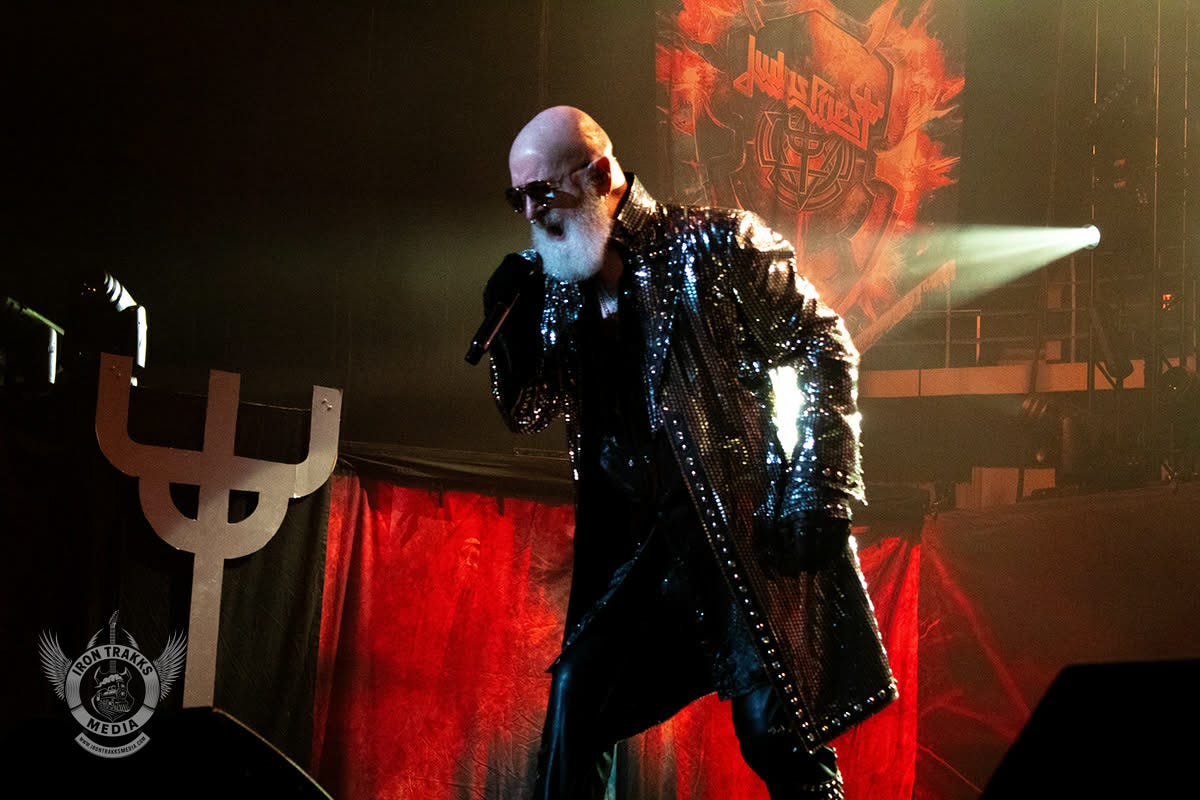
The crowd was behind me, the edge of the stage was in front of me and Rob Halford stood only a few feet away.
The lights had dropped. The curtain went up. Then—BAM. The Metal God.
There are moments when a concert photographer has to split himself in two. One half is a fan whose brain has just stopped working. The other is counting seconds, watching the light and trying to keep a famous face sharp inside a viewfinder. I had to contain myself long enough to do the job. Halford did not pause so I could collect my thoughts. The crowd did not care whether I had found the right settings. The first three songs were already burning away.
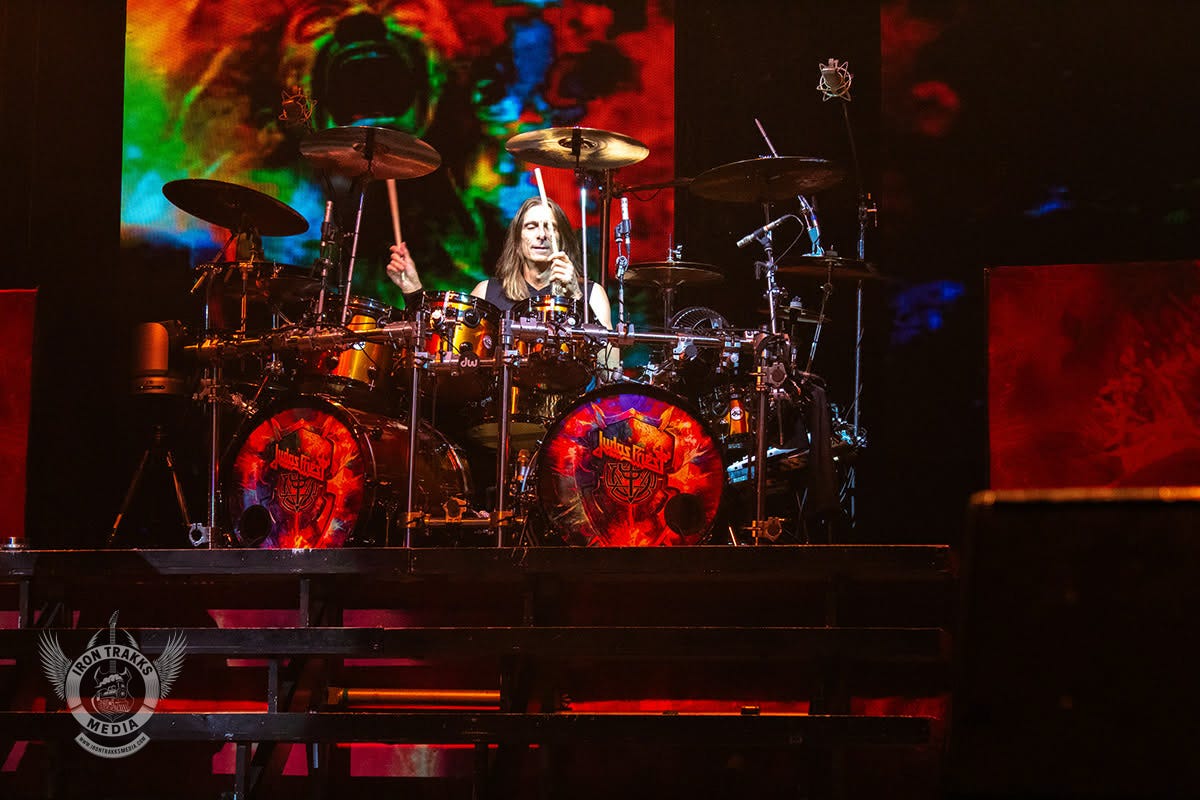
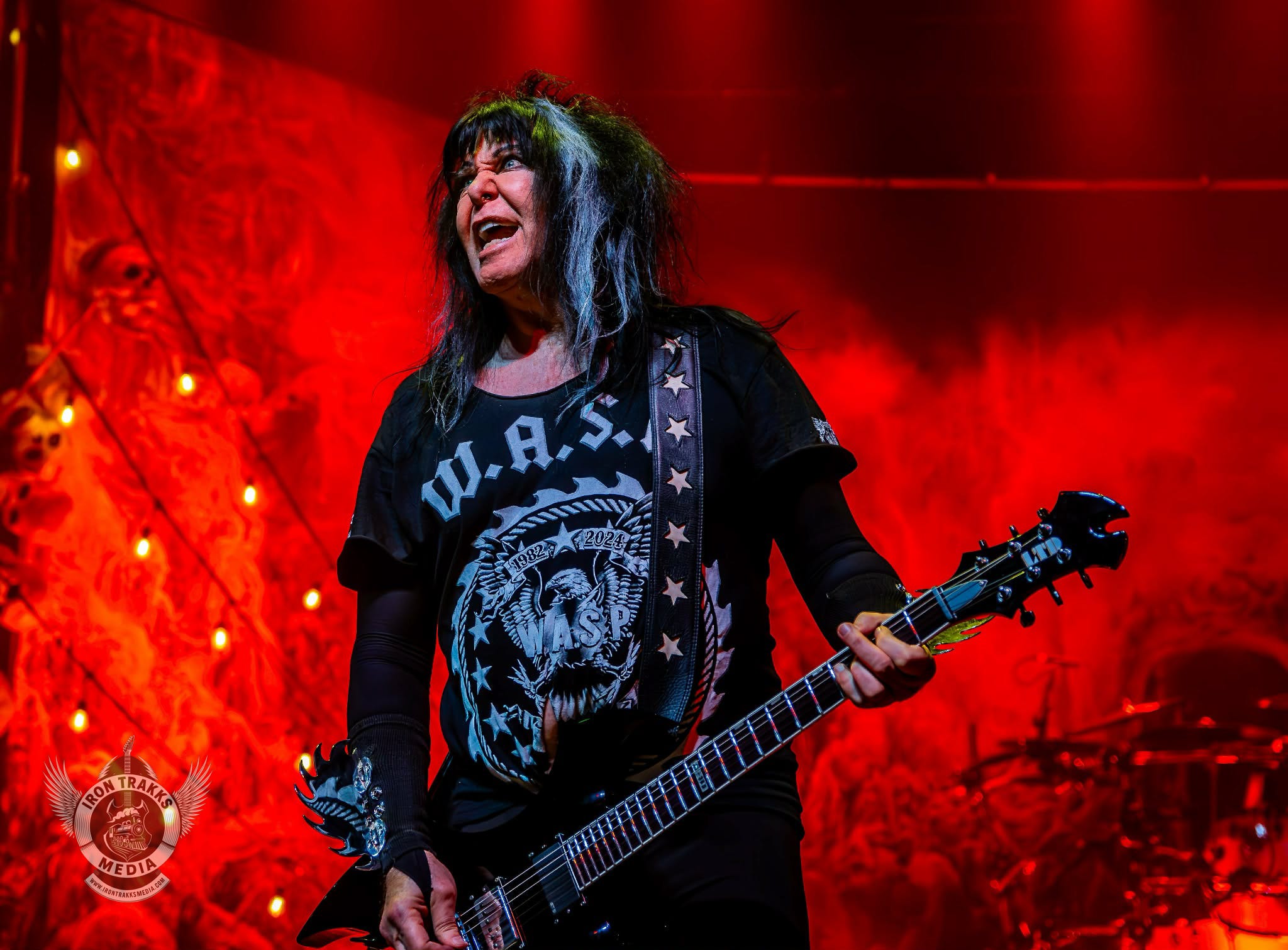
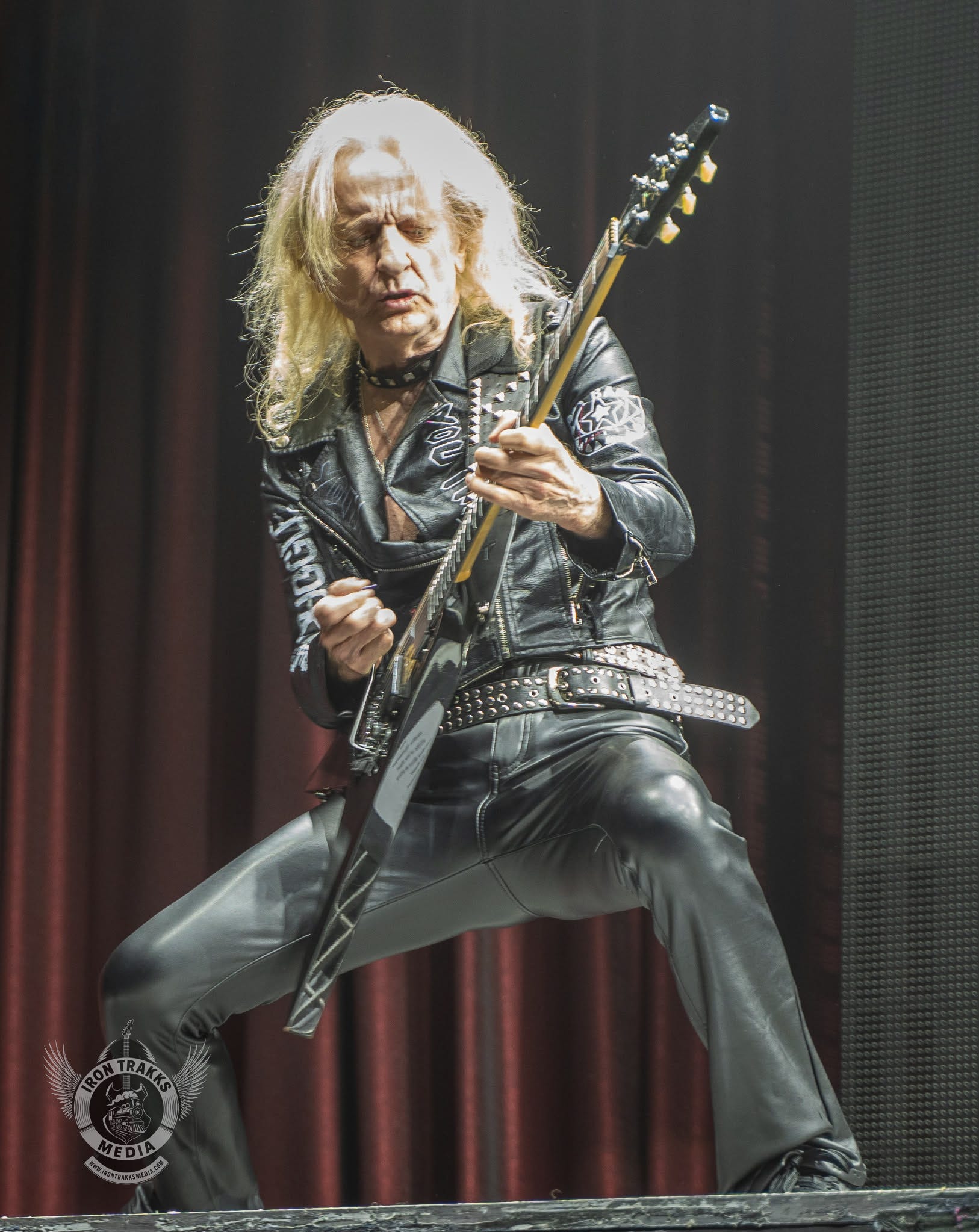
That rush is real. I will never pretend otherwise. I have chased it into big cities, arenas and rooms whose names look good beneath a photograph. My files hold Blackie Lawless at the Ryman, K.K. Downing in Nashville, Zakk Sabbath under the same famous roof and Halford commanding a stage as if fifty years of heavy metal had merely loosened him up.
For a long time, I thought getting closer to the biggest stars meant I was getting closer to where I belonged.
I had the direction backward.

The big-city chase
Home sits in a useful spot. I can point the car in nearly any direction and find live music within 30 to 60 minutes. Tupelo, Amory, Ripley, Florence, Clarksdale and Meridian each carry their own version of the night. On most weekends, somebody is loading a drum kit through a back door while somebody else argues with a cable that worked perfectly at rehearsal.
Still, once I began photographing shows and writing reviews, the big names pulled hardest. The goal seemed obvious. Apply for the credential. Wait. Refresh the inbox more times than any reasonable adult should. Drive to the city if the approval came through. Find the media entrance. Get the shots. Do it again.
Then January arrived and my main source of income disappeared.
Losing a job does not feel poetic while it is happening. It changes the math in a house. It makes every trip, every tank of gas and every unpaid hour behind an editing screen harder to dismiss as part of some grand plan. Yet my family and I had been praying over that part of my life. When the job ended, I called it a blessing before I fully understood what the blessing might be.
At the same time, approvals for the larger shows became less frequent. I applied less often too. The machine did what machines do. It kept moving without me.
So I looked closer to home.
What I found was not a consolation prize or a smaller version of the work I had wanted. Northeast Mississippi was busy. Young musicians were rehearsing, established regional bands were filling rooms and new venues were trying to give all of them somewhere to play. The artists did not arrive with layers of publicists between us. Often, they were carrying their own gear.
They remembered who showed up.
Please consider Donating to Sponsor an article even $1 helps!

The work close to home
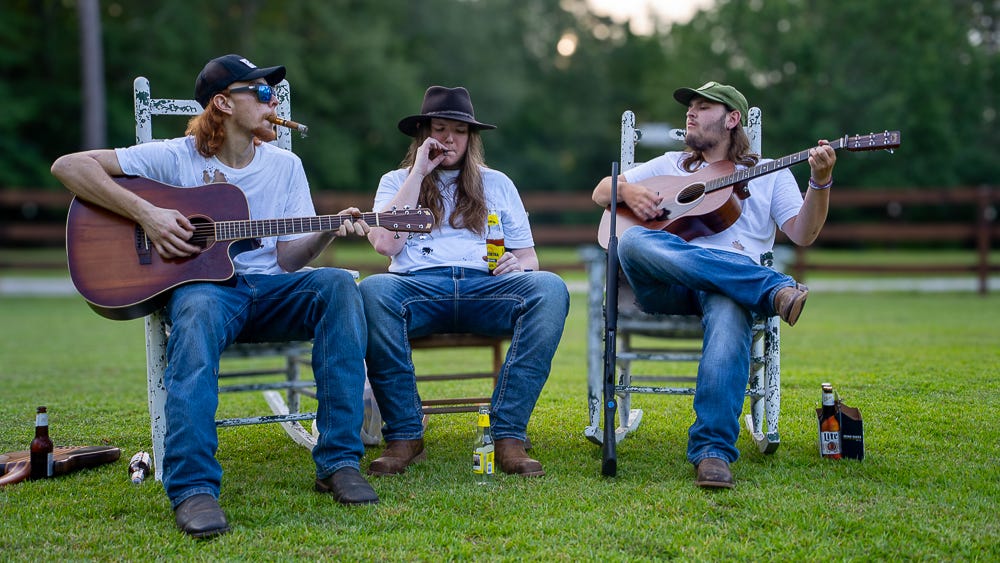
Leather Rose, an original Southern rock band from Amory, became a large part of that turn. Working with Silas Sloan, Carson Loden, Blake Summerford and Mason Hanlon gave me something an arena credential rarely could—repetition with a purpose. I photographed them, traveled with them and learned how a band behaves when the stage is not yet ready, the room is unfamiliar or a good idea appears five minutes before it is time to play.
The work continued after the shutter stopped. I practiced editing without polishing the life out of a frame. I learned how to communicate before a show instead of assuming everyone knew what I needed. They learned whether I would deliver what I promised. I learned how different venues treated musicians, how a band adjusted to a room and how much trust could be earned by simply being reliable.
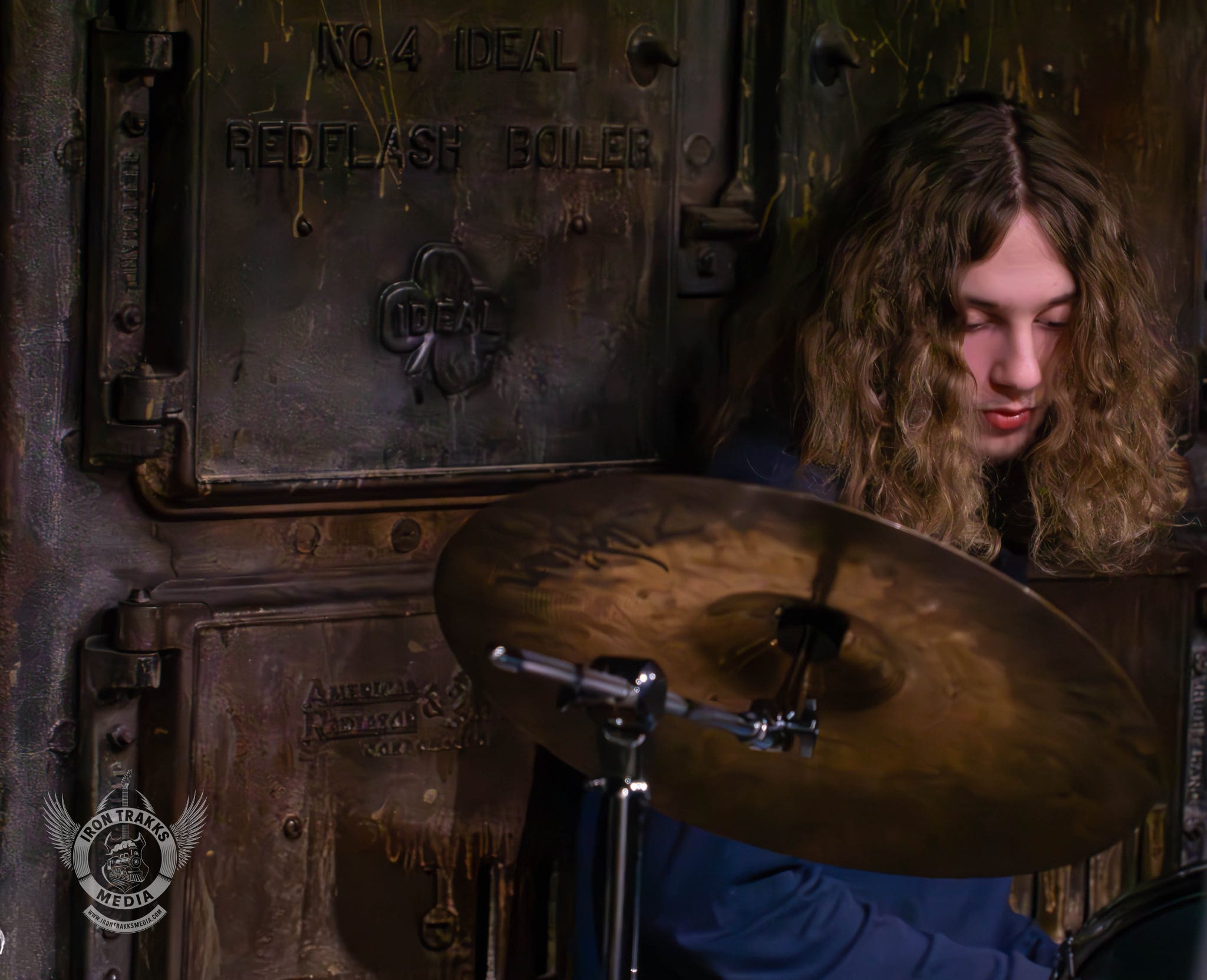
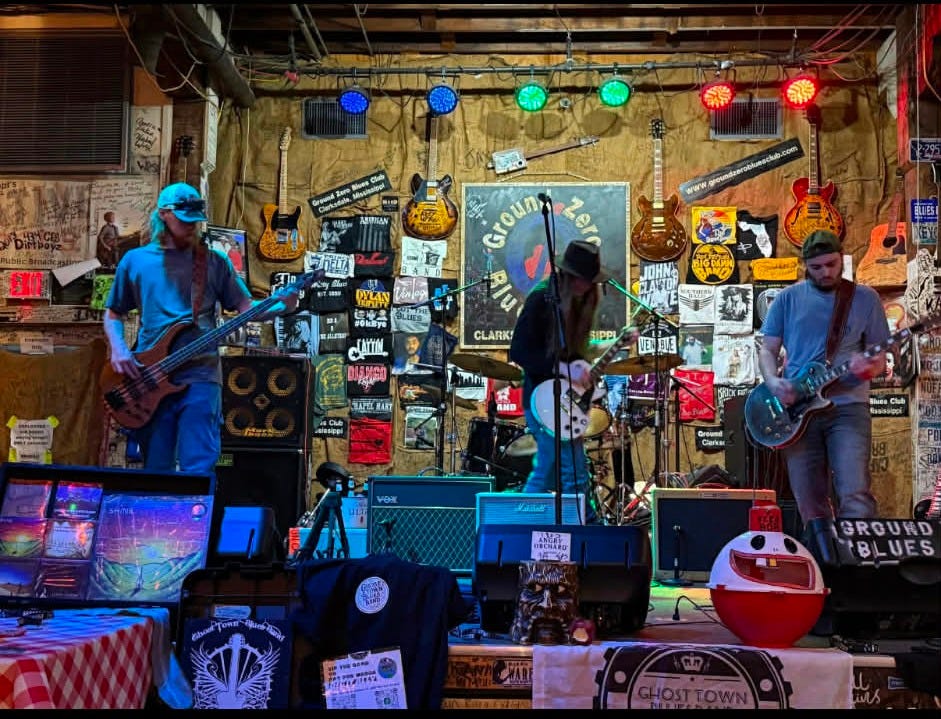
There was a front-yard session. There was Mason behind the kit at the Boiler Room in Florence. There was Leather Rose at Ground Zero Blues Club in Clarksdale. None of those settings offered the neat sameness of an arena pit. The light changed. The distance changed. The access changed. I had to change with it.
Traveling with the band also let me see the parts of a local scene that disappear in a standard three-song photo pass. Sometimes a guitarist lands on an unplanned lick and everybody looks up. Sometimes the rhythm of a song refuses to cooperate, so the musicians stop, laugh, count it off and try again. A lighting angle that looked useless from one side becomes the photograph from three steps over. A camera setting fails. Then a different one teaches you something.
Those are small moments until you spend enough nights around them. Then they become the work.
The large artists I had chased were already surrounded by promotion. They had tour photographers, label teams, press representatives and fan accounts moving their names across the internet every hour. My photograph could still be good. The experience could still leave my hands shaking. Yet Rob Halford did not need me to introduce him to the world.
A young band sitting in a studio for the first time might.
That difference changed what I wanted from the camera. I still wanted the striking frame—the bent knee, the raised guitar, the split second when a face crossed through the best light in the room. I also wanted the photograph to be useful. I wanted it to help an artist announce the next show, make a venue look alive and give someone who stayed home a reason not to miss the next one.
The hundred-person room
I first paid serious attention to Backline Music Hall after seeing that B.J. Barham had announced a solo show there. I had noticed posts about the venue before then without studying the details. Life was complicated and I was not doing much. Then Barham’s name stopped the scroll.
His March 31 appearance sold out. The more important moment for me came when I opened Backline’s door.
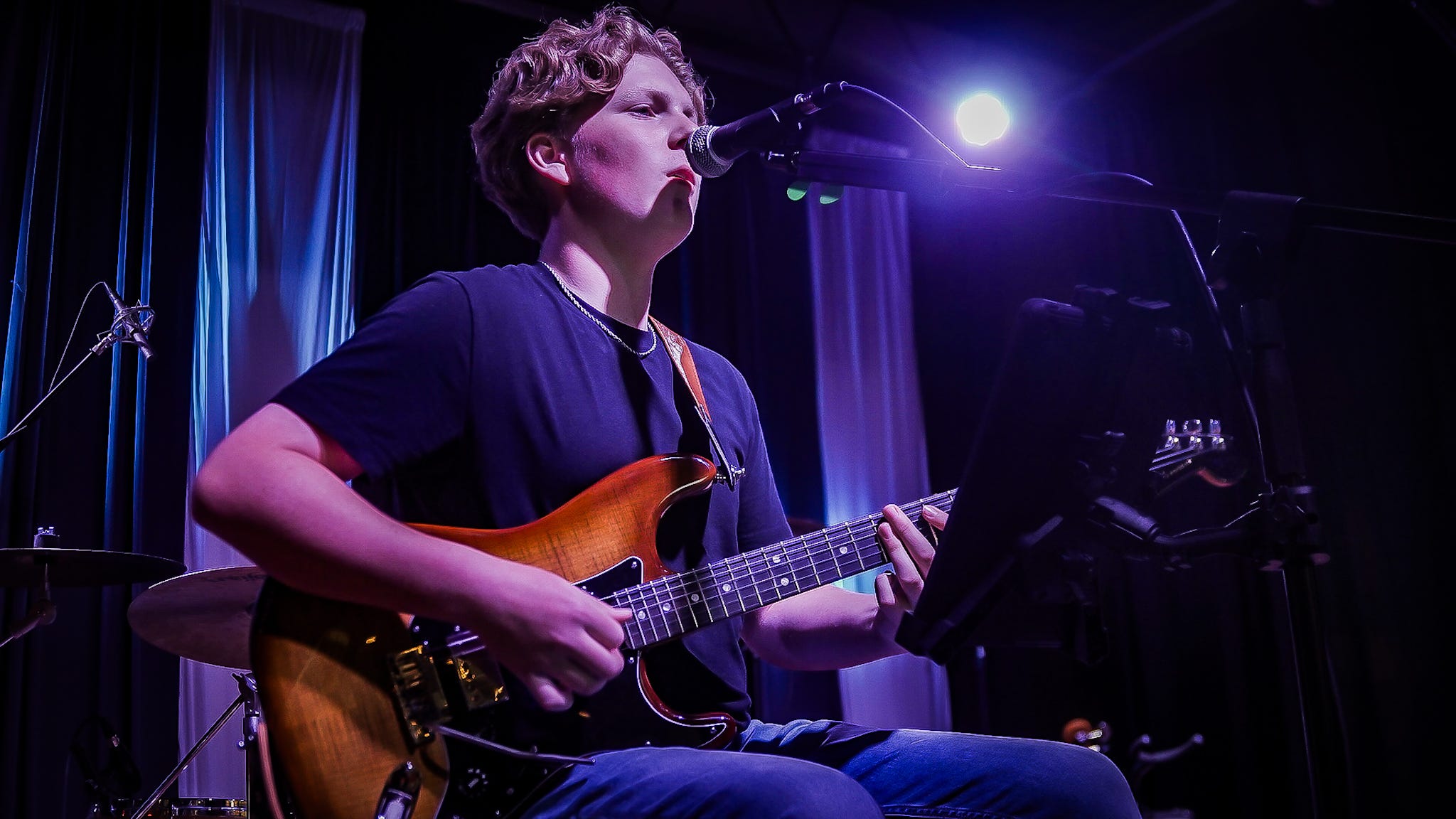
The venue sits in a strip-mall-style location on Cliff Gookin Boulevard in Tupelo. Inside, the lighting is already thinking about the performance. Padded chairs and sofas give the place the feel of a listening lounge rather than a bar that happened to clear a corner for a microphone. The floor is small. That limitation becomes part of the appeal. Backline lists its capacity at 100, which means intimacy is not a slogan somebody wrote after the fact. It is the physical condition of the room.
There is no great distance between the performer and the last row. A singer can see who is listening. A photographer cannot disappear into a cavern and hope a longer lens will solve every problem. When the room is full, the crowd becomes part of every wide shot.
The bar line moves. Bleu Collar Toasties runs the kitchen on event nights and “The Soprano” is the best grilled-cheese sandwich I have personally had. I realize this is a serious claim. I stand by it.
Then there is the calendar. B.J. Barham, The Weeks, Kudzu Kings, Drivin N Cryin, Will Stewart, Thelma and the Sleaze and The Bright Light Social Hour have all appeared on a schedule that keeps reaching beyond what anyone might expect from a hundred-person room in a shopping center. Sold-out nights have arrived often enough that the red label on an event page no longer feels surprising.
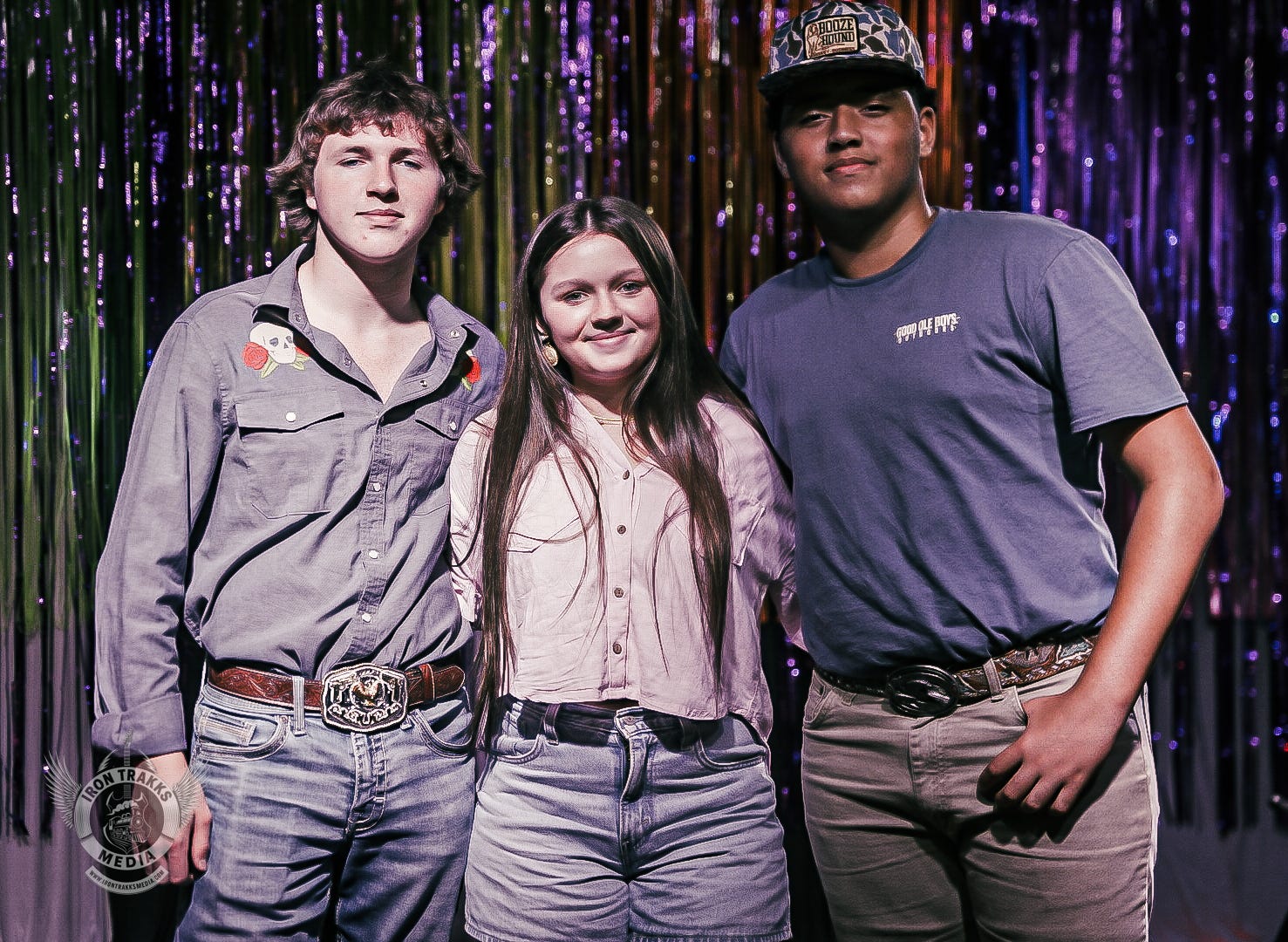
The room has also made space for musicians who are still learning what a stage asks of them. At Backline’s first Summer Youth Concert Series, Reese Burks, Celie Duffie and Davis White stepped into the same room that has held seasoned touring acts. Later came Pocket Change and John Clayton White. That pairing of regional names and young local performers explains Backline better than a capacity number can. The venue is not waiting for an artist to become important somewhere else.
Photographing those nights brought the larger lesson into focus. A sold-out Kudzu Kings show looks impressive in a portfolio. So does The Bright Light Social Hour caught in a hard slice of stage color. Yet a photograph of three young performers at the beginning of their public lives may carry a different kind of weight. Years from now, they may look at that frame and remember the first time a room took them seriously.
Cid, Christina, Meredith, Brian and Brent have built the kind of place where those memories can happen. I am grateful to them for opening the door, then giving musicians and the rest of us a reason to keep walking through it.
When the photographs started talking back
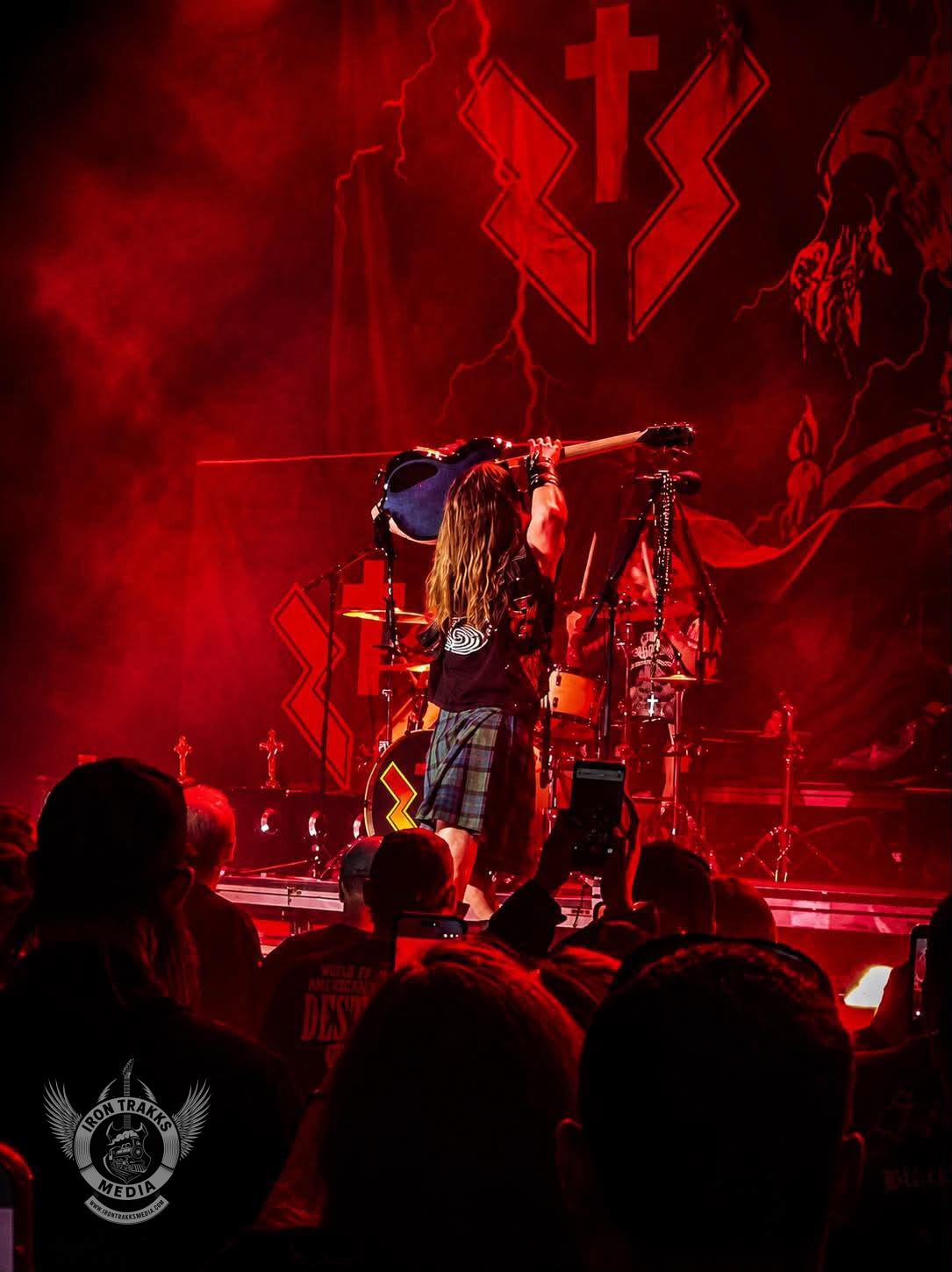
Around the same period, I asked a man on Facebook if he knew the media contact for a Zakk Wylde show. His name was Devin Jay Hoffie. That exchange became my introduction to Intellectual Dissatisfaction’s Lyrical Limelight.
Independent photographers are always looking for a publication willing to trust their eye. The good ones also need editors who will ask what the image is doing there, whether the caption is right and whether the story underneath the gallery deserves more than “the band rocked.” I found a team that let me create while expecting me to keep growing.
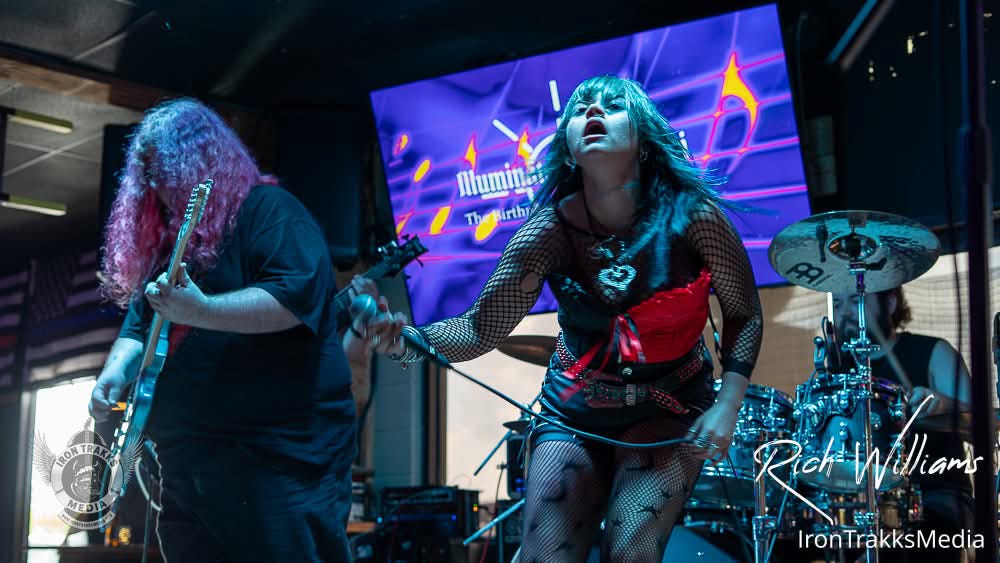
Then they unlocked a part of me I had not expected.
I started writing reviews.
A camera can preserve an expression, but it cannot explain why the moment landed when it did. Writing forced me to stay with the show after I finished the edit. I had to think about the sequence of songs, the way a performer used the room and the point when an audience stopped behaving like separate groups of people. I began to understand that the photographs and the words were not competing for attention. One caught the instant. The other could give it consequence.
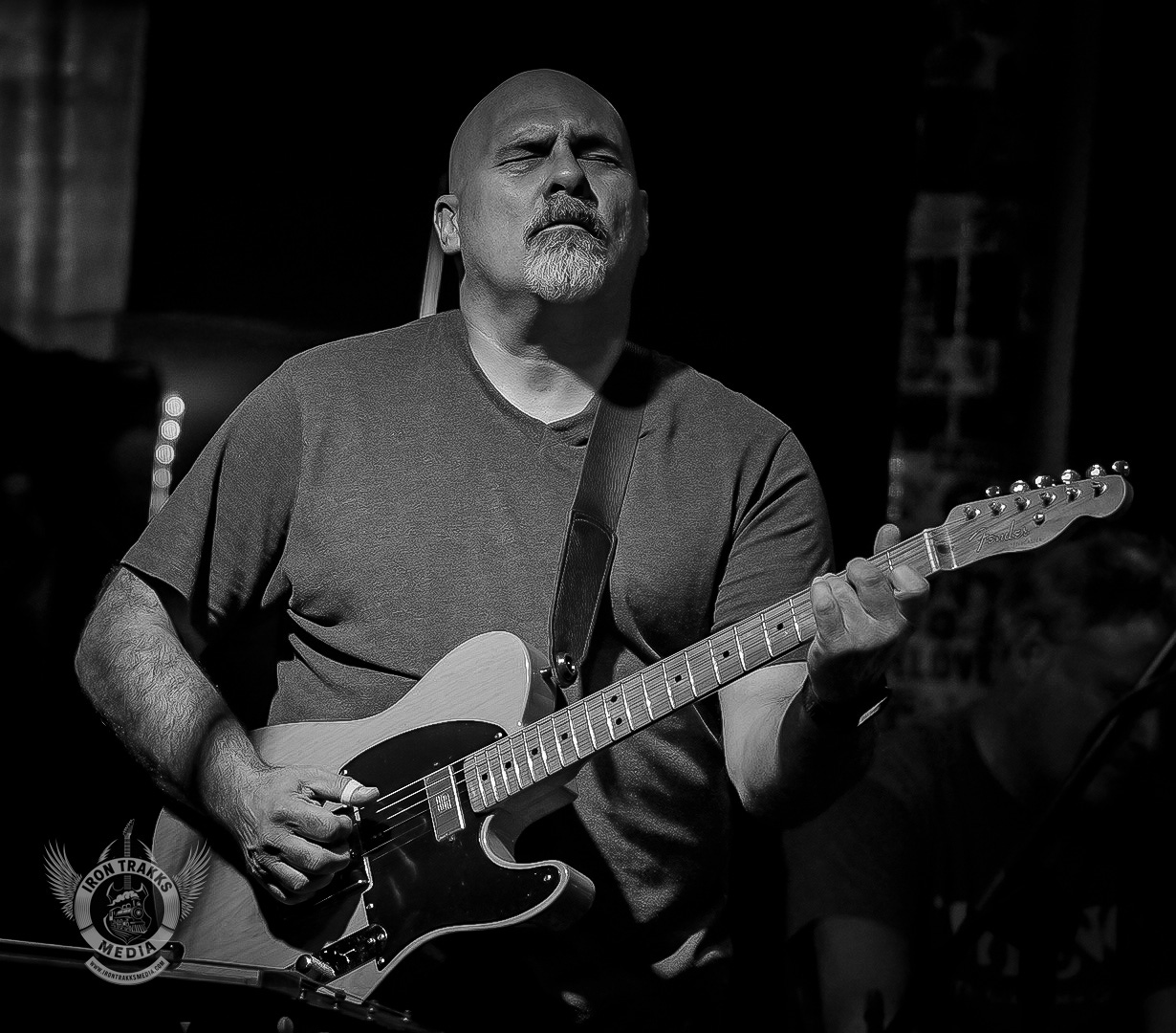
That work also sharpened the purpose behind Iron Trakks Media. What began as Mid-South Music Mag grew into a wider project built around photography, reviews, interviews and support for artists at different stages of their careers. The name changed. The instinct did not. Get close enough to see the work clearly, then help more people see it too.
I am grateful to Devin and Hope Hoffie, Jeremy Todd Mercier, Igor Dimitrienko, Alyce Nall, Ben Glanzer, Caleb Hauser, Molly and the rest of the people I am still getting to know. Music media can become territorial in a hurry. This team has made it collaborative. Somebody is always covering a room I could not reach, catching a frame I would have missed or asking a question that pushes the story somewhere more honest.
We stay busy. We also make each other better.


Going forward
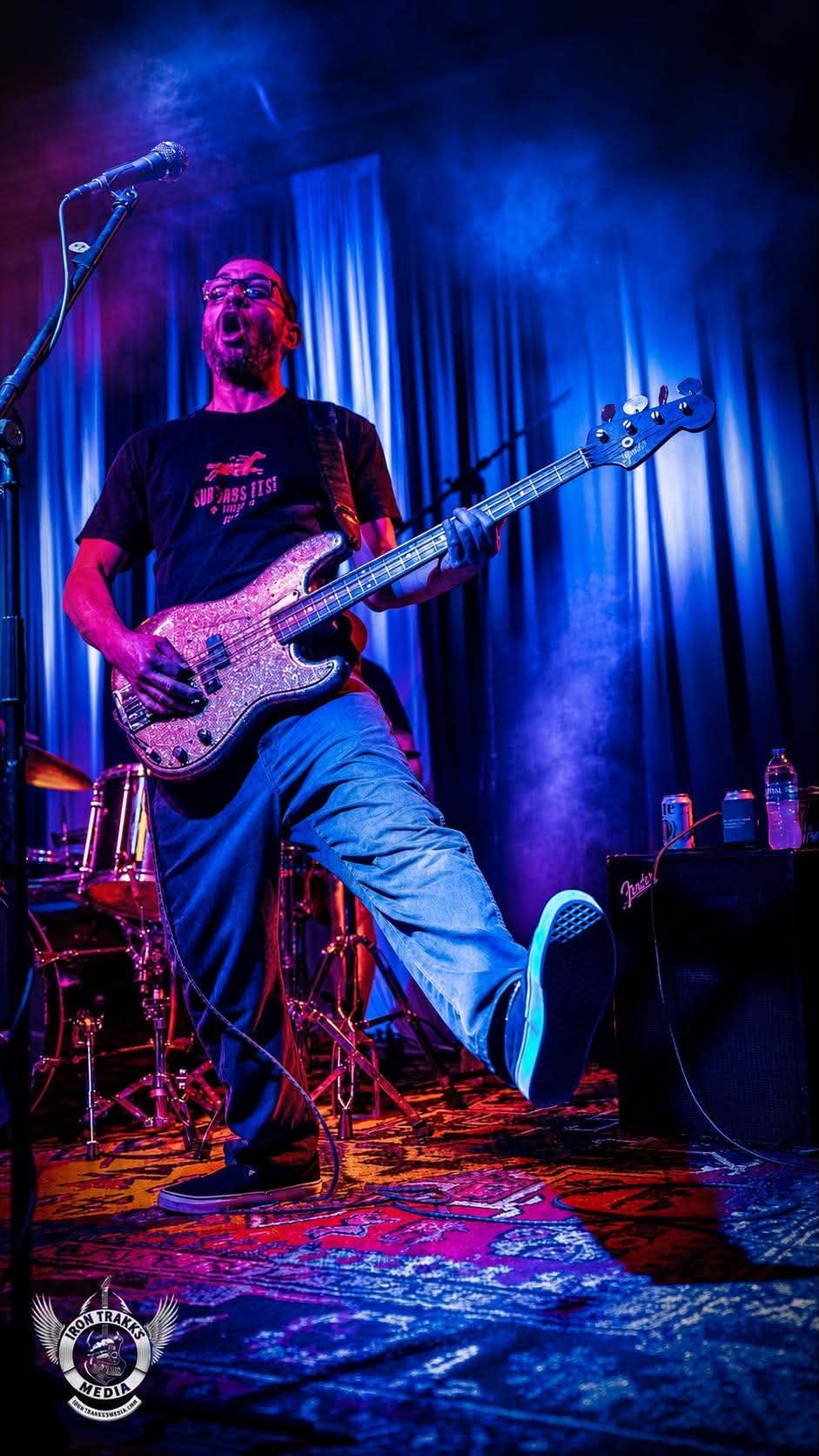
The next part of this work will be closer to home. That does not mean the radius of my curiosity has shrunk. It means I have learned where my time, photographs and words can do the most good.
I want to keep showing up for artists in Tupelo, Amory, Ripley and the towns between them. I want to support venues that have survived for decades as well as rooms still learning which night of the week their audience will come. I want to photograph musicians while they are building the songs, the confidence and the crowd they hope will carry them farther.
There is room to think bigger too. I keep returning to the idea that the Tupelo area could use a venue in the 600-to-1,200-capacity range—a room large enough to bring in acts that sit above the club circuit, yet small enough to create opportunities for local support bands. It could give the region another rung between listening rooms and arenas while keeping more ticket, restaurant and hotel spending close to home. I am a photographer, not a developer. Consider that my loud hint to anyone who is.
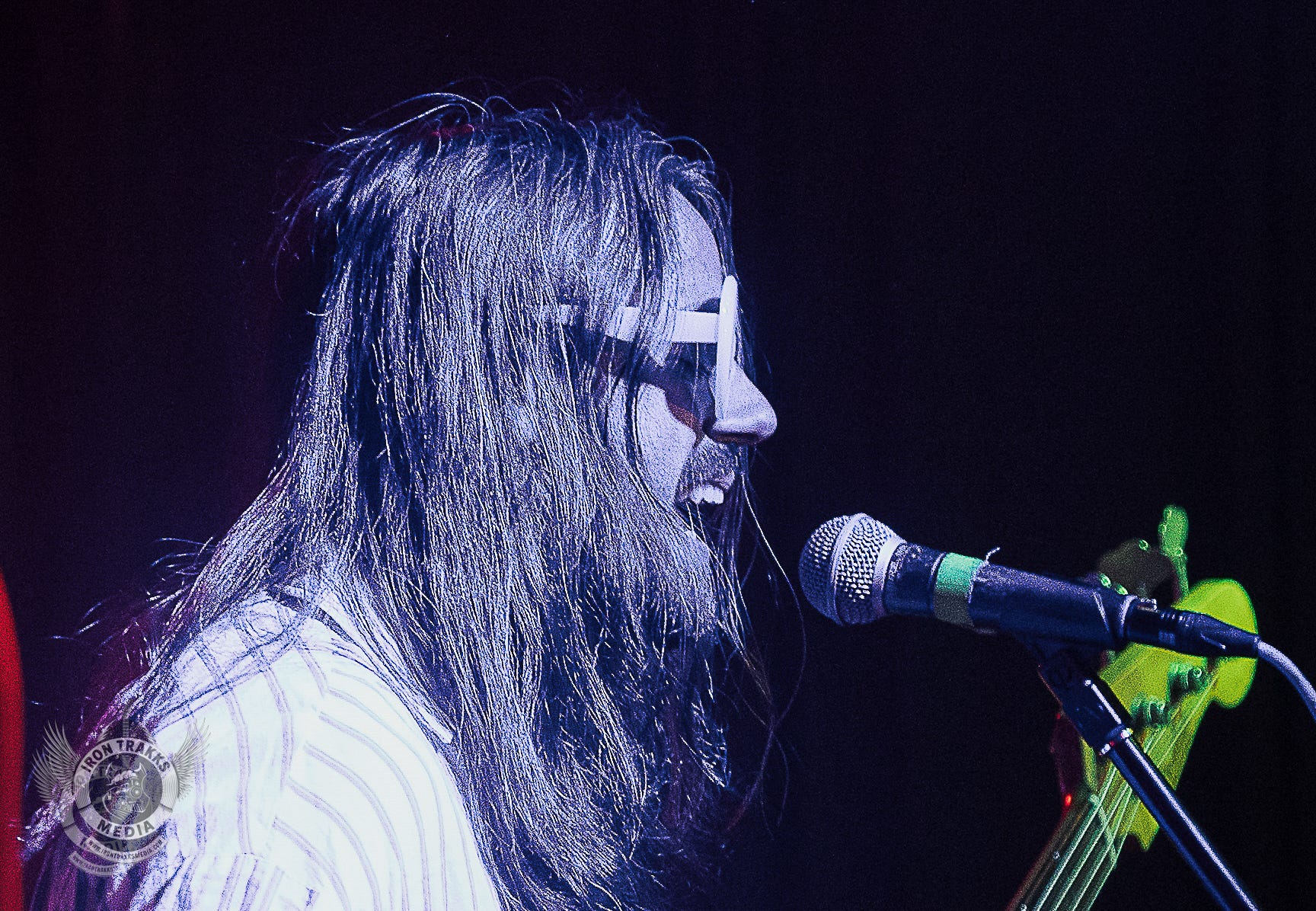
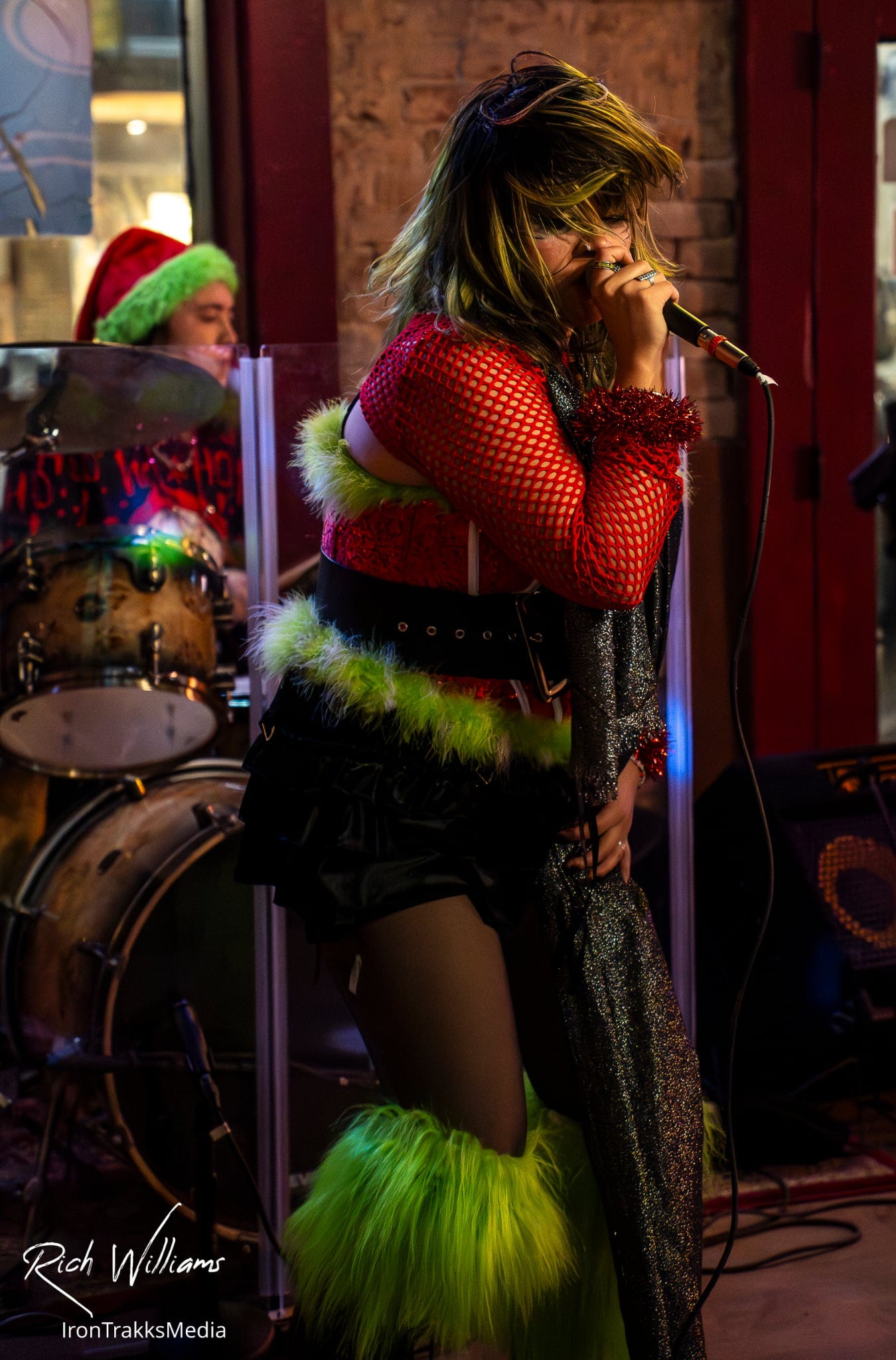
Things look brighter from here. More peaceful too. I get to practice my art, learn in public and share what I make. If a photograph helps a band sell a ticket, if a review persuades somebody to walk into a local venue or if a young musician sees proof that the room was paying attention, the work has done more than fill a portfolio.
The lights will go down again. A curtain may rise. My hands will still find the camera before my brain catches up.
The room might be smaller this time.
The work will feel larger.
Until next time, get on the right trakks.
Iron Trakks Media.
Please consider Donating to Sponsor an article even $1 helps!
