


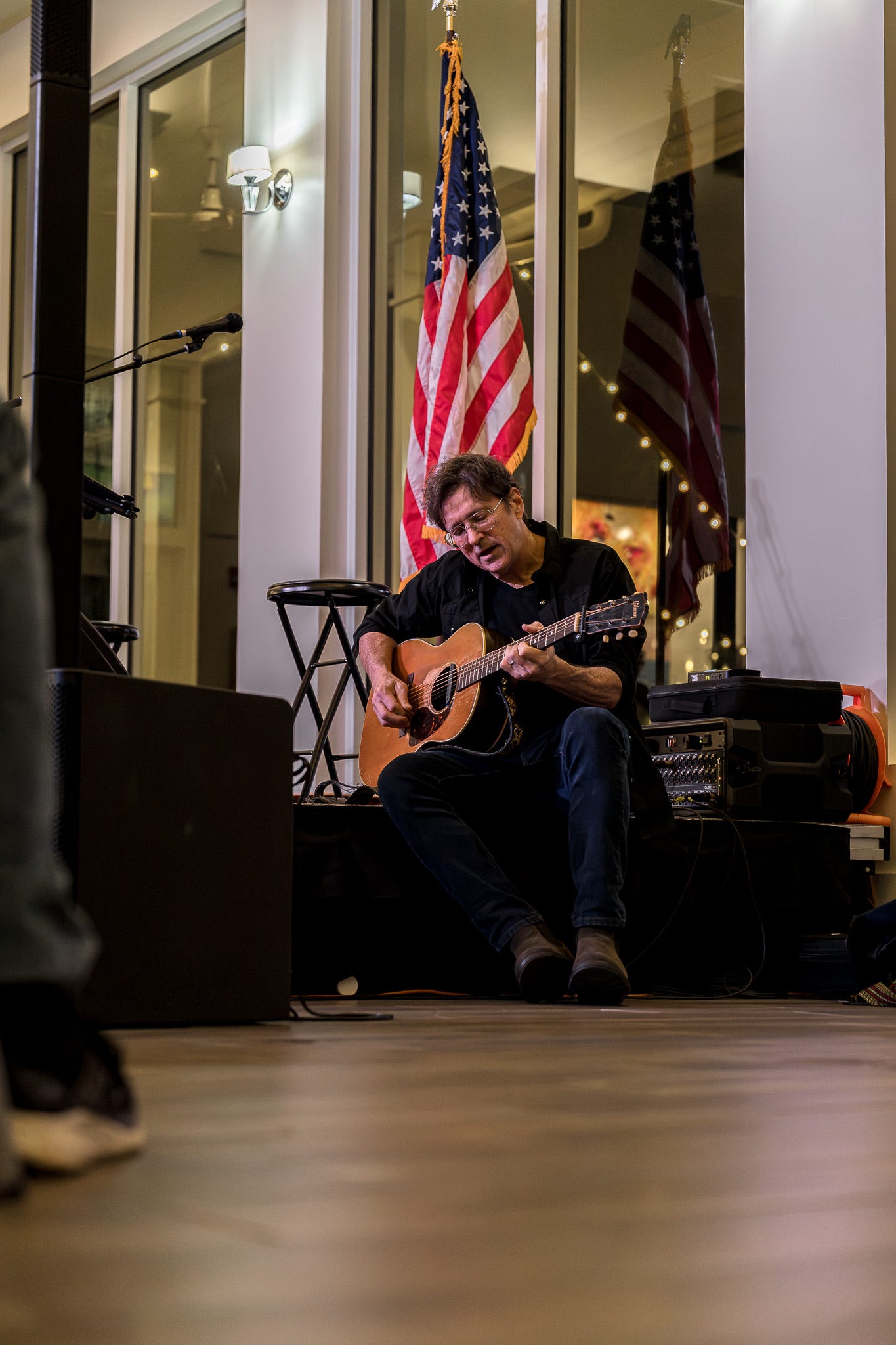
At this point in the Frank Brown Songwriters Festival grind, I am running on fumes. I’m living deep in zombie land, where sleep is hard to come by. My eyes are bloodshot and tired from late-night photo editing, and my wrists ache from constantly holding cameras all week — that exhaustion settles right into your bones. Then you walk into the intimate listening room at the Coastal Arts Center, and all of that is instantly put into perspective. You remind yourself to suck it up, because a little sleep deprivation, strained eyes, and sore wrists are nothing compared to the people who have sacrificed everything for our freedoms.
Before a single chord is even played, the air in the room feels different. There is a quiet anticipation — the kind that comes when people gather not just to be entertained, but to truly listen. Tonight isn’t a typical writers’ round filled only with stories of radio hits; it is a showcase for SongwritingWith:Soldiers, a nonprofit program dedicated to turning raw, often unspoken military experiences into shared healing. By pairing veterans and active-duty service members with seasoned songwriters, the program crafts original songs straight from their real-life stories, giving voice to the heavy, invisible weight many carry long after coming home.
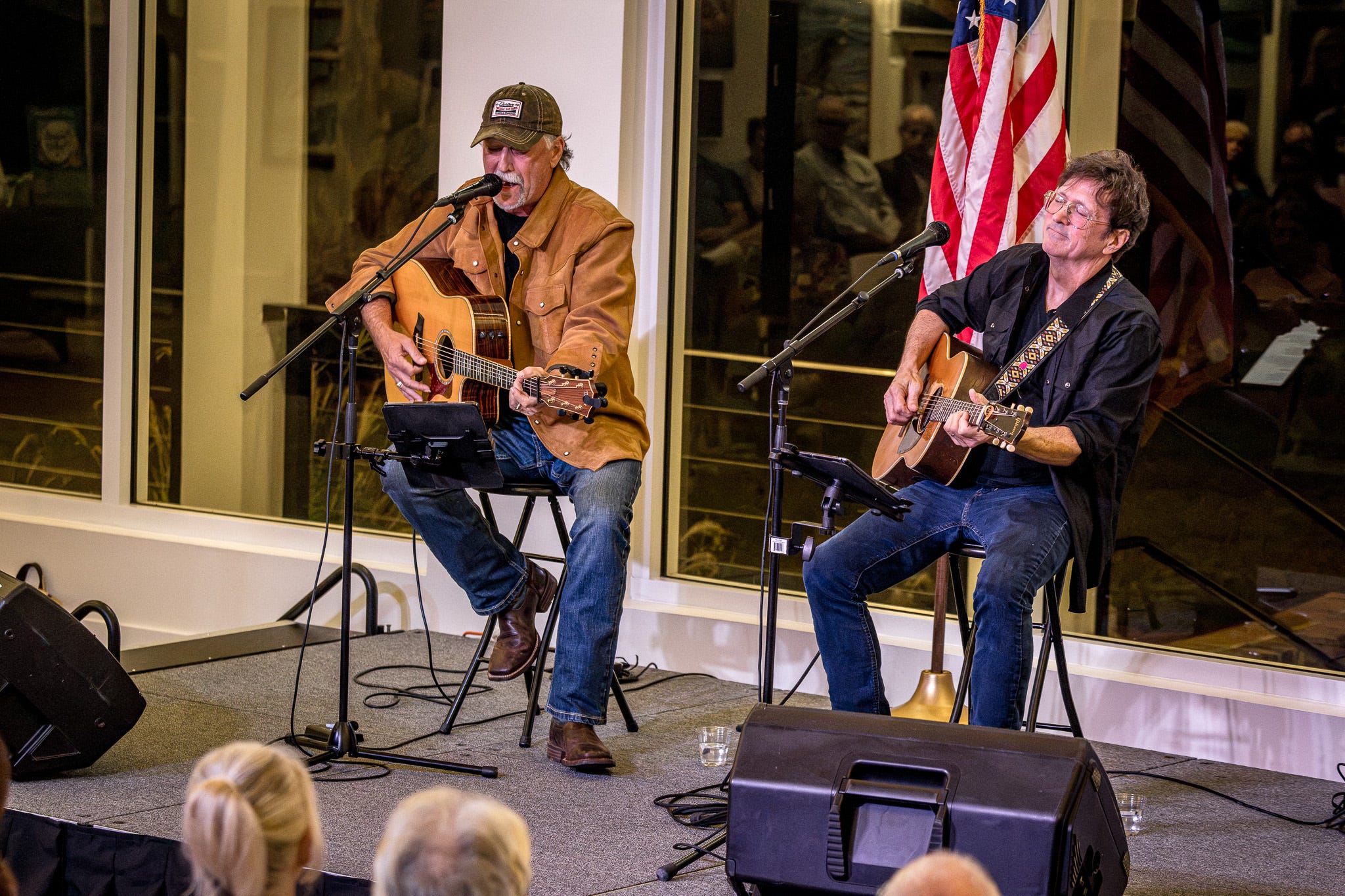
Tonight, I felt the palpable, natural buzz that comes with writing songs alongside soldiers and bringing those stories to life onstage. Watching Will Kimbrough and Mark Nesler perform, it’s clear that every lyric carries the weight of the room where it was born and the people who lived it. When a veteran shares their story aloud and a songwriter translates it onto paper, it creates something truly permanent — an indelible memory.
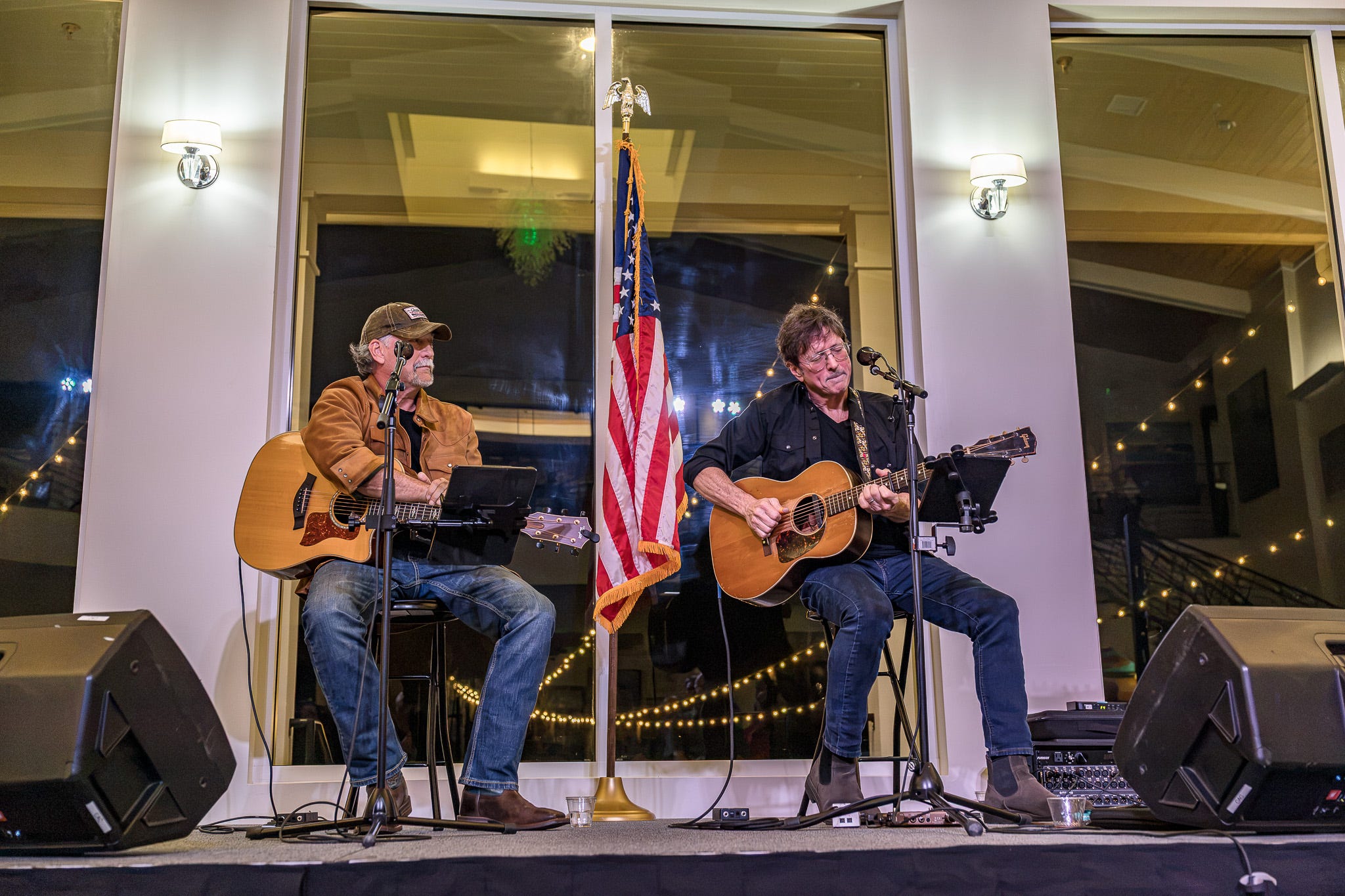
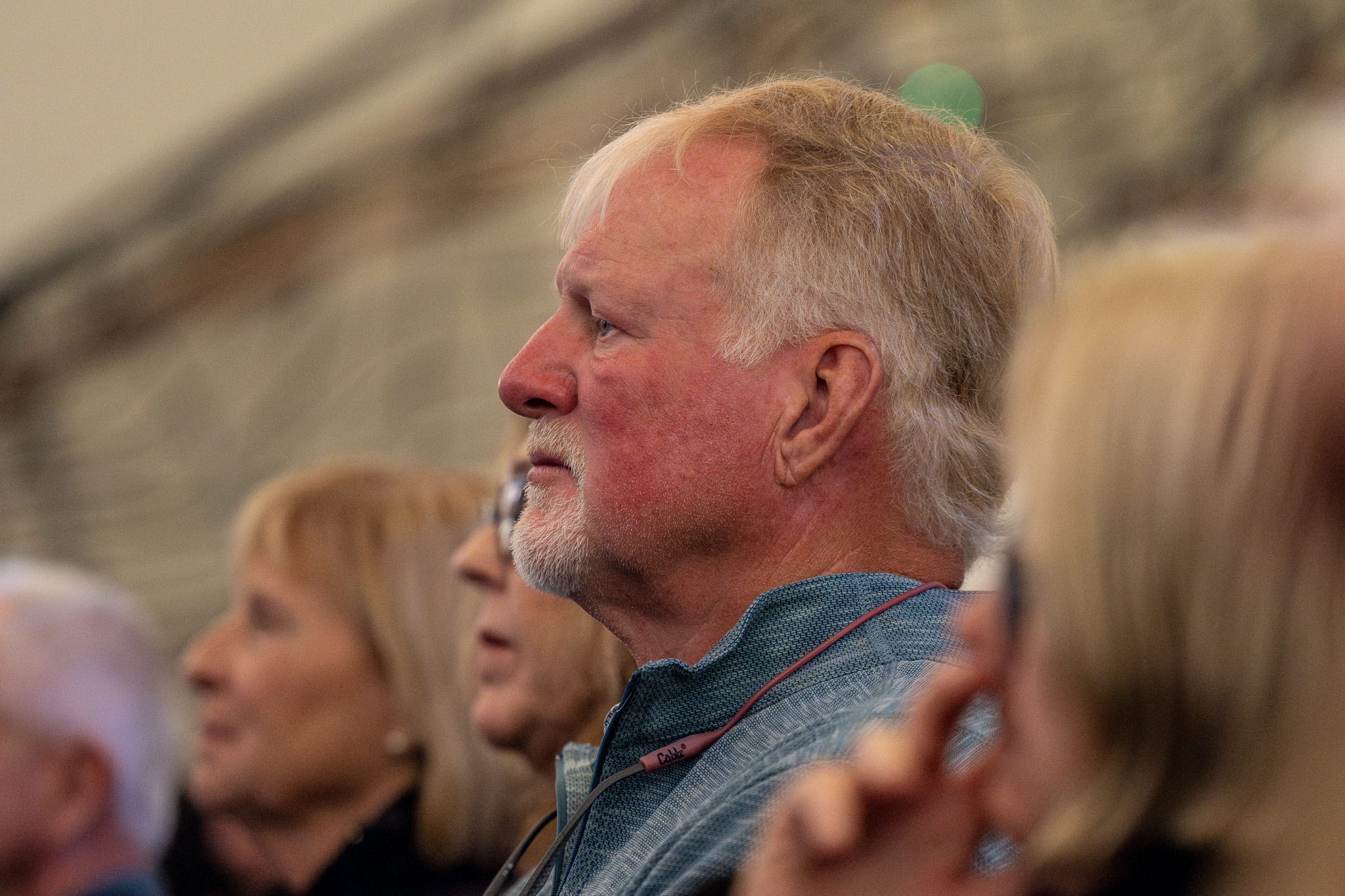
Watching those songs come to life isn’t just witnessing a performance; it’s seeing a bridge form between the people who served and the community listening in the room, reminding all of us of the real human cost, resilience, and brotherhood behind the uniform. Bringing that mission to life requires artists who know how to handle truth with care, craft, and deep empathy — and the two men onstage at the Coastal Arts Center were more than up to the task.
Let’s get into it.

A quiet sanctuary along Wolf Bay

Part of what made the evening so unforgettable was the setting itself. During the Frank Brown Songwriters Festival, music pours out of music halls, loud beach bars, packed restaurants, and open-air courtyards from Gulf Shores to Perdido Key. Stepping onto the grounds of the Coastal Arts Center of Orange Beach, tucked peacefully along Wolf Bay, felt like entering a completely different world.
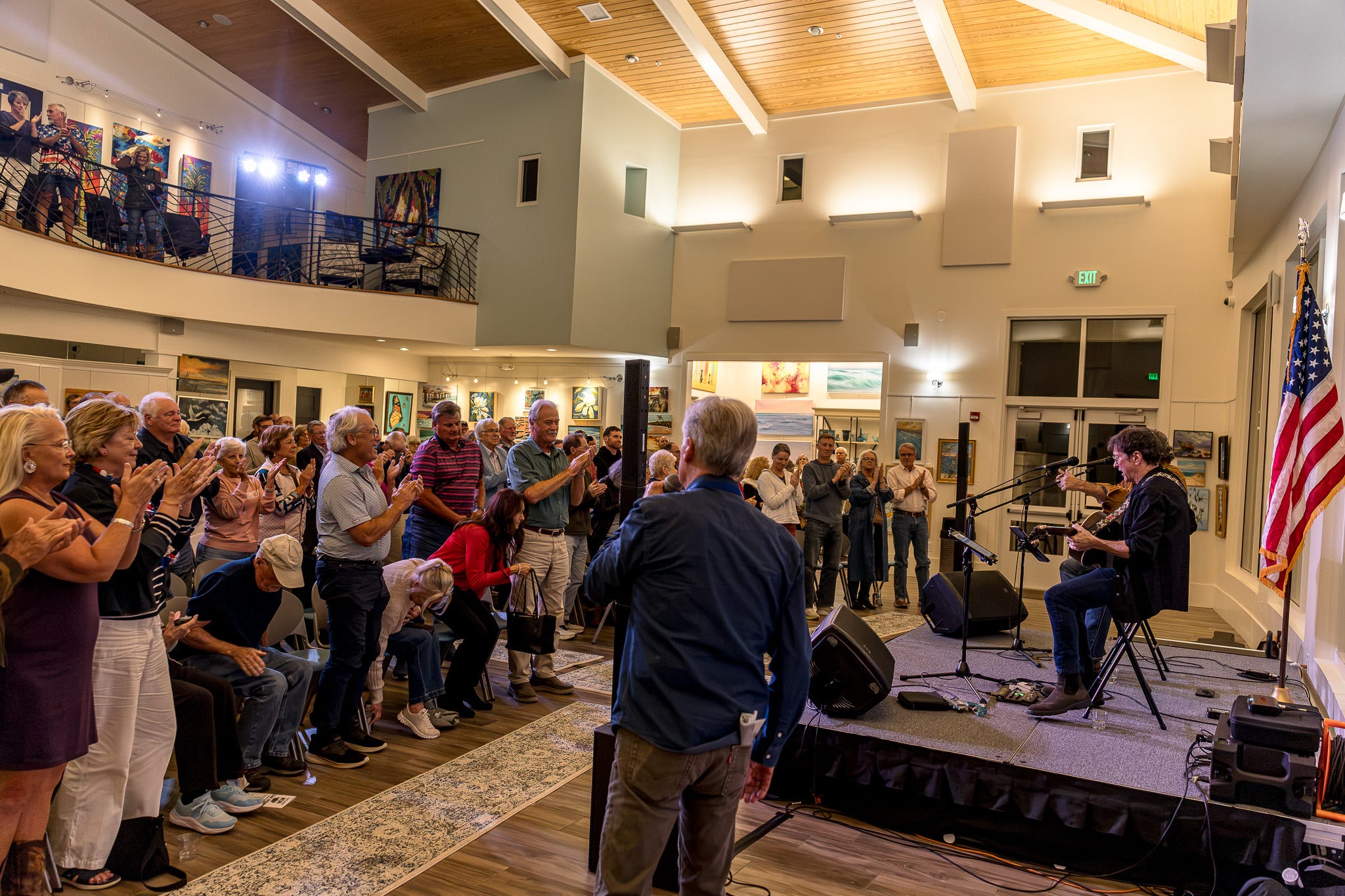
Here, there were no rattling ice buckets, background chatter, or coastal winds competing with the music. Bathed in the warm undertones of soft lighting and surrounded by local Gulf Coast artwork — paintings, sculptures, and coastal pieces lining the gallery walls — the venue became a true listening room, a quiet sanctuary built for stillness and reflection. Stepping into a space dedicated to visual storytelling, the songwriters were meeting art right where it lives, bringing their own medium into the room through acoustic guitars, weathered voices, and lived-in lyrics. In a space with no barrier between the stage and the seats, the distance between the performers, the surrounding art, and the crowd disappeared.

For a Veterans Day tribute honoring those who served, that creative intimacy mattered. Without flashy lights or loud production, that gentle, ambient glow kept the focus entirely on the people in the room. Just like the local artists whose work hung quietly on the walls around them, the musicians stripped everything down to honest, handmade craft. Every acoustic strum, quiet breath, and spoken backstory carried clearly through the stillness, holding the audience in a profoundly respectful, pin-drop silence. It transformed the crowd from casual listeners into active witnesses, creating a shared space of gratitude where heavy stories could be safely told — and truly heard.
Please consider Donating to Sponsor an article even $1 helps!

Mark Nesler: the hitmaker behind the heart
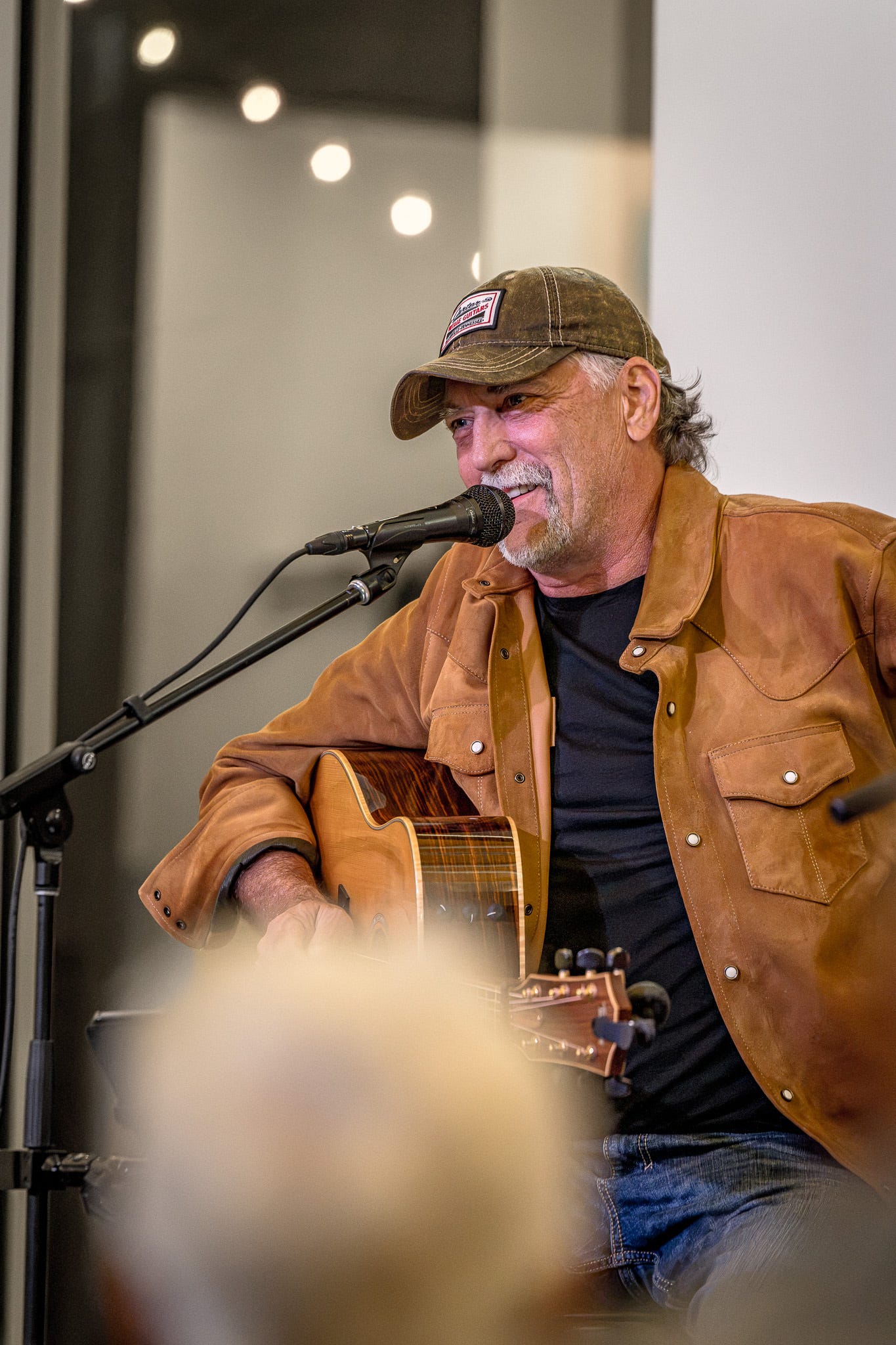
Before stepping onto the stage at the Coastal Arts Center, Mark Nesler had already written half the soundtrack to your favorite road trips and kitchen sing-alongs. The Texas-born, Nashville-based songwriter is the powerhouse pen behind massive chart-toppers like Tim McGraw’s “Just to See You Smile,” George Strait’s “Living and Living Well,” Keith Urban’s “You Look Good in My Shirt,” and Billy Currington’s “Let Me Down Easy.” When a fella has a resume stacked that high, you almost expect him to walk in trailed by a security detail and a whole lot of fuss — not this guy!
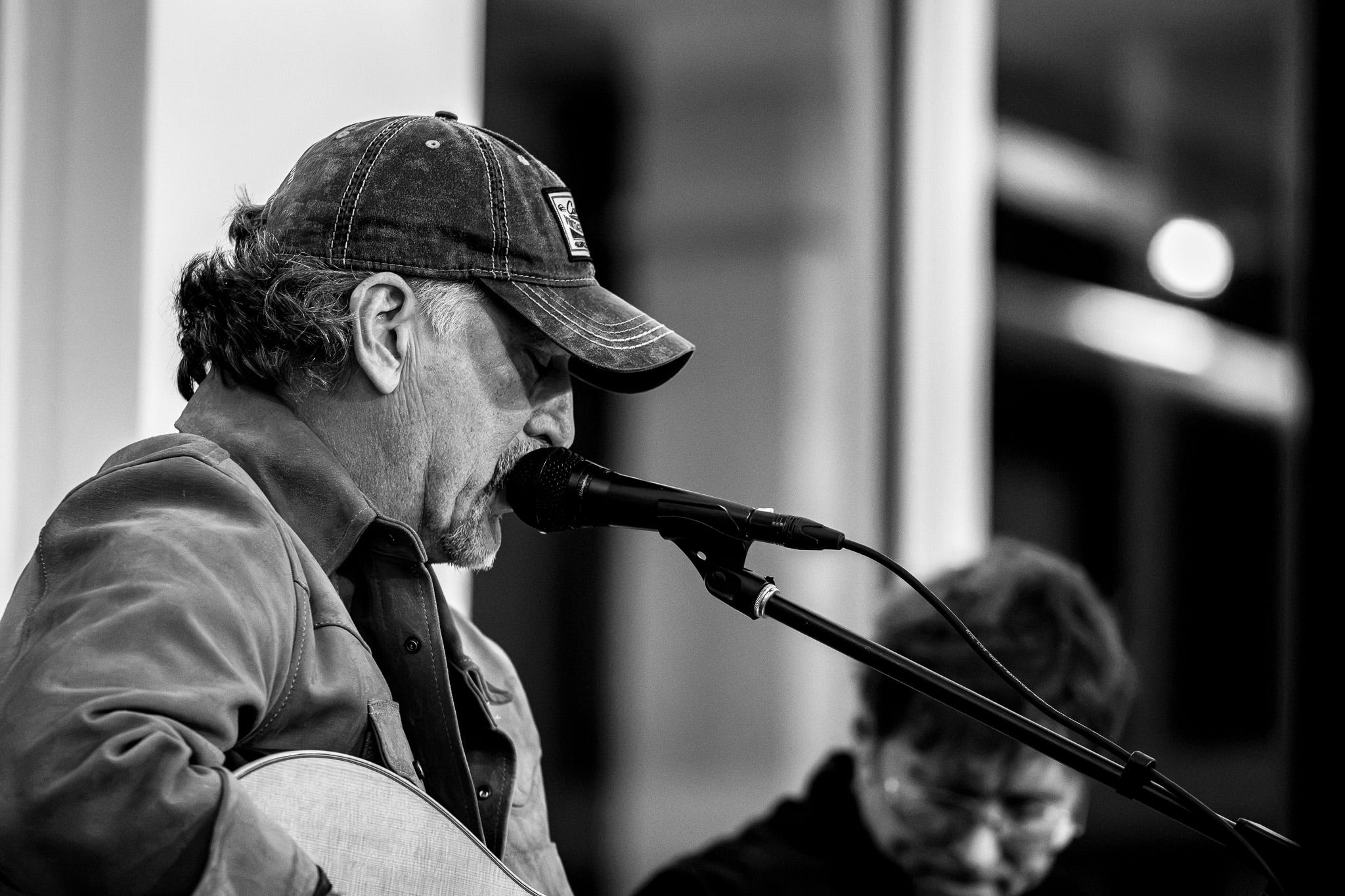
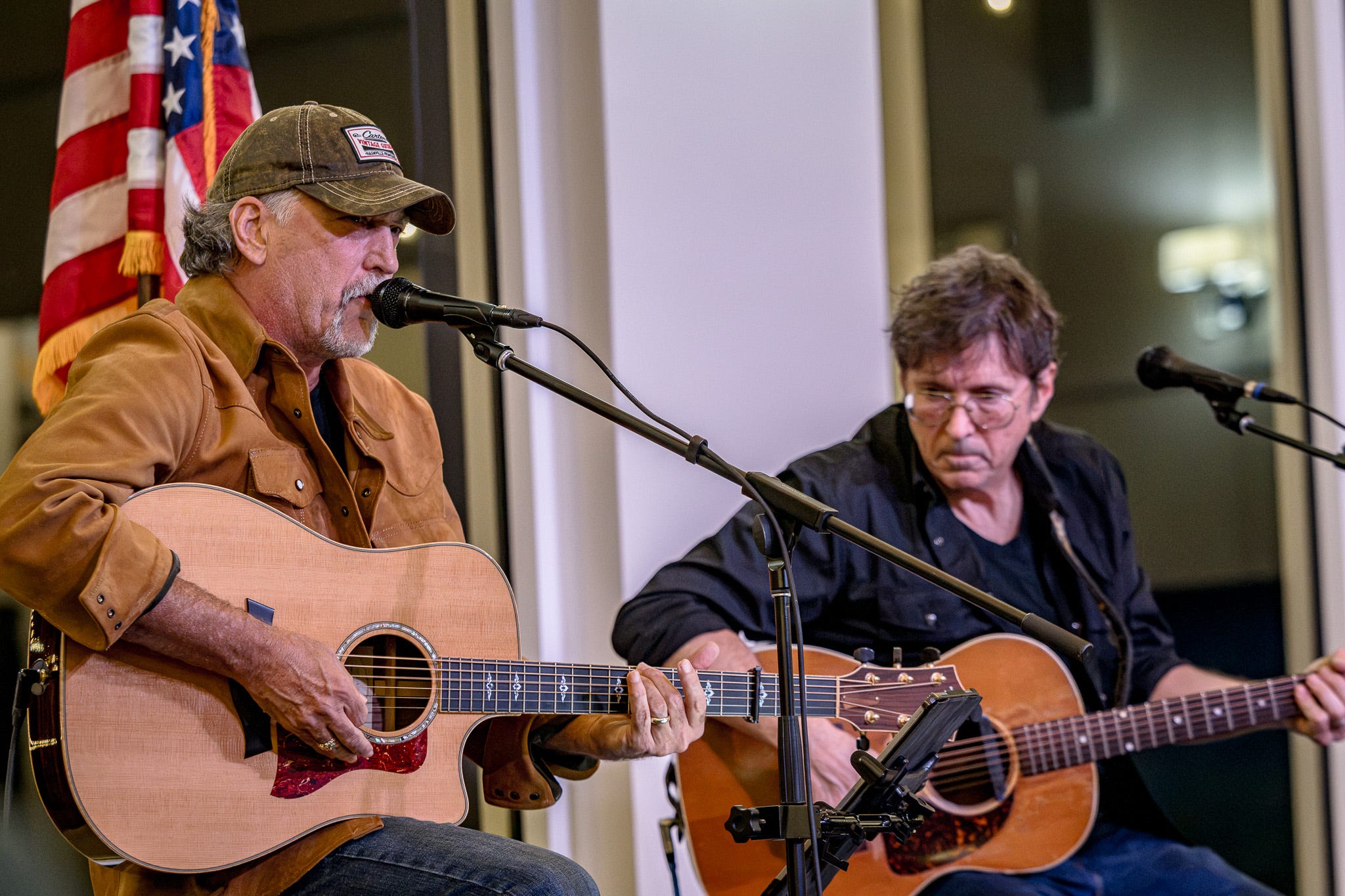
Instead, in an intimate listening room like this, all those radio accolades fade right into the background. Dressed effortlessly in blue jeans, boots, a sharp light brown suede jacket, and a Carter Vintage Guitars baseball cap, Nesler looked completely at home as he settled in — no rockstar ego, just a down-home, humble Southern gent with an infectious smile. Watching him through my lens, you immediately see a true craftsman who knows how to strip a song down to its rawest truth. Whether he’s sharing the story behind one of his own massive hits or lending his voice and pen to a veteran’s lived experience, he brings an unhurried honesty to the stage that makes every single word land right where it’s meant to.
Will Kimbrough: Alabama roots and soulful storytelling
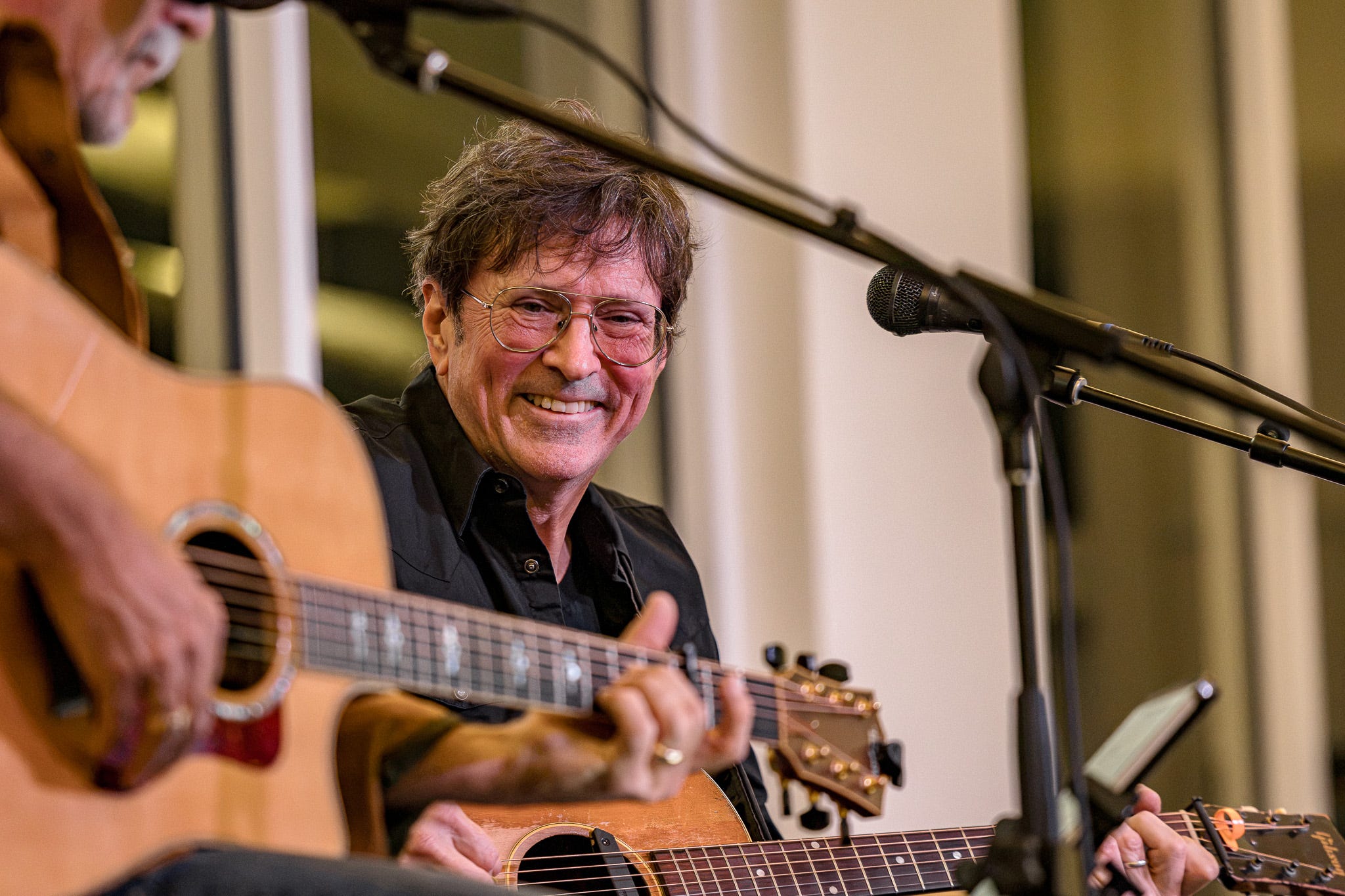
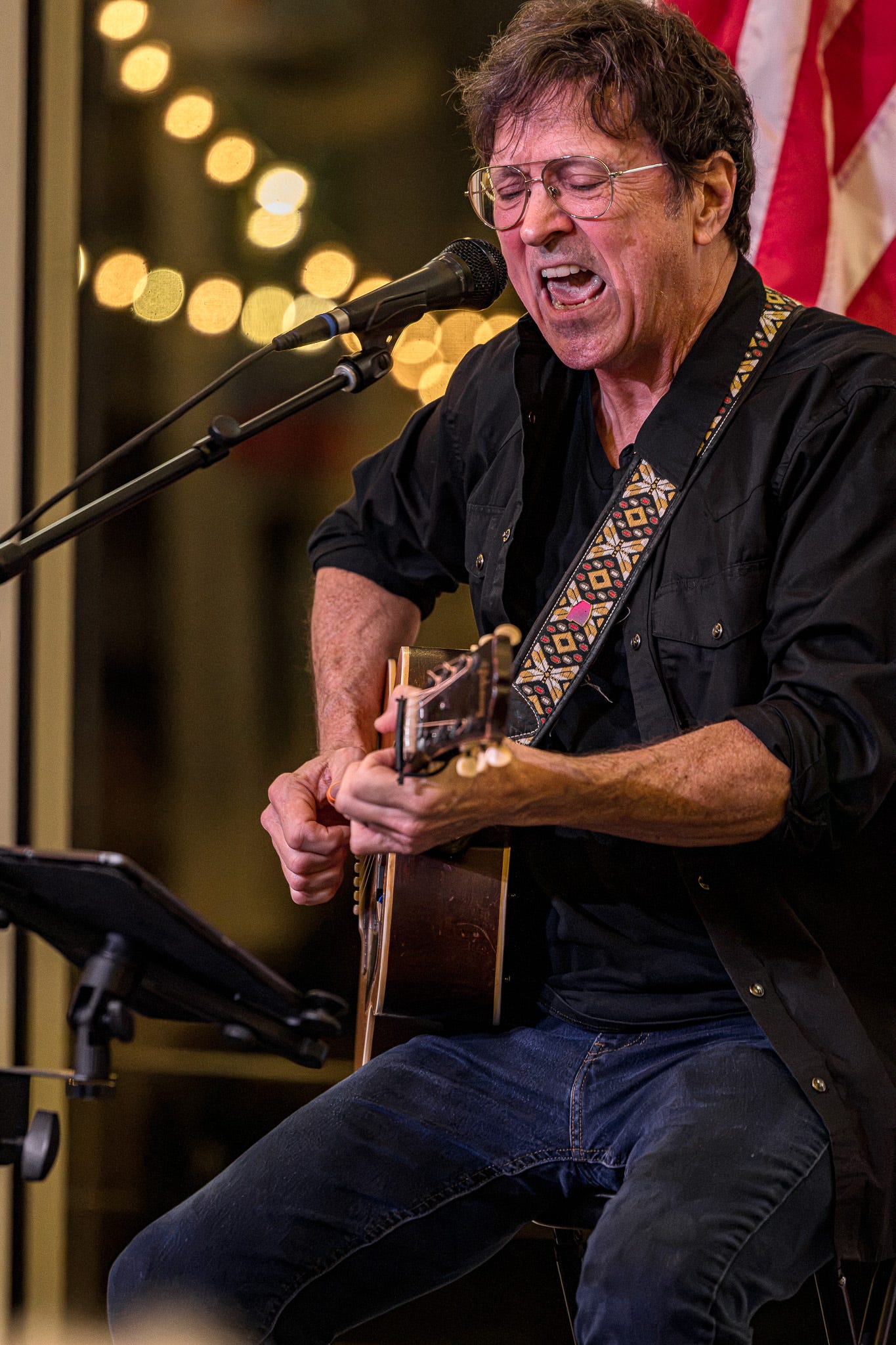
Sharing the stage beside Nesler was Will Kimbrough, a Mobile, Alabama, native and a Grammy-nominated singer, songwriter, producer, and Americana Music Association Instrumentalist of the Year. With a musical resume built over decades, Kimbrough has played alongside legends like Emmylou Harris and Rodney Crowell and co-written more than twenty songs with Jimmy Buffett, including the beloved “Bubbles Up.” Being back at the beach felt like a natural homecoming for him, bringing that signature blend of Southern grit, fluid guitar work, and deeply literate storytelling right into the Coastal Arts Center.
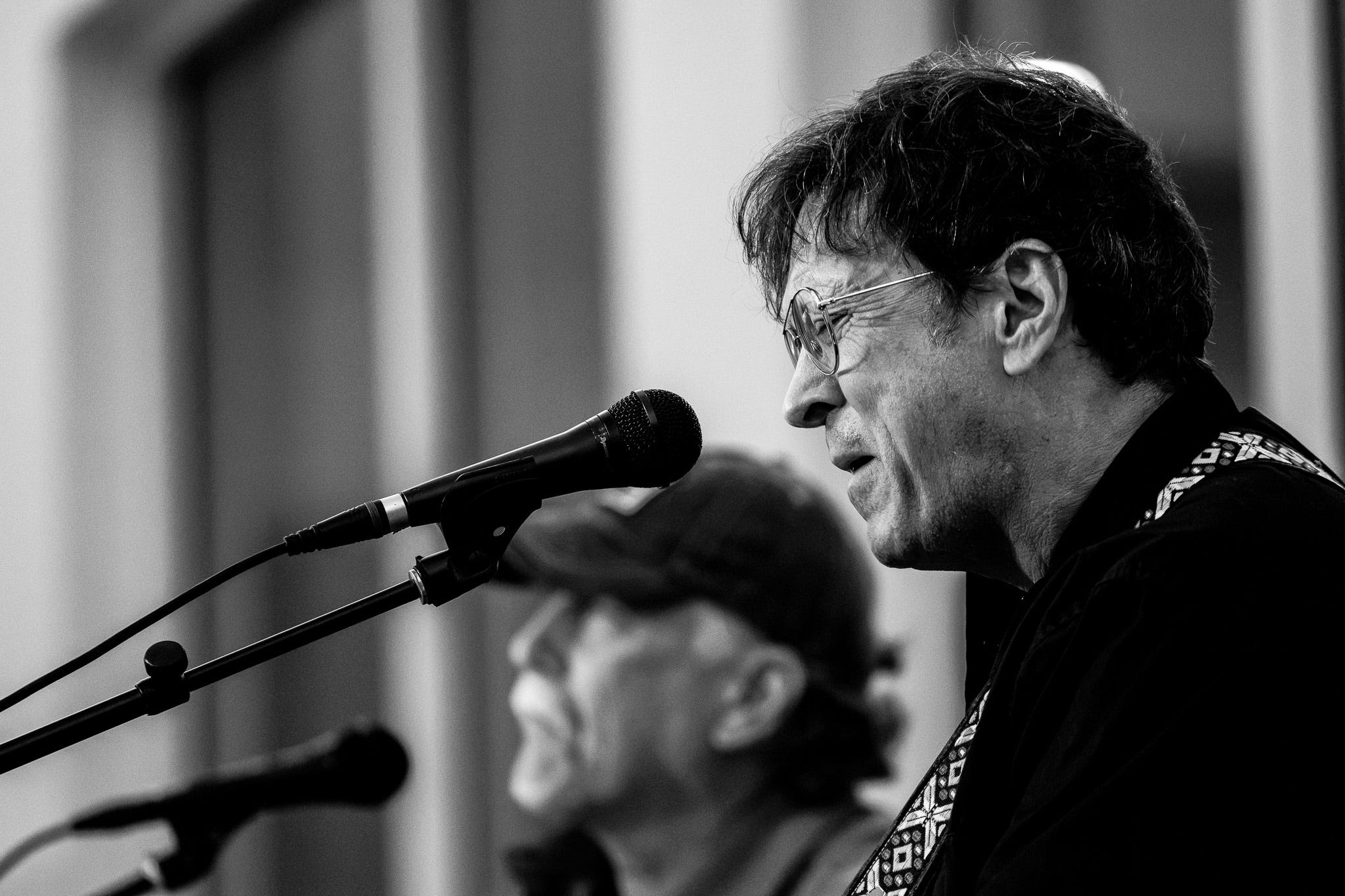
And okay, I’m just going to say it — looking at him through my lens with those glasses, I was getting a tiny bit of a Dwight vibe from The Office. Probably just me, though, because as we know, I’m a certified weirdo, ha! Regardless, the guy is an absolute musical powerhouse. Full disclosure: I’ve literally been listening to Will Kimbrough’s music on repeat lately — an intervention might be in the works, though I seriously doubt it. Kimbrough approaches every veteran’s story with total reverence, treating the song as something sacred that exists solely to serve the person who lived it. Watching him lean into the mic, trading glances with Nesler and pouring that raw empathy into the songs, you could feel the whole room holding onto every single word and trying to hold back tears.
Two guys, two guitars, and a whole lot of heart
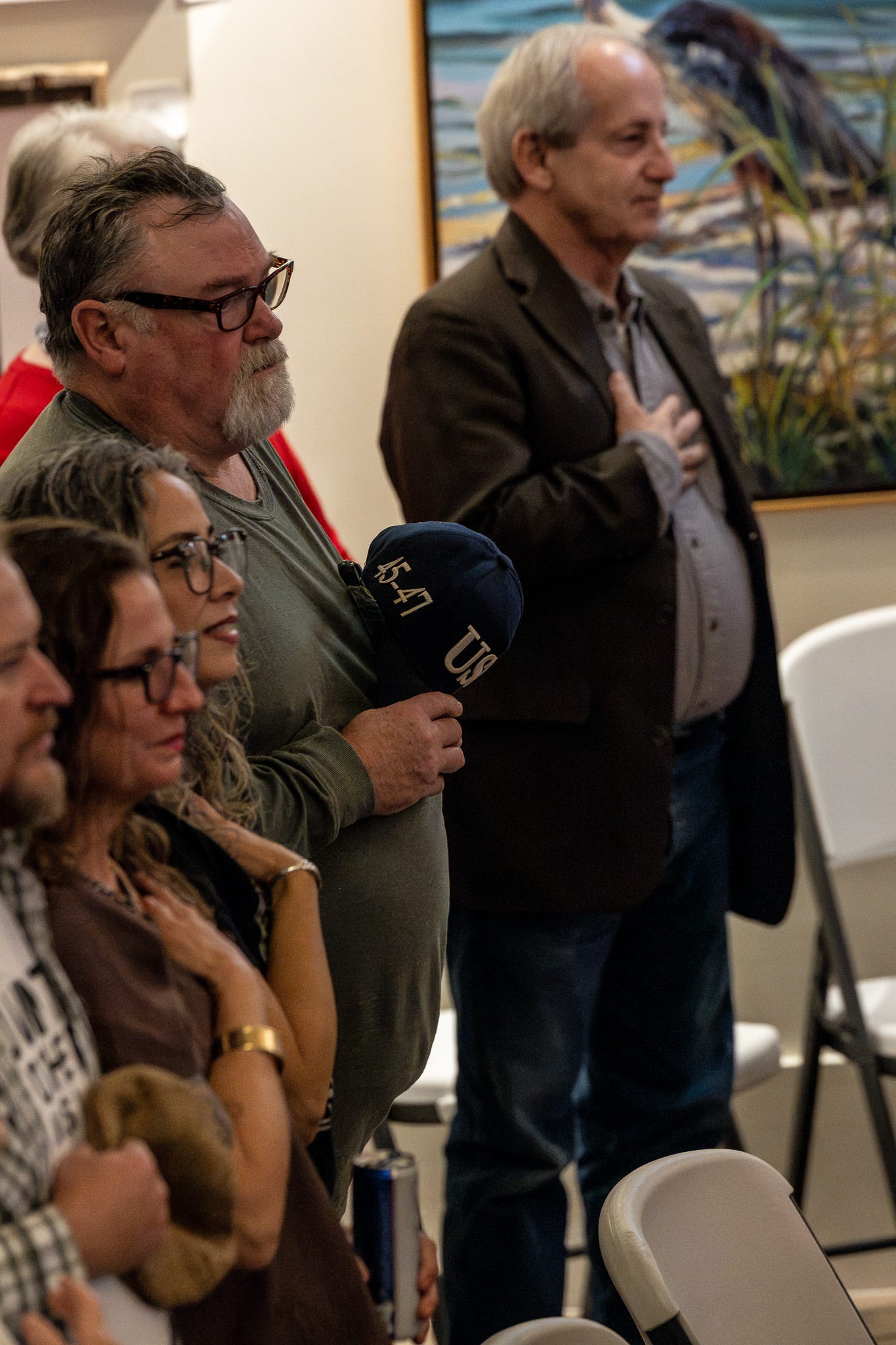
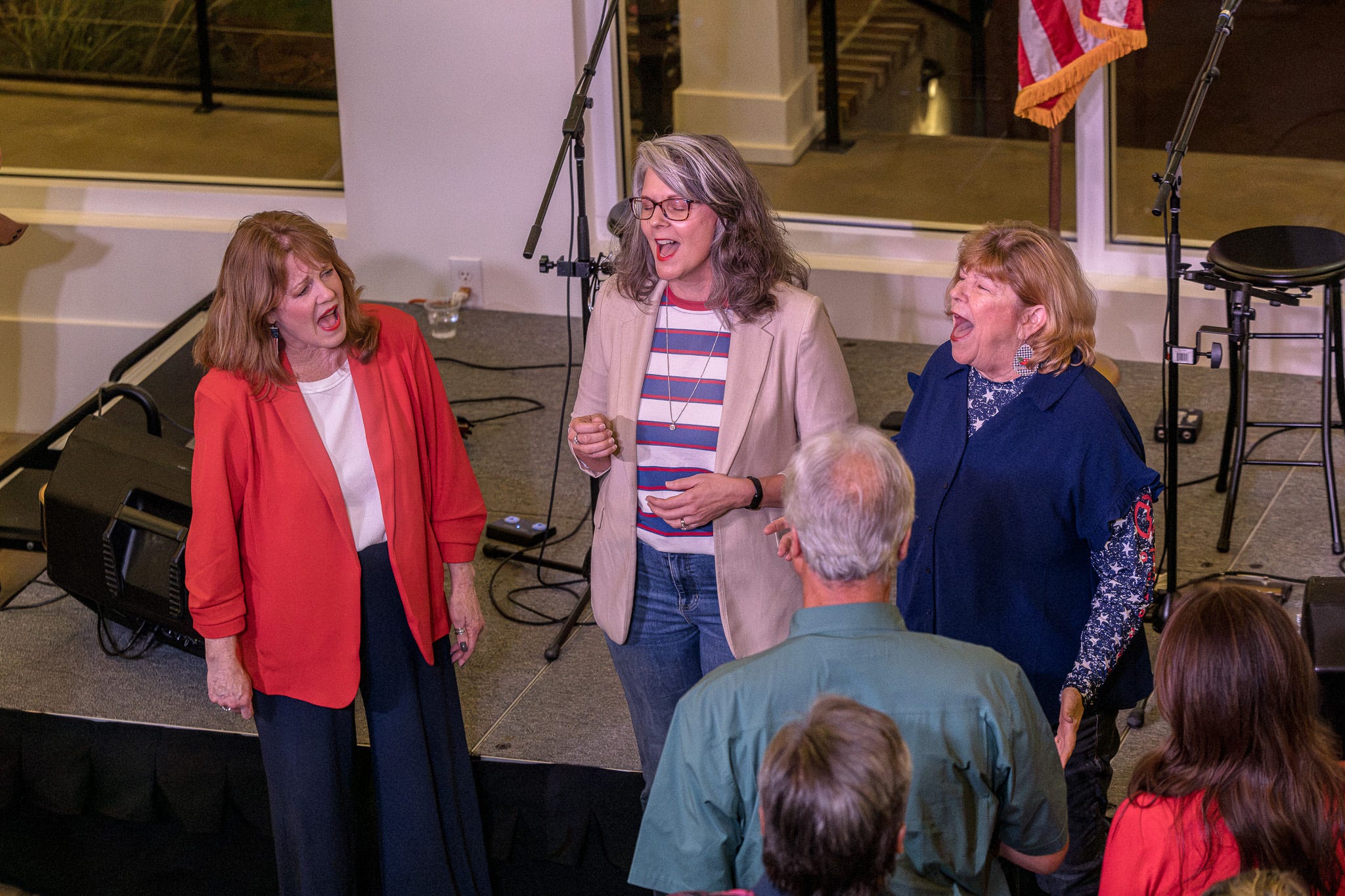
The evening opened with a moment that set exactly the right tone for tonight’s tribute. Four A Change — a vocal and instrumental group featuring Katrina Anderson, Tracey Best, and Jennifer Settle Watkins — delivered a powerful and moving rendition of the national anthem that immediately grounded the room. The trio met us all right where we needed to be met, blending their voices into rich, locked-in harmonies that carried through the room, opening the door for the raw storytelling and healing that was about to unfold.
Watching Will and Mark trade songs back and forth in that quiet gallery felt like a living room conversation where every single chord mattered. Just two weathered voices, two acoustic guitars, and a whole lot of honesty. Standing behind my camera, trying to capture every quiet expression, I didn’t just witness the show; I felt completely swept up in it. We were all riding the same emotional rollercoaster, a room full of people starving for music, yet needing the truth of the lyrics even more. Every song they swapped shifted the gravity in the room, pulling my own heart right along with the crowd.
Will set the tone early with “The Ballad of Cape Henry,” and the pin-drop silence in the gallery spoke volumes. Looking through my lens, I watched shoulders drop and the entire crowd lean forward, completely locked into every word. Will understands that great storytelling takes restraint. By trusting the raw power of a well-turned lyric and simple fingerpicking, he turned a centuries-old Revolutionary War skirmish into an intimate, timeless gut-punch about the human cost of war — and you could see that quiet ache landing on every face in the room.
Then, the baton passed right over to Mark, showing off both sides of his storytelling superpower. When he stripped away the radio sheen for “Hey Brother” — a song he co-wrote with a Marine veteran through SongwritingWith — it hit like a quiet confession you almost weren’t sure you were allowed to hear. Singing lines like “I was blessed to have a brother, I realize that now, I sure wish I’d known that when you were still around,” Mark didn’t dress up the grief. My throat tightened right behind the viewfinder as his unvarnished vocal and steady strumming held space for everything left unsaid. Around the room, people were wiping away tears and nodding quietly, feeling that deeply personal letter of loss right in their own chests.
And just when the air felt almost too heavy to hold, Mark gave us an emotional break and brought out “Just to See You Smile,” giving the whole room a collective exhale. Hearing the guy who actually wrote that massive ‘90s Tim McGraw classic deliver it with nothing more than six strings and a lived-in voice made it feel brand new. Watching through my camera, I saw smiles break out across the crowd as soft, nostalgic voices began humming and singing along. Without the production behind it, that familiar story of selflessness took on a warmer, deeper weight — reminding everyone in the room why it became such a hit in the first place.
Will brought it right back home with “At Ease,” a song born out of pure necessity during a SongwritingWith:Soldiers retreat alongside Mark, James House, and Terry Radigan. Taking a familiar military command and turning it into a gentle release, Will anchored the room with that unhurried acoustic touch of his. Right from the opening lines — “At ease, my friends, at ease, lay your burden down, take a breath and rest” — you could physically feel the tension melt out of the space. This song hit and stuck with me. Framing Will through my lens while catching glimpses of the veterans in the audience taking a deep, steady breath gave me chills. The song never preached; it just acted like a shelter for the lyrics, meeting veterans right where they are and reminding them — and the rest of us — that they don’t have to stand guard alone anymore.
Afterglow
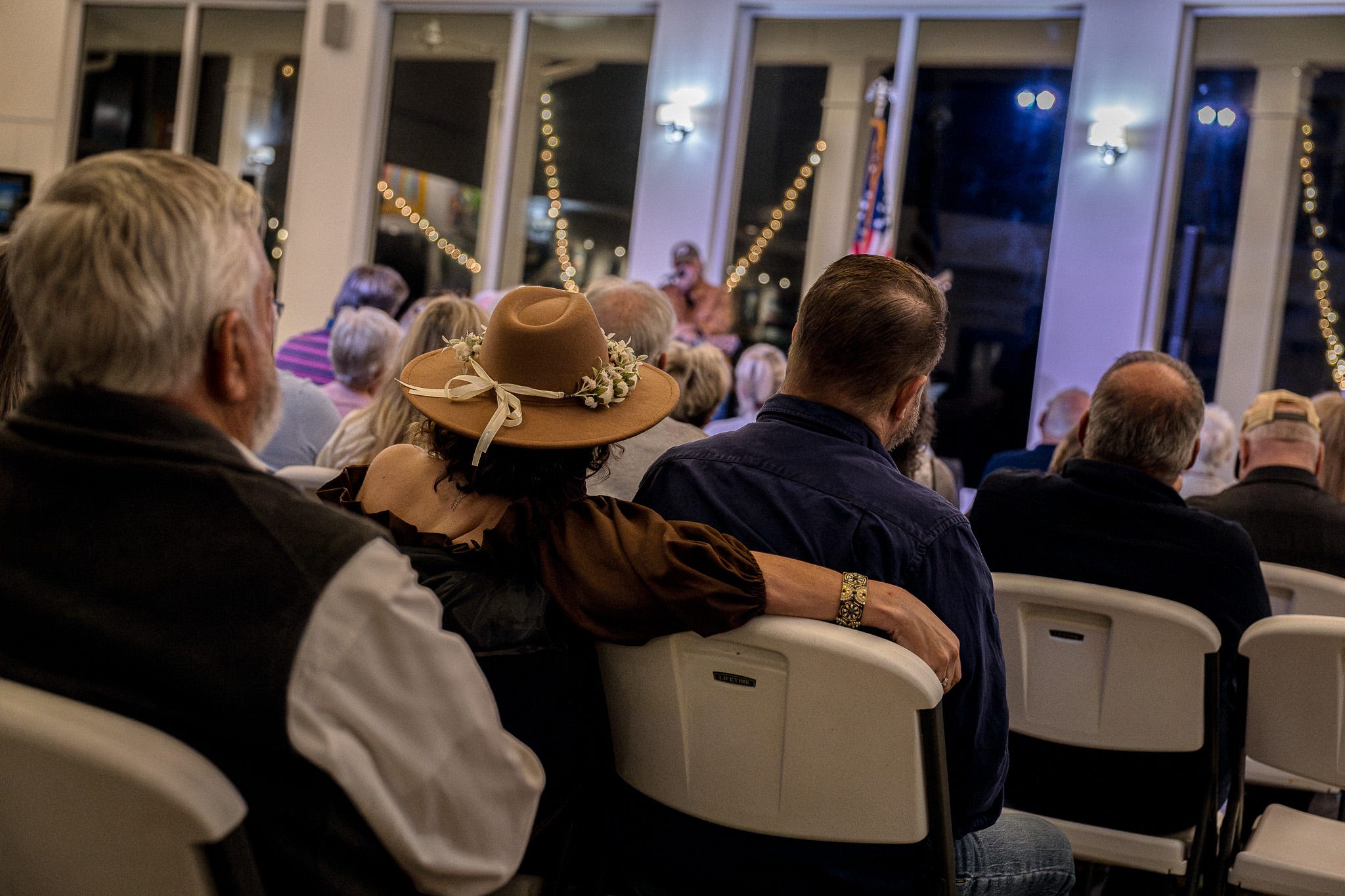
Deep into the Frank Brown Songwriters Festival, the exhaustion is real. Between the late nights, the venue hops, and living in full-on zombie land because the photo grind never really stops, it is easy to hit a wall. Running on fumes with sore wrists, a poor diet, and way too much caffeine is just part of this beautiful world of Frank Brown when you are chasing down rounds and trying to capture the magic day after day. Standing in the Arts Center the day before my last day of festival coverage, it is honestly a little bittersweet — knowing this wild, music-filled run is almost over, yet feeling so deeply humbled to have captured a night like this through my lens.
Stepping into a Veterans Day tribute where the noise suddenly disappears puts all that fatigue in the back seat. Putting performers like these side by side makes it crystal clear why stripped-back songwriting still hits harder than anything else. Whether it’s Will Kimbrough stepping back into 1781 on “The Ballad of Cape Henry,” leaning into the quiet grace of “At Ease,” or Mark Nesler laying bare the raw brotherhood of “Hey Brother” and the timeless ache of “Just to See You Smile,” there is no hiding behind studio tricks or big stage lights. It is just seasoned writers, acoustic guitars, and stories that refuse to let go — all gathered to honor the people who served.
In the middle of a marathon festival schedule and a world that moves too fast, a night like this forces you to slow down, pull up a chair, and actually listen. Walking out of the room tired, with an SD card full of frames to edit, meant carrying far more than just a melody home. I’m carrying the weight of history, the sacrifices made, and the reminder that when a song is rooted in real life and gratitude, six strings and an honest voice are more than enough to wake a weary soul right back up.
In a room like this, we all came in as strangers, gathered as friends, opened up and shared our hearts, and walked out family till the end.
Please consider Donating to Sponsor an article even $1 helps!
