


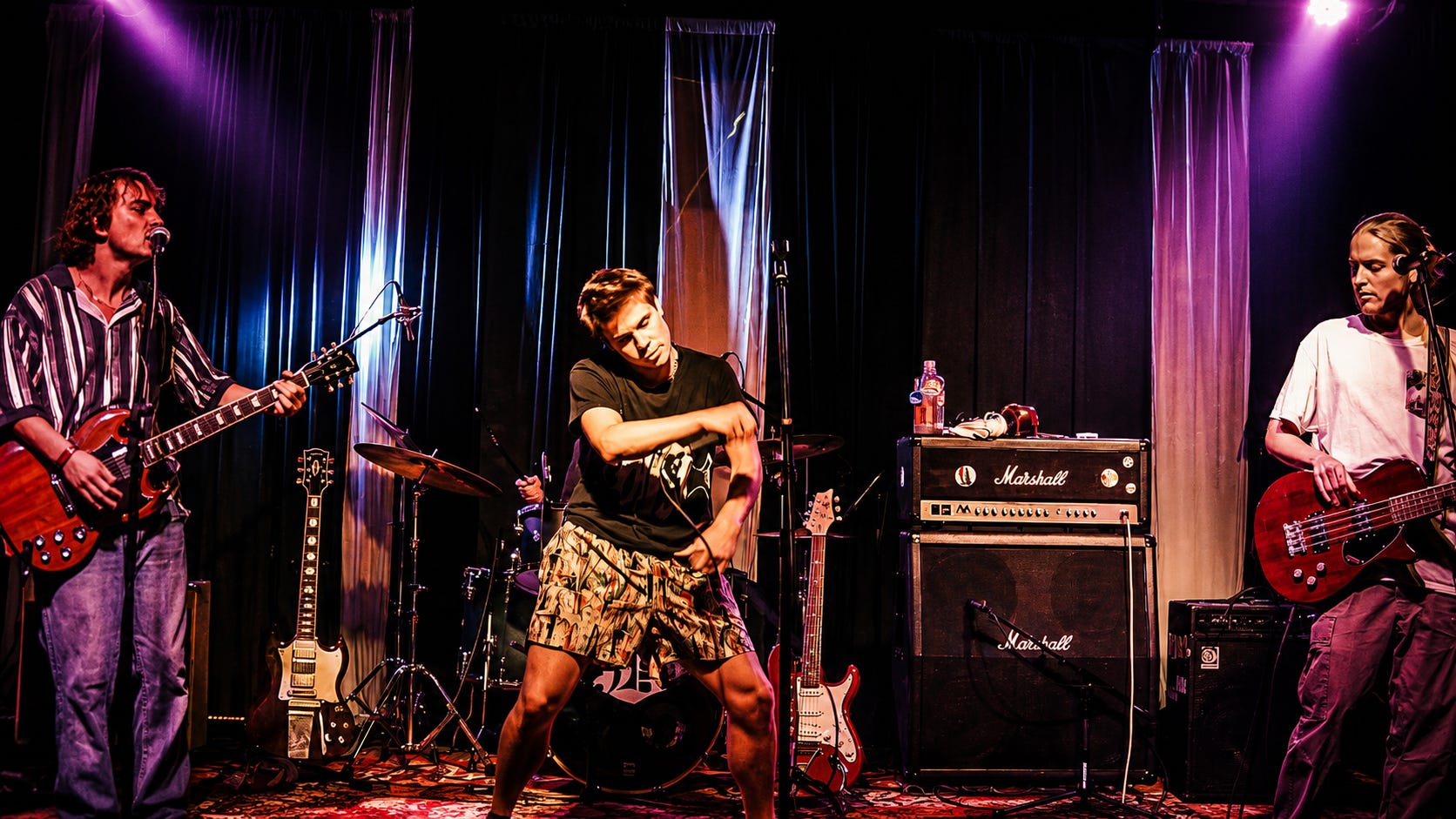
Backline Music Hall billed Belhaven as one of Oxford’s newest bands, a four-piece stepping into the room with something to prove.
For once, the ride north offered none of the usual mishaps from a photographer’s life. No wrong turns. No equipment trouble. No frantic race against the clock. I reached Tupelo early on a hot Friday evening, which gave me time to settle in, look around and talk with guitarist Dalton Burney after Cid introduced us.
Backline has become familiar territory by now. The room at 5339 Cliff Gookin Boulevard keeps putting young, local and regional artists close enough to the audience that there is nowhere to hide. A band cannot rely on distance, oversized production or the forgiving blur of an arena. People can see the hands moving across the fretboard. They notice whether the drummer is locked in. They can tell when stage movement is natural and when it has been rehearsed into stiffness.
Belhaven did not need anywhere to hide.

No longer standing behind someone else
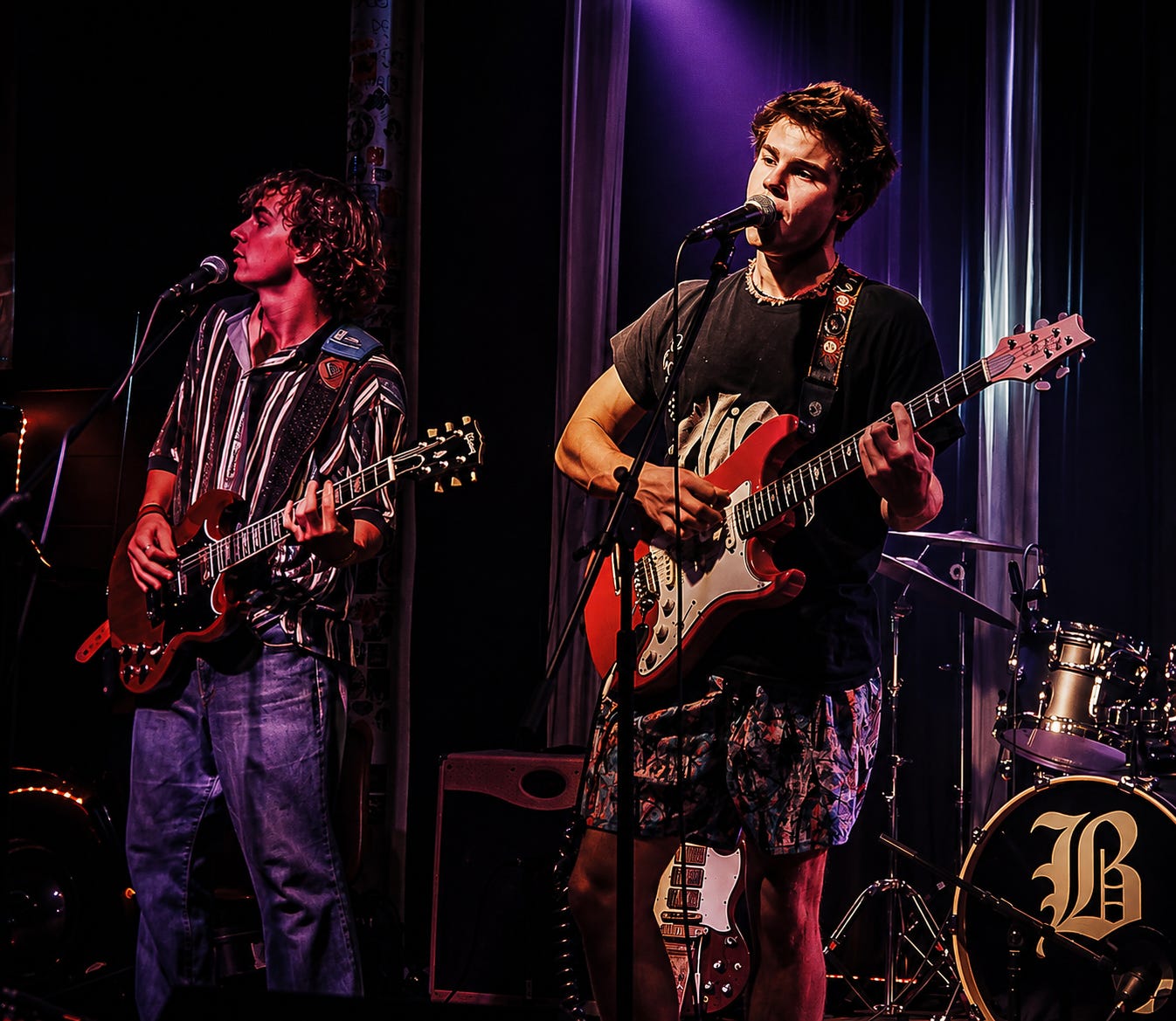
Dalton explained that he, bassist Bryson Heatherly and drummer Sam Lewis had spent the past few years backing different singers and supporting other musicians. They already knew how to follow a front person, adjust to someone else’s material and provide the foundation another performer needed.
About four months ago, the three decided it was time to stop waiting in the background.
They needed a singer of their own.
Thomas Turner completed the lineup, and the difference between a collection of capable musicians and a functioning band became apparent almost immediately. The original three brought experience, control and the kind of stage awareness earned through years of supporting other people. Turner arrived with enough motion to make standing still seem impossible.
A Jackson native, Turner bounced, jumped and ran from one side of the stage to the other throughout the night. His movements were not disconnected from the songs, either. He watched the crowd, pressed toward people when a chorus needed another push and refused to let the front of the stage become dead space. Within the first few numbers, the audience had begun moving with him.
The combination made sense. Belhaven’s instrumental core had spent years learning how to support vocalists. Now they had one who demanded every inch of their attention.
The other two-thirds of “the three that were” deserve their own discussion. Besides, “the three that were” just sounds cool.
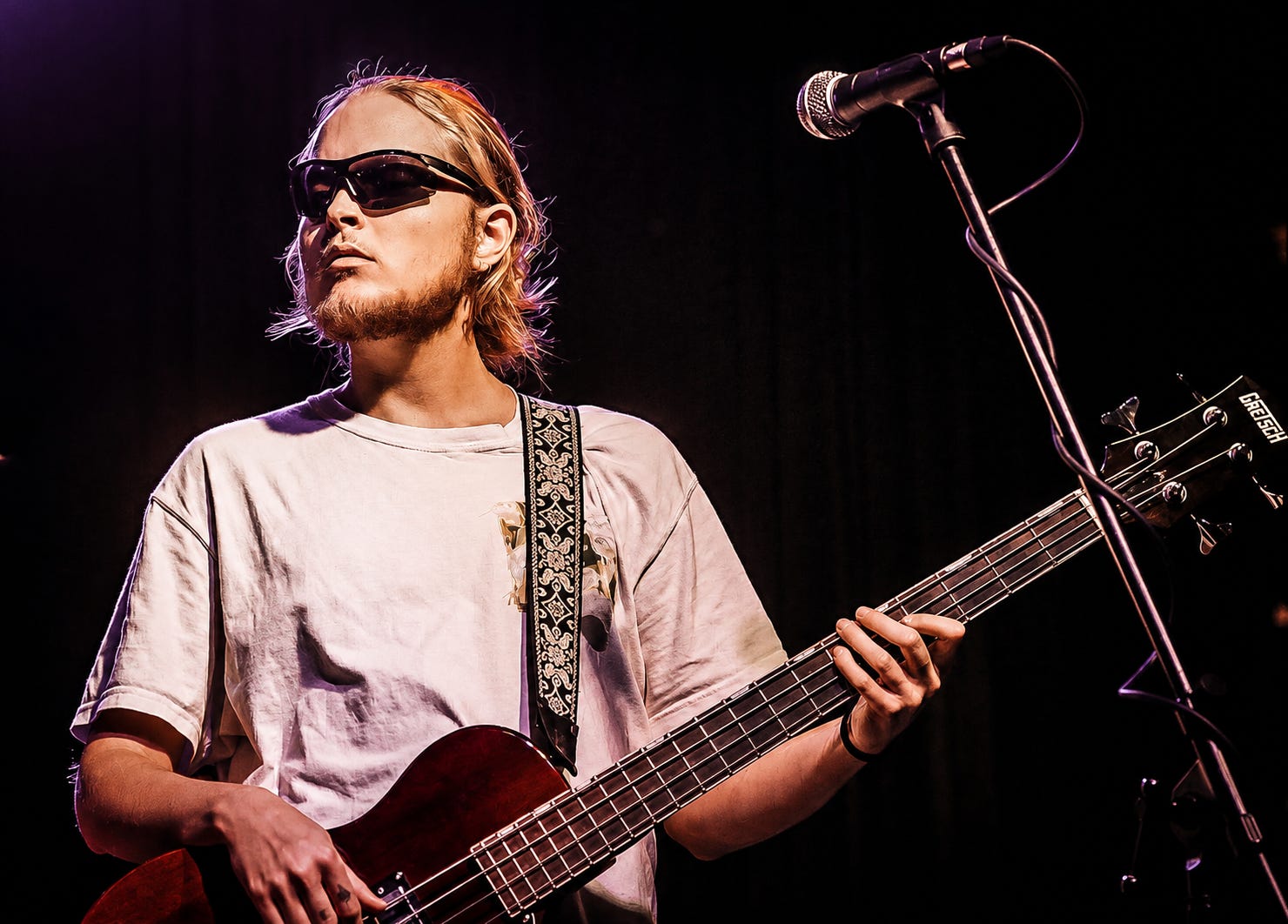
Bryson Heatherly appeared to be a Tupelo favorite judging by the support he received around the room. Calling him merely the bassist would miss half the point. Heatherly carried himself with the loose confidence of someone who knows where the pocket is and has no intention of leaving it. He swayed around the stage, leaned into the groove and kept his playing grounded even while the rest of the band accelerated around him.
His bass work became especially important when the set moved into material built around rhythm rather than guitar force. Heatherly did not treat the covers as obligations between original songs. He gave them shape, making familiar bass lines feel physical enough to move the audience before the choruses arrived.
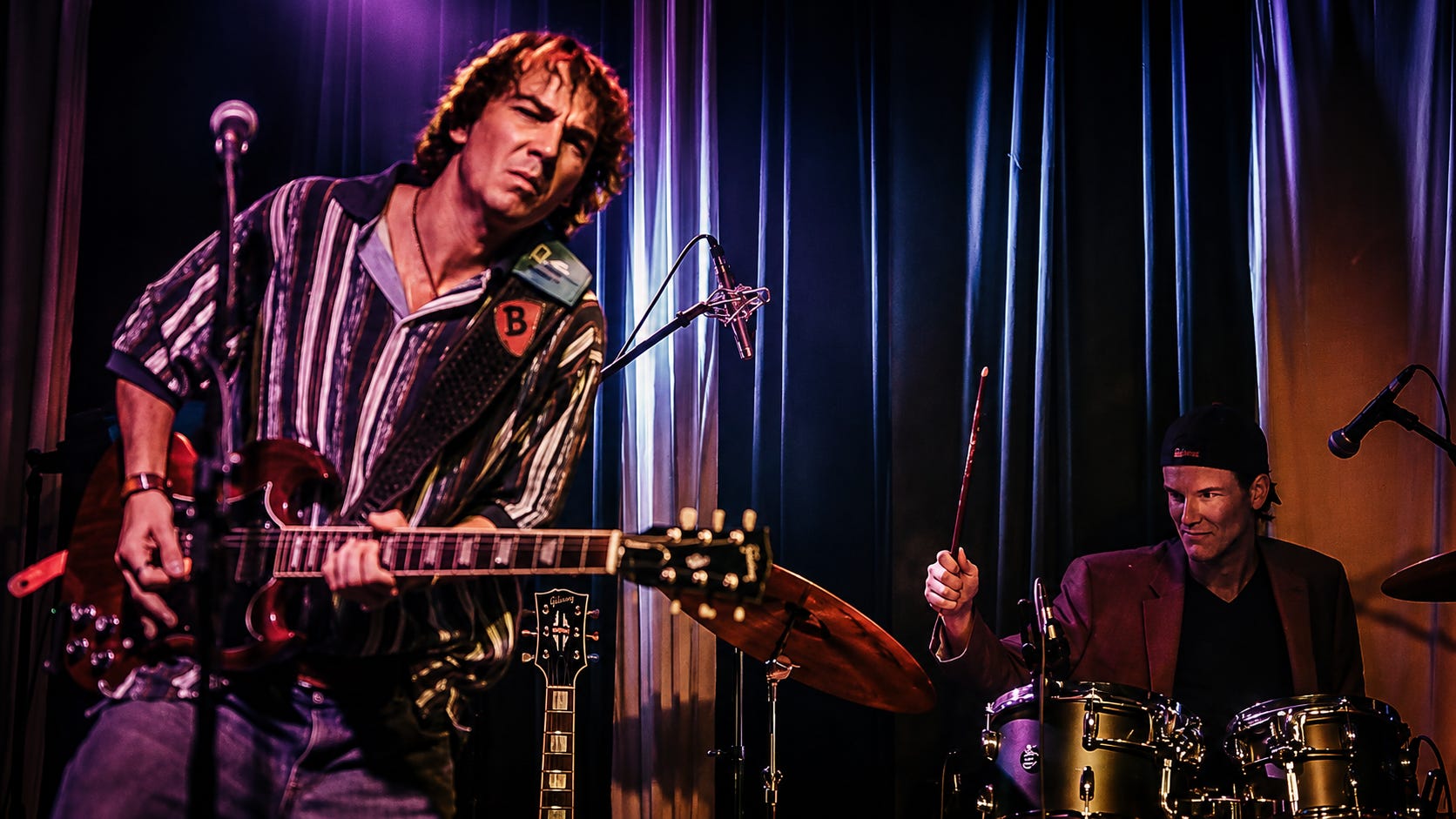
Behind him, Sam Lewis handled the drums with less flash but equal authority. I have used the phrase “skins hammer” before, and Lewis earned it. Positioned at the back of the stage where the cymbals crashed and the low end collected, he maintained the beat without rushing the band’s constant movement.
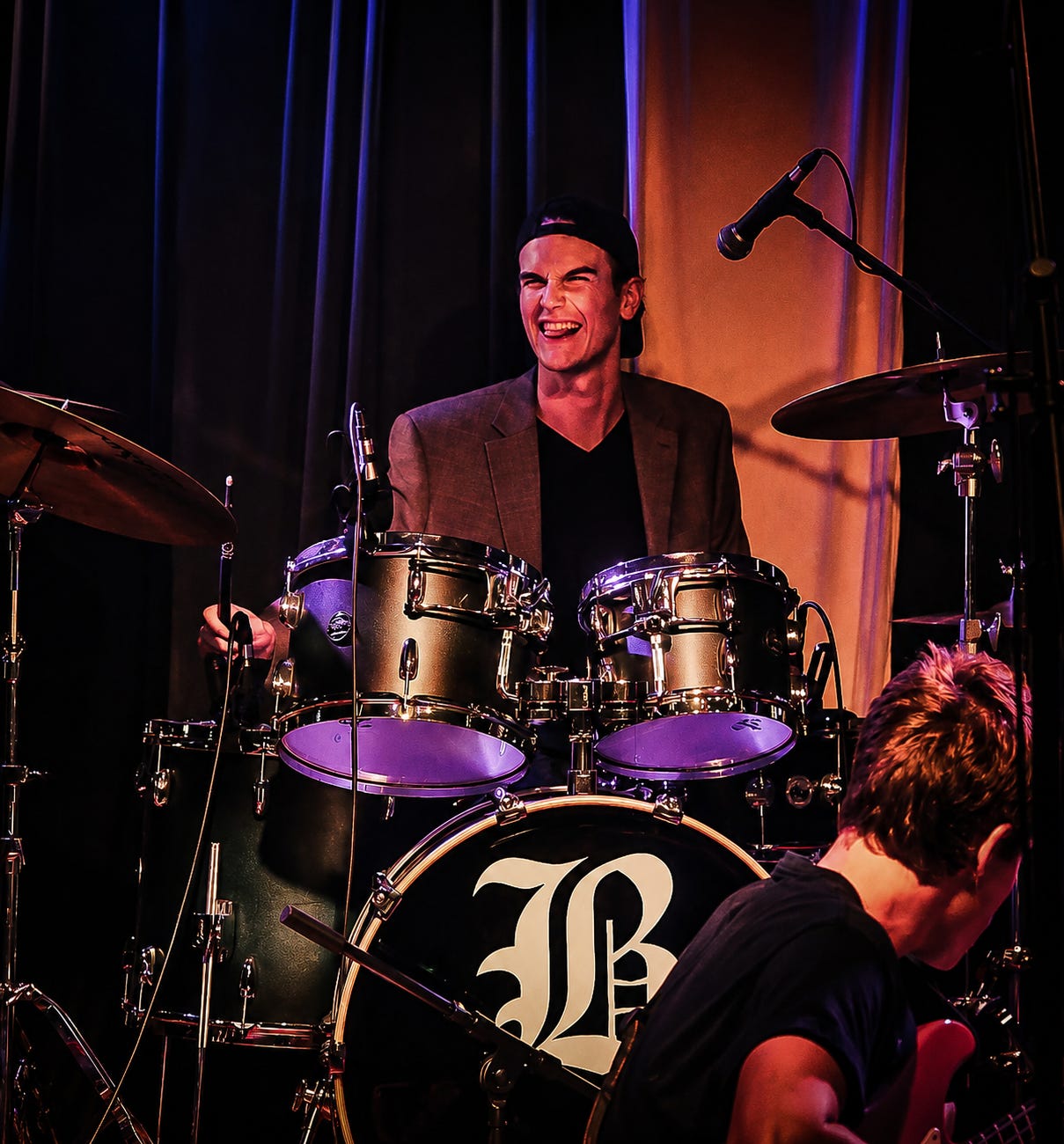
Turner could sprint. Heatherly could sway. Burney could attack a guitar passage with his whole face.
Lewis kept the count.
There is something reassuring about watching a drummer who never looks as if he is chasing the song. Lewis played with force, but his real contribution was steadiness. The band could stretch a section, push a chorus or open a song into a longer jam because the foundation stayed underneath them.
Then there was Dalton Burney.
Madman might be the appropriate technical term.
Burney plays guitar with little interest in looking detached or overly polished. Emotion moved visibly across his face as his fingers worked the fretboard. He bent into solos, reacted to the notes and gave the impression that playing guitar remained exciting to him rather than becoming another task performed under stage lights.
Young musicians are sometimes encouraged to appear effortless. Burney looked invested instead, which was far more interesting.
The confidence came from experience, but so did his restraint. He could step forward when the guitar needed to cut through without crowding the rest of the band. The solos served the songs. His rhythm work left space for Heatherly’s bass and Turner’s voice. When he did let the six-string loose, the moment had somewhere to go.
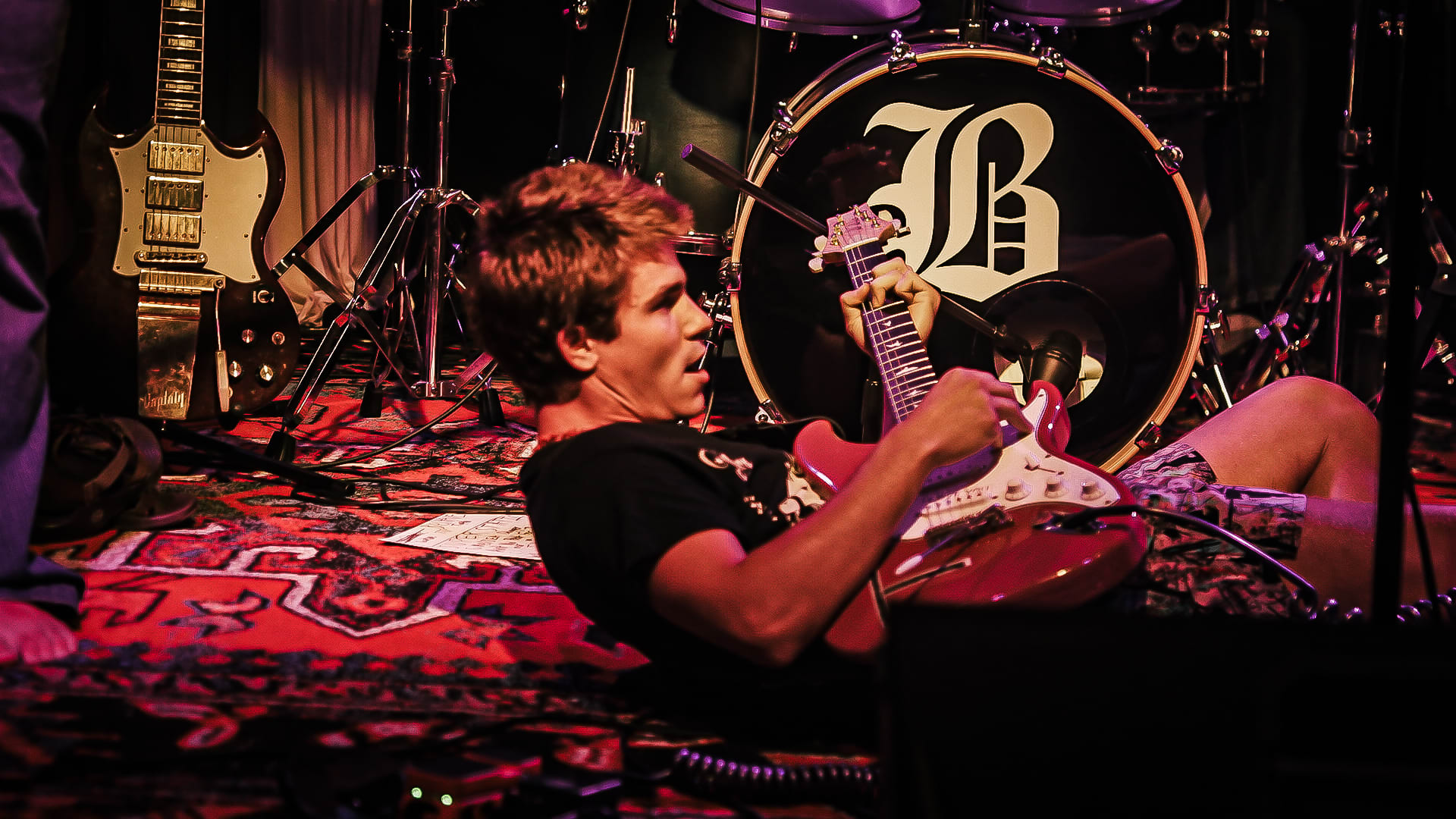
I learned after the show that Burney is from Coffeeville. He mentioned it with the tone people use when they expect nobody to recognize the name. Unfortunately for him, I have friends from there.
Small-town mystery ruined.
We talked about it for a few minutes after the set. It was one of those easy conversations that happens when the stage has been cleared and the adrenaline is starting to settle, but first we had a show to finish.
Please consider Donating to Sponsor an article even $1 helps!

Four musicians, one moving target
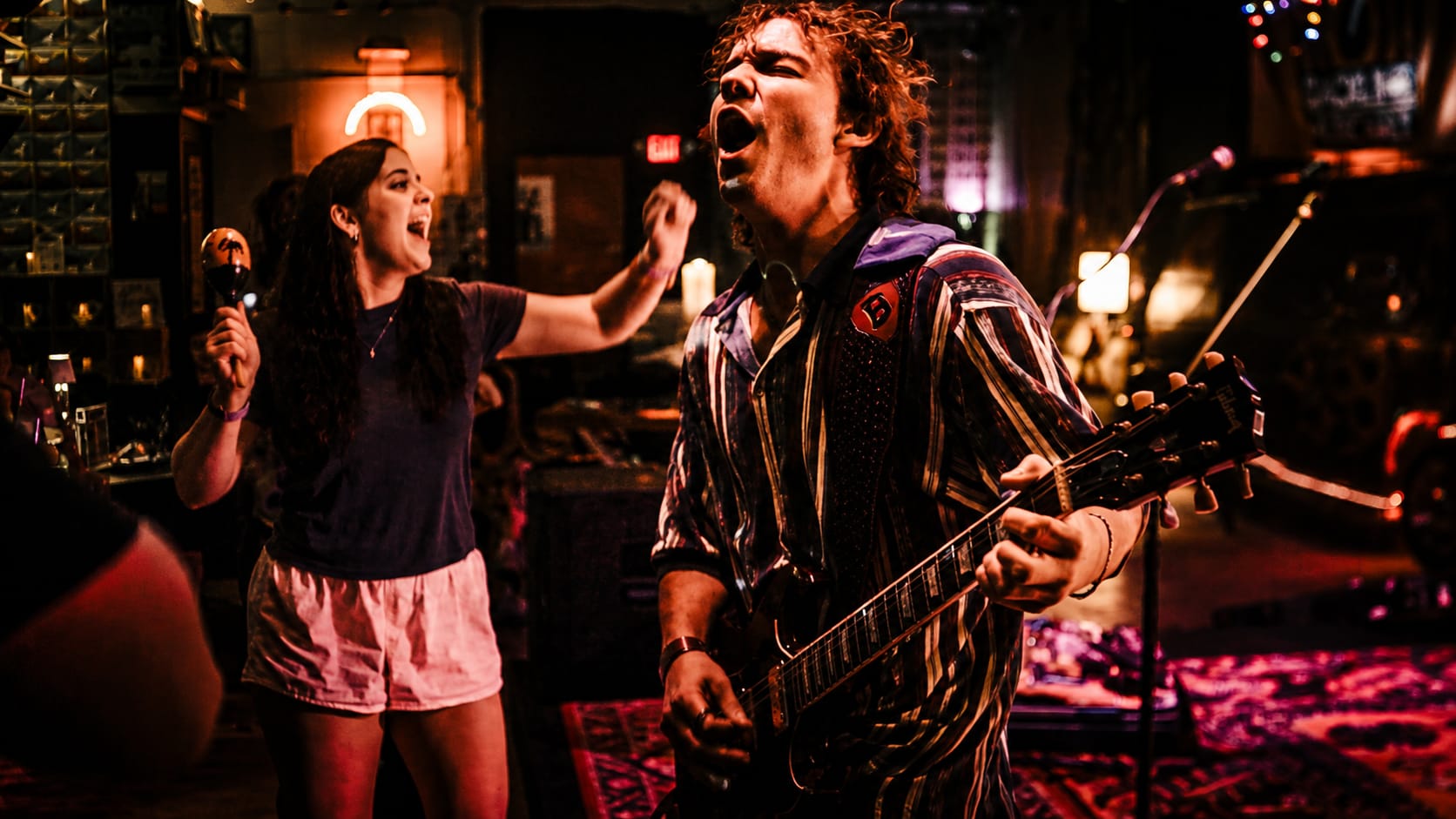
Belhaven opened with the original song “Super Static,” a direct statement of what the band could do before leaning into its covers. Starting with original material was a smart choice. It allowed the audience to meet Belhaven as Belhaven rather than as another group borrowing recognition from familiar songs.
The track came out with enough rock weight to establish Burney’s guitar, but its real purpose was introducing the chemistry. Lewis held the center. Heatherly gave the song movement. Turner began working the audience almost as soon as his feet touched the stage.
The room responded early.
A few songs later, Belhaven reached for Cage the Elephant’s “Ain’t No Rest for the Wicked.” It is one of my favorite songs, which also means I am less forgiving when a band mishandles it. Belhaven understood the loose, slightly crooked rhythm that makes the song work. They did not sand it into standard bar-band rock.
Heatherly’s bass gave it the necessary swagger. Lewis kept the beat clipped and deliberate. Burney stayed close to the riff instead of burying it beneath unnecessary guitar work. Turner pushed the vocal with enough personality to avoid sounding like an imitation.
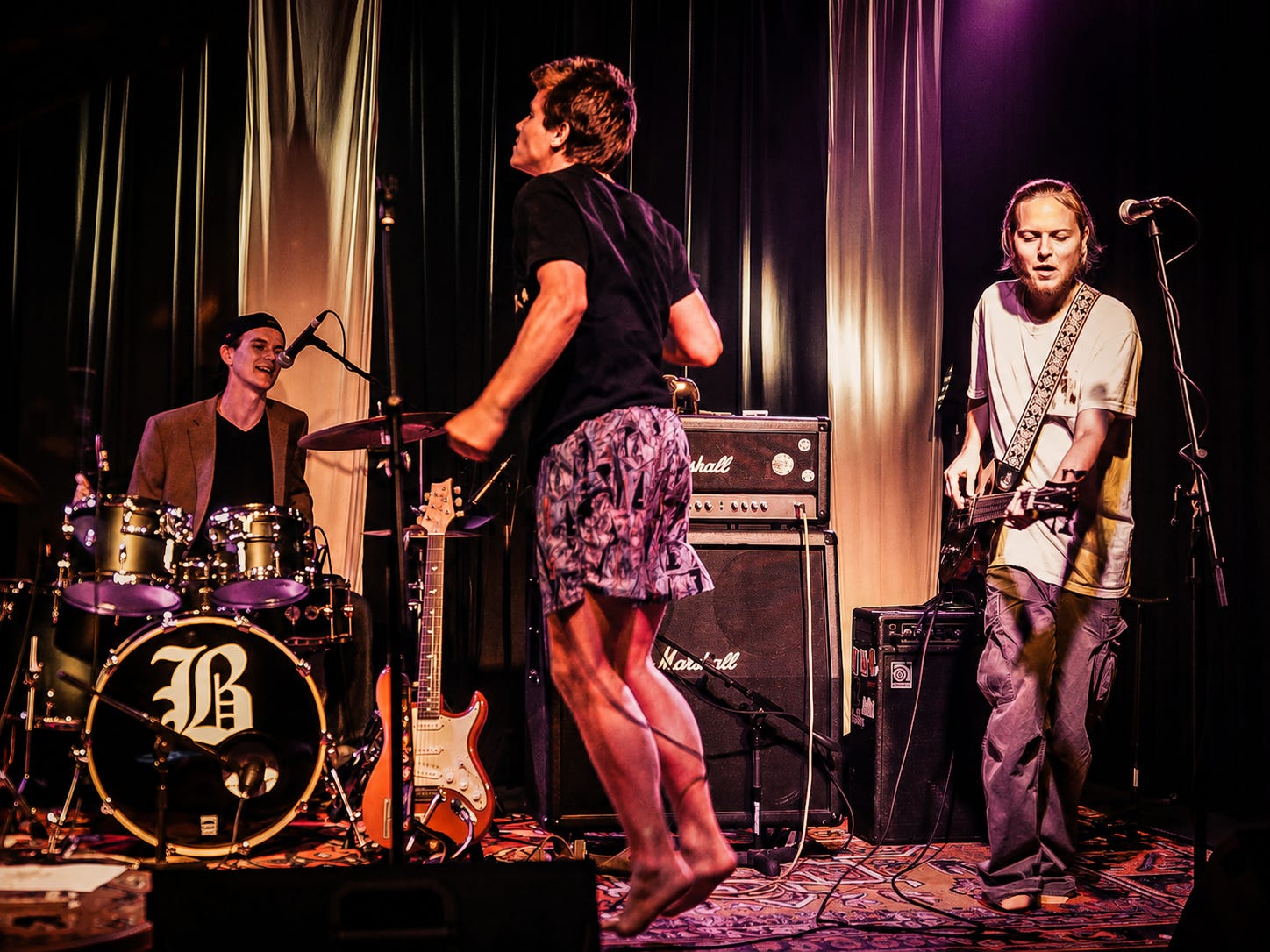
By then, the band’s energy had spread through the room. People were not waiting politely for a song they recognized. They were following the set.
Belhaven’s description as a hybrid band fits. Their originals provide a developing identity, while the covers show how broad their working vocabulary has become. The best hybrid bands do not simply reproduce songs. They arrange a set so each selection reveals something about the musicians playing it.
“Superstition” allowed Heatherly to lean harder into funk, following the rhythmic pull established by Stevie Wonder’s original. “That’s All Right” acknowledged the city Belhaven was playing in. You do not perform in Tupelo without feeling Elvis Presley somewhere in the room, even if nobody says his name aloud. Belhaven said it with the song instead.
Then came Wild Cherry’s “Play That Funky Music.”
Heatherly looked built for it.
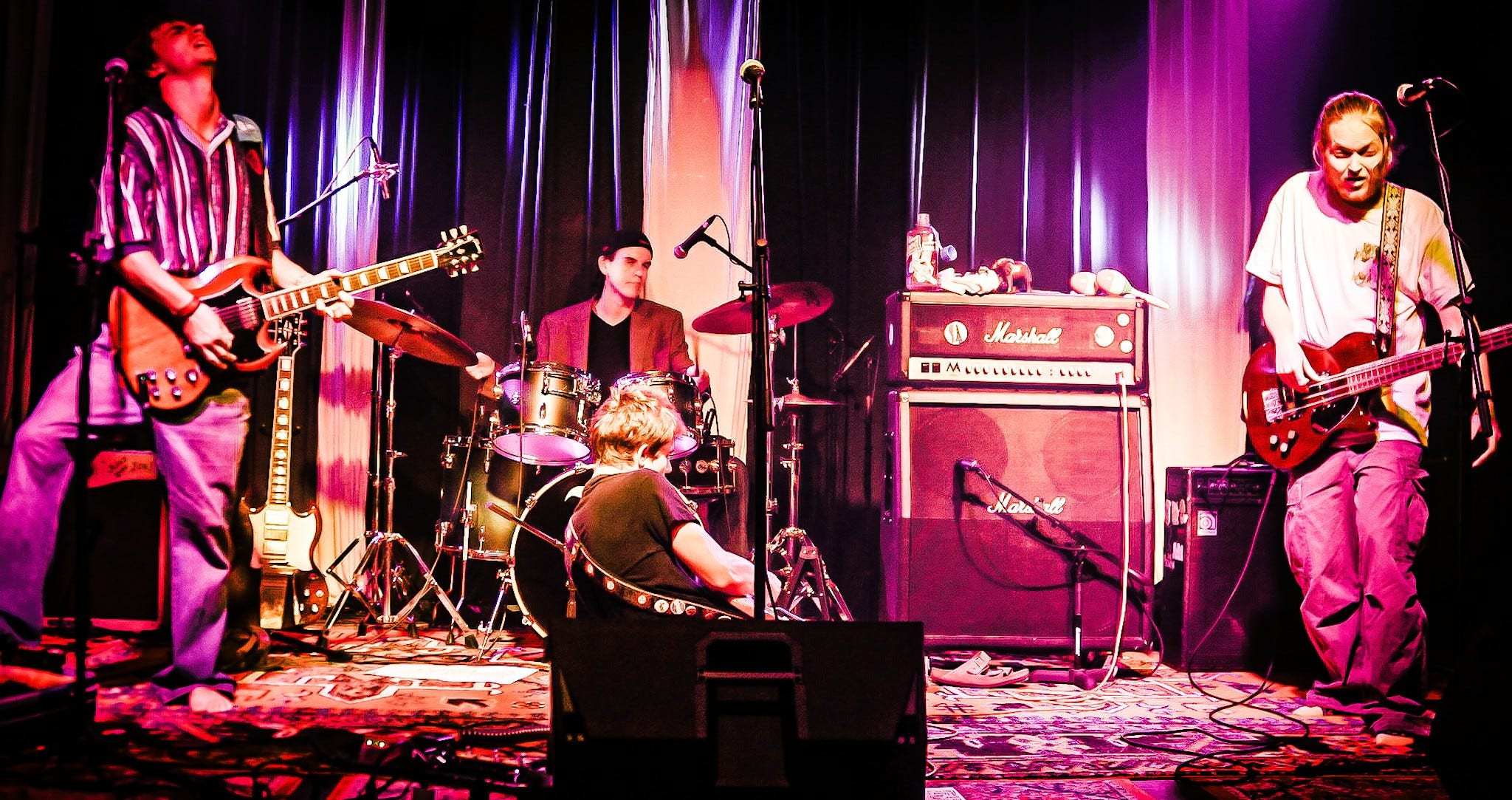
The song’s familiar groove gave him room to loosen his shoulders and pull the band deeper into the pocket. Turner continued crossing the stage, directing sections of the chorus toward different parts of the audience. Burney balanced the funk rhythm with enough rock bite to keep the performance from becoming too clean.
Familiar songs can expose a young band. Everyone in the room already knows where the changes fall, what the groove should feel like and whether the chorus lands. There is little room to bluff.
Belhaven sounded comfortable rather than cautious.
The covers also prepared the room for another original, “Rosemary,” which the band announced as a new single scheduled for release Aug. 1, 2026. It carried a clearer sense of the direction Belhaven could follow beyond a night of crowd favorites. The writing felt considered, with enough melodic structure to remain accessible without losing the rock foundation the band had established earlier.
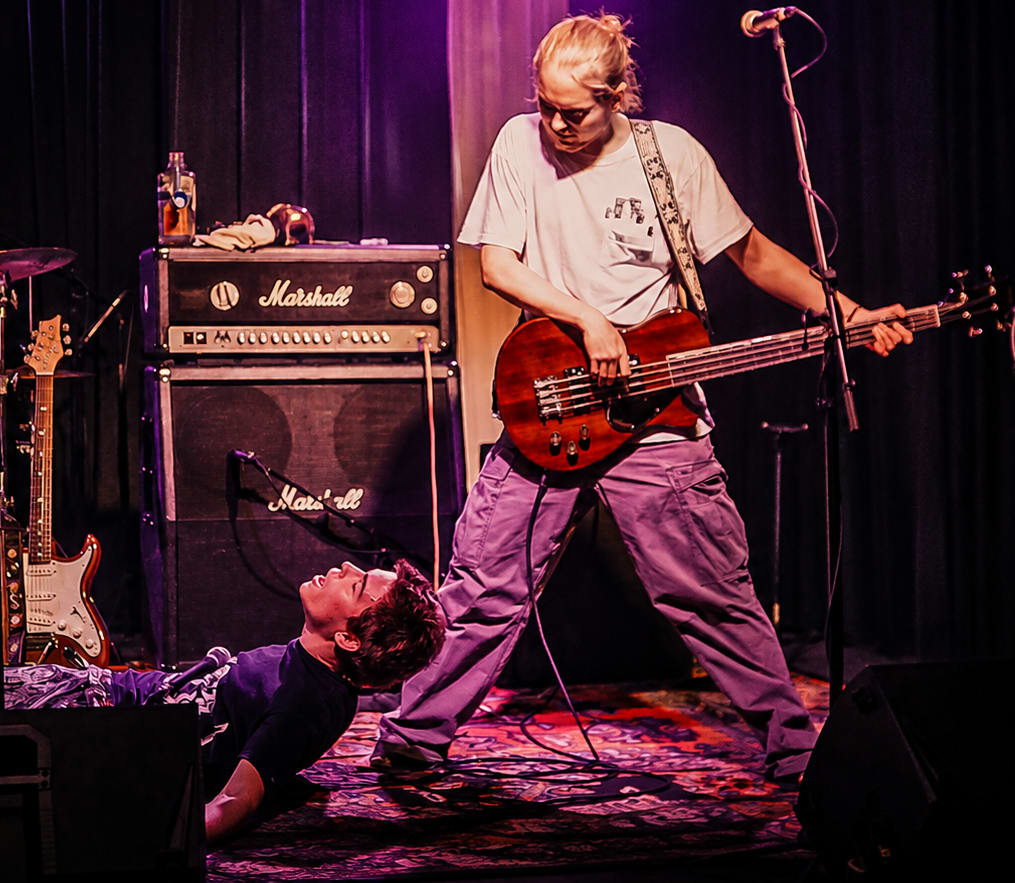
“Rosemary” mattered because it shifted the audience’s attention back toward Belhaven’s own material. By that point, the group had earned the room’s trust through songs people already knew. The new single showed they were interested in doing more with that trust than extending the cover set.
A hybrid lineup can survive for years by becoming dependable entertainment. There is nothing wrong with that work. Belhaven, however, appeared to be testing whether those years supporting other artists could become the groundwork for something bearing its own name.
“Rosemary” suggested the answer may be yes.
Everybody gets an instrument
Belhaven closed with an extended jam built around Outkast’s “Hey Ya!”
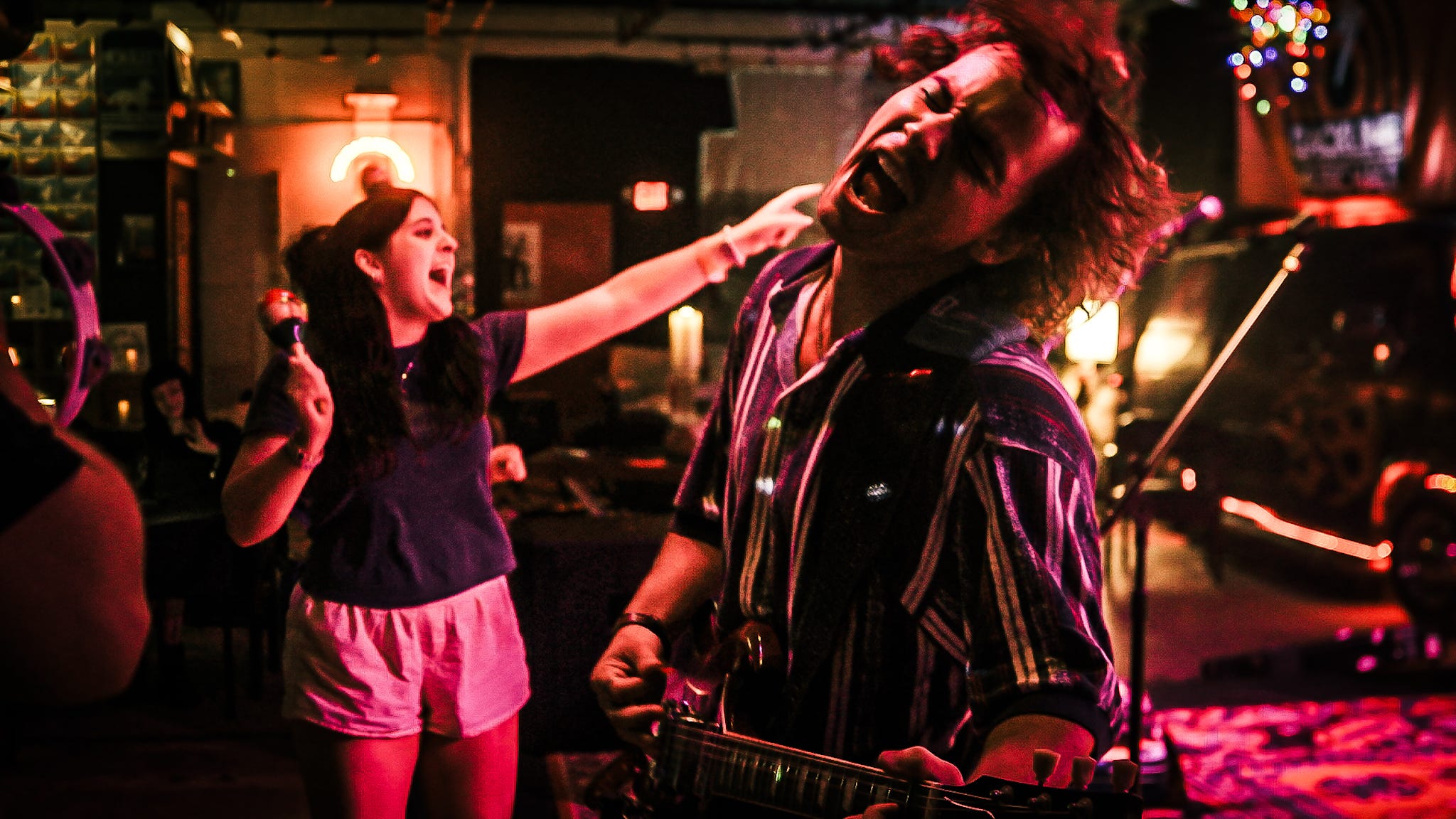
By this point, the boundary between the stage and audience had nearly disappeared. Women in the crowd were handed maracas. A man took control of a tambourine. Voices from around the room joined the chorus while the band kept the song running longer than a standard cover arrangement would allow.
Loose participation can wreck a closing number when the musicians lose control of the tempo. Belhaven never did. Lewis kept the jam from wandering. Heatherly held the repeating groove. Burney added guitar phrases around the vocals without overcrowding the rhythm. Turner acted as singer, conductor and cheerful instigator.
The same urgency heard at the opening remained intact at the end.
Nobody looked as though they were simply completing the set. The band continued interacting with the audience, watching one another and finding small places to extend the song. Even with maracas rattling and a tambourine entering from the crowd, the arrangement stayed together.
Belhaven had spent years backing other performers. During “Hey Ya!,” they briefly backed the entire room.
It was a fitting way to close. The audience had spent the evening watching four musicians establish a new identity. By the final jam, they were allowed to step inside it.
Afterglow
The trip home felt different from the smooth drive north.
Nothing dramatic happened. No equipment failure. No roadside disaster. Just the quiet encouragement that comes after finding another young band before its story has settled into a familiar shape.
Belhaven is still new in this form. Turner joined only months ago. The original material is beginning to claim more room beside the covers. “Rosemary” is waiting for release. There are rough edges left to sharpen and more songs needed before anyone can know how far this version of the group will go.
The important part is already visible.
Burney, Heatherly and Lewis spent years learning how to make other singers sound better. Now they are using those lessons to build something of their own, with Turner moving across the front of the stage as if he has been waiting for them to catch up.
Belhaven has moved from backup to the front.
Do not miss them when they return.
As always, thanks to Cid, Christina, Brian, Brent and Meredith, the Backline at Backline. You guys rock.


Please consider Donating to Sponsor an article even $1 helps!
