



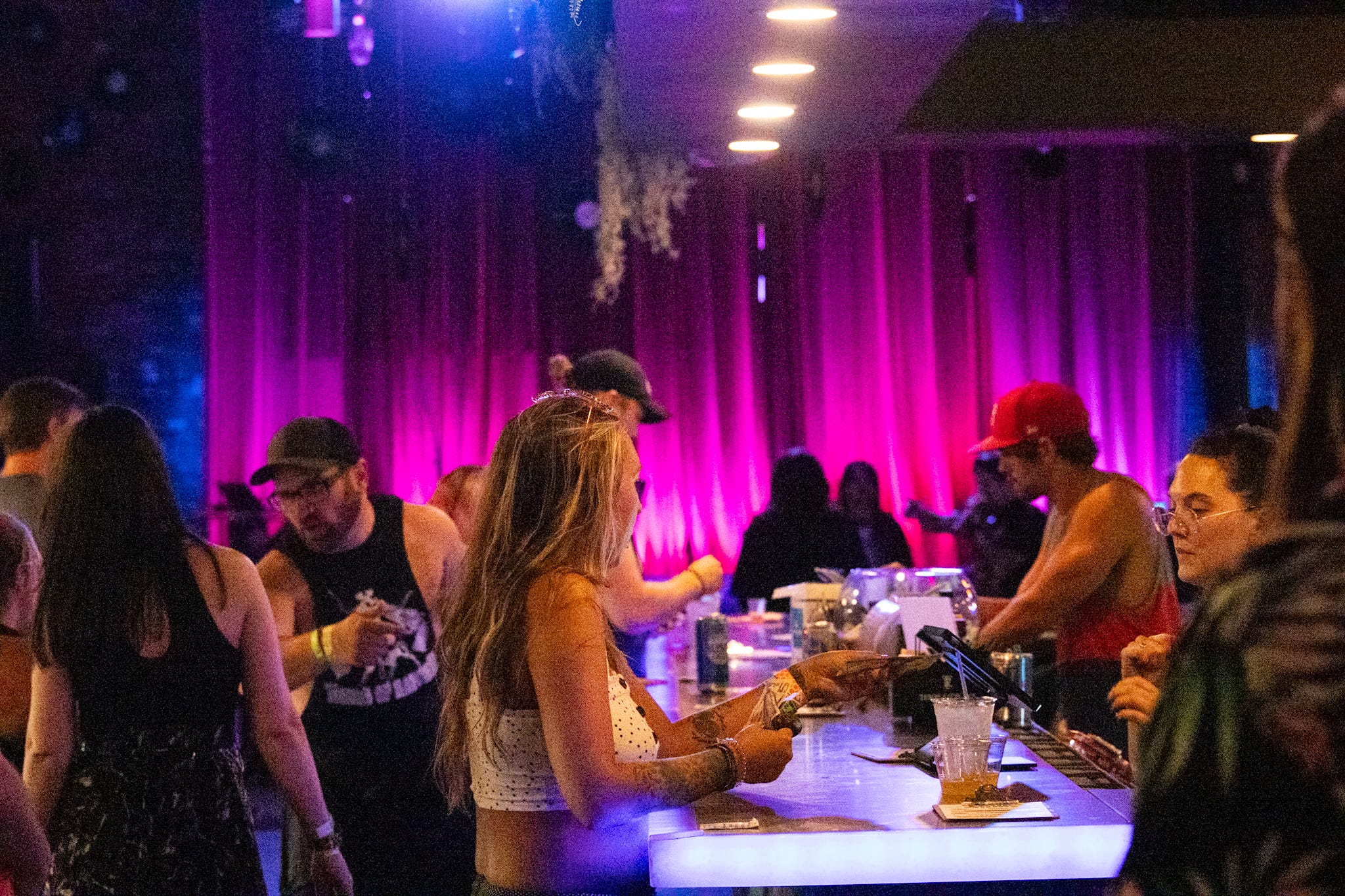
At 5:45 Friday afternoon, Four Winds had technically started. Sioux Falls had not completely caught up yet.
Inside ICON/DADA, CH6R6Z6RD was working through the festival’s opening set in front of the kind of early crowd that still leaves plenty of visible floor between bodies. The important part was what those people were doing. They were watching. No restless milling around waiting for the “real” bands to begin, no room full of people treating the opener as soundtrack. Whoever had arrived early enough to catch CH6R6Z6RD was catching CH6R6Z6RD.
That distinction matters at Four Winds Music & Art Festival, where Friday’s schedule spread 31 sets across Full Circle Book Co-op, Vishnu Bunny, Club David, ICON indoors and the outdoor ICON stage. It is physically impossible to see everything. The festival makes you choose, then punishes the choice by putting something interesting somewhere else at the same time.
Four Winds Music and Art Festival was made possible with support from Common Sense, Herb and Legend, Sunny Radio 93.3 and The Dakota Scout. Their sponsorship helped bring the sprawling two-day celebration to downtown Sioux Falls, filling multiple venues with live music while supporting the local artists, vendors, venues and organizers who keep the city’s creative community moving.
CH6R6Z6RD was a good example of why wandering into the first room can pay off.

The first rooms wake up
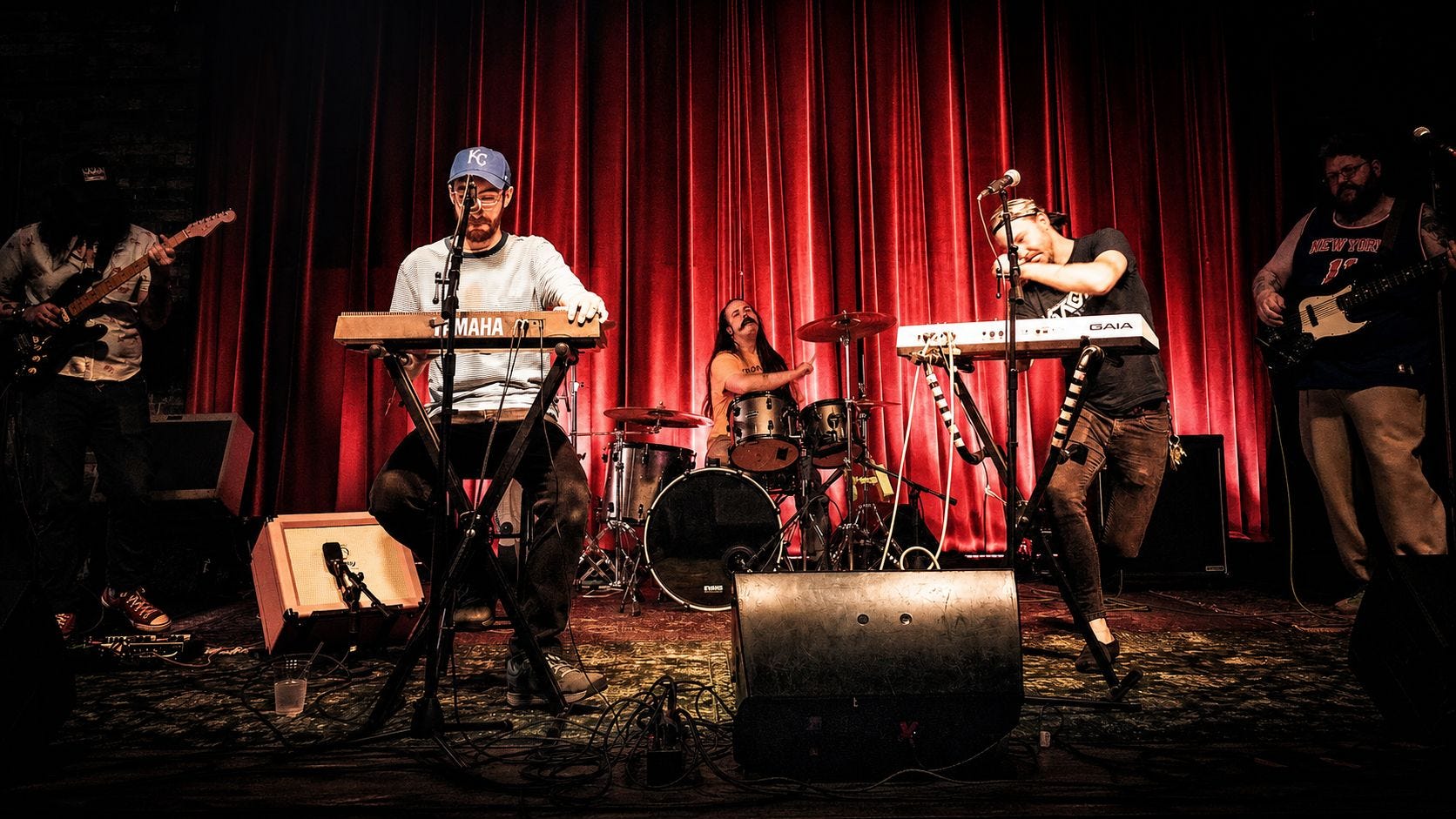
The CH6R6Z6RD catalog still sitting online points back toward a different version of the project. A collaborative album appeared in 2015, followed by singles and the T R V R EP in 2016, material streaming services have filed around electronic and alternative music. Friday’s incarnation was far more physical.
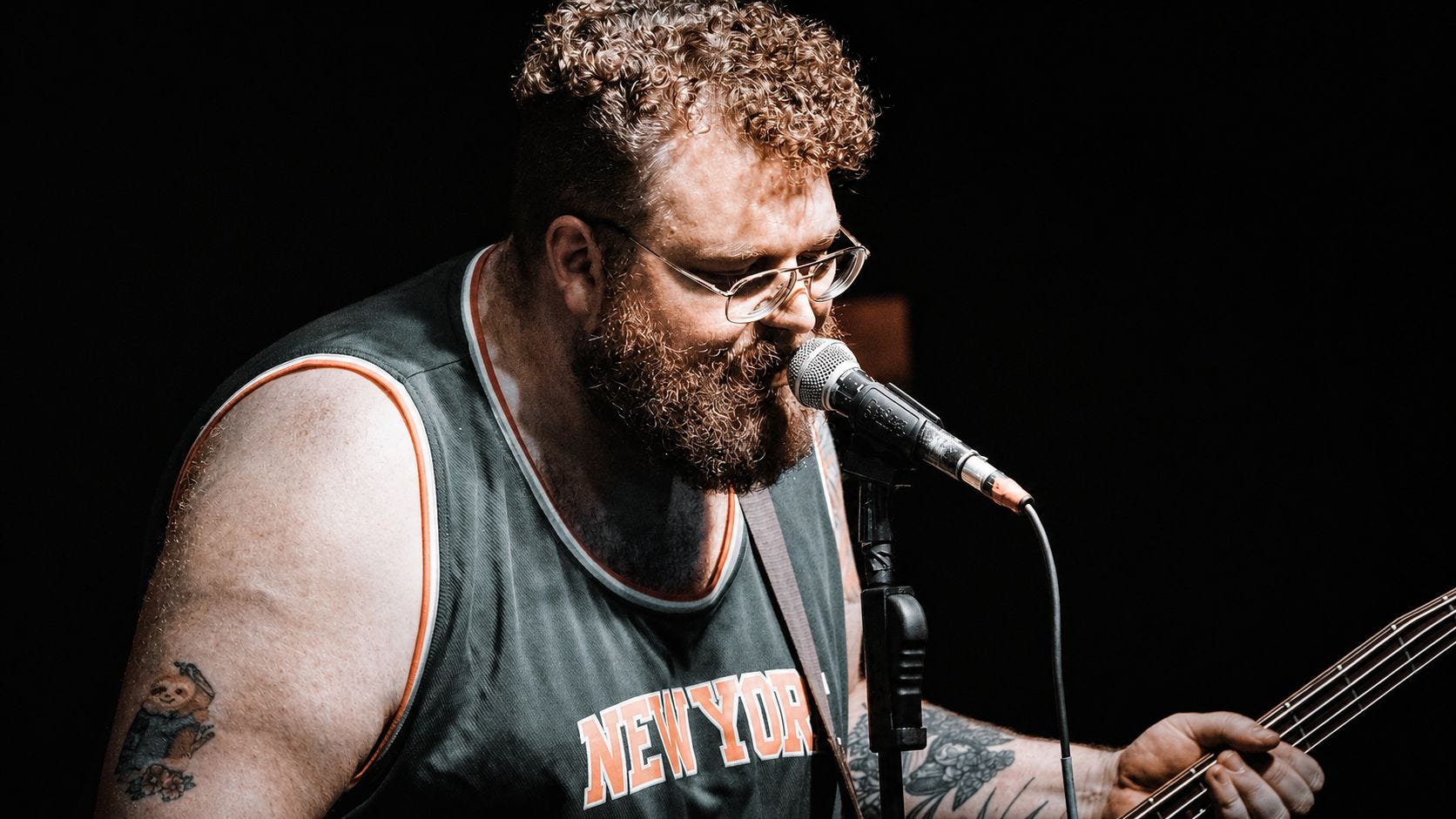
Three members of Long Rest and two from The Squirez made up much of the group onstage, turning the set into something close to a local-scene collision. Drums, bass and guitar were joined by two keyboards, giving the songs extra width without sanding off their rough edges. The vocals were grungy but not especially melodic, delivered closer to speaking or yelling than traditional singing, without crossing into full-on screaming.
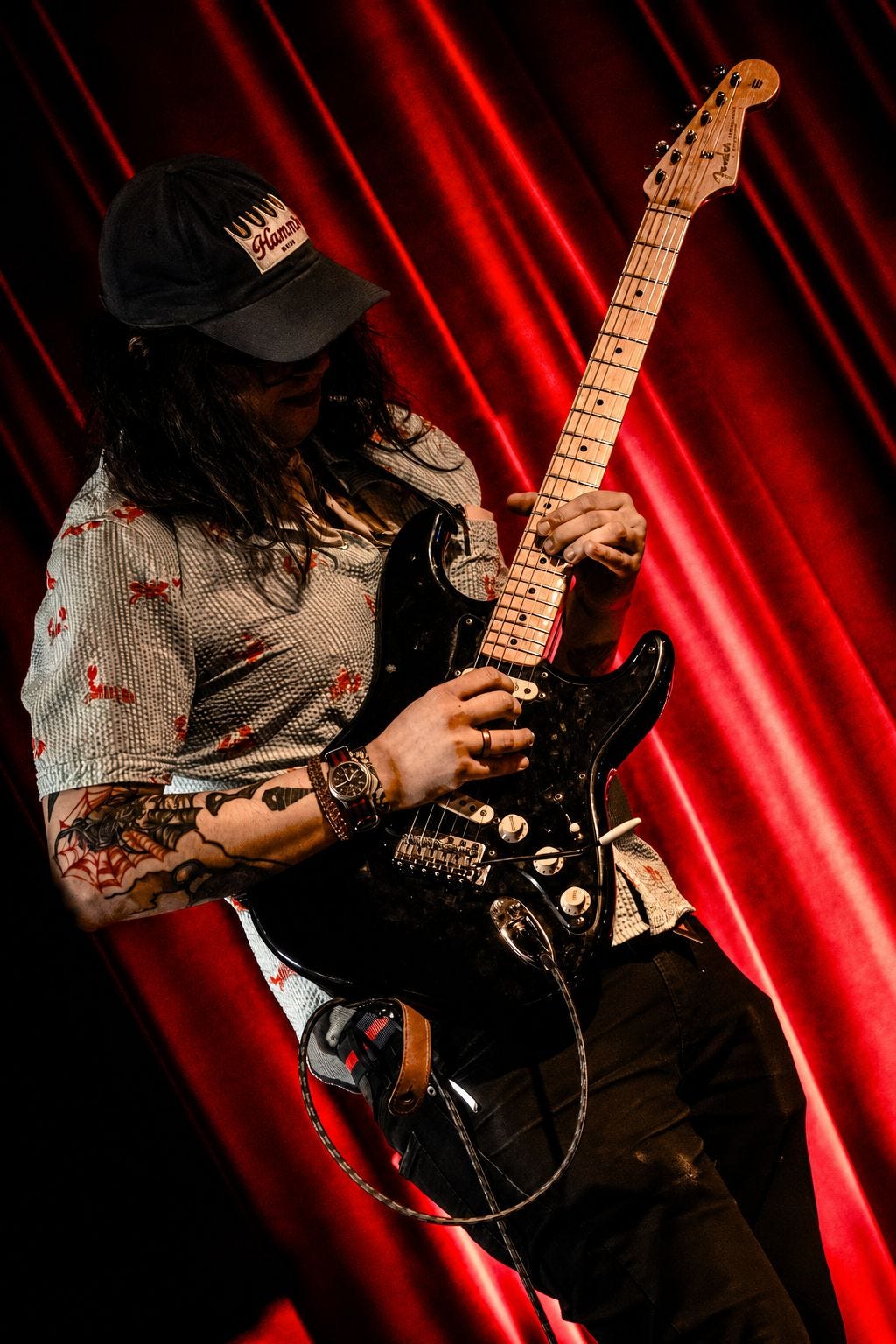
For roughly 20 minutes they pushed forward hard and fast. Then the temperature dropped.
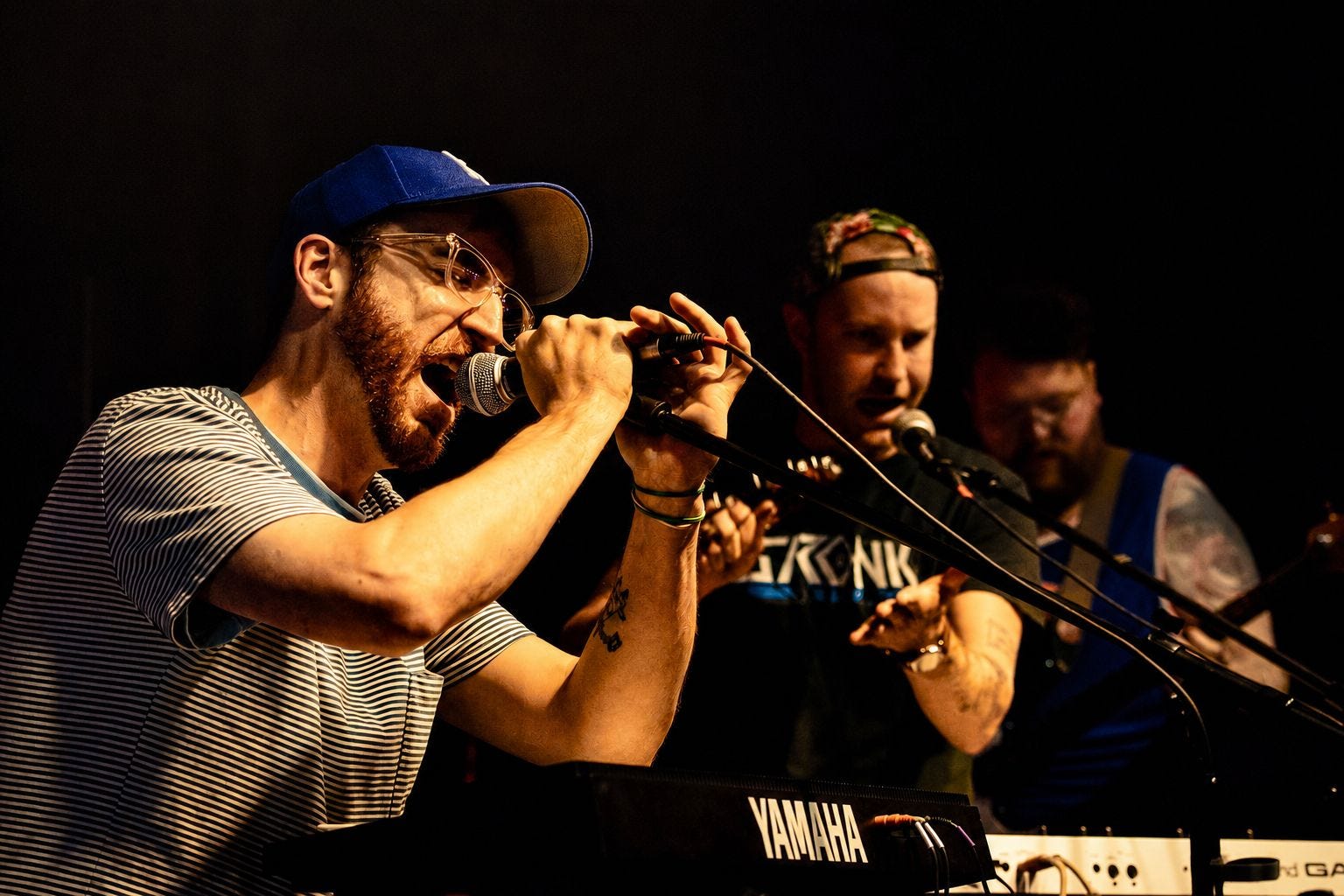
The slower material gave the band more room, and strangely enough, made the whole thing sound more refined. The early songs were about impact. Once CH6R6Z6RD backed off the throttle, the interplay between the instruments became easier to hear. It was the first small surprise of Four Winds: a band that initially seemed built to hit hard became more interesting when it stopped trying to hit quite so hard.
Outside, Useless Eyes had no interest in easing anyone into anything.
They came out with a scream.
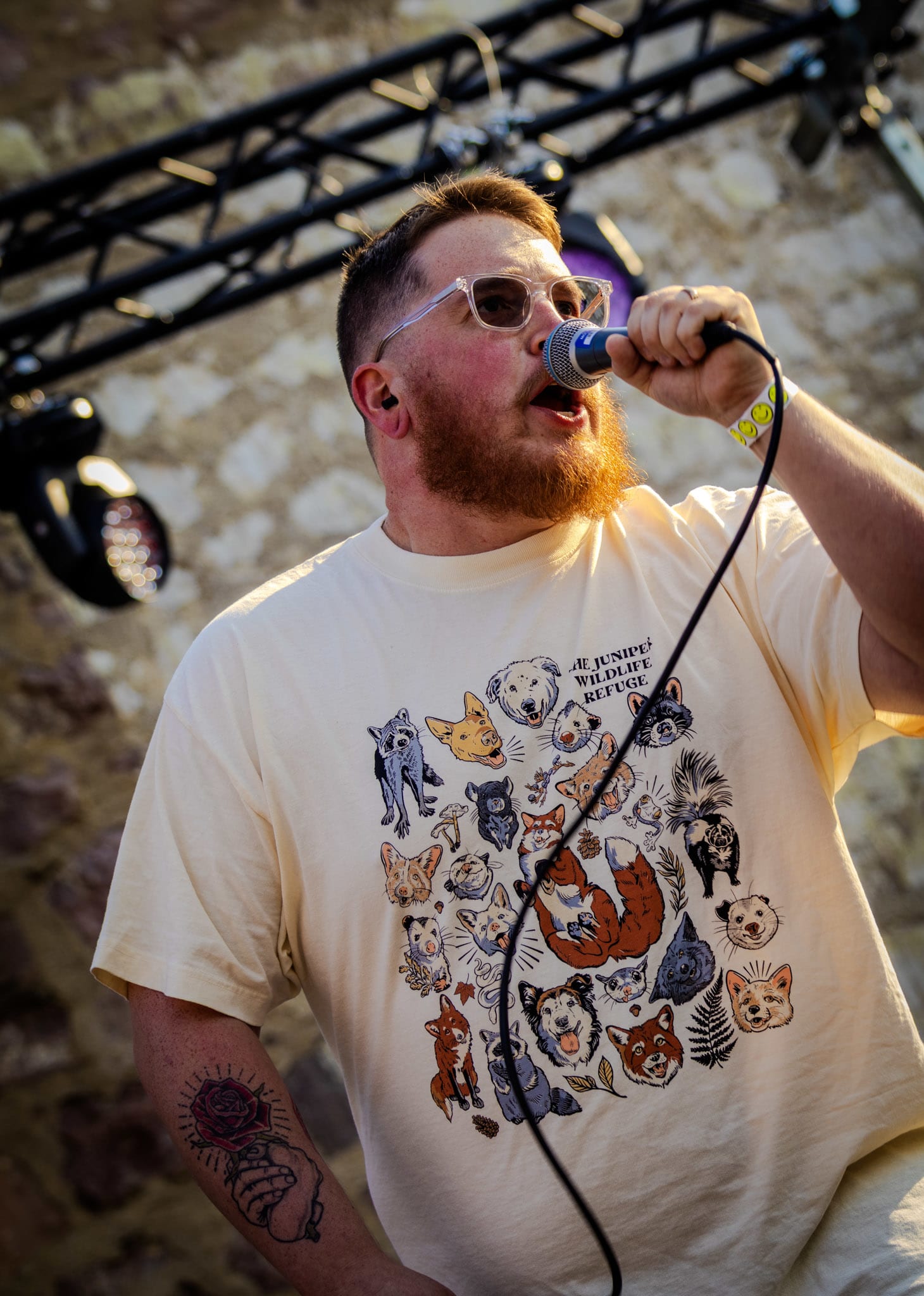
Mike Iverson and company opened the outdoor ICON stage by immediately attacking it, anchored by relentless double-kick drums that made the transition from the comparatively spacious CH6R6Z6RD set feel almost violent. There is hardcore in the band’s recorded DNA, but Friday’s performance pushed its ugliest edges toward death metal. The drumming did much of the damage. Feet hammered underneath riffs that were already carrying plenty of weight.
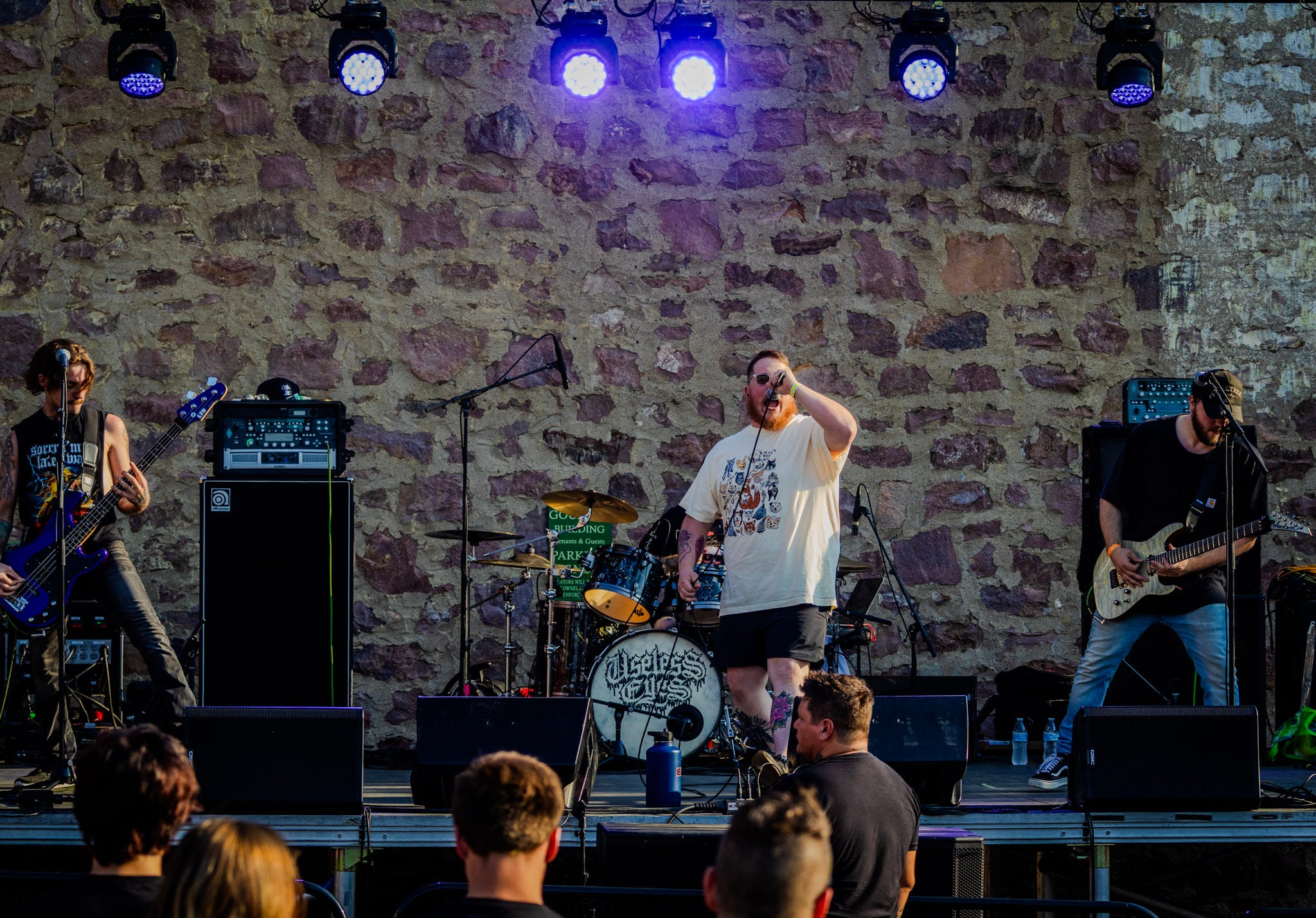
That aggression makes more sense after spending time with Useless Eyes’ recorded material. The Sioux Falls band released the six-song Smothering Light EP in February, following 2025 singles including “Ego Mouth,” “Wormtongue” and “Arrogance in Ignorance.” The songs are short and confrontational. Friday, the group performed them with even less patience.
And the crowd followed.
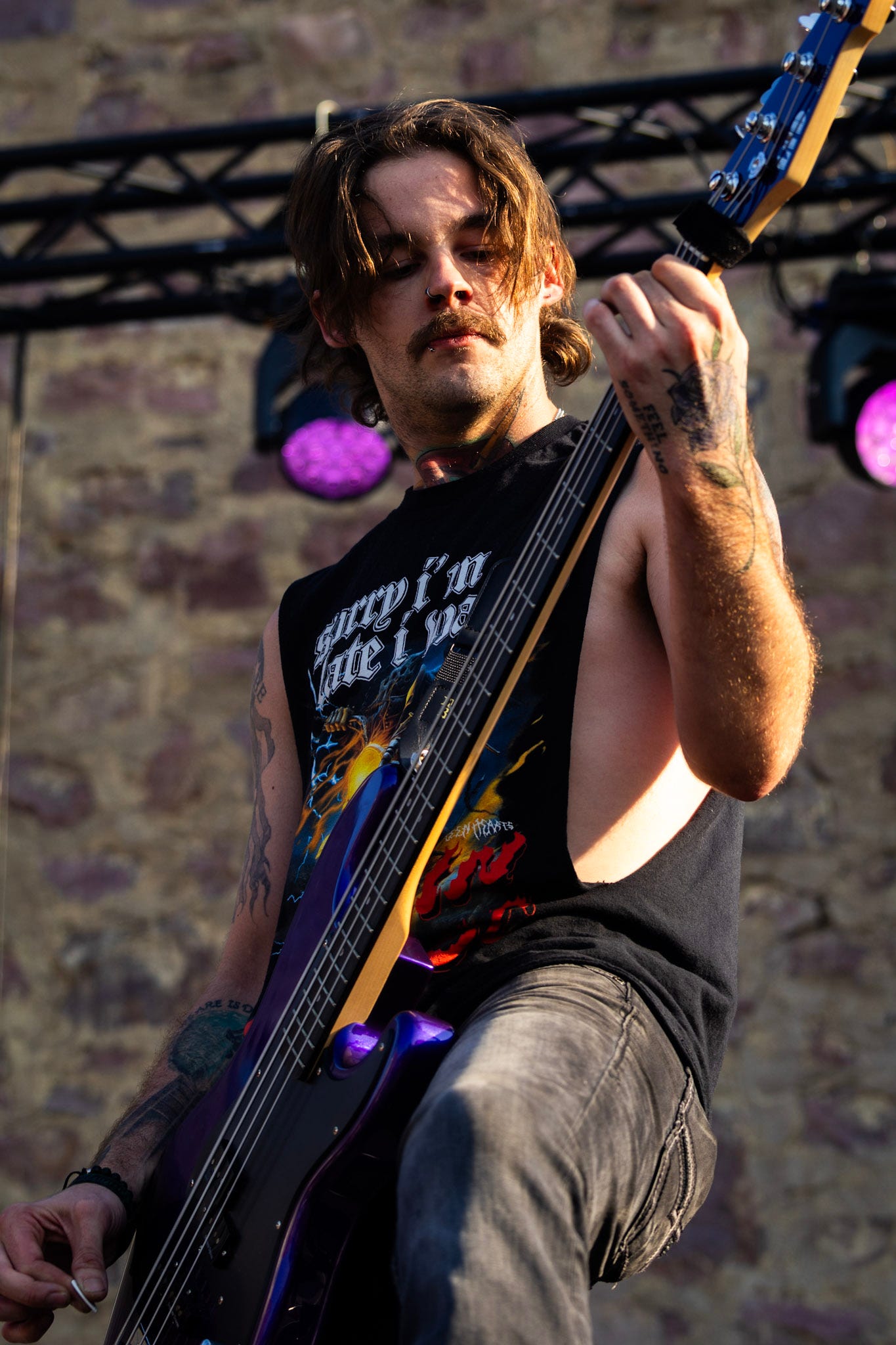
The early emptiness inside ICON was already disappearing outside. Useless Eyes did not merely inaugurate the main stage. They gave people a reason to walk toward it.
Then Four Winds did what Four Winds does: another band was already starting somewhere else.
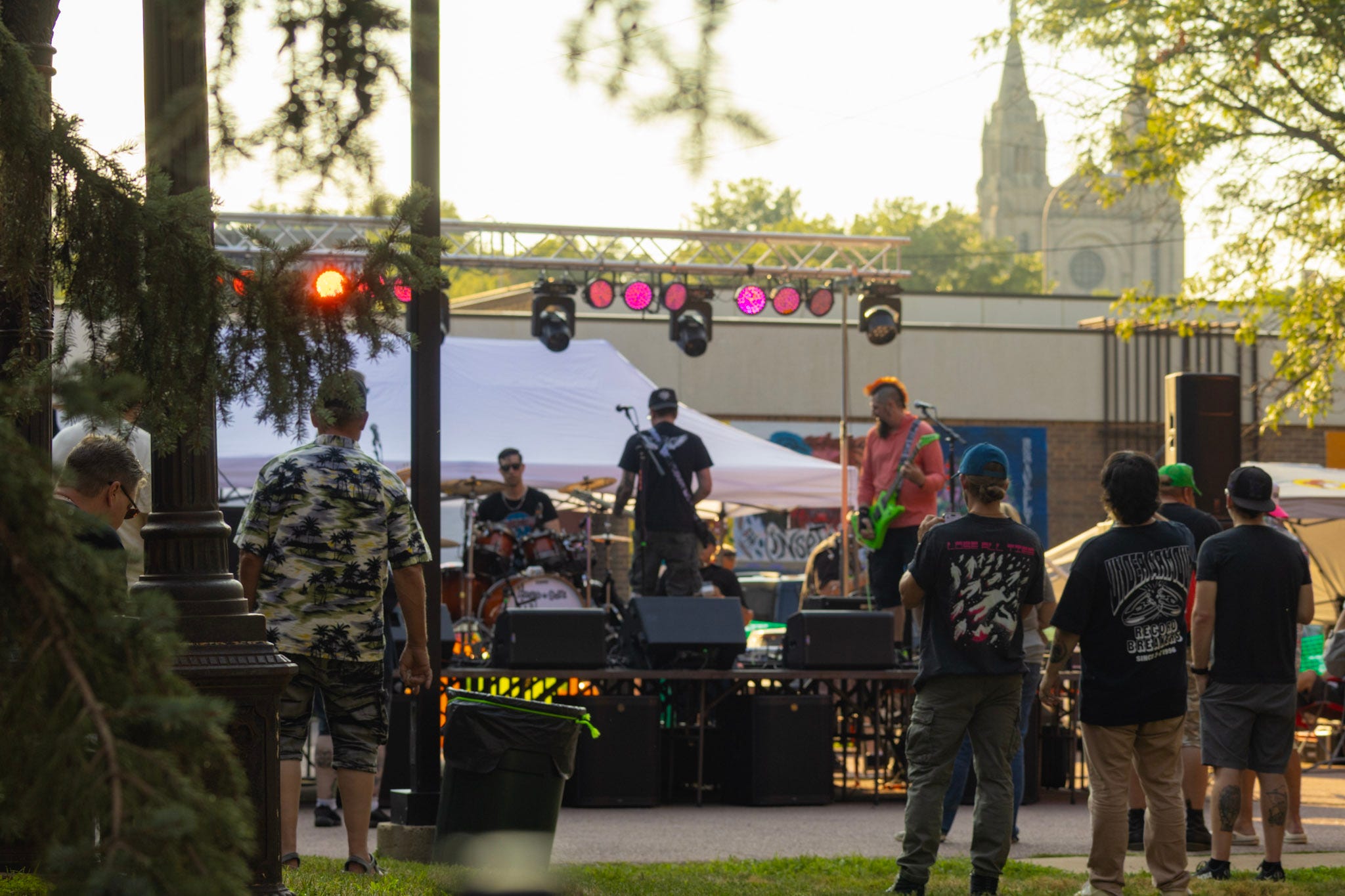
Fueled By Spite was tucked into the narrow Vishnu area near Sweet Grass Soapery, a location that could easily feel secondary compared with an outdoor stage. Instead, it became one of Friday’s most naturally fun sets.
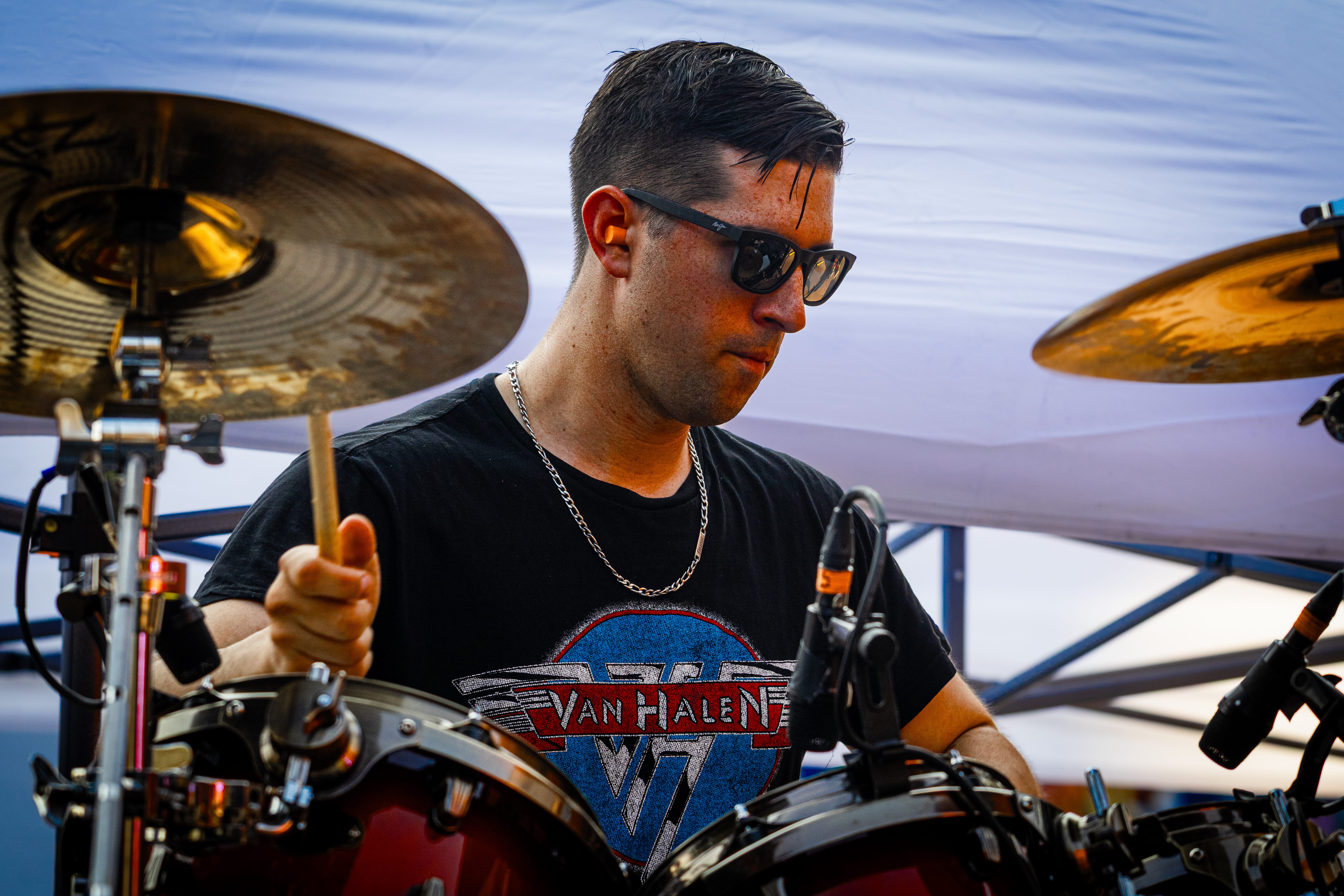
The Rapid City band describes itself as Black Hills pop-punk, complete with the wonderfully unserious sales pitch that it makes the “okay-est Pop-Punk money can buy.” That self-awareness carries onto the stage. At one point the band encouraged everyone to boo guitarist Scotty to knock his ego down a little.
They did.
He survived.
The lime-green guitar helped make him difficult to miss afterward.


Musically, Fueled By Spite knows exactly where its center is. Blink-182 hangs over the band without becoming its entire personality, although the bassist wearing a Blink-182 shirt certainly removed any mystery about the influence. “Never Know Best” had the clean immediacy the genre needs, while “No Reason Why,” introduced as the group’s latest single, opened with a drum roll that snapped the room into attention before the guitars followed.
It is punk without pretending fun is beneath it.
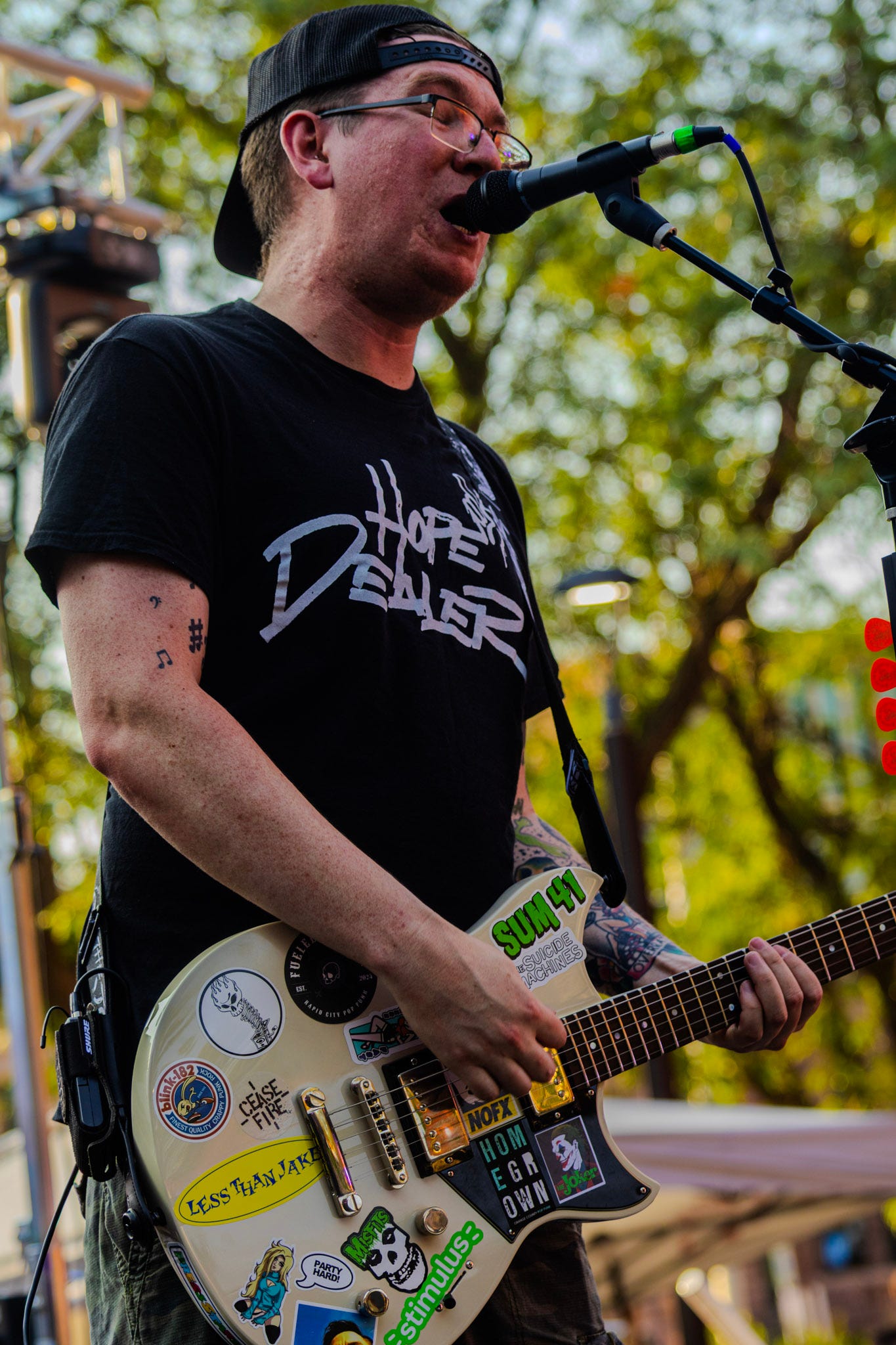
The joke about Scotty was not a distraction from the set. It told you something about the band. Fueled By Spite understands that pop-punk works best when the people playing it seem like people you might actually want to spend an hour with.
Please consider Donating to Sponsor an article even $1 helps!

Dead men, breakup songs and crowded rooms
Club David changed the mood again.
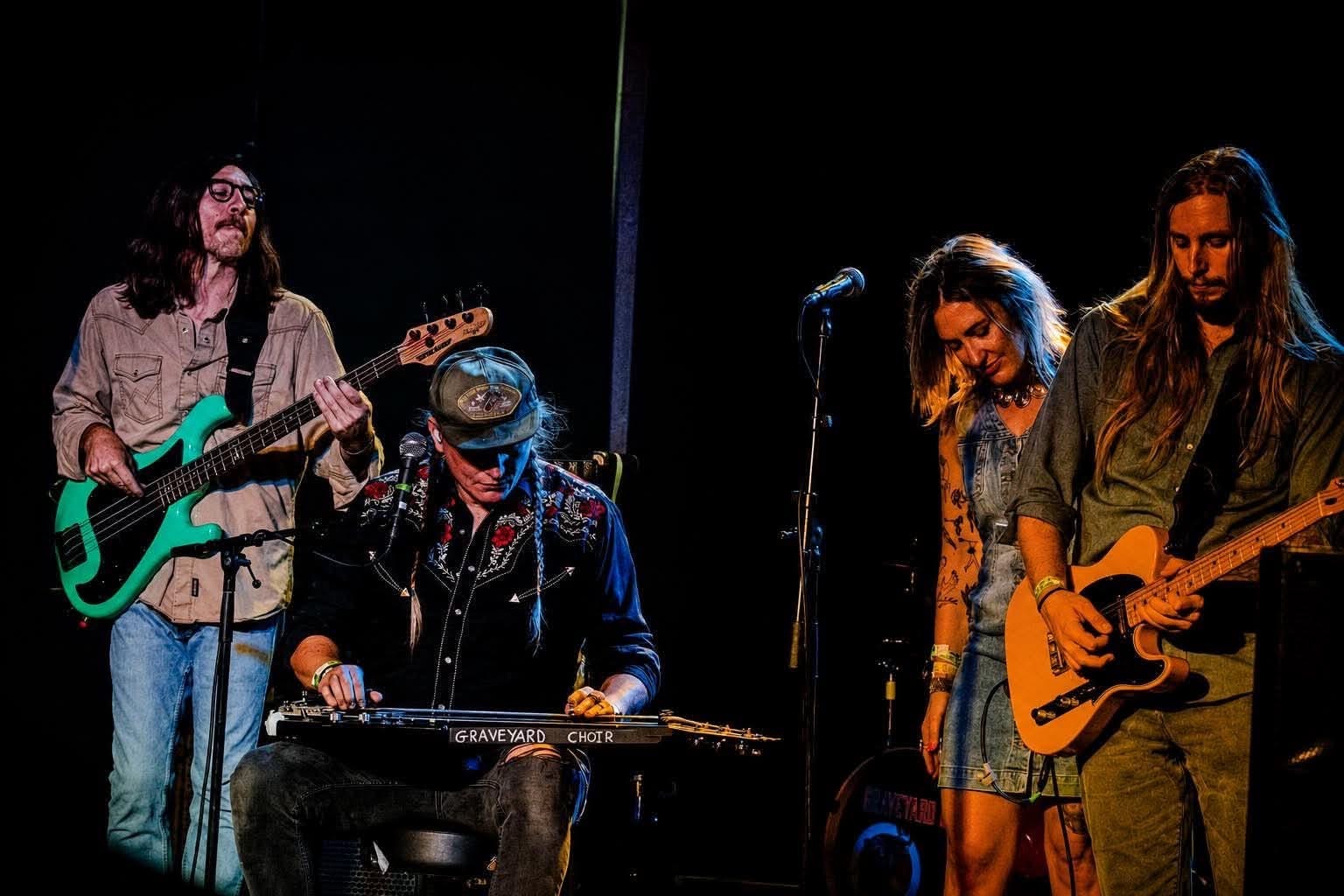
Denver’s Graveyard Choir is technically an Americana band, which is true in roughly the same way that calling black coffee a beverage is true. It leaves out most of the interesting stuff.
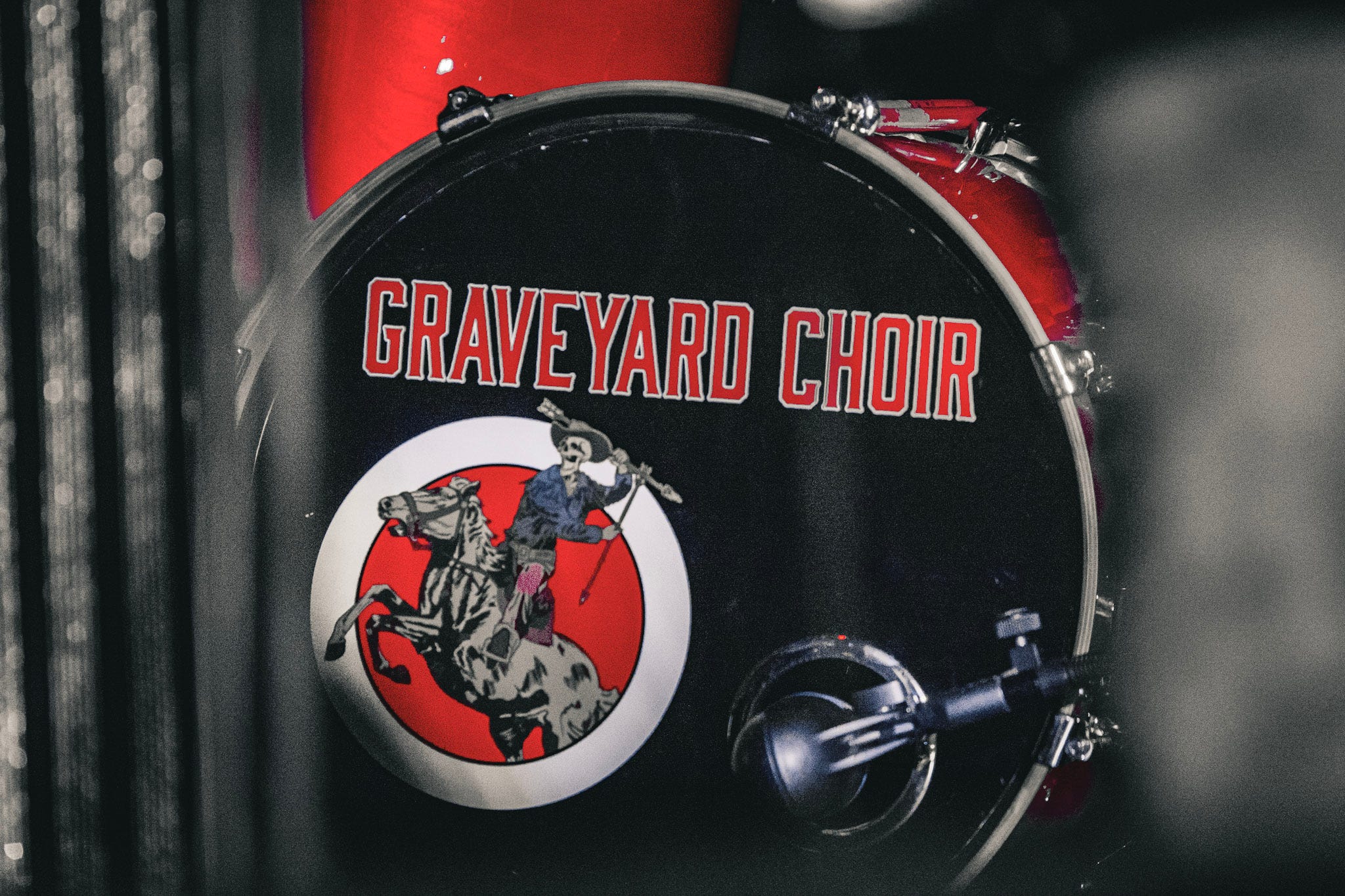
Their own tags include gothic Americana, alternative rock, alt-folk and folk rock. Colorado music organization FoCoMA cuts closer with three words: “Americana - Mud - Rock.”
Mud is the useful word.

Graveyard Choir is a five-piece led by Colorado songwriter Nate Valdez, with Eric Riley on drums, Thom Whitney on bass, Nicholas Waters on guitar and Jen Riley contributing vocals. The group formed in 2024 and quickly found a subject matter few bands could counterfeit convincingly. Valdez previously worked in a mortuary. His songs grew out of what he encountered there.
So when death appears in Graveyard Choir songs, it does not feel decorative.
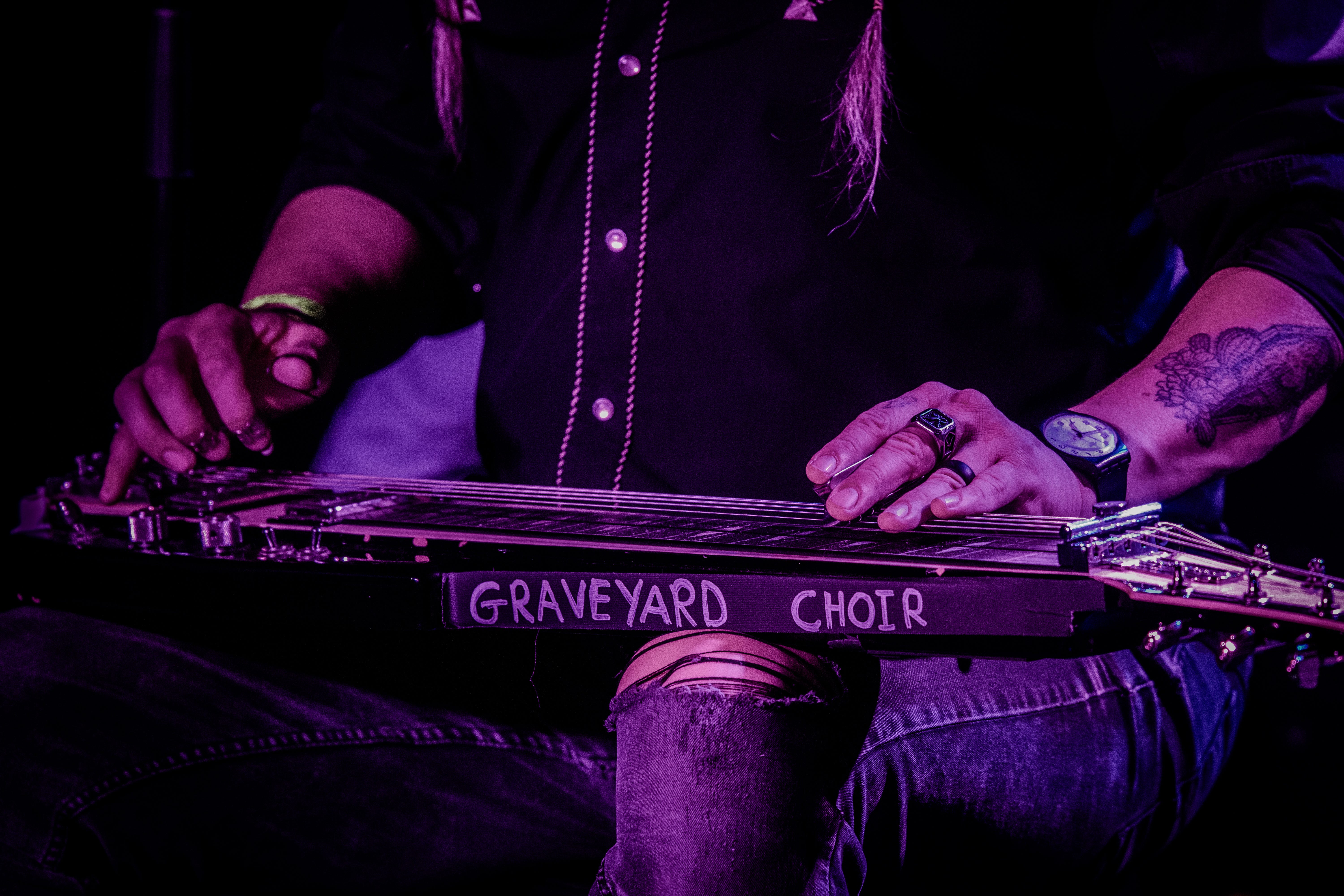
Slide guitar and electric guitar drag against a rhythm section that can move from solemn to muscular without much warning. Jen Riley’s voice adds another texture, particularly effective when the songs turn toward loss, religion, regret or redemption. Their second album, The Wake, arrived in November 2025 with titles including “Dirt Floor,” “Hard Rain,” “The Ballad of Marty Bergen” and “16oz Hammer.”
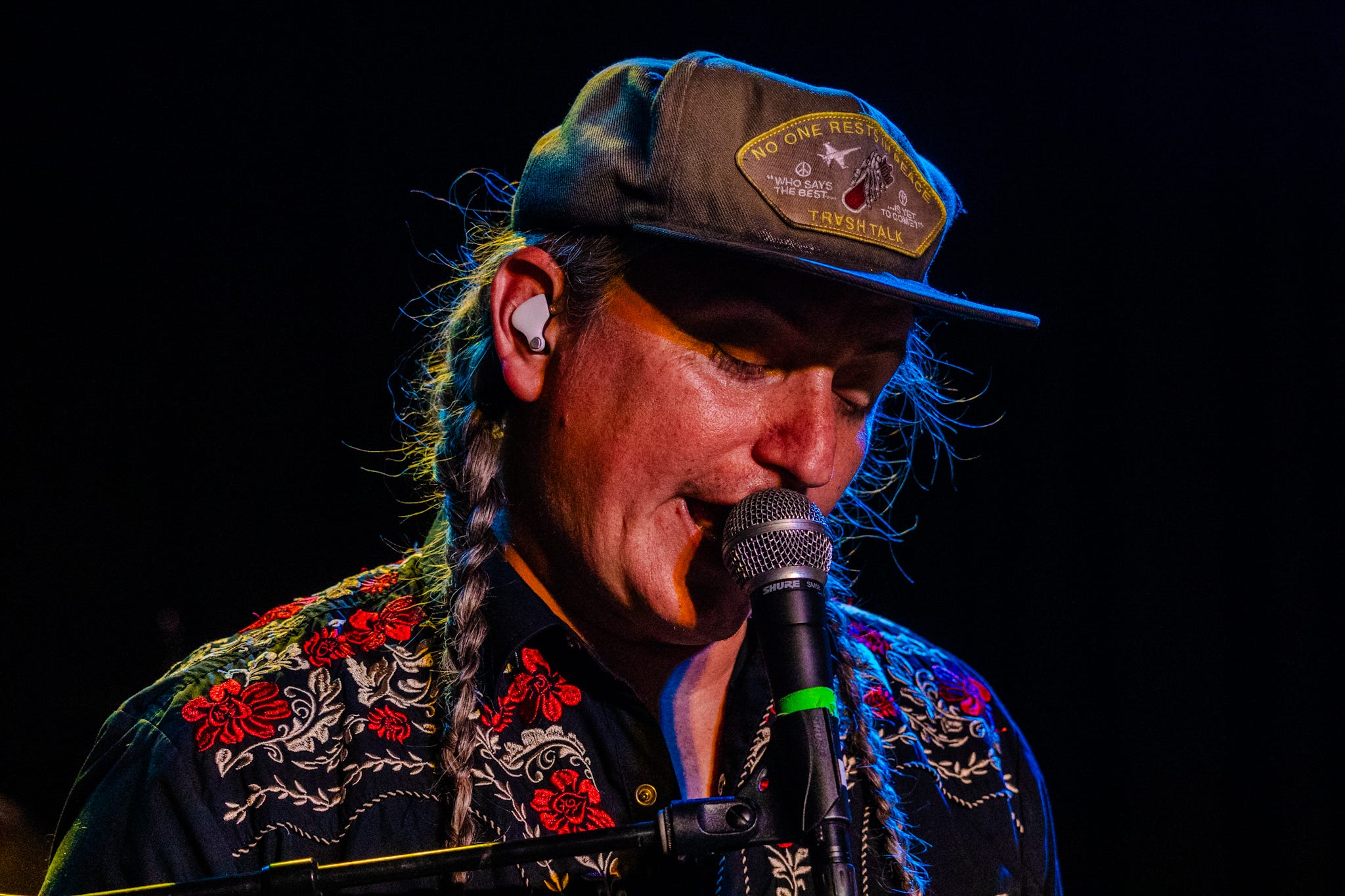
At Club David, that dirty-blues underside kept the set from becoming costume-shop Southern Gothic. This was not sepia-filter Americana. The band could push.
A few blocks and schedule decisions later, Leading Last offered a completely different version of South Dakota history.
This was their second consecutive Four Winds appearance after the band returned for a reunion set at the 2025 festival. Their roots run considerably deeper. Leading Last’s early recordings identify the group as an experimental rock band that came out of northwestern Iowa before becoming connected closely with Sioux Falls, with Together & Apart originally dating to 2011. The record later resurfaced on streaming platforms, and the band released “Your Mirage, My Reverie” in 2025.
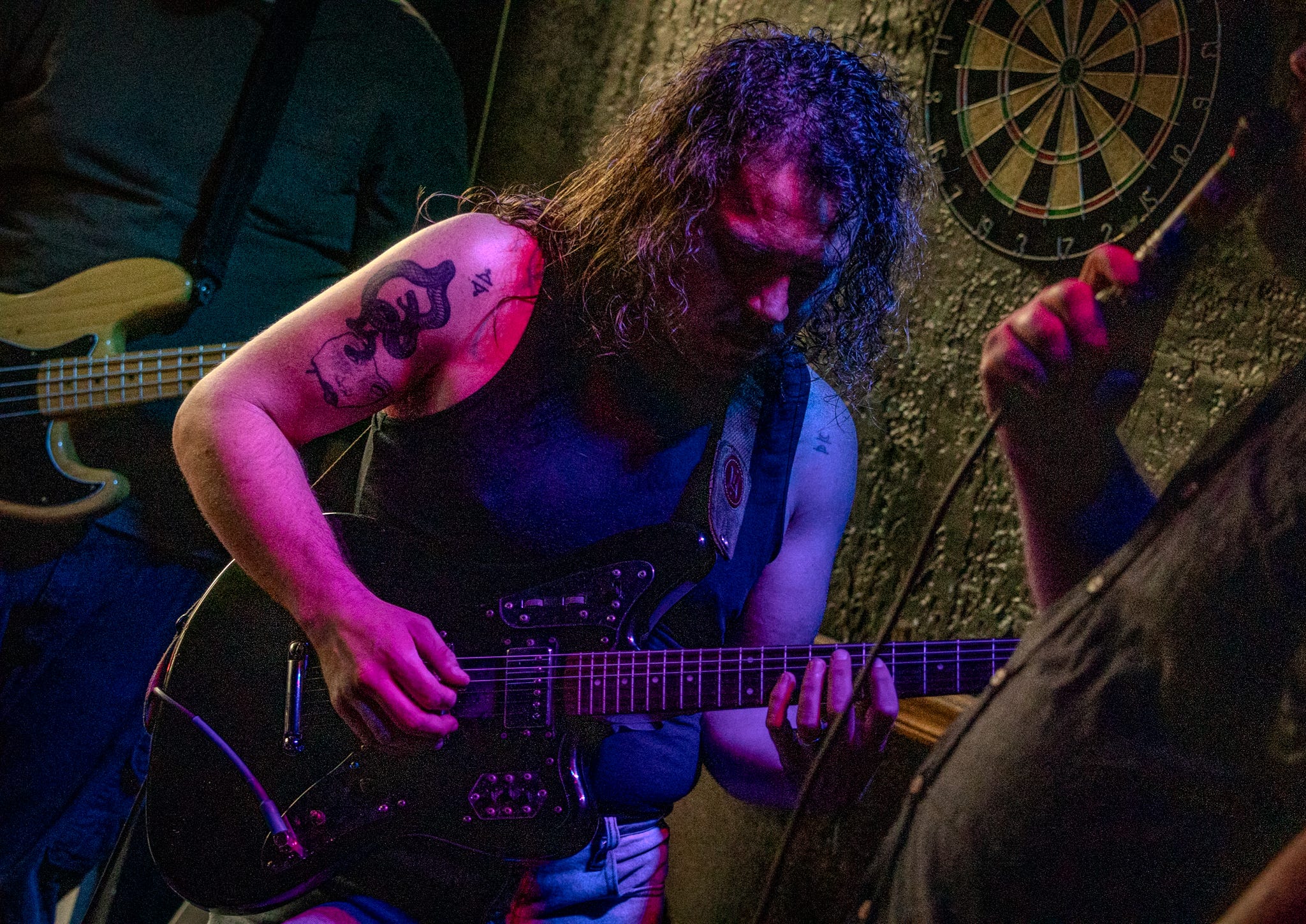
“Messy rock” was the phrase that came to mind watching them Friday, and it fits better than trying to wedge the band into a cleaner category. The guitars do not always behave politely around one another. The arrangements feel more interested in motion than symmetry.
The best introduction came at the end.
Leading Last closed with a breakup song. Before playing it, the singer explained that his wife hated the song because it was about somebody else.
There are several possible ways to introduce a breakup song.
That is certainly one of them.
It also punctured any temptation to treat the reunited veterans with too much reverence. Four Winds is good at those moments. A band can have history without turning its set into a museum exhibit.
Lilac Jam fills the room
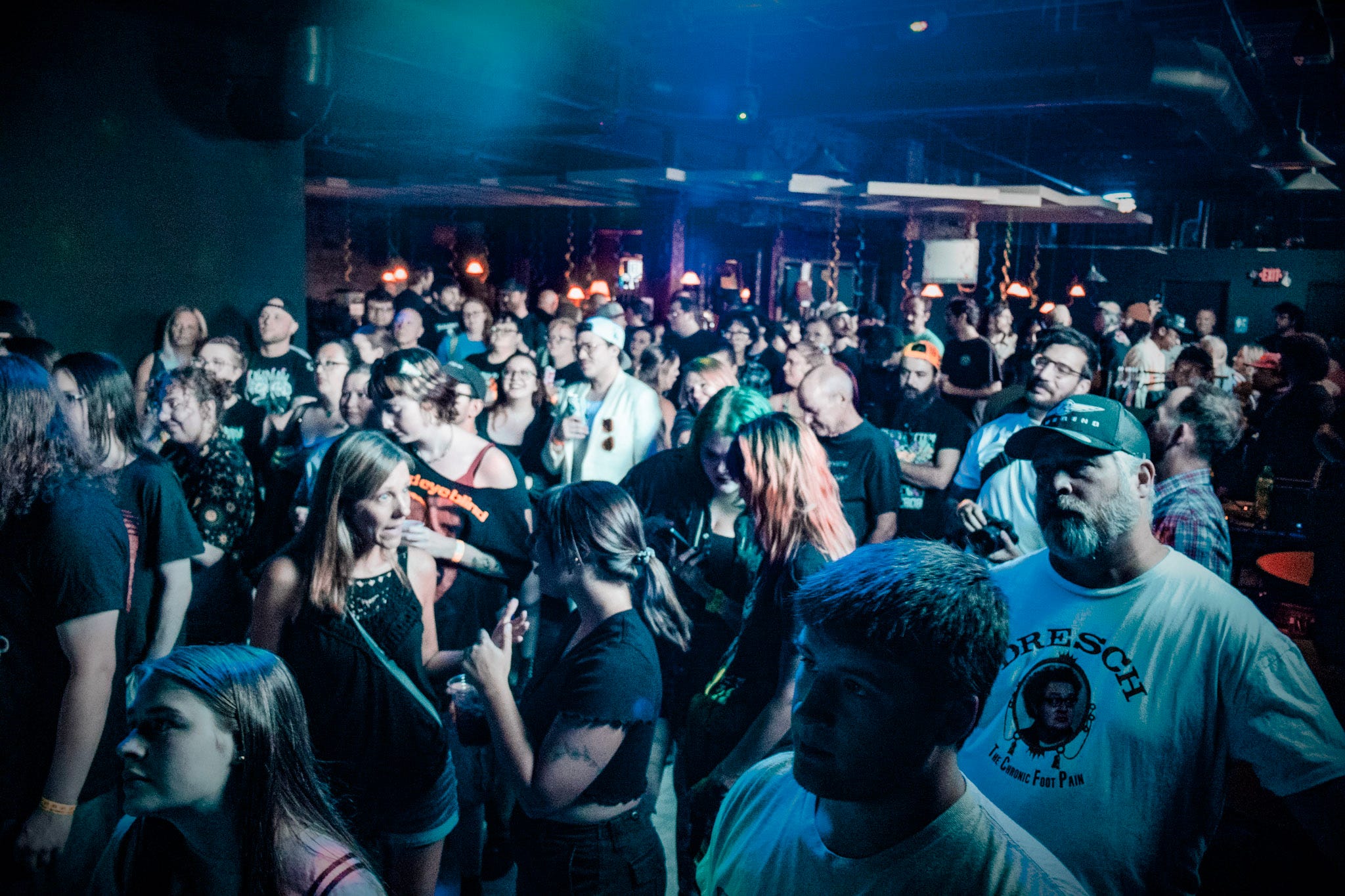
By the time Lilac Jam started at Club David, the attendance story had reversed completely.
People showed up for Lilac Jam.
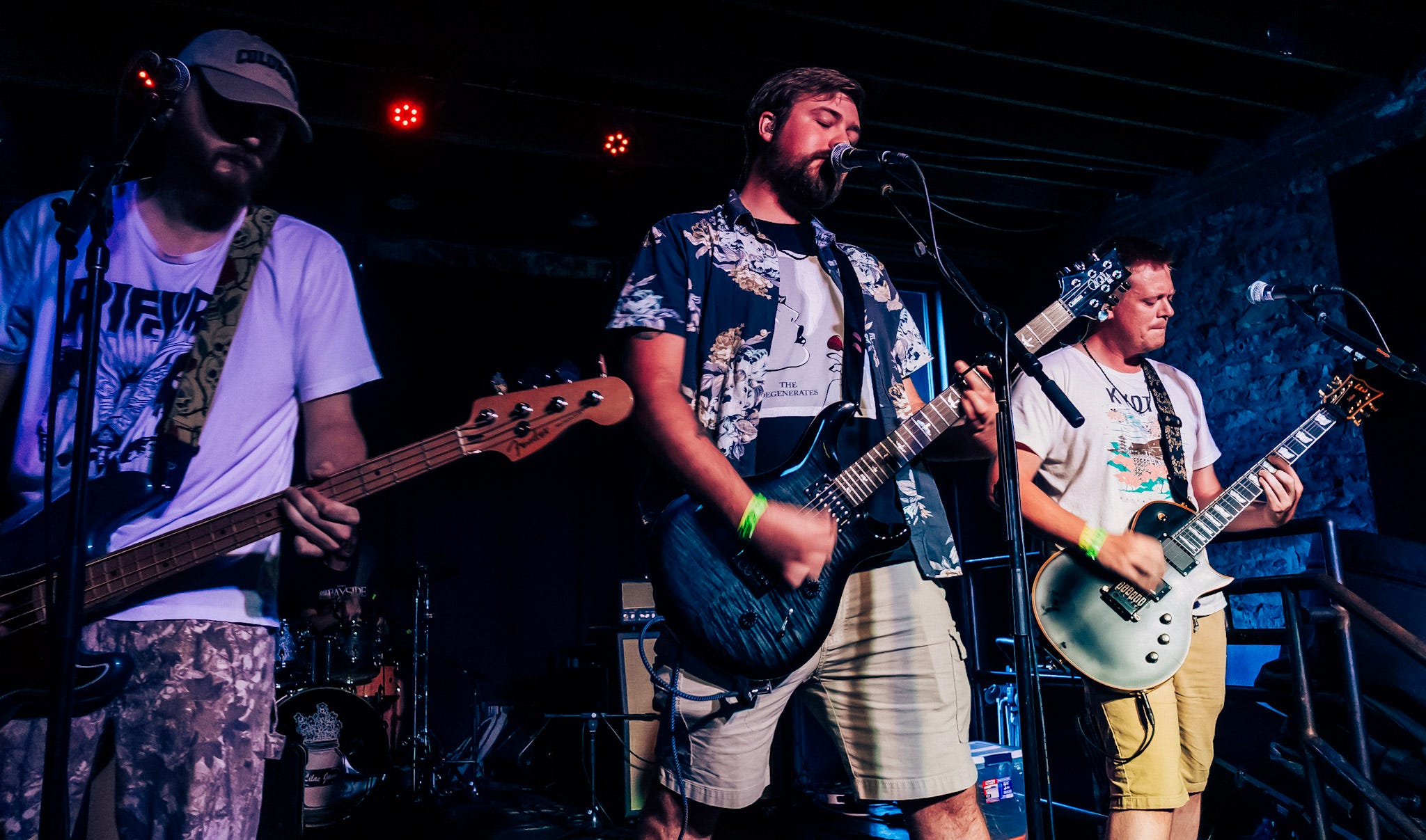
Not gradually. Not in the vague festival sense where a room looks slightly healthier than it did 40 minutes earlier. The room filled because people wanted to see this band.
That response has been earned over years rather than manufactured overnight. Lilac Jam began in Watertown in 2018 with members who openly admit they started the band partly to learn how to play music. Their early shows were graduation parties. Members moved. The band slowed down. Then drummer Sam Smith and vocalist/guitarist Tré Smith relocated to Sioux Falls and rebuilt the lineup with bassist Spencer Harris and guitarist Justin Meyer. Their stated influences include Title Fight, Basement, Alkaline Trio and Rise Against.


That history explains some of Friday’s reaction. Lilac Jam has grown up in public.
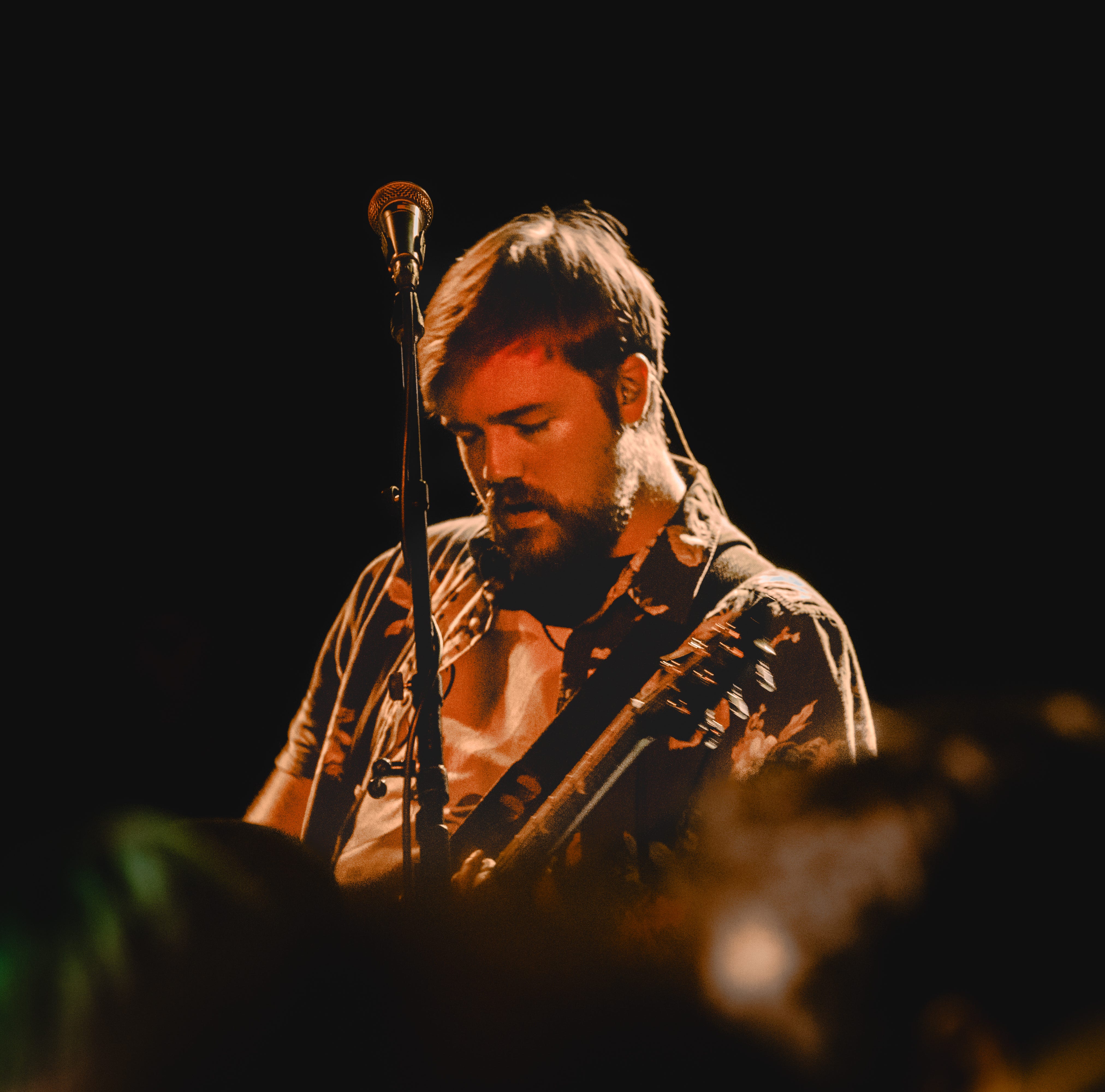
The band’s alternative rock and punk foundation is familiar enough to pull people in quickly, but the local attachment goes beyond genre. This is a group Sioux Falls audiences have watched keep returning, recording and improving. When a crowd materializes for a regional band at a festival with national acts running simultaneously, that says more than a streaming number ever could.
Temple of Soil brings the violence and melody of metalcore to ICON
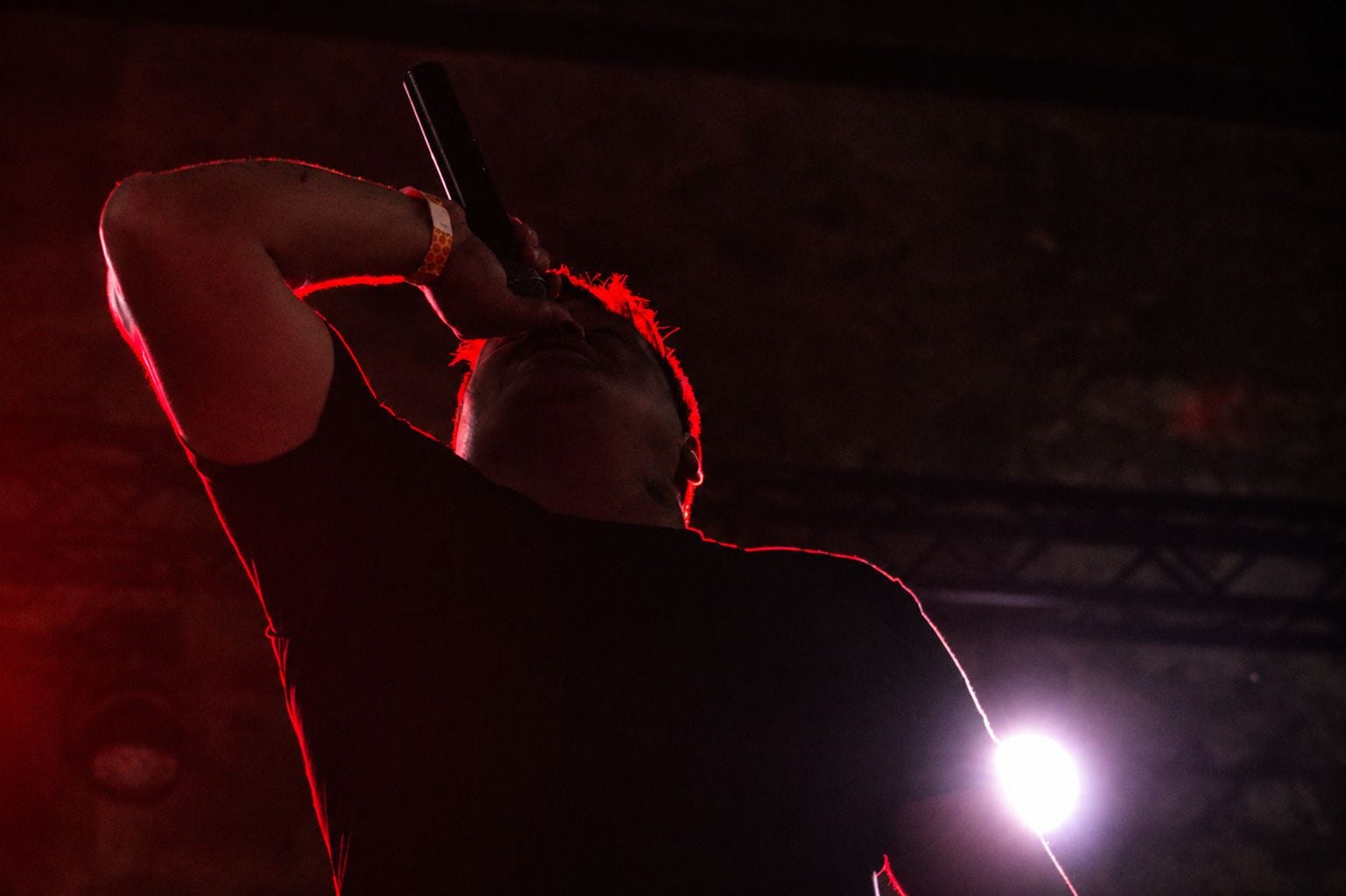
Temple of Soil were the final band to play ICON’s outdoor stage on the first day of Four Winds before the evening’s headliner. There was plenty of hype surrounding the performance, and for the first half of the set, they did not disappoint.
Bathed in deep red and burning-orange light, the band tore into its early-2000s-inspired metalcore with ripping bass, hammering drums and heavy guitar riffs that seemed to grow teeth whenever a breakdown arrived. The low end rolled through the outdoor space with enough force to be felt in the chest, while the drums kept the entire thing charging forward. Screamed vocals added another layer of violence before cleaner melodies briefly opened the songs up and gave everyone room to breathe.
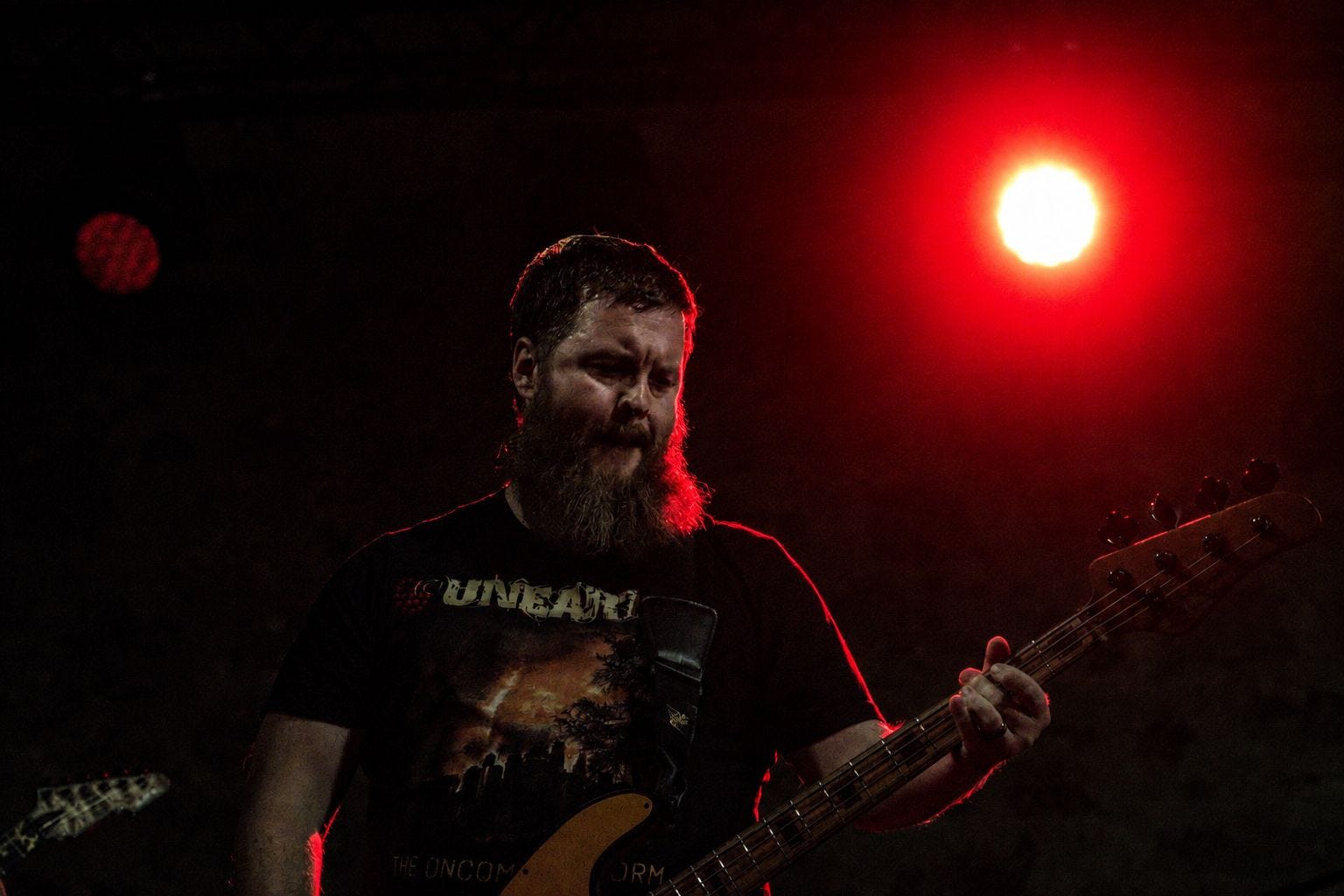
It was a high-energy set that kicked you in the kidney, punched you in the face and tackled you to the ground—only to pick you back up and do it all over again.
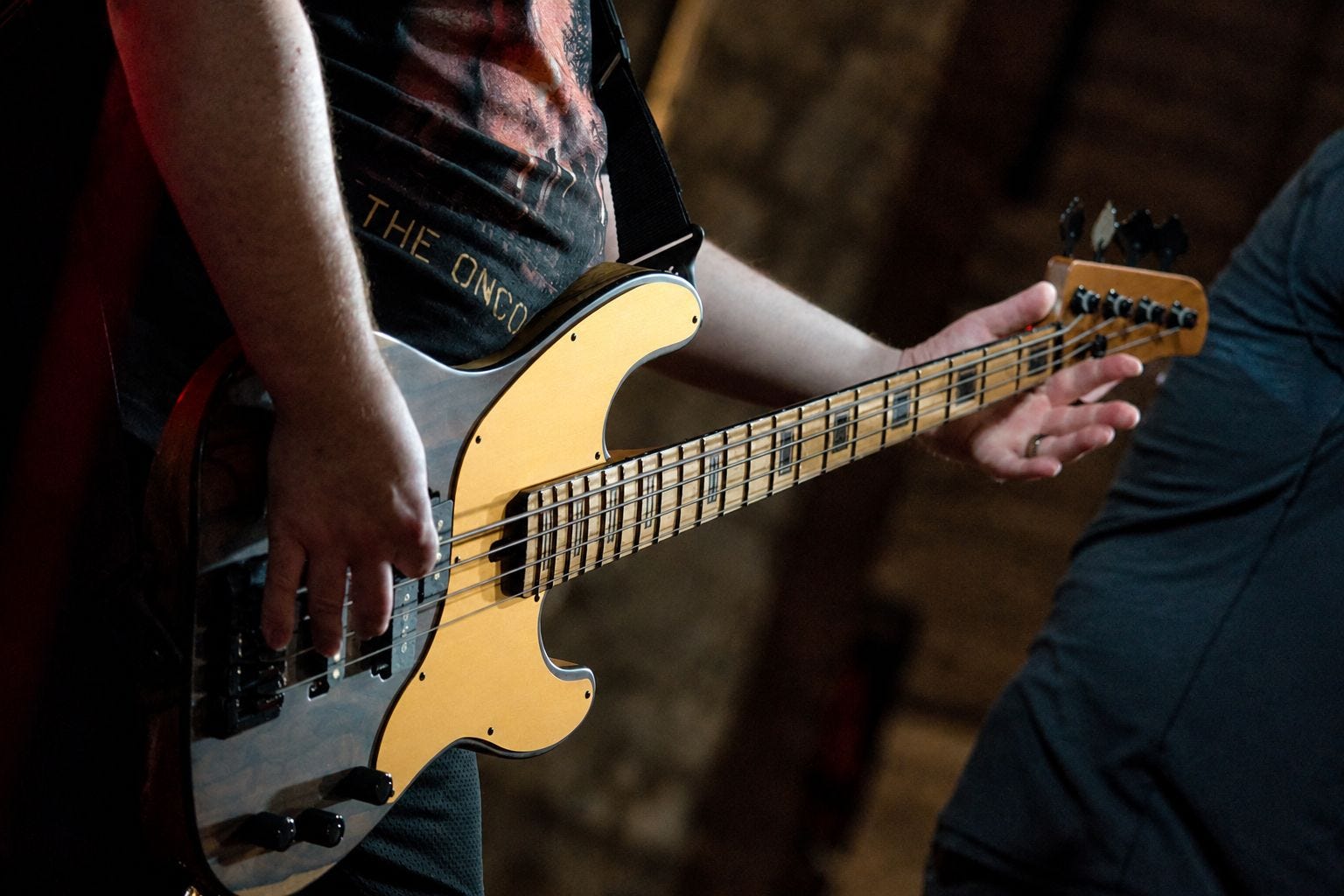
About halfway through the performance, however, the physical demands of the material began catching up with vocalist Jrail Schoeberl. His voice started struggling to keep pace, and the energy from the rest of the band dipped along with it. The difference between the two halves was noticeable, but it did not erase how badass the set was overall.


At their strongest—and especially throughout that bruising first half—Temple of Soil delivered the speed, groove, melody and blunt-force heaviness that had made their live debut one of the festival’s most anticipated performances.
The night gets stranger, then quieter
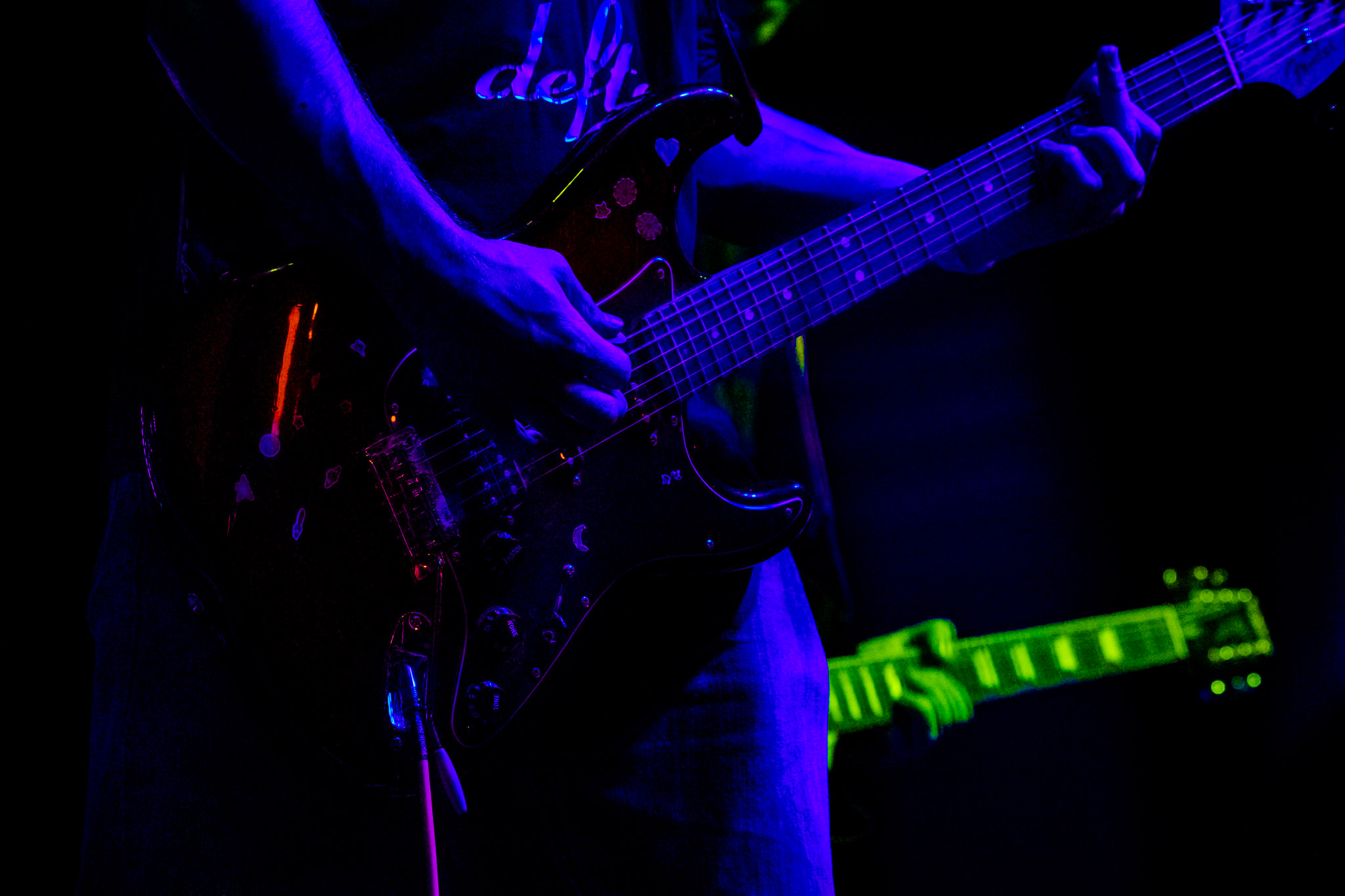
By 9:30, the schedule had become a game of impossible choices.
Spirits and Sirens had the indoor ICON slot while the outdoor stage kept moving toward its headliner. The band entered Four Winds during a particularly active recording year. The sprawling 12-song Resolutions arrived in April, followed weeks later by The Lost and Found EP. Songs such as “Sympathy,” “In Mourning,” “Broken City,” “Doves” and “Turner County Fair” give the catalog a much broader emotional and stylistic range than the band name alone might suggest.


And then, at 10 p.m., As Cities Burn walked onto the outdoor stage.
There were gaps in the crowd.
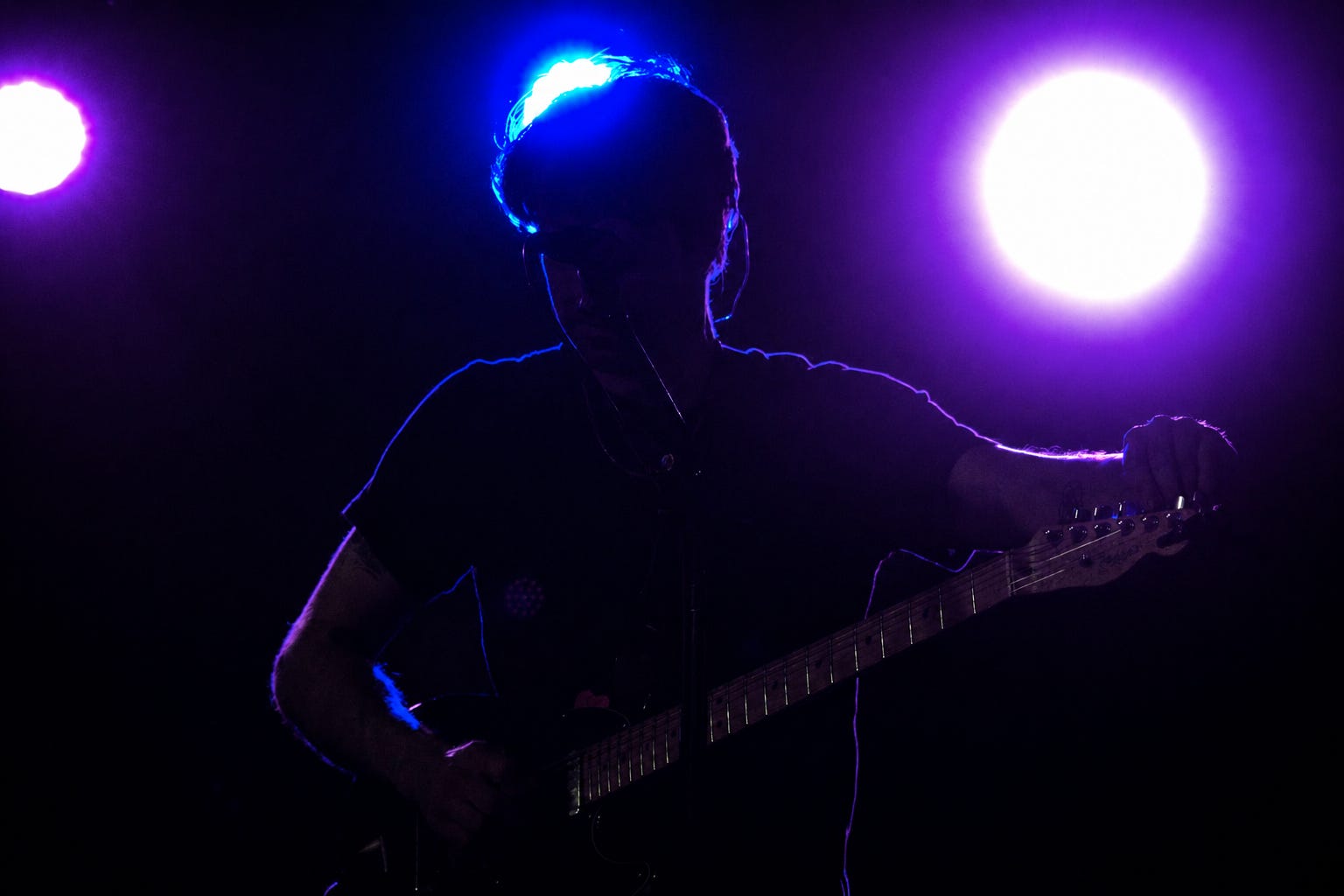
There is no reason to rewrite that into something prettier. By this point Four Winds had been running for hours across five rooms. Psychostick was still coming at Vishnu Bunny. Go For Gold was about to start at Club David. Freya Jane & The Nightshades were due at Full Circle. People had scattered.
As Cities Burn played anyway, and their set carried a peculiar significance that was easy to miss if you only looked at the amount of open ground.
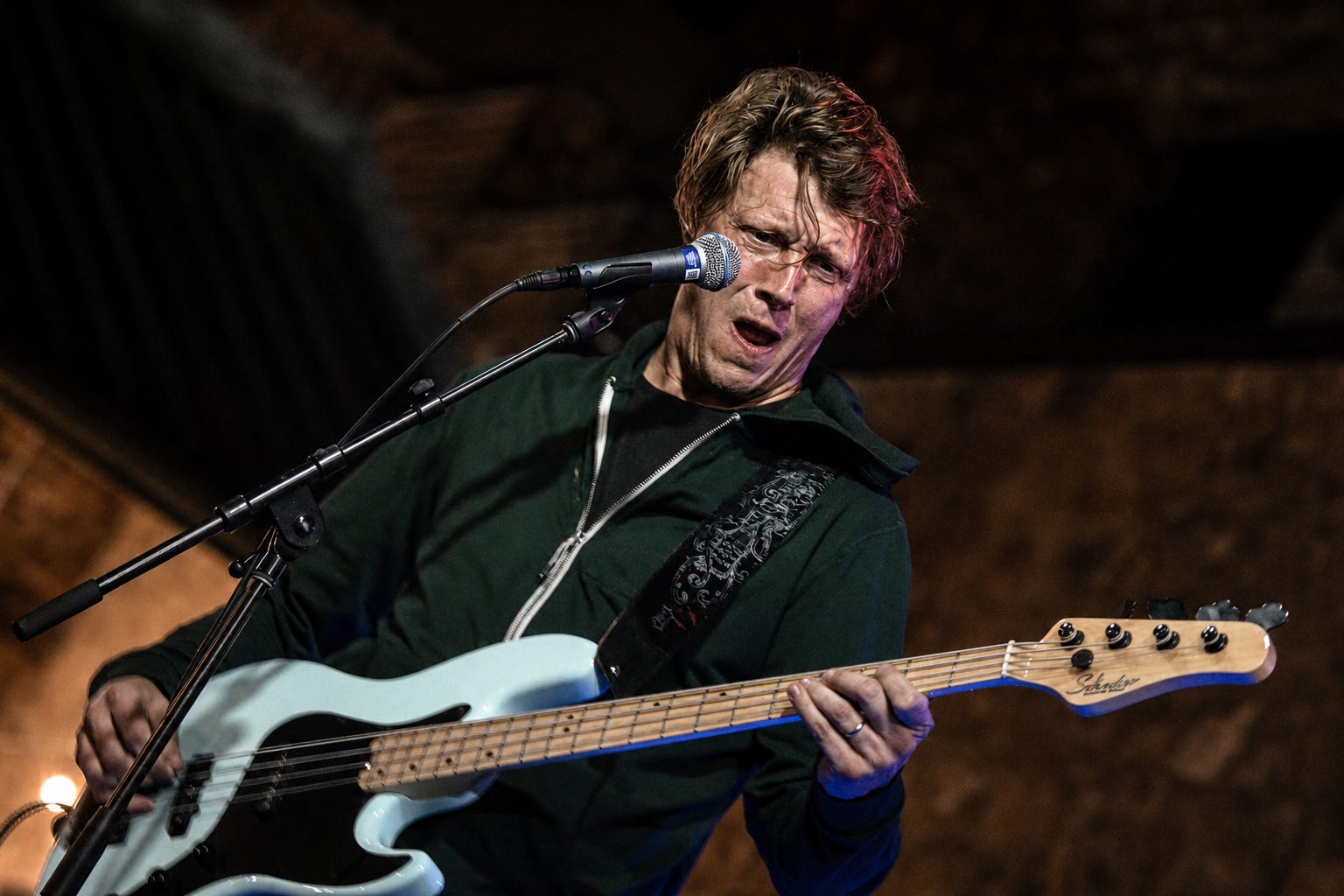
The Louisiana-born band has spent more than two decades becoming one of post-hardcore’s least reliable dead bands. They released Son, I Loved You at Your Darkest in 2005, followed it with Come Now Sleep and Hell or High Water, broke up, reunited, disappeared again, returned again and released Scream Through the Walls in 2019. Their own version of the history is even less dignified. In July, the band published a chronology of its repeated breakups and reconciliations that reads less like a press release and more like somebody admitting they have absolutely no idea how they keep ending up in the same relationship.
Apparently they still cannot quit each other.
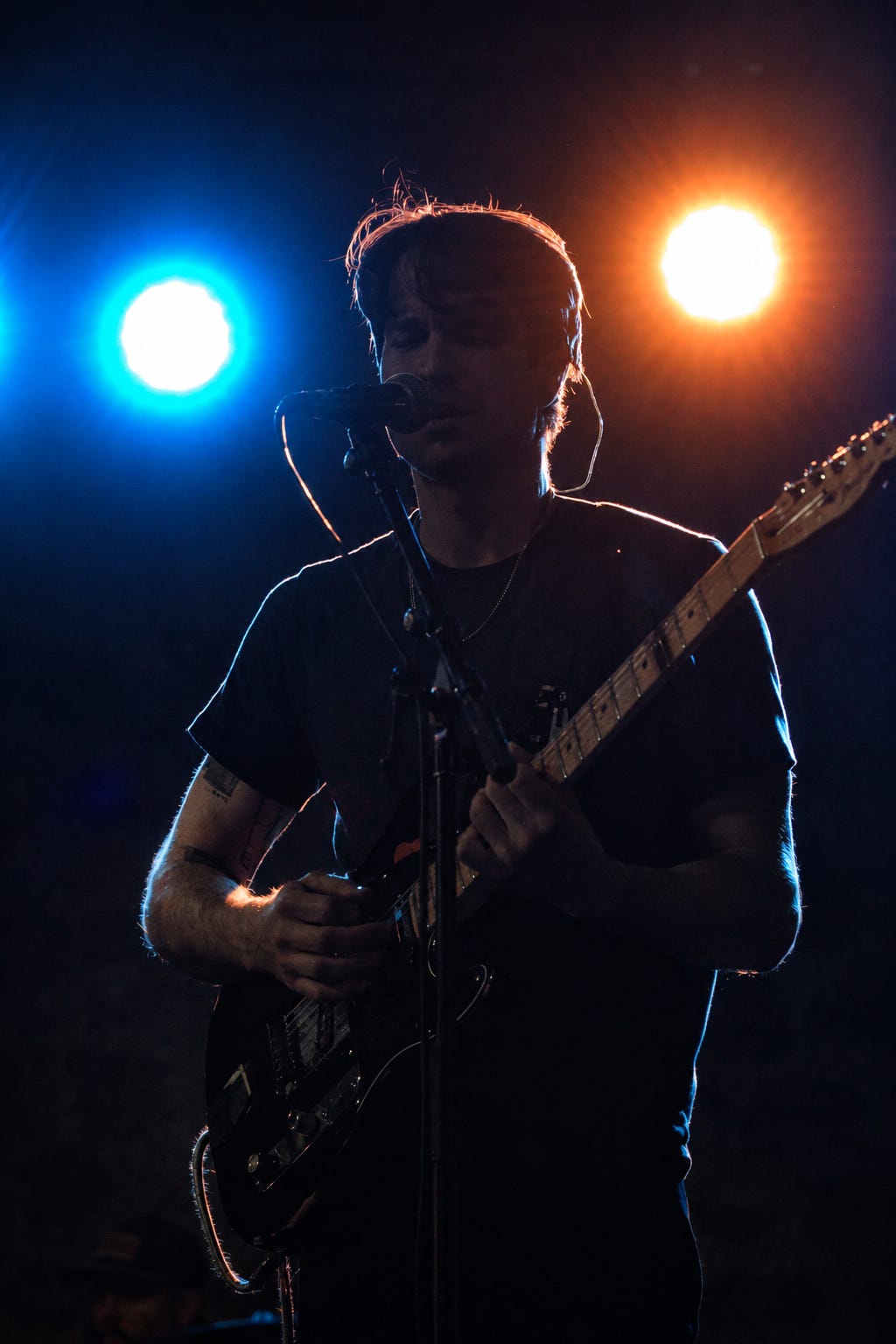
In May, As Cities Burn confirmed they were in Seattle recording their fifth LP with producer Aaron Sprinkle. By July, the finished record was being offered to paid subscribers through the band’s newsletter. Friday night in Sioux Falls, they said the next two songs were from that record.
Neither had ever been played live.
For a festival built partly around nostalgia, reunions and bands with deep regional histories, that was a quietly important moment. Sioux Falls did not just get the old songs from As Cities Burn. It got first contact with whatever the band is becoming next.
The performances themselves did not chase the brutality of Useless Eyes or the constant forward shove heard earlier on the outdoor stage. As Cities Burn finished the night with more space in their sound. After hours of double kick, screamed entrances, punk tempos and amplified abrasion, the comparative restraint felt almost strange.
It worked.
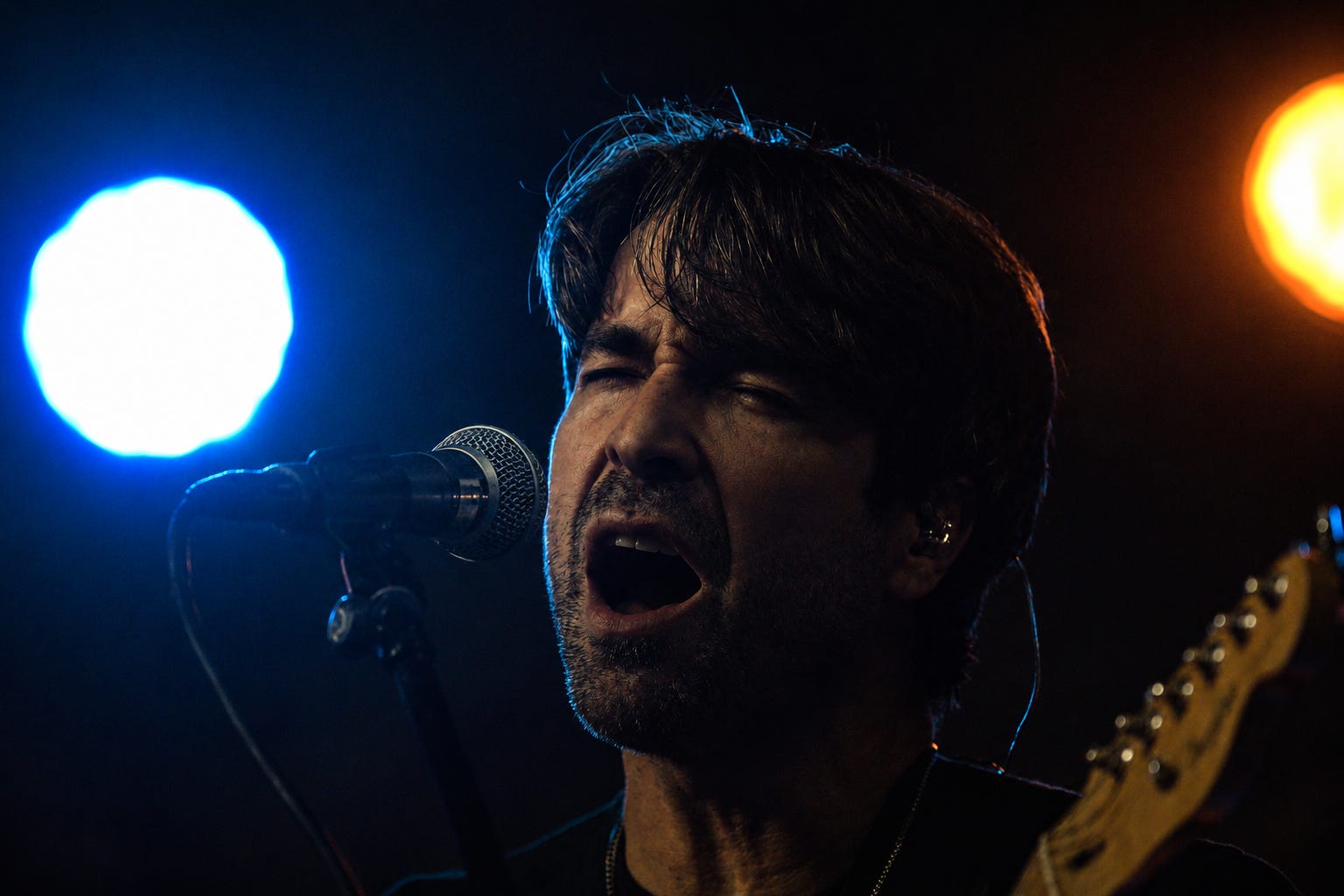
Six boxes of merchandise had apparently been shipped ahead while the band itself flew in. They had finished a new record. More touring is coming, including dates with Underoath later this year. Yet there they were in Sioux Falls, testing brand-new songs in a festival crowd with visible holes in it.
There is something refreshingly unceremonious about that.
No giant unveiling. No inflated speech about history being made. Two songs had never been played before.
Then they played them.
Afterglow
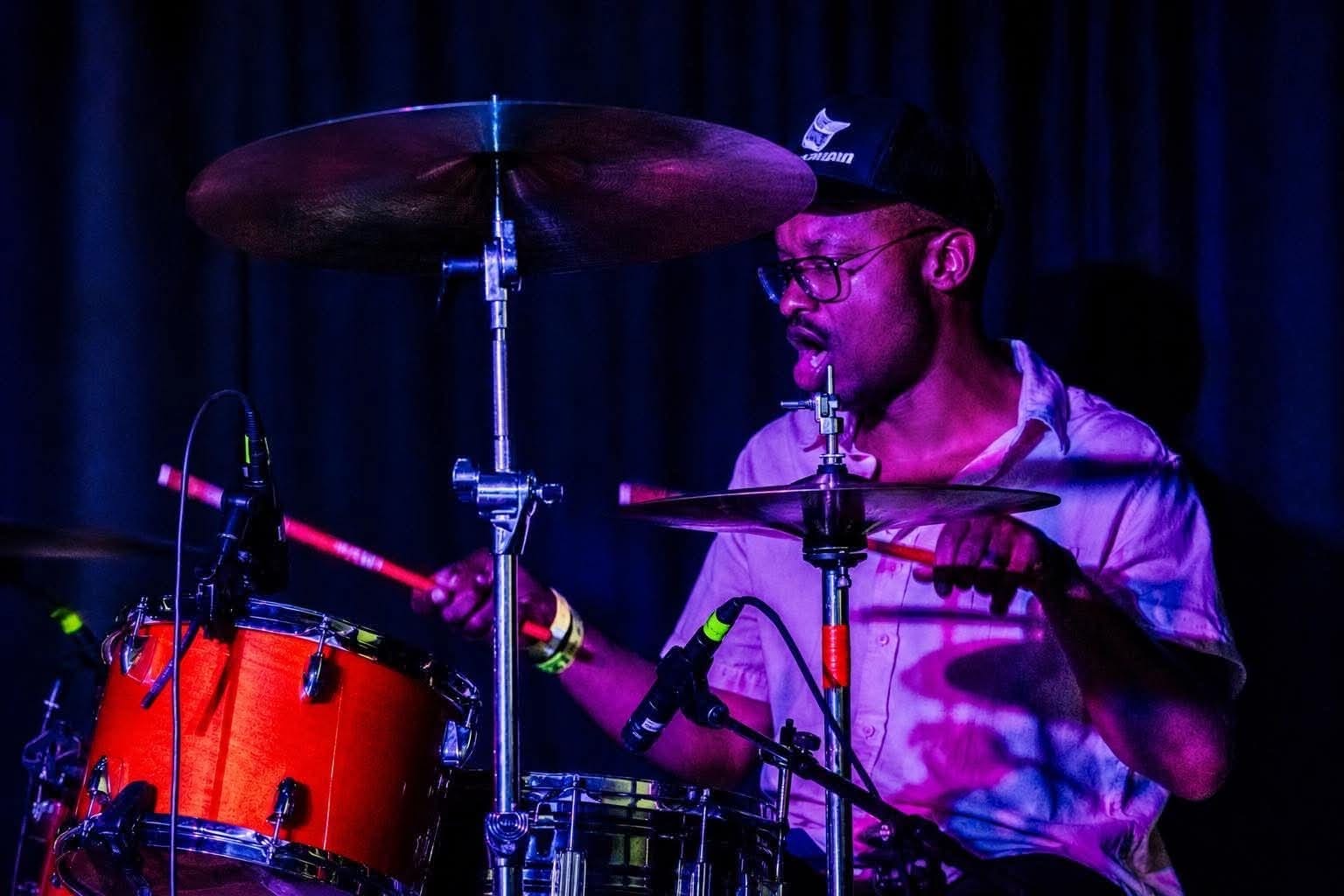
At 5:45, the floor inside ICON/DADA had looked sparse while CH6R6Z6RD played to the people who bothered to arrive early.
Hours later, there was open ground again in front of As Cities Burn.
Those two images could make Friday sound poorly attended if they were stripped away from everything between them. They would also be misleading.
Four Winds does not behave like a conventional festival because its audience rarely exists in one place. It spills into Club David for Lilac Jam, packs itself into a narrow room for Fueled By Spite, walks outside when Useless Eyes starts screaming, disappears toward another stage because Green Jellÿ or Psychostick is starting somewhere else. Empty space at one stage can mean a crowd formed three doors away.


Friday worked because the schedule kept forcing collisions.
A decade-old electronic project returned as a live alt-rock configuration stuffed with familiar local musicians. A Sioux Falls hardcore band opened the outdoor stage like it had something to prove. Rapid City pop-punk made its own guitarist the punchline. A Denver songwriter who once worked in a mortuary brought death songs into Club David. Leading Last turned another Four Winds appearance into something both historical and ridiculous. Lilac Jam proved people will still choose a local band when given 30 other options. Then As Cities Burn ended the outdoor stage by playing music nobody in the crowd had ever heard performed before.
The first night never settled into one identity long enough to become predictable.
By the time the last notes were fading, that seemed less like a flaw in Four Winds than the whole point.
Please consider Donating to Sponsor an article even $1 helps!
