Before the First Chord
Before the music ever started, the night already had its own little cast of characters.
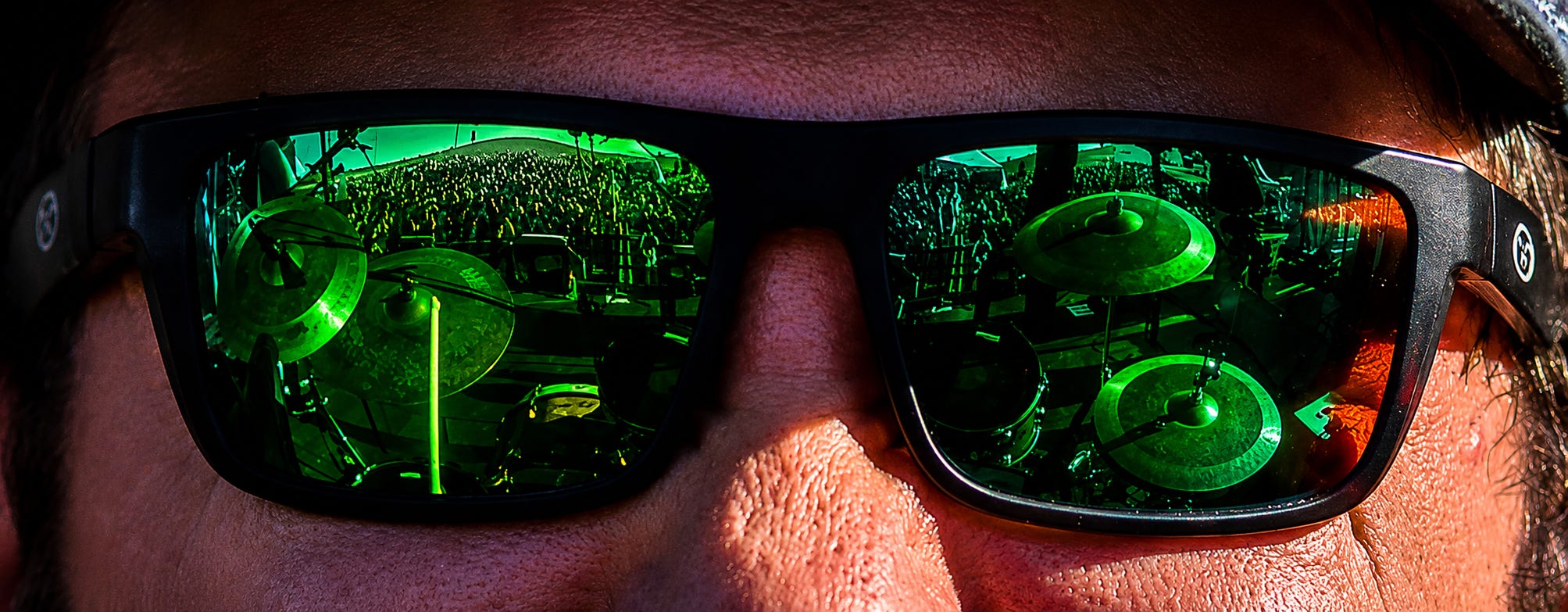
After checking in at Grand Falls Casino & Golf Resort, Hope and I headed straight for the buffet, which was fantastic. Ben and Jeremy, our photographers, and our editor-in-chief went the smash burger route. Karn, our drone guy, did not waste much time lingering around the food. He looked like a modern-day Doc Holliday in a cowboy hat and waxed mustache, which is exactly the kind of look that makes sense when you are surveying a country event from the edges, scanning the layout like the show itself might try to draw on you at high noon.
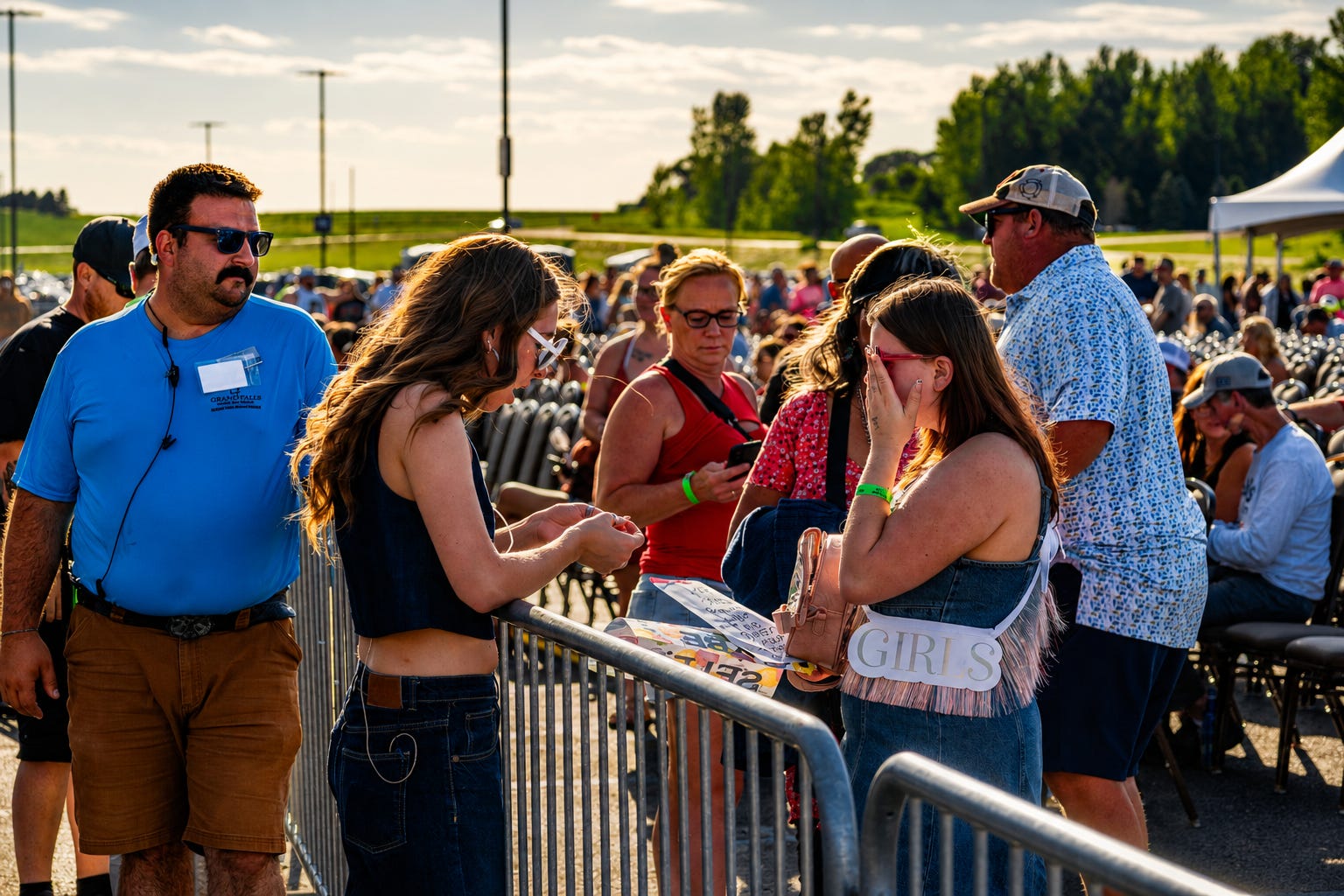
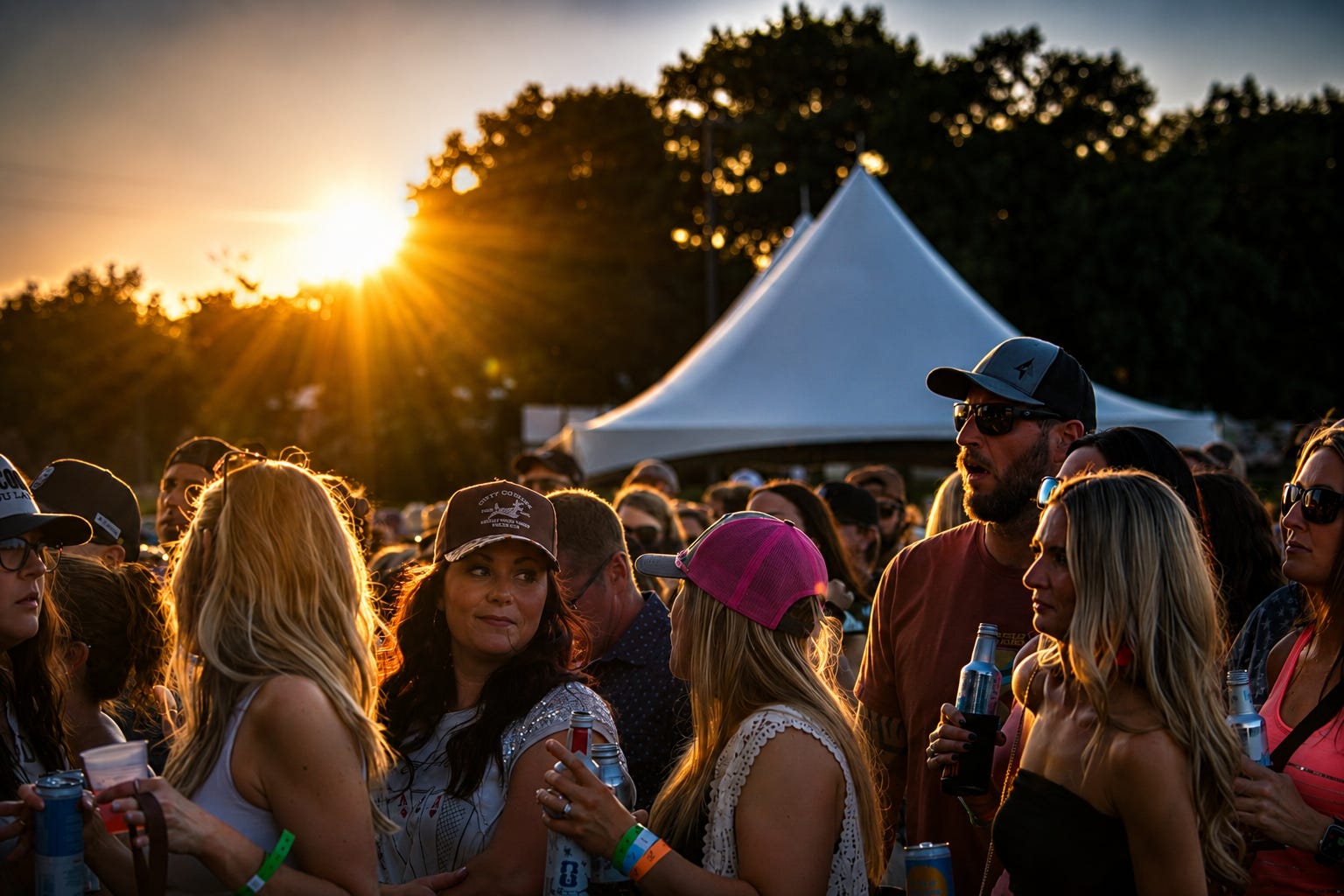
The setup gave the anniversary show a clean shape. VIP seating sat closer to the stage, with beverage bars placed within easy reach. Behind that, general admission spread out with people bringing their own chairs, settling in for a long evening instead of just passing through. It had that warm-weather country-show logic to it: come early, claim your patch of grass or gravel, keep one eye on the stage and the other on your people.
Getting through the front entrance of the main building was pretty seamless, which is not a small thing at an event like this. A bottleneck at the gate can sour the first half-hour before a single chord lands. Here, the night opened without friction. People filed in, drinks moved, chairs unfolded, and the host kept the crowd engaged between sets by throwing T-shirts out into the audience. It gave the evening a casual rhythm before the bigger names arrived.

Rowan Grace Opens the Gate
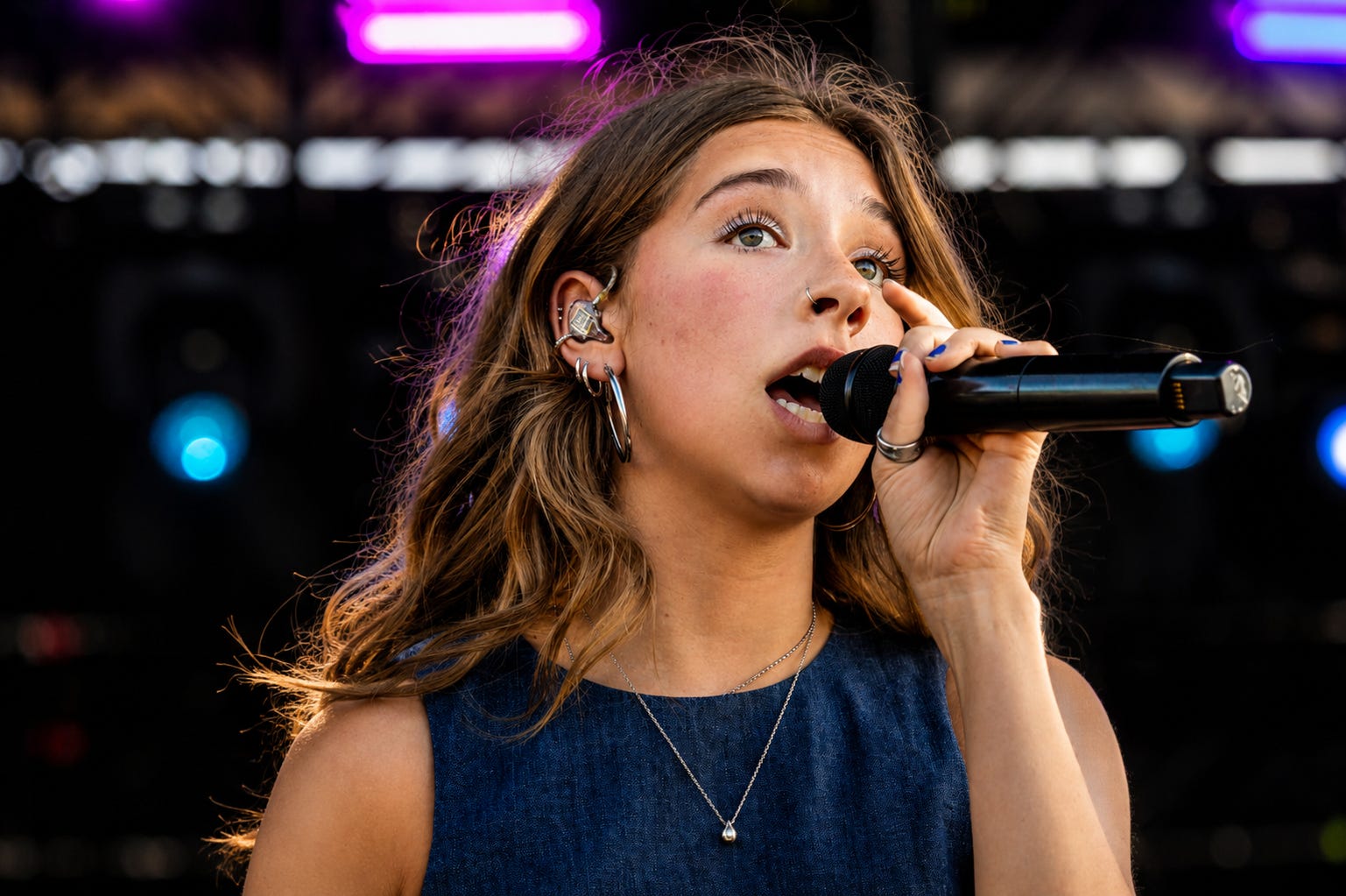
Rowan Grace was first up, and she did exactly what an opener should do without overselling the moment. She warmed the space instead of trying to bulldoze it.
A South Dakota-raised singer-songwriter, Grace has built her sound around pop, rock, and classic songwriting instincts rather than a straight country template. On a bill like this, that gave her set an interesting edge. She did not feel like a smaller version of the headliners. She felt like someone walking in with a different map.
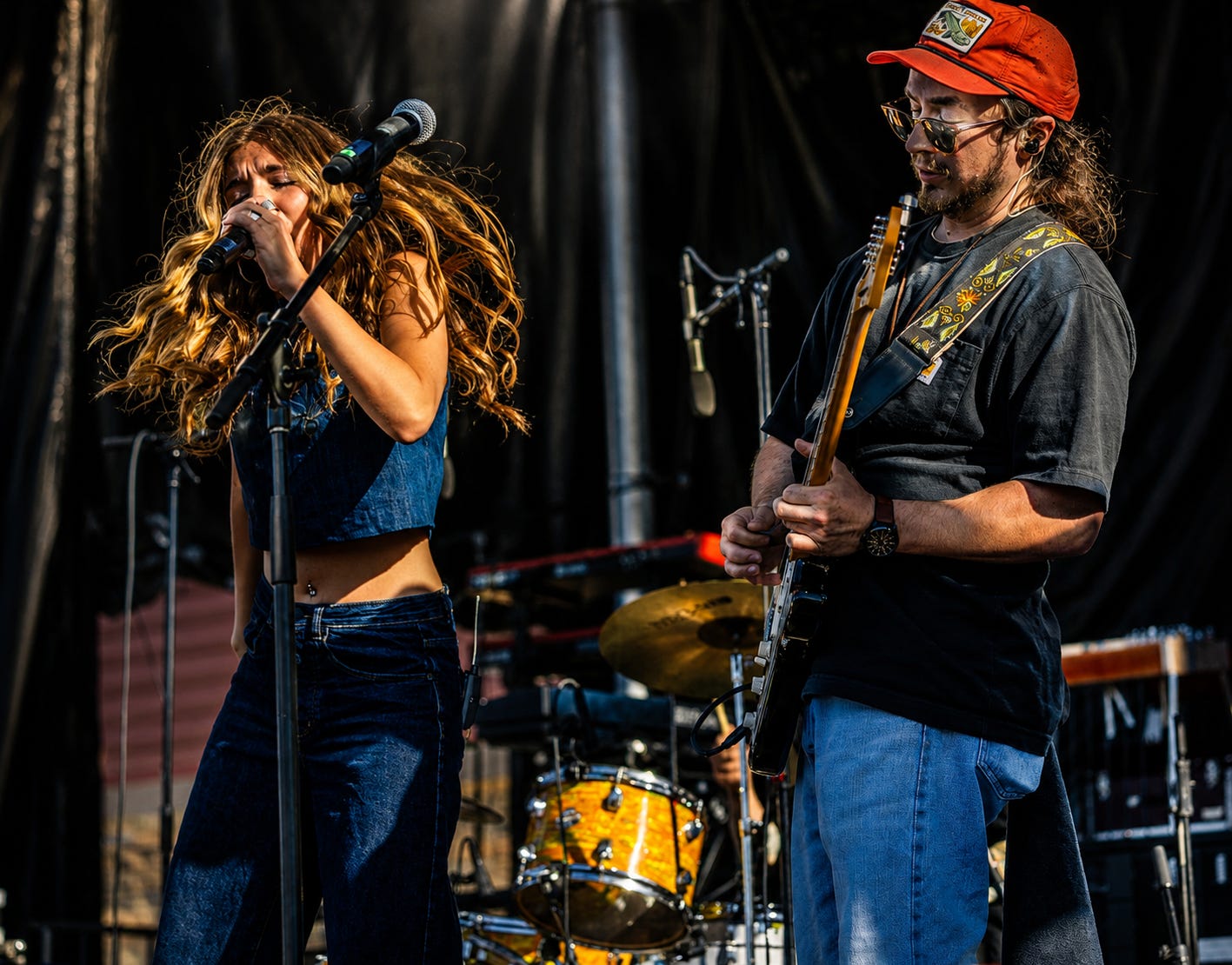
Her set mixed originals with covers, and the choices helped explain her lane. She joked about not having a Southern accent in conversation, then admitted that something close to one seems to show up when she sings. That little self-aware moment made the set easier to enter. Instead of pretending to be something she was not, she let the contrast become part of the performance.
The covers gave the crowd familiar footholds. “Cowboy Take Me Away” by The Chicks brought a soft, open-road pull to the early part of the evening. “Picture to Burn” added a sharper edge, and “Ain’t It Fun” by Paramore made for a strong closer, not because it copied the original’s bite note for note, but because it gave her band room to lean into a brighter, looser groove.
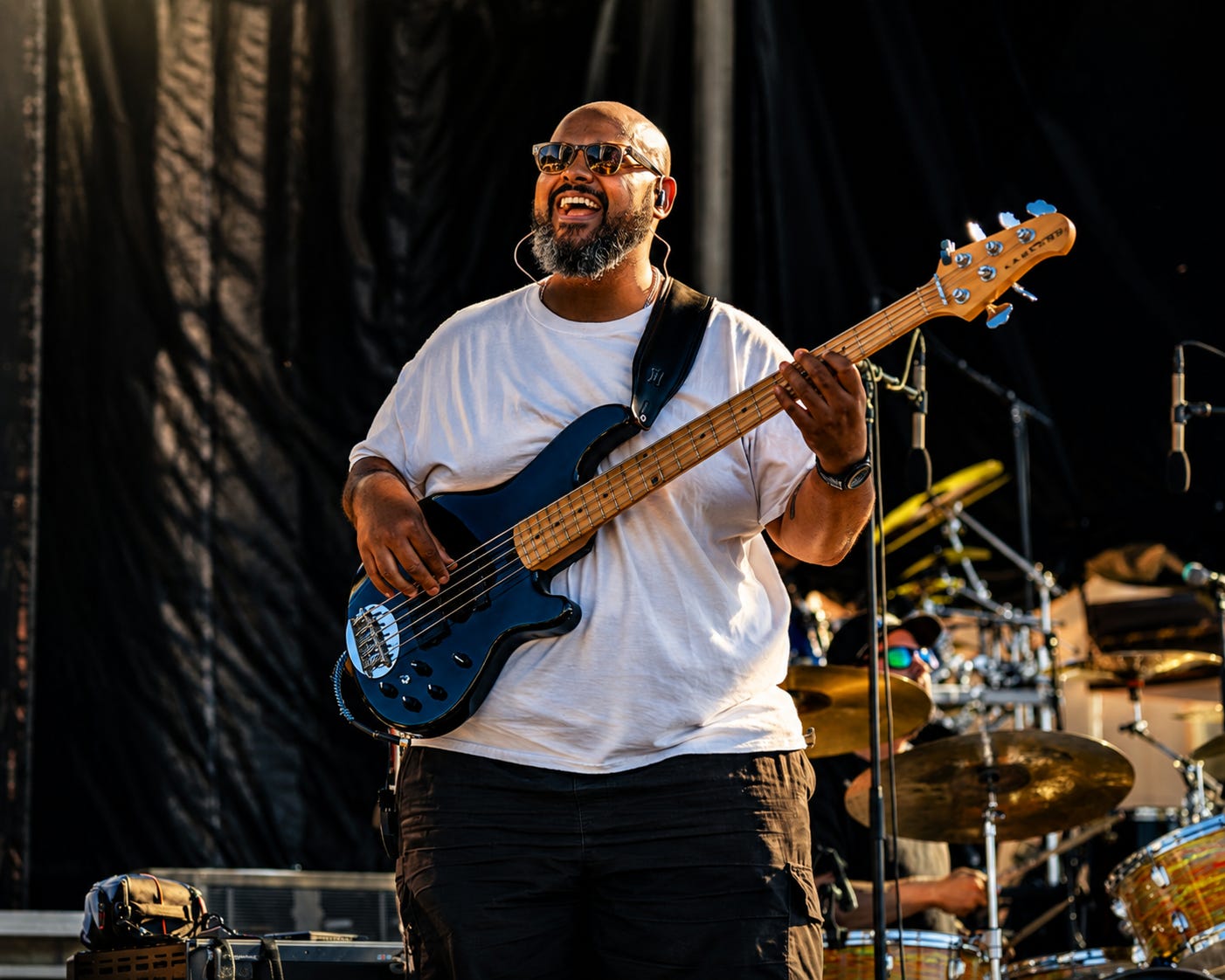
There was a jammy, funky movement underneath parts of her band’s sound, enough that it brought The String Cheese Incident to mind more than once. That is not the first comparison someone expects at a country event, but it made sense in the moment. The players gave the songs room to breathe around the edges. Love, casual relationships, and emotional gray areas kept surfacing in the material, but the music never sank into coffeehouse stillness. It moved.
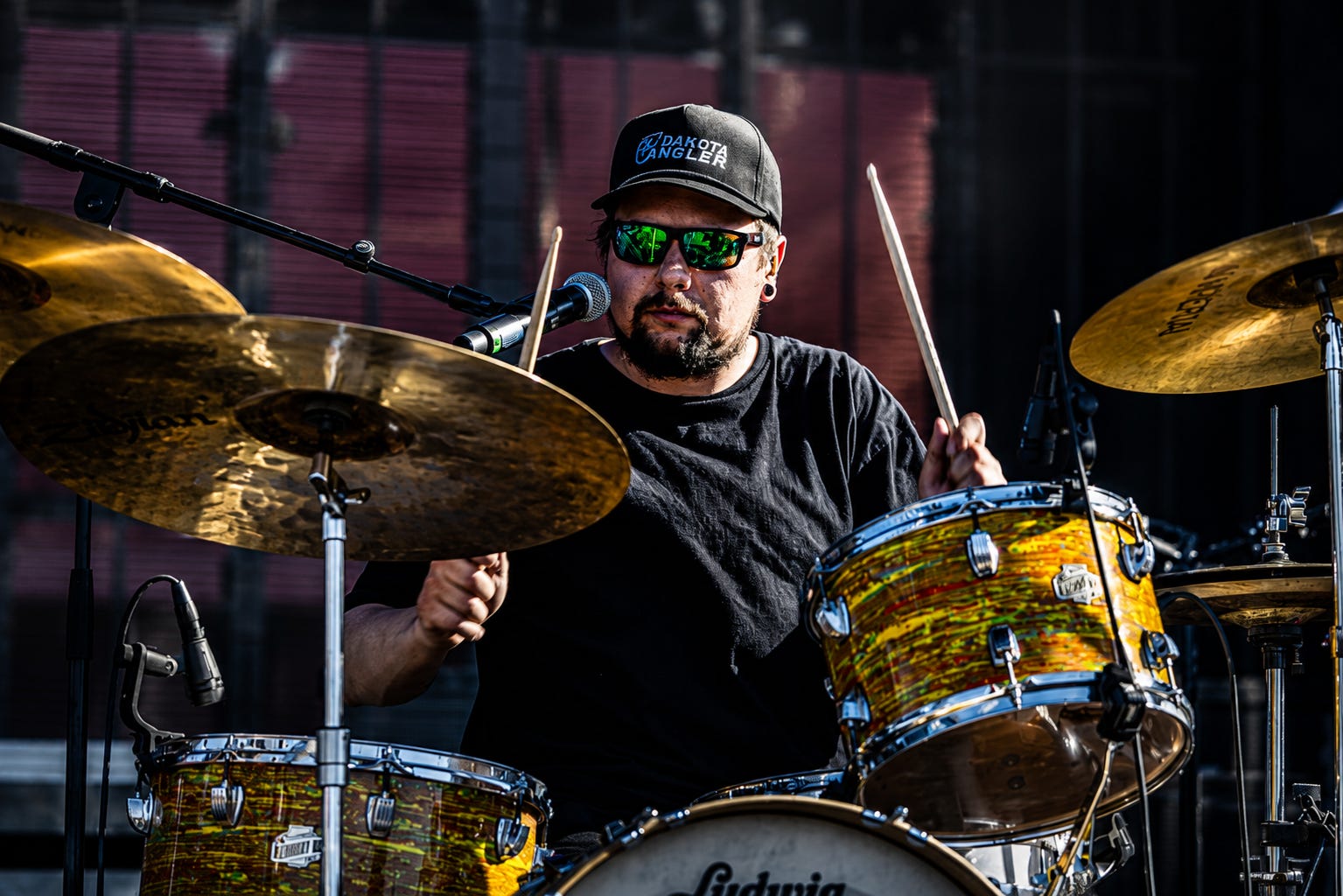
By the time Rowan Grace finished, the event had found its footing. People were settled, the host had worked the room, shirts had gone flying, and the field had shifted from arrival mode into listening mode.
Please consider Donating to Sponsor an article even $1 helps!

Mitchell Tenpenny Brings the Boom
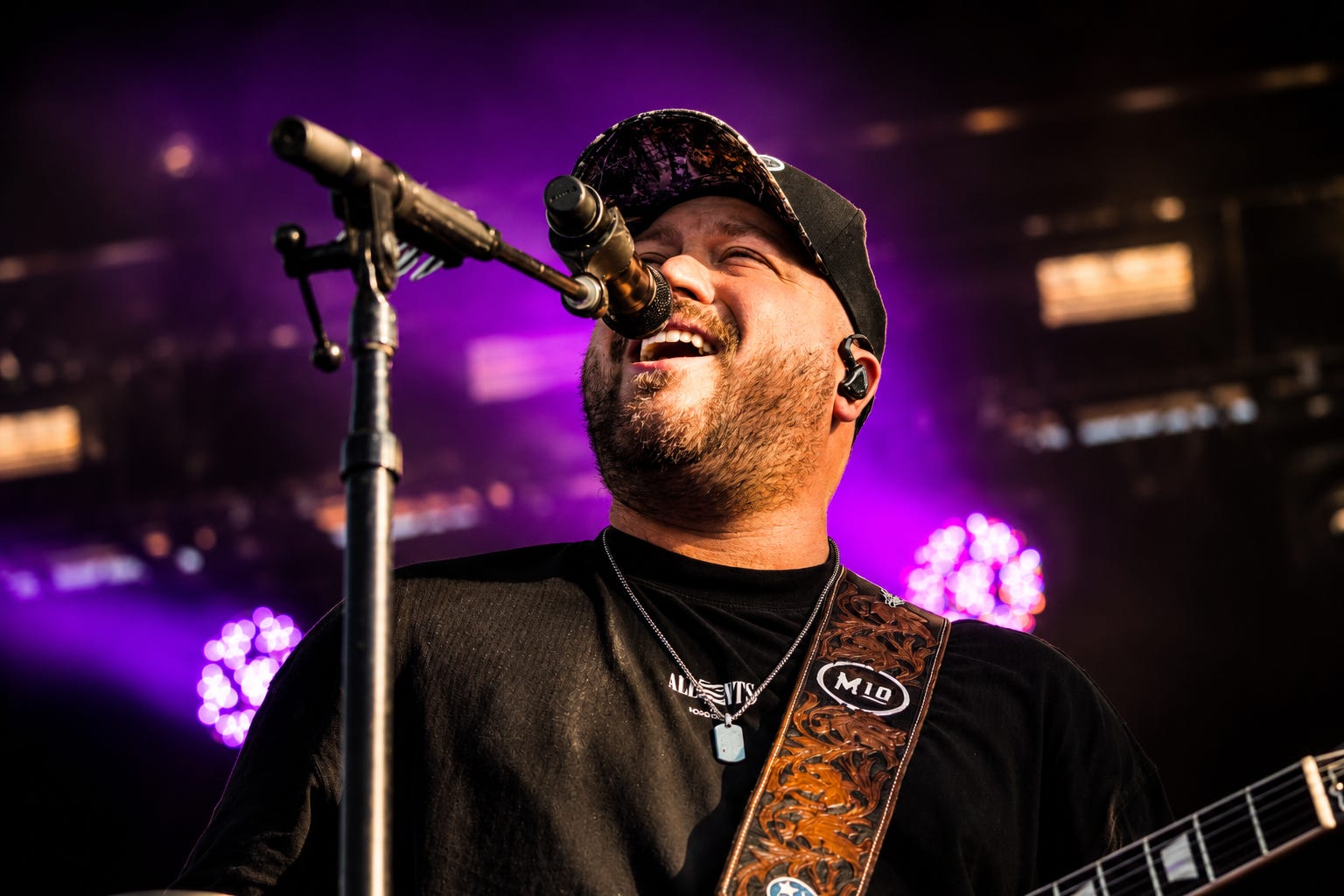
Then Mitchell Tenpenny arrived with the subtlety of someone entering a wrestling arena.
A Nashville native, Tenpenny has spent the last several years turning heartbreak, rock muscle, and country-radio hooks into a sound with big shoulders. Live, the most immediate thing was not biography. It was impact. He came in with a boom, carrying himself like a performer who understood the value of a hard entrance.
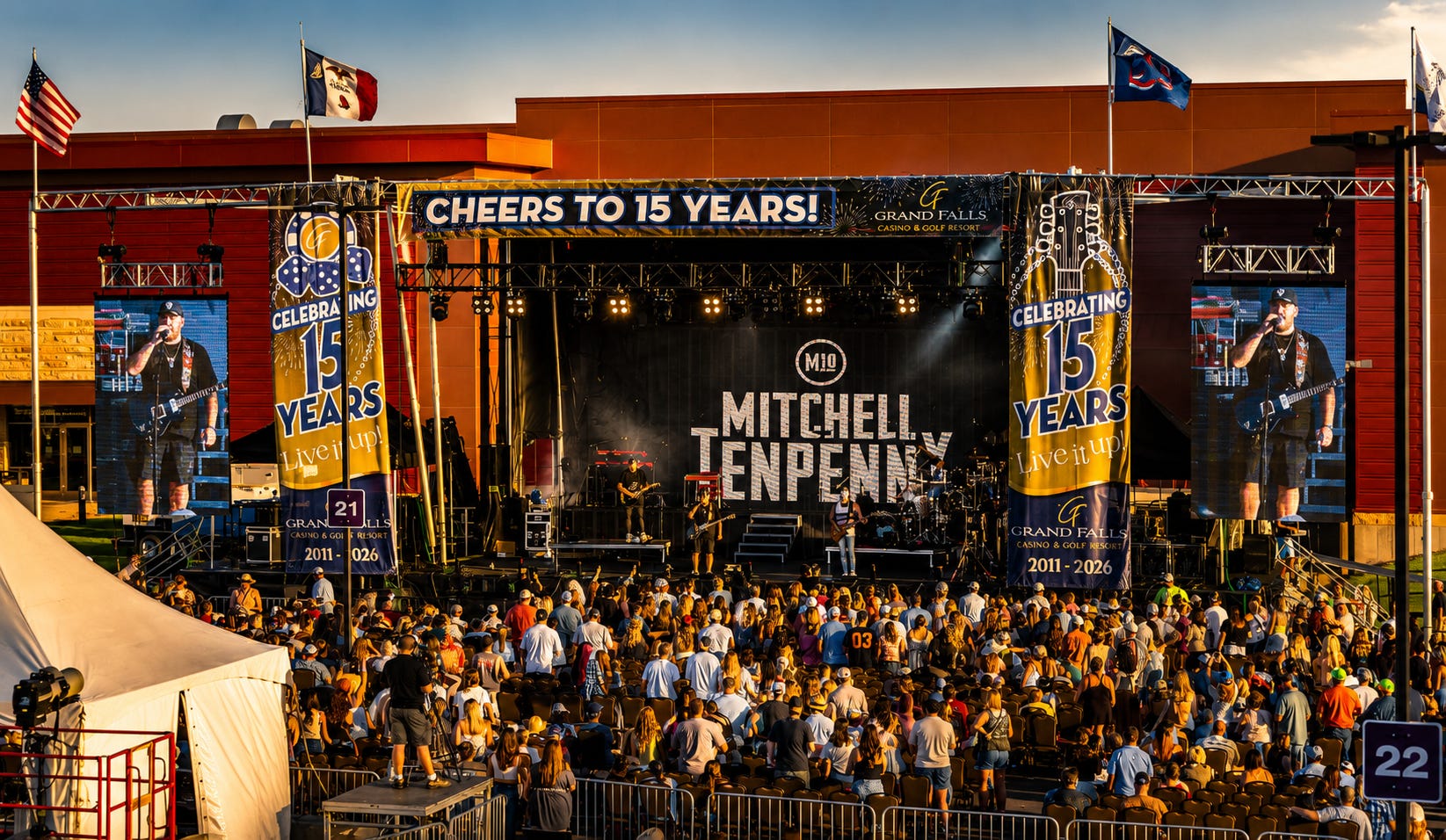
The first song opened with playful Mortal Kombat sounds, and by the end, the familiar “finish him” cue dropped in. It was a ridiculous detail in the best possible way: a little arcade brutality stitched into a country-rock set. It also worked because Tenpenny and the band had the stage presence to sell it. Without that commitment, the bit could have felt like a novelty sticker slapped on a truck bumper. Instead, it snapped the set into gear.
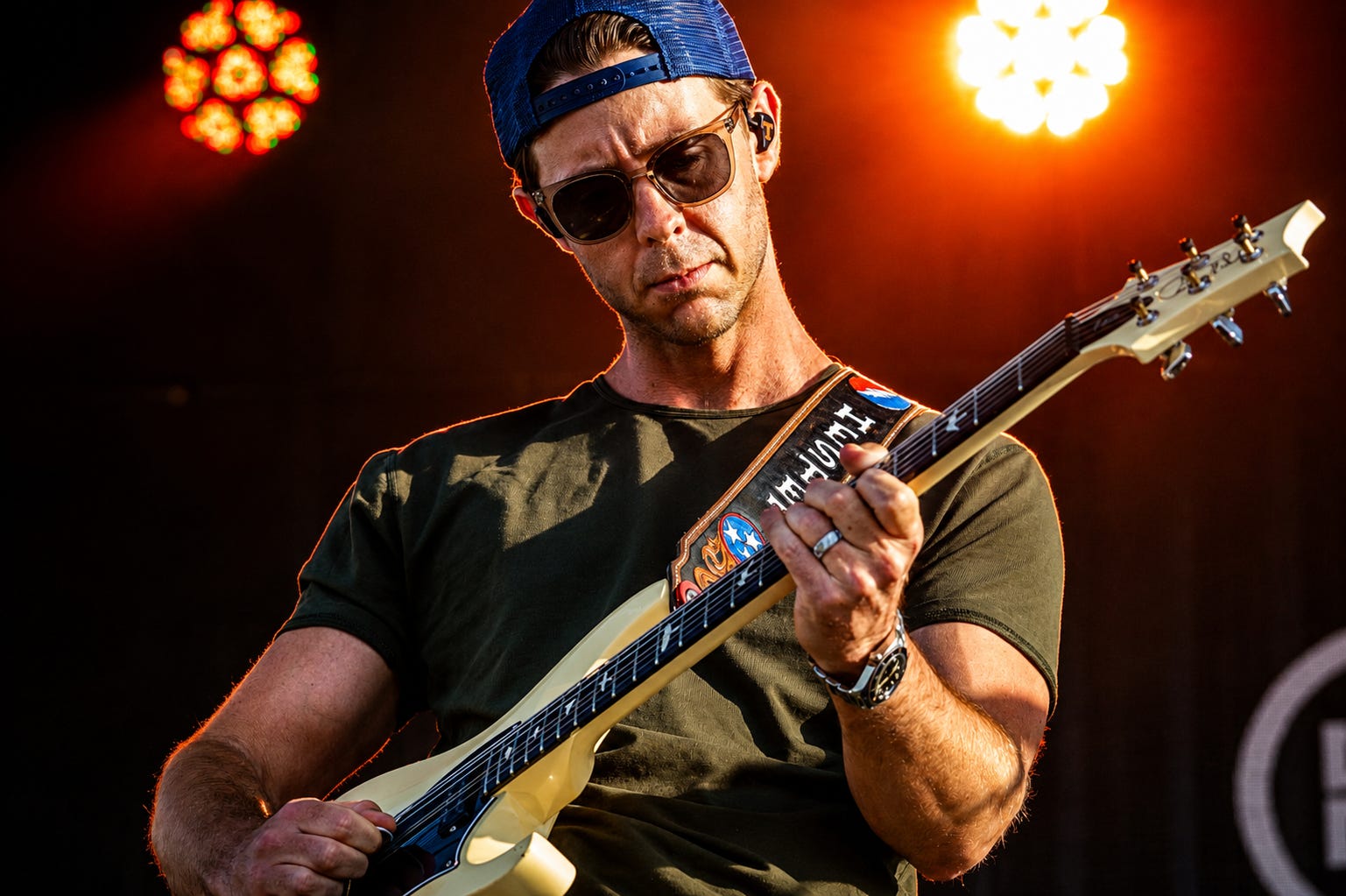
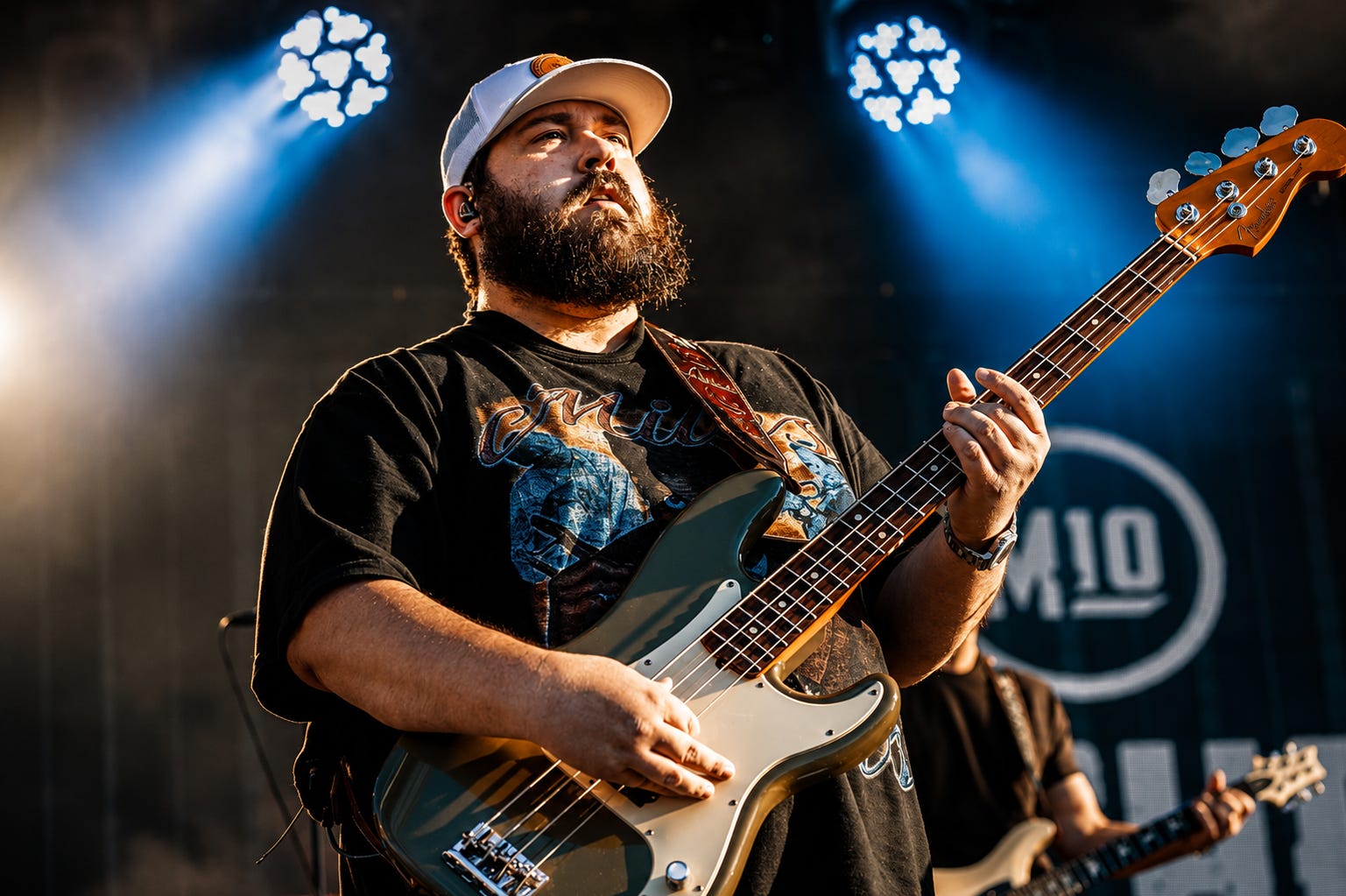
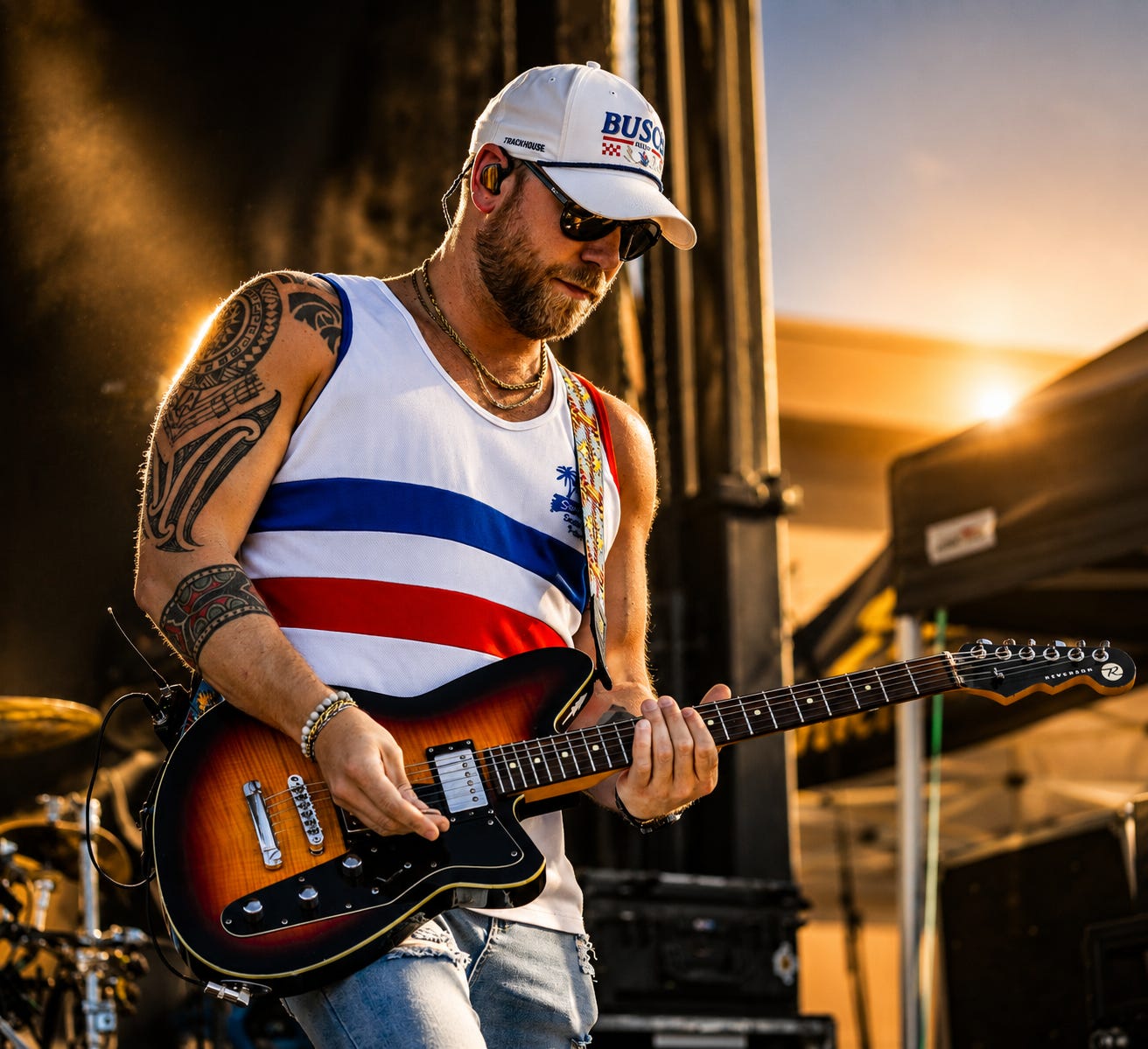
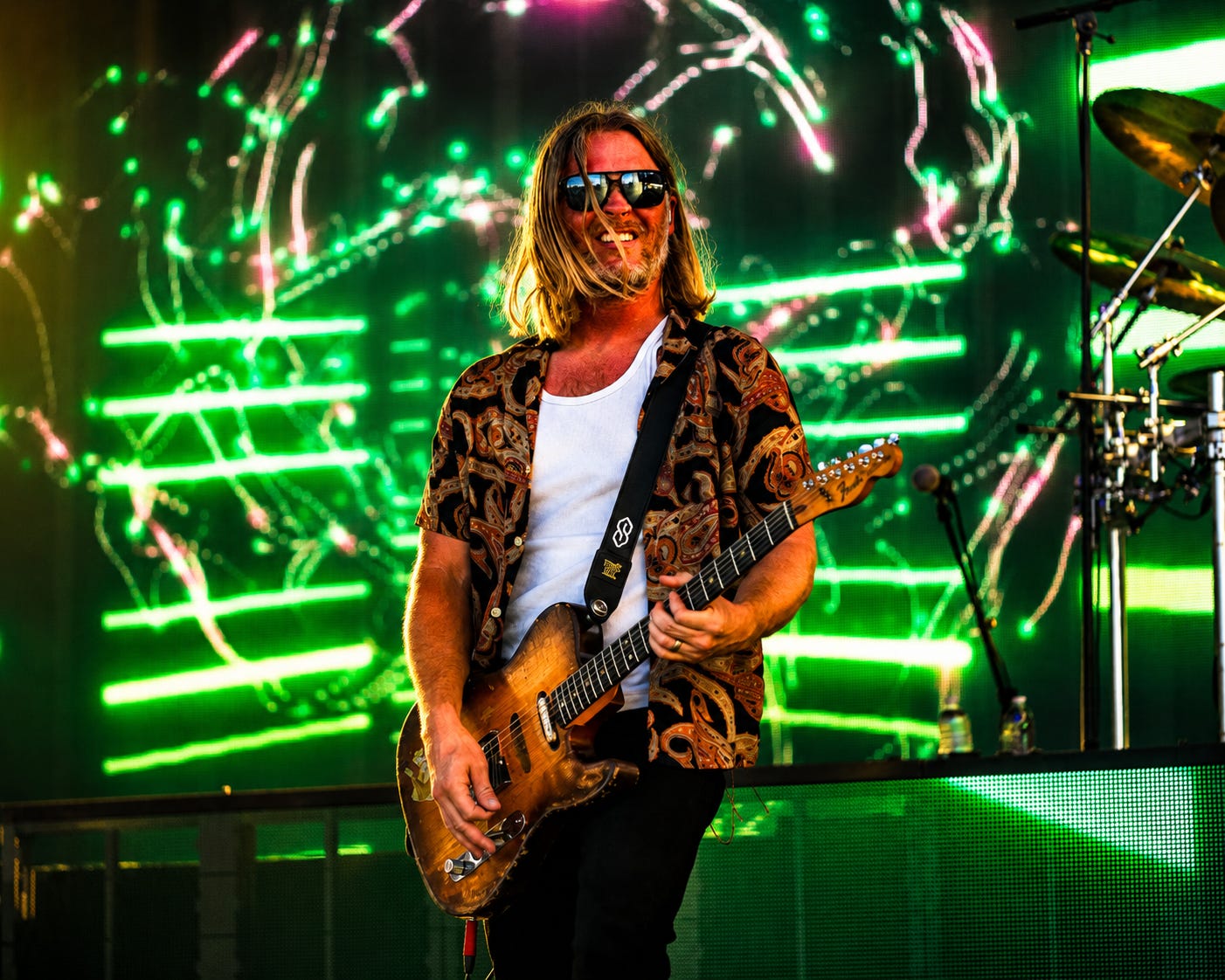
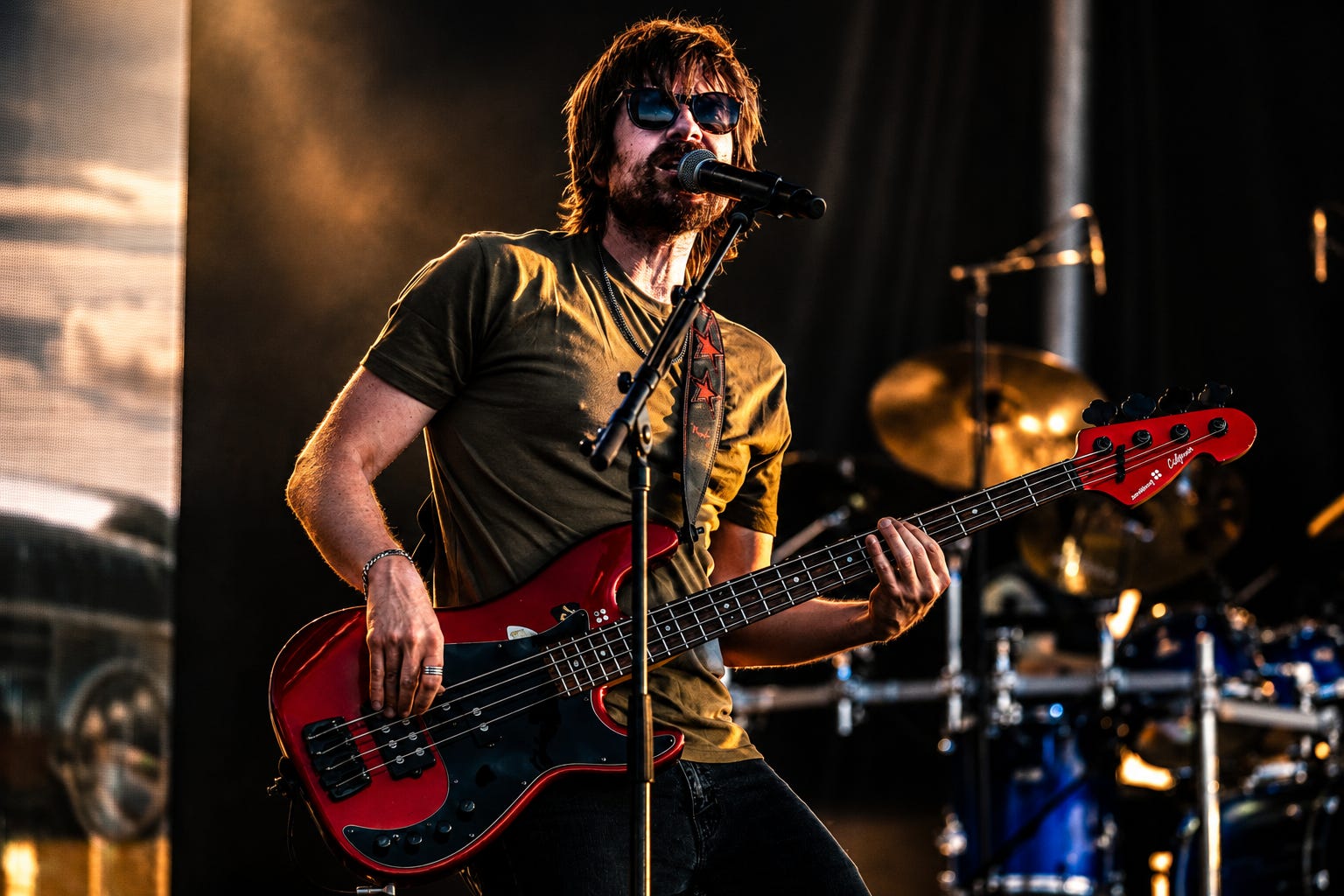
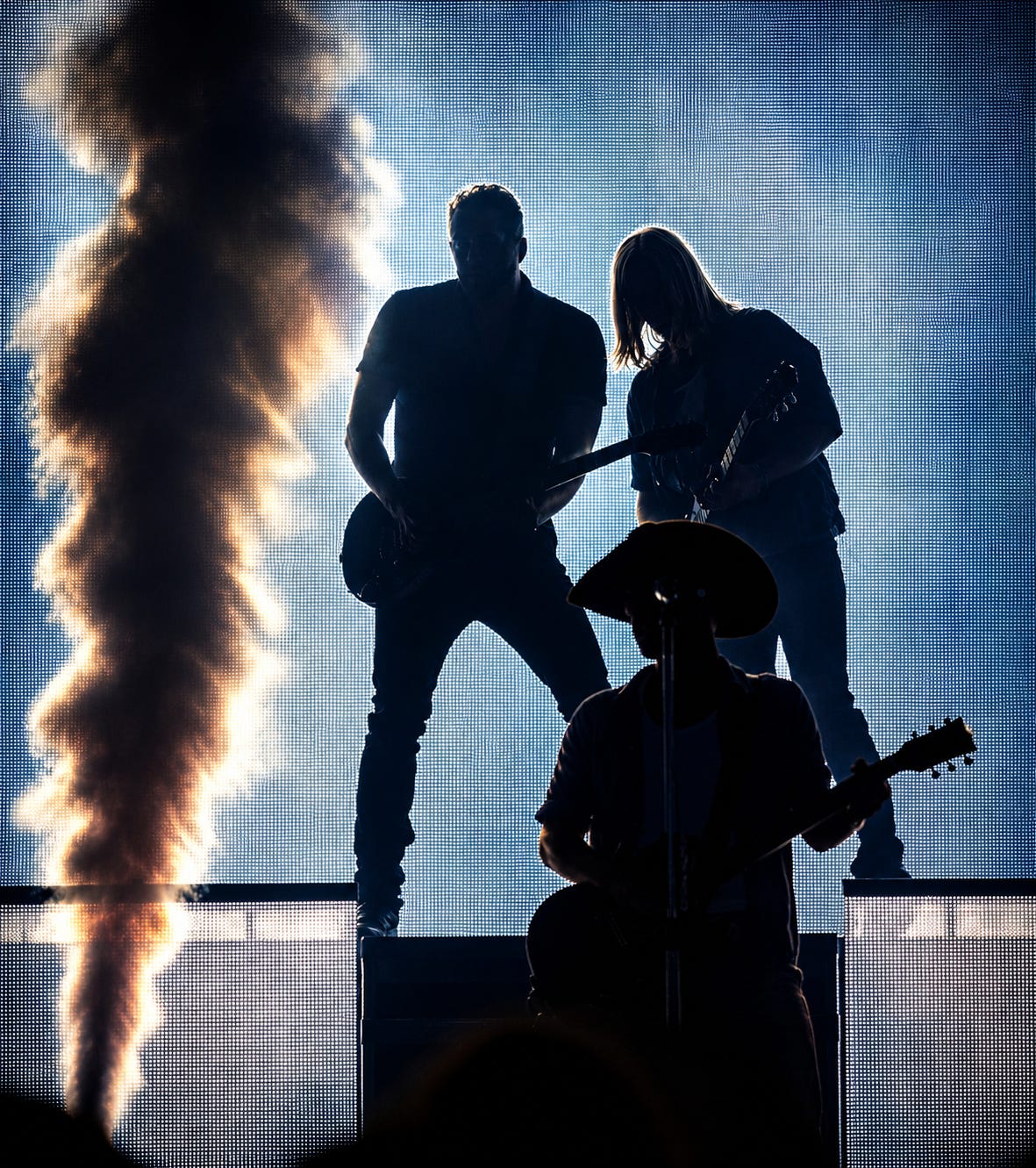
The electric guitar stood out immediately. This was not decorative country guitar, tucked politely into the mix for texture. The solos and slides had weight. They grabbed attention, especially when the bassist and guitarist moved toward the front during the covers, helping steer the set through its changes. The band leaned into rock-and-roll posture without abandoning the honesty that makes country music land when it is done right.
Somewhere in the set, Hope and I talked about why country works so well when it is at its best. I mentioned the old line from a movie: country music is “three chords and the truth.” That phrase can sound almost too tidy until you are standing in a crowd full of denim, hearing songs move between hard work, heartbreak, love, family, bad choices, and survival. Country has a way of saying the plain thing without dressing it in too much perfume. When it misses, it can feel manufactured. When it hits, it cuts clean.
Tenpenny thanked the crowd and mentioned he had never been in the area before. That kind of comment can feel like a stock touring line, but paired with the way his band interacted afterward, it felt more grounded. Two of the band members thanked us for being there as press after their set, which is the kind of small gesture that stays in the margins of a review but says something about the people moving behind the performance.
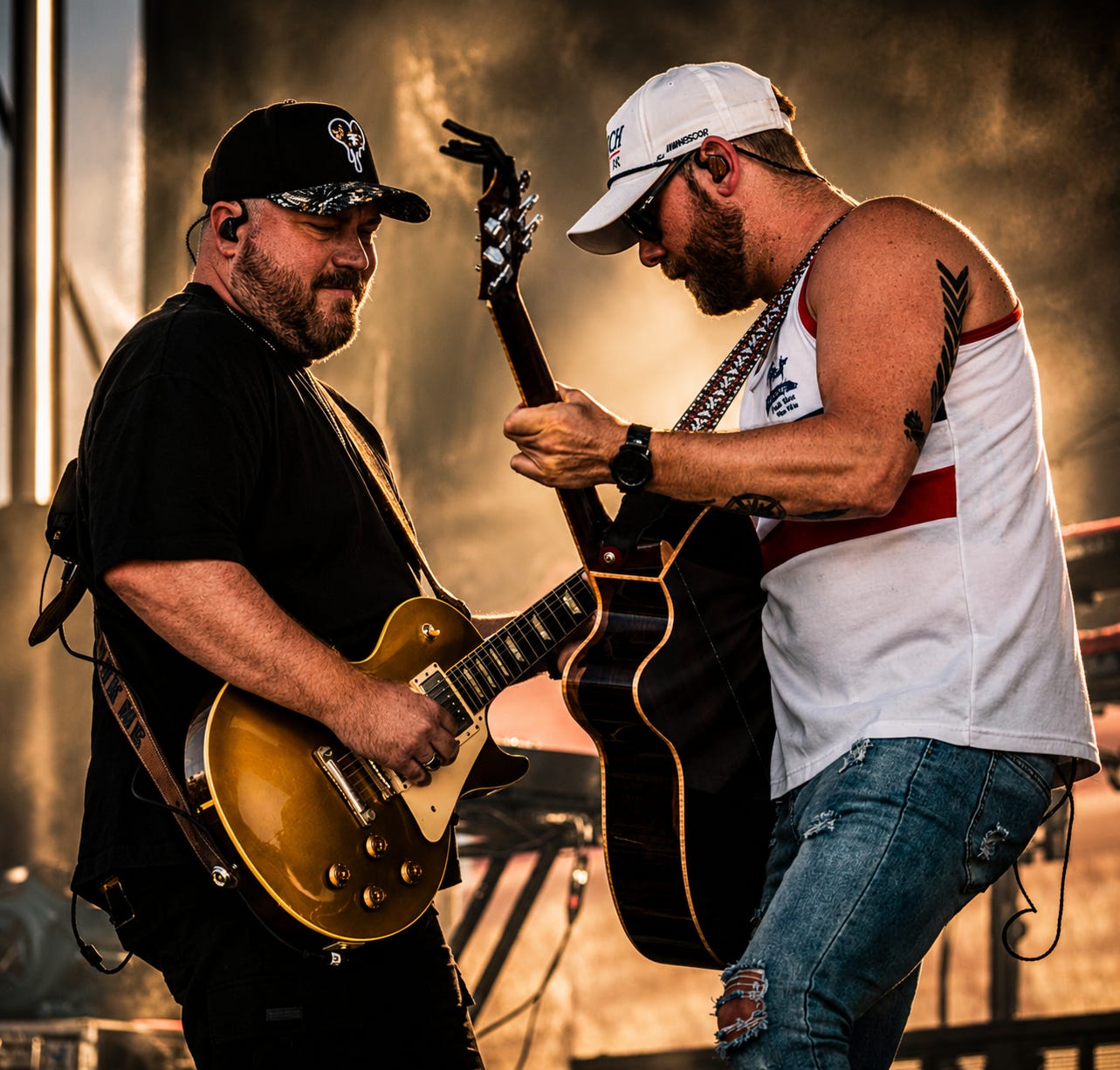
The covers gave Tenpenny’s set a rowdy middle stretch. “Fly” made an appearance, along with “This Is How We Do” and Nelly’s “Ride wit Me.” The band also moved into Bob Marley’s “Don’t Worry,” letting the covers blur into a party-band looseness without losing the country-rock frame. The crowd did not need much instruction. People knew the words, or at least enough of them to shout the parts that counted.
Tenpenny also spoke about his wife and shared that they have a little one on the way, a personal aside that fit naturally with the emotional terrain of his music. His songs often live where relationships have taken damage but not lost their pulse. Even one lyric fragment from the notes, “bottom of my broken limbs,” points toward the kind of bruised imagery country can carry without blinking.
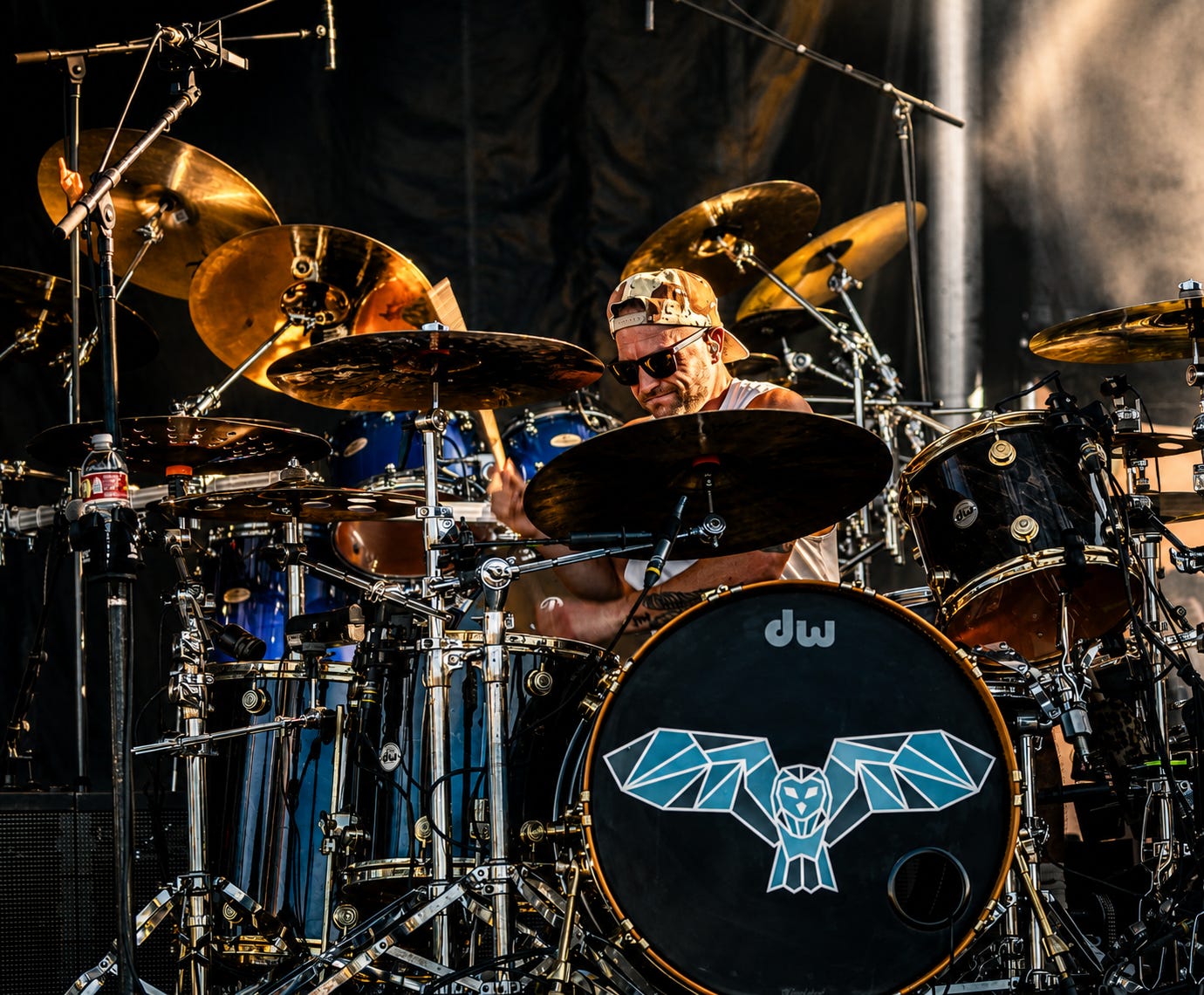
By the time he closed with “Iris”, the song landed beautifully. It is a dangerous cover because everyone knows it, and everyone has some private weather attached to it. Tenpenny did not need to reinvent it. The strength was in letting the song’s ache sit inside his own rougher, country-shaped delivery. It gave the end of his set a wide-open feeling, less like a curtain drop and more like the last light hanging over the field.
Dustin Lynch and the Long Road Home
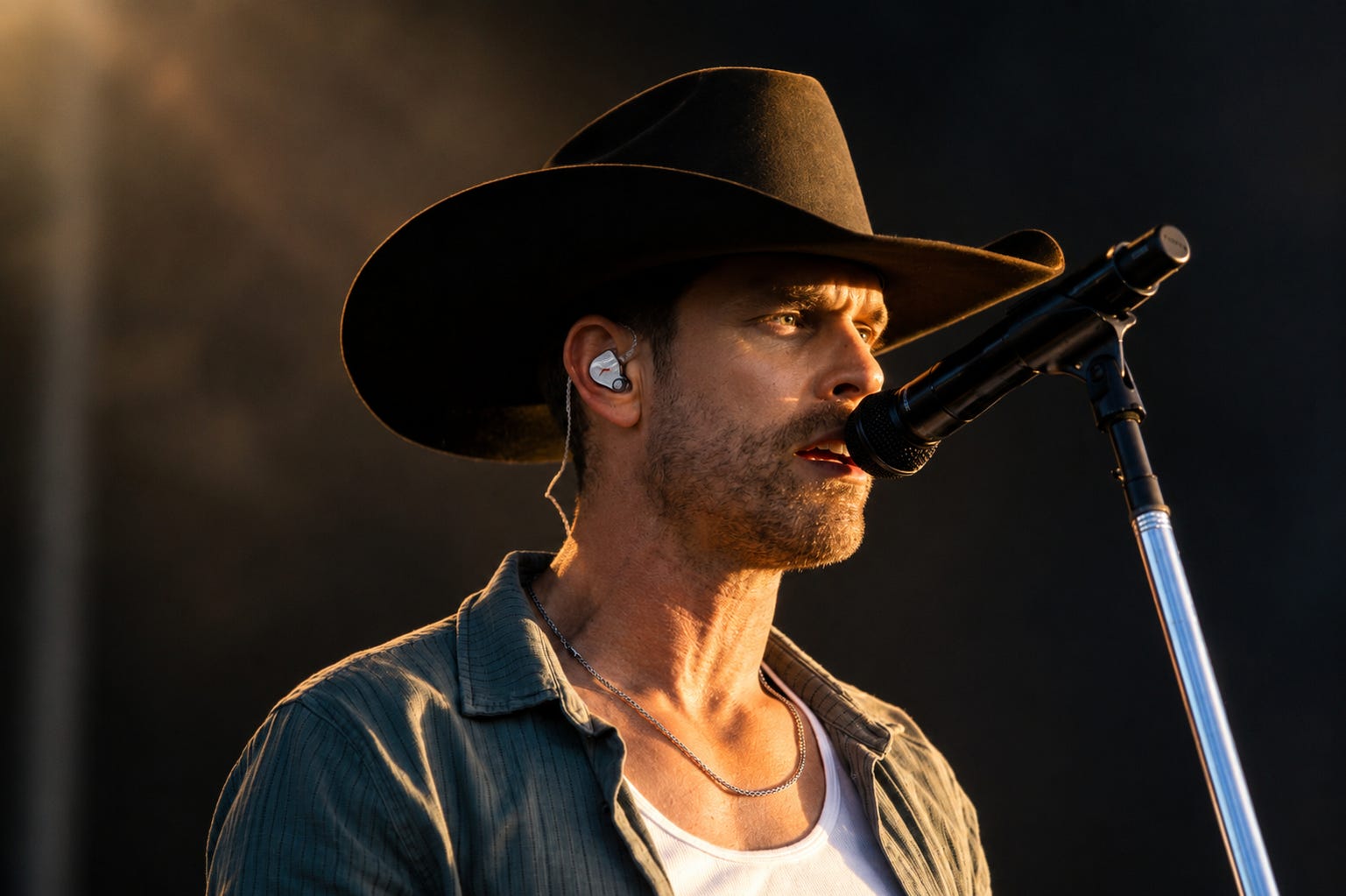
Dustin Lynch came in built for the larger canvas.
Where Rowan Grace brought discovery and Mitchell Tenpenny brought country-rock force, Lynch brought the kind of polish that comes from years of knowing how to pace a crowd. He has been doing music for more than 15 years, and his career reflects that long climb. His catalog stretches across the modern-country lane with the kind of scale that turns a set into a communal singalong before the chorus even arrives. Live, that polish did not make him feel distant. It made him feel prepared.
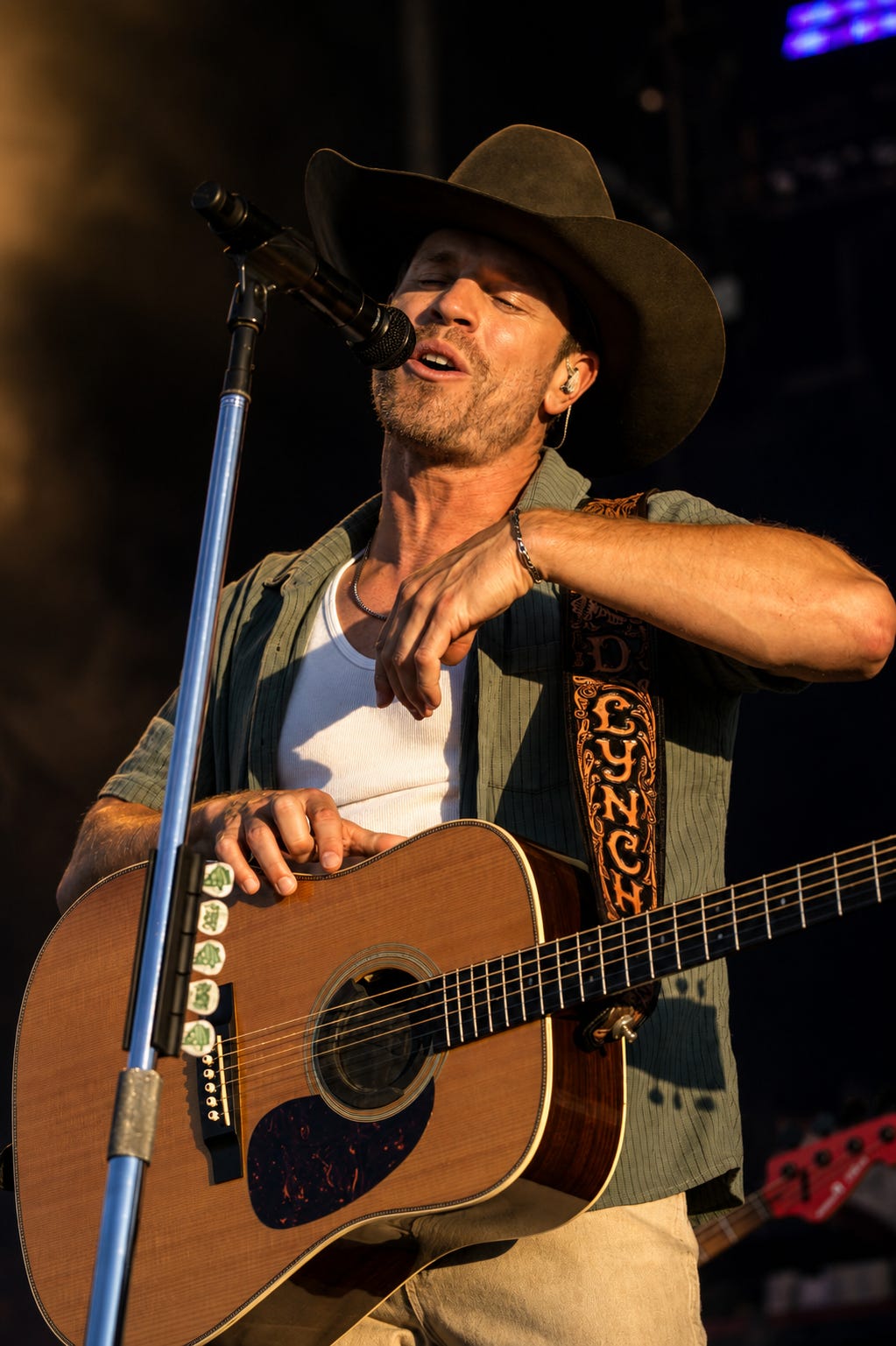
He opened with “Honky Tonk Heart,” arriving like a proper country rockstar with visuals that fit the song’s shape. The production gave the set an immediate identity without overwhelming the performance. Lynch’s lane is built on clean hooks, Tennessee confidence, and songs that know their way around both a radio speaker and a summer crowd.
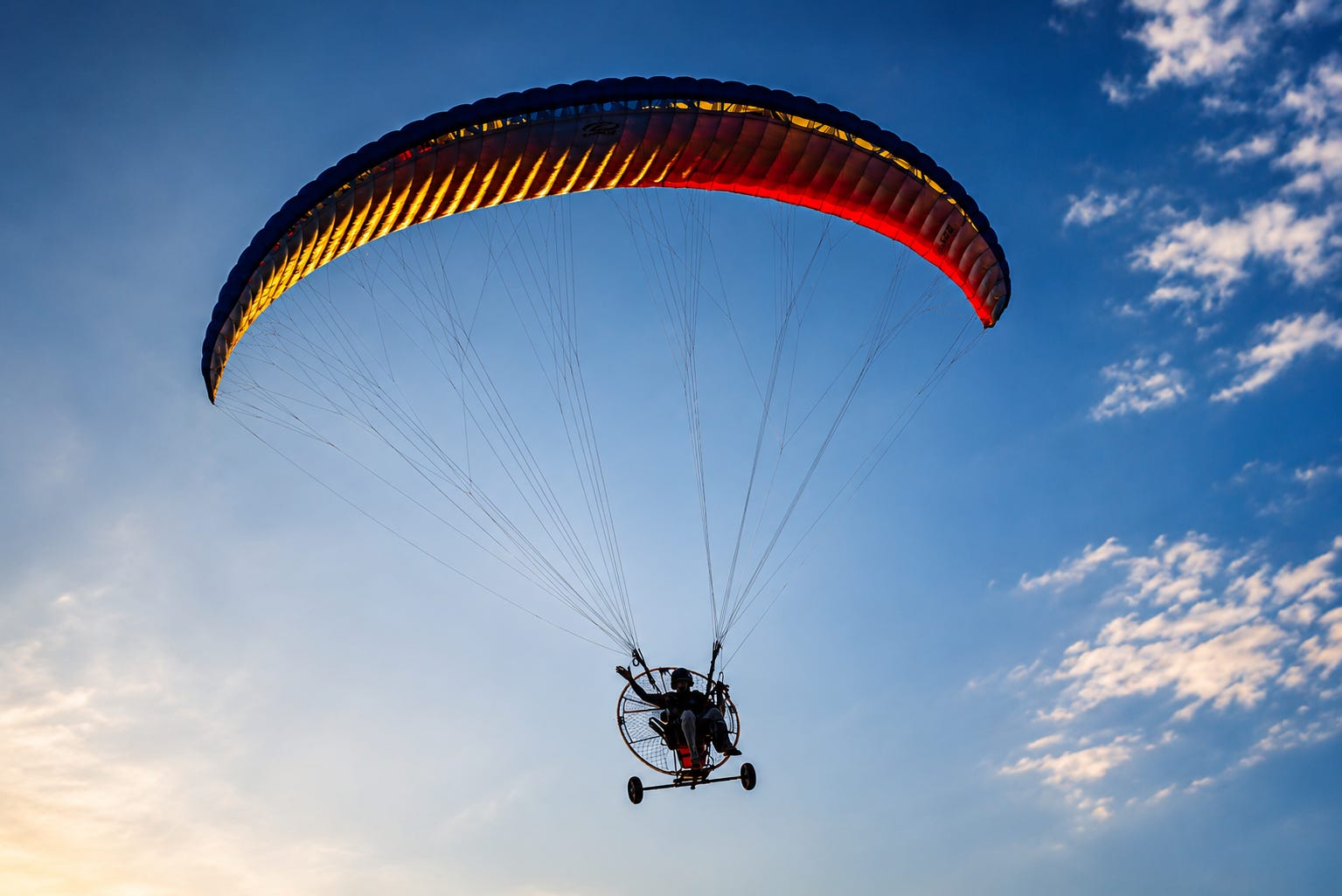
During “Thinking ’Bout You”, a paramotor trike with a fan on the back drifted slowly from the sunset toward the back of the venue. The crowd caught sight of it, and the moment briefly pulled attention upward. Lynch noticed too. He paused long enough to point it out, because how could you not? Only in the Midwest do you get a country show, a sunset, and what looked like someone casually lawn-chairing through the sky with a motor strapped behind them.
Shortly after, Lynch joked that they had a live fly inside the drums. Between the paramotor overhead and the insect apparently joining the rhythm section, flying creatures were trying very hard to get a credit in the production notes.
But Lynch kept the show anchored. “Cowboys and Angels” gave him room to turn the set inward. He explained that he wrote the song for his grandparents, whose marriage reached 71 years on April 12 of this year. That detail changed the way the song sat in the air. It was no longer just a love song from the early part of his career. It became a family heirloom with a chorus.


That is where Lynch tends to be strongest live: not in trying to make every song enormous, but in knowing when to let one feel close. The best country performers understand scale as a dial, not a switch. Lynch could push the crowd wide with a cover, then pull it back toward the center with a story about his grandparents. The set had enough motion to keep people on their feet, but enough personal weight to keep the songs from floating away.
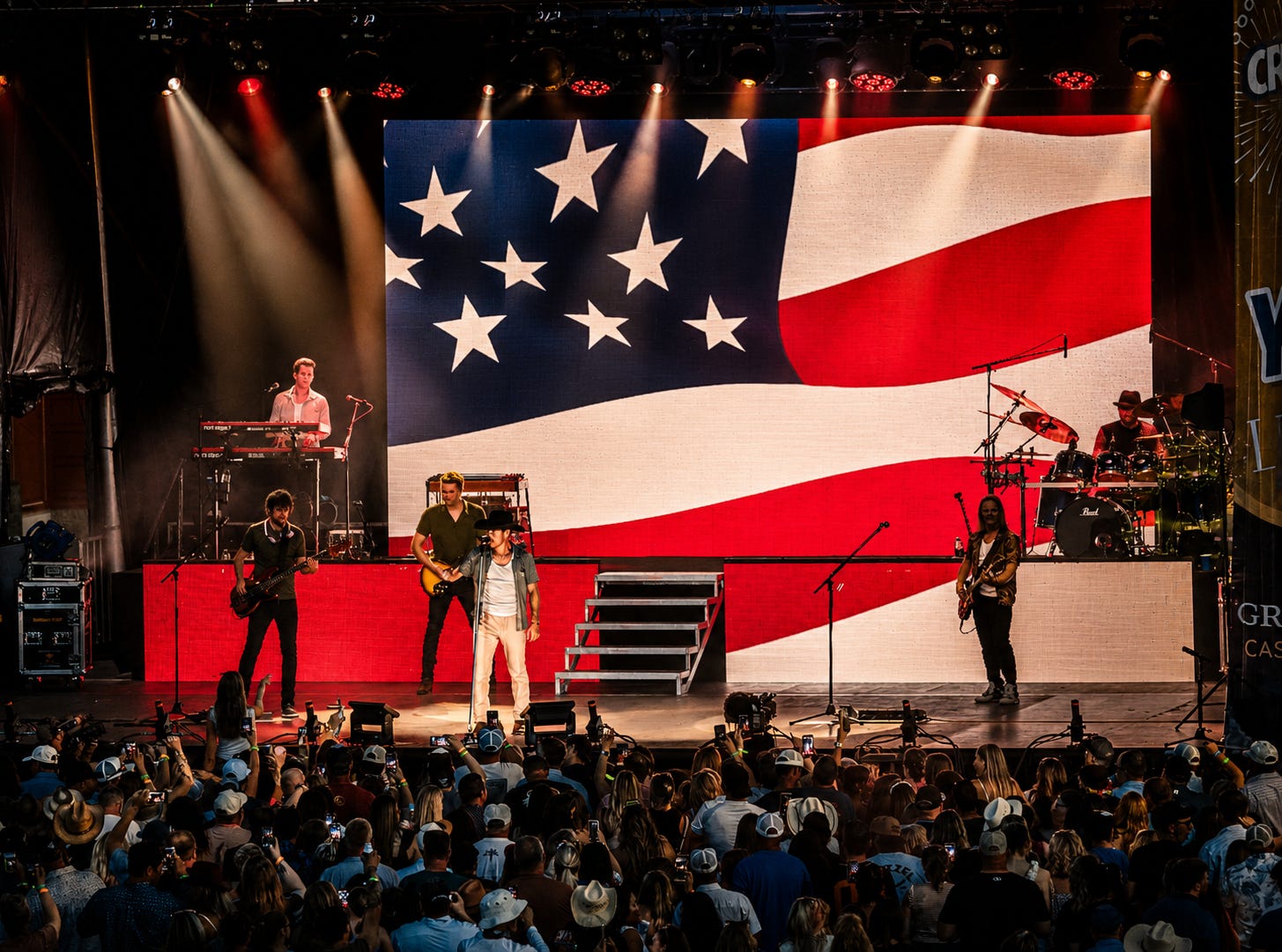
His cover of George Strait’s “You Just Come Natural” was a strong choice and fit him well. It let him tip his hat toward a classic country lineage without turning the set into an imitation exercise. His red, white, and blue Toby Keith cover landed solidly too, carrying the kind of patriotic punch that can work at a country show when the room is already leaning into that language.
Then came the looser, funnier moments. “Give Me the Beat Boys” in a countrified form was solid, giving the crowd another familiar hook to grab onto. Afterward, Lynch read a fan’s phone aloud: “roads aren’t the only thing I’m trying to ride tonight.”
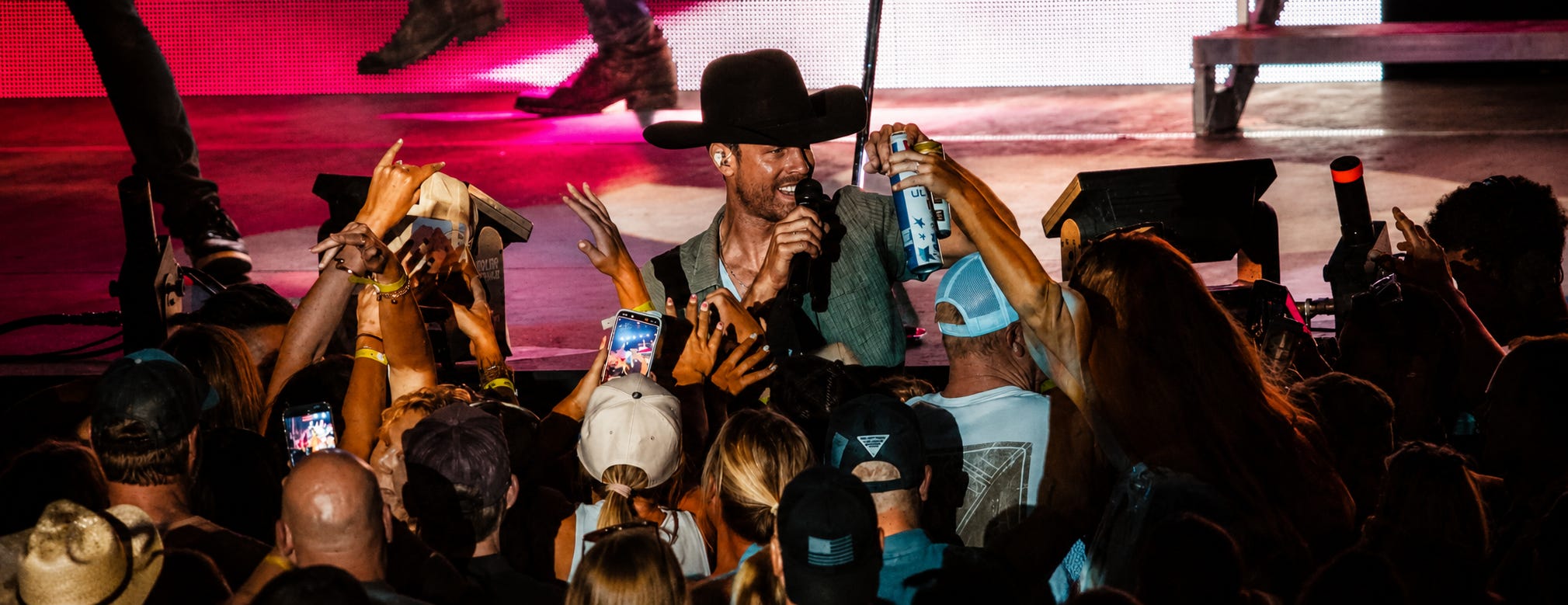
Lynch also brought “American Girl” into the set, and that cover went over well. He got right down into the crowd for it, collapsing the distance between the stage and the people who had been watching from their chairs, drink lines, VIP seats, and open pockets of the venue all evening. It was a smart move near the end of the night. After the bigger visuals, the flyover, the jokes, and the legacy songs, the crowd-level moment gave the show a final human jolt.


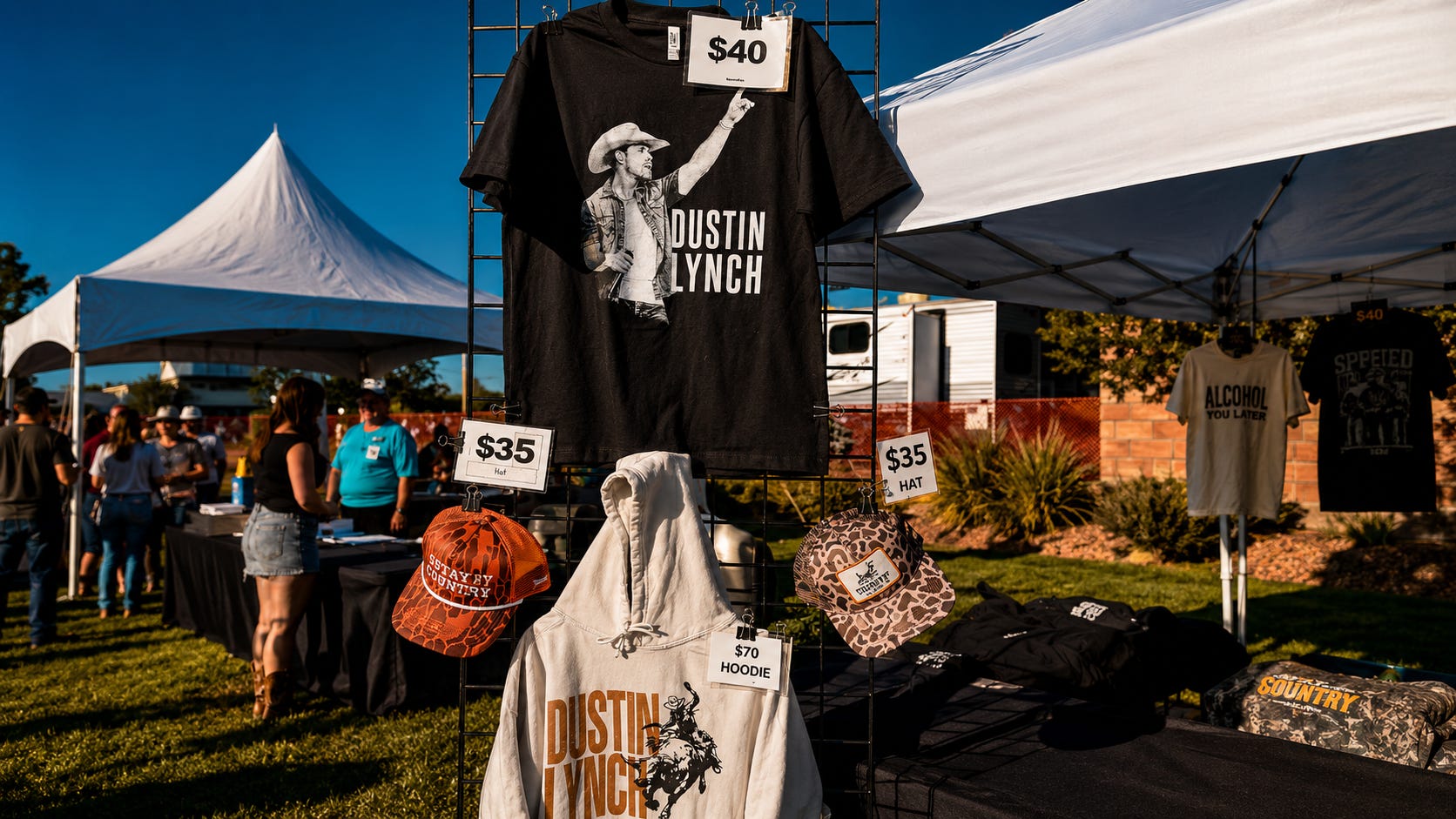
The Merch Table Kept It Country
The merch setup matched the night without trying too hard. Under the white canopy, the table looked less like a polished retail display and more like a roadside country-market checkpoint: black tees hanging from the frame, caps lined across the front, hoodies folded near the edge, and camo patterns popping up between the darker shirts.
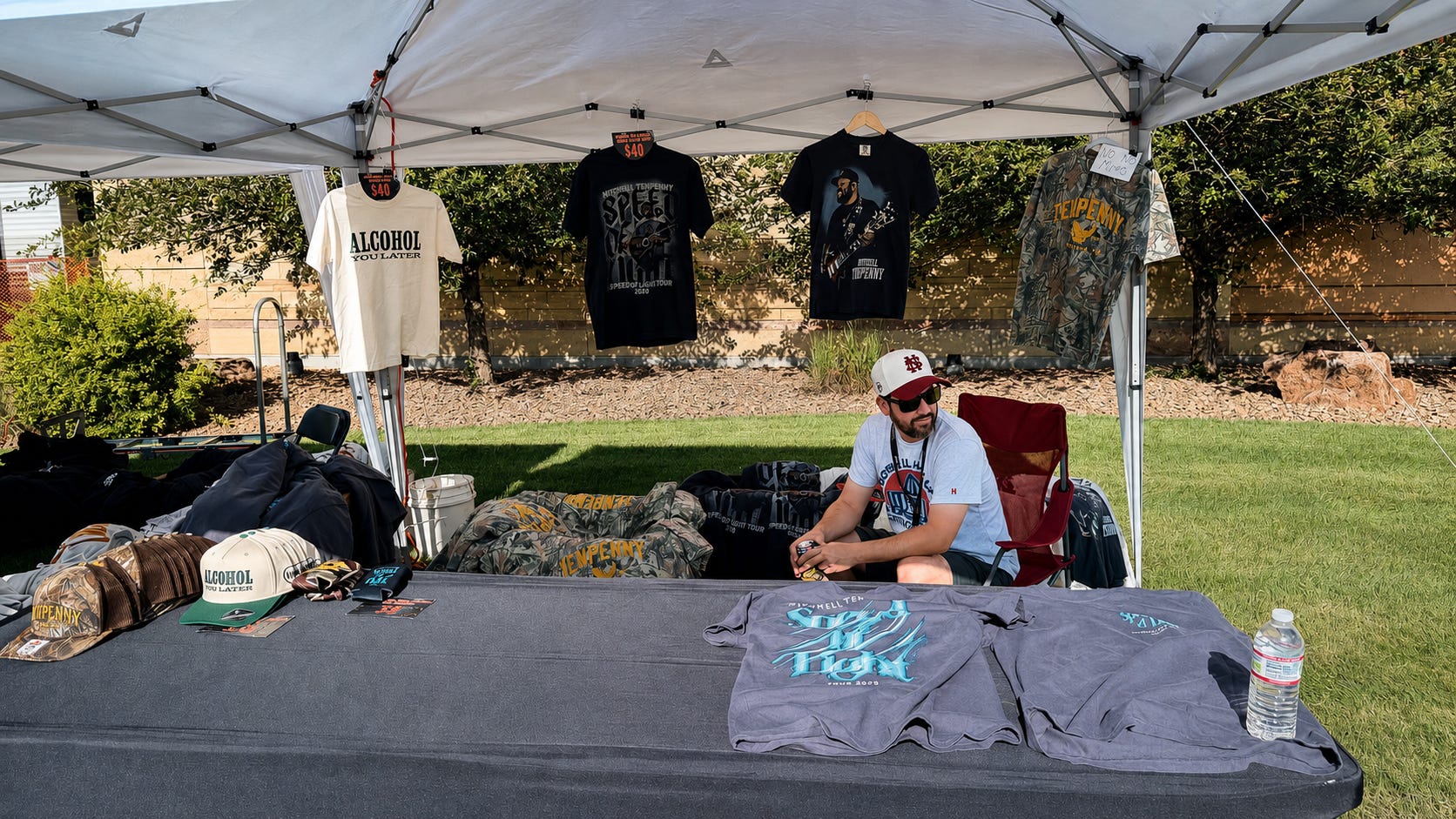
Dustin Lynch’s merch leaned into the clean country-rock image he brought to the stage. One black shirt featured his name with a Western-styled graphic, while another piece carried a bold “Country Shit Since 2010” design, the kind of shirt built for people who want their concert souvenir to say exactly where they stand. The hats were the real eye-catchers, though. There were trucker caps, camo brims, leopard-print accents, and orange stitching that felt right at home against the grass, denim, boots, and evening sun.
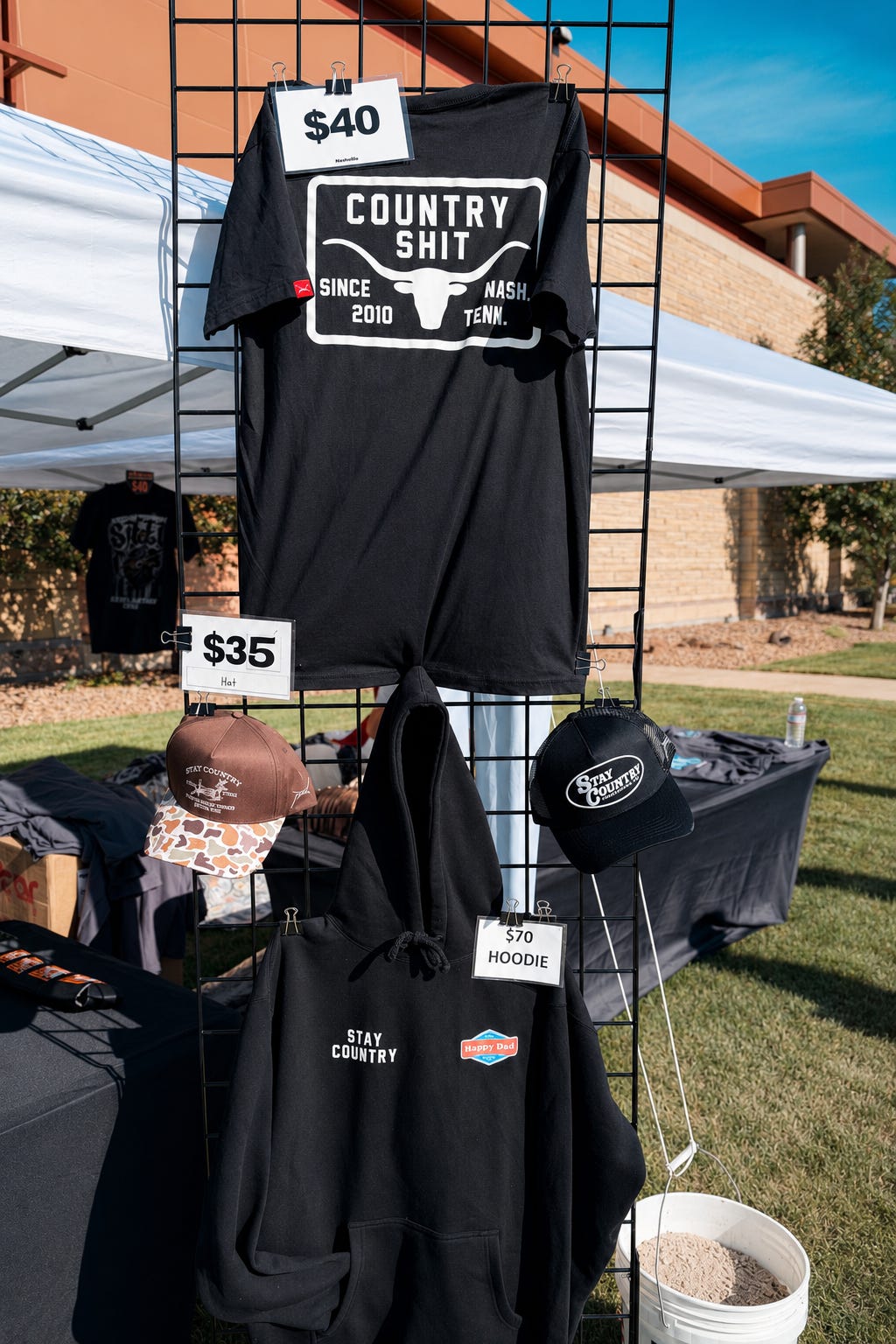
The black “Stay Country” hoodie gave the booth a heavier piece for fans who wanted something beyond the standard tee, and at $70, it sat as the bigger-ticket item of the spread. Most shirts appeared to sit around the $40 range, with hats marked around $35, giving fans the usual post-show decision: grab the shirt, grab the hat, or pretend you are being responsible before walking away with both.
It was a small detail in the larger anniversary celebration, but the merch table helped complete the scene. People were not just leaving Grand Falls Casino with phone videos and chorus fragments stuck in their heads. They had a chance to carry a piece of the night home, stitched, printed, and sun-warmed from the edge of the field.
Afterglow
The lasting image is not just Dustin Lynch in the crowd, or Mitchell Tenpenny’s band pushing forward on guitar, or Rowan Grace smiling through the joke about her accent. It is the paramotor easing across the sunset while a country show rolled on underneath it.
That little airborne interruption said a lot about the night without trying to. This was an event built with VIP seats, beverage bars, photographers, drone coverage, a host throwing T-shirts, and a polished headliner with years of road work behind him. But it also had people in lawn chairs, a fly in the drums, a fan’s phone getting read out loud, and a sky that apparently decided it wanted to participate.
Only in the Midwest, maybe.
It also made Dustin Lynch feel like the perfect early-June show for where our coverage calendar is headed next. Lynch recently crossed into the electronic world on “Die Living”, a collaboration with ILLENIUM and David Guetta, pulling his country grit into the kind of widescreen dance music built for festival fields. Later this month, ILLENIUM heads to Electric Forest in Rothbury, Michigan, where Intellectual Dissatisfaction will be on site as approved media covering one of the country’s most immersive festival weekends.
So in its own strange way, Grand Falls became a bridge. One Saturday night in Larchwood gave us country hooks, denim, family stories, a Midwest flyover, and a headliner whose voice already has one boot planted in the festival world we are walking into next.
Please consider Donating to Sponsor an article even $1 helps!