


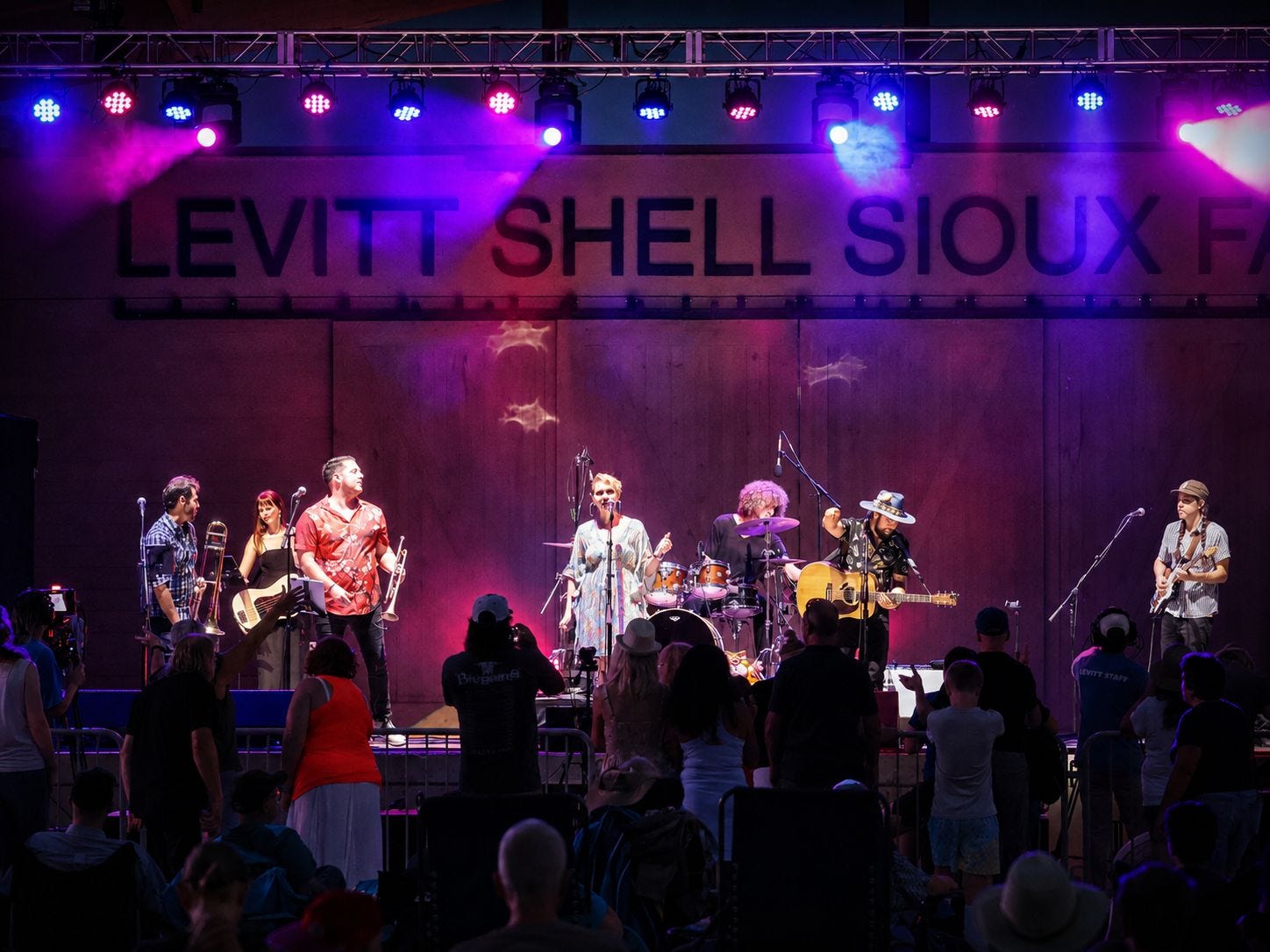
“FLOWER POWER, BABY.”
Etta McKinley had the slogan. The weather, for once, had read the assignment.
Rain had moved through Sioux Falls earlier in the day, leaving behind the kind of August evening people spend the rest of winter lying about. The sun came back out. A breeze hung around and kept the temperature reasonable. By the time music started at Levitt at the Falls, the lawn already held a sizable crowd, unusually healthy for the beginning of an opening set rather than the late-arriving swell before a headliner. The Aug. 15 concert paired Sioux Falls’ Etta and the Vendetta with Los Angeles roots collective Dustbowl Revival as part of Levitt’s free summer concert series.
That crowd would spend the next couple of hours getting progressively less interested in sitting down.

Please consider Donating to Sponsor an article even $1 helps!

Flower power before sundown
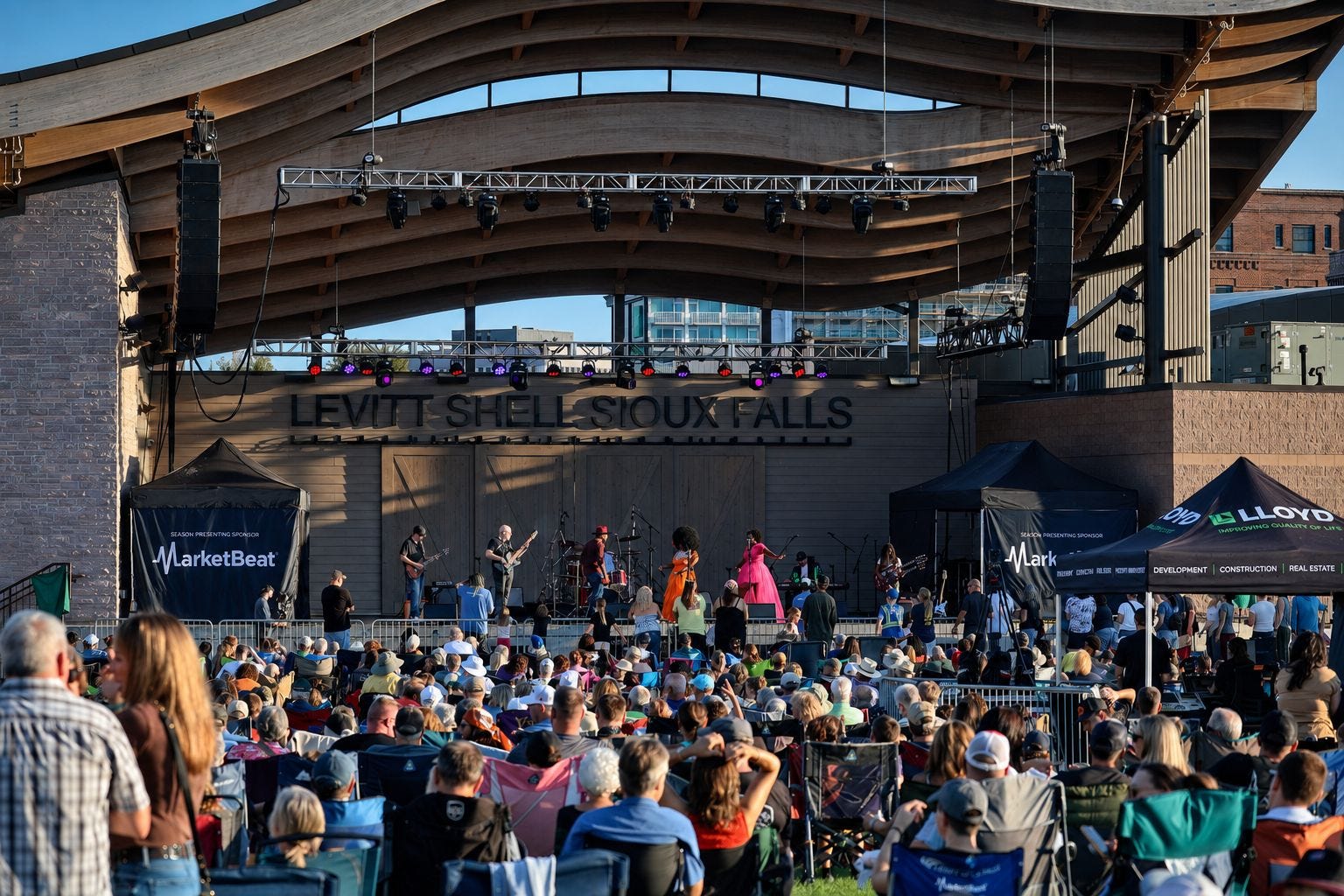
Etta and the Vendetta did not need much runway.
Led by McKinley, the Sioux Falls funk, rock and soul group has only existed in its current form since 2023, when what was supposed to be a one-off Juneteenth Festival performance turned into something the musicians decided was worth keeping around. Levitt lists Sam Enderson on drums, Victor Faini on keys, Matt Sumner and Kiran Cordes on guitar and Adam Tjaden on bass behind McKinley.
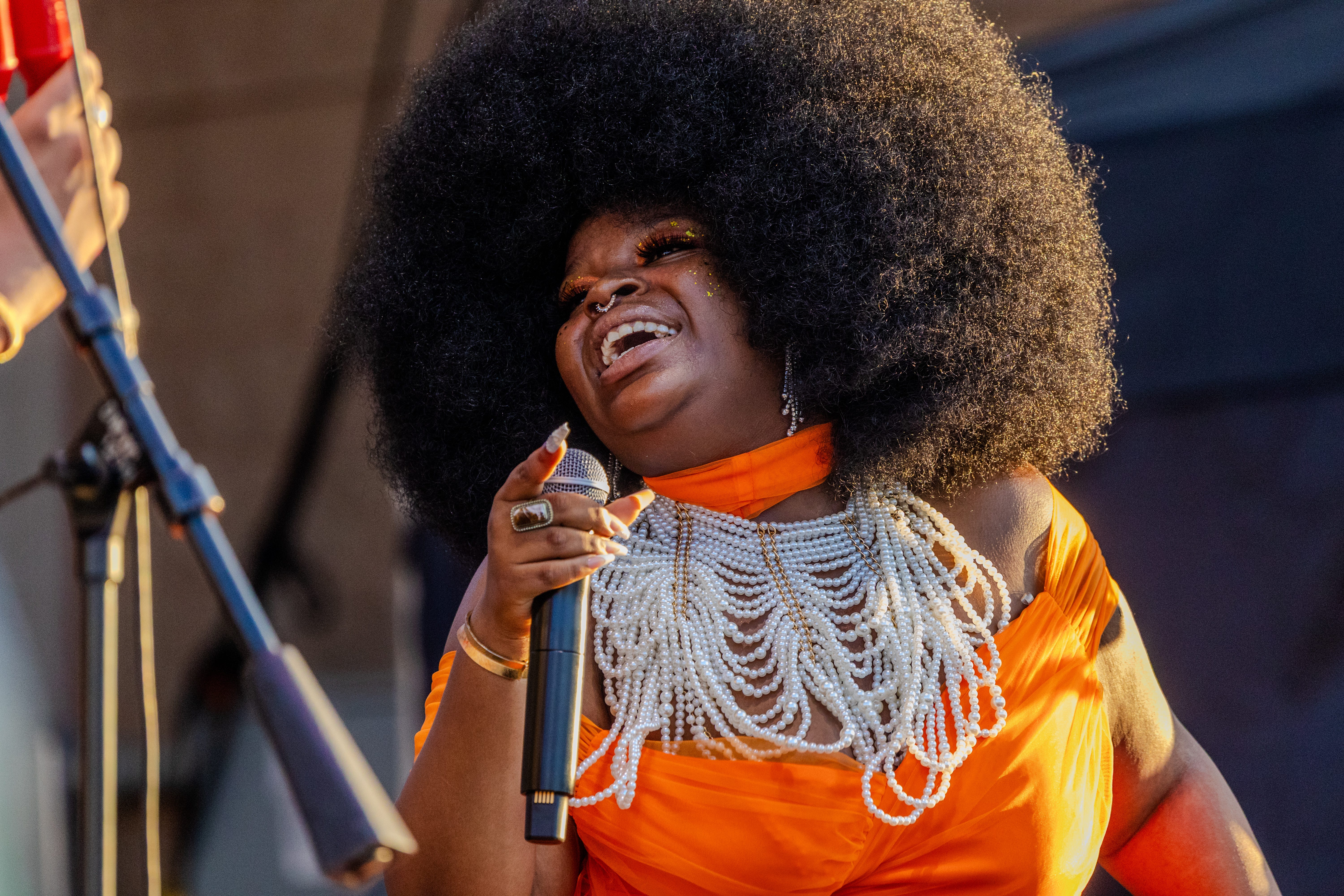
On this night, they behaved less like an opening act asking permission and more like a band aware that the lawn was already theirs to work with.
There were originals in the set, but the covers provided an easy way into the room. Their run through the Beatles’ “Come Together” leaned into one of rock music’s great collections of lyrical nonsense, the walrus-gumboots and spinal-cracker business landing inside a set already comfortable with funk. “Come Together” has always had more rhythm in its bones than its reputation as classic-rock scripture sometimes allows, and Etta and the Vendetta found that part of it.
Then somebody brought out a double-neck guitar.
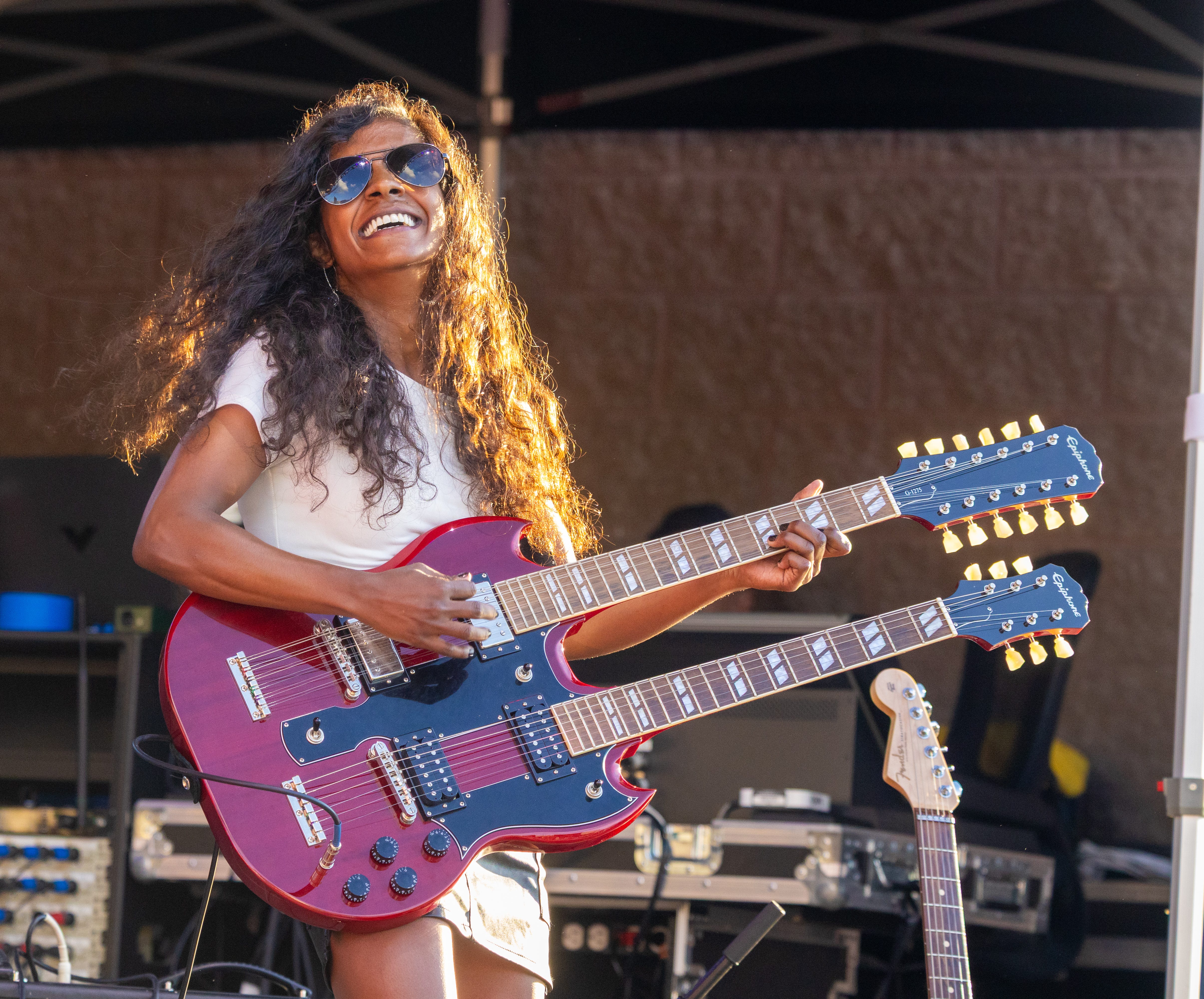
There are practical reasons for owning one, certainly. There are also moments when a double-neck guitar simply announces that restraint has left the premises. This was closer to the second category.
The important measure of the set was happening several feet below adult eye level anyway. My two-year-old was moving.
Small children are brutal music critics because they have not yet learned the social obligation to look interested. They do not care about pedigree, press photos or whether somebody has been described as “genre-defying” in a bio. They either move or they do not. Etta and the Vendetta had kids moving early, and the adults were not far behind.


McKinley and company closed with Wild Cherry’s “Play That Funky Music”, a song so culturally overexposed that performing it can become either a surrender to wedding-reception autopilot or an excuse to squeeze every possible ounce of groove out of three familiar words.
They chose the latter.
The lawn had already loosened up. Feet were moving, conversations had shortened and that early crowd no longer looked like people waiting for the main event. Etta and the Vendetta had done exactly what a local opener on a night like this should do, except “opener” felt increasingly inaccurate. They had given Dustbowl Revival a crowd that was already warm.
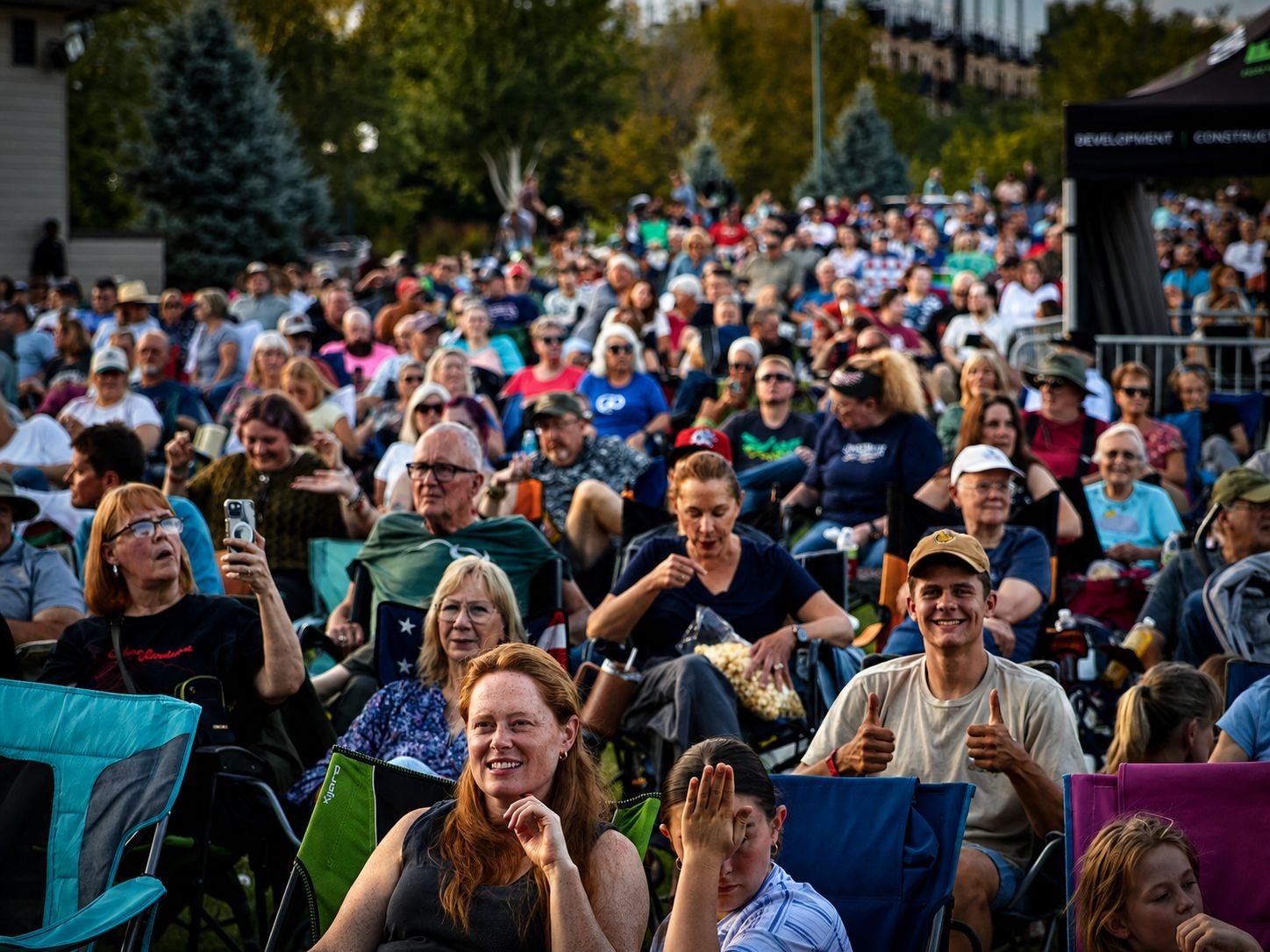
And then seven people showed up prepared to make sitting down seem ridiculous.
Seven people, very little empty space
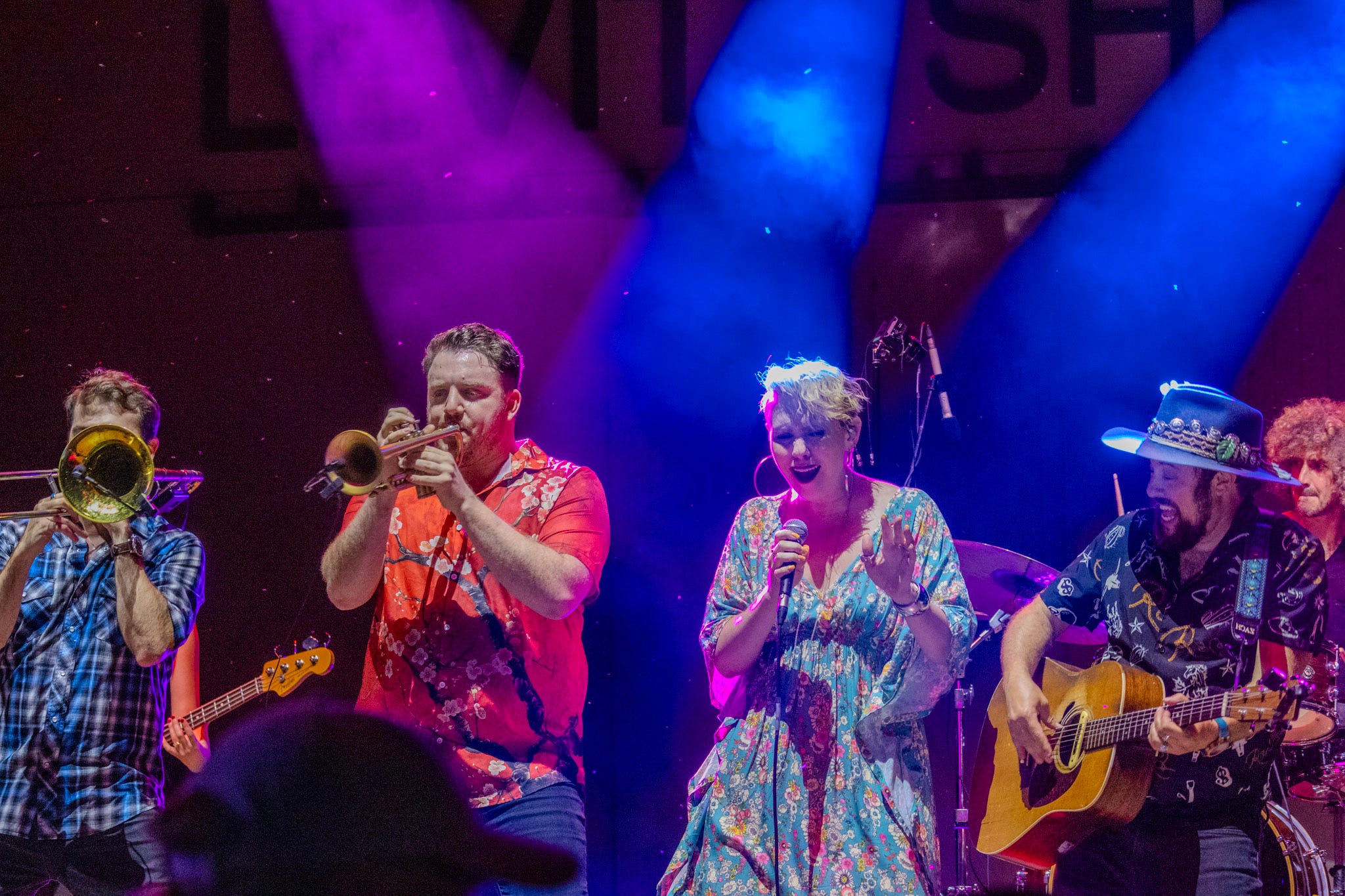
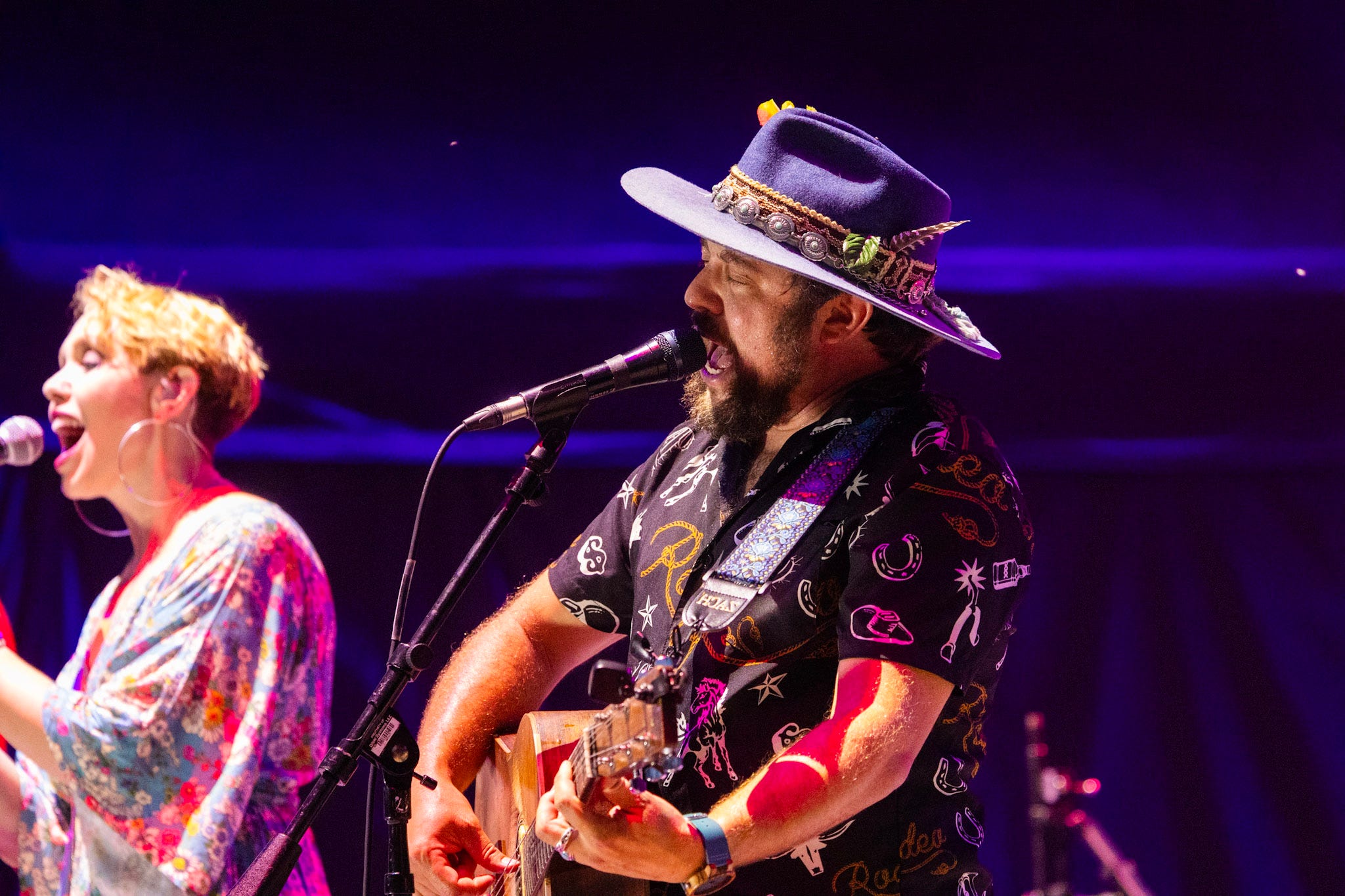
Dustbowl Revival arrived with guitars, bass, drums, trombone, trumpet and enough vocal firepower to make the stage feel crowded without making the arrangements feel clogged.
That abundance is built into the band’s DNA. Founder Zach Lupetin started the group in Southern California with a Craigslist post seeking musicians interested in the same unruly collision of American roots music that still defines them.
A hopeful Craigslist ad should not have resulted in all this.
Good thing nobody told them.
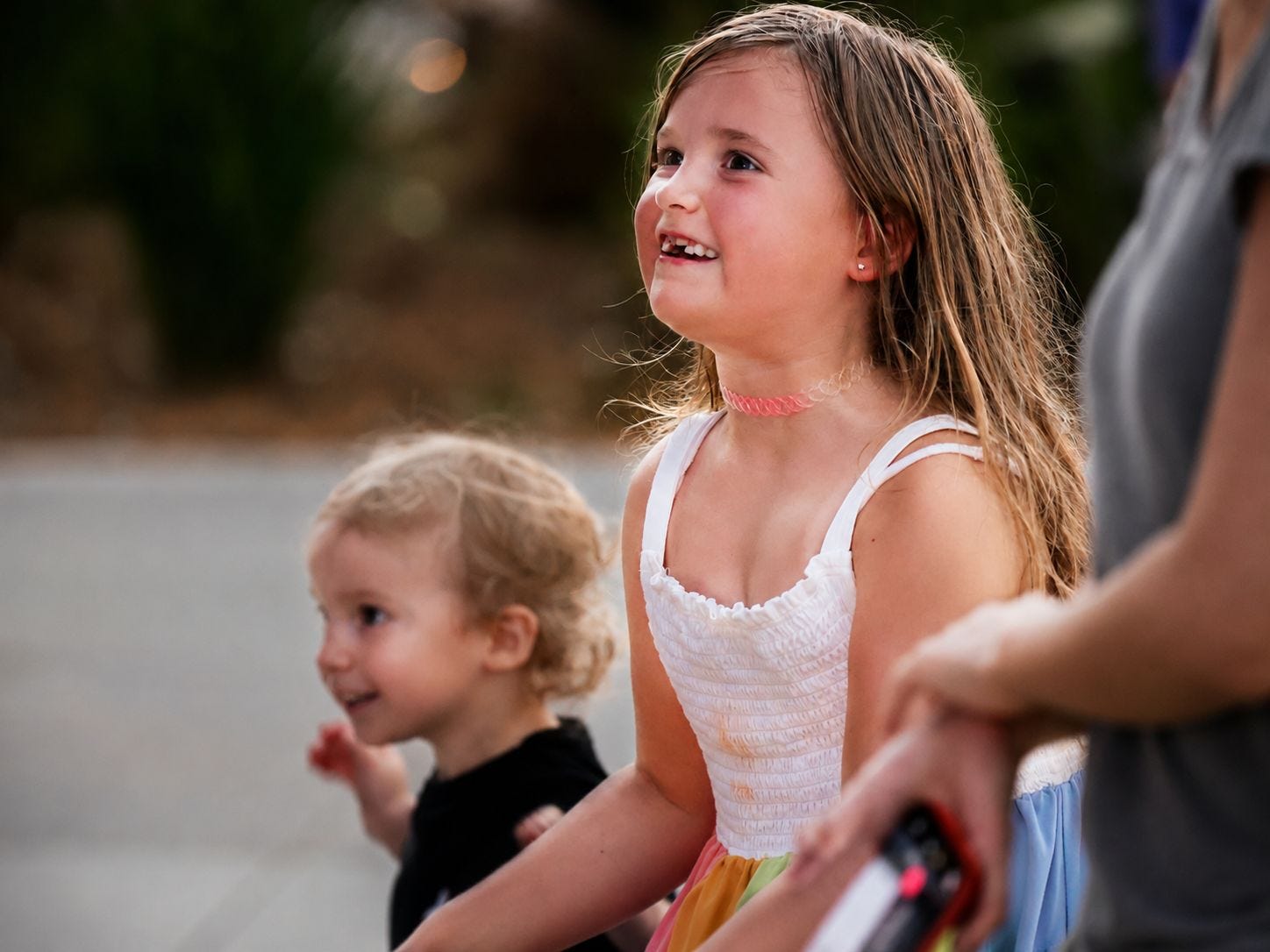
The opening stretch hit with funky grooves and an immediate invitation toward the stage. Kids started moving according to whatever personal choreography childhood had supplied them.
I was grooving too, right up until my bruised ribs reminded me they existed.
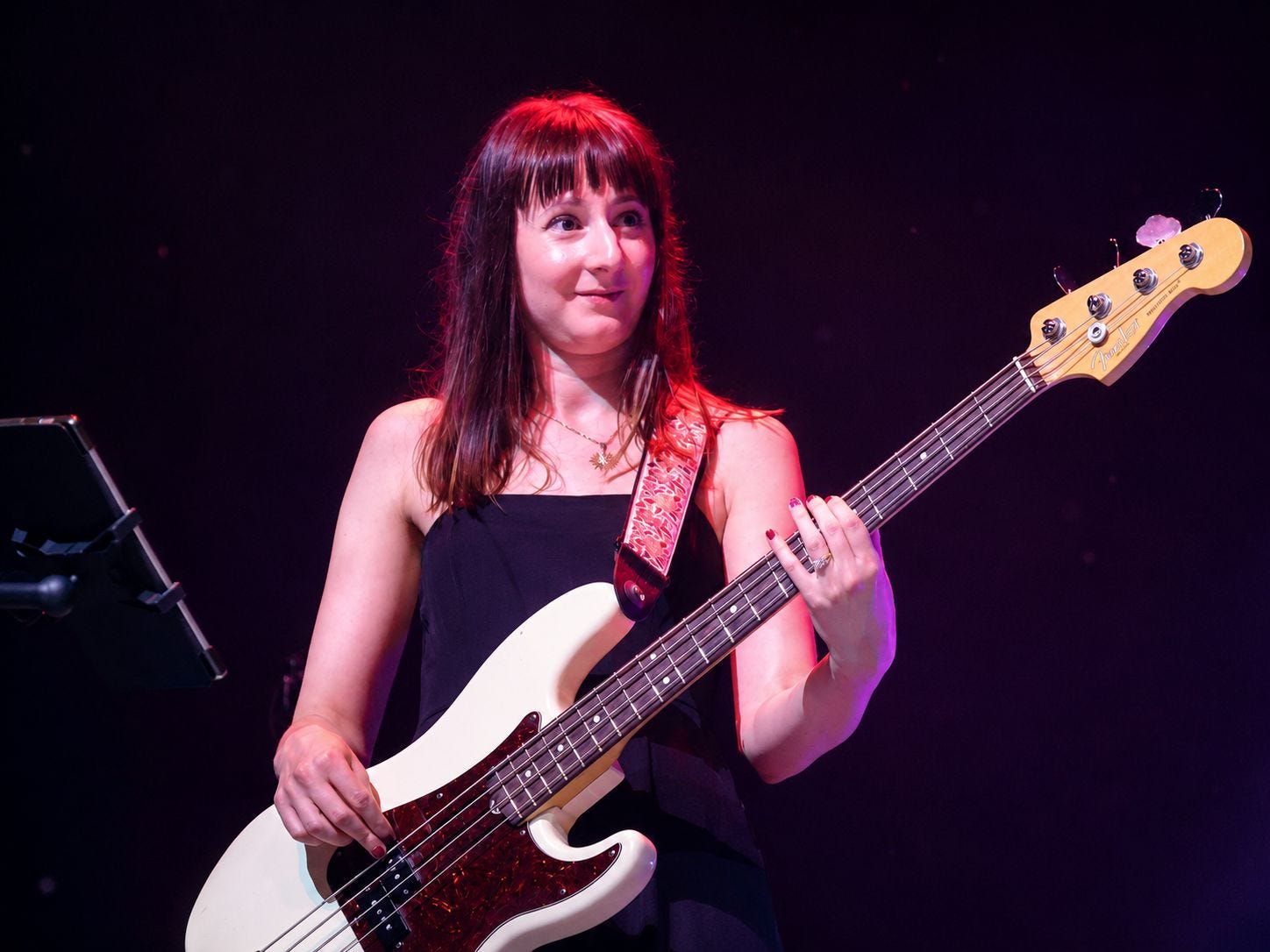
The bass was doing much of the damage. Horns burst through the top, guitars jabbed from the sides and voices stacked into harmonies, but those bass riffs kept pulling everything back toward the hips.
Trumpet and trombone were not decoration. They became characters inside the arrangements, answering guitars, reinforcing vocals and occasionally arguing with everyone at once.


At some point, Levitt staff joined the show, dancing through the crowd with donation buckets instead of solemnly collecting money like utility payments.
It was strangely perfect.
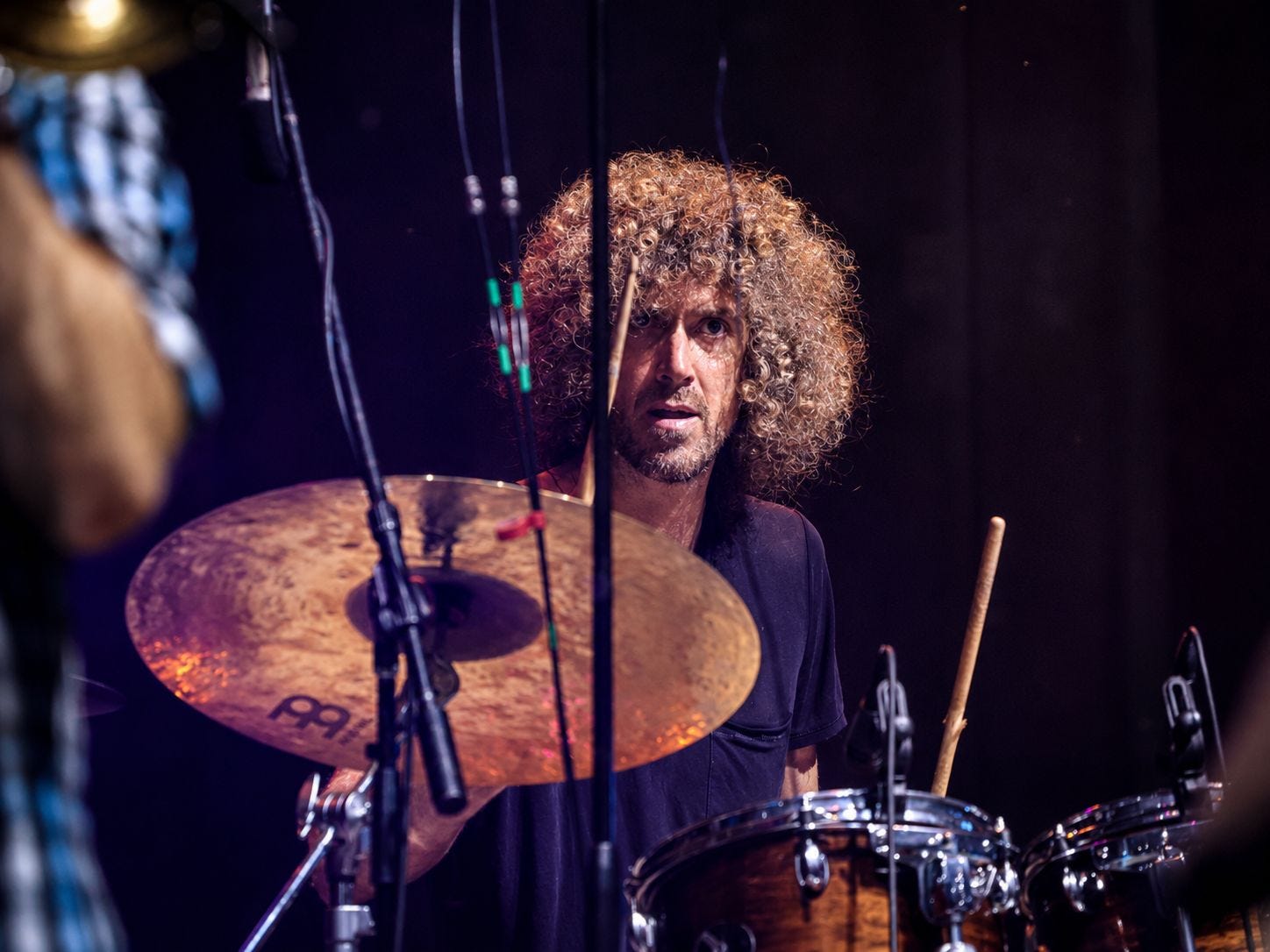
The band also knew when to pull back. Just before 9 p.m., the tempo eased and the lead vocal dropped into a deeper soul register. A group with this many available sounds could easily overpack every song.
Dustbowl knew when not to.
Then the instruments started talking again.
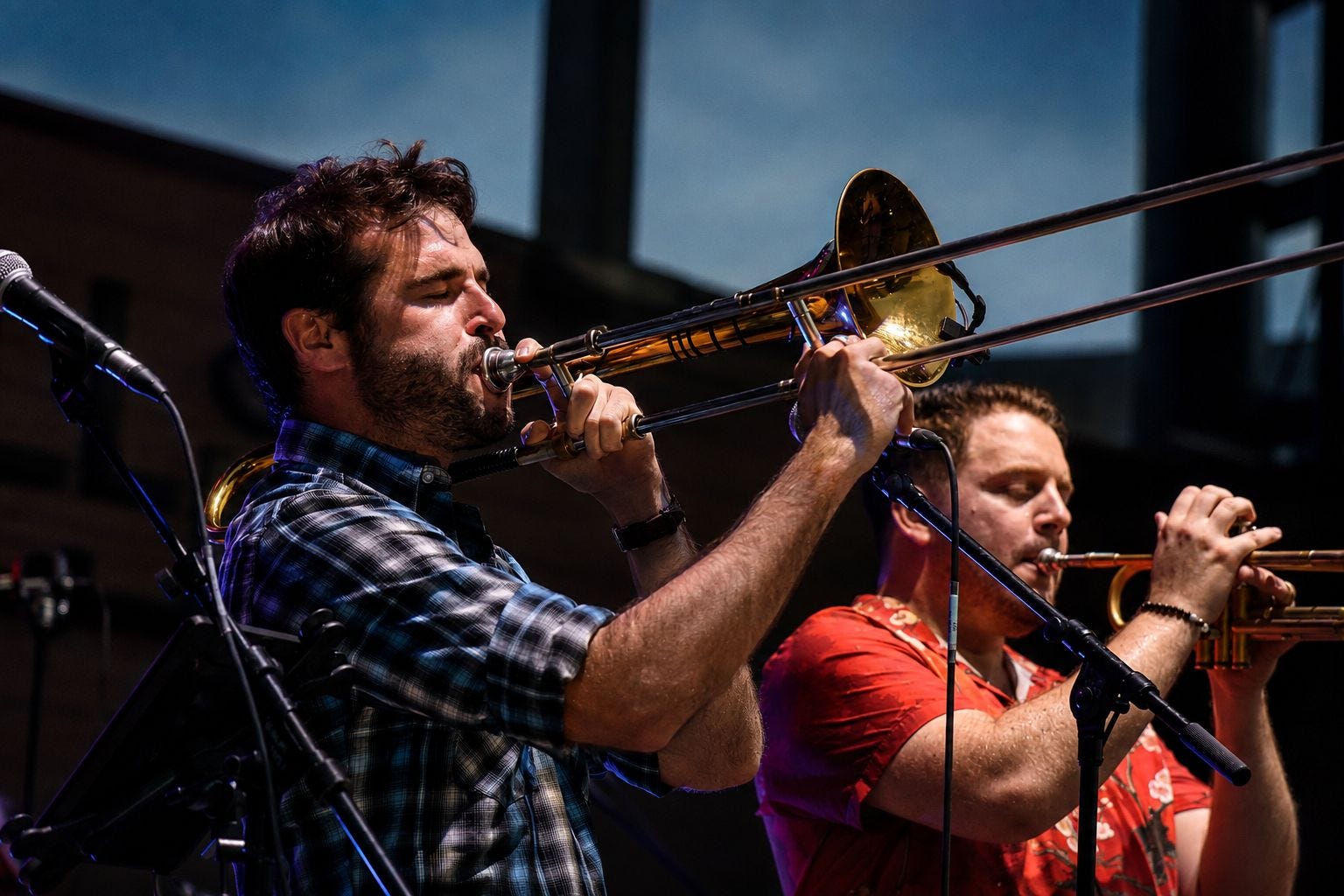
A guitar phrase drew an answer from the trumpet. Later, trombone and bass had their own exchange. These were less traditional solos than little arguments, jokes and interruptions passed across the stage.
By the time “Feels Good” arrived, the title had become annoyingly accurate.
Groovy AF.
The crowd eventually supplied the logical conclusion:
A conga line.
Not suggested. Not planned. Just people reaching that point where following strangers around a lawn suddenly seems sensible. Once a conga line starts, any remaining pretense of cool is finished.
Dustbowl Revival had gotten them there.
Afterglow
The phrase from the beginning kept hanging around.
“FLOWER POWER, BABY.”
It would have been easy for a night built from funk, soul, brass, Beatles lyrics, Wild Cherry and a band literally named Dustbowl Revival to slip into nostalgia. It never really did. The oldest sounds onstage were being used in the present tense.
That distinction showed up in small places.
A Sioux Falls band barely three years into its life putting originals beside songs everybody already knew. A double-neck guitar appearing because apparently one guitar neck did not adequately describe the mood. Levitt staff dancing with donation buckets. A brass section trading lines rather than simply filling them. Children making up dances without checking whether anybody approved.
My ribs filing an official complaint.
And somewhere in that crowd, a conga line turning a Saturday night into something a little less orderly than it had been when everyone arrived.
The rain had already done its work before the first note. The sun came out, the air cooled and the lawn filled early. By the end, the best evidence that the night worked was not applause or a clever description of the musicianship, though there was plenty to say about both.
Please consider Donating to Sponsor an article even $1 helps!

Saturday night was spectacular. Ettta and gang is always entertainig. I was exepecting a bit more laid back with Dustbowl but they were nothing close. The female lead was some of the best vocals I have heard in a long time on the Levitt stage. They were lively and upbeat. The crowd stayed until the end and wanted more from them. The weather was perfect August.