



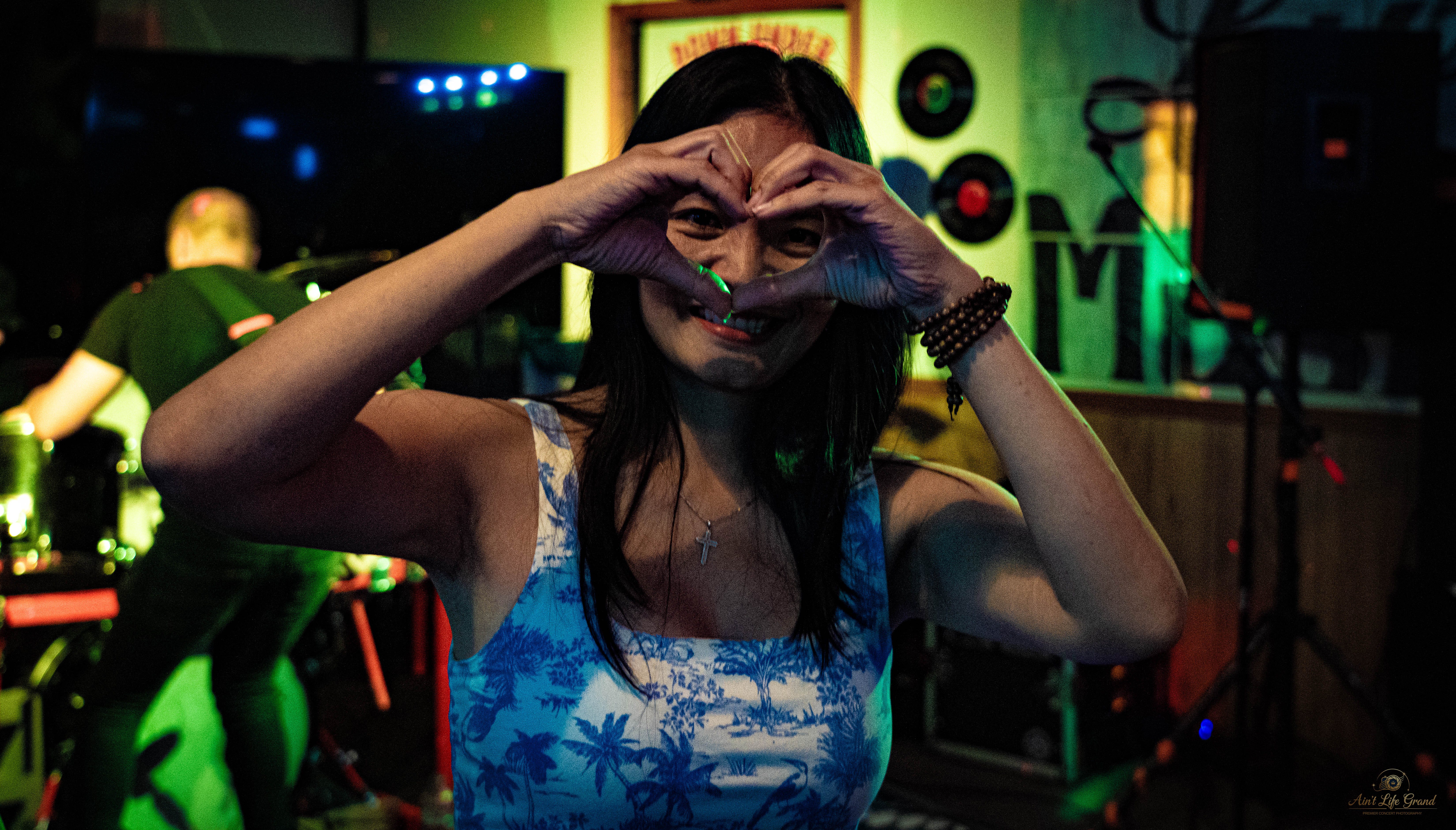
Judd spent most of Sunday in his usual corner of Down Under Bar & Grill.
He was not circling the bar collecting congratulations or trying to place himself in the center of every photograph. He sat where people expected to find him, watching familiar faces come through the door while three bands traded the stage a few feet away. For a man celebrating his first year as owner, the view from the corner said plenty.
Judd officially took over Down Under on July 9, 2025. Three days after the anniversary, the Clive bar marked the occasion with its First Annual Summer Celebration: Dick Danger Band, Reload and Encore Legends sharing the bill alongside raffles, rotating food and drink specials and a staff working through a packed house.
It was loud. It was busy. It also felt remarkably close-knit for an event involving three bands, multiple photographers and enough moving pieces to keep Beyond Media Entertainment working behind the scenes all day.
Down Under already had a place in the Des Moines live-music circuit before Judd arrived. His first year was less about sanding off the venue’s history than protecting the reasons people kept returning. Local bands remained on the calendar. Saturday nights still came with guitars. Regulars could count on cold drinks, familiar bartenders and a stage close enough to watch a player’s hands instead of staring at a video screen.
For the anniversary, Judd turned the volume up.

A party with a running order
Every person entering received a complimentary raffle ticket. Anyone wanting better odds could purchase more. The drawings did not happen during the celebration, however, so no winners were announced at the event. Down Under instead called the winners the following day once things behind the bar had settled down.
The kitchen and bar followed the stage schedule, too. Each band had its own food and drink specials, available only while the corresponding act was playing. The menu changed when the music changed. Wait too long to order during Dick Danger and the opportunity disappeared once Reload took over.
It was a small decision with an amusing effect: the running order reached all the way from the stage to what people were eating and drinking.
Most anniversary parties lean hard on speeches. Down Under kept the talking brief and let the bands handle the bulk of the celebration. The choice suited the place. Judd’s first year was being marked inside a working bar, not a banquet hall, and the best evidence of its health was already visible—tables occupied, drinks moving and local musicians setting up for the next round.
Please consider Donating to Sponsor an article even $1 helps!

Three bands, no duplicate settings
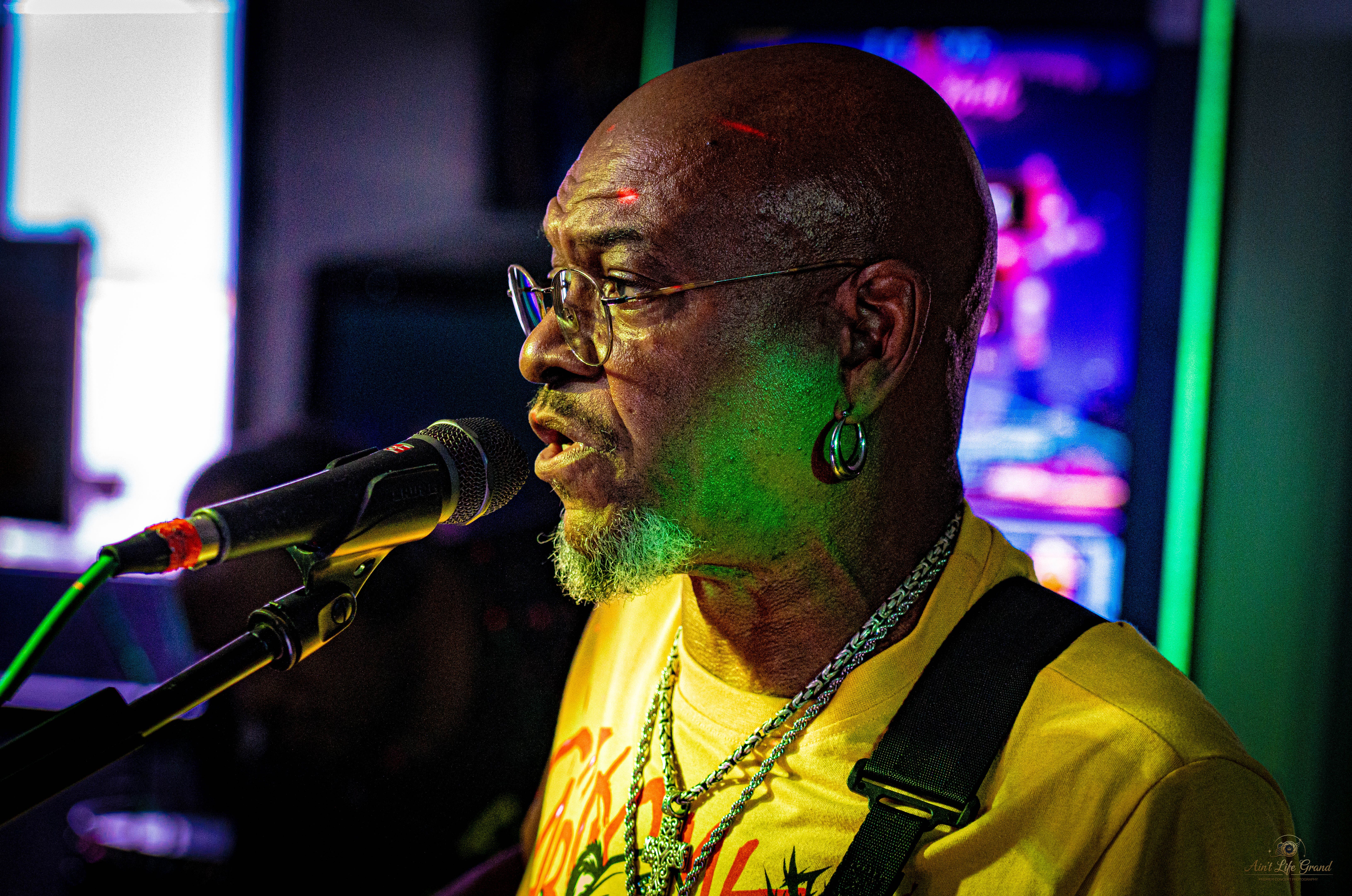
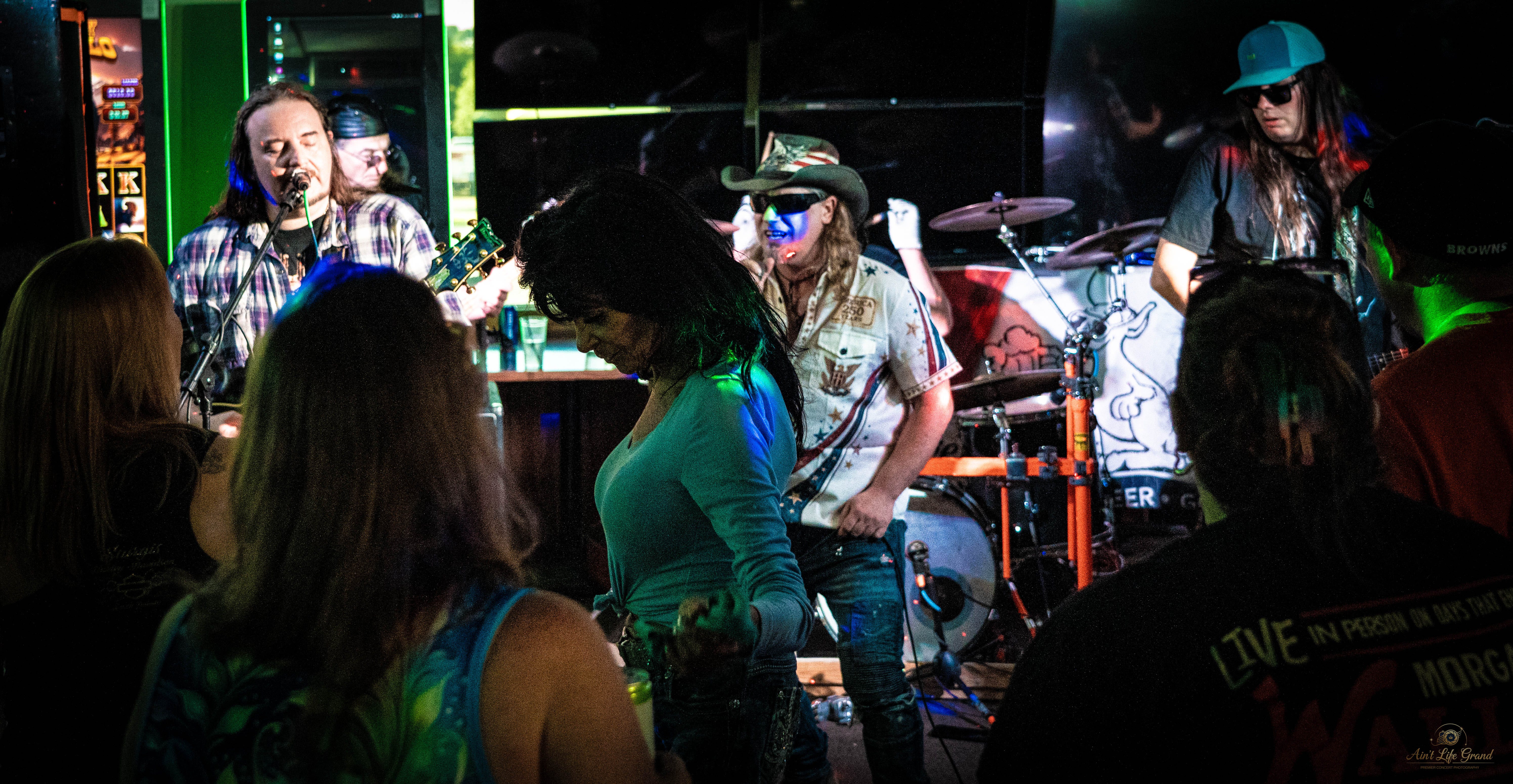
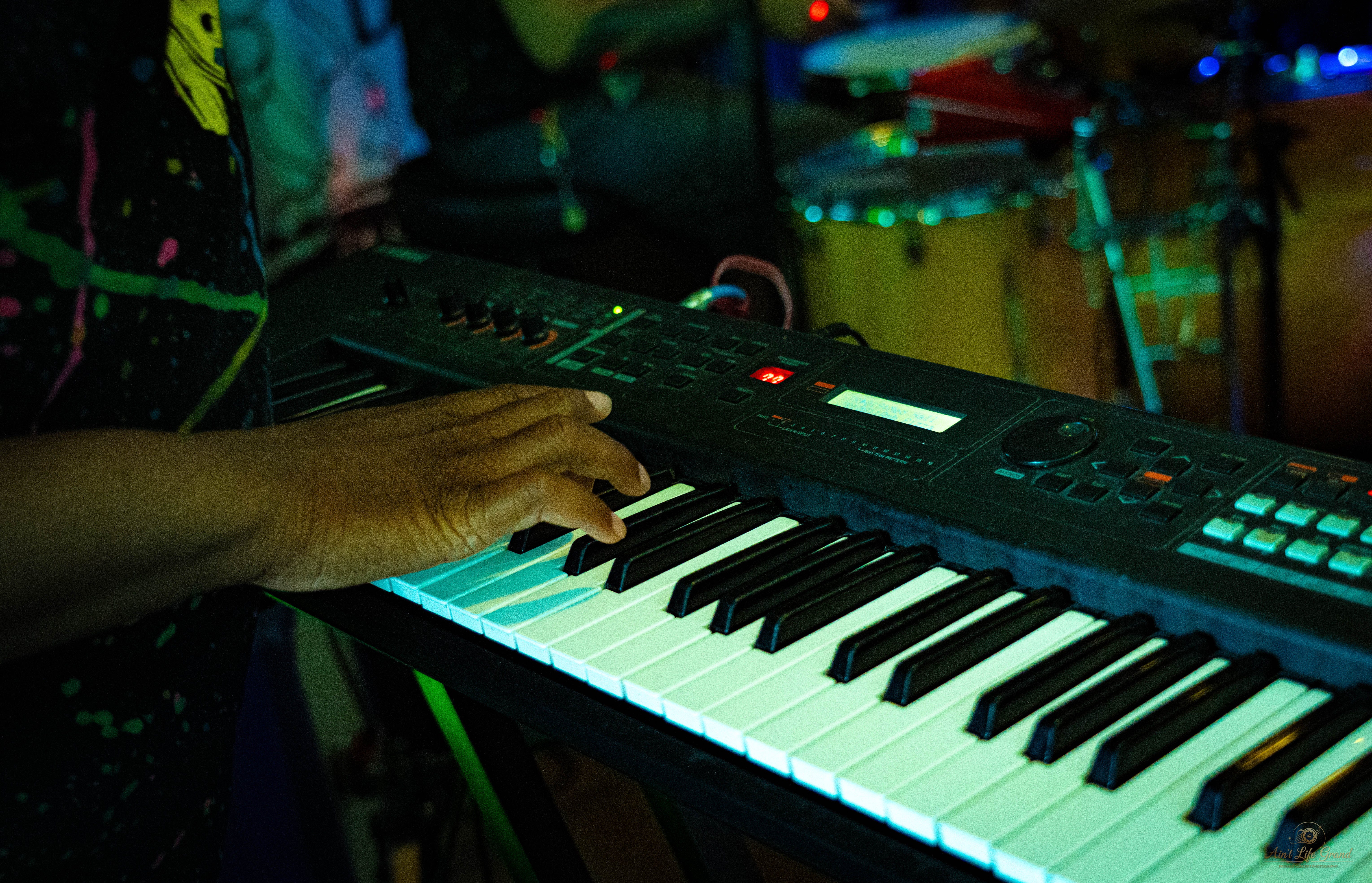
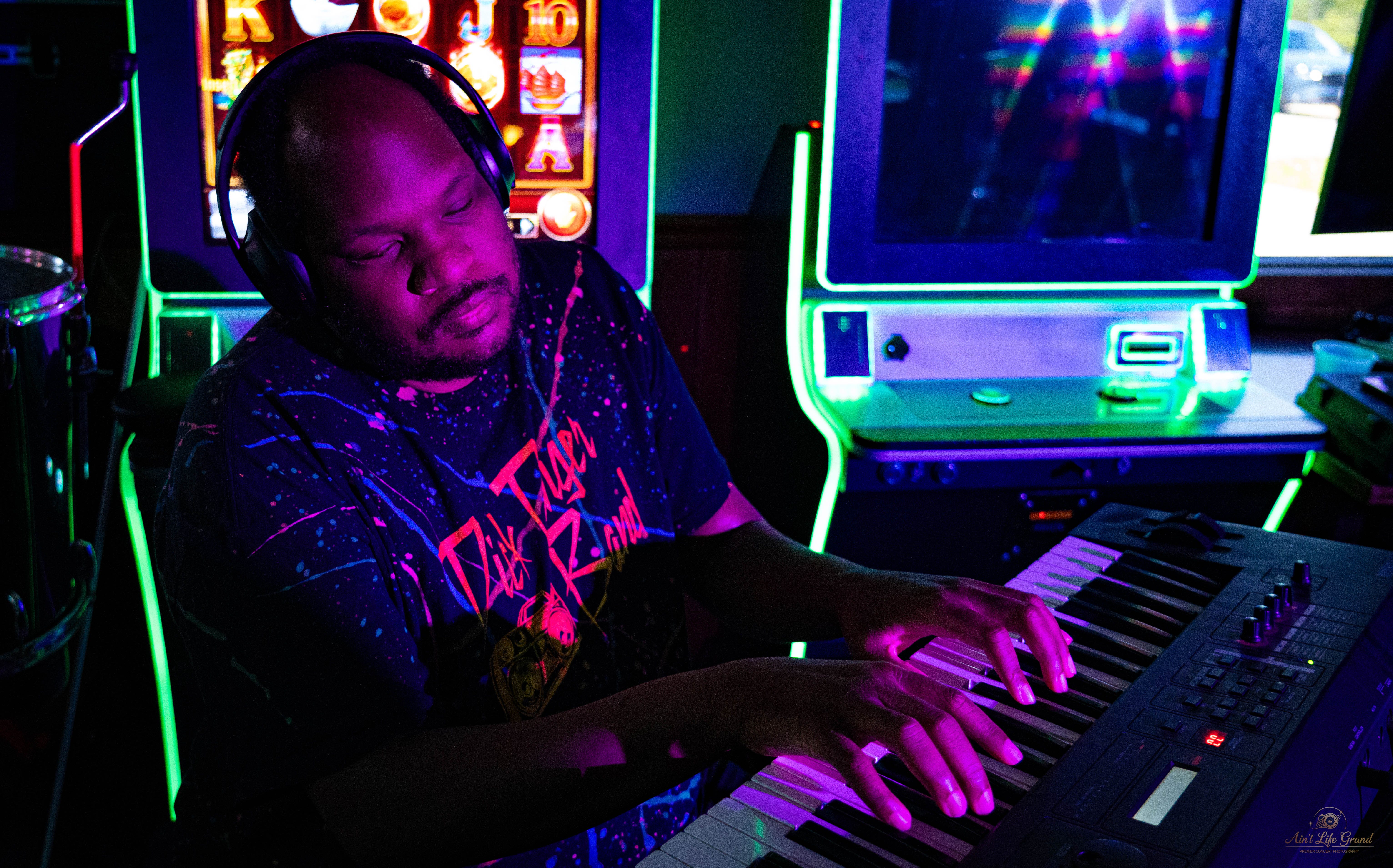
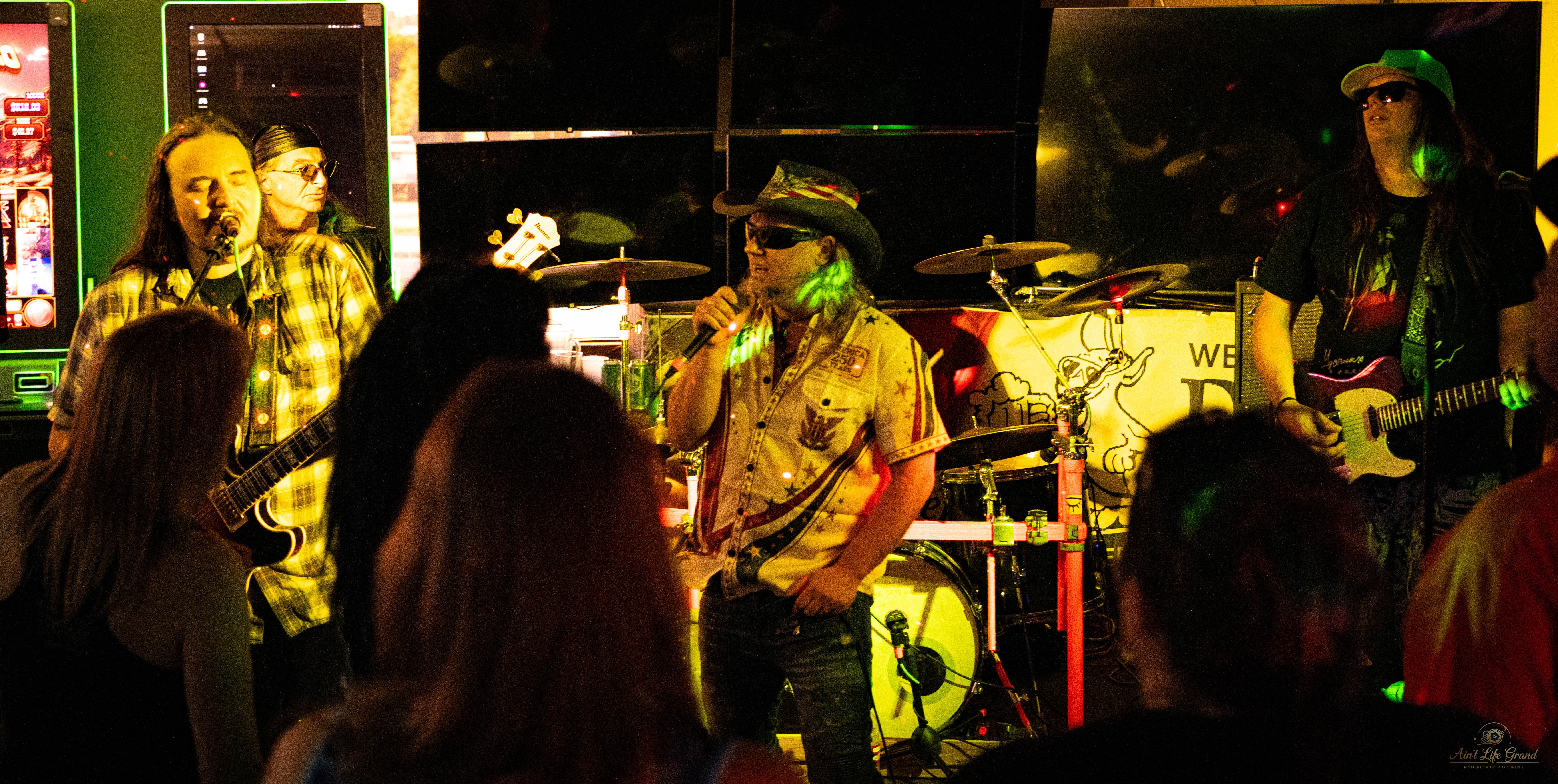
Dick Danger Band opened the afternoon with the loosest hips on the bill.
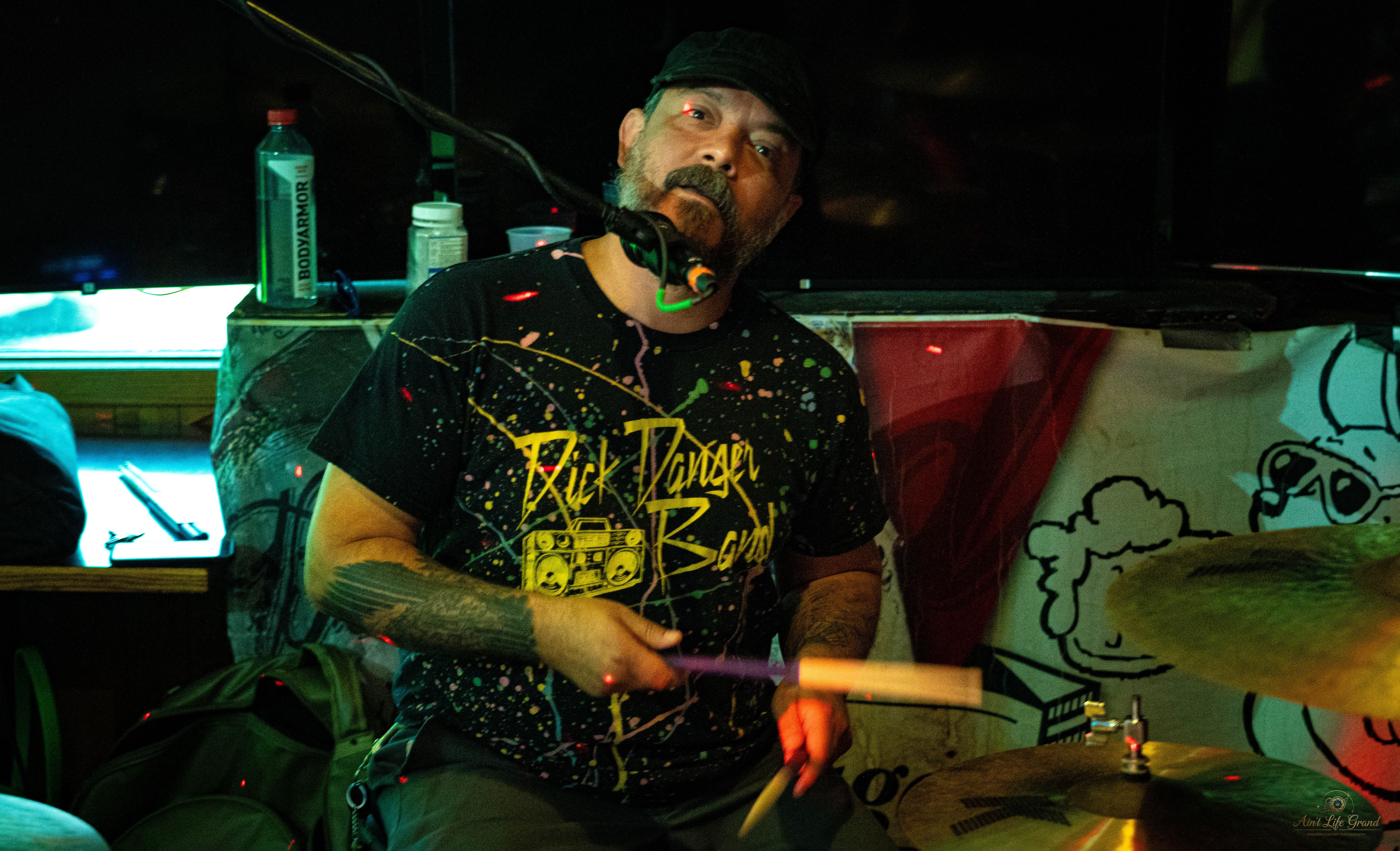
The Des Moines group has been active since 2014, working across Top 40, R&B, funk and soul. Their range can move from Prince and Michael Jackson toward Bruno Mars, Phil Collins and Jimi Hendrix without turning the set into musical channel surfing. The band understands groove well enough to keep those changes connected.
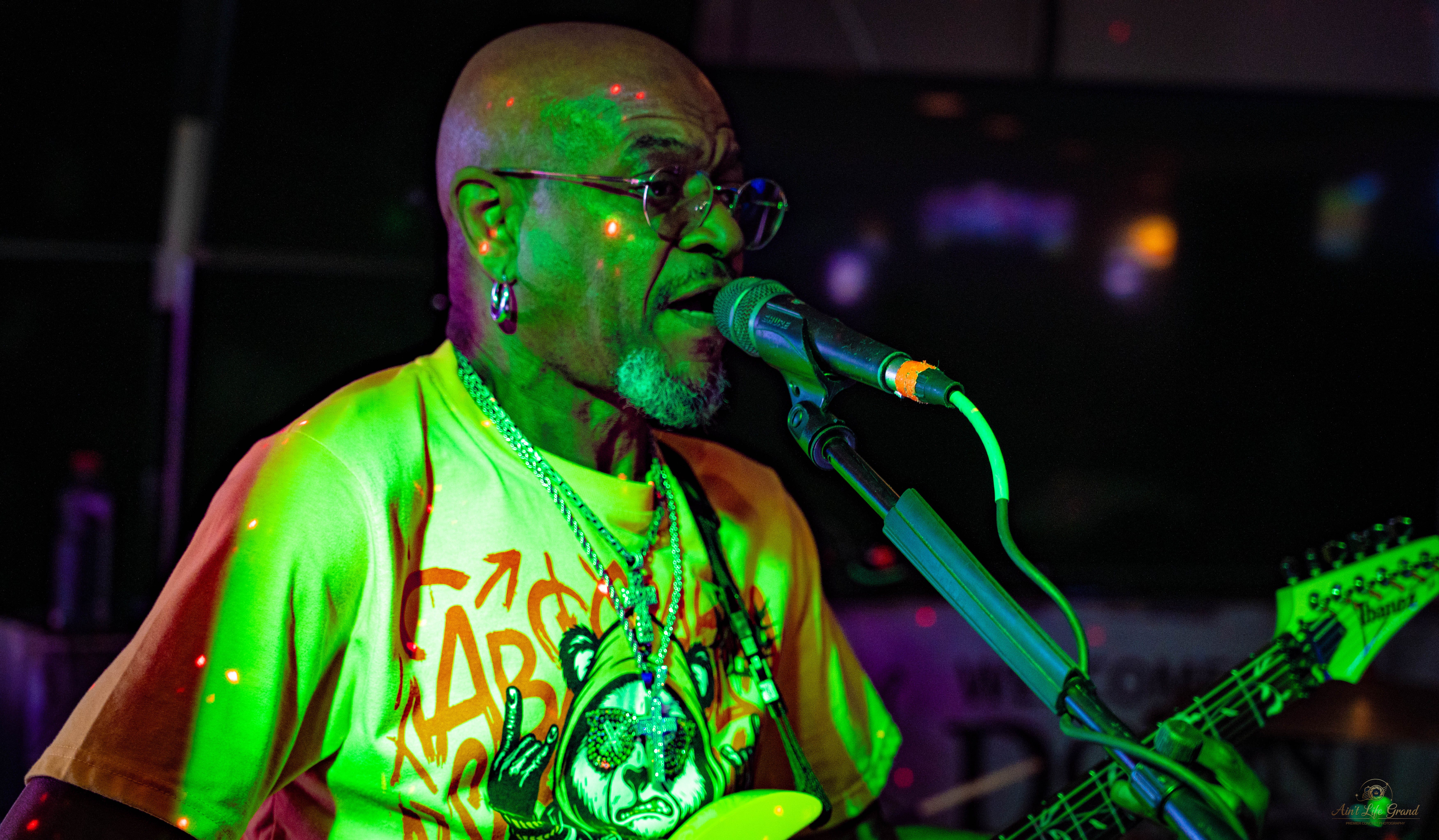
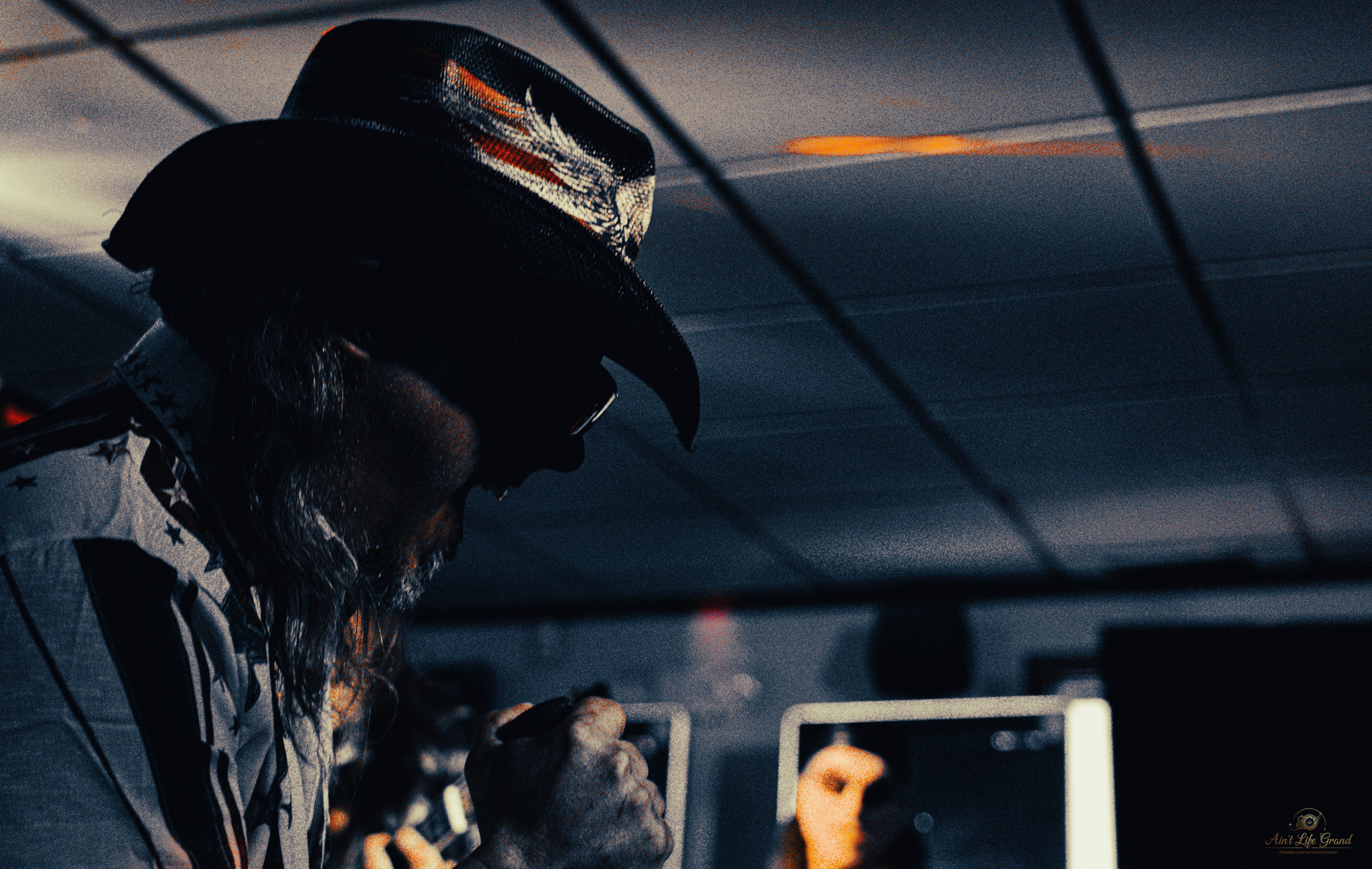
Frontman Richard Lloyd carried his signature Prince-inspired guitar, a visual cue fitting the sound without swallowing it. There is always a risk when a cover band reaches for an artist as recognizable as Prince: the accessories can become more memorable than the playing. Lloyd avoided the trap. The guitar looked the part, but his stage presence did not depend upon posing with it.
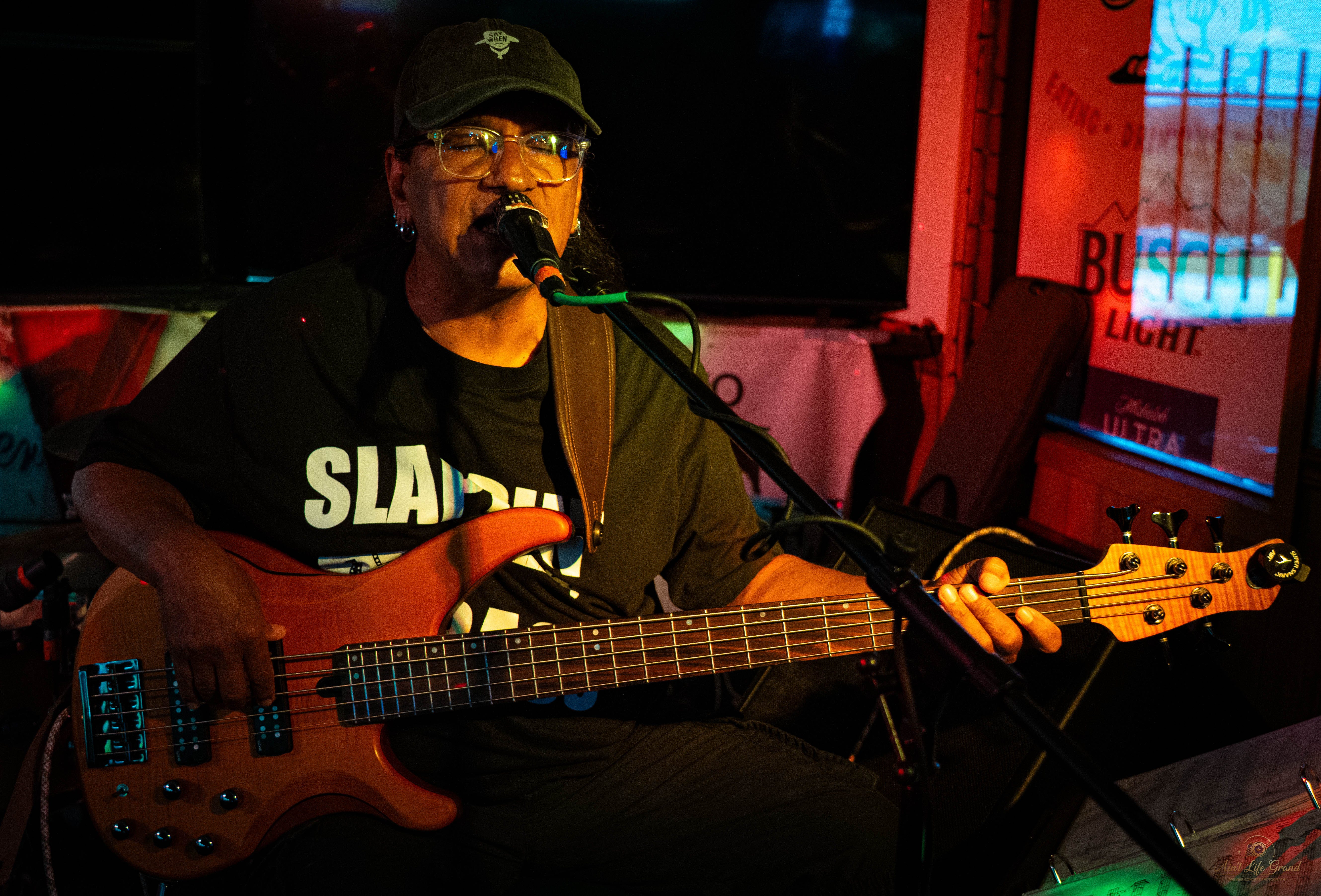
Opening a daylong show asks for restraint. Come out too hard and the room burns through its attention early. Play it too cautiously and people remain planted at their tables, waiting for the “real” event to begin. Dick Danger found the useful middle, giving the early crowd a pulse without treating the first slot like rehearsal.
The set also carried a second celebration. It was Lloyd’s birthday, and at some point the microphone found its way into my hand so the room could wish him a happy one.
I prefer the clipboard.
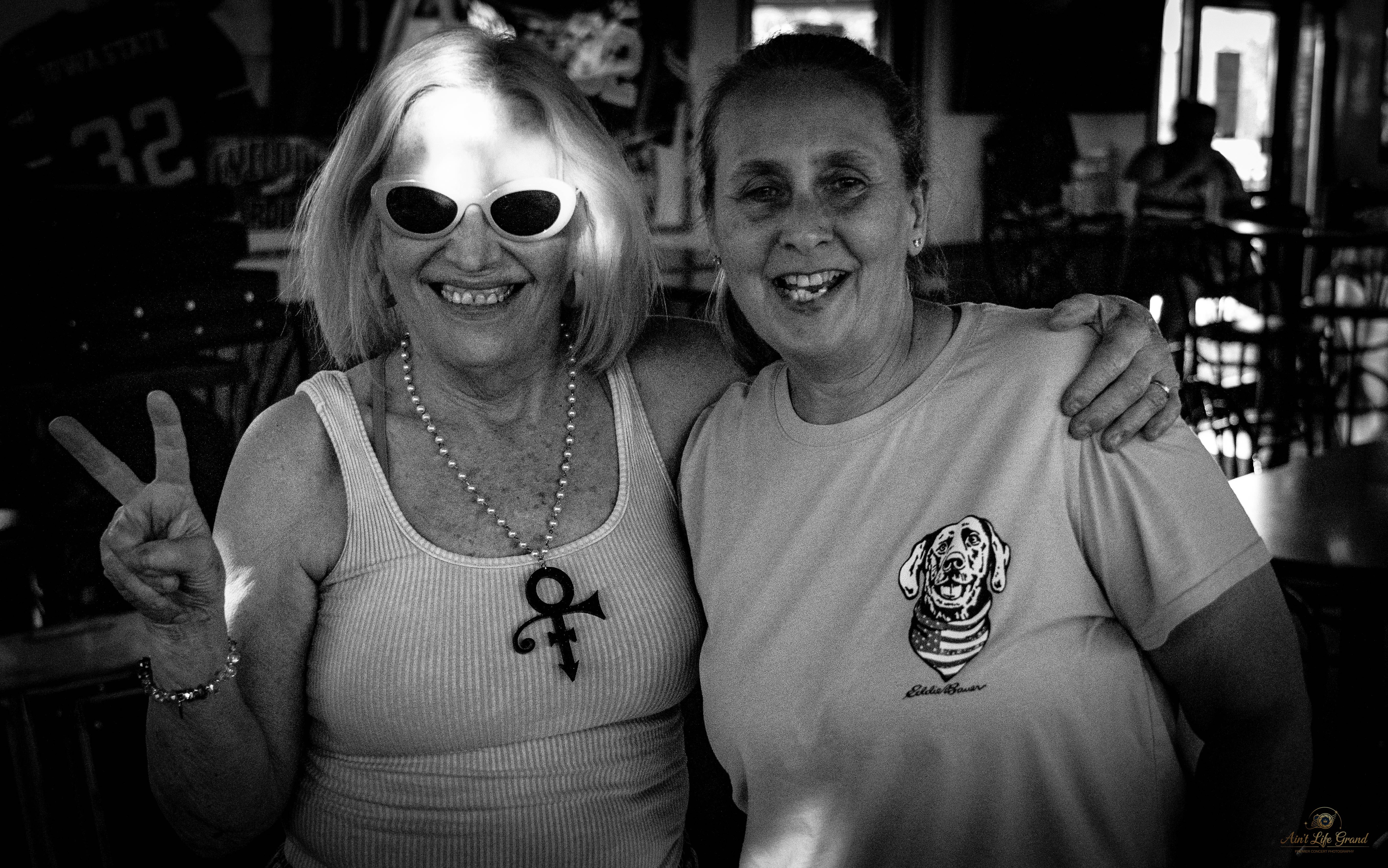
Being behind the scenes means I can watch the schedule, talk with bands and fix problems without becoming part of the show. Walking onstage to explain raffle rules already pushed me outside my normal role. Returning to lead a birthday shoutout pushed a little farther.
The crowd made it painless. Lloyd is a familiar figure around the Des Moines scene, and the response came without coaxing. For a few minutes, an ownership anniversary widened to make room for another local musician’s milestone.
Then Reload changed the weight in the room.
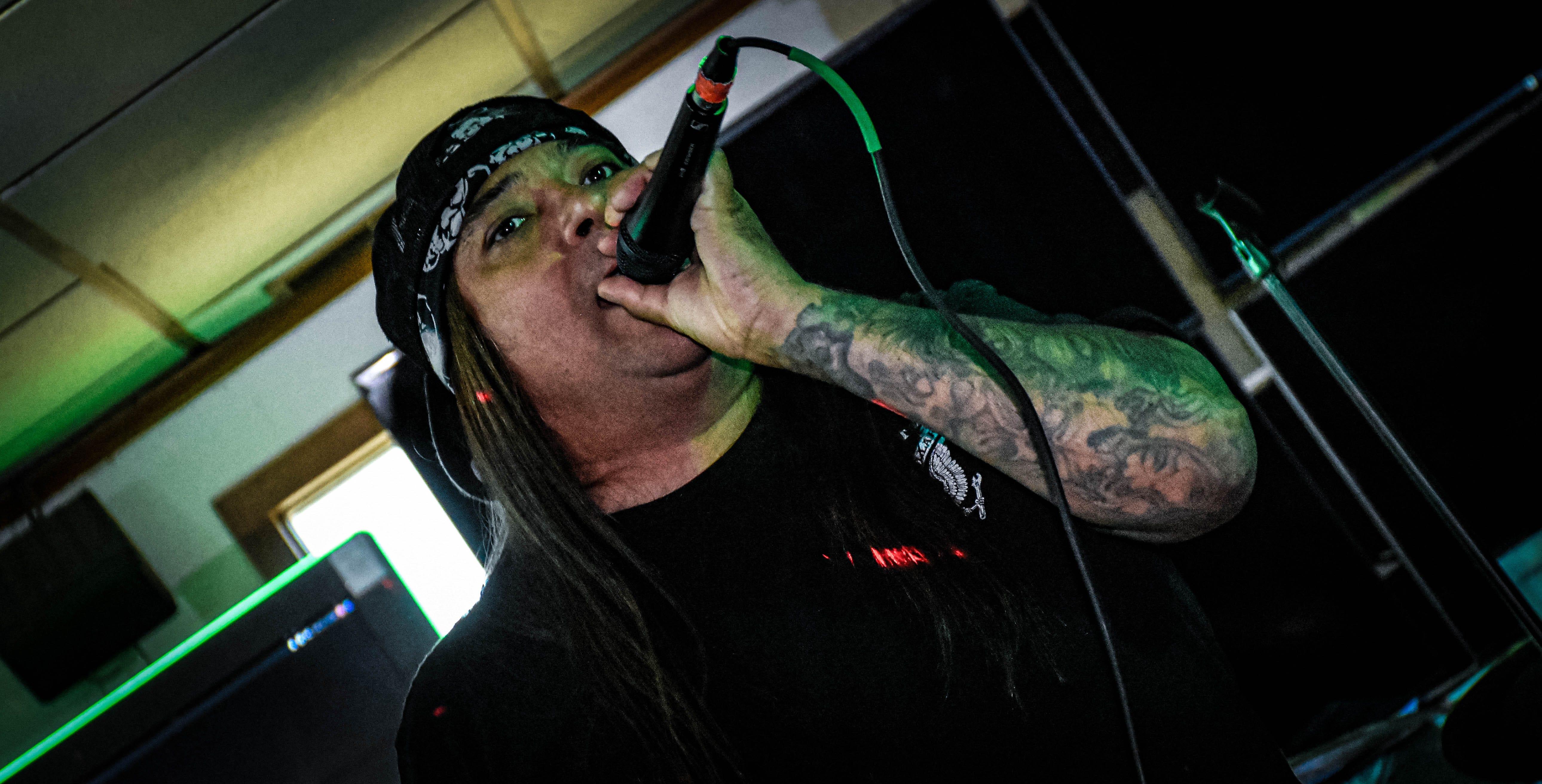
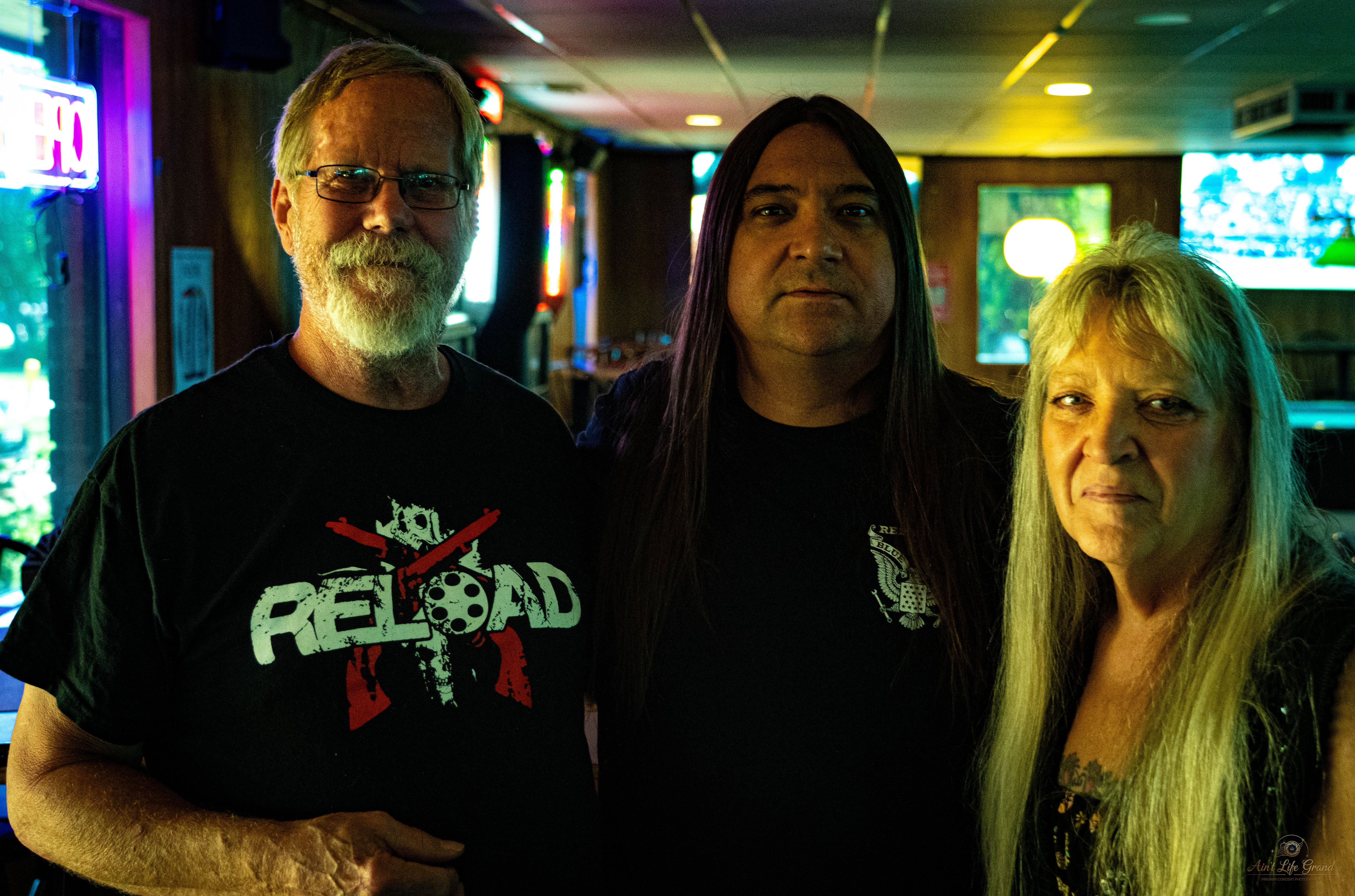
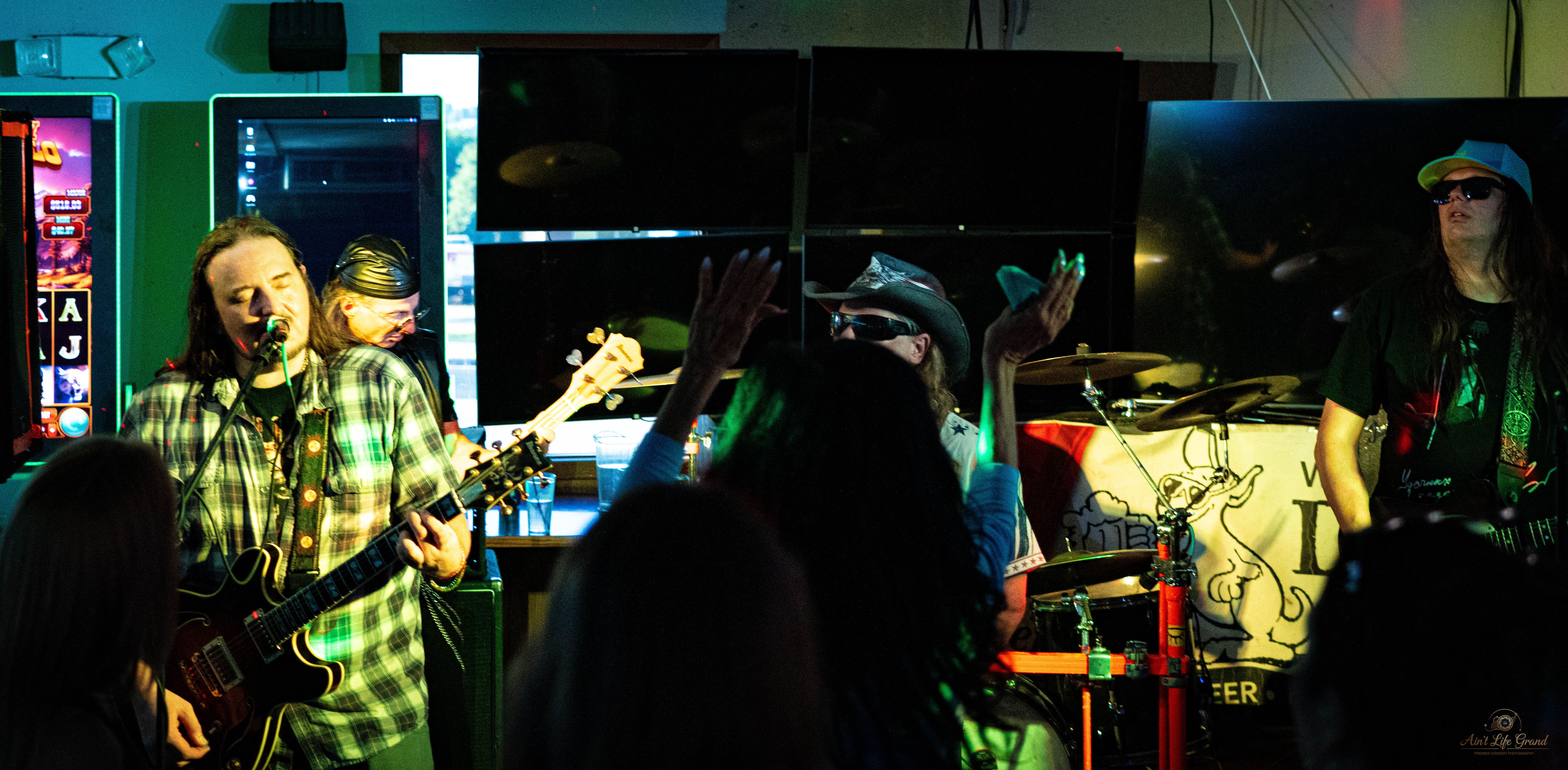
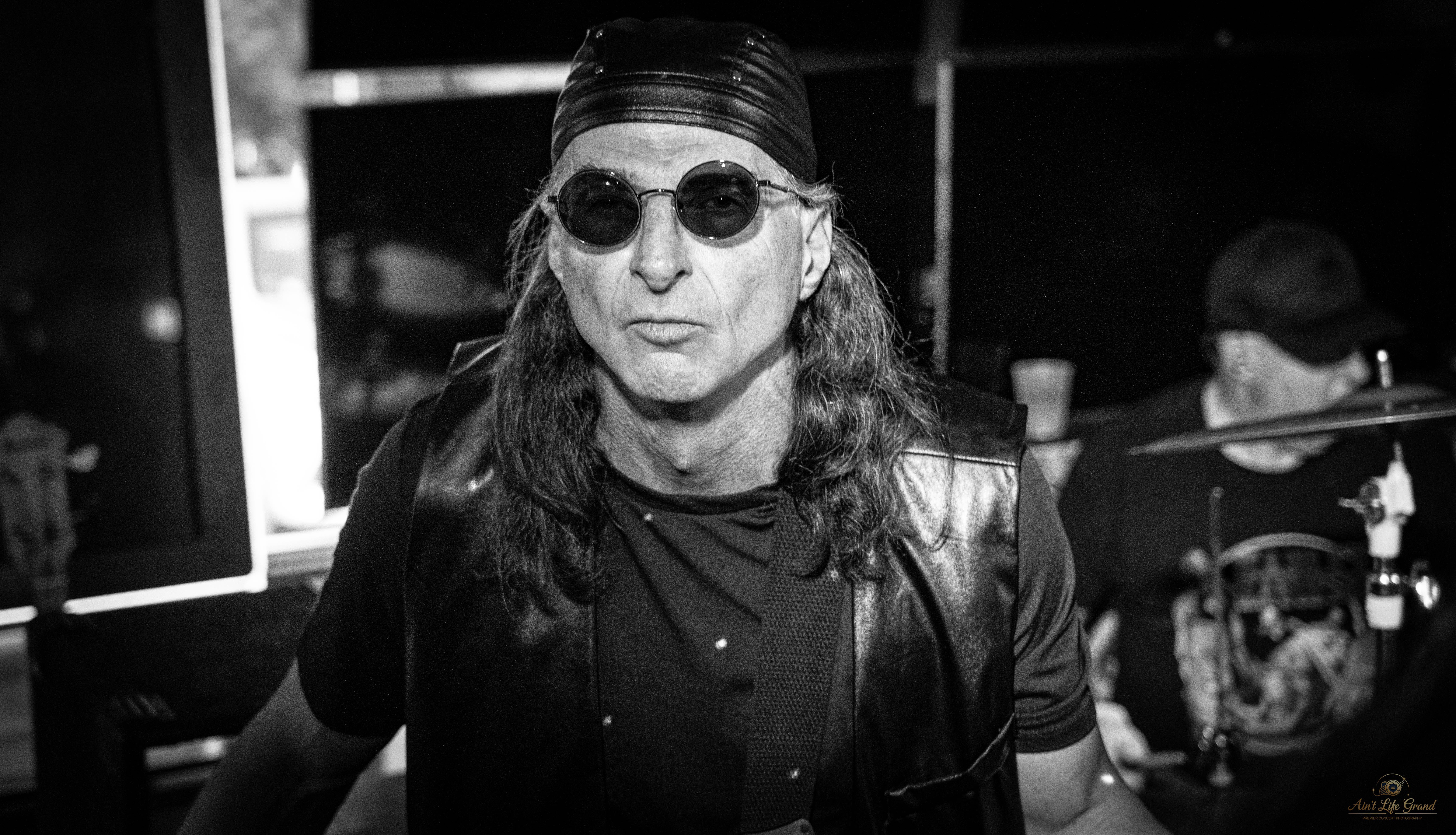
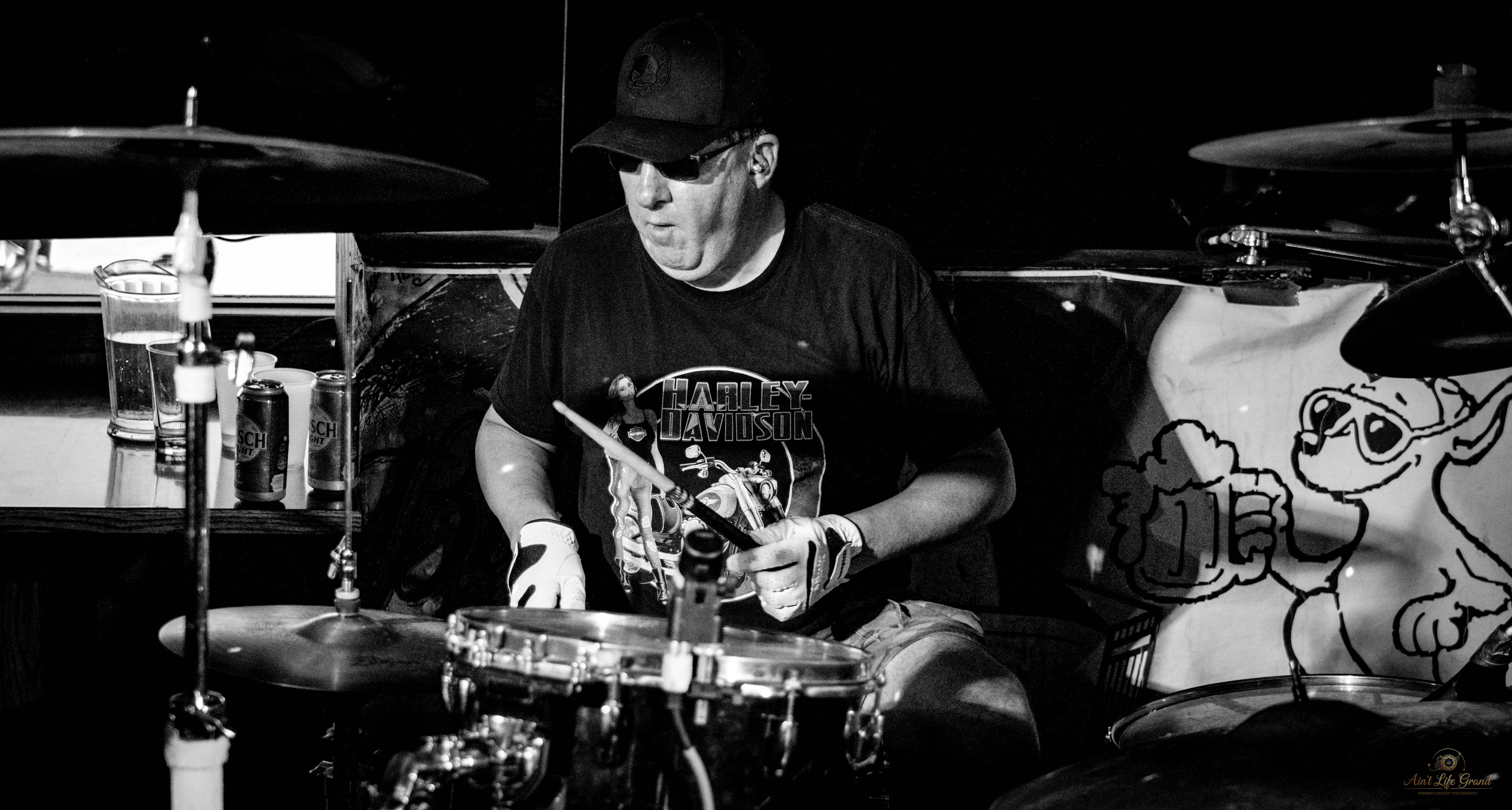
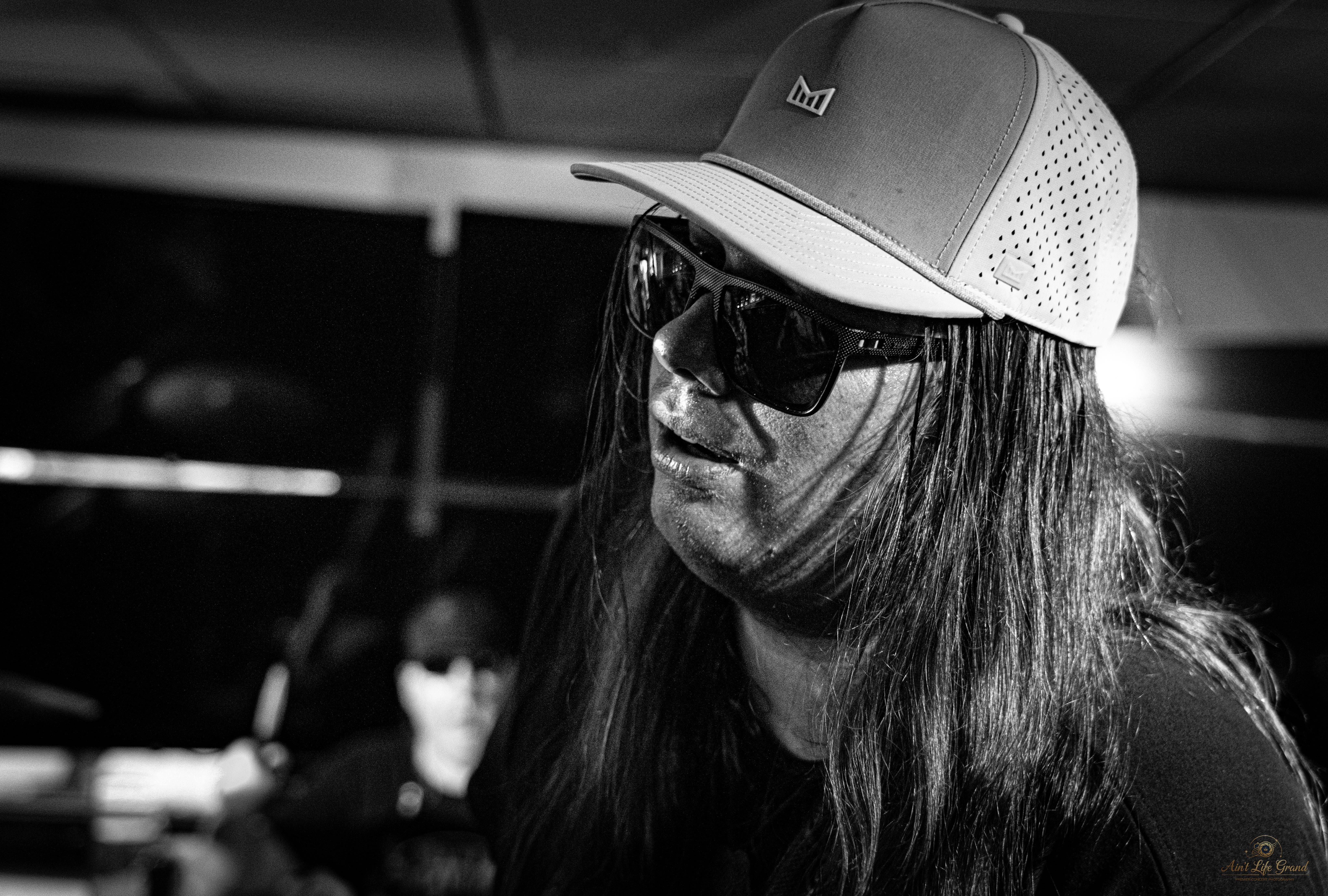
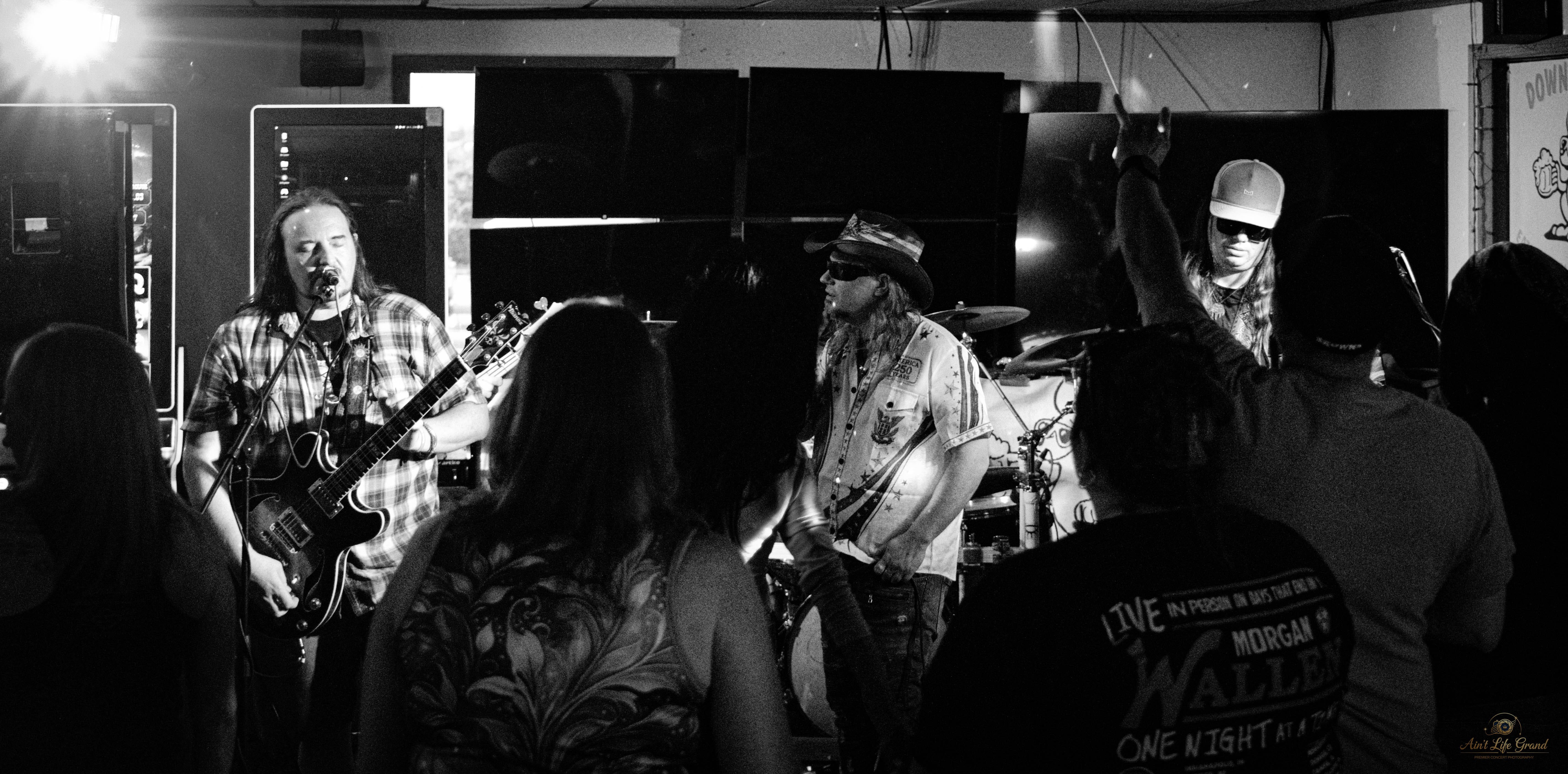
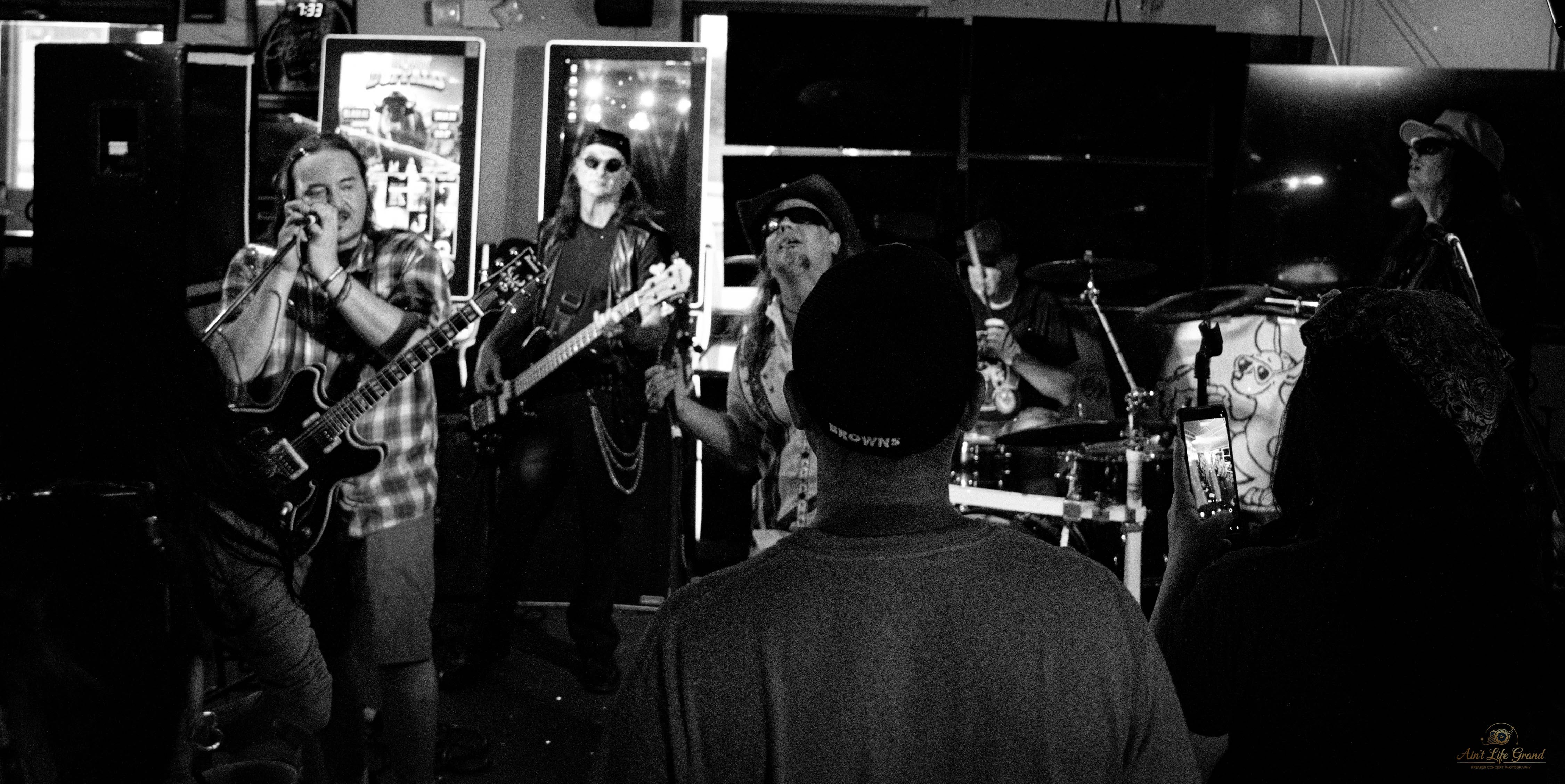
Thirteen years in the Des Moines rock circuit have made the band a reliable presence at bike nights and bars where the audience prefers recognizable songs with the softer edges left off. Reload’s sets pull from the heavier end of the cover-band catalog—Megadeth, Rob Zombie and Billy Idol among them—and the group has built a following willing to show up before the first downbeat.
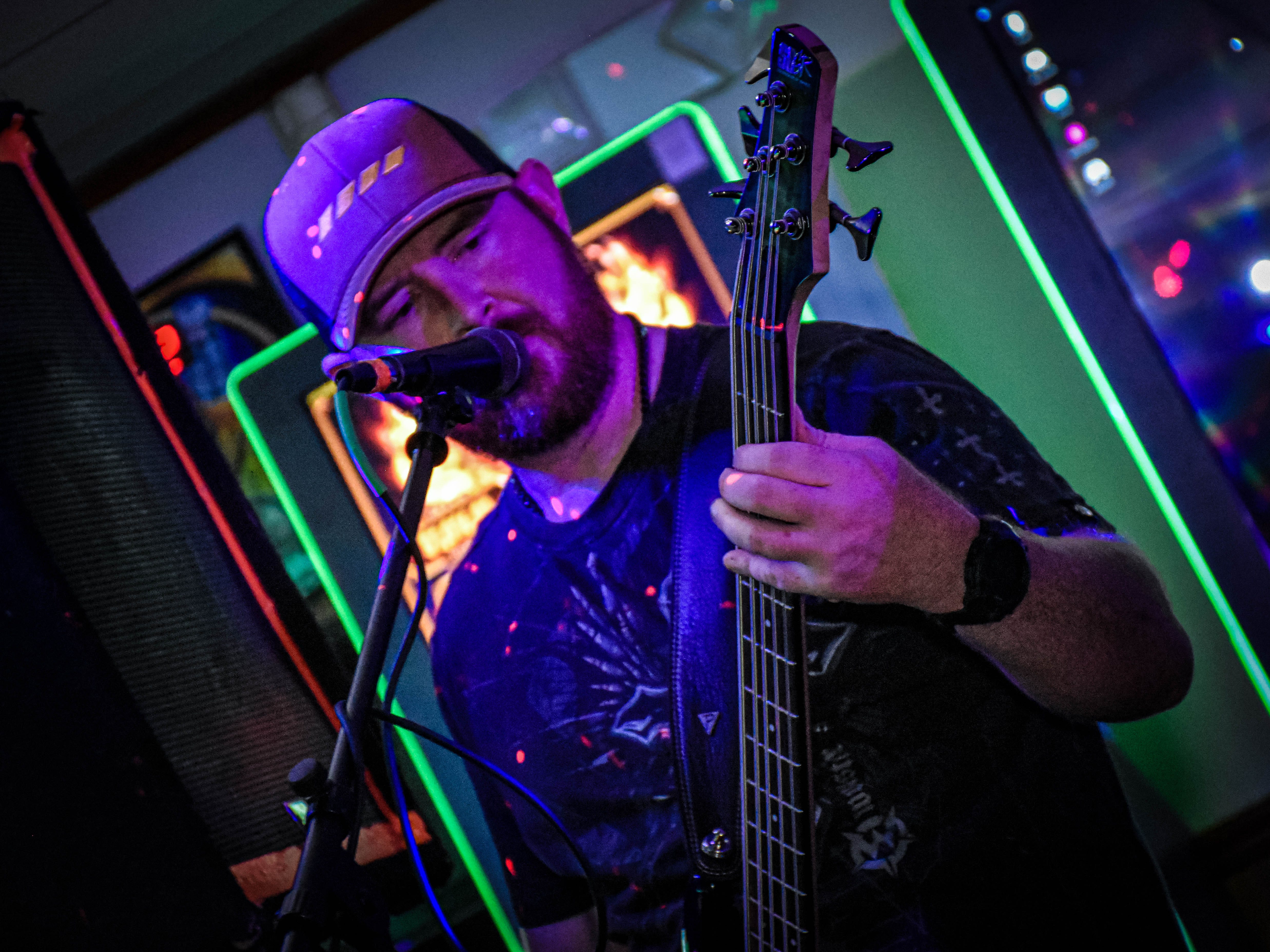
You could see the difference in who moved closer.
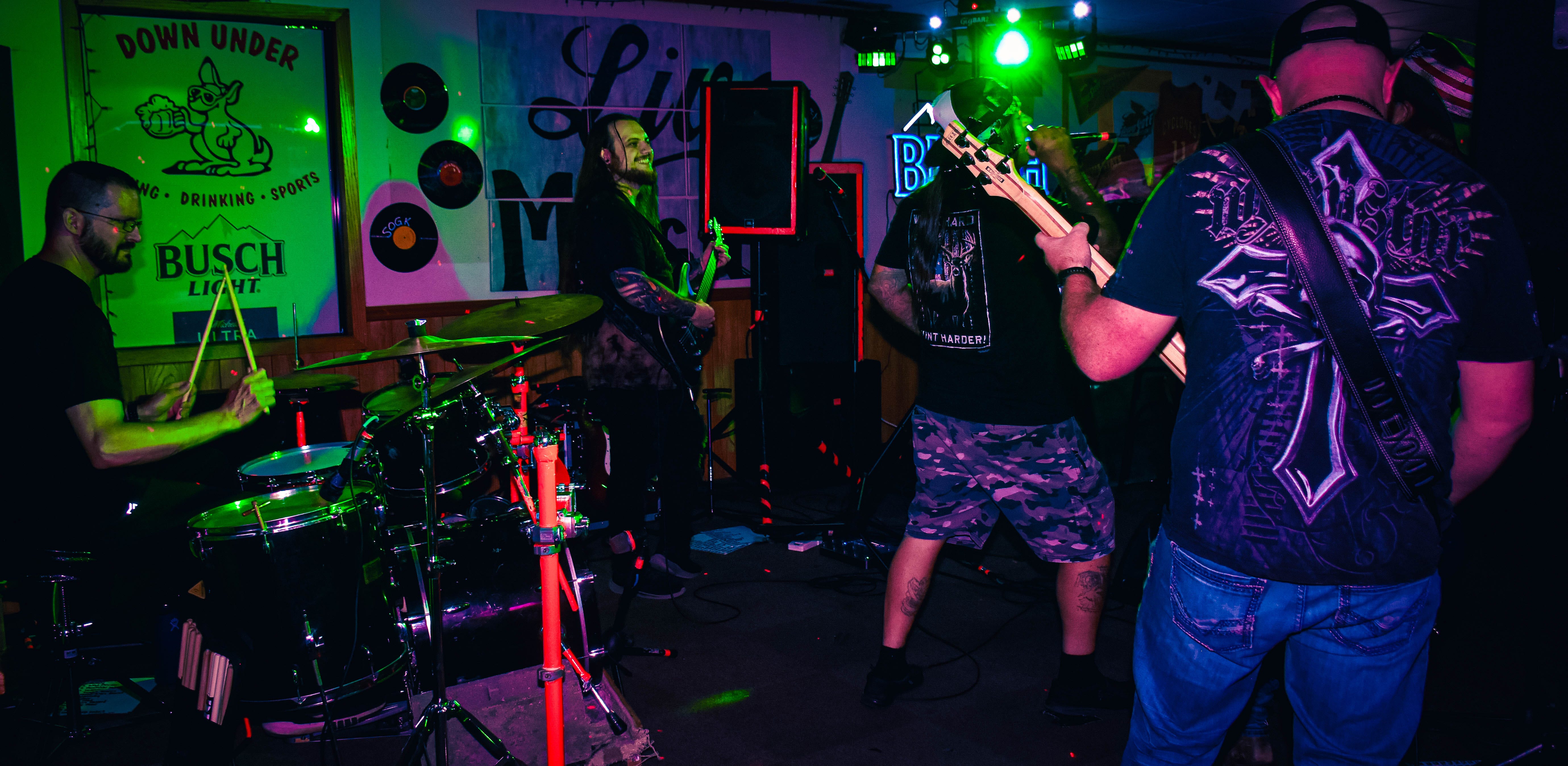
Dick Danger opened with funk, polish and movement. Reload brought a thicker guitar sound and a crowd already acquainted with its habits. Their supporters did not need an introduction to the band or a sales pitch between songs. They knew what was coming and positioned themselves accordingly.
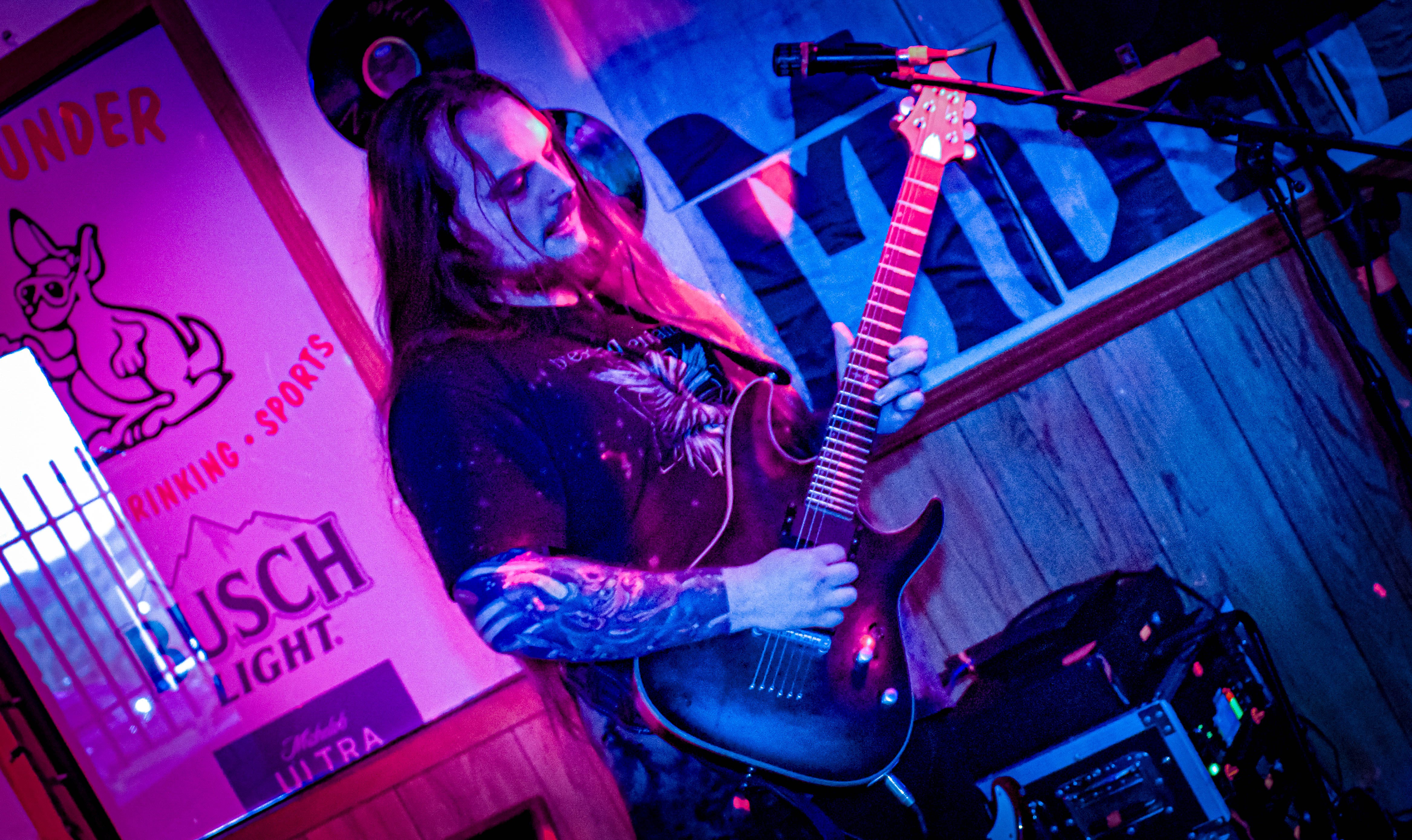
Longevity helped. After thirteen years, Reload knows how to handle a bar stage without treating every moment like an audition. The riffs landed with the blunt force expected from the material, but the set did not become a pileup of familiar hard-rock gestures. There was control beneath the volume.
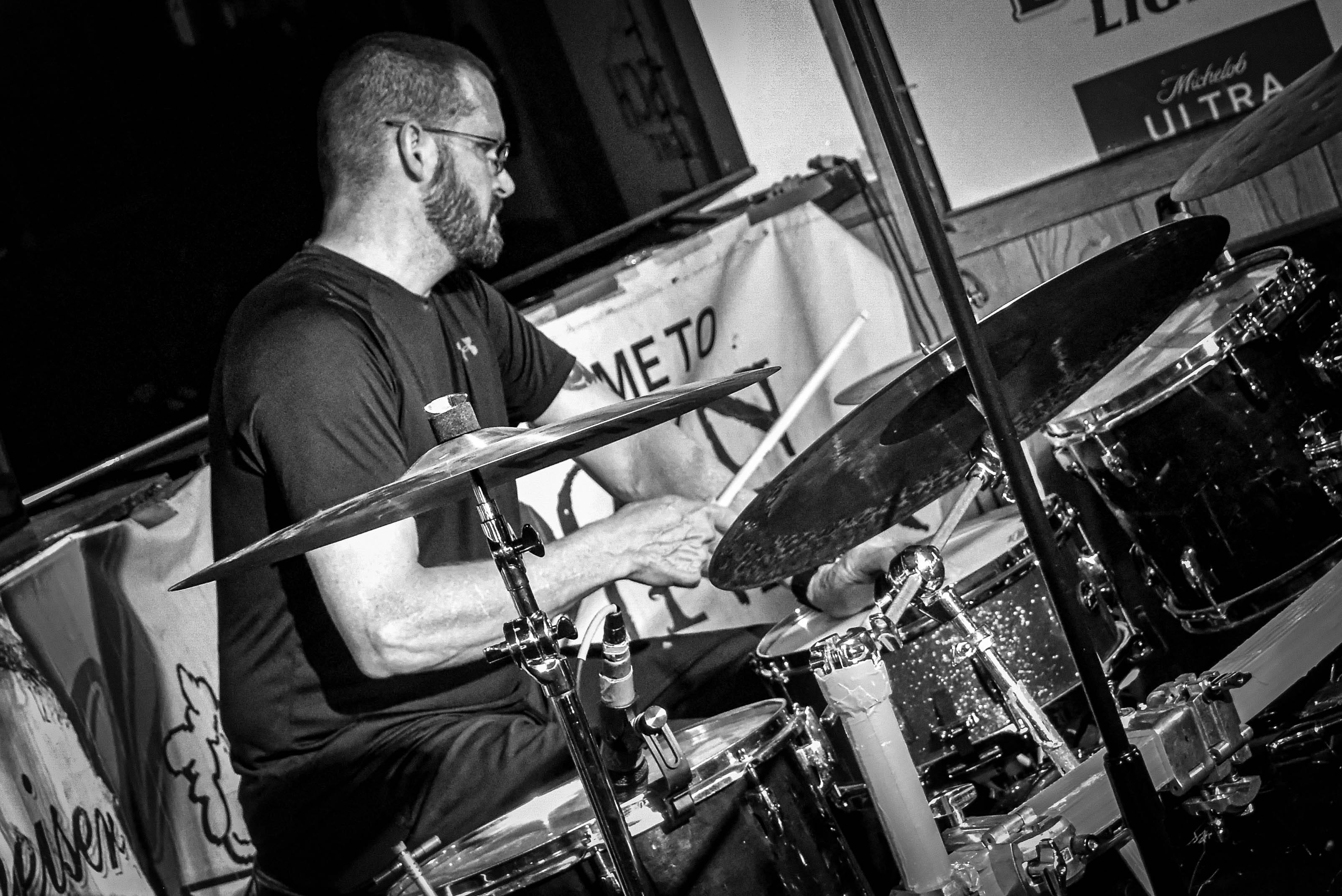
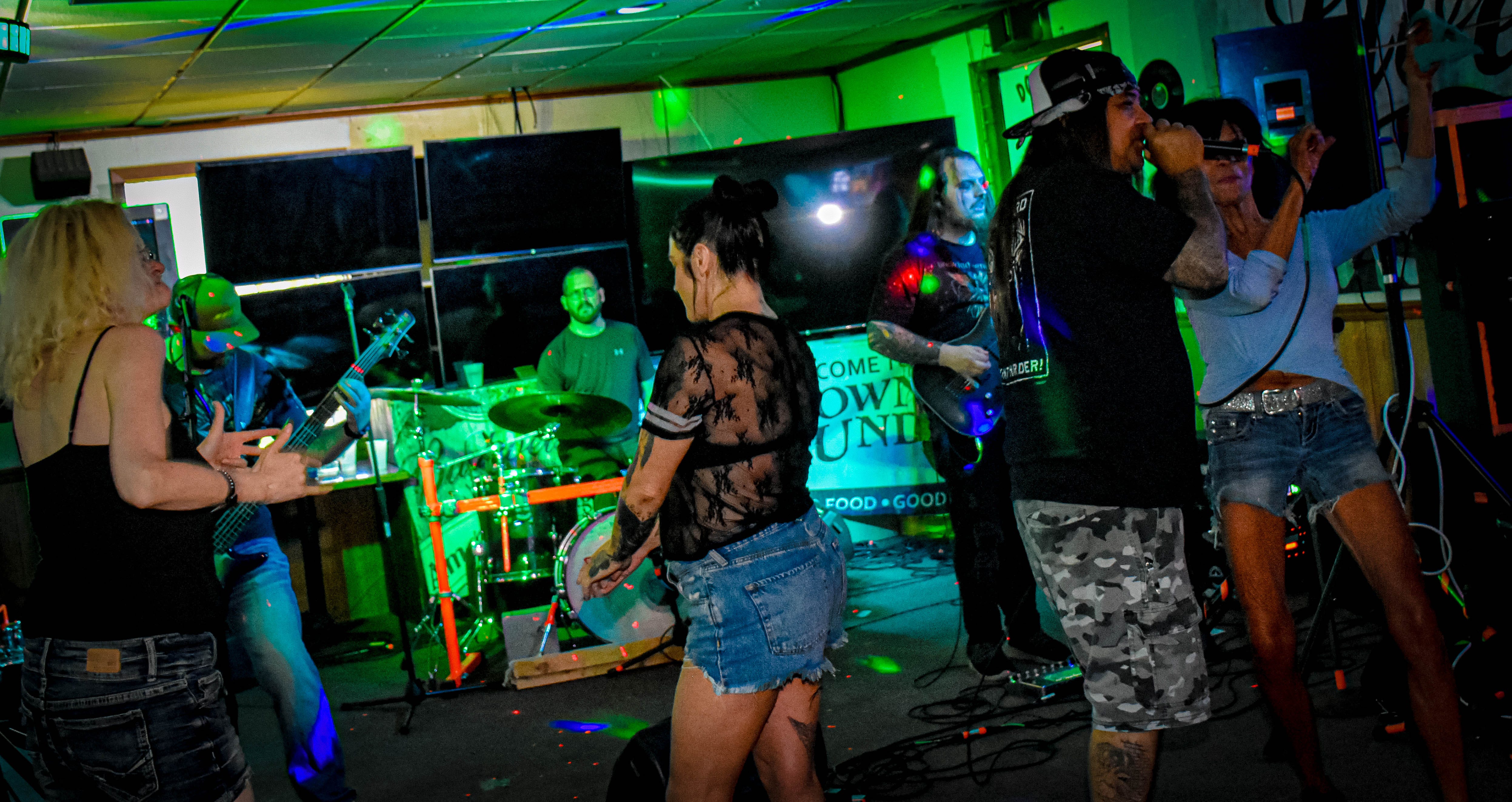
Kelz Bailey covered Reload on special assignment for Ain’t Life Grand Photography, concentrating on the band’s harder visual character while I moved between event coordination, crowd photographs and coverage of the other two acts. A dedicated camera made sense for Reload. Their set offered a different collection of images: tighter postures, heavier guitars and the sweat beginning to show as the day wore on.
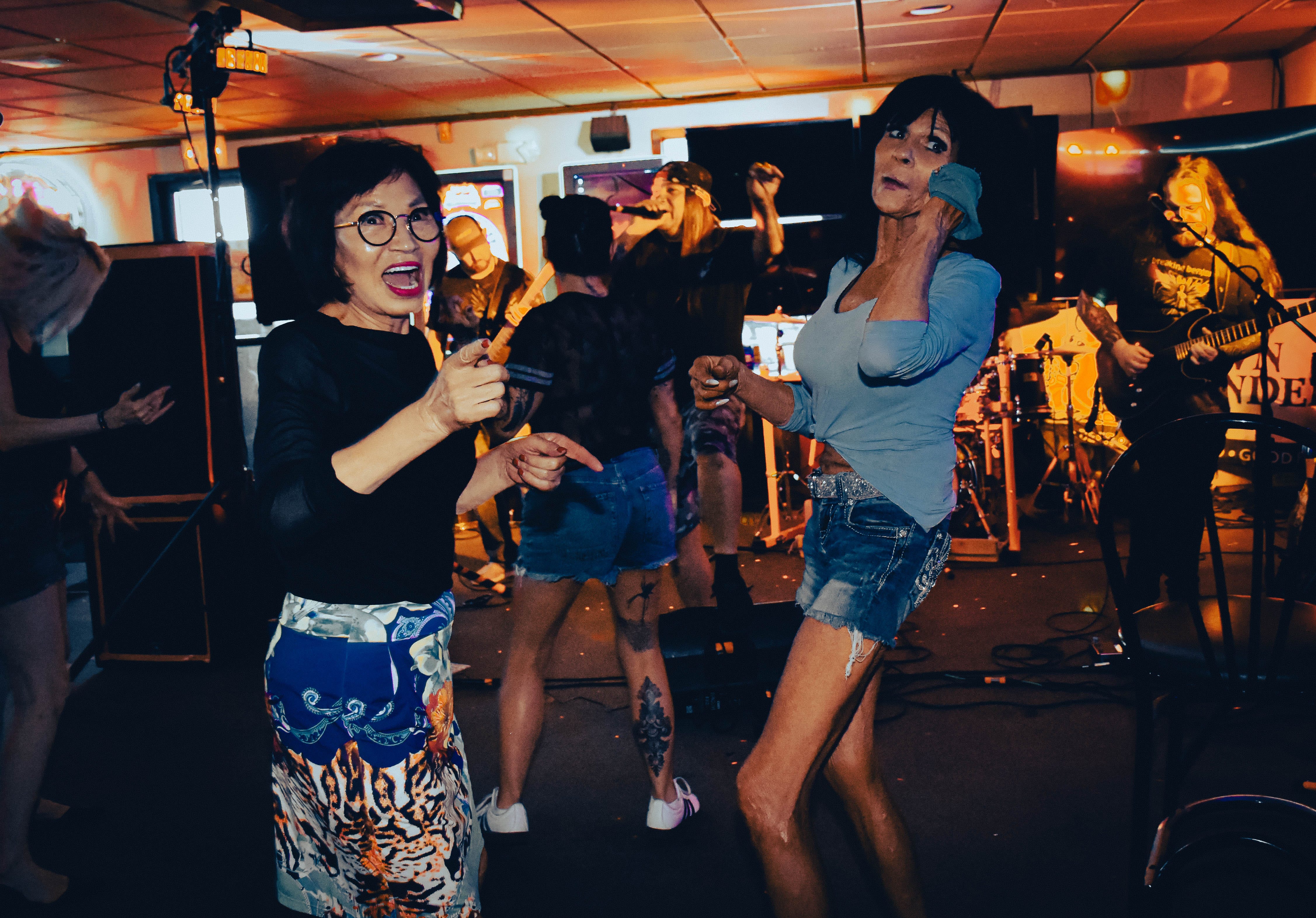
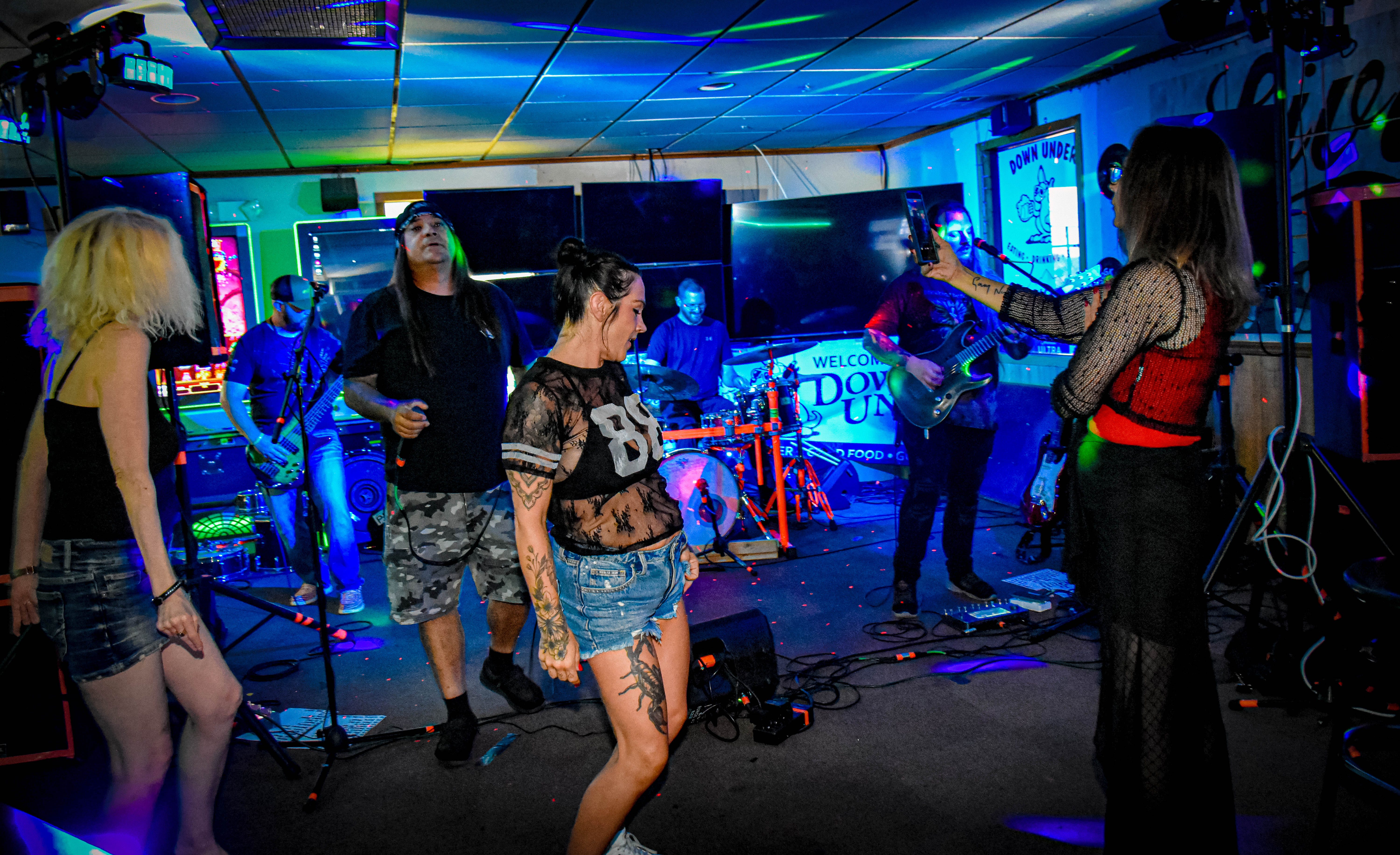
Encore Legends inherited the closing slot and a crowd already several hours into the celebration.
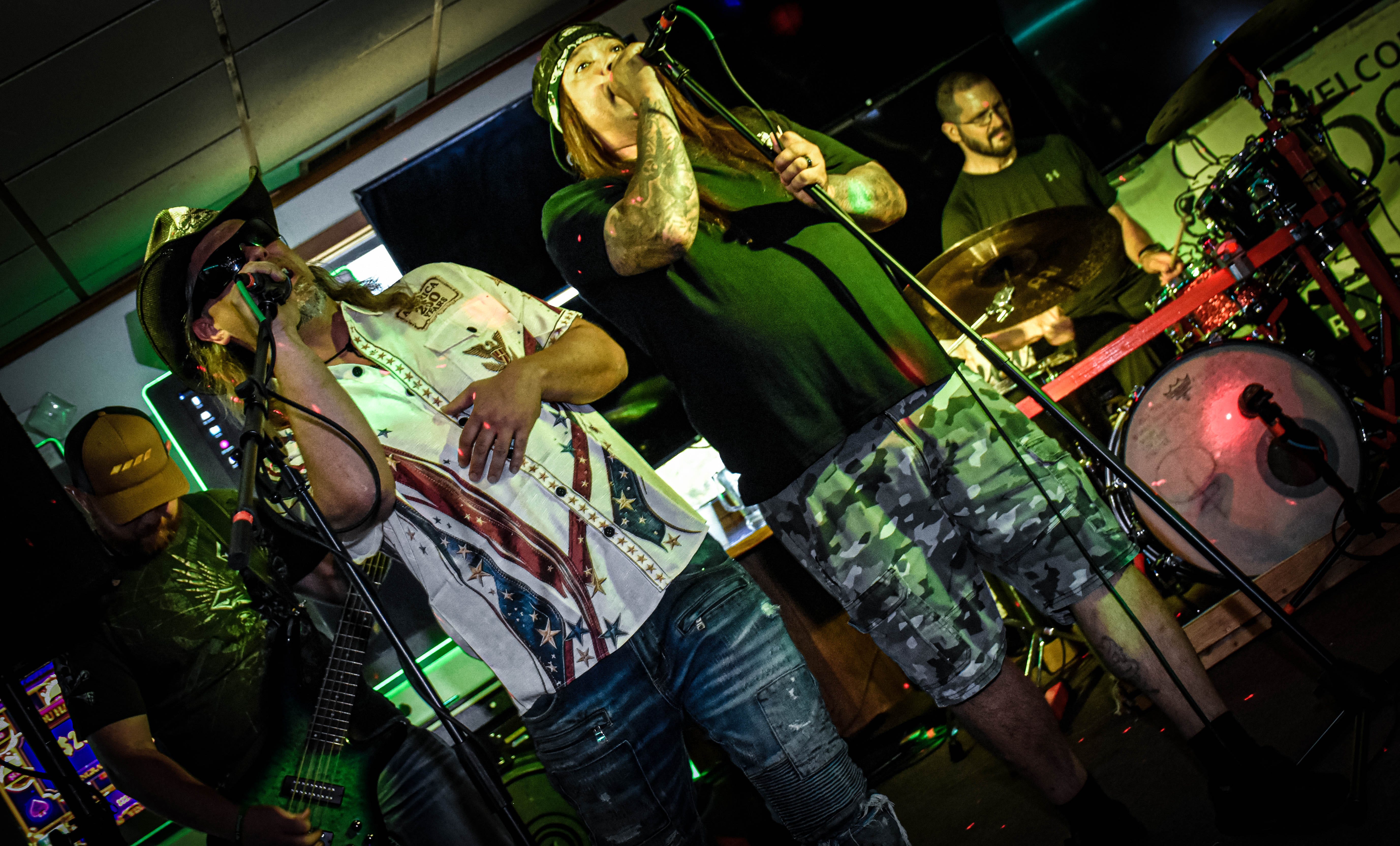
A 2025 Iowa Music Awards nominee, Encore Legends works across rock, country and pop. On paper, the description could belong to dozens of event bands. Their closing set gave it a clearer definition. They chose songs broad enough to keep different parts of the room involved without reducing the performance to background music.
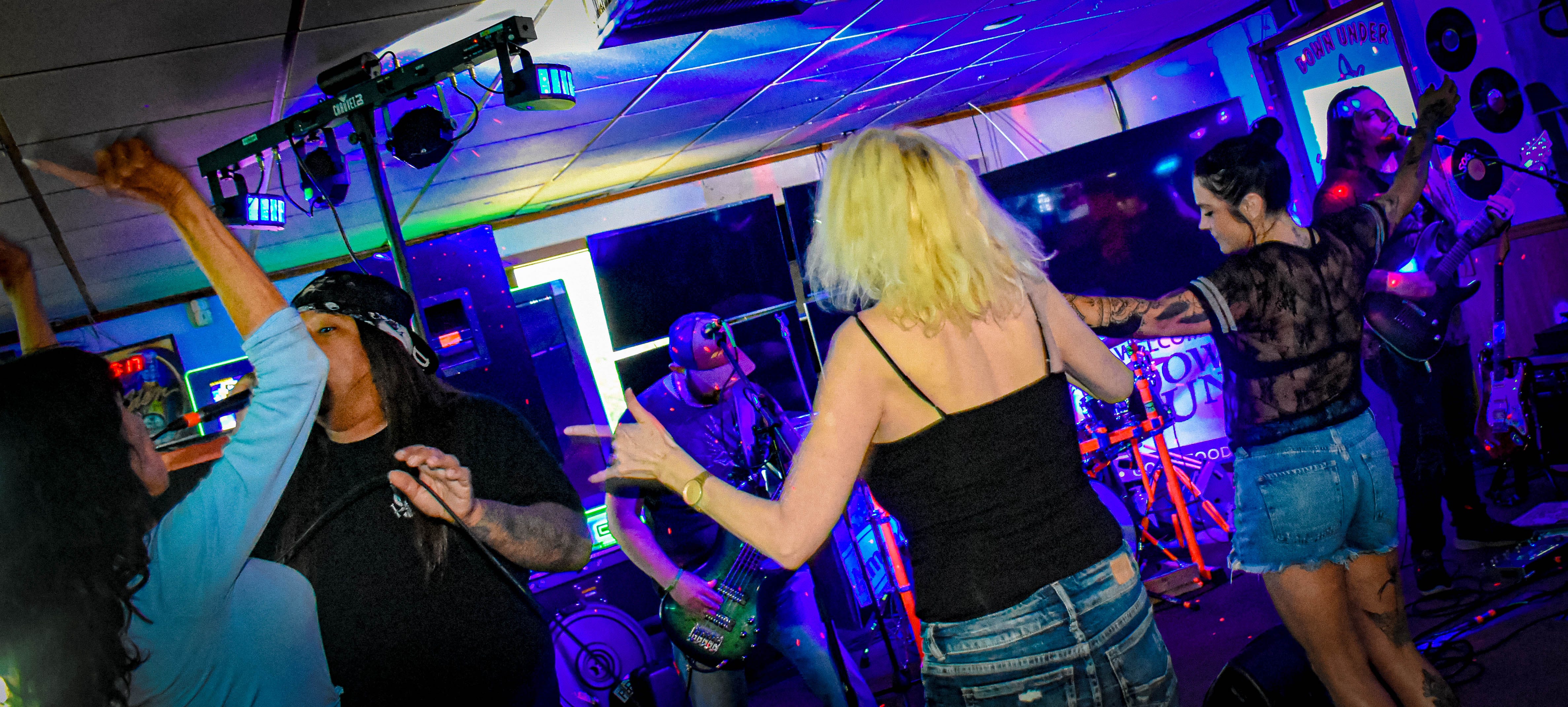
The dance floor stayed occupied.
Closing a long event requires a particular kind of awareness. The band has to read who remains, how much the crowd has left and when a familiar chorus can do more work than another display of technique. Encore Legends played to the hour in front of them. After Dick Danger’s funk and Reload’s harder attack, they opened the set outward, giving the room songs it could dance to and sing without needing to agree on one genre.
Three cover bands on one flyer could have blurred together. They did not. Dick Danger supplied the groove. Reload tightened the fists. Encore Legends kept the final stretch communal and upright.
The work between the songs
Beyond Media Entertainment helped host and coordinate the celebration, which meant the day was never limited to standing near the stage and watching bands play.
Schedules drift. People need answers. Raffle rules have to be explained clearly enough to prevent six different interpretations from developing around the bar. Photographers need to know which set they are responsible for. Musicians arrive with gear, questions and timelines of their own.
When those pieces are handled properly, few people notice them.
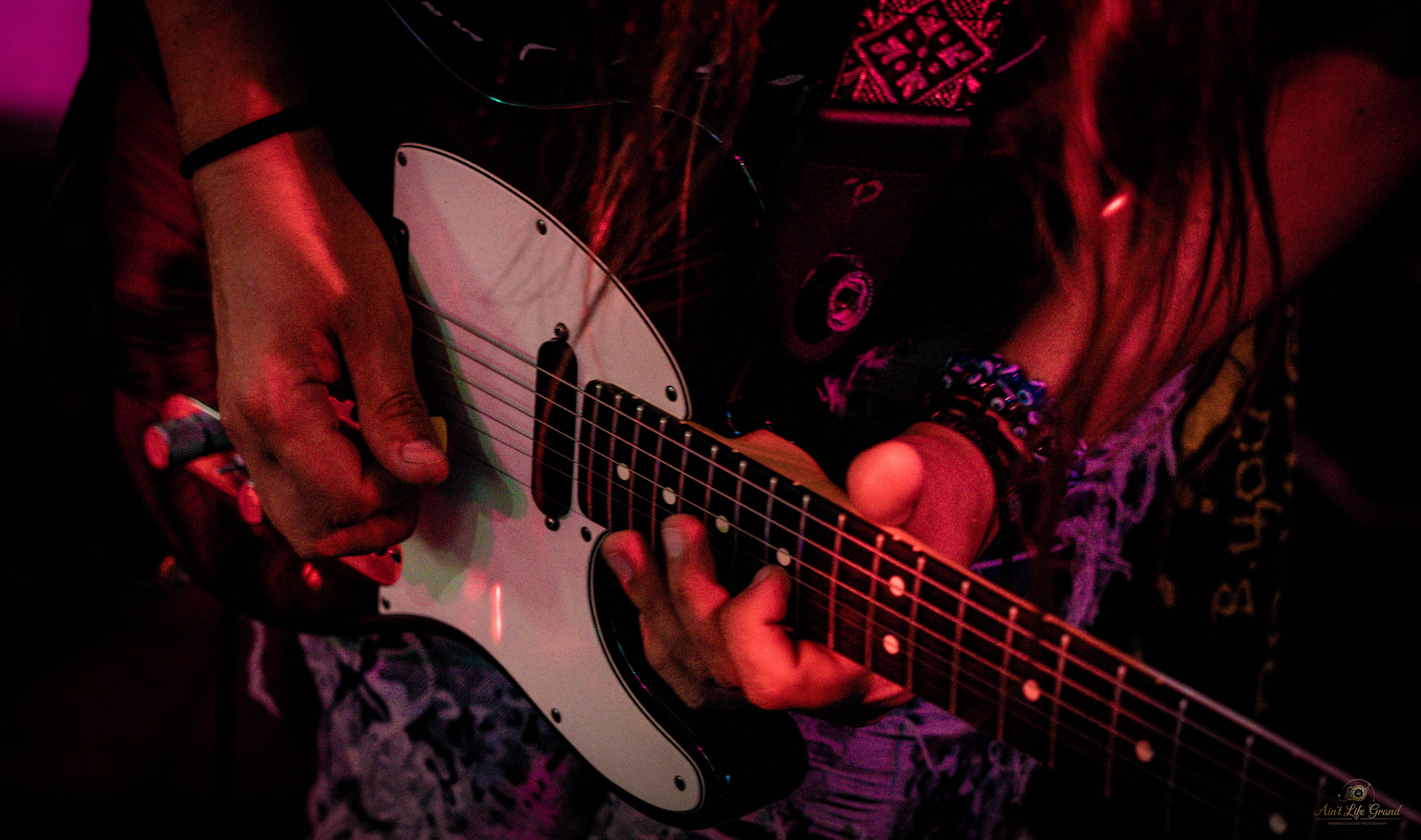
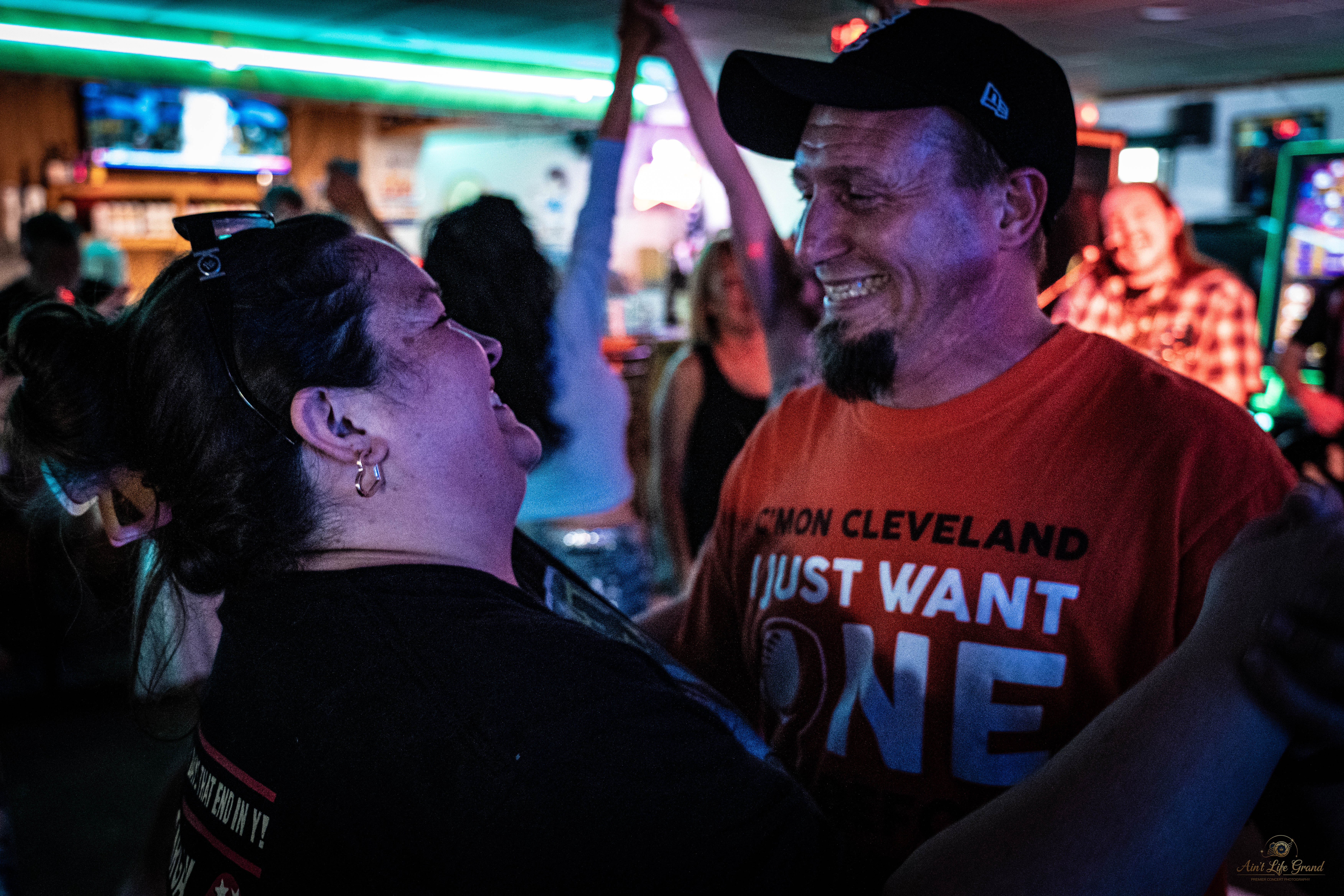
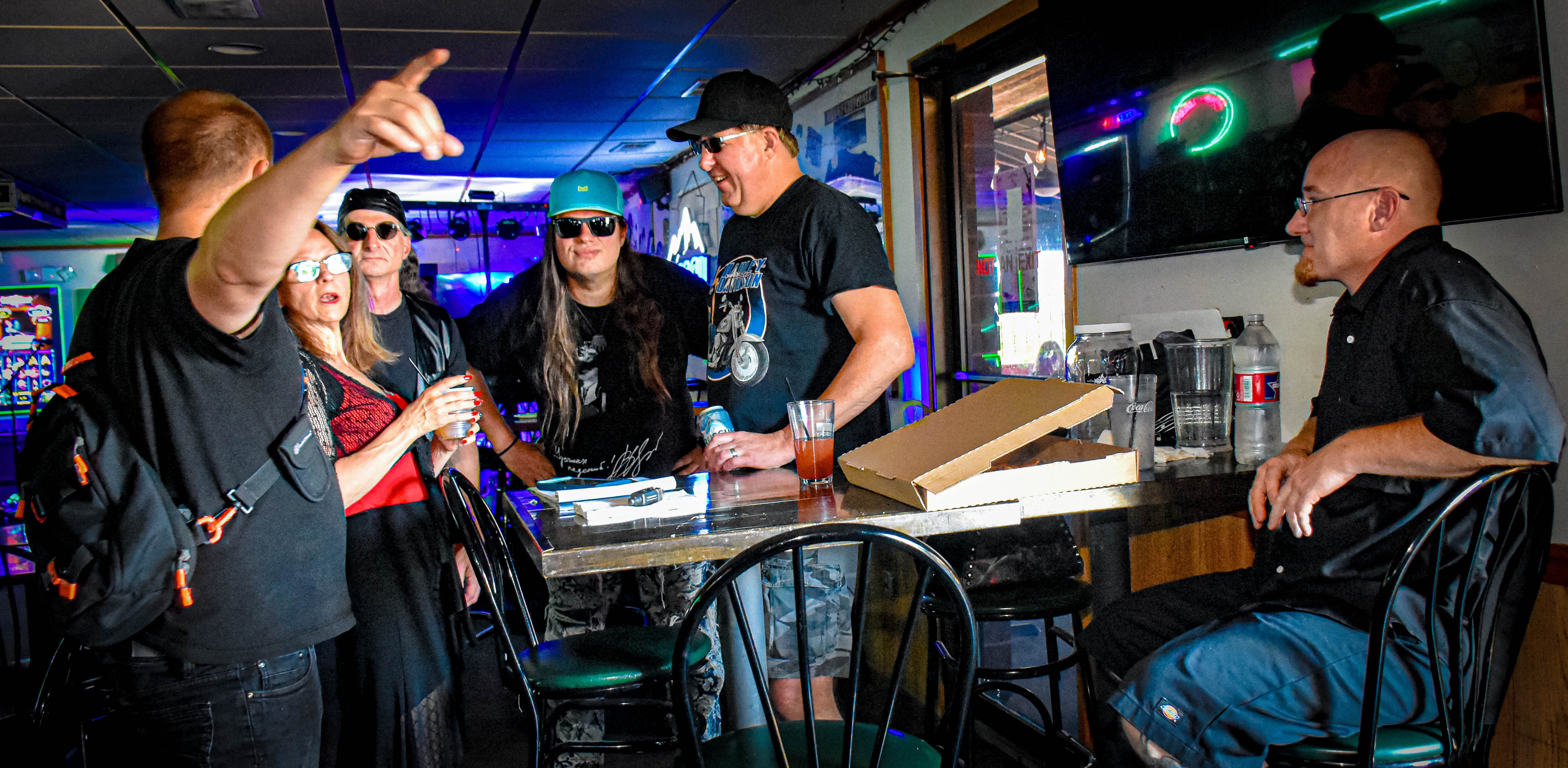
I spent much of the day in that unseen part of the event, managing transitions while watching for photographs between tasks. Dick Danger and Encore Legends fell under my performance coverage, but I also focused on the wider frames: the crowd at the tables, people reacting beyond the edge of the stage and the details showing Down Under as a place instead of an interchangeable black background.
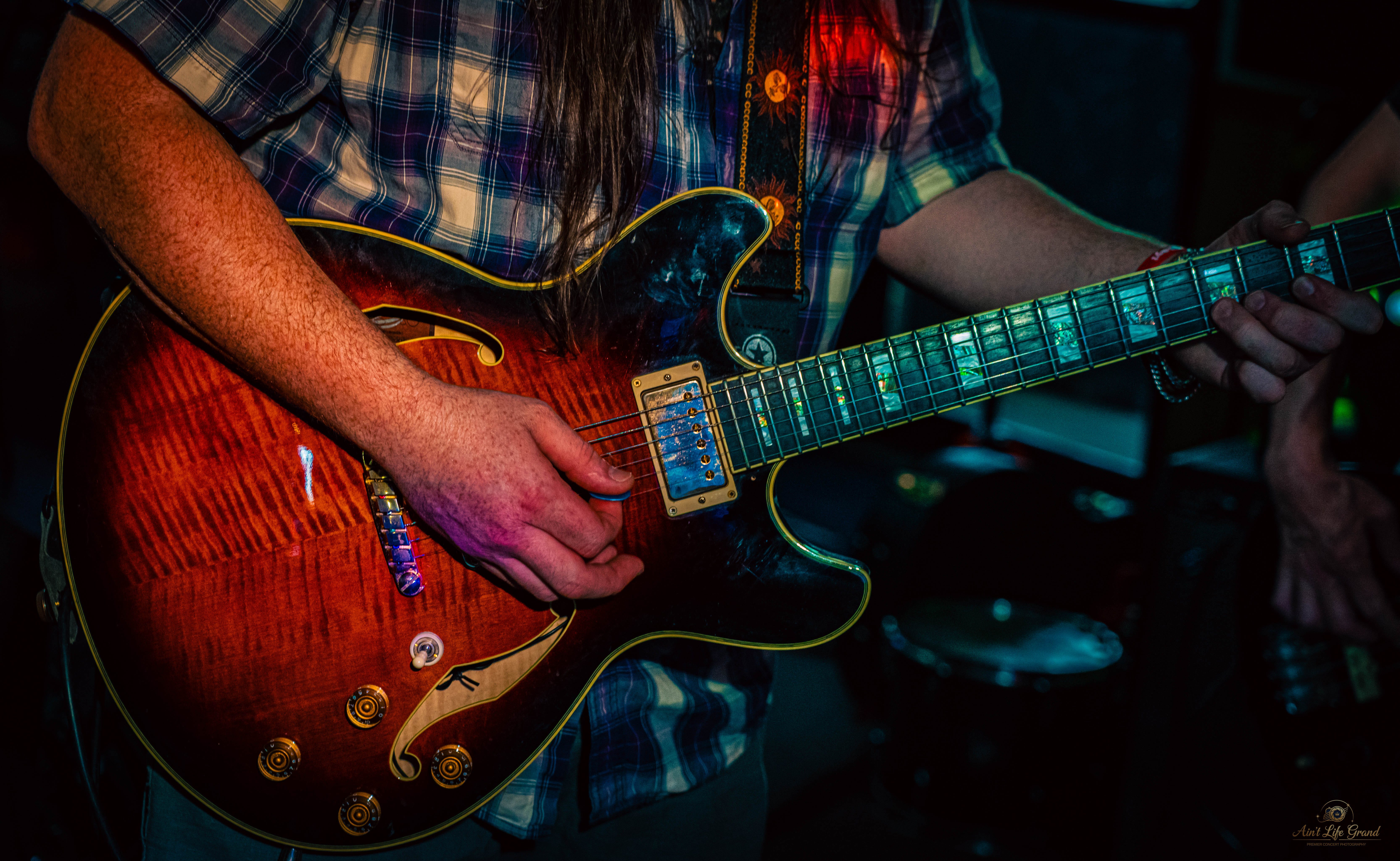
Close-ups preserve the concentration in a musician’s face. Wider photographs preserve who came to see it.
The camera also gave me somewhere comfortable to retreat after my appearances with the microphone. I could move along the floor, catch the candid exchanges and return to the role I know best—close to the activity without asking it to revolve around me.
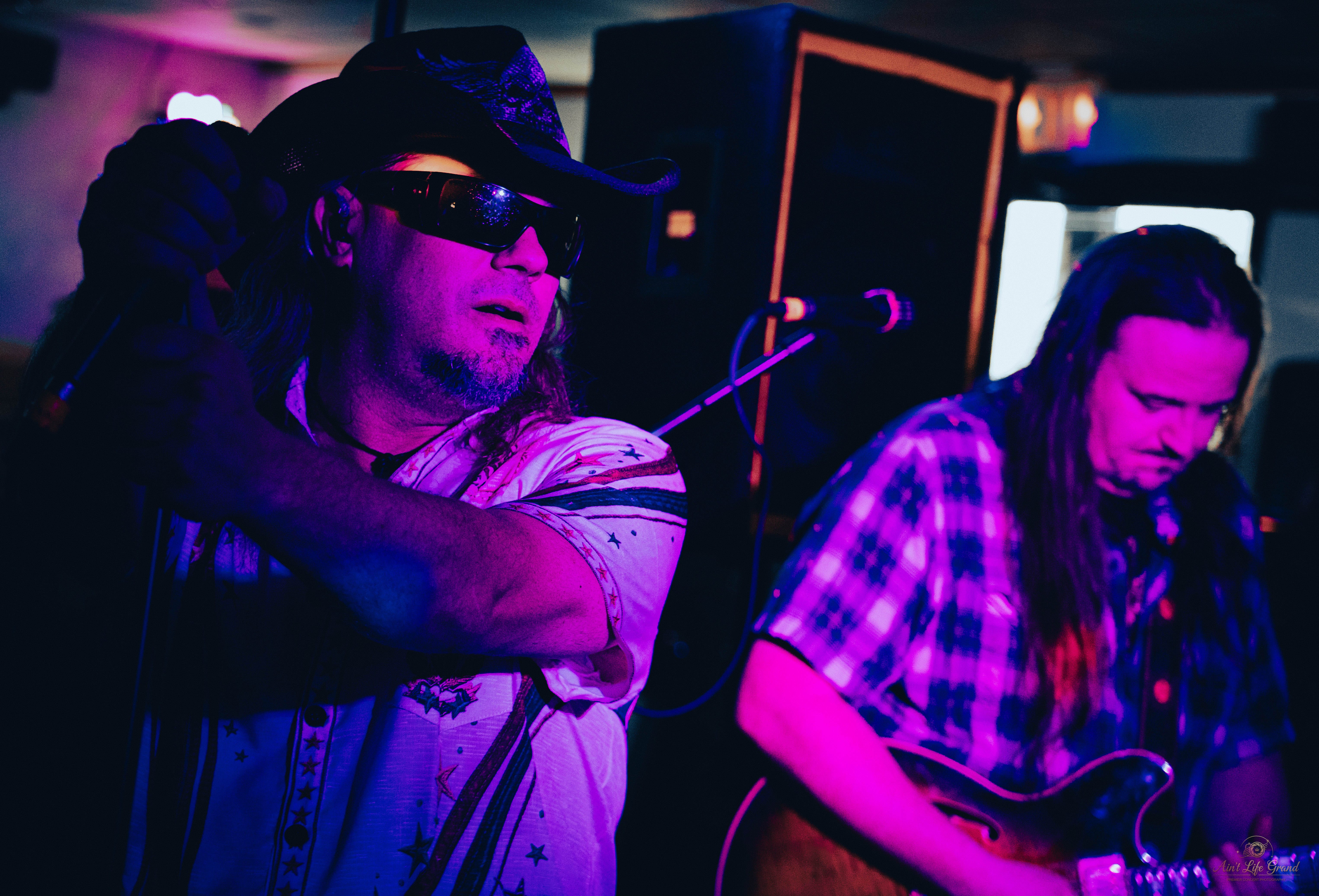
Once the photographs were selected, editing went to Igor Dimitrienko, my Beyond Media Entertainment partner and the CEO of Ain’t Life Grand Photography. He took work from multiple photographers and gave the finished gallery a consistent presentation. Different cameras, different positions, one event.
He nailed it. Again.
The people still working after the encore
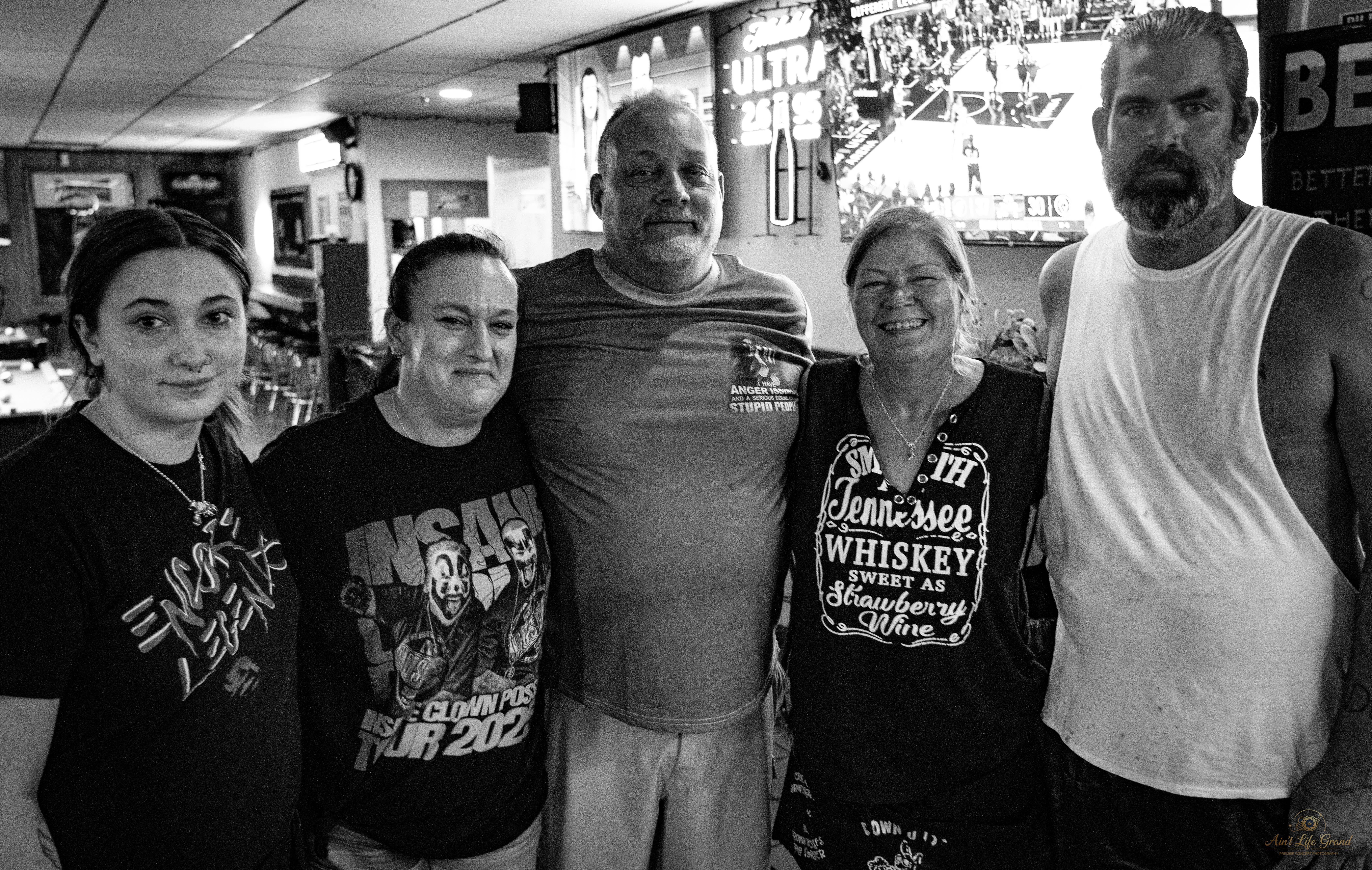
Near the end of the night, I turned the camera away from the performers and toward the Down Under crew.
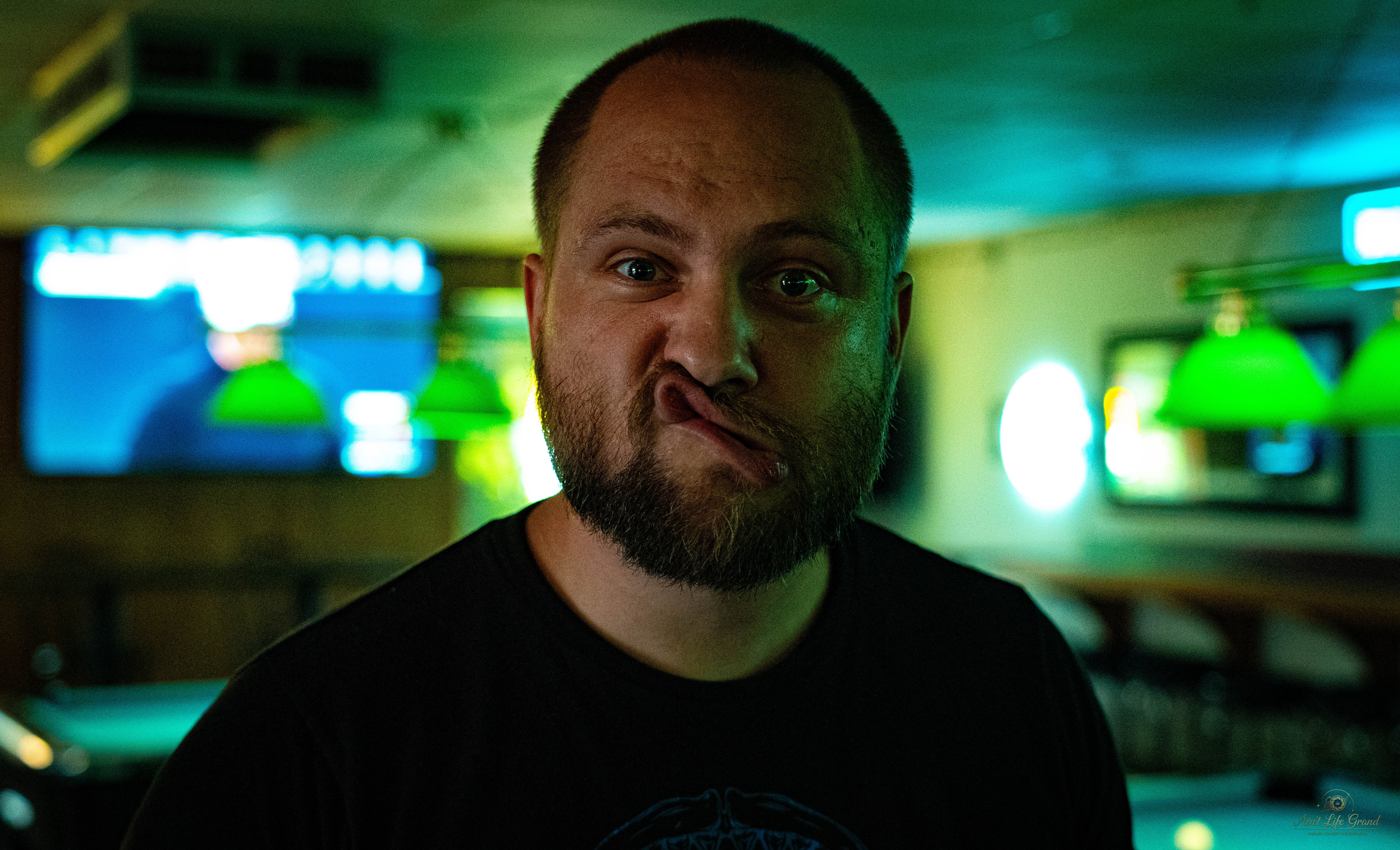
Judd had spent most of the celebration in his normal corner, but the staff never had the luxury of staying put. Drinks still needed to reach tables. Food orders continued through three band-specific menus. Raffle drawings brought another series of questions. A packed room does not become easier to manage because everyone is there to say something nice about the owner.
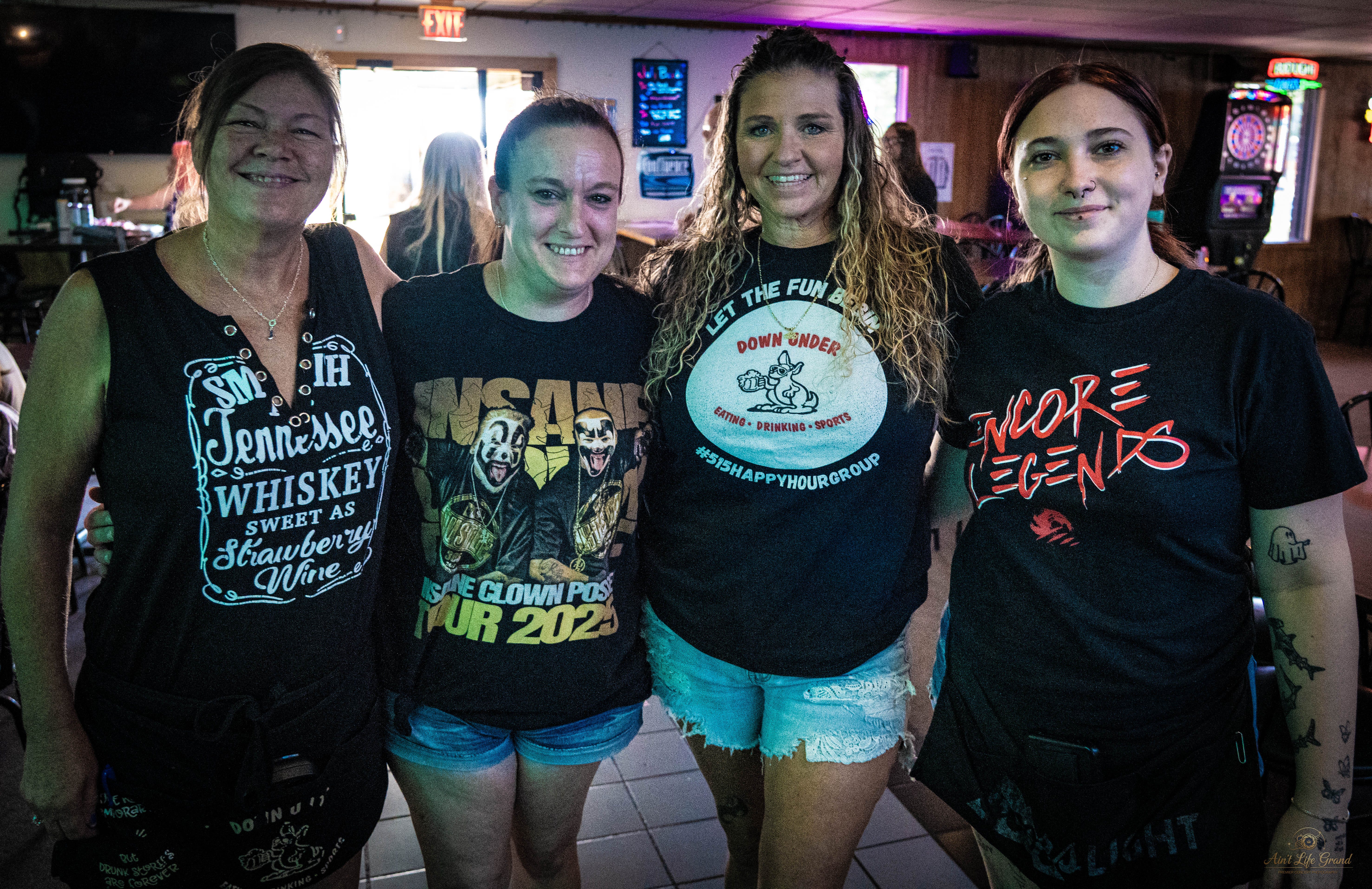
Manager Crystal received special recognition from Judd alongside Tina, Ashlyn, Josh and the staff members unable to be present for the photographs. He understood who had carried the first year with him.
Those names belong in the account of the day. Live-music coverage naturally points toward the stage, where the lights are better and the gestures are larger. A venue’s survival depends just as heavily on people carrying plates, clearing glasses, checking orders and cleaning the room after the musicians have unplugged.
I photographed Judd with the employees still there. No guitars in those frames. No solos. Just the owner and crew who had spent the day keeping everything upright.
For many people around the Des Moines scene, Down Under has become the place where they can arrive without an introduction. Musicians know the stage. Regulars know their seats. Judd knows his corner. The familiarity does not come from branding language or an anniversary slogan. It comes from repetition—another Saturday night, another local band loading through the door, another shift worked by people whose names the crowd eventually learns.
Sunday’s celebration enlarged the routine without losing it.
Afterglow
Once Encore Legends finished, the practical work returned. Amps had to be unplugged. Camera files needed sorting. The last glasses still had to be collected. A day advertised through bands, raffles and specials ended the way nights at working venues usually do: with a smaller group of people staying behind to put the room back together.
Plans are already taking shape for a second Summer Celebration in 2027. Bigger may be the intention. Louder seems inevitable.
The first one did not need either word to justify itself.
Judd spent most of the anniversary in his usual corner, watching three bands occupy the stage he had kept available and a staff carry the room he had spent a year operating. He never needed to interrupt the party to explain what had been built around him.
By then, everyone could see it.


Please consider Donating to Sponsor an article even $1 helps!
