



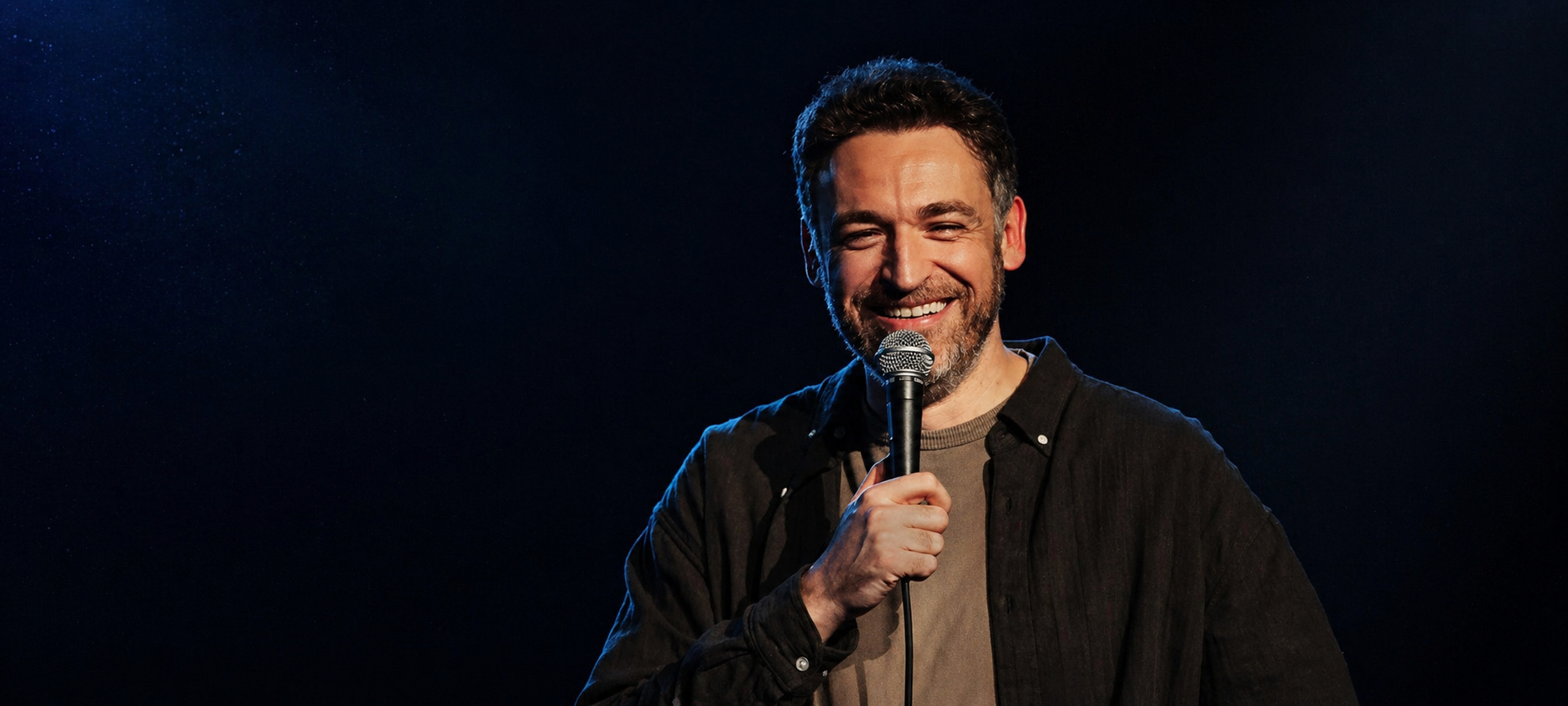

Covering stand-up comedy feels like a different kind of assignment altogether. Unlike live music where volume, lighting, and crowd energy can carry moments on their own, comedy is stripped down to timing, presence, and writing. That’s part of what made this show feel like new territory.
Dan Soder isn’t exactly an underground name. With multiple specials across platforms like YouTube, HBO, and Netflix, plus a long-running podcast that’s surpassed 100 episodes, he’s built a steady and loyal following. Still, going in, there was a level of uncertainty. My personal baseline for live comedy leans toward names like Matt Rife, Daniel Tosh, Anthony Jeselnik, and Bo Burnham, each with very distinct styles ranging from crowd work to dark precision to musical introspection.
My first real exposure to Soder came through his appearance on Kill Tony, where his quick instincts and conversational delivery stood out immediately. That same looseness, almost deceptively casual, translates even better in a full-length live setting. There’s a natural rhythm to his delivery that feels less like a performance and more like being pulled into a conversation that just happens to be consistently funny.
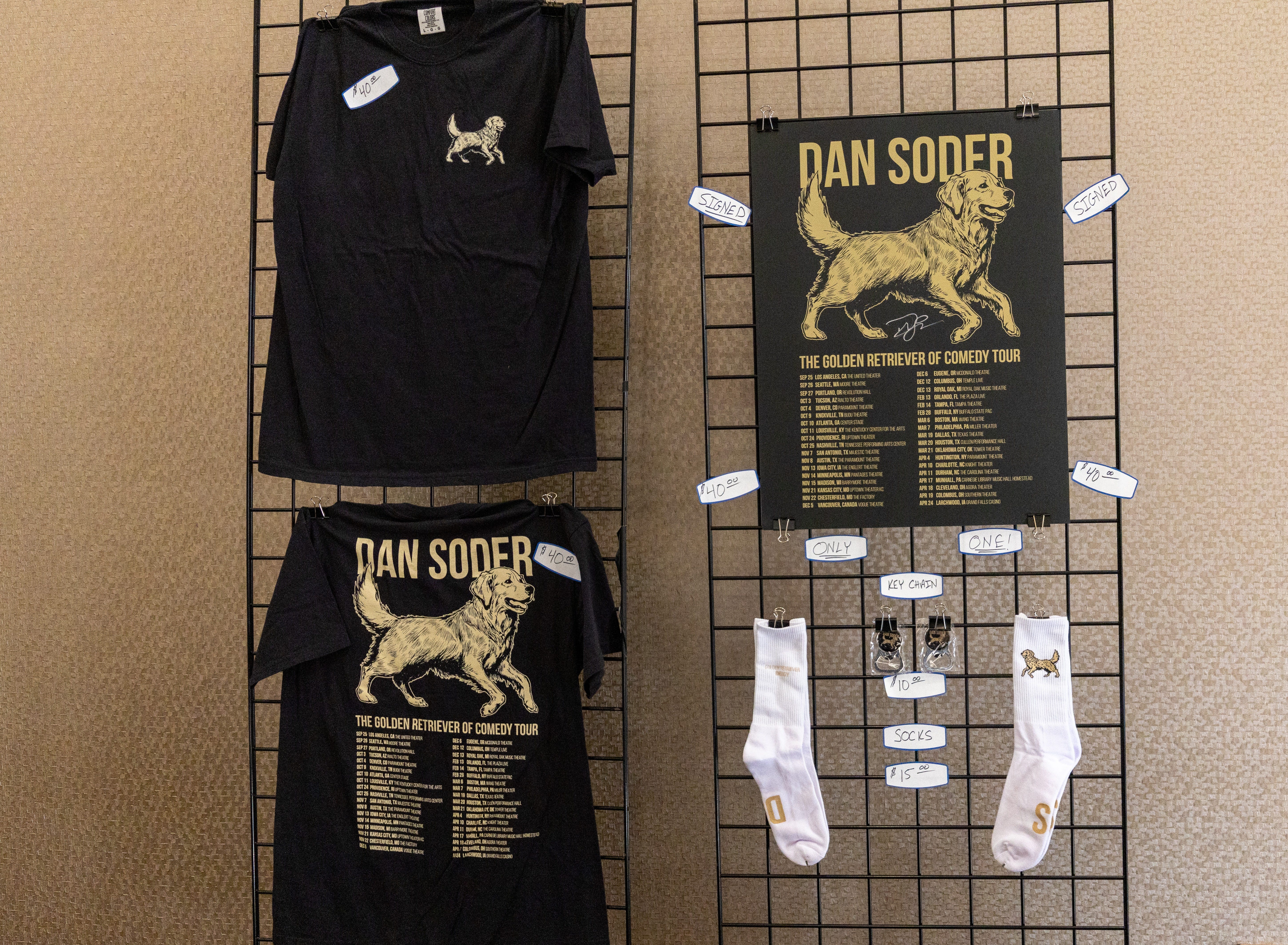
Before the show even began, there was already a sense of connection between Soder and the audience. One moment in particular stood out when someone asked me where they’d be able to find photos from the show. It was a small exchange, but it said a lot about the environment.
There’s an ease to how Dan carries himself, a kind of unforced likability that makes the “Golden Retriever” label feel less like a gimmick and more like an accurate read on his comedic persona.
As the night unfolded, that tone of relaxed, engaged, and consistently sharp became the throughline.
Please consider Donating to Sponsor an article even $1 helps!

First to get Laughs
Aidan McCluskey opened the night with a style that leaned heavily into long-form storytelling. Aa deliberate contrast to the quick-hit, punchline-driven sets that often dominate opening slots. Instead of rushing to win the room, he took his time, building narratives piece by piece, letting details simmer before landing the payoff.
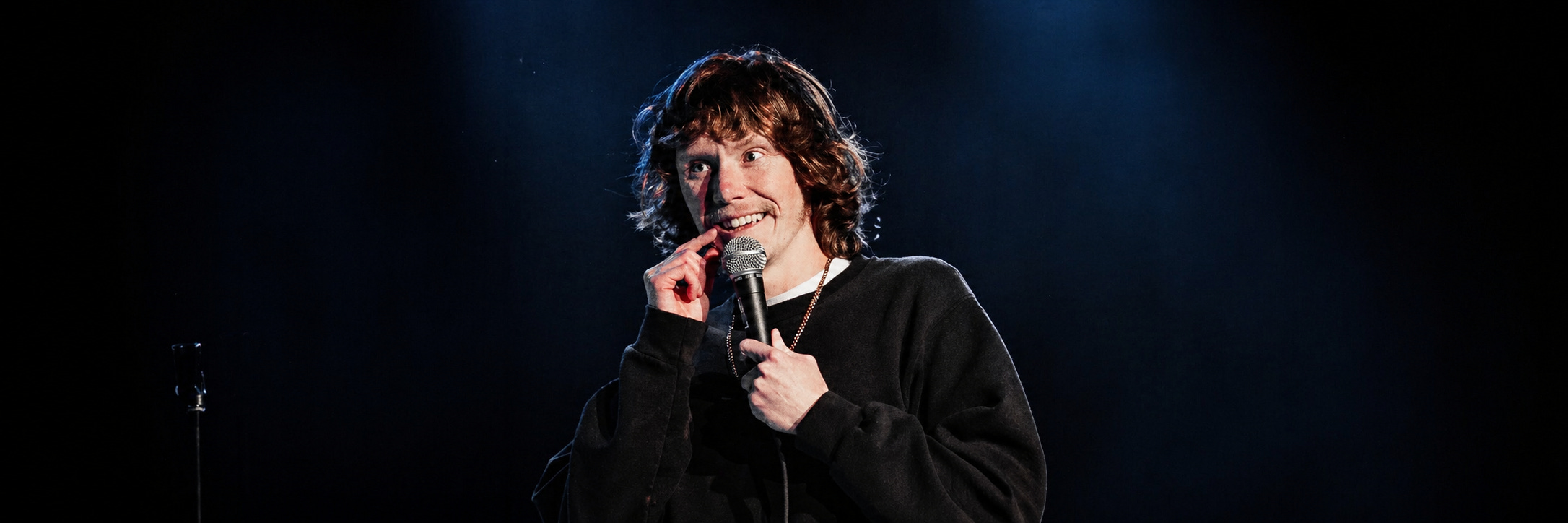
His material circled familiar territory—family dynamics, lingering dad issues, the quirks of small-town living—but it never felt recycled. There was a specificity to his delivery that gave even the most relatable themes a personal edge. Stories about “dumb friends” didn’t just play as throwaway bits; they became fully realized characters, the kind you could picture instantly, whether you grew up with them or not.
What stood out most was the sense of intimacy. McCluskey didn’t perform at the audience so much as he let them in. The pacing allowed for that as he took pauses that felt intentional, not empty, giving the crowd just enough space to connect the dots before he pulled them to the next beat. It created a rhythm that rewarded attention, especially as threads from earlier in the set quietly lingered in the background.
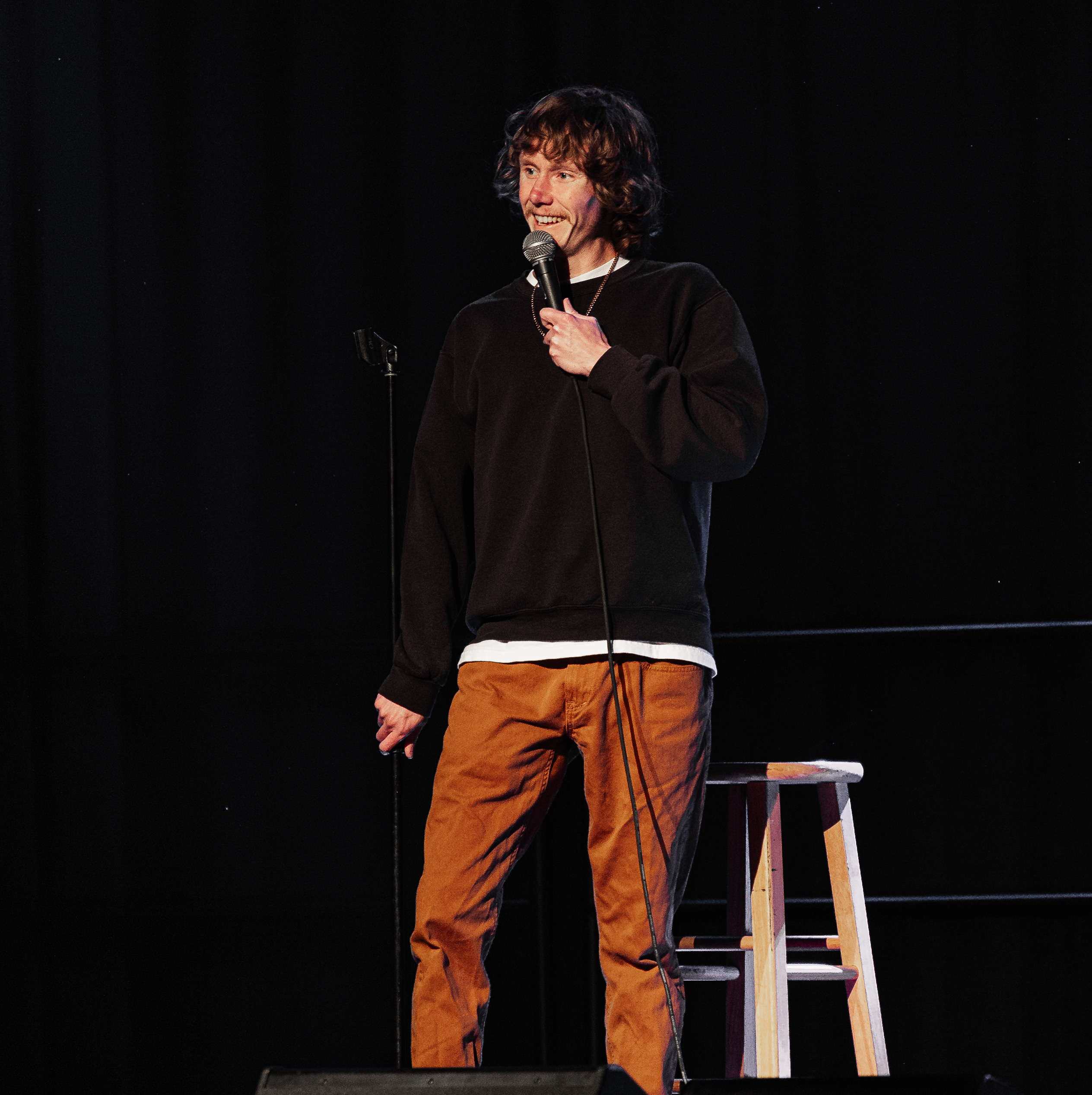
That patience paid off in his closing moments. A callback that was subtle but effective looped the set back to an earlier joke, tying everything together in a way that felt earned rather than forced. It’s a classic technique, but one that only works when the foundation is strong. Here, it landed clean, giving the set a sense of cohesion that elevated it beyond a typical opener.
In a lineup where he could have easily gone for fast, immediate laughs, McCluskey opted for something more measured and in doing so, set a tone that felt both grounded and quietly confident
Wedged in the Middle was Greg Stone
Greg Stone took on the middle slot with a set that felt deceptively unsteady, but in a good way. There was structure there, but he played with it just enough to keep the audience guessing. A touch of crowd work popped up early, not enough to define the set, but enough to break the fourth wall and make the room feel involved rather than just observant.
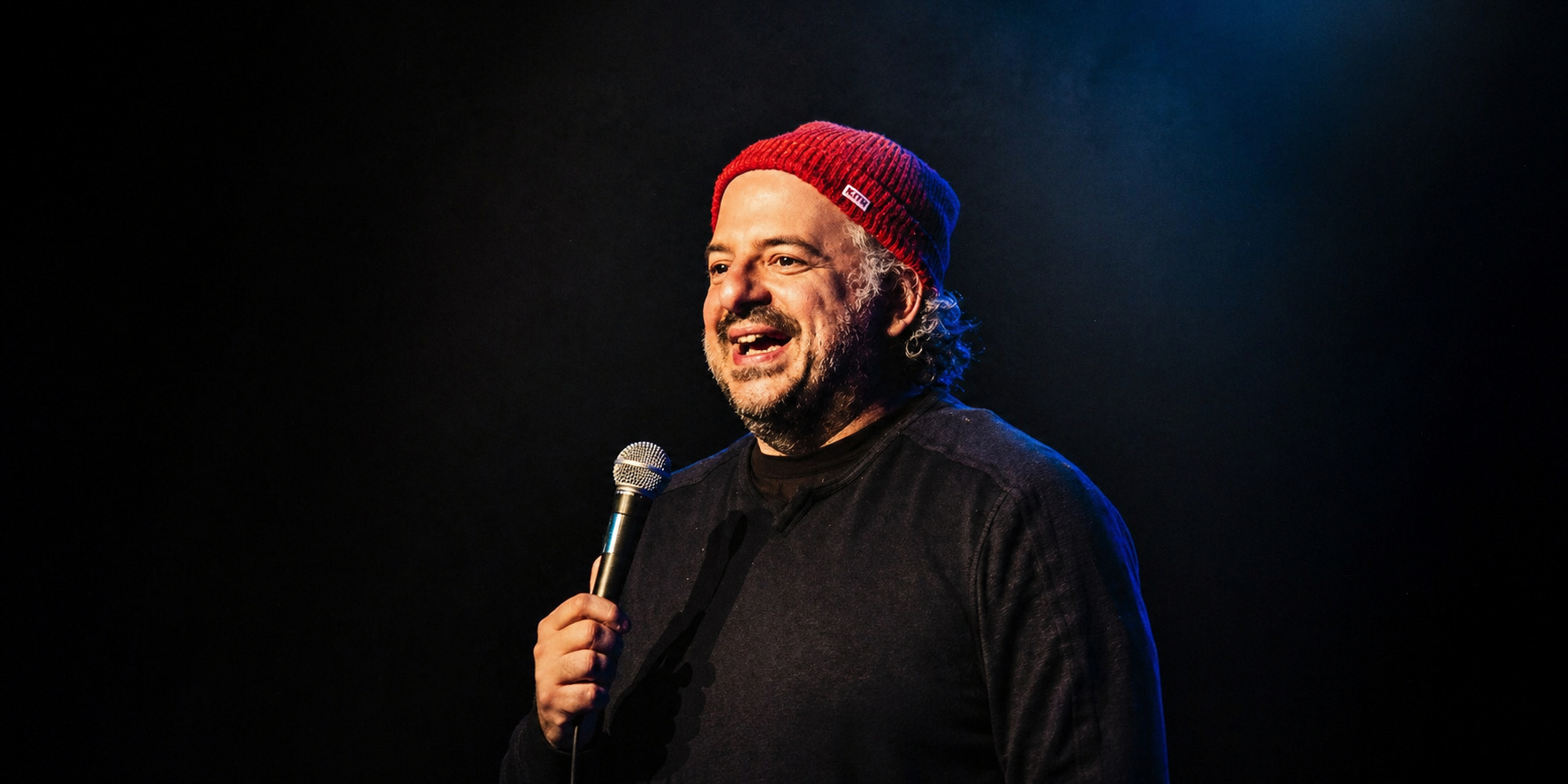
From there, he settled into longer-form storytelling, weaving together bits that touched on identity, upbringing, and the kind of offbeat experiences that feel too specific to be made up. His jokes about his Asian and Italian kids leaned into cultural contrasts, but the humor came more from his perspective as their father than from stereotypes. Finding the awkward overlap in expectations, family dynamics, and social situations.
The most interesting move came right at the start. Stone opened with a joke he casually claimed was “usually his closer,” immediately creating a strange kind of tension. It hit like a closer too-tight, polished, and big enough to feel like an ending. But instead of wrapping up, he kept going, almost shrugging as if he’d painted himself into a corner. From that point on, the audience wasn’t just listening, they were tracking. Was that actually his best joke? Did he just burn his closer on purpose? Or was he setting up something bigger?
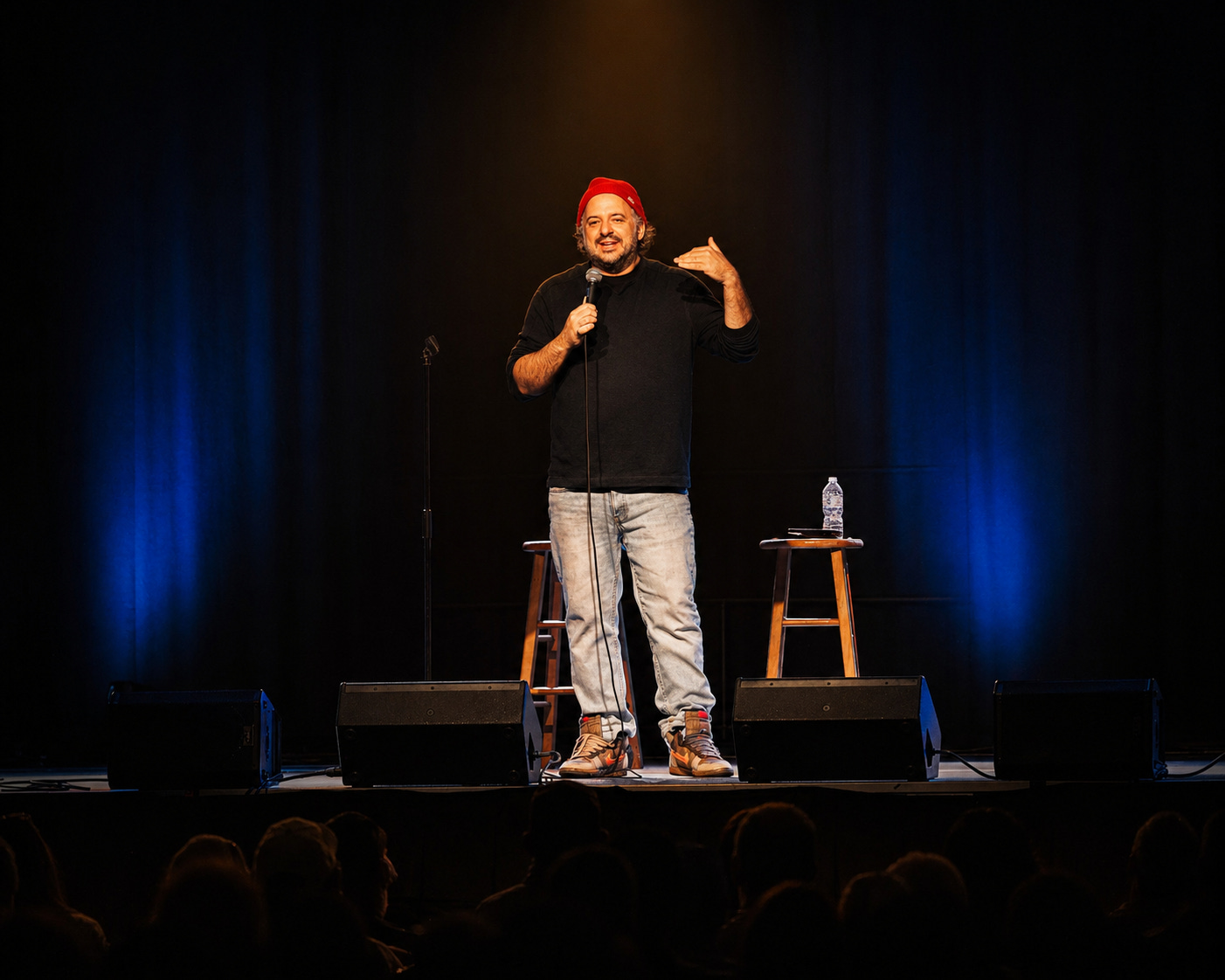
That question lingered as he moved into one of the more memorable bits of the night. A story about being mistaken for Sal Vulcano from Impractical Jokers. What could’ve been a quick throwaway turned into a layered story about a missed opportunity, specifically, a moment where he could’ve leaned into the confusion and played the role, potentially becoming an unlikely “hero” in someone else’s story. Instead, he let the moment pass, and the humor lived in that hesitation. In the what-could-have-been.
It’s that kind of storytelling that defined his set. Not just punchlines, but moments stretched out long enough to explore the angles of where the joke isn’t just what happened, but what didn’t happen, and how close it came to going differently.
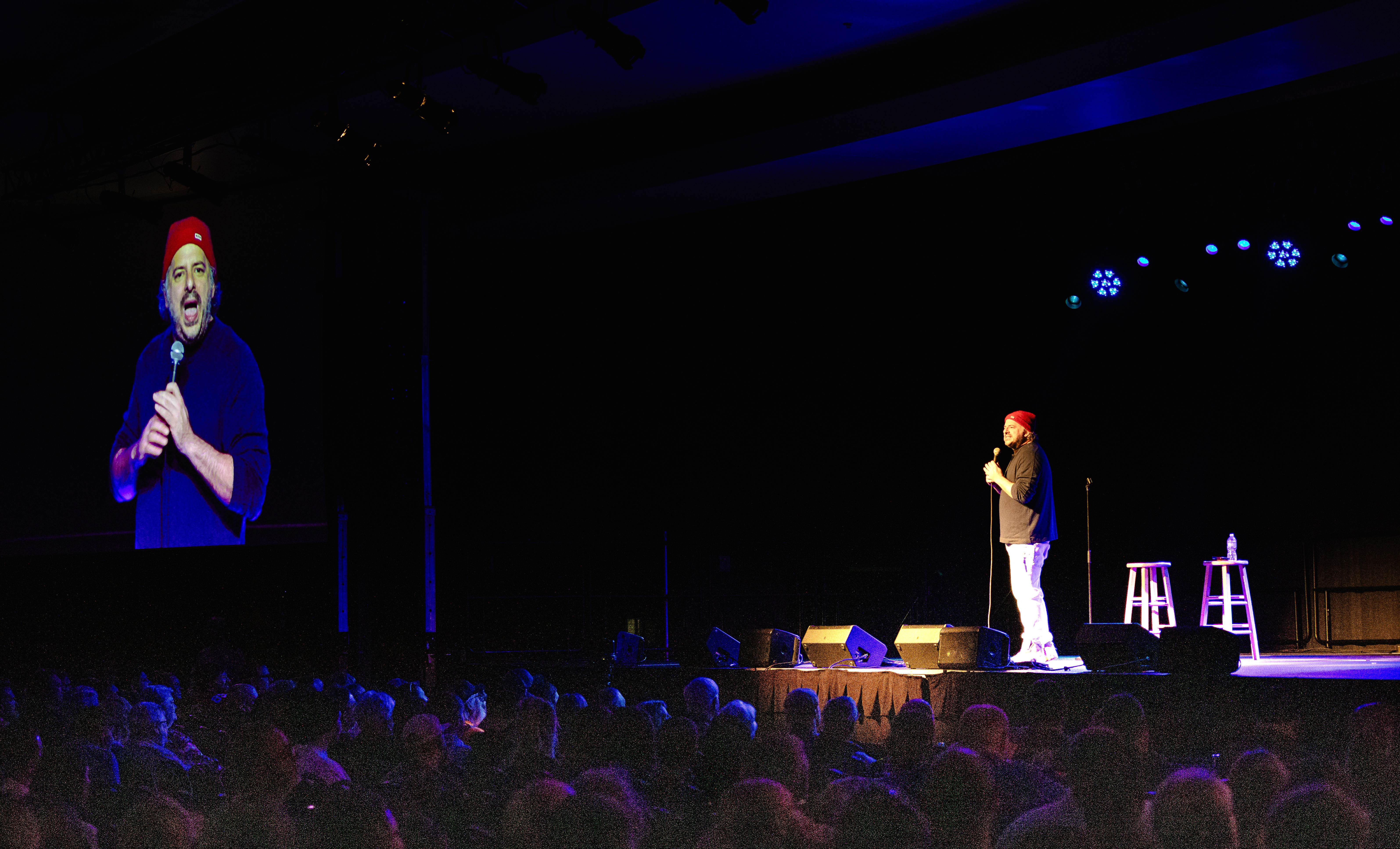
By the time Stone reached his actual closing stretch, the earlier claim about his “usual closer” had done its job. True or not, it kept the audience engaged on a deeper level, turning the set into more than just a sequence of jokes. It became something you followed, not just something you reacted to.
The Man of the Hour: Dan Soder
By the time Dan Soder took the stage, the room was fully dialed in, but whatever expectations were there didn’t last long. Within minutes, it was clear this wasn’t going to be a set you casually observe. It was the kind you try to document and quickly give up on because you’re laughing too hard to keep your hands steady. Any thought of grabbing photos faded fast and were replaced by that involuntary, doubled-over kind of laughter that doesn’t leave much room for anything else.
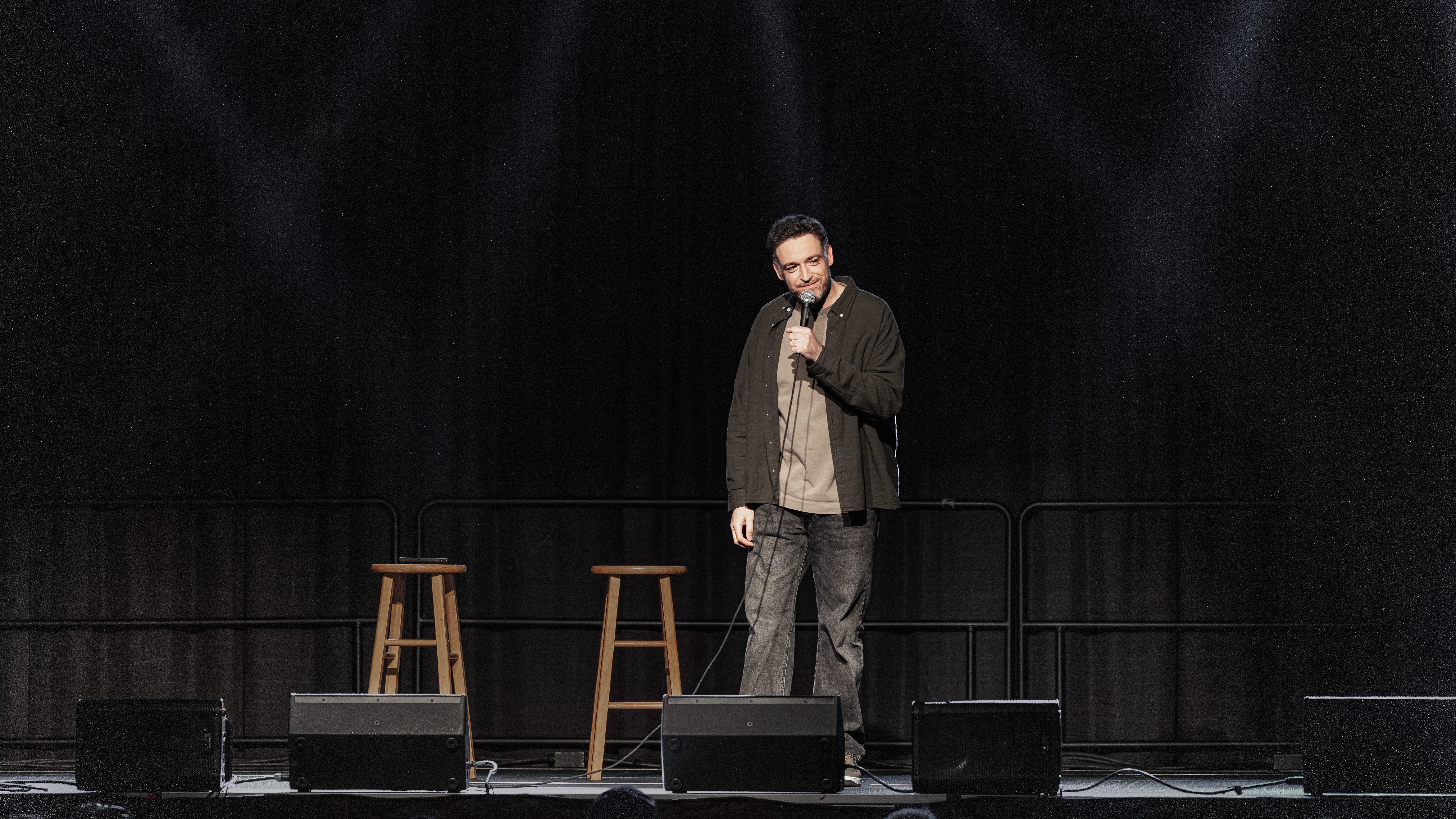
Soder’s set leaned heavily into mid-form storytelling, but unlike a slow burn, his pacing felt alive as it was constantly shifting, layering jokes within jokes. One bit that stood out framed “talking crap” as the dessert of conversation. Not the main course, not something you lead with, but the indulgent finish everyone secretly looks forward to. It was such a simple premise, but the way he built it out with adding examples, and escalating the absurdity, turned it into something much bigger than a throwaway observation.
That same escalation showed up in a recurring thread of “don’t knock it ‘til you try it” jokes, where he pushed the concept into increasingly gross and ridiculous territory. Each example walked right up to the line of being too much, then crossed it just enough to get the reaction he wanted. Half laughter, half disbelief.
And when the audience did react in a softer way, an audible “aww” slipping out during one bit, he pounced. Instantly flipping the tone, he called it out, roasting the crowd for their sudden sympathy and labeling it as hypocritical given everything they’d been laughing at moments earlier. It was sharp, but not mean-spirited, more like a reset, snapping everyone back into the rhythm of the set.
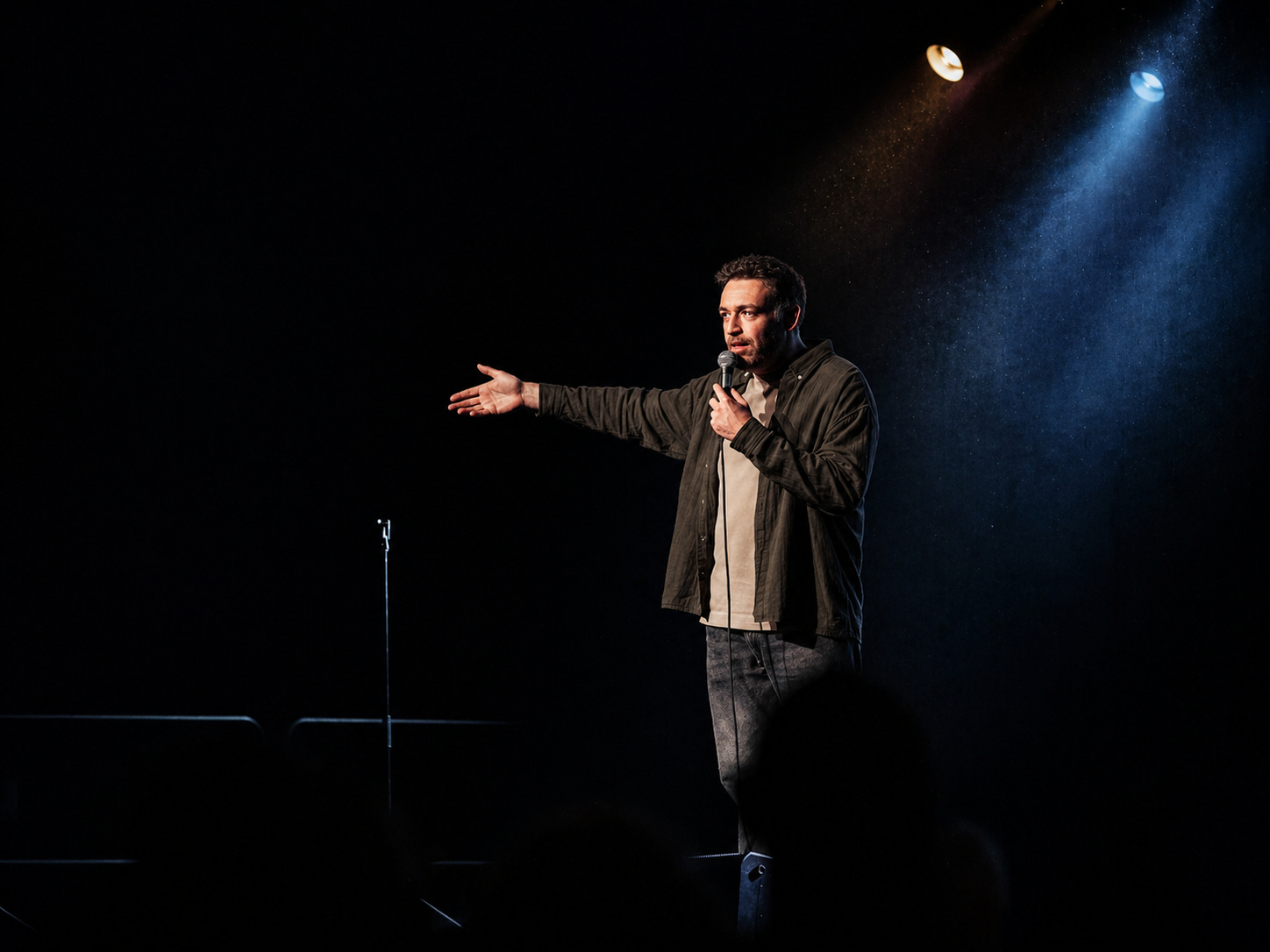
Animals, especially dogs, became another playground. Soder’s affection for dogs came through, but so did his willingness to tear into specific breeds with chihuahuas taking the brunt of it. The jokes weren’t just surface-level digs either; he leaned into the absurdity of their personalities, building them up into these exaggerated, almost cartoonish characters.
What really elevated the material, though, was his use of impressions. Accents and voices weren’t just add-ons, they added depth to the punchlines. Whether it was a Scottish lilt, an old-timey cadence, or a hyper-specific Boston accent, each one sharpened the joke, giving it texture and momentum. It’s one thing to tell a story; it’s another to perform every character in it, and Soder made that feel effortless.
And then there were the quieter observations, like the “rain cloud” family member. The one who carries a constant, low-grade sadness into every room. It was a different kind of joke, less explosive but just as effective, because of how recognizable it felt.

That balance between high-energy absurdity and grounded, observational humor is what carried the set. Soder never stayed in one lane too long. Just when a bit reached its peak, he’d pivot with a new voice, a new angle, a new story, keeping the audience not just laughing, but locked in and wanting more, even when it was over.
Afterglow
For the first time covering a comedy show at Grand Falls Casino and Resort, or anywhere for that matter, this experience landed far beyond expectations. Live stand-up has a different kind of energy than concerts or other events. It’s less about spectacle and more about connection. And in this case, that connection was constant. From the first opener to Dan Soder himself closing out the night, the room felt unified by one thing: laughter that never really let up.
What stood out most wasn’t just how funny the sets were, but how shared the experience felt. Comedy, at its best, turns a room full of strangers into something close to a community, even if it’s just for a couple of hours. Reactions ripple, jokes build on each other, and suddenly you’re not just watching it, you’re part of it.
Trying to capture that through a camera lens adds another layer to it personally. There’s a challenge in balancing the instinct to document with the reality of being pulled into the moment. More than once, the camera had to take a back seat simply because the laughter made it impossible to focus. And honestly, that feels like a success in itself. If the moment is strong enough to interrupt the duty, it’s probably worth more than the photo.
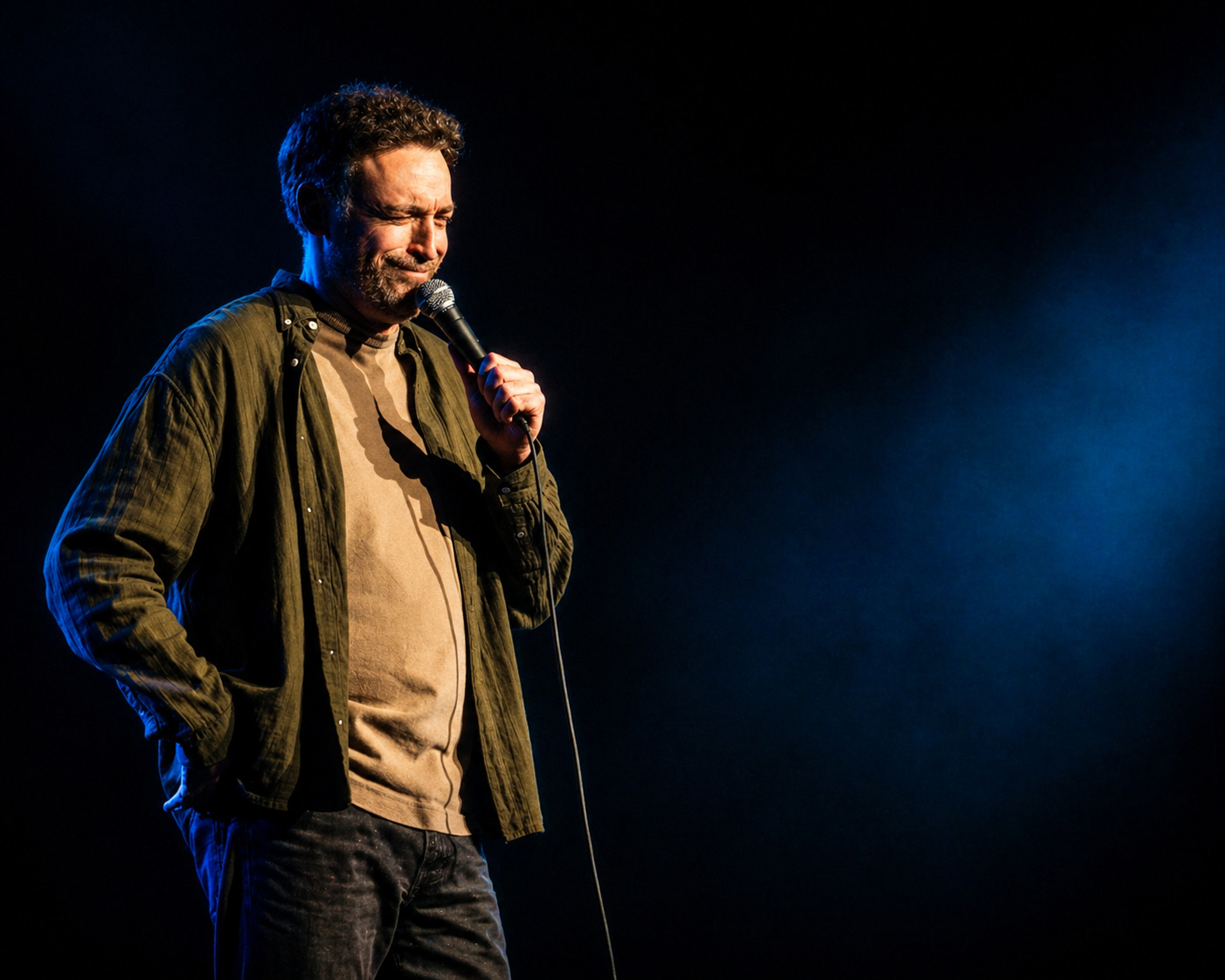
At the same time, being able to preserve even fragments of that energy-the expressions, the reactions, the atmosphere—makes the experience linger a little longer. It turns something fleeting into something you can revisit, even if it never fully captures what it felt like to be there.
That’s the hope with this piece. Not just to recap the night, but to give a sense of what it was like inside that room and to offer a glimpse of the kind of laughter that doesn’t just entertain, but sticks with you long after the show ends.
Please consider Donating to Sponsor an article even $1 helps!
