


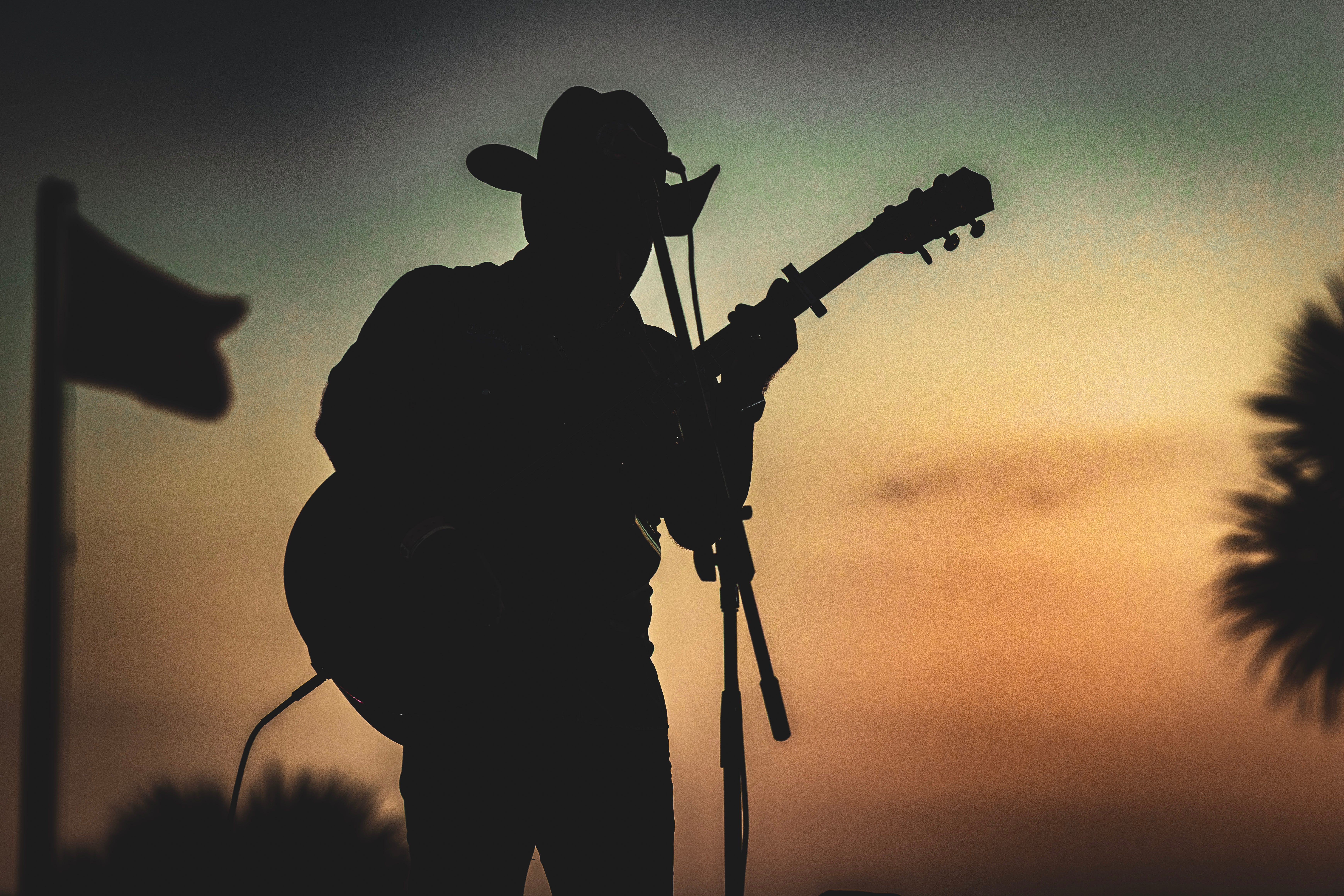
Home from Wisconsin and officially on a Spotted Cow detox. It’s good to be back in the thick, salty 90-degree air — and right back into the local music scene that punches way above its weight. Taking a few days off from my cameras meant I needed a moment to get acclimated again. Honestly, Thursday night was the way to do it.
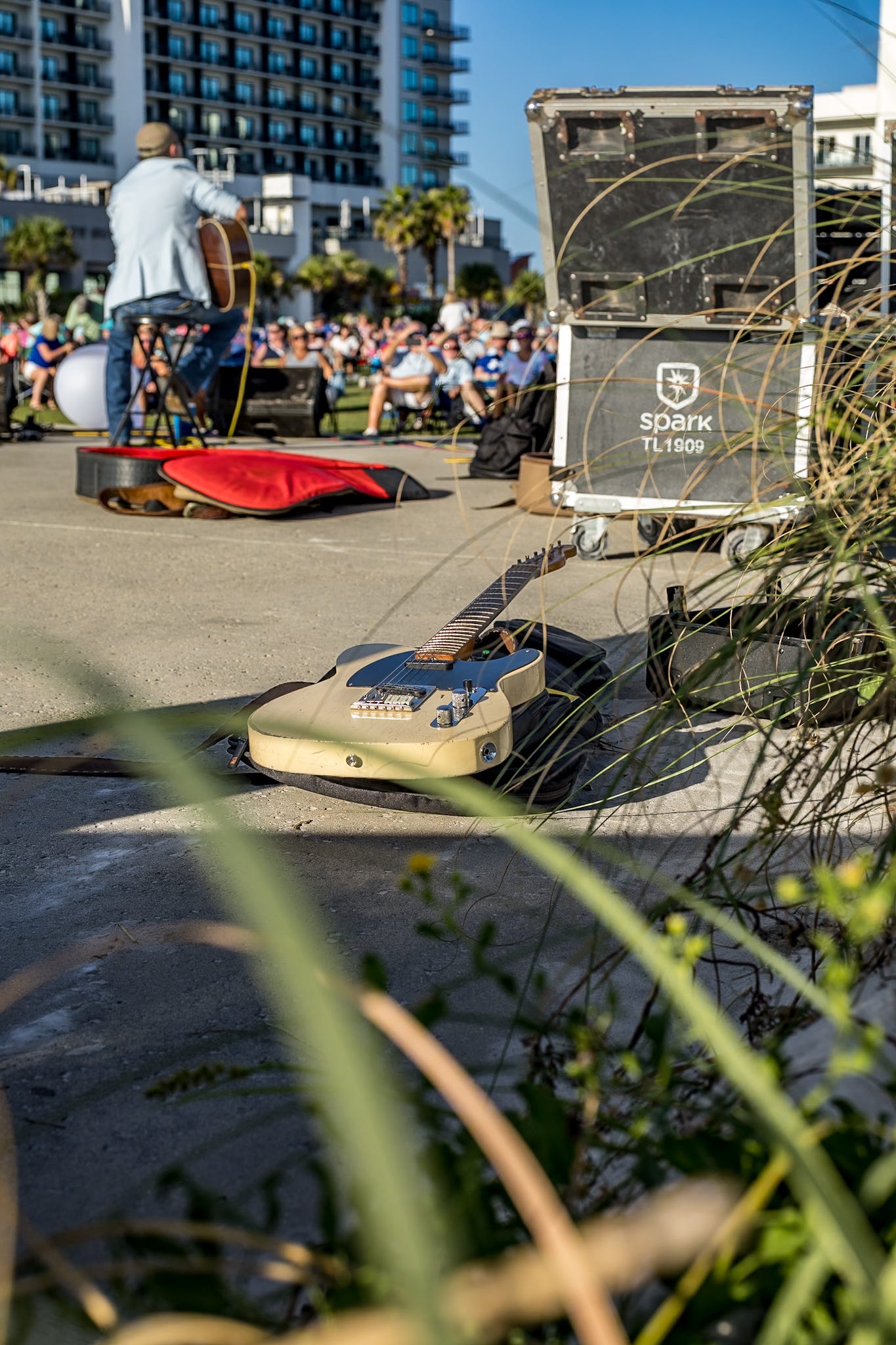
The theme of this piece is inspired by Johnny Hayes. Algorithms. Every click, like, love, restack, stream, play and share trains the algorithm. Think of this as a friendly detour for yours, toward Gulf Shores, Alabama, and the artists gathering at the Town Green. Finding this is proof that you have excellent taste, or that you are overdue for a deep dive into a new musical rabbit hole.
Cue the algorithmic drift.

Frank Brown Songwriters’ Festival
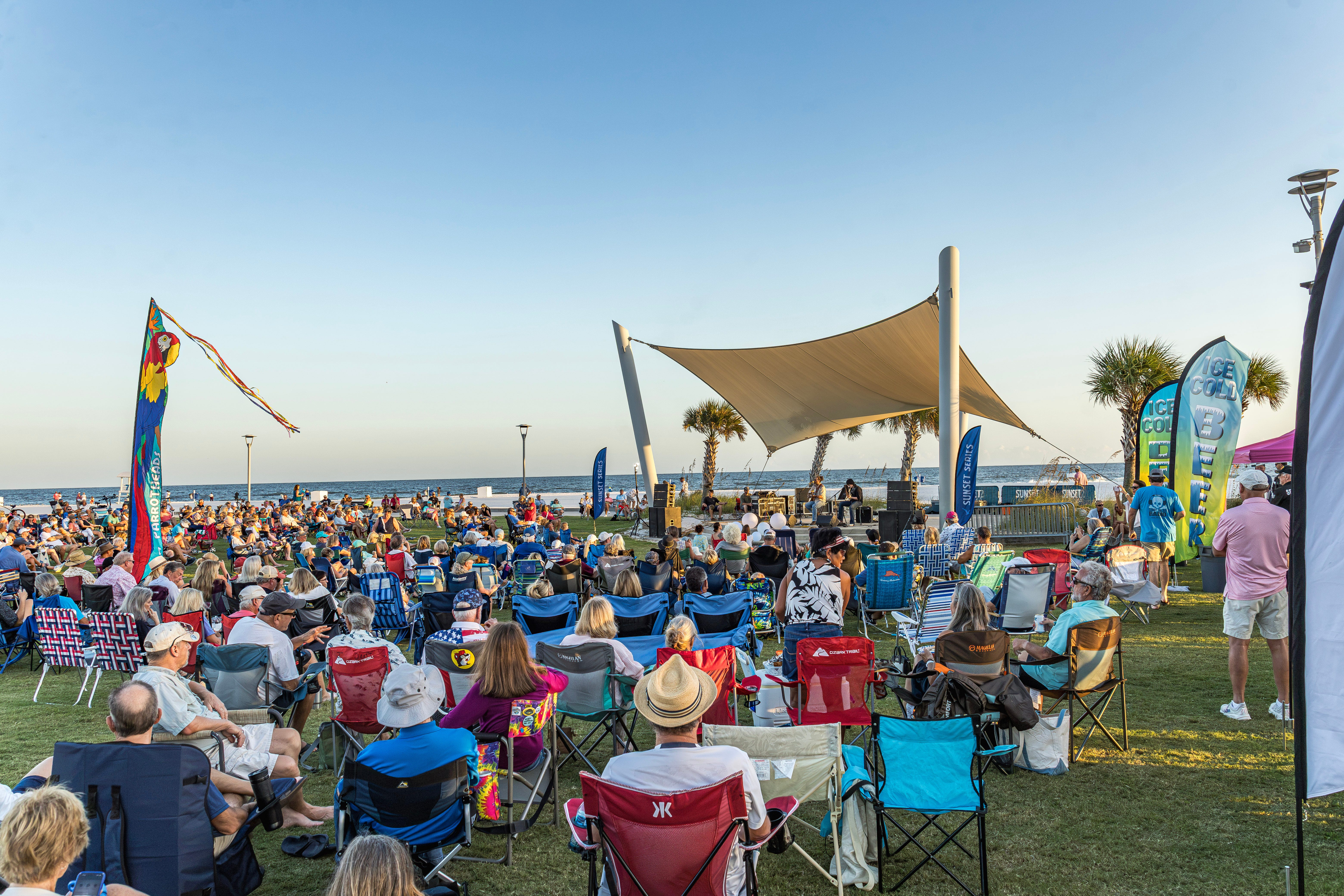
The Town Green at Gulf Place was the place to be the evening of Thursday, September 17. It was the finale of the City of Gulf Shores Sunset Series, featuring a special preview of the Frank Brown Songwriters’ Festival. The 42nd annual festival takes place November 5–15, with organizers advertising more than 200 songwriters and over 600 performances across the Florida/Alabama Gulf Coast. Roughly seven weeks away, but Thursday gave us an early look at the people behind the songs.
My 12,000-step trek, with two cameras attached to my hips, started around a Town Green staged for something bigger than your typical songwriters showcase. The perimeter was alive with local vendors, a hoppin’ beverage tent and food trucks cooking up dinner. Kids had face painting and a balloon artist twisting together a neon flamingo on a leash. Under a September sunset, the lawn filled with metal-framed chairs, vibrant fabric and coolers, with barely an empty space in sight.
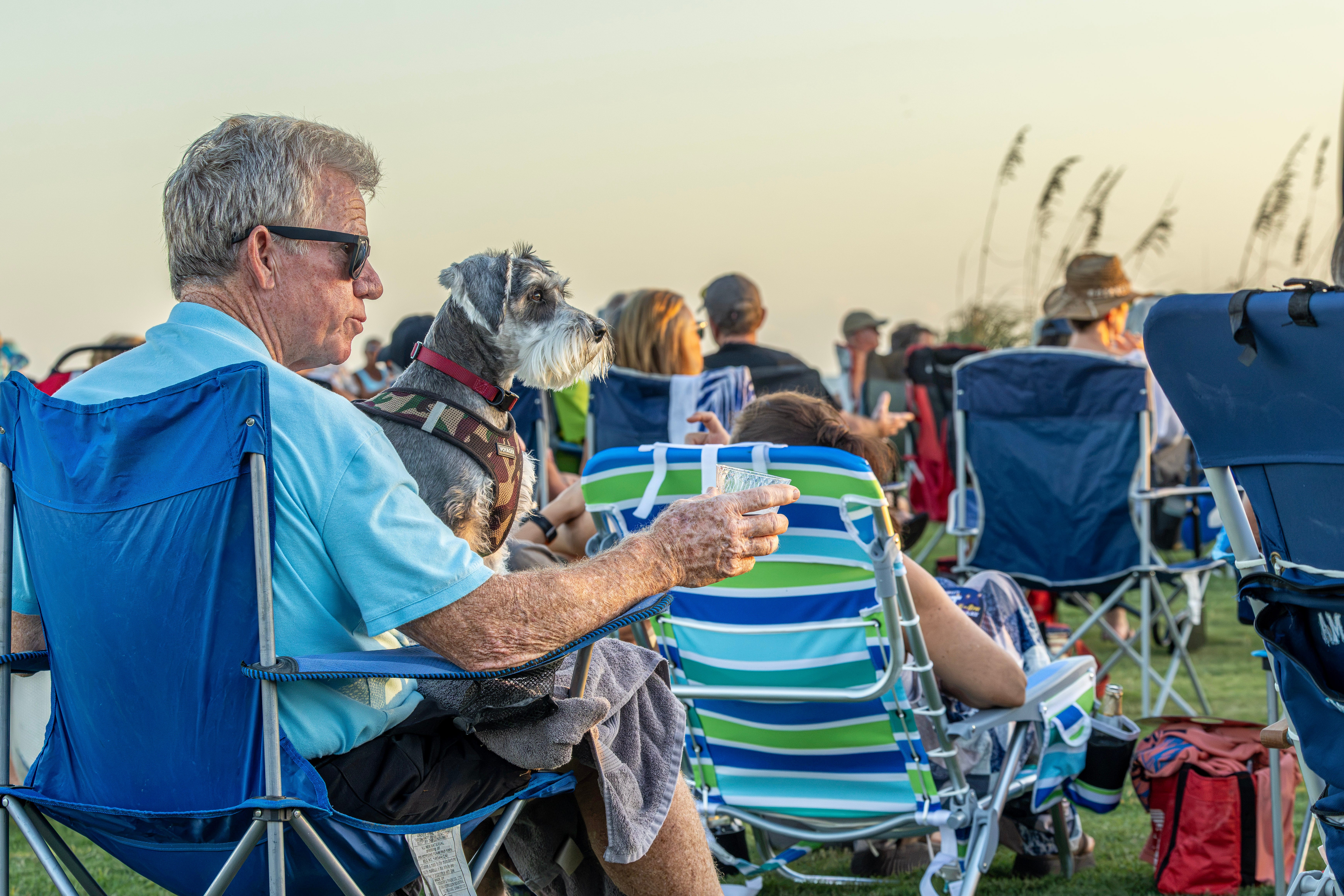
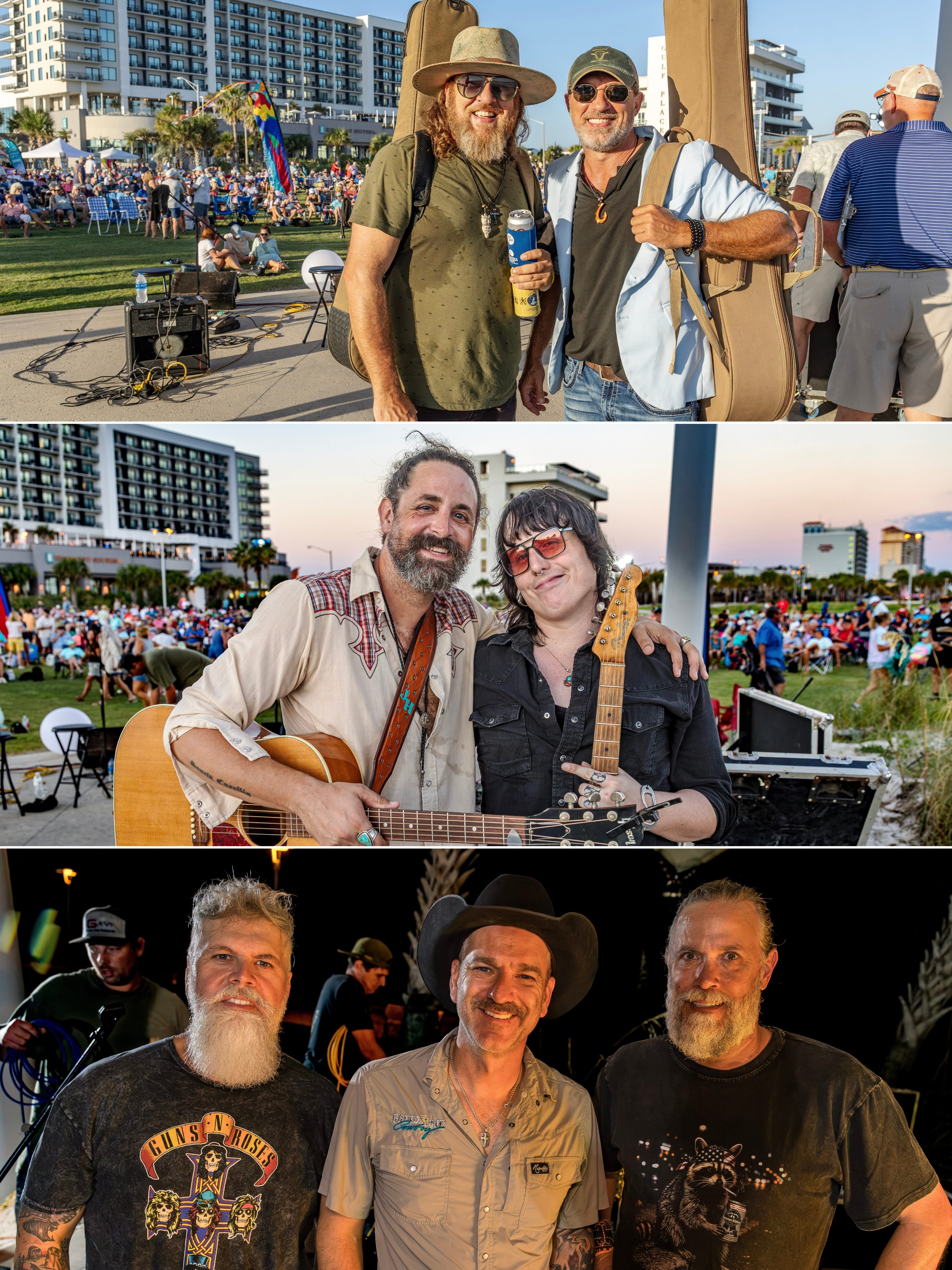
The finale featured the Wilson Brothers, Chad and Kyle; Johnny Hayes accompanied by Jimmy Teardrop; and Nashville hit songwriter Craig Campbell accompanied by Jason Miller and Todd Sassano. The crowd was ready for a rare look into the music. Frank Brown was definitely in the air.
The Wilson Brothers
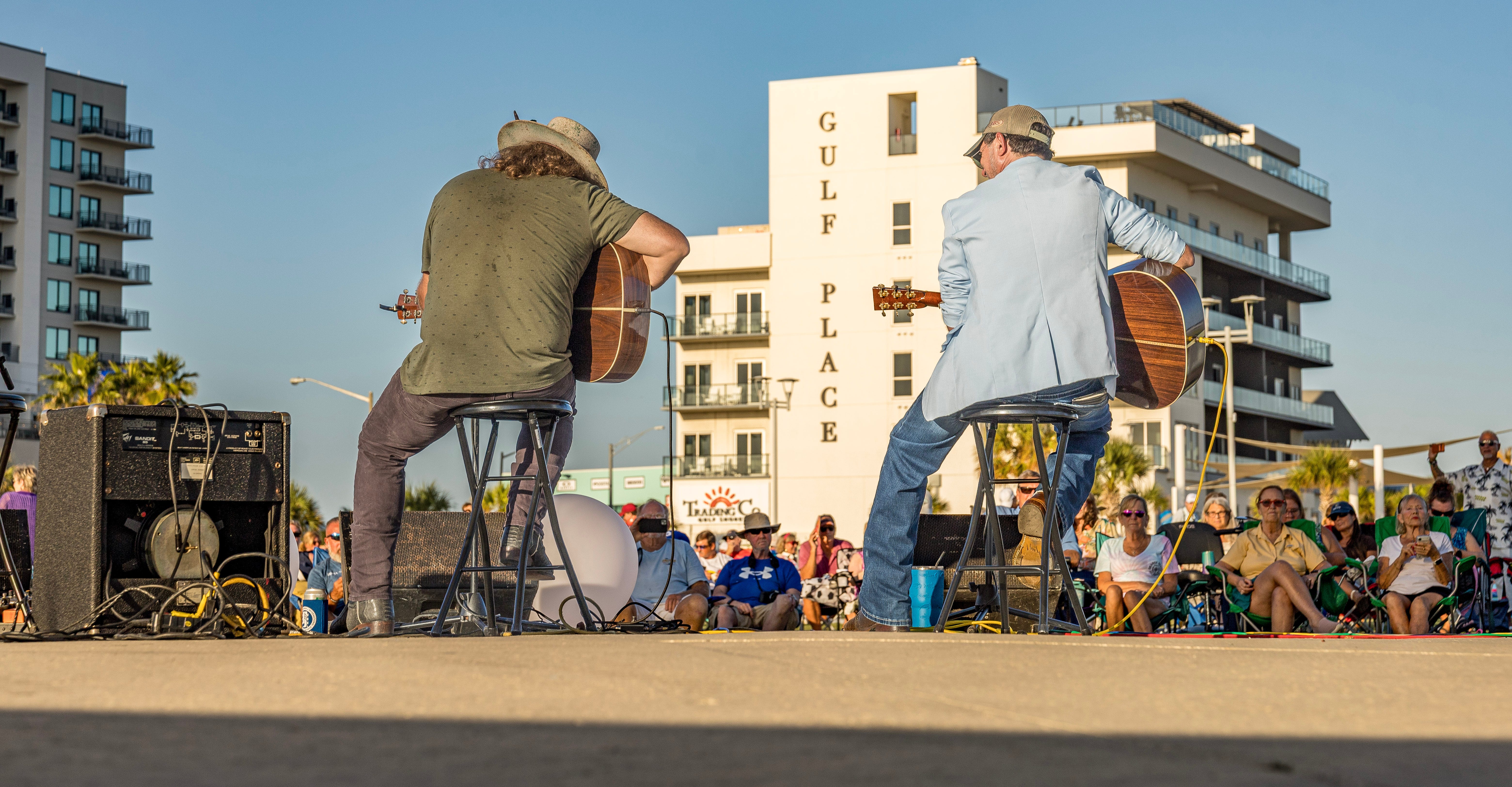
Chad and Kyle Wilson are from Alexander City, Alabama, and got their start in music through Southern gospel. Their family history includes grandparents who performed in a gospel quartet and parents who sang as a duo. Those close harmonies have been part of their lives since childhood. As the Wilson Brothers Band, they brought that familiarity to the Town Green with two acoustic guitars and voices that knew where to meet.
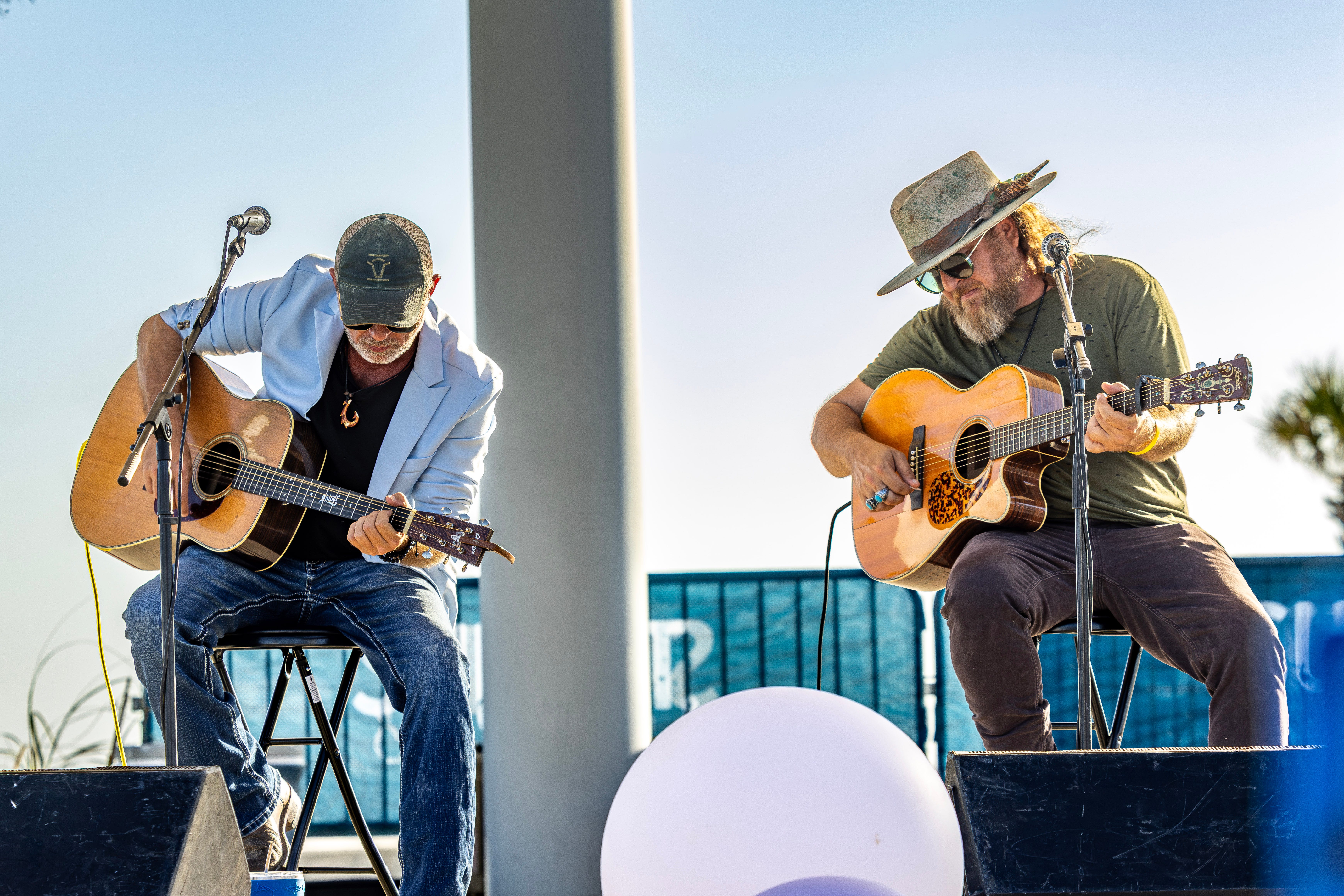
“Good lookin’ crowd,” Kyle said over the microphone before striking a chord. They introduced “It All Looks Good From Here”, their debut single, whose video debuted at No. 1 on CMT’s 12-Pack Countdown. How fitting, considering Kyle had just mentioned how good the crowd looked. The song is an ode to the simple, quiet life, rooted in thankfulness and the joy of having enough.
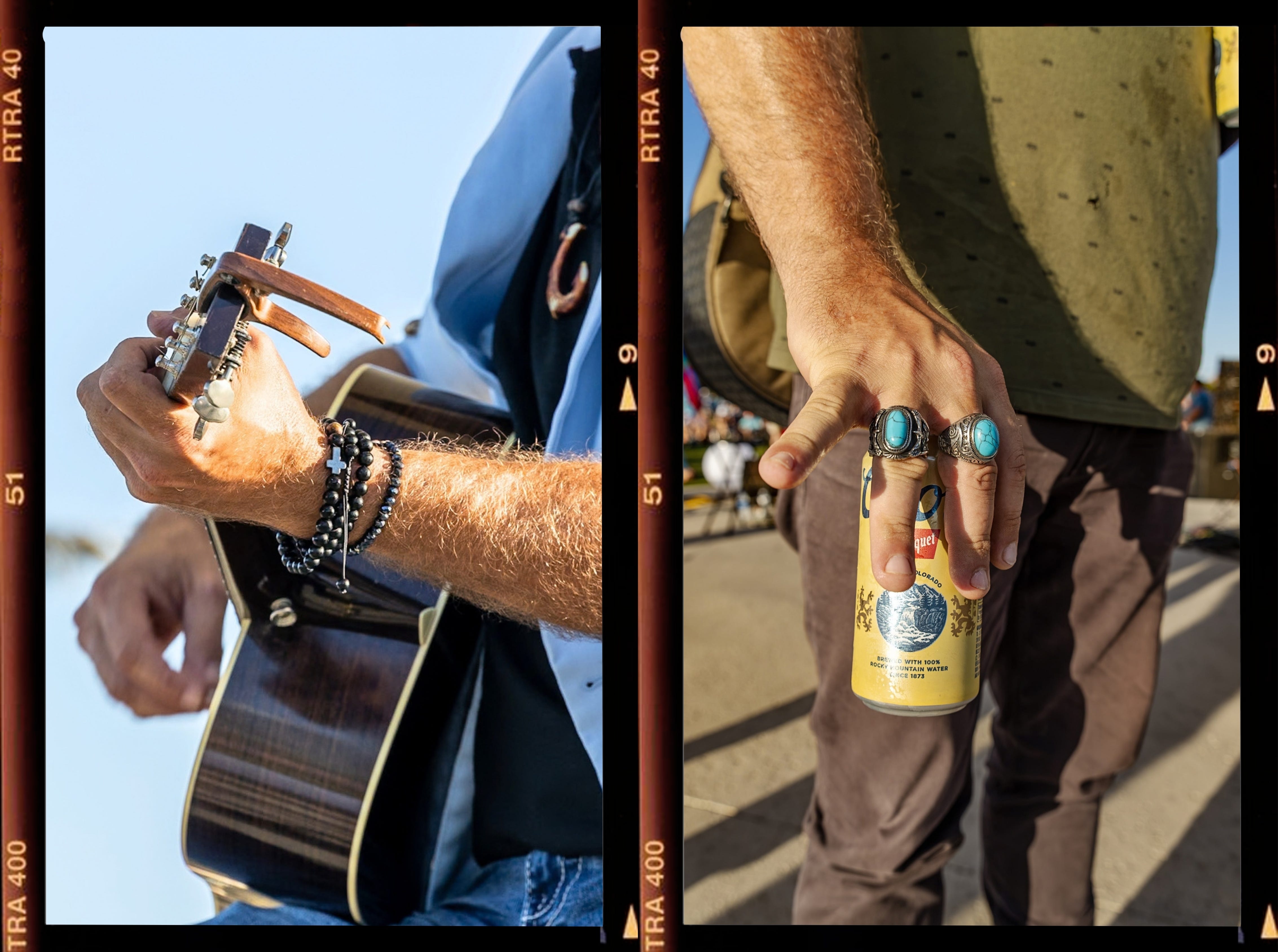
Kyle provided the gritty, soulful lead vocals, anchored by Chad’s harmonies during the chorus. Both played acoustic guitars that stayed steady and rhythmic, matching the song’s rain-on-a-roof, rocking-chair-on-a-porch imagery. Chad and Kyle leaned into each other and their guitars, locking into a synchronized groove. Trademark Wilson Bros. The guitars kept the pulse while the voices supplied the movement, giving the chorus room to open up without cluttering the song.
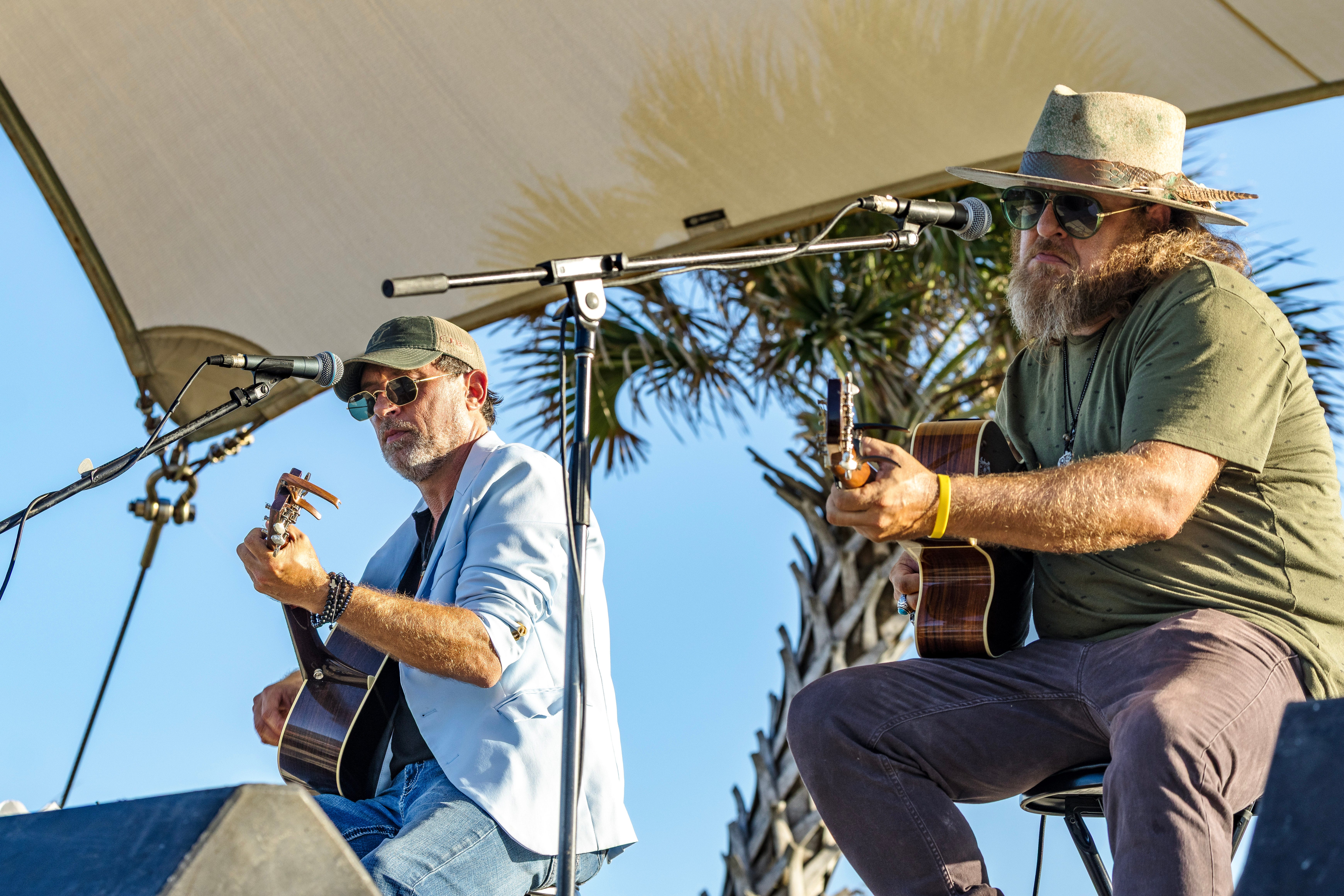
Once again, the brothers praised what was in front of them. Chad raised his arm to the sky. “I don’t think they could have ordered up a more beautiful day than this right here.” With the lawn full and the sun going down, nobody had much reason to argue.
Then came “Alabama Will”, driven by warm acoustic strumming that allowed the vocals to command full attention. The brothers alternated lead duties, shifting from solo verses to close harmonies on the choruses. Delicate vocal runs and a rasp captured the bittersweet ups and downs of a touring musician longing for home, wondering what people think about him and his songs.
Chad co-wrote “Alabama Will” with Wayne Mills, whose band Kyle played guitar in. In a 2018 interview, the brothers described the experiences behind it: a broken-down van, borrowing money to get home and being away from family too long. That history gives the longing a practical side: sometimes you just need enough money to get the van running. No matter the judgments, where life takes you or what goes wrong, Alabama remains a place you can call home.
Watching them play together was like watching a lifelong brotherly chat being played out in front of you. One voice took the thought, the other joined it, and the guitars stayed steady underneath. Chad and Kyle made us feel right at home without having to explain very much about why.
Please consider Donating to Sponsor an article even $1 helps!

Johnny Hayes
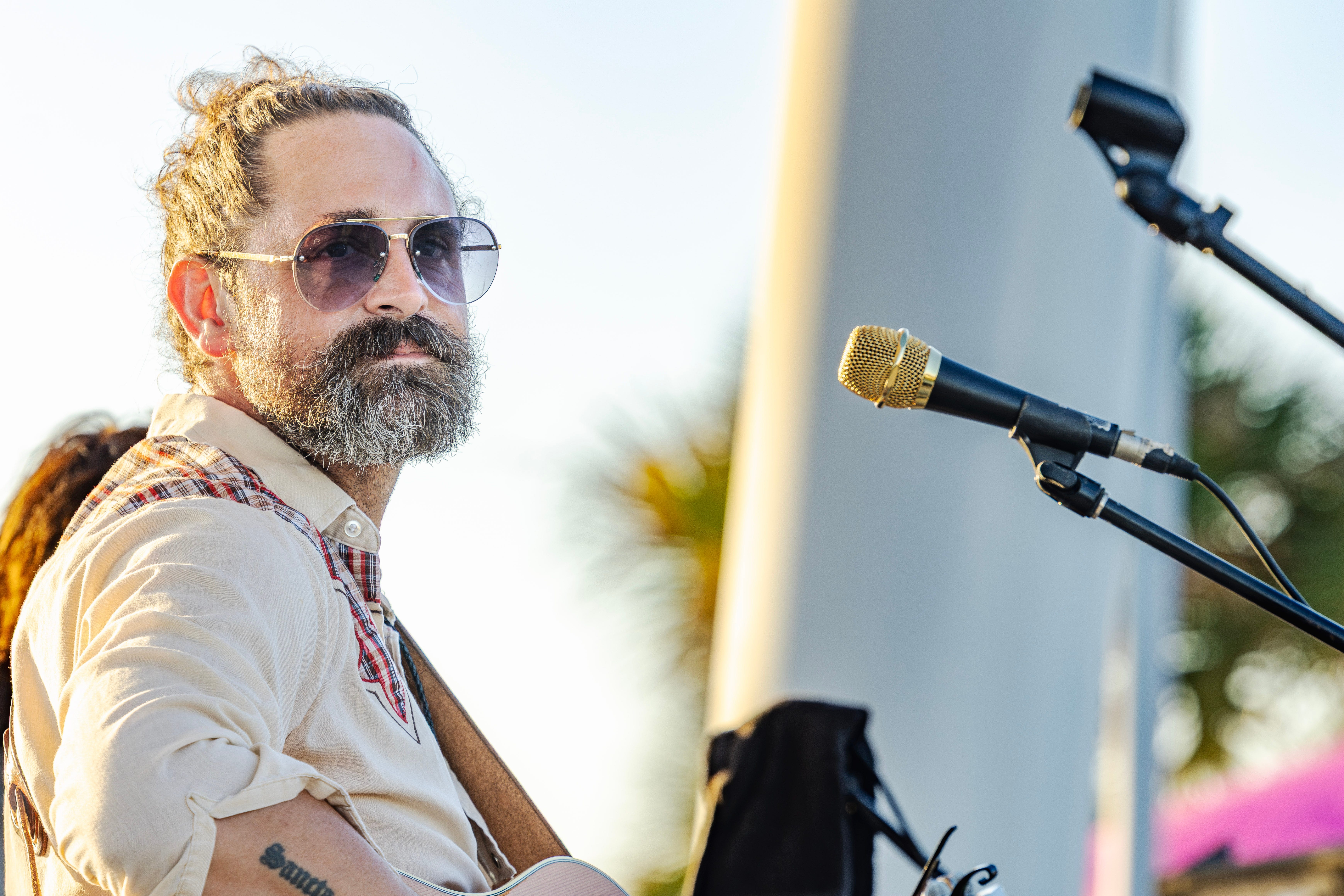
Johnny Hayes is an independent singer-songwriter from Mobile, Alabama. Over the course of his career, he’s written with Aaron Raitiere, Jon Decious, Drew Nix and Eric Erdman, and shared stages with artists including the Red Clay Strays, Lukas Nelson, JJ Grey & Mofro and Blues Traveler. You may have also seen him on Season 12 of The Voice back in 2017.
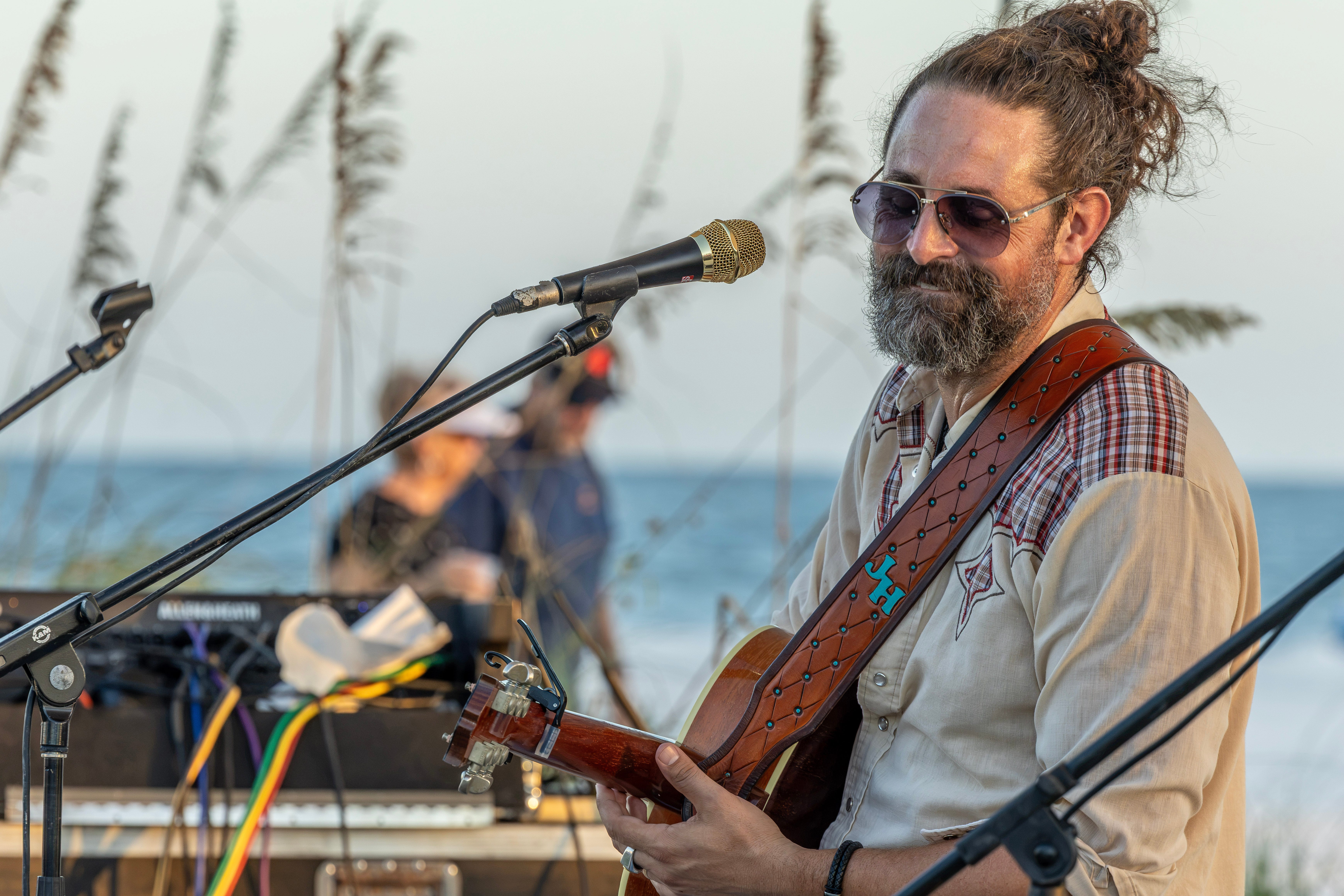
His own account of those early years starts with picking up a guitar in college and playing acoustic covers around Tuscaloosa, followed by a move to Nashville at 23 and, eventually, a return to Mobile. On Thursday, his introduction to one song came from another kind of work. Johnny mentioned over the mic that he does lawn care for a living when he is not playing music, which led right into “Rosé and Cigarettes”.
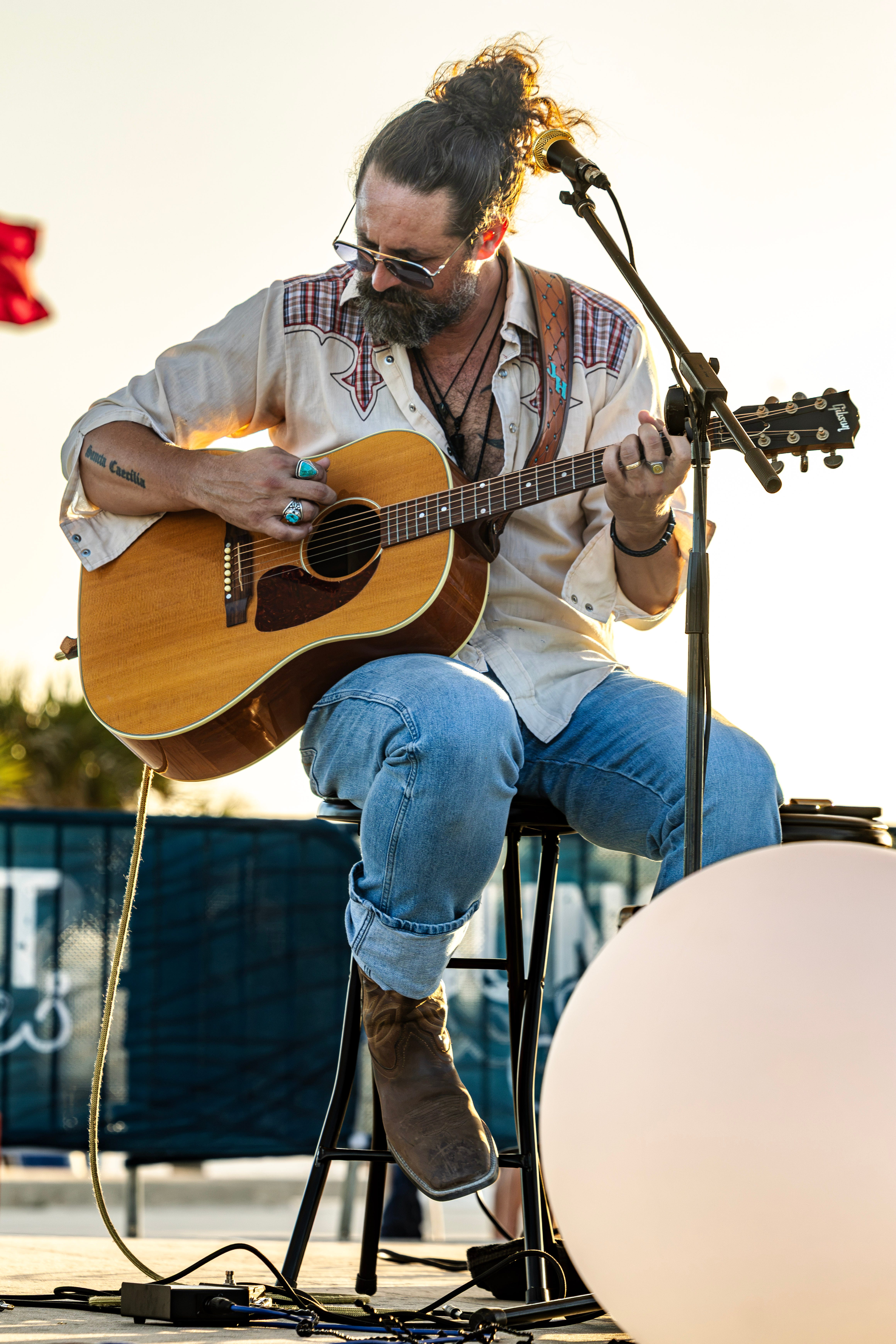
Johnny looked extremely tall even sitting on his stool, complete with his trademark man bun, as he told the story of how he brought this song to life while taking care of a woman’s lawn. In his telling, she watched from her porch after apparently just rolling out of bed: robe, cigarette in one hand, glass of rosé in the other. Nine a.m. on a Tuesday. Everyone was laughing, and Johnny struggled to keep it together himself. Cigarettes, rosé, morning robe, fresh-cut grass. Alright. There’s a song in that.
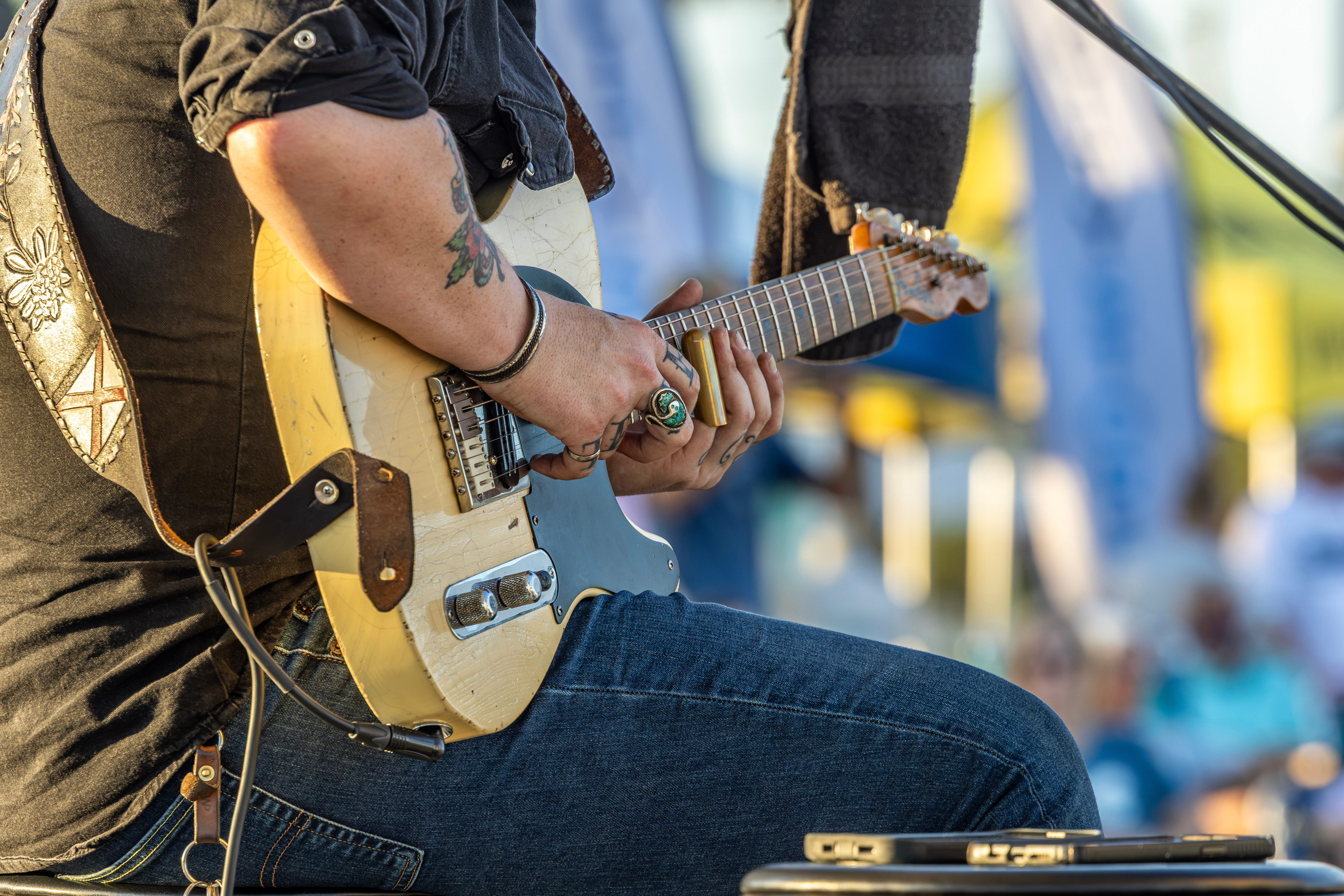
His raspy Southern soul vocals locked into the groove, dragging just behind the beat to capture the unbothered pace of the song’s character. On acoustic, his picking established a warm, gritty atmosphere before Jimmy Teardrop cut in on electric guitar. Teardrop kept his playing stripped back and rhythmic during the verses to let the storytelling breathe, then exploded into heavy, aggressive slide work during the chorus. The funny introduction gave way to a performance with considerably more bite.
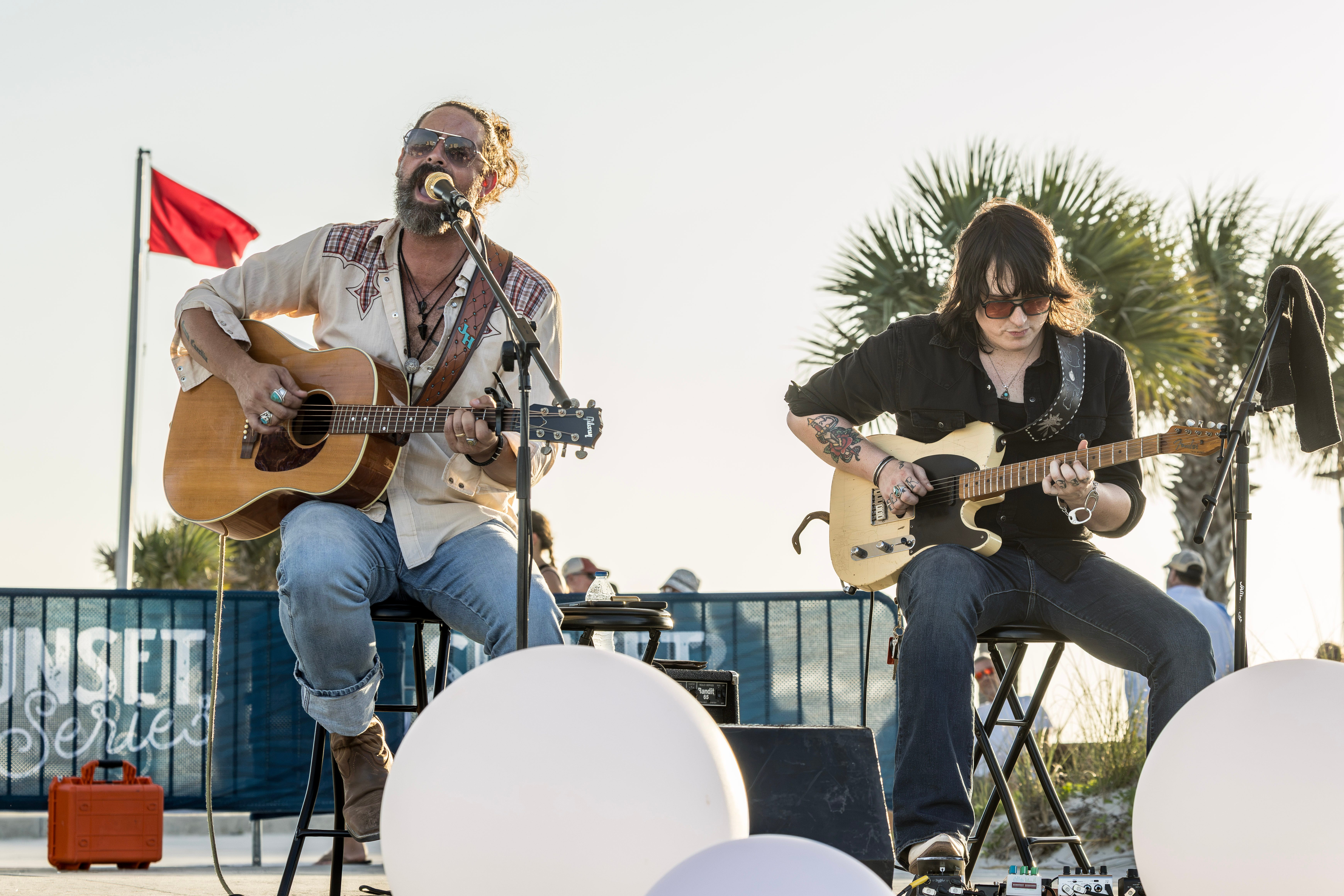
Johnny told the crowd he was married in New Orleans, which led into his voodoo country song, “Voodoo Queen”. His gritty vocal delivery and unpredictable phrasing suited a narrator held captive by a New Orleans queen. Underneath, his guitar kept a bouncy, funky rhythm. Teardrop struck a note and his entire wrist and forearm rocked back and forth, sending out a deep pulse. Watching that finger work, you could see how much movement he was getting from a note he allowed to hang there.
With “American Fairytales”, Johnny turned to what he described as a satirical critique of how literature and television shape our minds. Delivered in his stripped-back style, the song took familiar symbols of childhood wonder and dropped them into corporate and tabloid absurdities. Peter Pan and Captain Hook sign a settlement and shake hands. Mickey trades Minnie for a younger mouse. Pure imagination gets flattened by branding, algorithms and poor public relations.
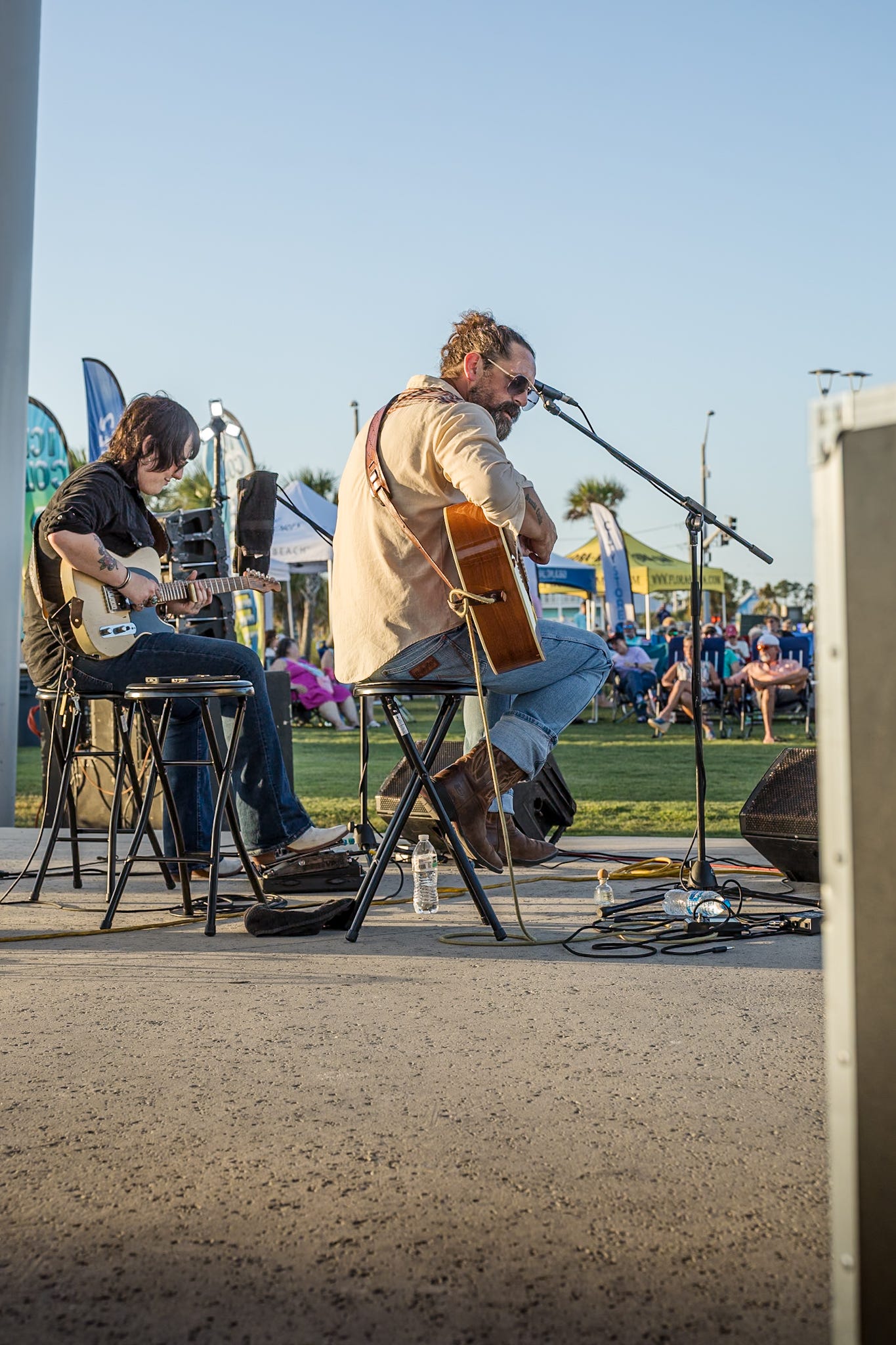
The humor worked because the characters were already so familiar. Johnny did not need to explain who they were before showing what had happened to them. The settlement and the younger mouse were enough. His vocals kept the commentary close and conversational, letting the disillusionment arrive through the ridiculous details. Between the woman on her porch and the corporate business in Neverland, he had given us plenty to laugh at, with something less comfortable sitting underneath.
Disconnect from the noise and find your escape, whether that’s a quiet, humid marsh or a chair right on the salt-rimmed coast. I’d happily take either with Johnny and Teardrop playing. Their back-and-forth gave those songs room for humor, unease and a little trouble.
Craig Campbell
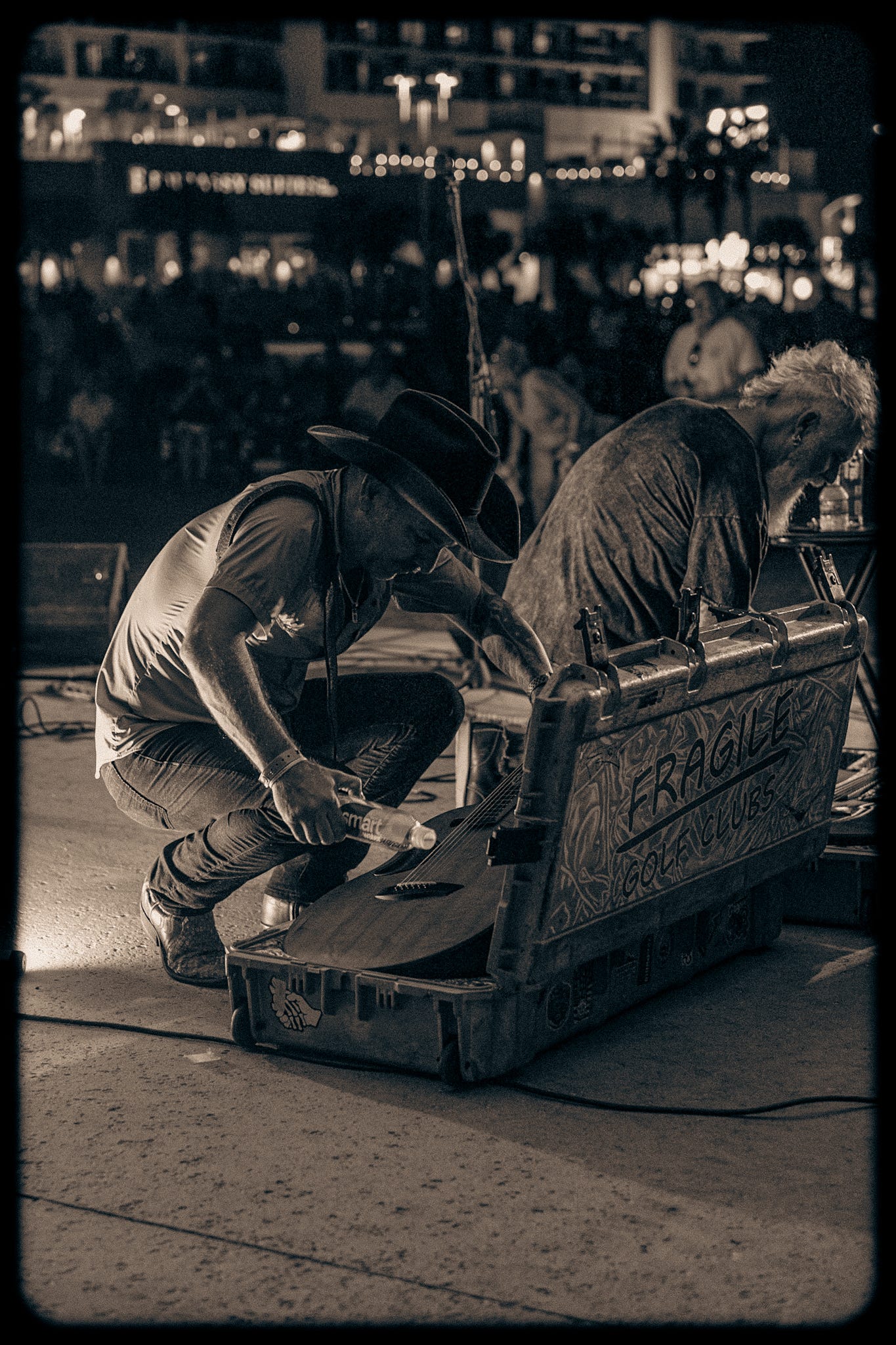
As a fan of his music growing up, I had no idea what to expect when I arrived during soundcheck. I was getting geared up when Craig Campbell walked over to introduce himself after putting his guitar back into a case that said, in BIG letters, “FRAGILE - GOLF CLUBS.” Seems to me the guitar case is having a midlife crisis.
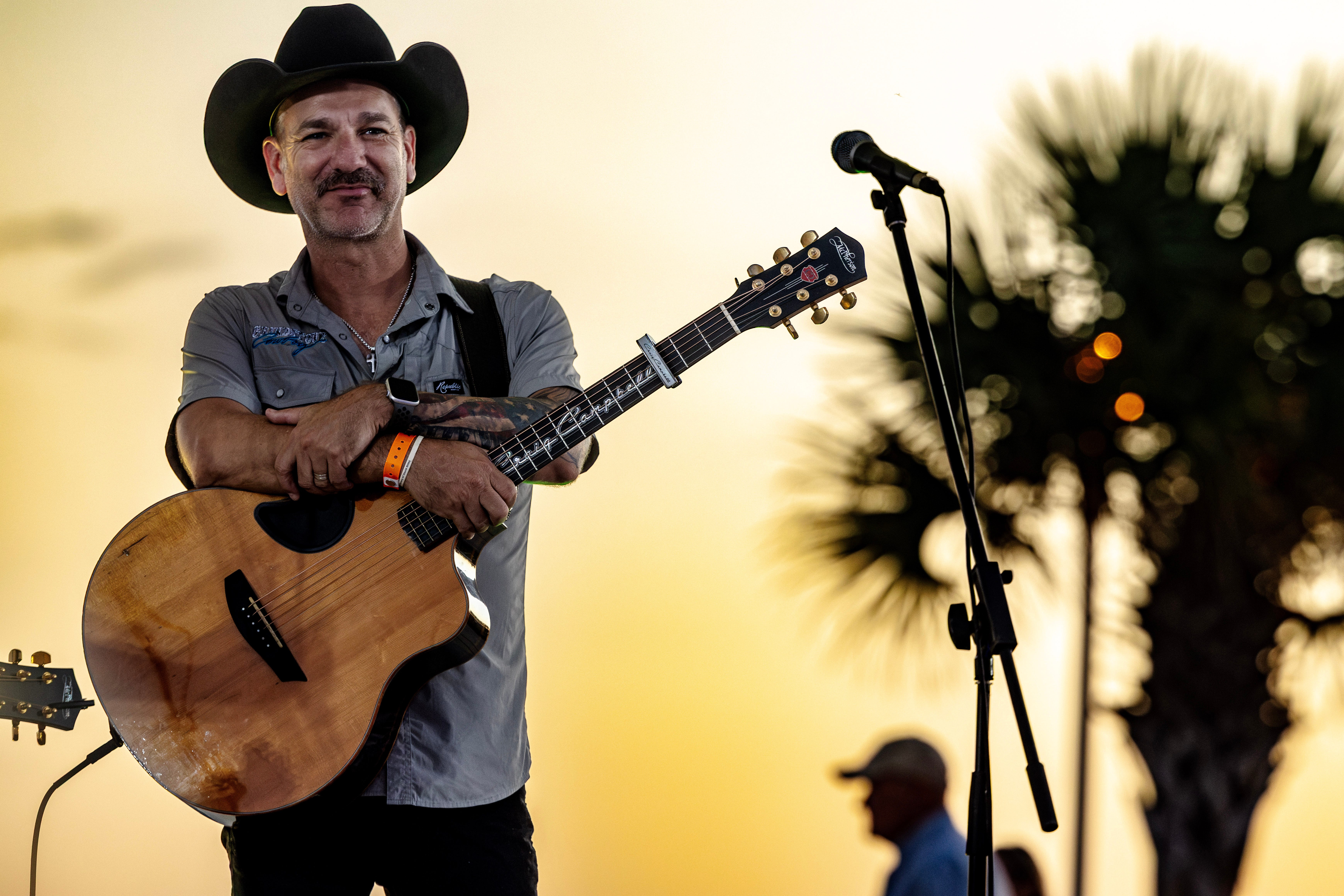
“Hey, I’m Craig,” he said, holding out his hand. “Hey Man! I’m Molly,” I responded while shaking it. I immediately caught his vibe. Craig was super chill, and that straightforward introduction stayed with me once he was onstage talking with a whole lawn full of people.
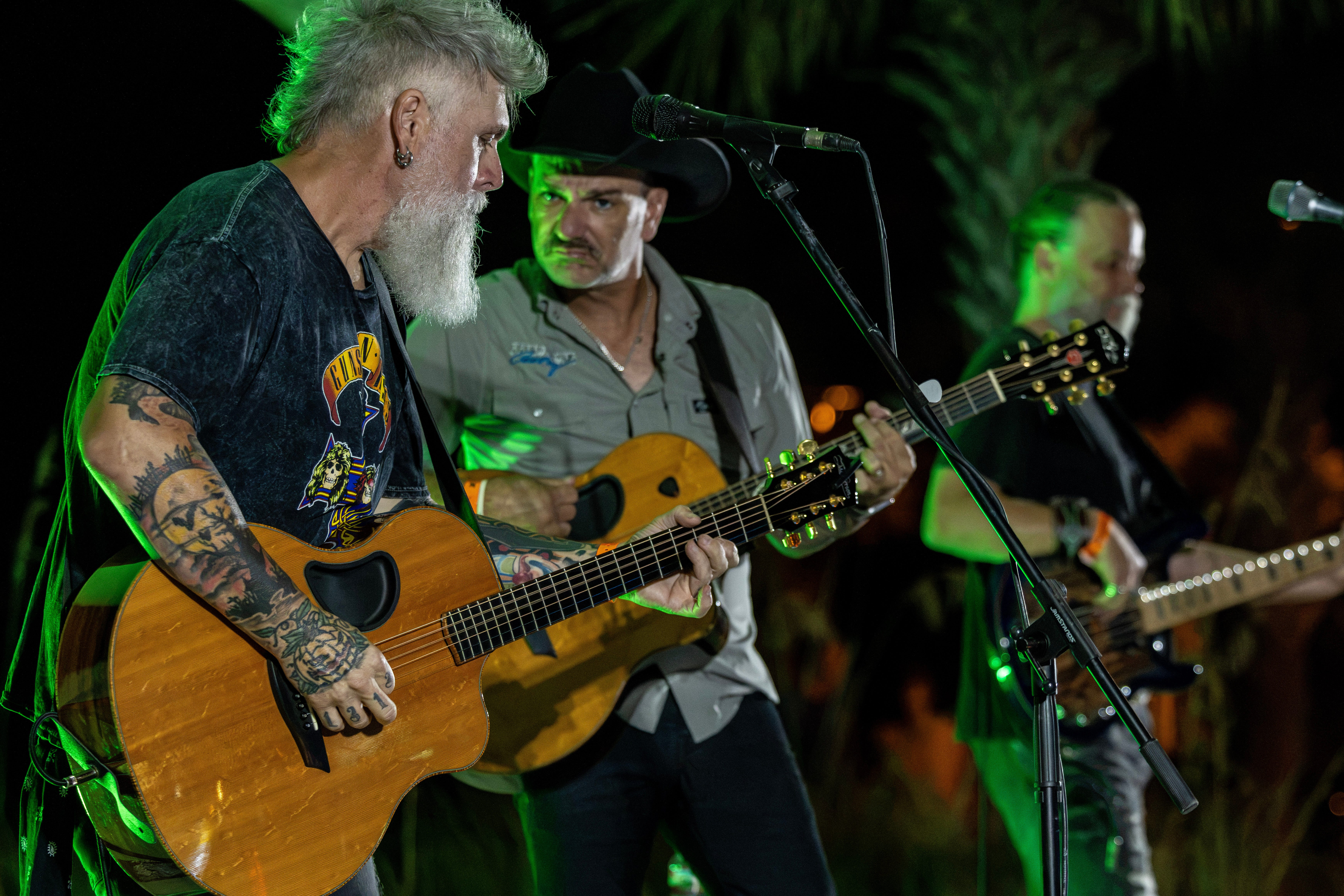
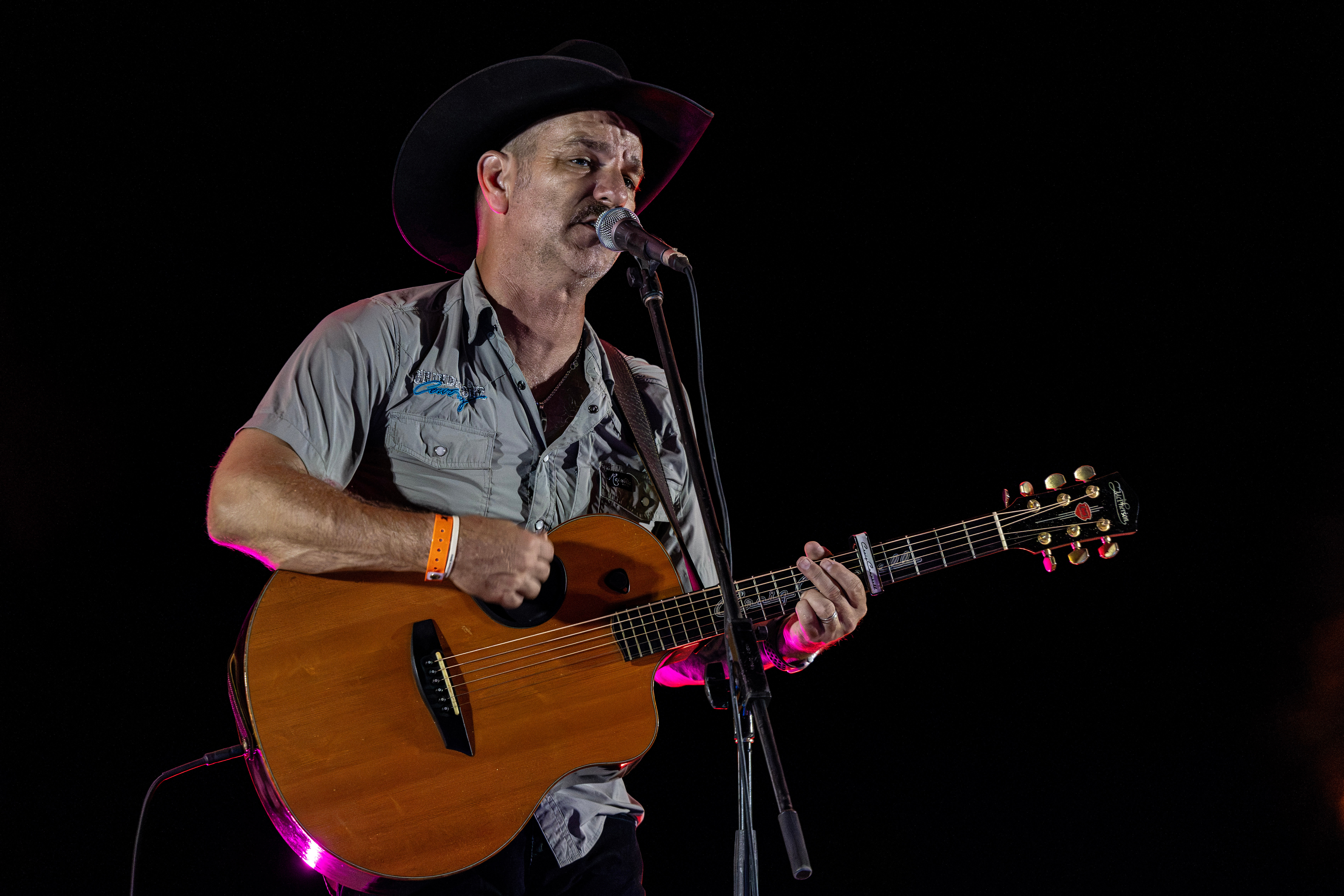
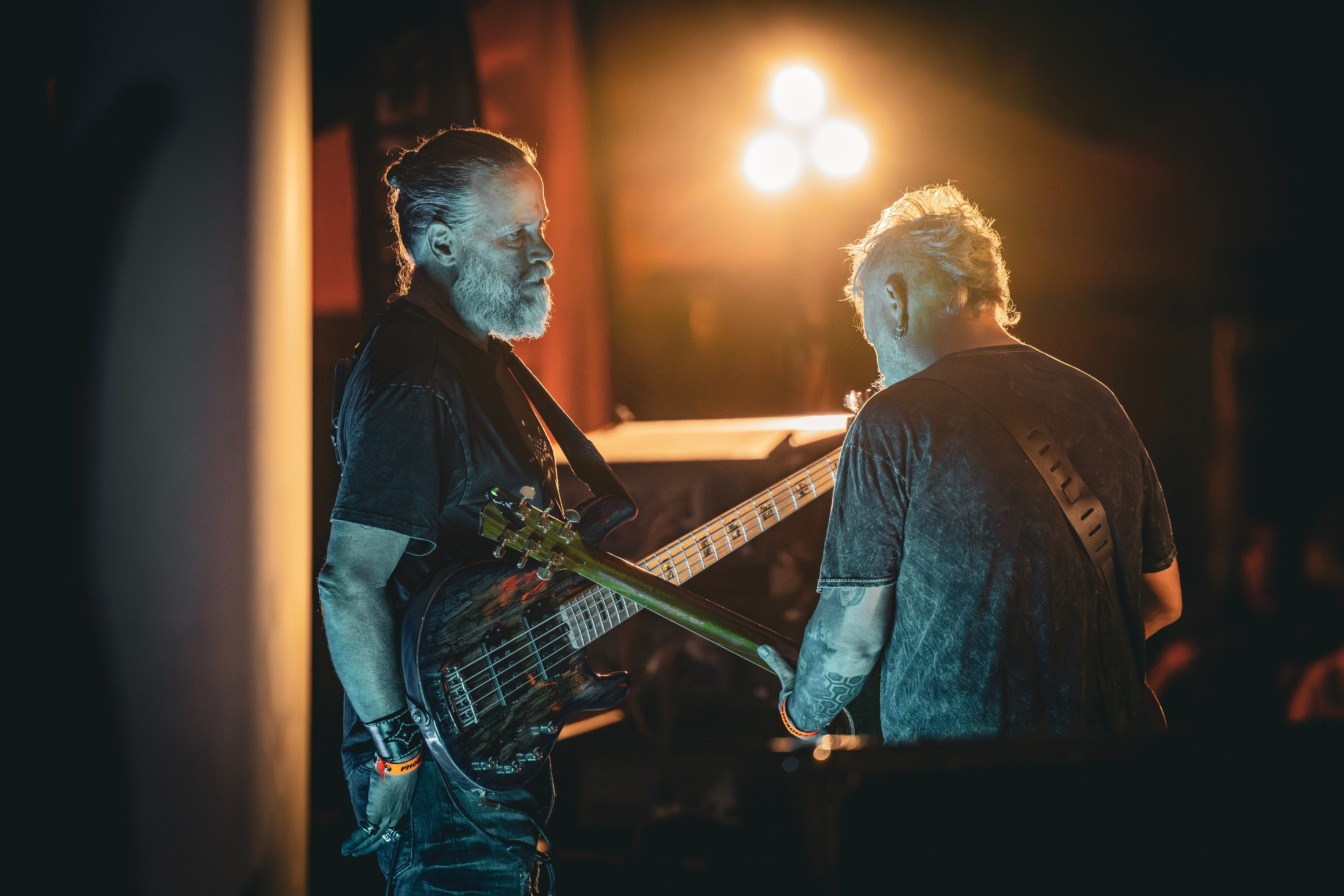
Accompanied by Jason Miller on acoustic-electric guitar and Todd Sassano on bass, Craig had already given us a preview of their camaraderie before they were even announced: a hilarious, synchronized guitar-stretching routine. Once they started playing, Jason and Todd’s tight backing let the performance move between country anthems and spare acoustic arrangements without losing its rhythmic bounce.
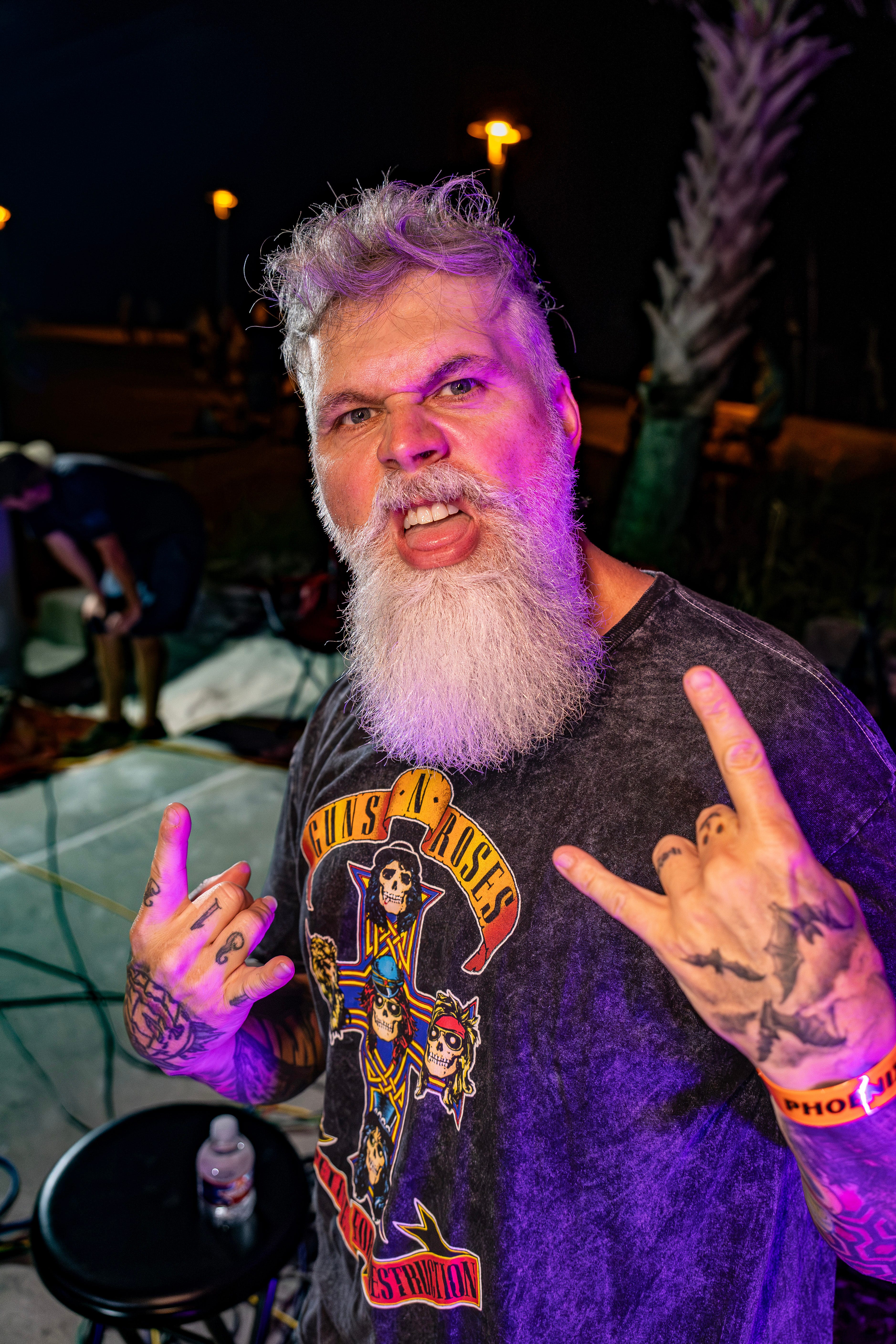
Jason was completely different from what I expected. I have to admit, I was profiling him based on his look—lesson learned! With his mohawk, tattoos, earrings, Guns n’ Roses t-shirt, and distressed black jeans, I’d expected a rocker. He played country, and the way he and Todd supported the changes in the set gave me plenty of time to reconsider my assumptions. That feller has some serious talent.
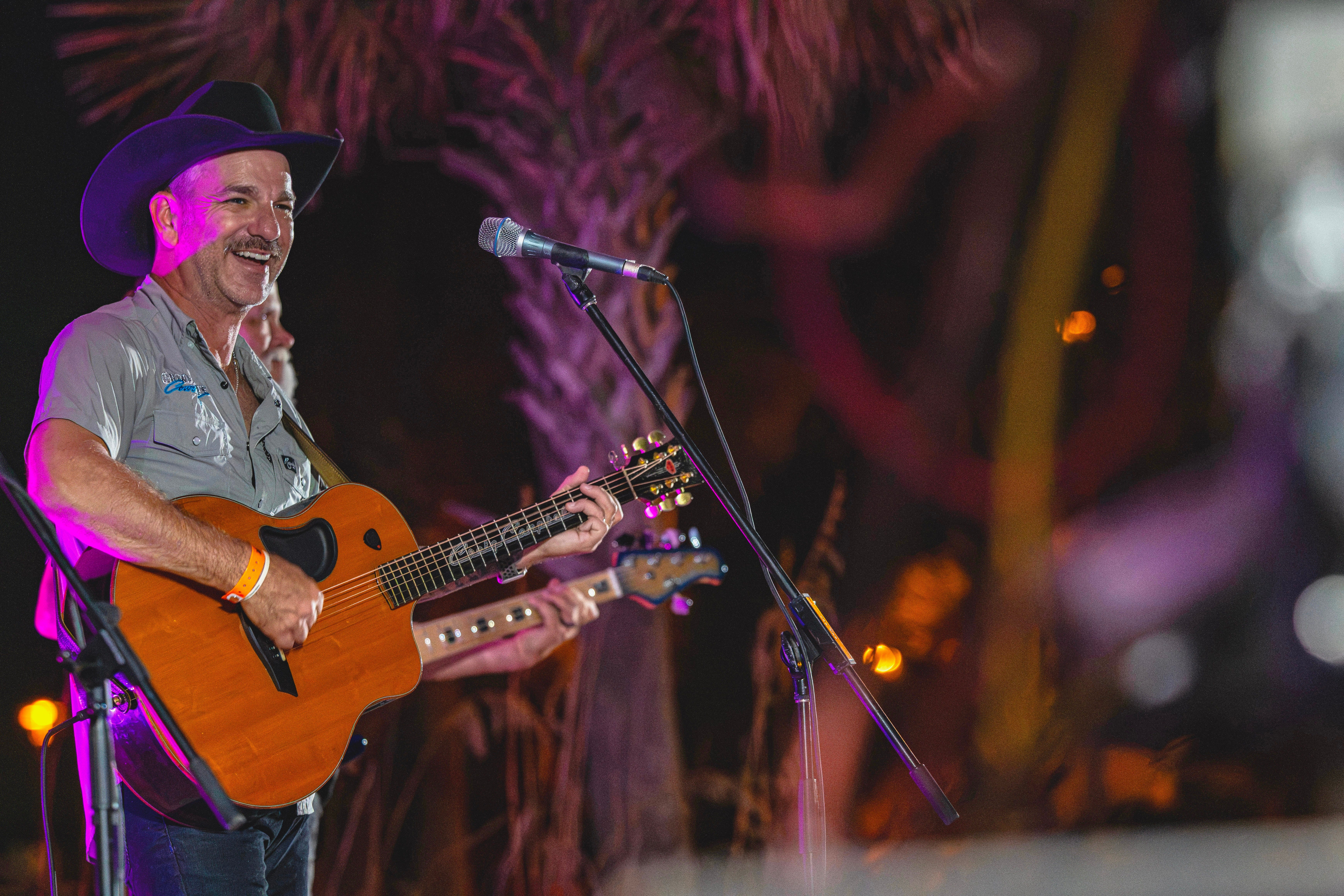
Craig gave us a lineup of his hits, including “Family Man”, “Fish” and “Outta My Head”. Two of my personal favorites were in there, too: “Keep Them Kisses Comin’” and “Outskirts of Heaven”. During the latter, time seemed to stand still. In a place built for bare feet, salty hair and fishing, its vision of heaven felt especially close to home.
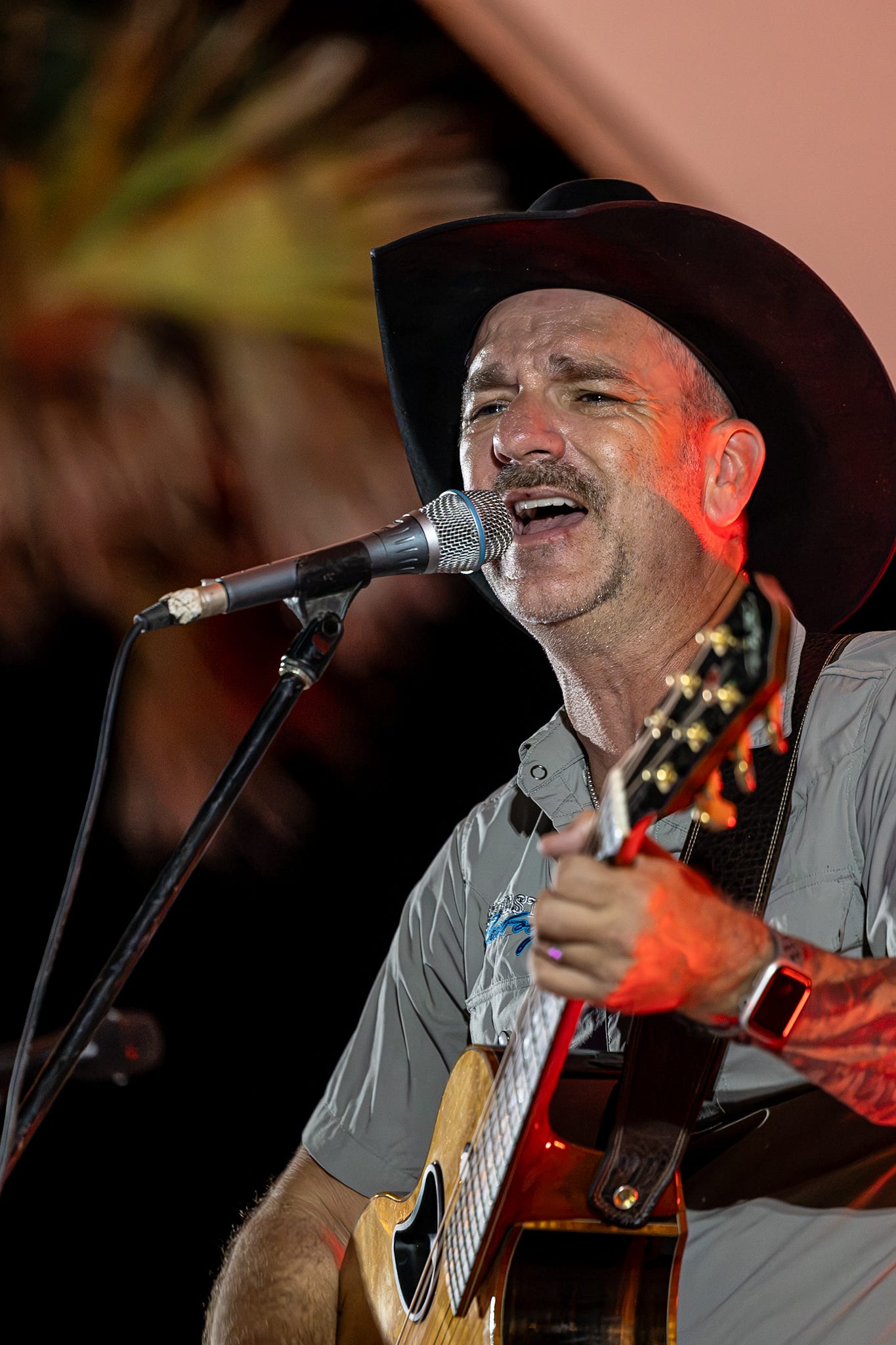
Written with Dave Turnbull, “Outskirts of Heaven” is a personal prayer request, as Craig explained in a 2016 interview. The porch swing and open space make his idea of the afterlife recognizably rural. Craig’s smooth Southern vocals gave those wishes the ease of an ordinary conversation. I’d come in already loving the song; hearing it in that setting made its sense of contentment feel less distant.
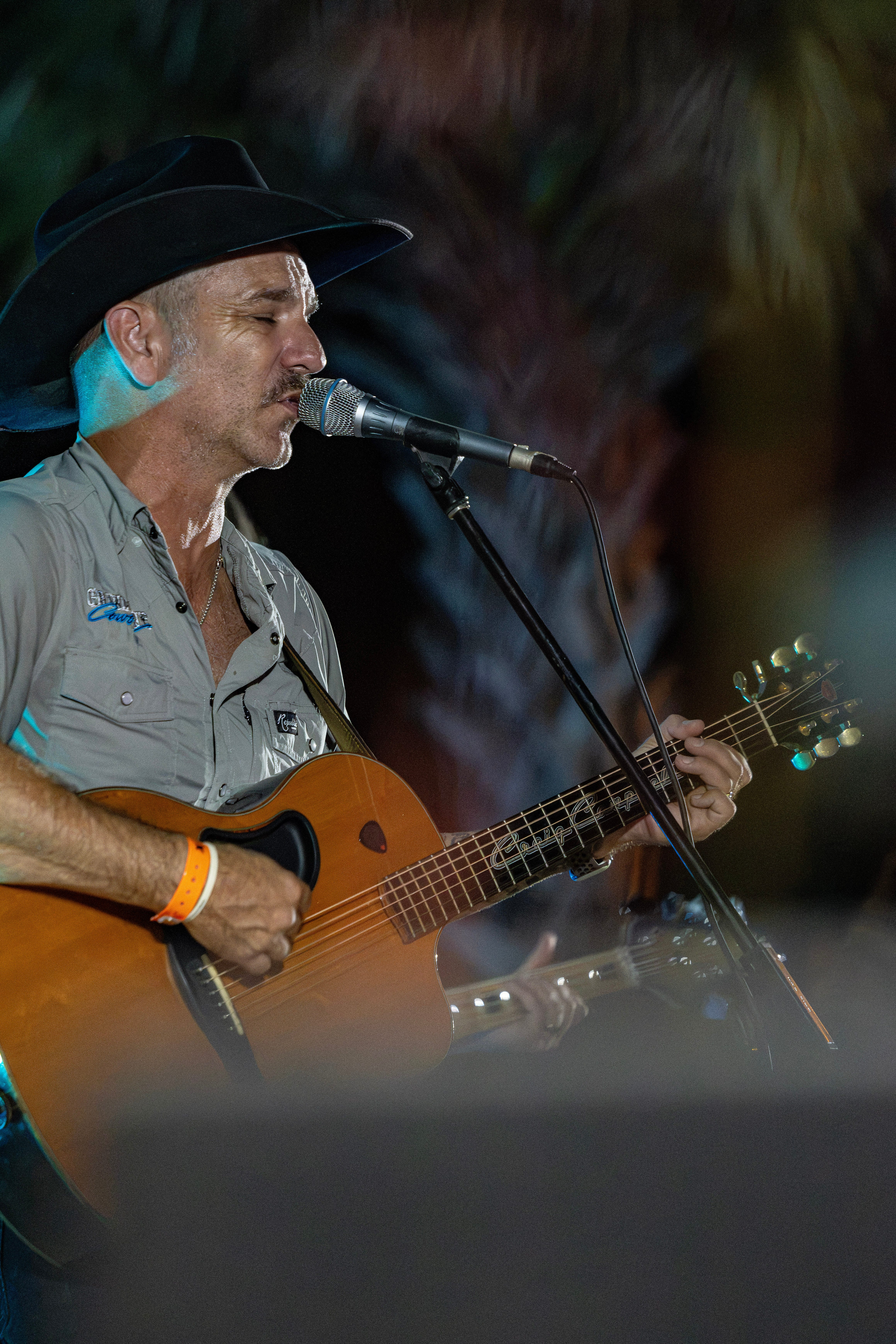
Craig changed it up with Travis Tritt’s “Here’s a Quarter (Call Someone Who Cares)”. Tracy Byrd’s “Watermelon Crawl” was in the mix, too, along with Brooks & Dunn’s “Brand New Man”. The Town Green got a little rowdy. During that run of covers, the crowd took over, singing word for word back to Craig while he stood back and listened.
An entertaining detour came when Craig told us about a highly intoxicated fan in the front row at a recent show. For the entire night, she kept calling him “Chris,” leaving him to wonder if he was being mistaken for Chris Young. He happily played along until the punchline: she finally asked him to sing a Blake Shelton song, which he politely declined. Craig had managed to be three country singers in one evening and still hadn’t supplied the requested song.
As the set continued, Craig praised the ’90s as the greatest era in country music. He’s not wrong, at least as far as my own radio memories are concerned. I mean, come on: Alan Jackson, the honky-tonk swagger of Toby Keith, the storytelling of Brooks & Dunn, Sammy Kershaw’s laid-back groove, Garth Brooks’ stadium theatrics, the unapologetic glamor of Shania Twain and the defiance of the Chicks, all on the same station. That’s a lot of personality to grow up with.
Craig has spent years making room for his own songs alongside those influences, and in 2020 he launched Grindstone Recordings. His radio history and independent present fit comfortably into an evening that put established hits beside songs some listeners were discovering for the first time. Onstage in a small town on a big beach, he could draw on the recognition those hits carried, then give the crowd space to supply the words themselves.
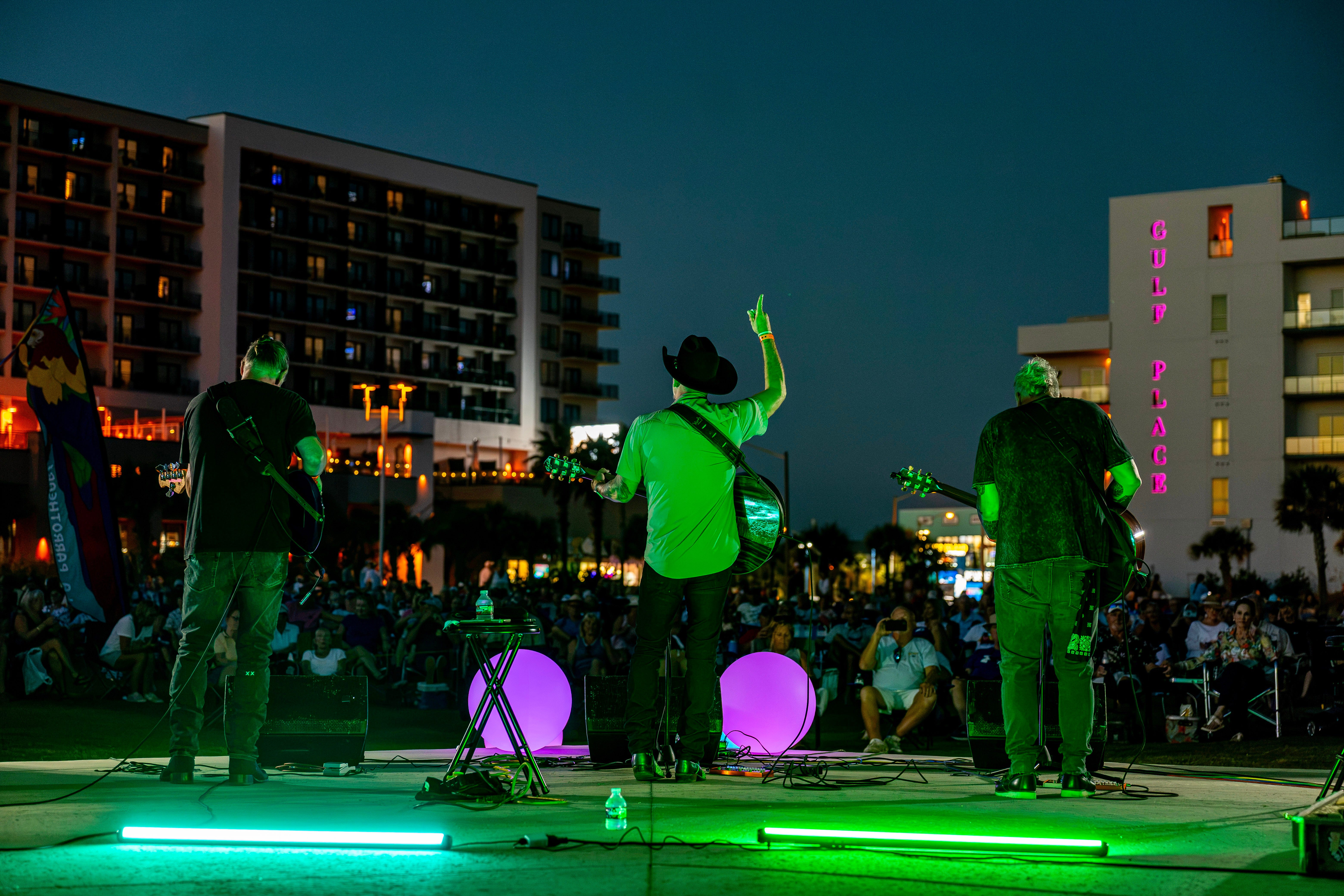
Classic move: I brought my flash but left the batteries at home after unpacking from my Wisconsin flights. Double-classic move: I didn’t check my bag before walking out the door. Lesson learned. Plot twist! I actually hate flash photography. Instead of panicking, Jason, Craig, Todd and I had a blast coming up with creative alternatives for their group photo. I ended up using my RGB tube lights from their stage performance, and honestly? Problem solved, and it looked way cooler.
Afterglow
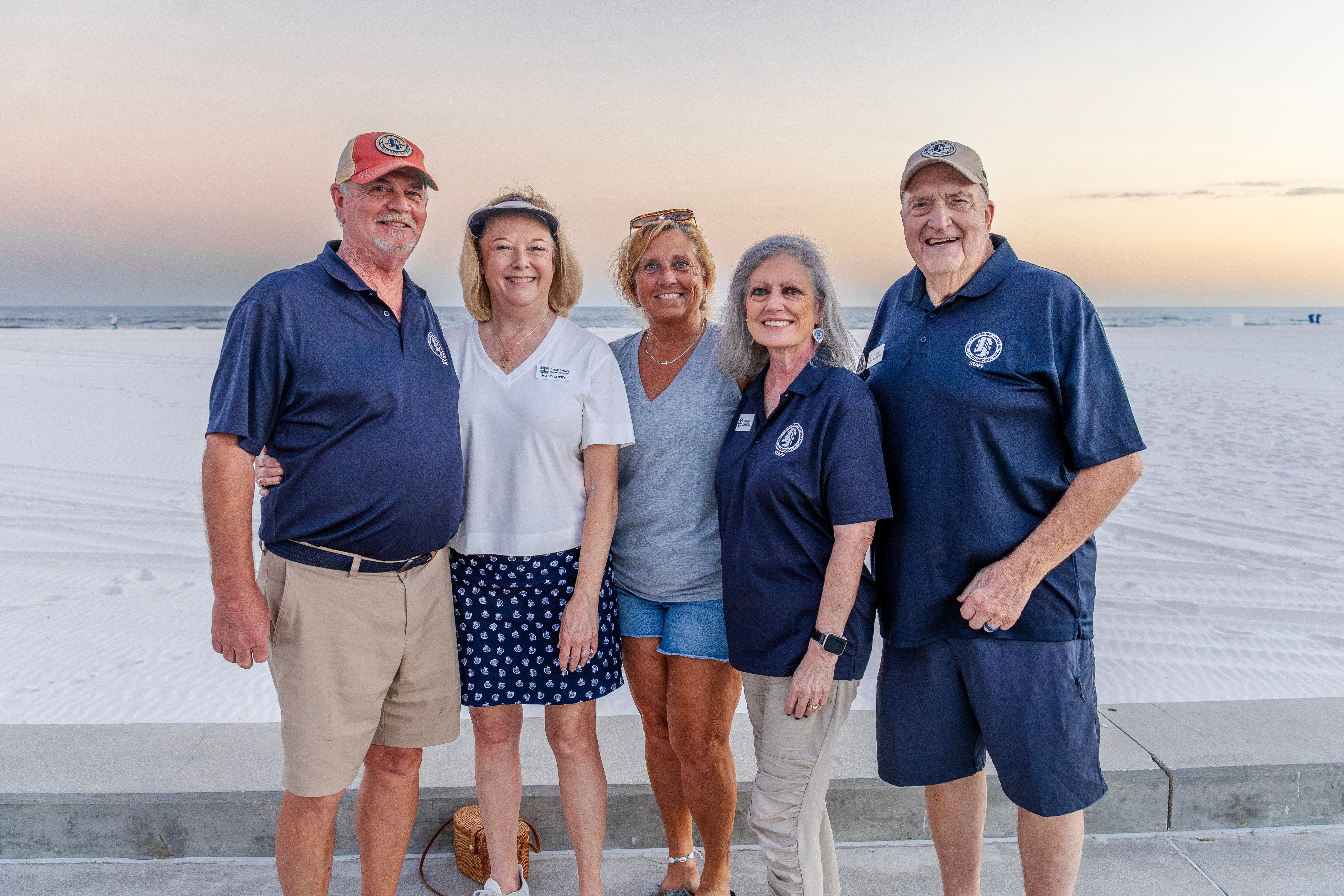
Being part of the Frank Brown family means getting to catch up with old friends while capturing the artists and hearing the songs. Back here with my cameras, it was exactly the acclimation I needed. The November festival was still weeks away, but the evening had already given us the stories that make me want to return: how a song gets written, what a musician does between shows and the things people say when the guitars stop for a minute.
If you’re reading this, picture me laughing like a digital mastermind. For your listening after the show, try Craig Campbell’s “Better by the Sea”, then the Wilson Brothers’ “Permission to Be Me” and Johnny Hayes’ “Alabama Sun”. Consider your algorithm gently redirected. Talk about a grassroots project—especially given that Johnny quite literally cuts grass for a living.
Back in that thick, salty air, with two cameras at my hips and old friends around me, it was good to be home. The flash batteries could wait. Cue the algorithmic drift.
Please consider Donating to Sponsor an article even $1 helps!
