




Editor’s Note: Press Access & Thanks to our Sponsor
A heartfelt thank you to Beyond Media Entertainment and Ain’t Life Grand Photography for sponsoring the evening and covering the costs that helped make this article possible. Support like that means a great deal, and it allows nights like this to be documented with the care they deserve.
We also want to thank xBk Live for their help with the press pass and for being so welcoming throughout the evening. Their kindness and professionalism made the experience that much better.
It takes a team behind the curtain to make coverage like this happen, and we’re truly grateful to all of them.

The Room Before the Music
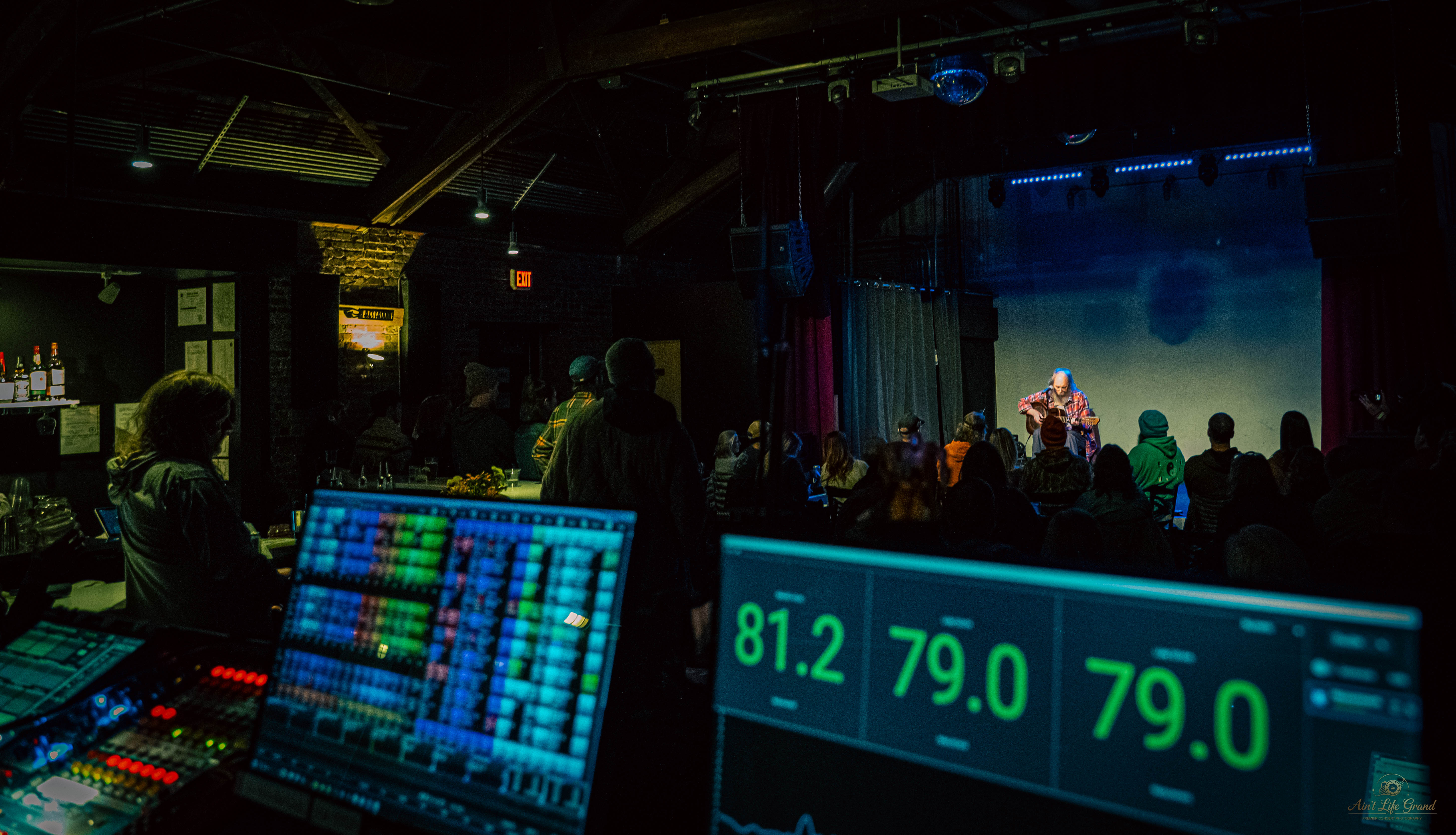
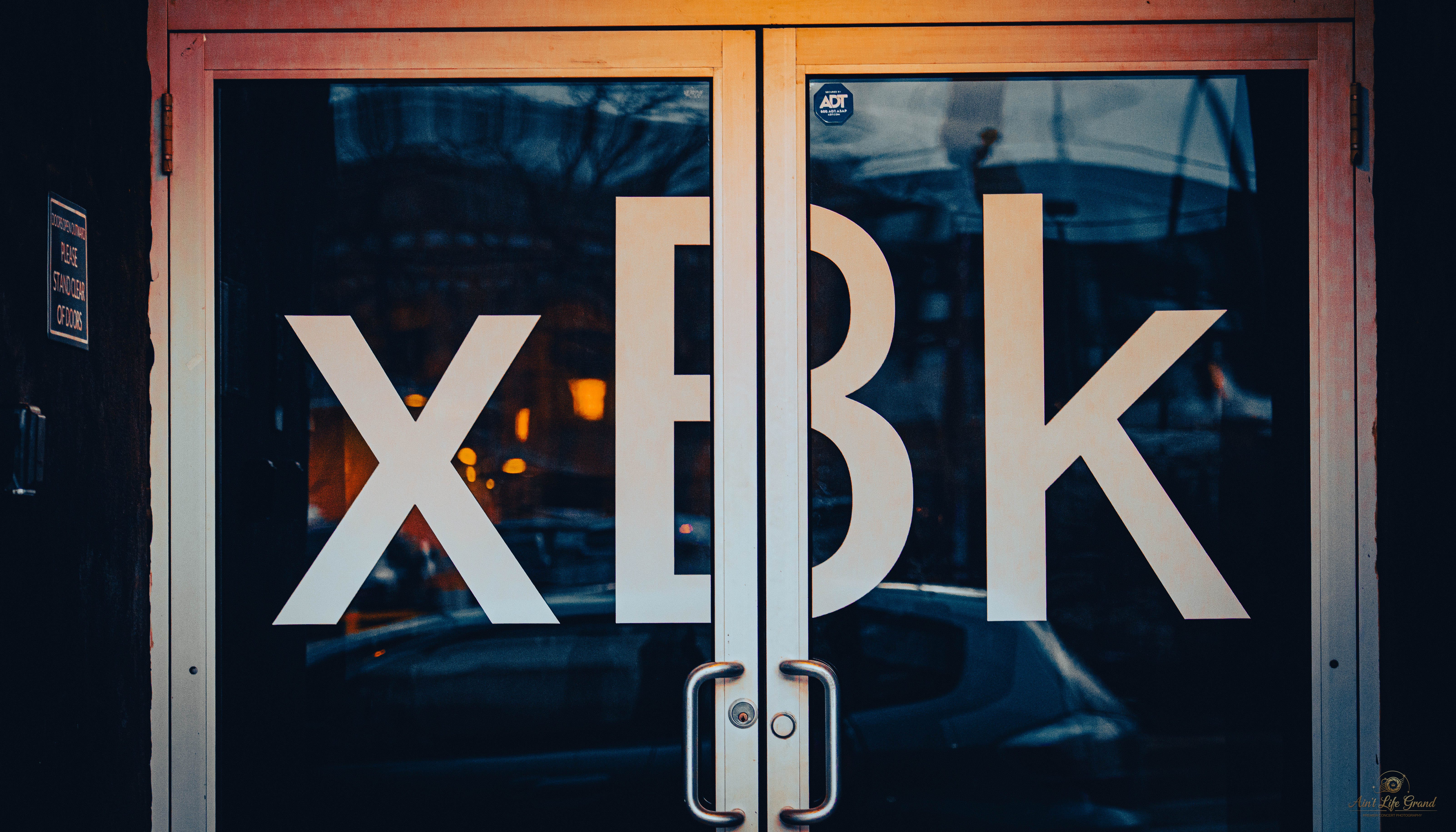
The moment you step into xBk Live, you realize it isn’t trying to be loud about what it is. It’s a 250-cap room that understands restraint, a listening room disguised as a bar where the sound doesn’t just reach you, it sits with you. There’s no distance between stage and crowd, no ego in the acoustics, just clarity and intent. The booking reflects that same philosophy. One night hip-hop, the next folk, the next something that refuses a label altogether.
Parking still fights you a little—it always does—but luck showed up this time. We landed a spot less than half a block away. Inside, the usual orbit forms. Bill near the front, Brian Dodson already locked in behind the board. That booth has quietly become our anchor point, a place to drop gear, pick up knowledge, and occasionally score a bourbon and a cookie. The crowd filled in slow and wide—kids, college, lifers. Not one type, not one age. A quiet reminder that blues isn’t fading, it’s circulating.
The Opening Set
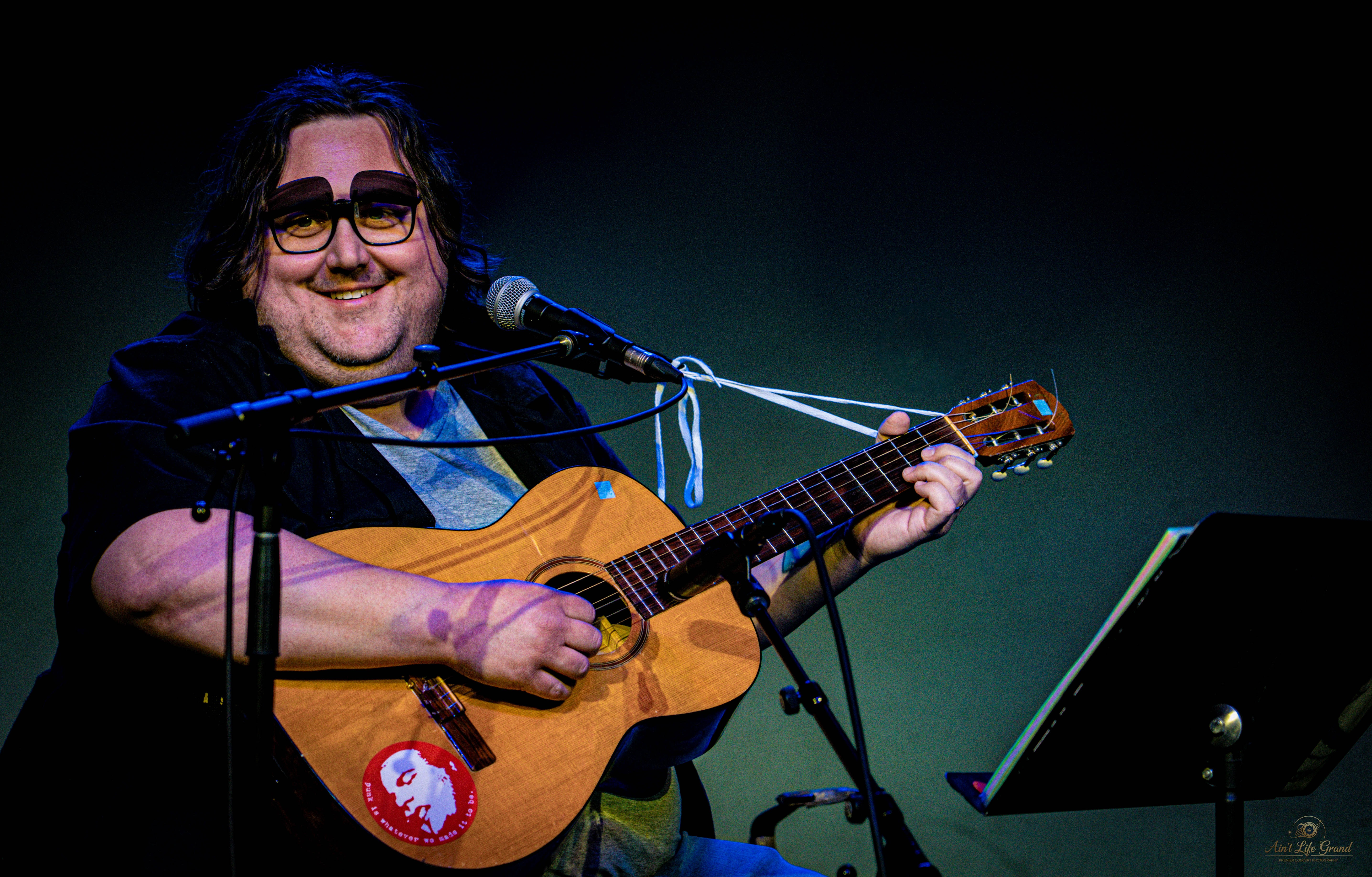
Samuel Locke Ward doesn’t perform like someone trying to win you over. He performs like someone who already knows he has you. A veteran of the avant-pop underground with a catalog that borders on excessive, his output alone suggests unpredictability—sixty-plus records and counting.


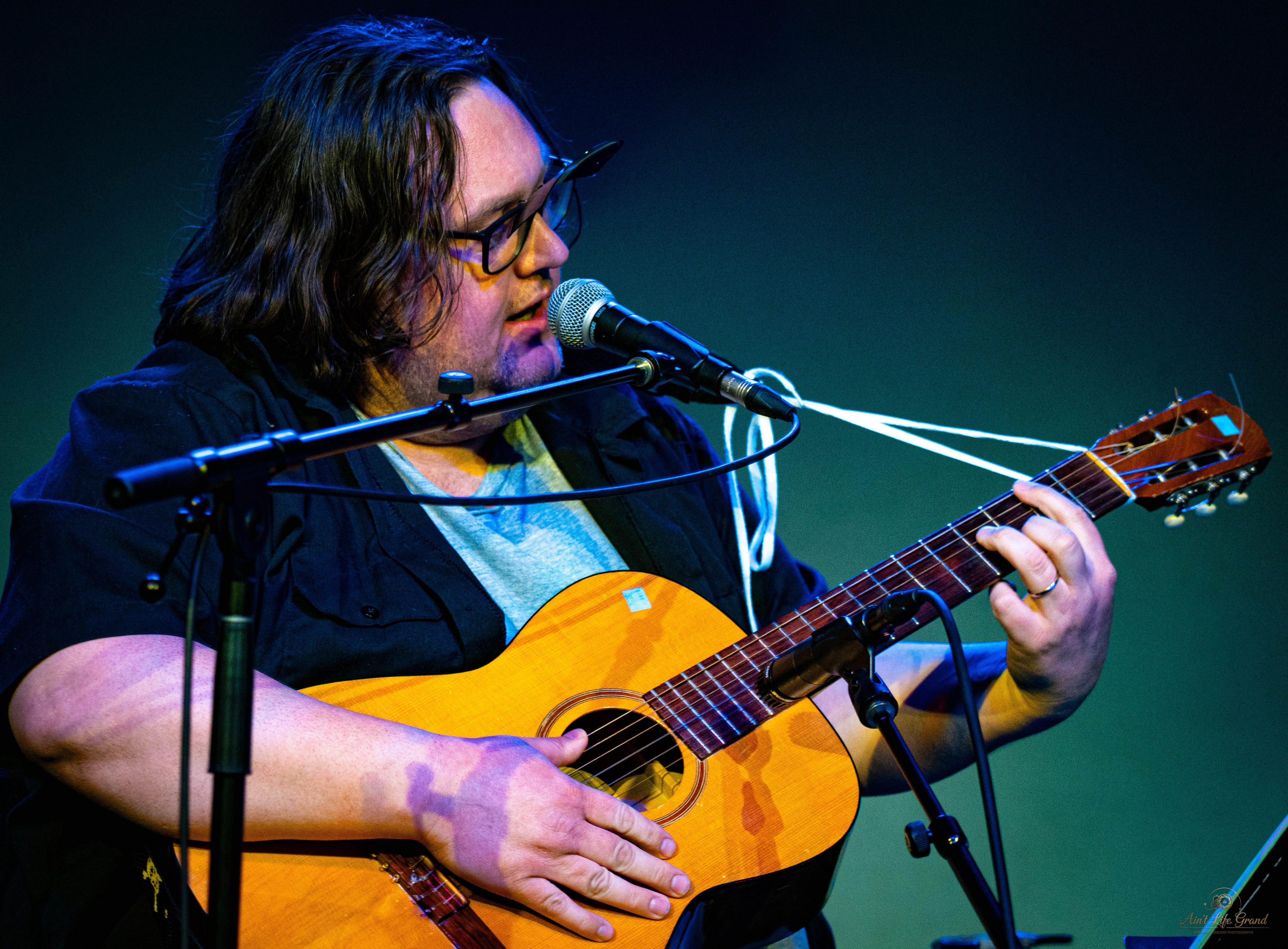
Sonically, the set leaned folk-indie, stripped down and almost grounded. But visually, nothing about it stayed still. A shoestring guitar strap hanging like an afterthought, flipped-up shades, a head bobbing in a rhythm that didn’t quite match anything else in the room. Then the faces—rolling eyes, exaggerated expressions, moments that felt like performance art colliding with sincerity. You don’t watch him casually. You either commit or you miss it.
Then came “Try Cannibalism.” No warning, no soft entry—just a hard turn into absurdity: “Try cannibalism, try something new / Put some adventure into your life / Put some quality into your diet.” It shouldn’t land, but it does. The crowd didn’t hesitate. They surged into it, fully. Sometimes the strangest thing in the room is also the most alive.
Please consider Donating to Sponsor an article even $1 helps!

Walking in Blind
I went into this night knowing absolutely nothing about Charlie Parr. No prep, no research, no safety net—just an assignment and a blank slate. That kind of ignorance is rare, and powerful. When something hits, it hits clean.
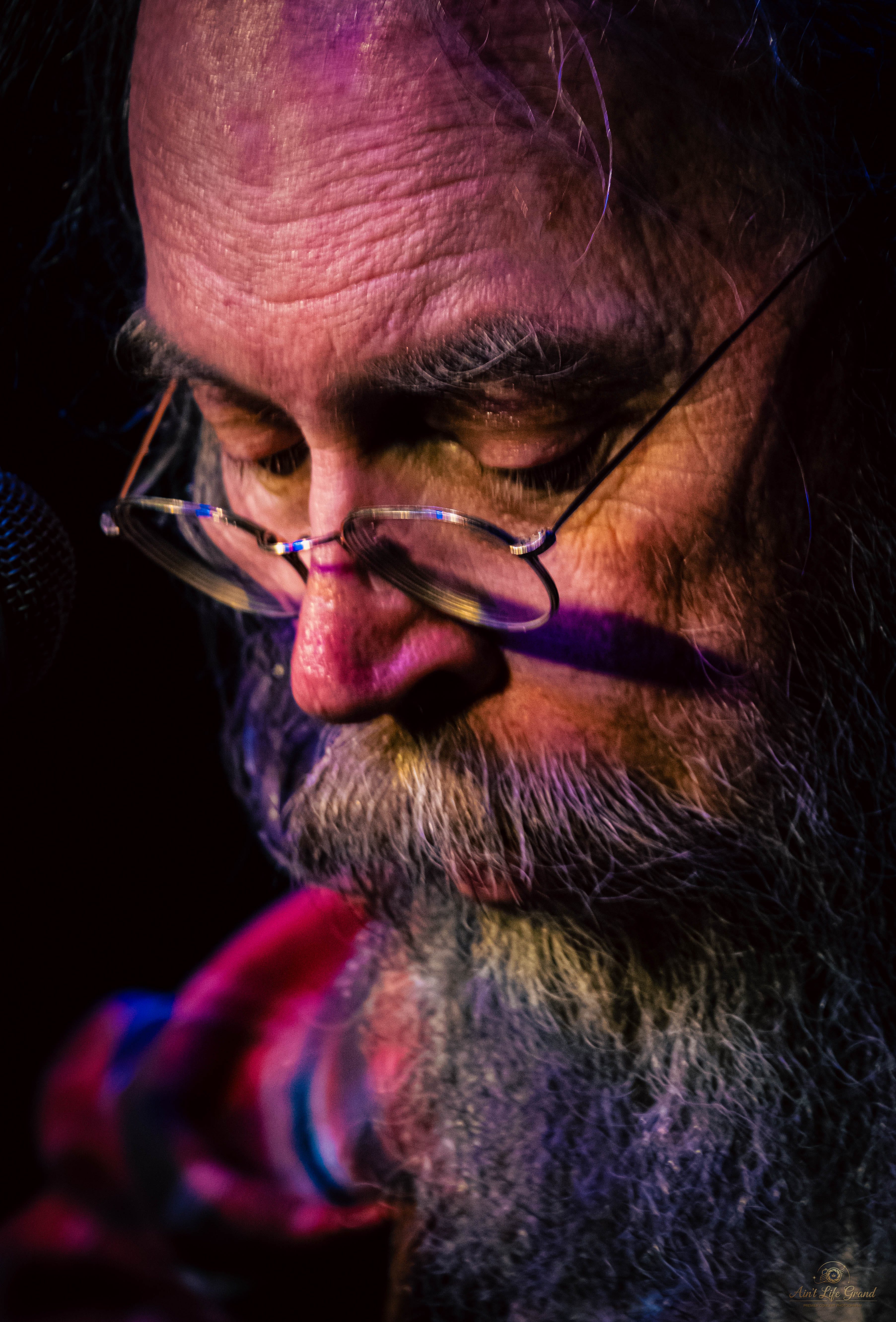
The first notes came through and it was immediate. Grit, depth, something old and heavy moving through the room. It didn’t take long to realize this wasn’t someone dabbling in a style. This was someone living inside it.
A Lineage You Can Hear
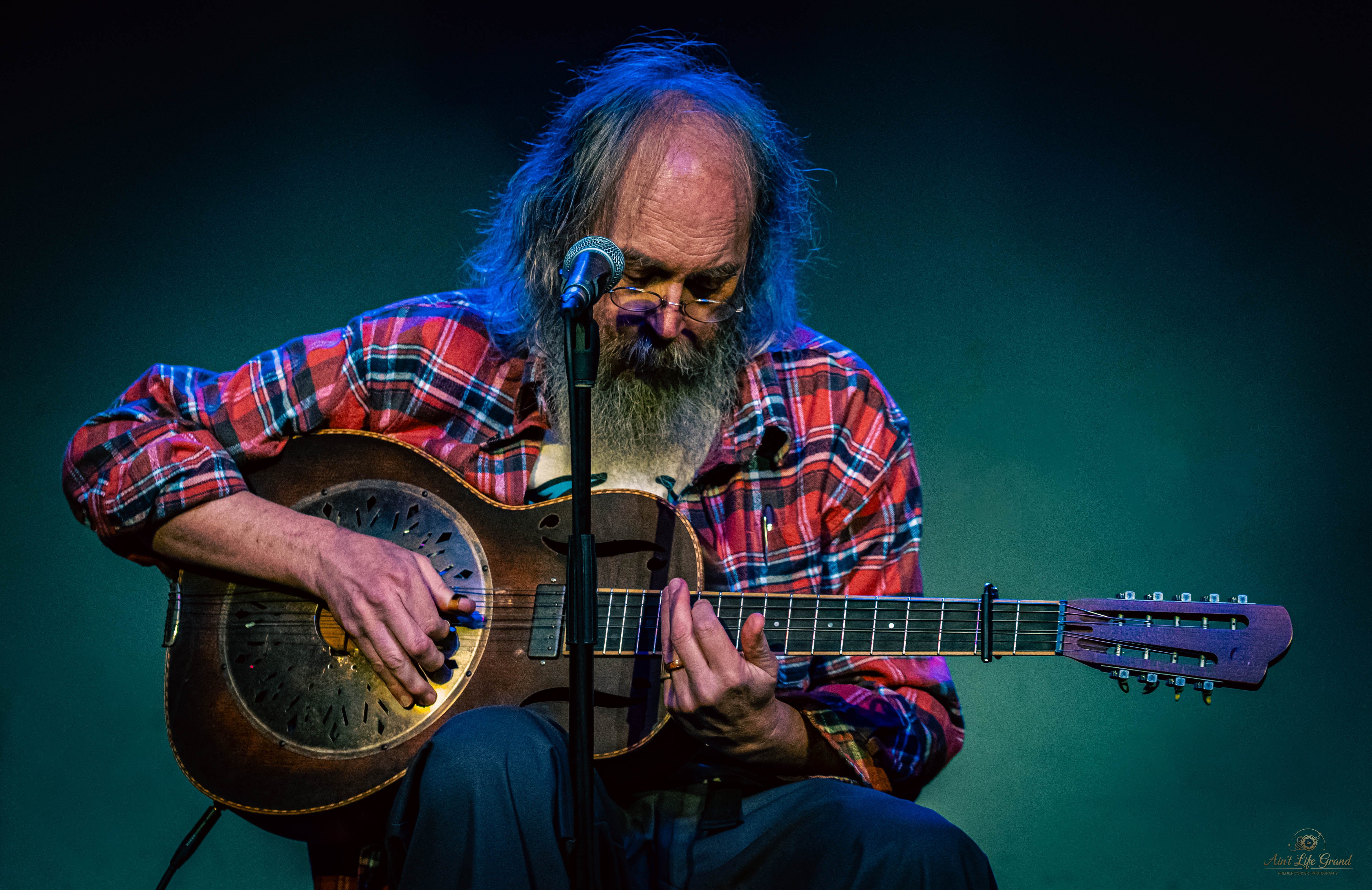
If you want to understand Charlie Parr, you don’t start with genres—you start with lineage. The ghosts are present. You can hear them in the structure, the tone, the way the songs move. Echoes of Charlie Patton, Bukka White, Reverend Gary Davis, Mississippi John Hurt, Dave Van Ronk. And then there’s his compass point, Spider John Koerner, less an influence than a direction.
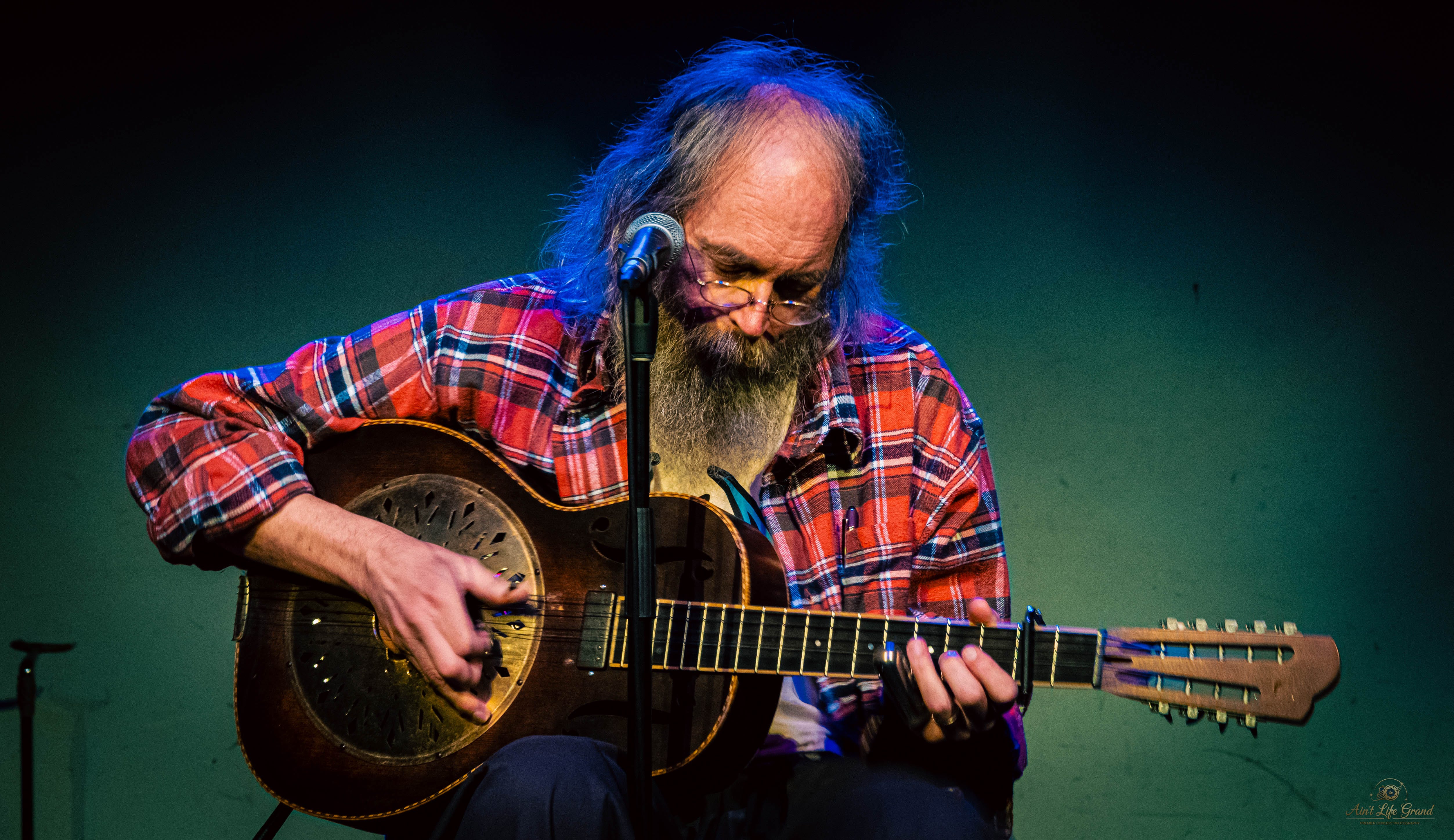
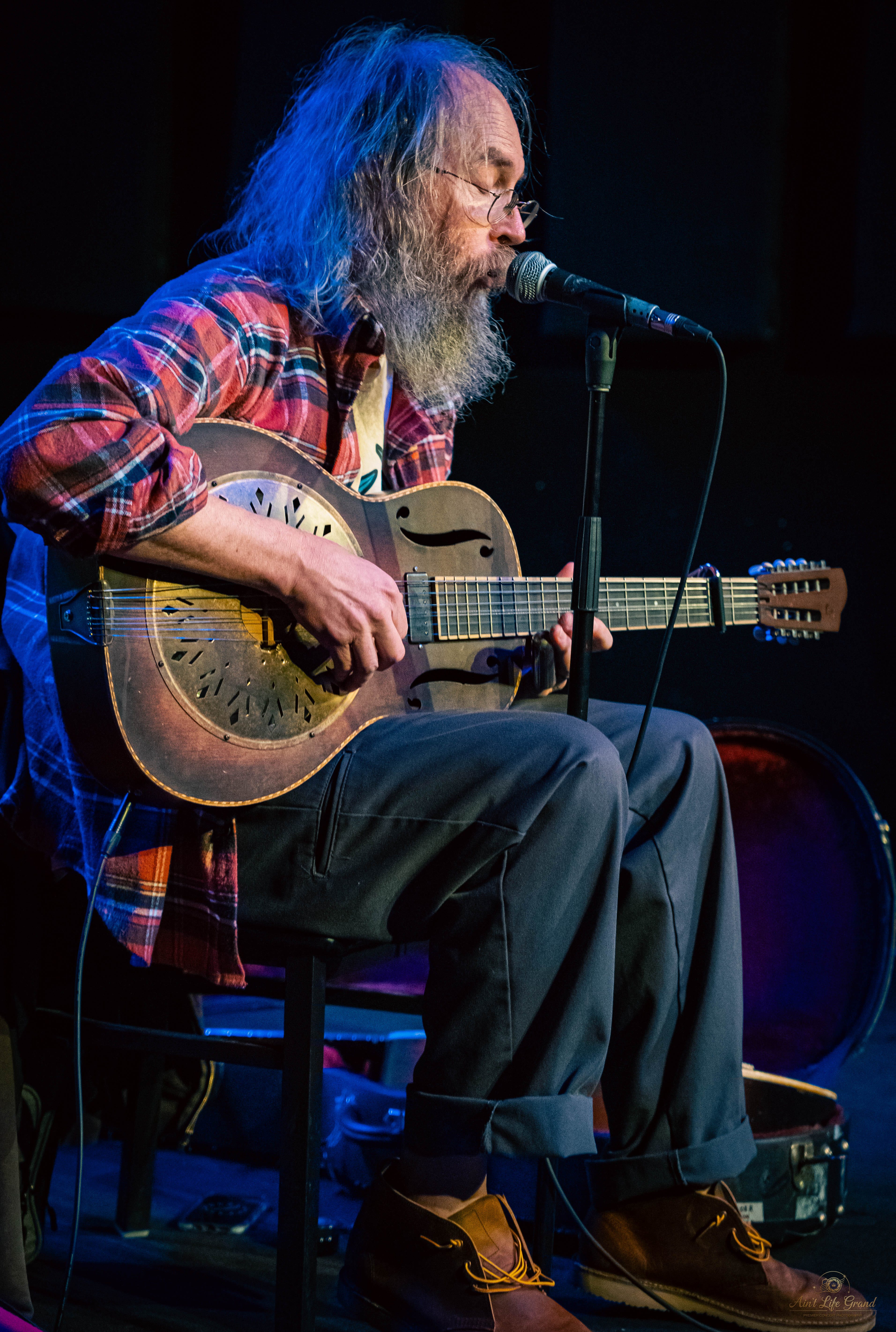
That history isn’t referenced, it’s embodied. Resonator guitars ring with metallic bite, twelve-string passages stretch wider than they should, and a fretless banjo feels more like a voice than an instrument. It’s technical, deeply so, but never feels like a demonstration. It feels necessary.
The Songs That Stayed


When he moved into “Spread It Around,” the room shifted. Not politely, not subtly—you could feel recognition ripple outward. Then “Falcon,” quieter but sharper, a song that doesn’t need volume to land, just attention. Somewhere between those moments, it locked in. I walked in with nothing. I wasn’t leaving that way.
Red Flannel, Old Stories
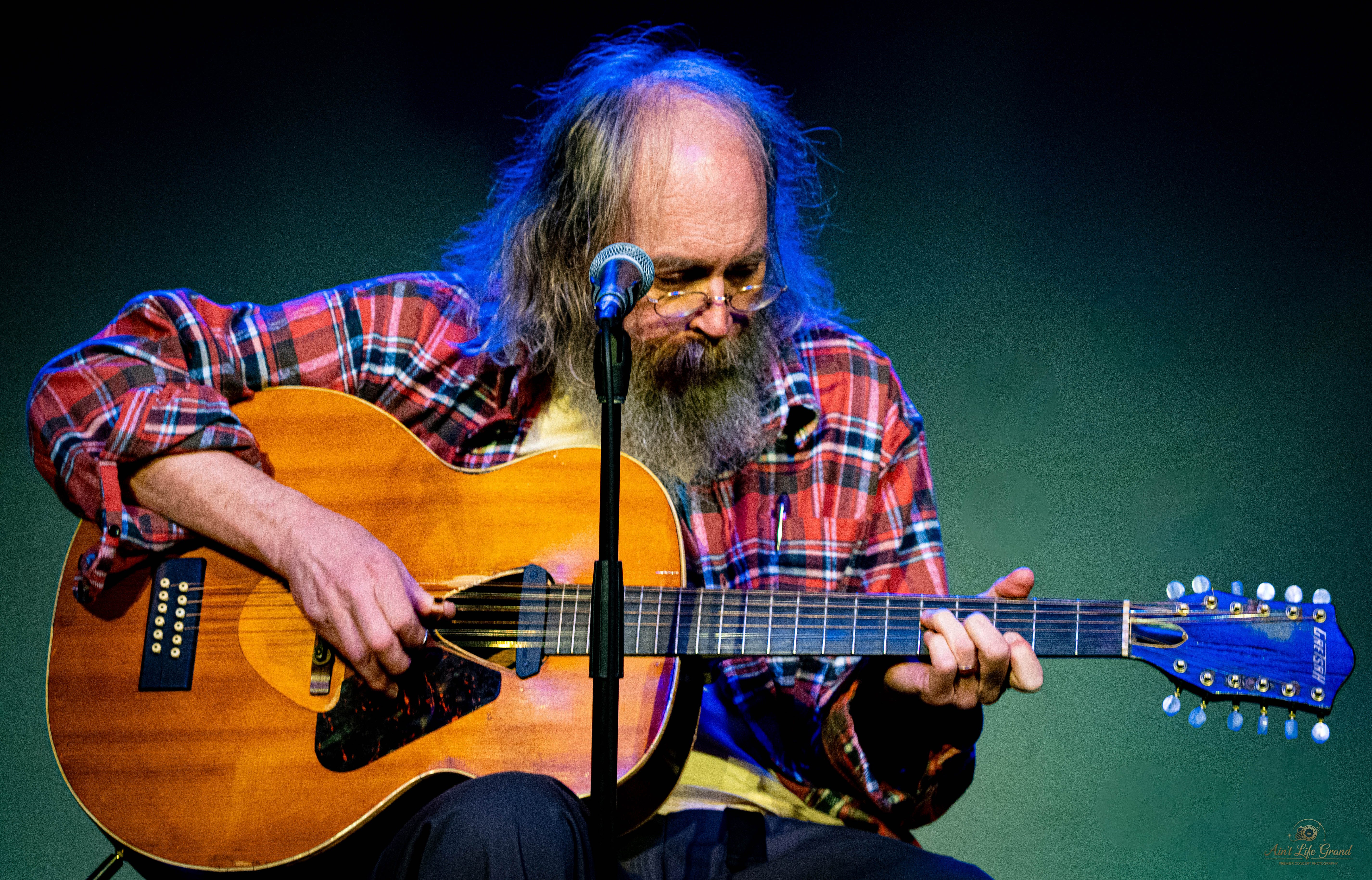
He stood there in an oversized red flannel, hanging off him like it had its own history. Before “Old Dog Blue,” he paused and explained the song’s arc—simple, nice, then confusing. Maybe for him. For me, it felt clear. A dog, a hunt, a meal, and eventually loss. A life told plainly, without needing complexity to matter.
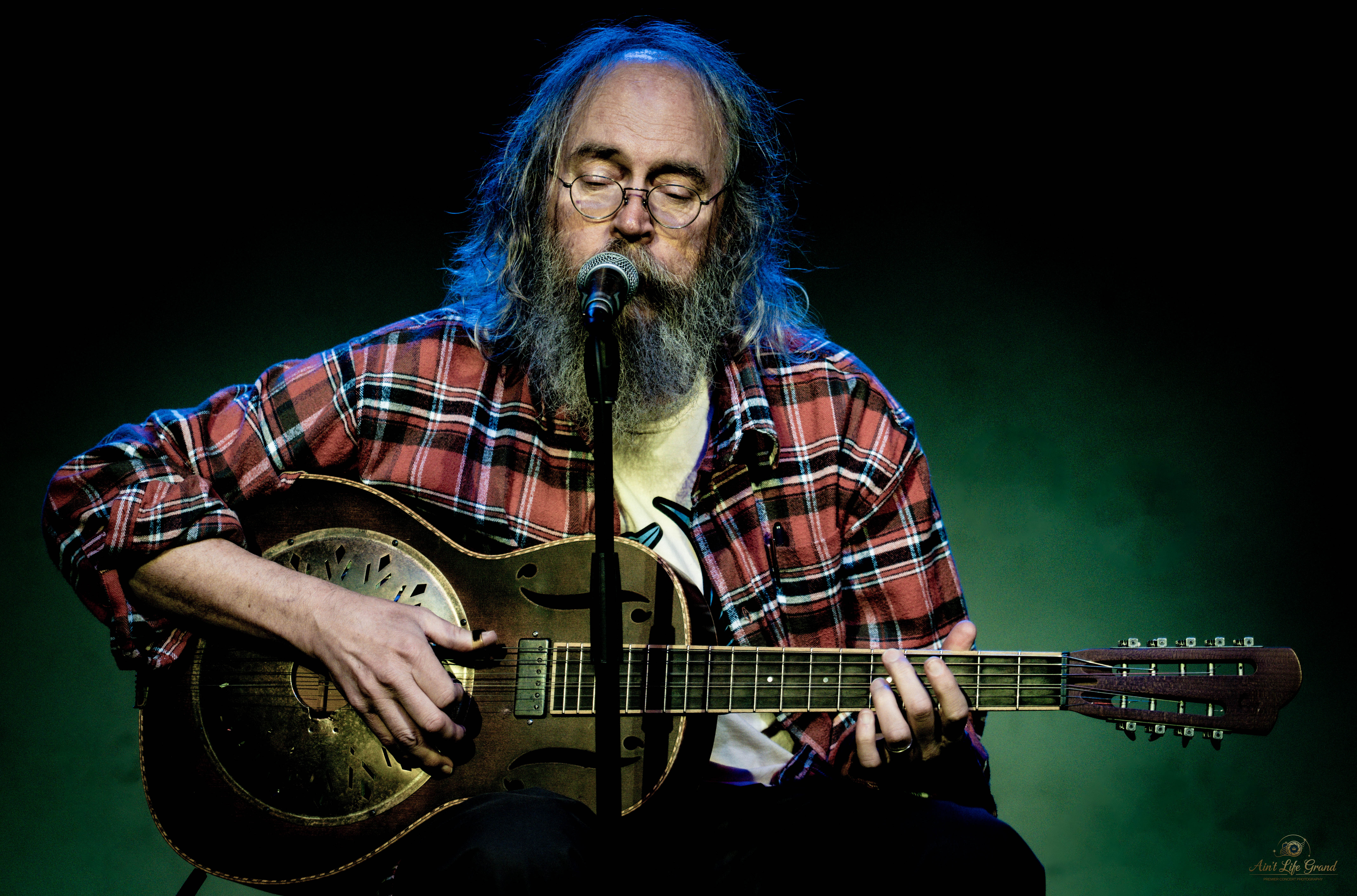
Then came “A Soul is a Soul,” and the room leaned in. A quiet argument for the equality of life itself, human and animal separated less than we pretend. Heavy ideas, delivered gently. That balance is rare.
The Encore That Didn’t Need Amplification
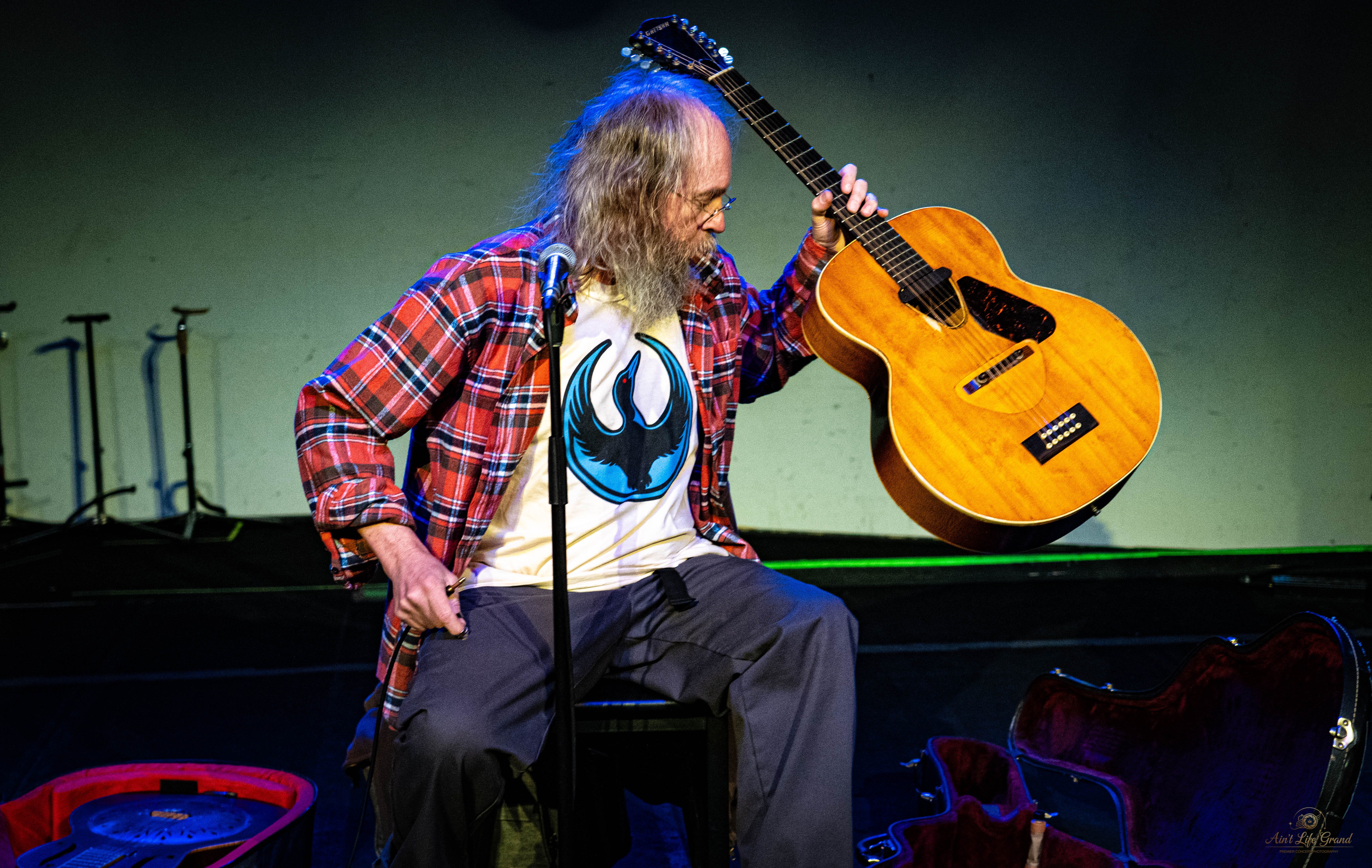
When he returned, it wasn’t a continuation—it was a shift. A blues-folk reset that the crowd felt before the first note landed. Then the closer: “Ain’t No Grave Gonna Hold My Body Down.” No instruments, no backing, just voice.
And for a moment, the room stopped being a venue. It became still. The kind of stillness that only happens when everyone decides, together, to listen all the way through.
The Spaces Between the Music
There’s always more happening than what’s on stage. Brian Dodson behind the board, making everything feel effortless, bourbon shots appearing, homemade cookies making the rounds. Conversation drifts toward the Iowa Musicianship project, a snapshot of the local scene through Mark Lage’s lens.
And then the small resets—Blackberry Beer, a Modelo, Rosy Cheeks with just enough rose water to feel different. After a weekend of constant motion, that first drink lands like a pause button.
The Interview That Didn’t Happen
We came expecting a conversation. It was planned, Igor ready to lead it. But shows don’t always leave space for plans. Charlie moved between stage, merch table, and clusters of people, always occupied, always present somewhere. Characteristics of a great artist!
And if you know that rhythm, you don’t interrupt it. So we didn’t. Next time.
Afterglow
I expected relief when it was over. A long weekend, back-to-back shows, the kind of stretch that usually drains you. That’s not what happened. Instead, there was energy, the kind that lingers just long enough to make you wish for one more song, one more hour.
Walking out, it hit quick. Not exhaustion—something closer to loss. The quiet after the sound, the distance after connection, the drive home filled with just enough conversation to keep the night from slipping away too fast.
You walked in knowing nothing.
And somehow, that made it mean everything.
Please consider Donating to Sponsor an article even $1 helps!
