



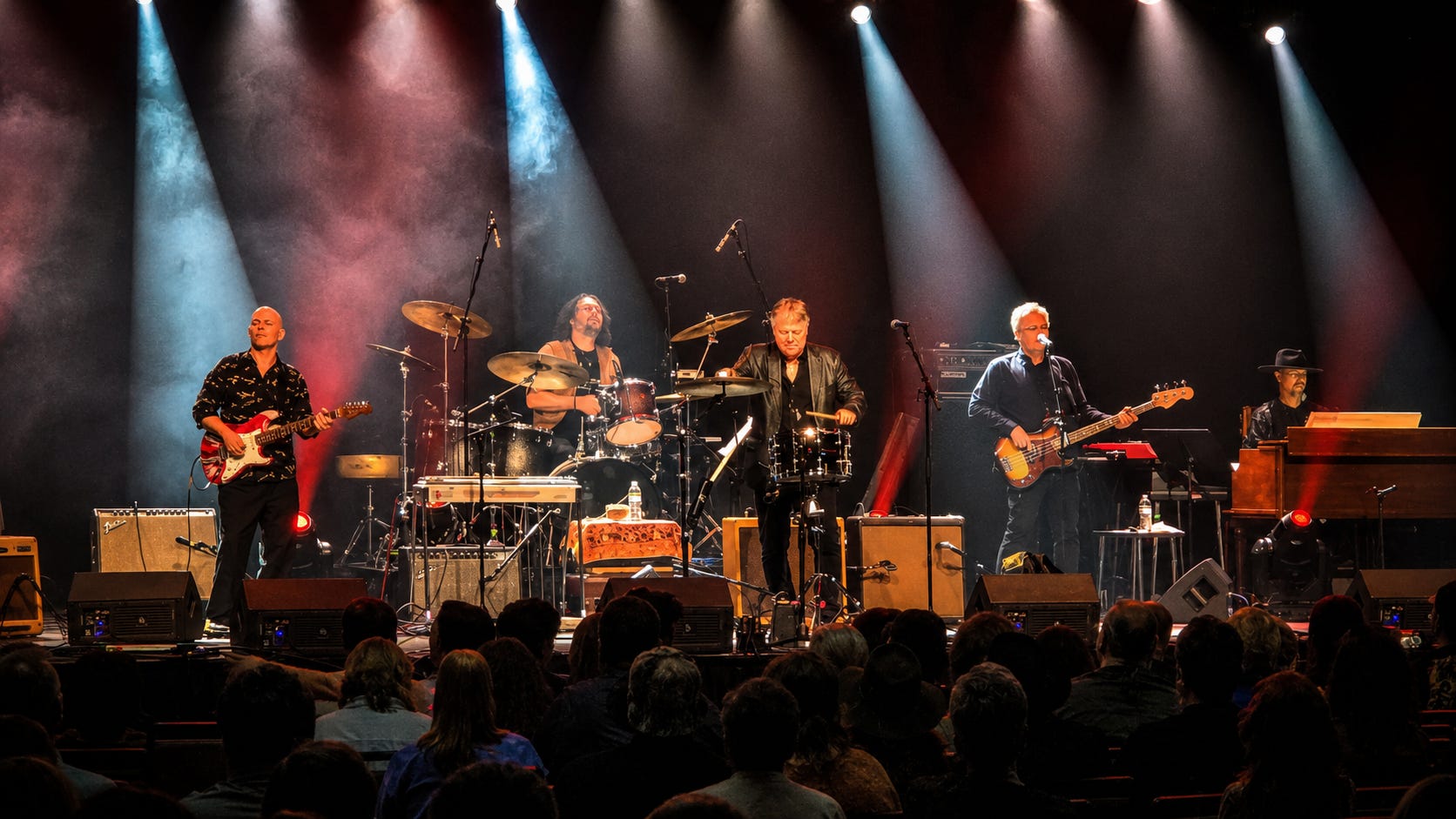

It was a hot one down South, and by the time the night was done, the temperature outside would be the least of it.
The drive over to Florence and Muscle Shoals, Alabama, was short enough to call easy and long enough to feel like a little pilgrimage. Roughly an hour by Mississippi time, which is to say it takes as long as it takes, depending on who is driving, how much good music is playing, and whether the road decides to cooperate. This time, it did. The weather was beautiful except for the extra heat pressing down on a late May afternoon, the kind that makes the horizon shimmer a little and reminds you that the South does not need anyone’s permission to turn the thermostat up.
Then, crossing the Tennessee River, came the kind of moment that makes a photographer want to invent a new hand just to grab the camera faster. A rainbow dropped straight down into the water, bright and strange and gone almost as soon as it appeared. Traffic on the bridge was not heavy, but it was not light either, and there was no safe way to react quick enough. A missed shot, yes. But maybe also the right kind of omen. A little color falling into the river on the way to a night built from blues, gospel, rock, soul, memory, history, and six strings that have been telling the truth longer than most of us have been alive.
Florence and Muscle Shoals do that to you. They make even the drive feel loaded.
Please consider Donating to Sponsor an article even $1 helps!

The River Still Knows the Songs
Before Buddy Guy ever walked into the Renaissance Shoals Hotel Ballroom to receive the John Lewis Civil Rights Award, the room already had a ghost choir behind it. Not spooky. Not haunted. Just alive with the weight of where we were.
The Shoals area has always felt bigger than its map dot. This is the place that became known around the world because music kept happening here in ways nobody could quite manufacture somewhere else. It was not Nashville polish. It was not Los Angeles sheen. It was not New York muscle. It was a small North Alabama pocket near the Tennessee River where the groove had dirt under its fingernails and soul in its bloodstream.
FAME Studios gave the region one of its great beating hearts. Founded by Rick Hall, FAME helped define that hard-driving Southern soul and R&B sound that pulled artists from all over the world into a town most of them probably had to find on a map first. Then came Muscle Shoals Sound Studio at 3614 North Jackson Highway, opened by the Muscle Shoals Rhythm Section, better known to a lot of people as The Swampers. Those rooms did not look like temples from the outside. That was part of the miracle. They were workspaces. Human spaces. Places where the song had to earn its wings before anybody believed it could fly.
Aretha Franklin came here and found something that cracked open a new level of herself. The Rolling Stones came through and cut “Brown Sugar” and “Wild Horses.” Etta James, Paul Simon, Bob Dylan, Willie Nelson, and a long list of others came looking for that same hard-to-name thing. Muscle Shoals proved that American music does not always rise from skyscrapers and neon. Sometimes it comes from a river town, a rhythm section, a stubborn producer, and a room where everyone checks their ego at the door because the groove will embarrass you if you do not.
That history made Wednesday night feel less like a concert and more like a continuation. Buddy Guy was not just being honored in Alabama. He was being honored in one of the places where American music learned to tell the truth with a backbeat.
New Blood, Old Fire
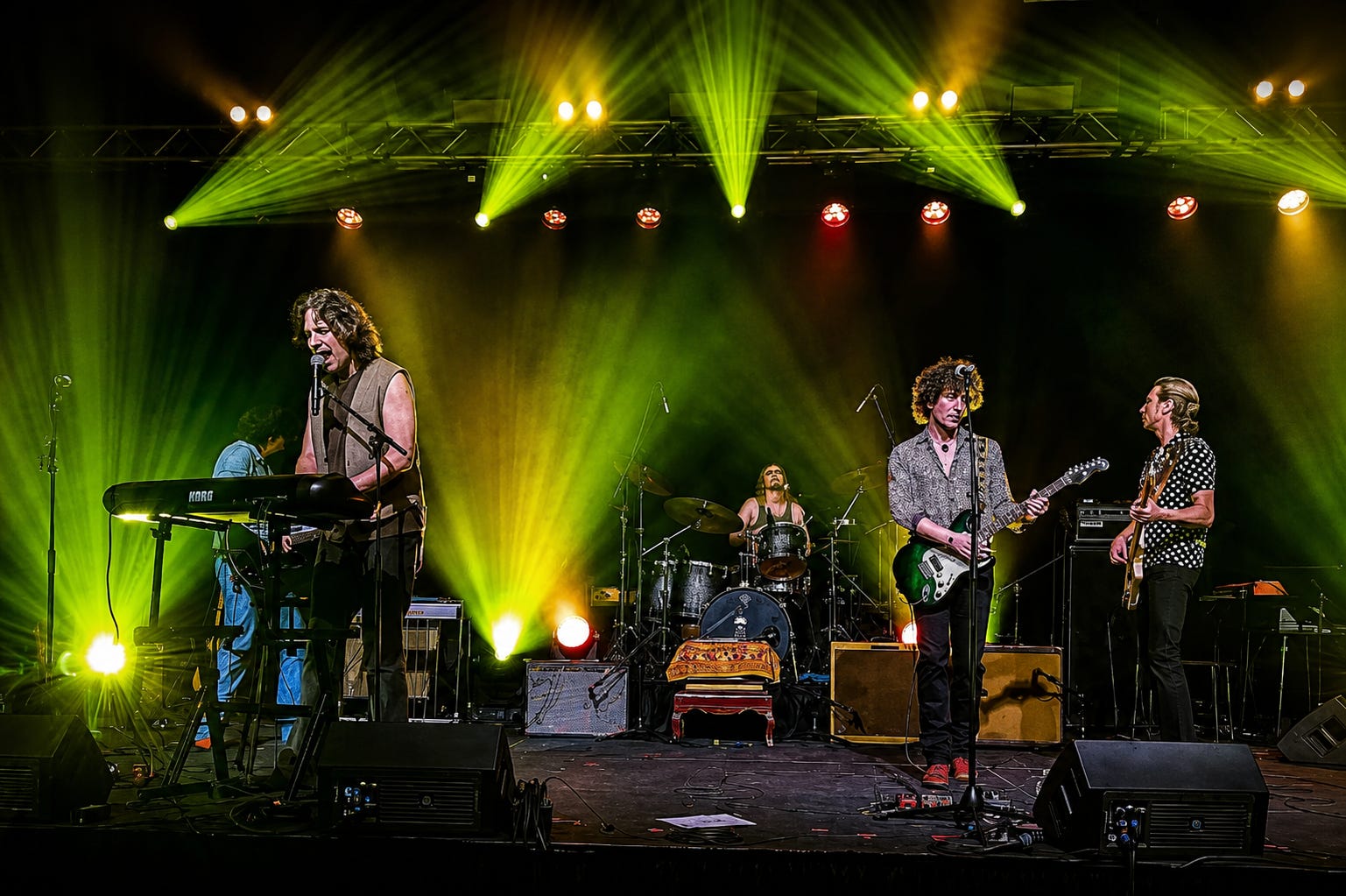
The evening opened with Stanley Simmons, and there was no avoiding the names in the room. Evan Stanley and Nick Simmons are the sons of KISS icons Paul Stanley and Gene Simmons, and any band walking in with that much rock mythology attached to their last names is going to face a crowd full of raised eyebrows. Fair or not, legacy walks in before the first note.
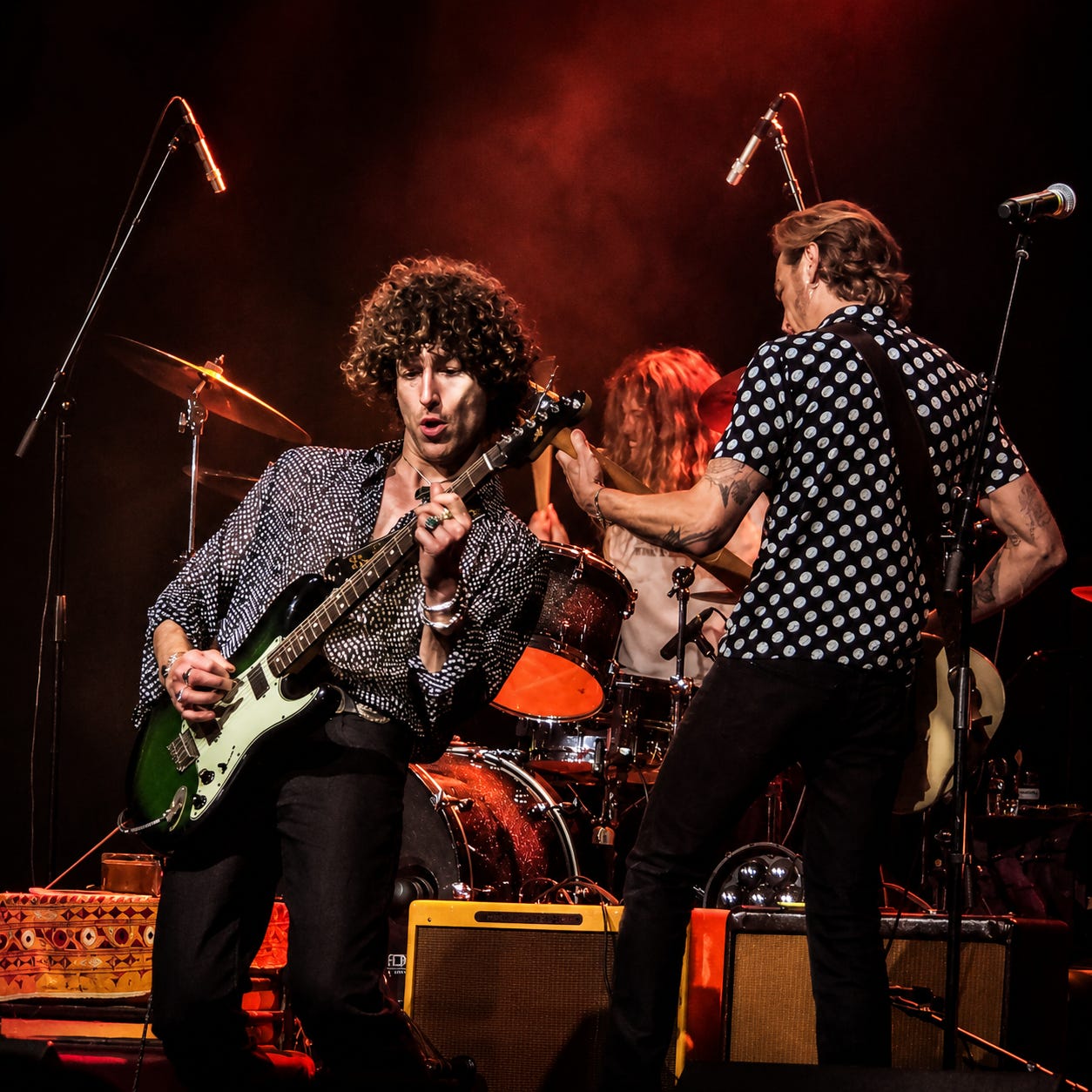
Then they started playing.
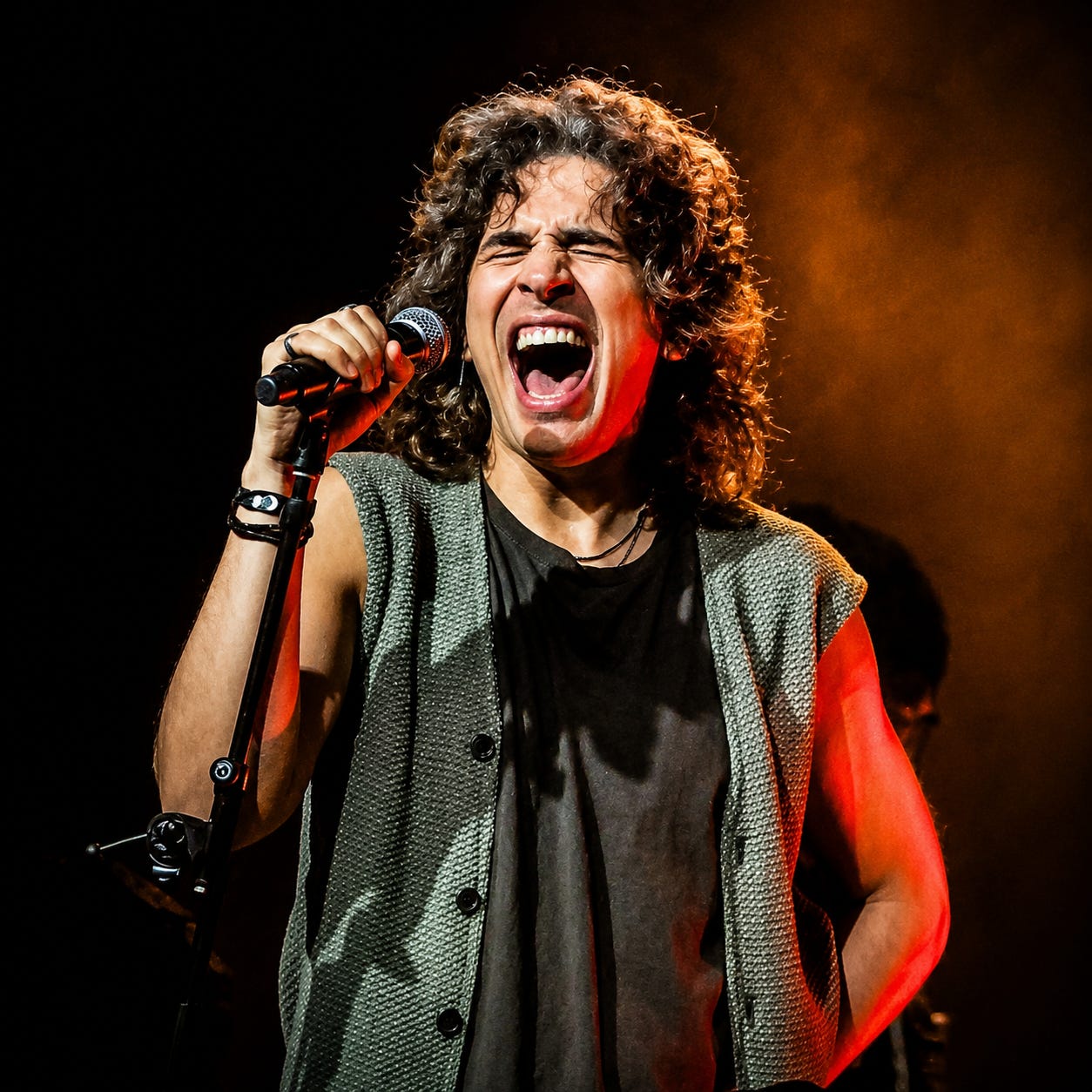
What came across first was not pedigree. It was chemistry. Real chemistry, the kind you cannot fake with a press release or a famous family tree. Stanley Simmons kicked things off with a smoking-hot set drawing from their highly anticipated debut album, “Dancing While The World Is Ending”, due in August. Because there was so much interest around their appearance, they were given a longer set, and they used it wisely.
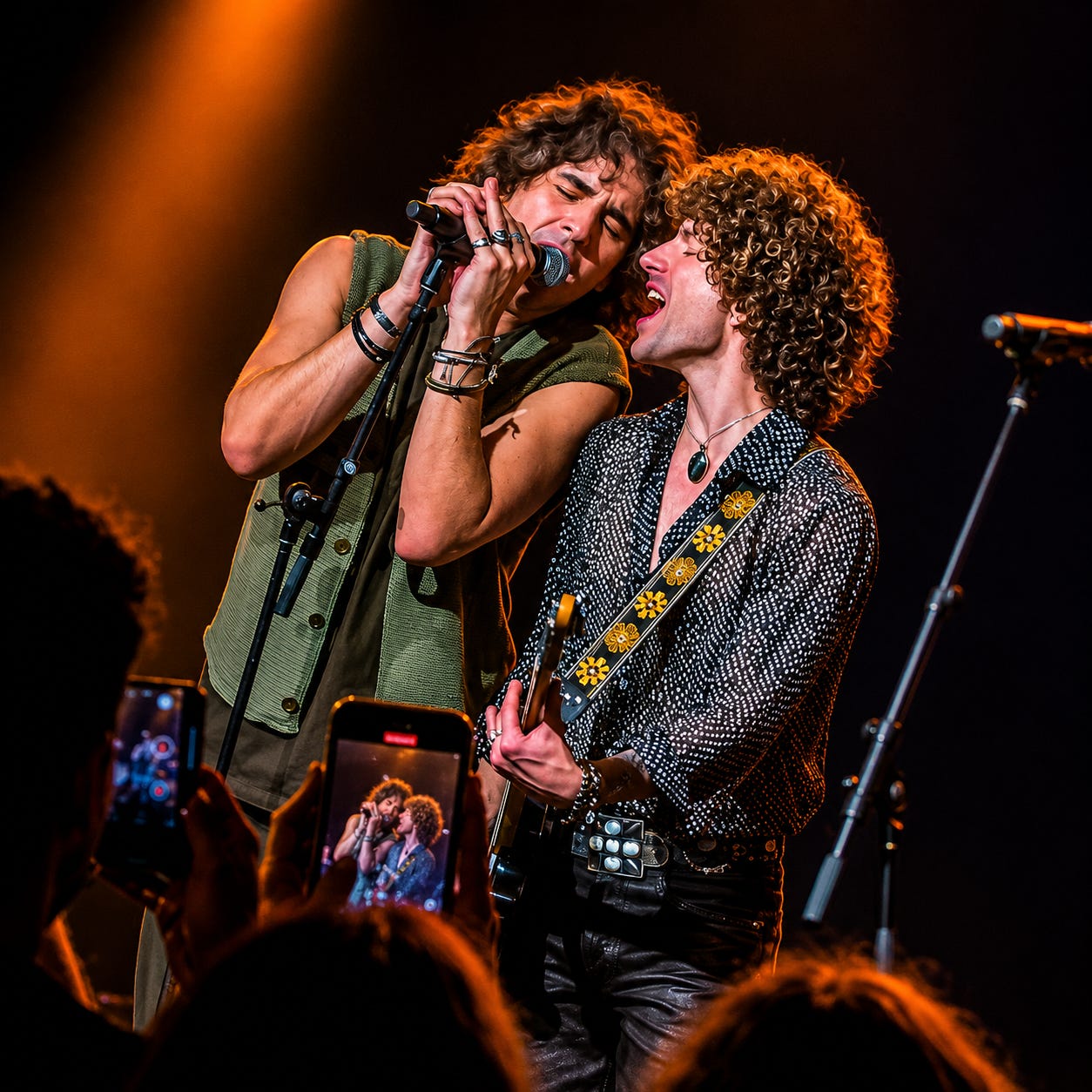
“Dancing While The World Is Ending” made for a great opener, bright and immediate, the kind of song that knows how to step into a room without asking for permission. “Cellophane” had a wicked cool bite to it, slick without feeling plastic. “Hollywood Hearts” showed another strong lane from the album, and “Real Life” gave the set a closer that felt like a handshake and a warning shot at the same time.
The crowd took a few songs to fully warm up, which was understandable. A lot of people were probably curious first and convinced second. But by the end of the set, the room had shifted. The faces changed. The body language changed. That little test every opener has to pass, especially on a night with this many heavy names on the bill, had been passed cleanly.
These two young men are talented, yes, but more than that, they have a spark between them that feels rare. Their dads were always great collaborators and partners in rock history, but Evan and Nick are building something with its own fingerprints. The songs are strong. Their stage presence is loose and friendly. They look like they are having a blast without acting like the room owes them anything.
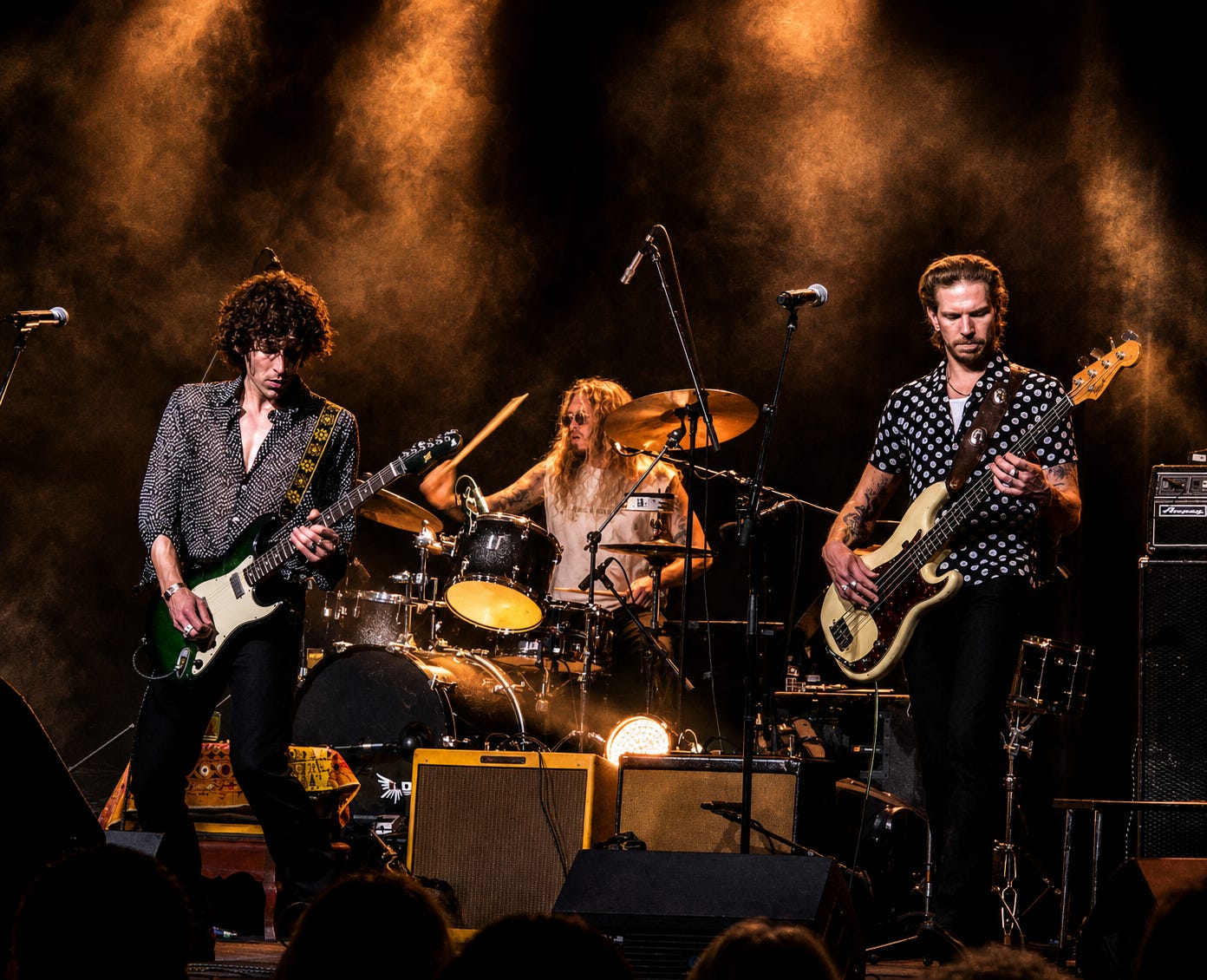
Clearly, they left their mark in Muscle Shoals. Clearly, this thing is about to move fast. Clearly, if you get the chance to catch them now, do it before everybody else starts pretending they knew all along.


A Night Built Like a Revival
From there, the evening began opening up into its full shape, and what a shape it was. The lineup covered about as much musical ground as a single ballroom could hold without the walls needing a breather.
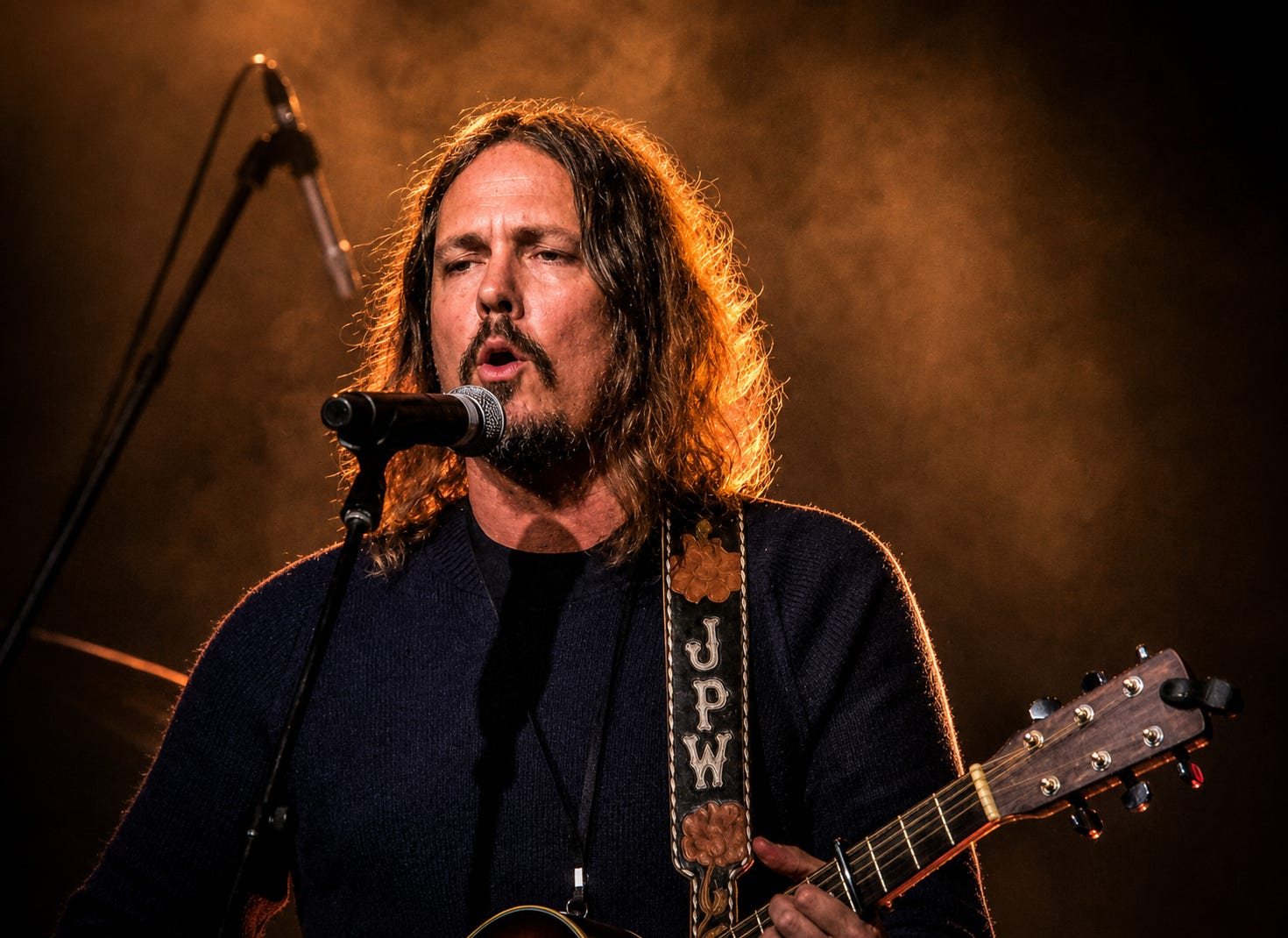
John Paul White came next with a three-song set that settled the room into a different kind of attention. A four-time Grammy winner, local favorite, classic folk singer, and former half of The Civil Wars, White did not need volume to make his presence felt. His set was pleasant, melodic, and grounded, a reminder that this night was not going to live in one genre. It was going to wander the family tree.
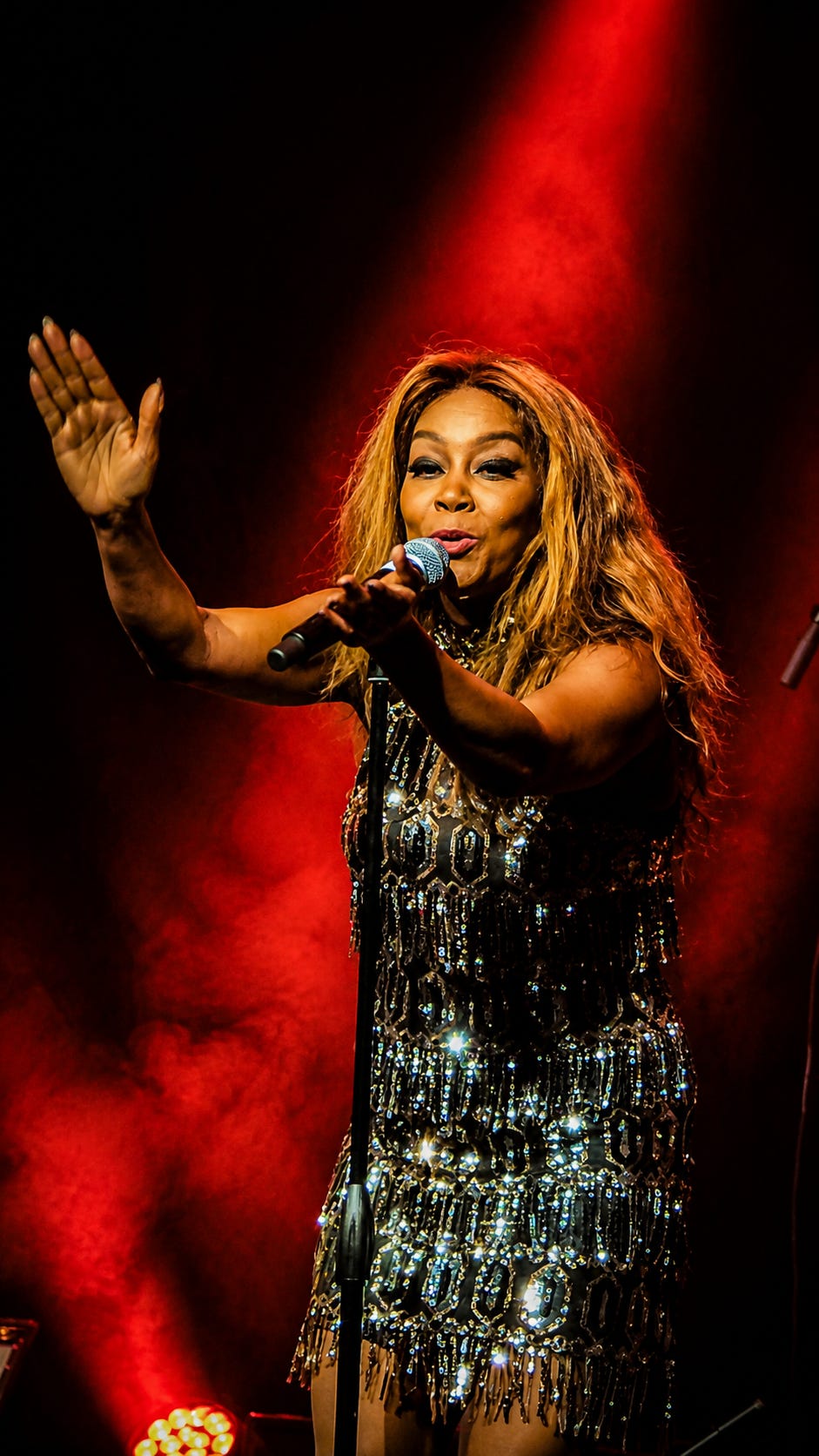
Then the all-star band began taking shape, with performers moving in and out across the rest of the night like chapters in the same book. Tom Hambridge, Buddy’s longtime associate, friend, and drummer, stepped up early and gave the room a class in Chicago blues. Not a lecture. A class. There is a difference. Hambridge plays with the kind of feel that lets the song walk on its own two feet. He does not crowd the groove. He teaches it how to breathe.
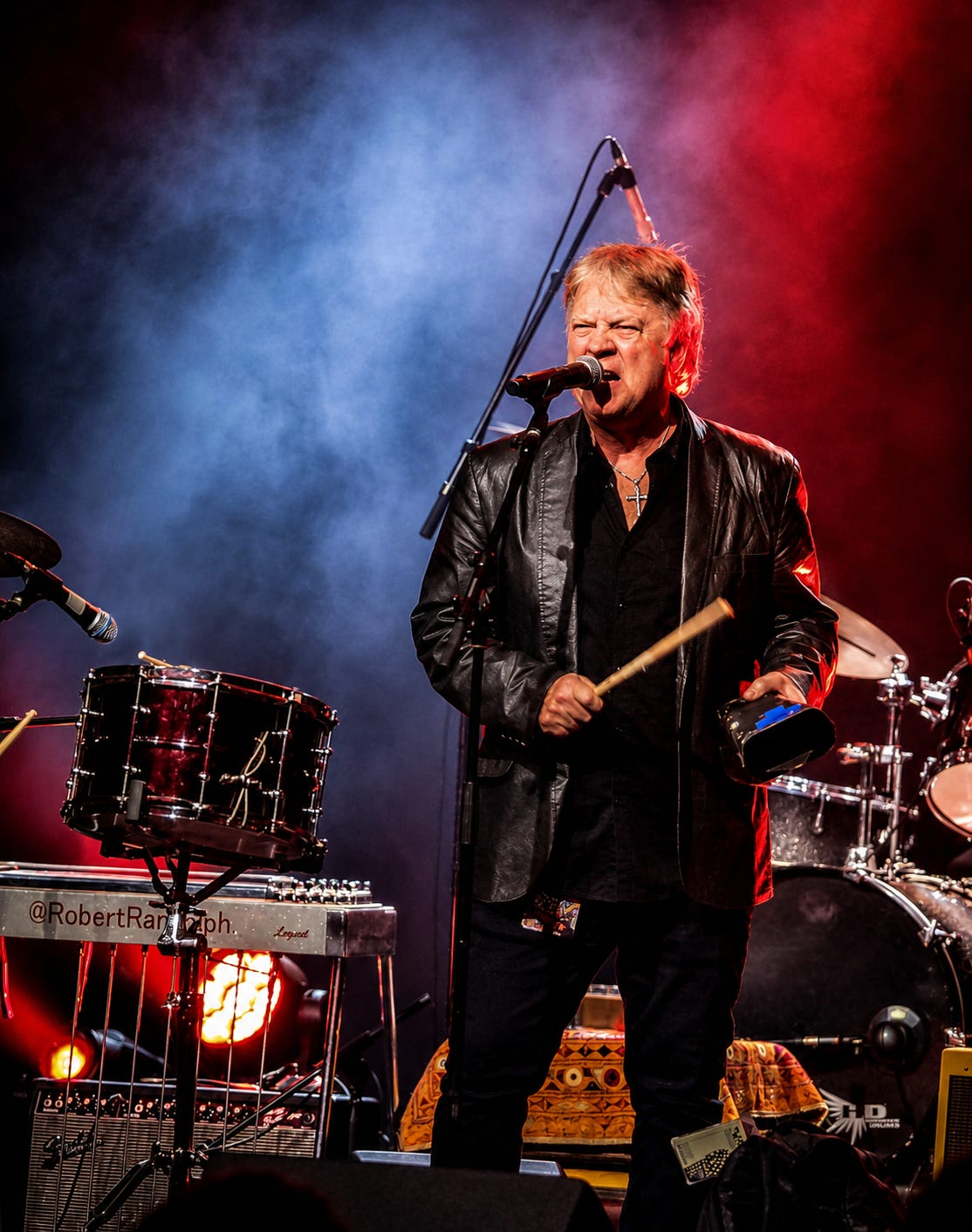
Then came Robert Randolph, lap steel guitar extraordinaire, and good grief, that man can make the instrument talk the talk and walk the walk. Some players perform a solo. Randolph sends sparks off the thing. His playing had that sacred-steel fire, the kind that feels half Saturday night, half Sunday morning, and fully alive in the hands of someone who knows exactly how to bend joy until it screams.


And then there was Chanel Haynes. For a second, the brain has to catch up with the eyes. Wait, is that Tina? No, it is Chanel Haynes, powerhouse vocalist, member of gospel group Trin-i-tee 5:7, theatrical actress who starred as Tina Turner in “Tina, The Tina Turner Musical,” and a Rolling Stones favorite on tour, often stepping into the fire of “Gimme Shelter” with Mick Jagger. She brought that big-stage command with her, the kind of vocal presence that does not knock politely. It arrives.
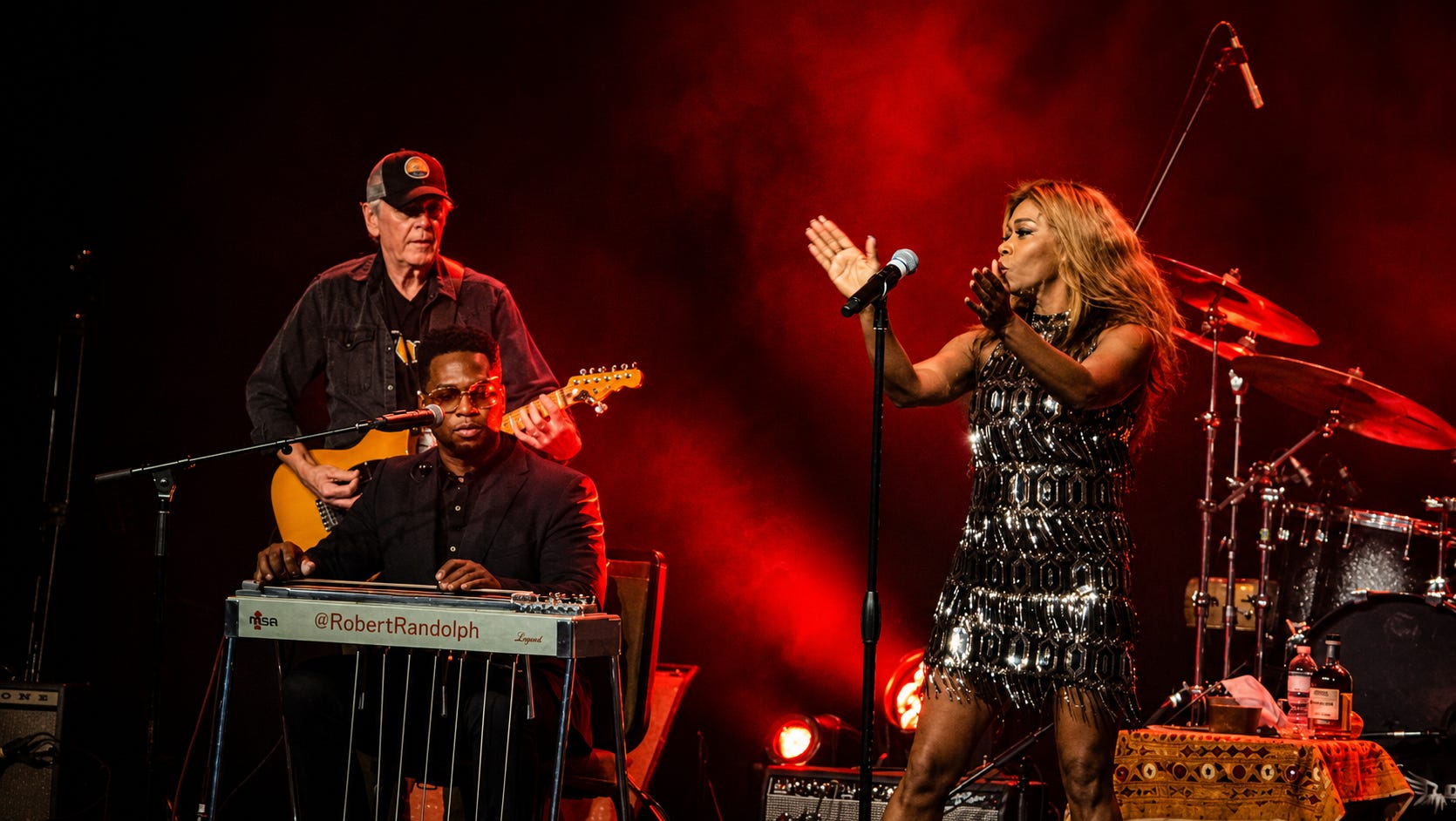
By this point, the night had become something more than a tribute. It was an assembly. A gathering. A Southern music summit with a church fan in one hand and an electric guitar in the other.
The Sermon Arrives
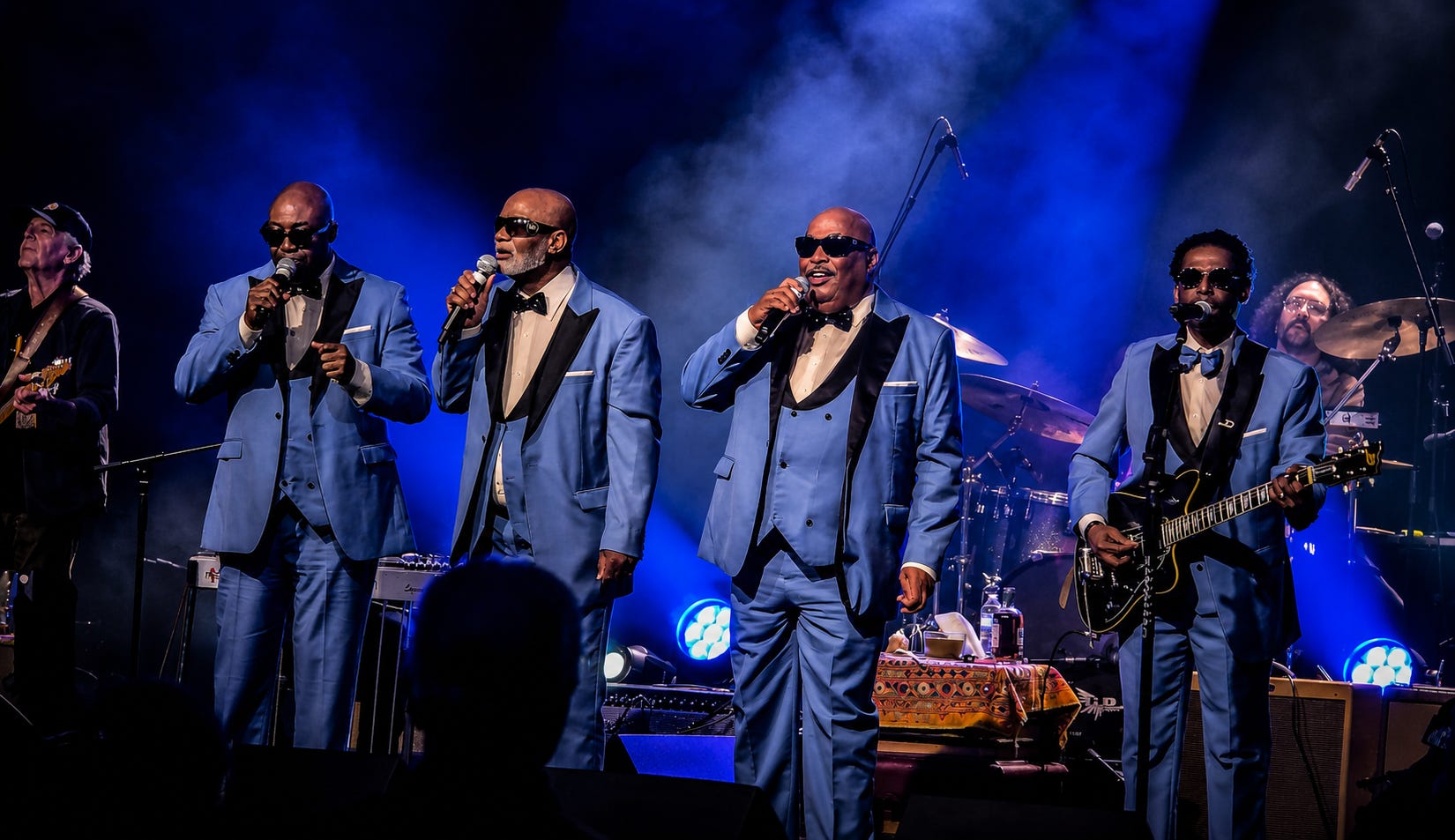
Then the Blind Boys of Alabama took the stage and the room went to church.
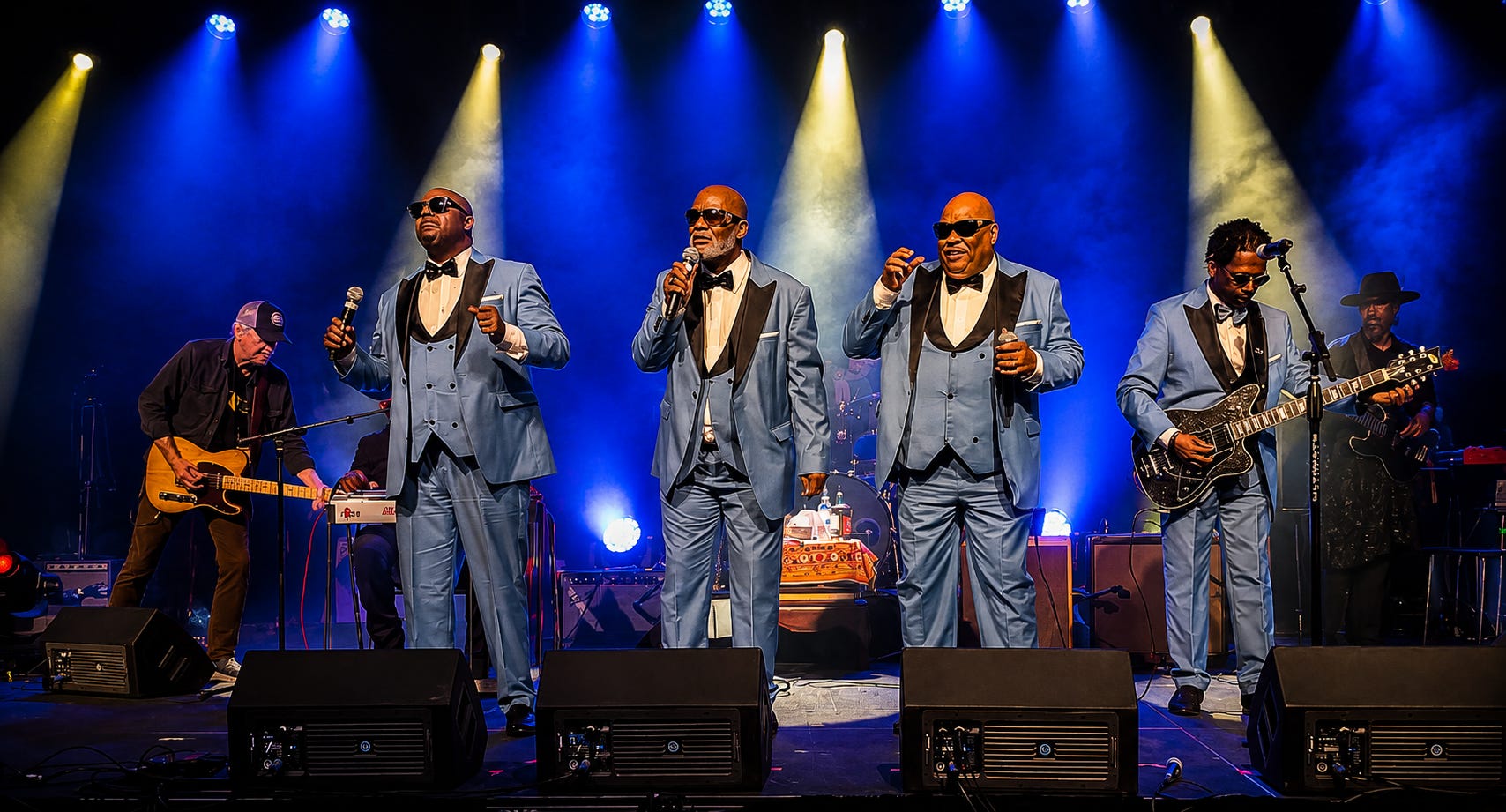
There is really no softer way to put it. They delivered the sermon of the night. With more than eight decades of history behind them, the Blind Boys carry something that cannot be taught, streamed, packaged, or duplicated. You do not listen to them the same way you listen to a regular act on a bill. You receive them. They have been singing through American history long enough to make the word “legend” feel too small and too shiny.


Their “Amazing Grace,” performed to the music of “A Horse with No Name,” was absolutely beautiful to witness. It did not feel like a novelty arrangement. It felt like two roads crossing in the desert and somehow both leading home. Chanel joined them during “Take Me to the Water,” and together they pushed the room into that rare space where a performance stops being about notes and starts being about release.
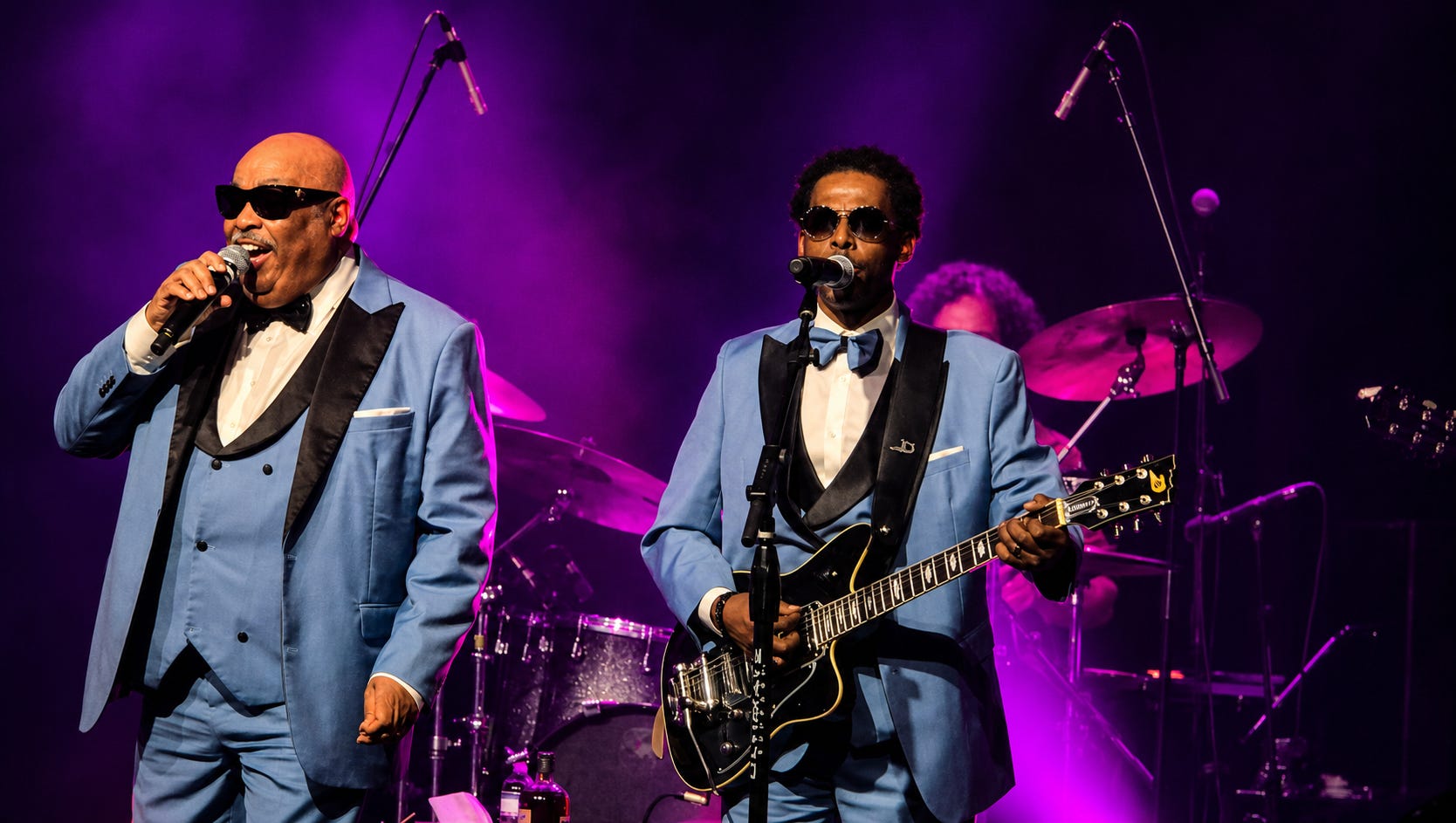
This was joy. This was testimony. This was memory made audible.
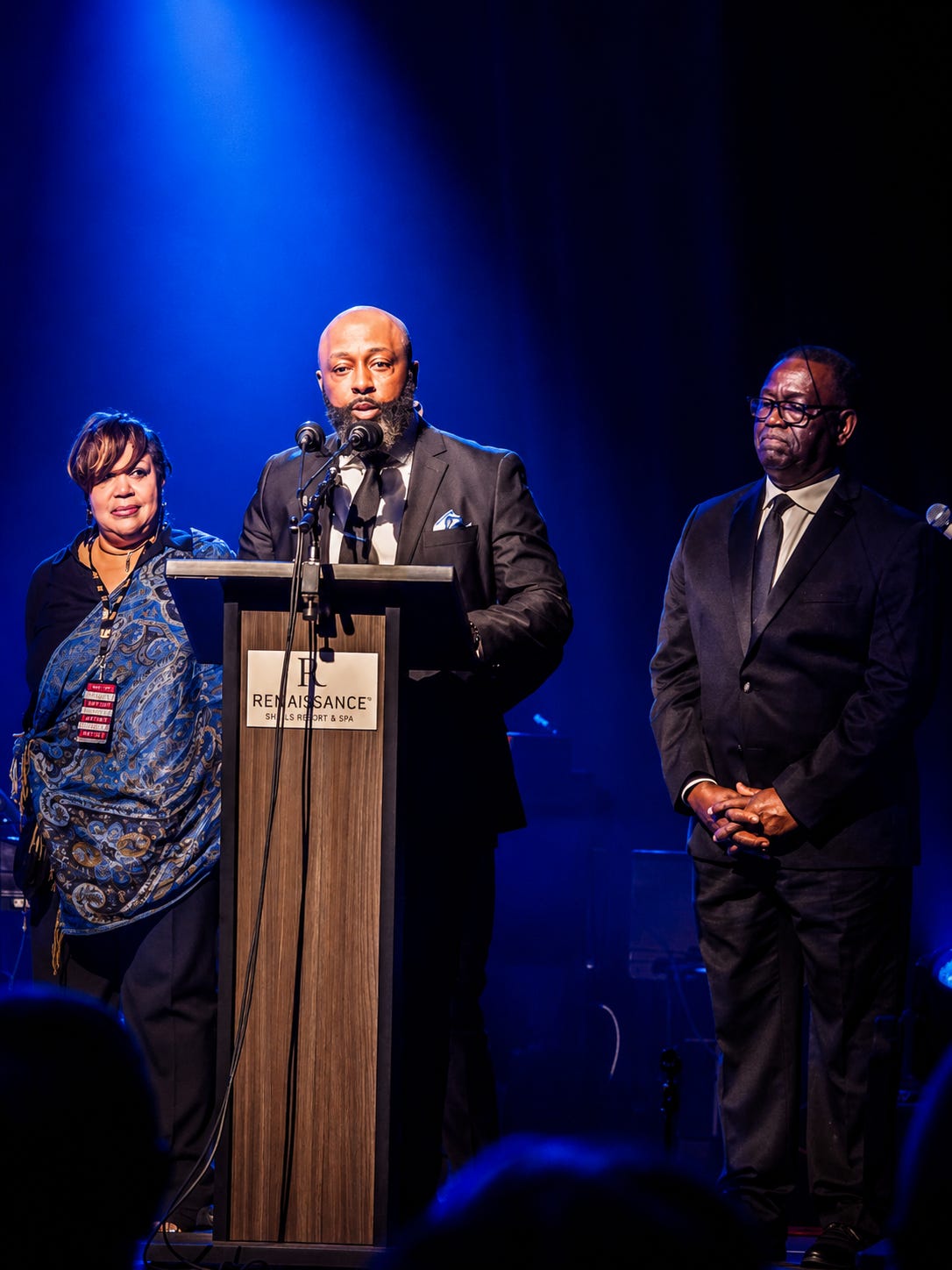
Afterward came a brief message from John R. Lewis’ nephew, and it gave the night one of its clearest emotional centers. The reminder was simple and needed. Remember what John Lewis stood for. Remember the courage. Remember the work. Remember that his idea of “good trouble” was not just a phrase for posters and speeches, but a way of moving through a world that often needs to be lovingly, stubbornly forced toward justice.
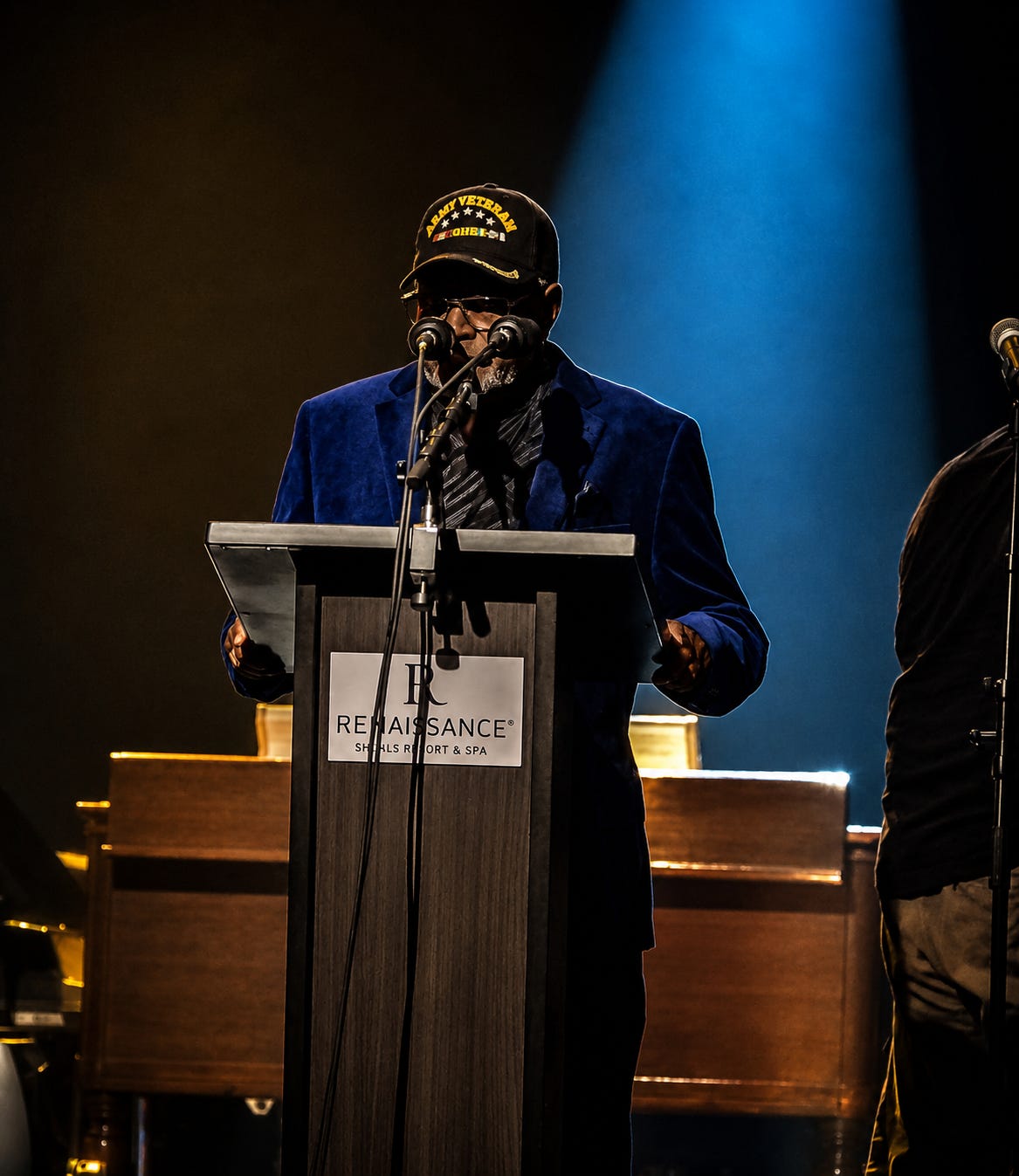
Looking around the room, that message had weight. There was diversity across races, generations, music tastes, and backgrounds, all gathered in the same place, getting along the way the world is supposed to. Blues fans, gospel fans, rock fans, soul fans, locals, travelers, old heads, newcomers, musicians, writers, photographers, people who came for Buddy, people who came for the history, people who came because Muscle Shoals still has a pull.
For a little while, the room looked like the better version of us.
Damn Right, He’s Got the Honor
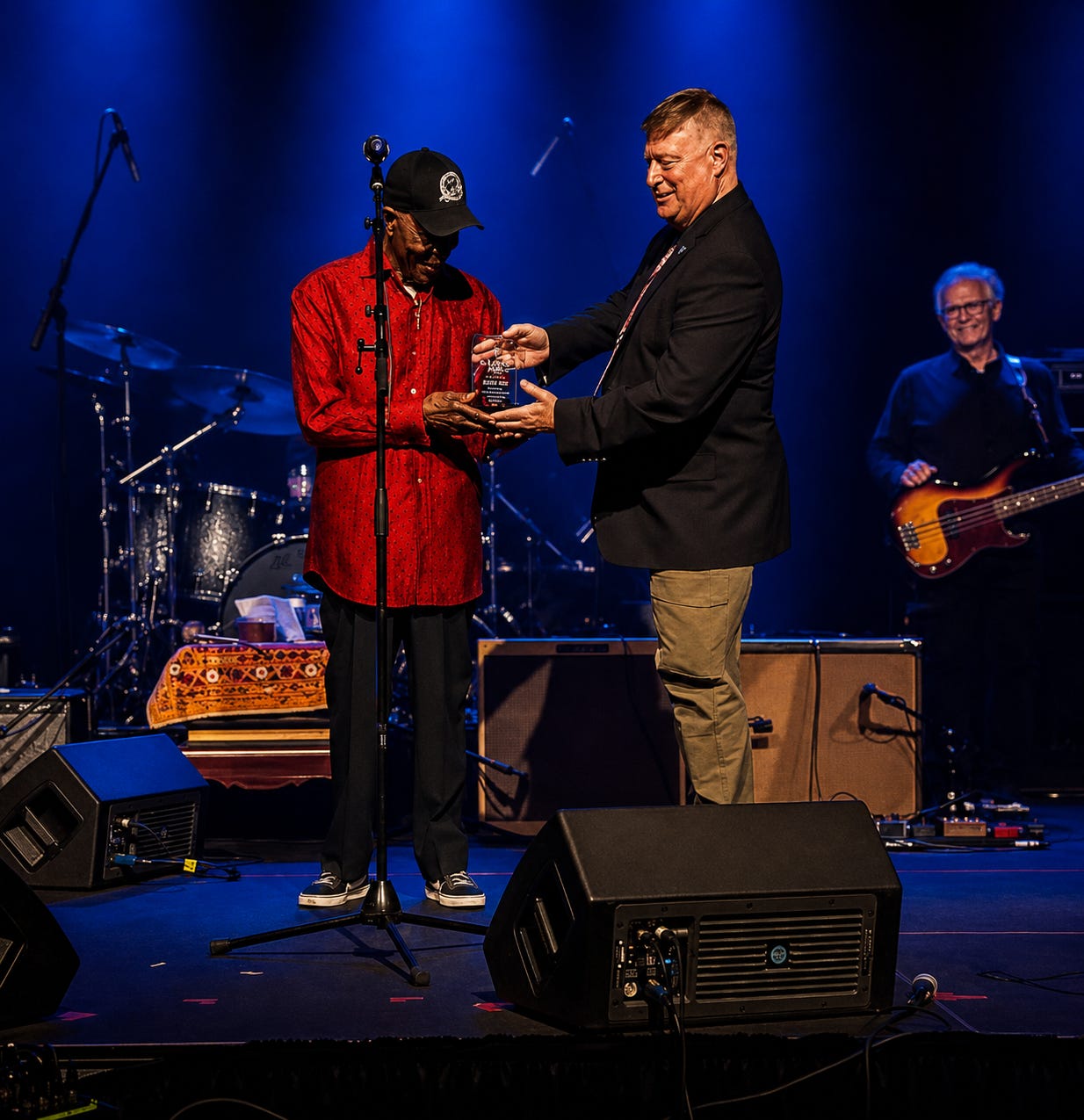
The reason for the night stood at the center of it all. Buddy Guy, one of the last towering links to the electric Chicago blues tradition, was presented with the John Lewis Civil Rights Award, an honor with deep historical weight. The award had only been presented once before, to Congressman John Lewis himself, making Buddy Guy only the second recipient.
That is not a casual honor. That is not another plaque to put on the shelf beside the Grammys, Hall of Fame recognition, and lifetime achievement hardware. It is something different, because it ties Buddy’s musical legacy to a broader story of resilience, justice, cultural progress, and survival.
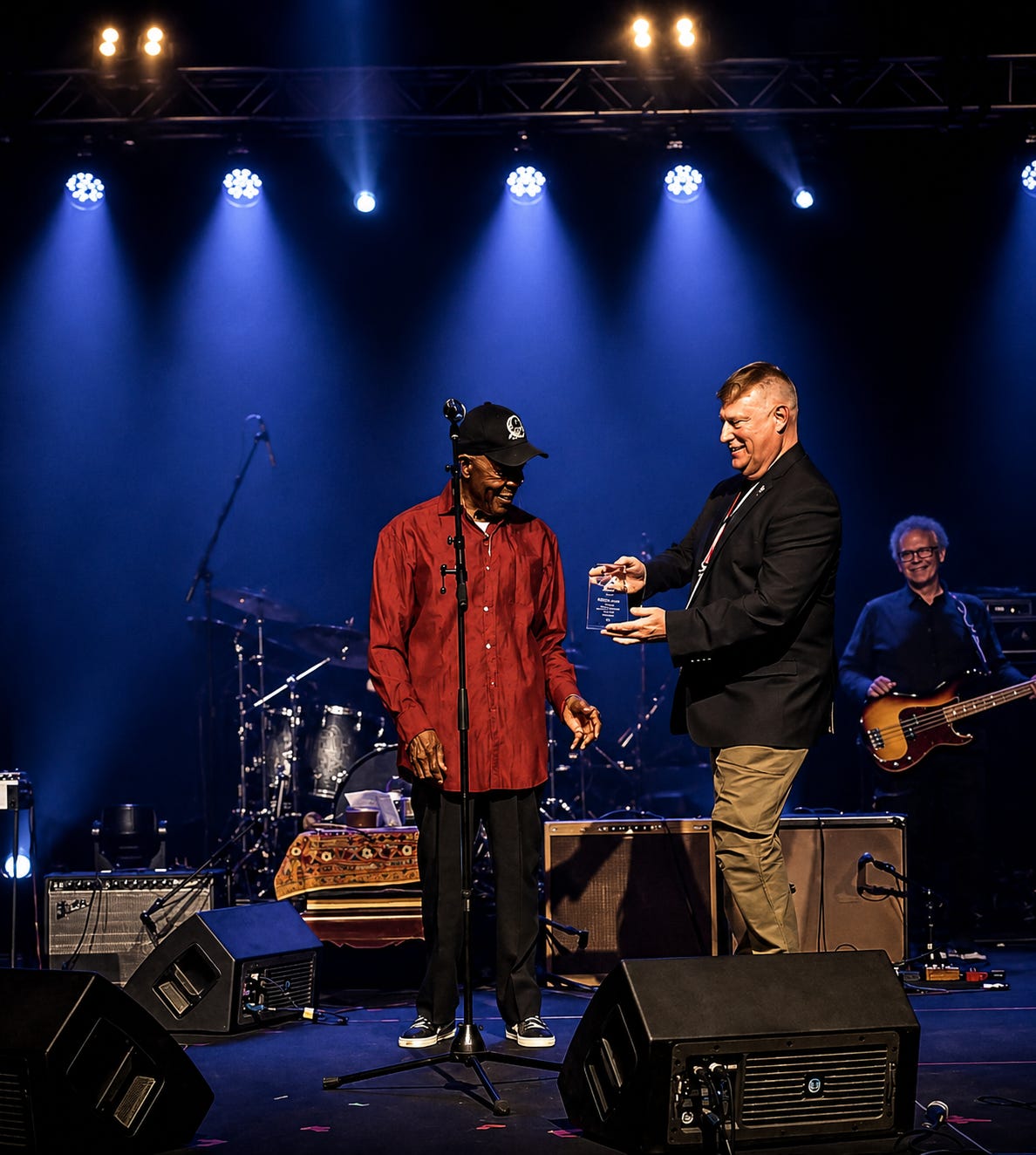
Buddy Guy grew up in Louisiana sharecropper country before moving to Chicago in 1957. From there, he became one of the fiercest guitar voices the blues has ever produced, influencing generations of players who followed. His sound is lightning in a bottle if the bottle had a switchblade in its boot. He can make a guitar whisper, bark, laugh, cry, and threaten to leave the building all in the same phrase. But the honor was not only about guitar pyrotechnics. It was about what a life in the blues represents.
The blues has always been more than entertainment. It is witness music. It is survival music. It is what happens when pain refuses to stay silent and somehow comes out swinging, dancing, laughing, flirting, praying, and telling the truth. Buddy Guy has carried that tradition across the world while also helping preserve the Black musical heritage that built so much of American music from the ground up.
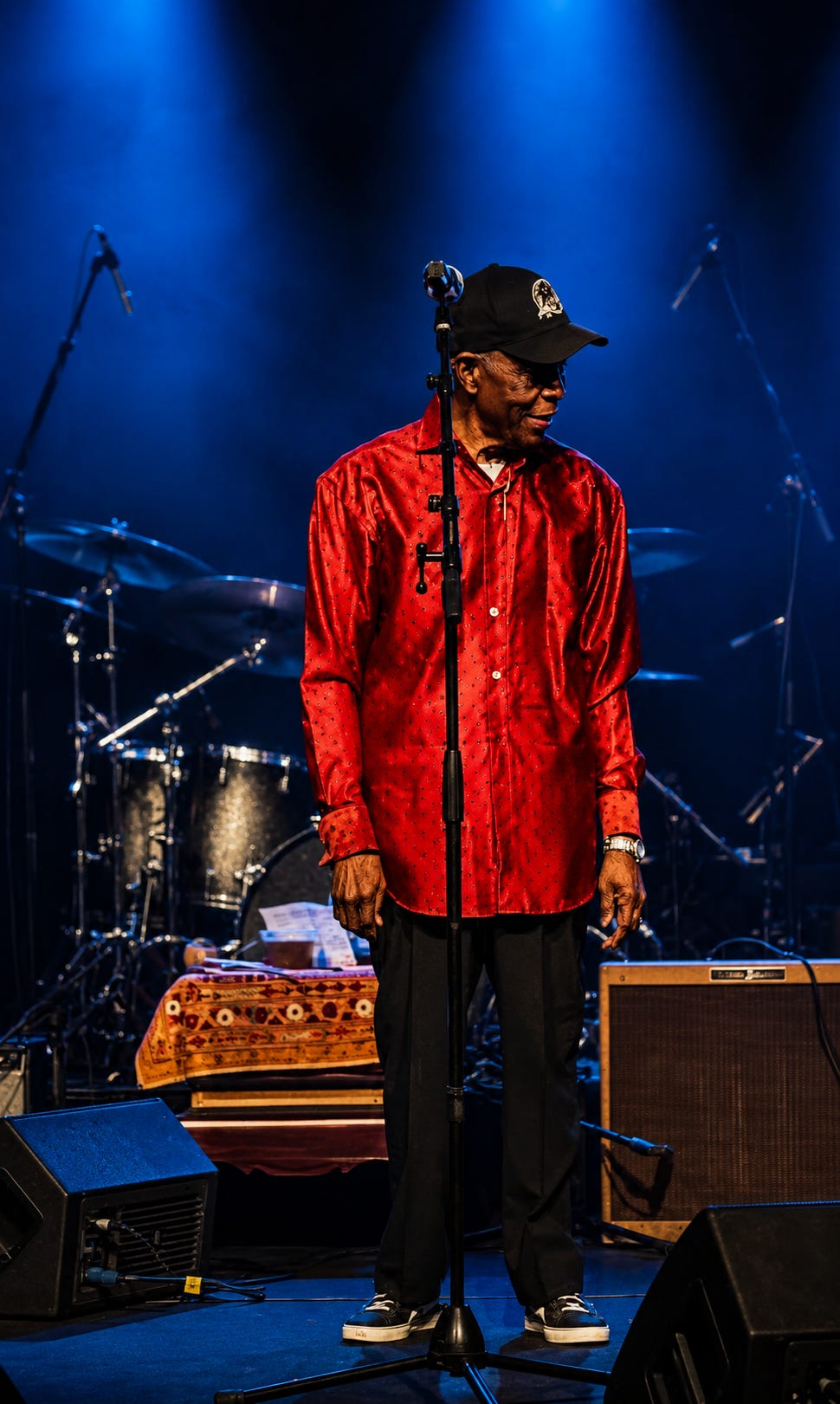
He has mentored younger artists. He has kept the roots visible. He has stood as a living reminder that the music industry has often taken from Black genius before properly honoring it. And still, there he was, smiling, playing, giving, honoring the room by showing up with that same unmistakable spirit.
When Buddy finally took the stage, the air changed. Some performers enter from the side. Buddy Guy enters through history.
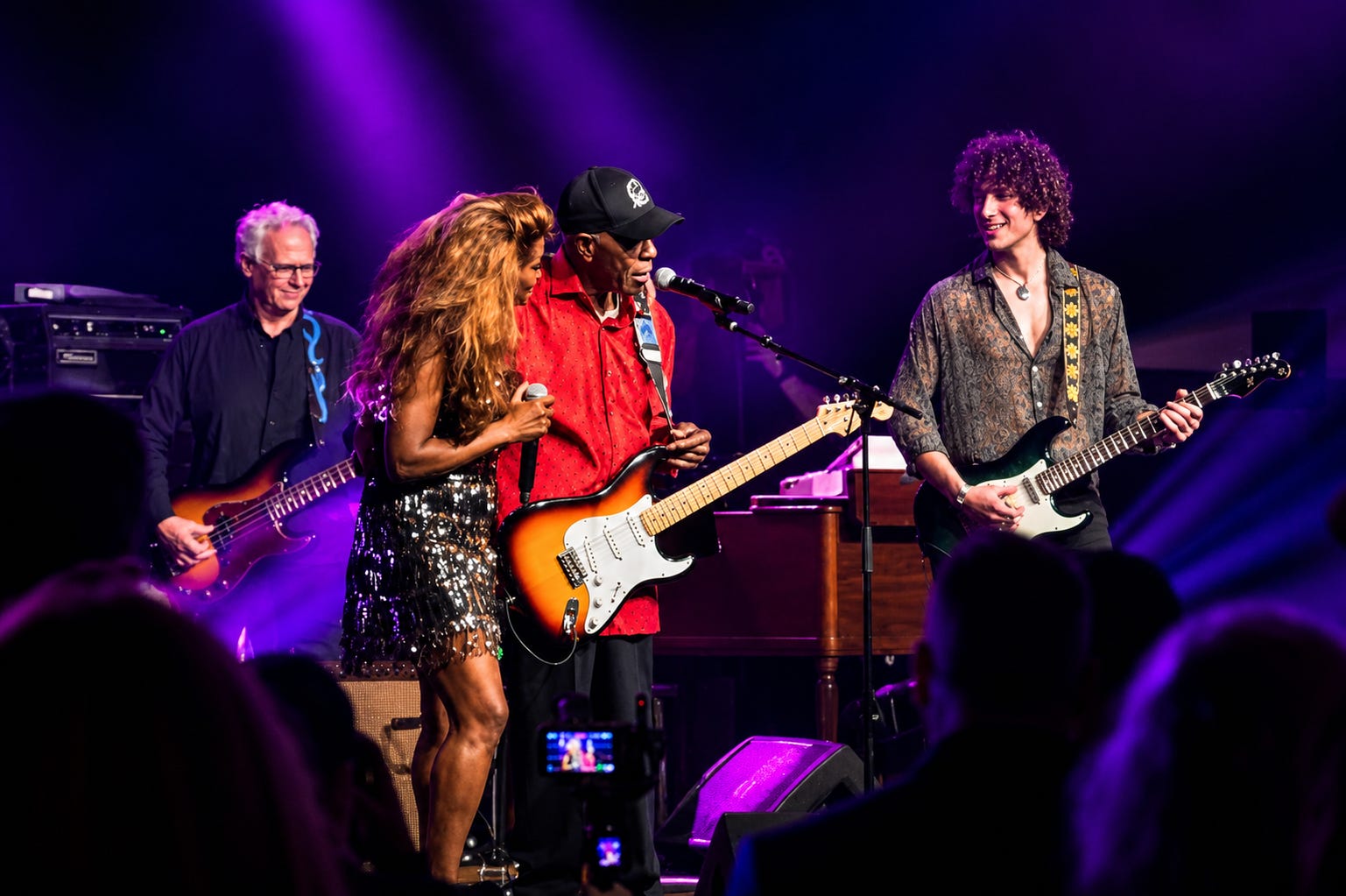
“Damn Right, I’ve Got the Blues” landed exactly the way it should. Fiery. Familiar. Alive. Not preserved behind glass, but breathing in real time. Then “Champagne and Reefer,” the Muddy Waters classic, rolled through the room with grit and grin, a crowd-pleasing reminder that the blues can carry sorrow without losing its appetite for life.
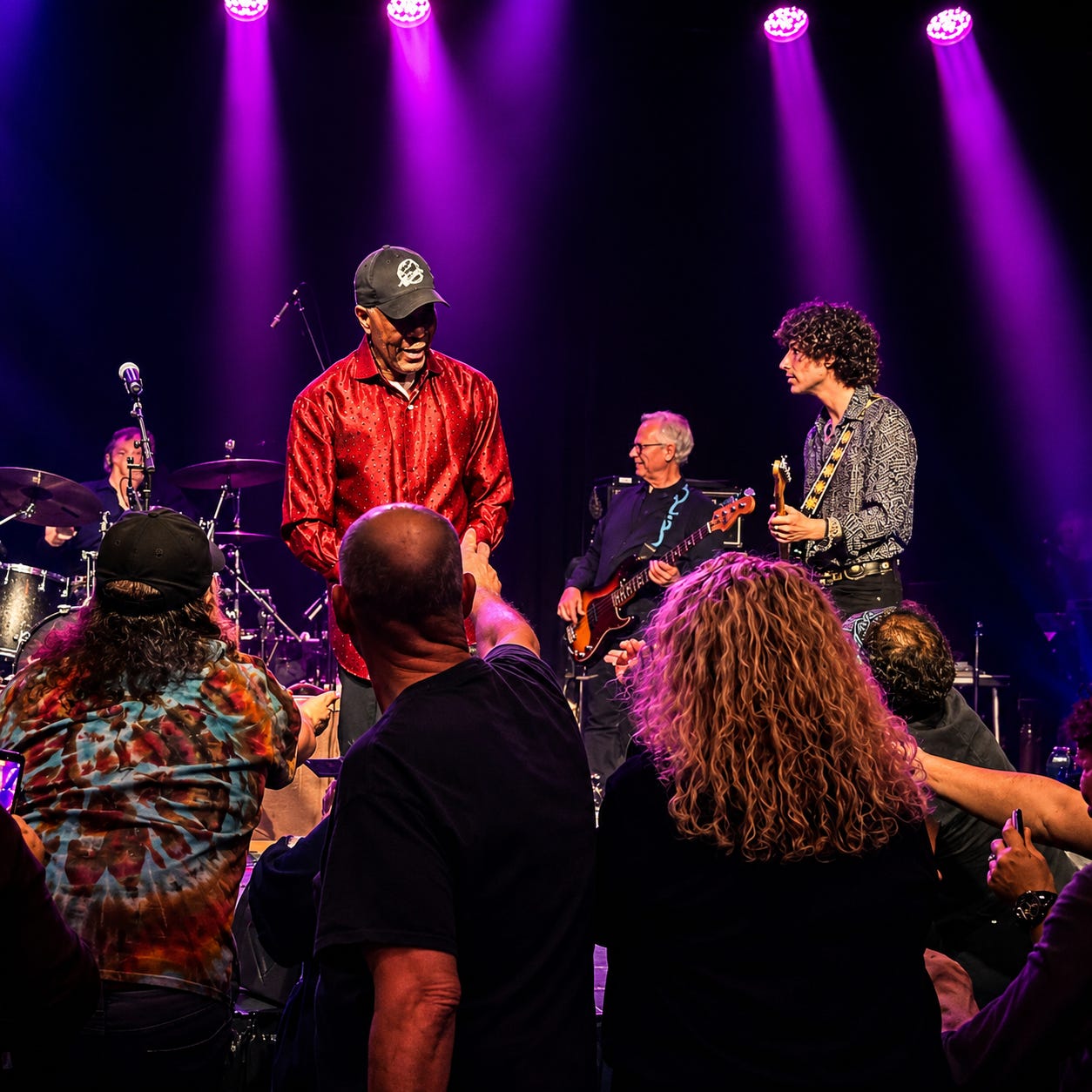
The all-star jam that closed the night pulled the evening’s threads together: blues, gospel, roots, rock, lap steel fire, old souls, new blood, Muscle Shoals history, John Lewis’ legacy, and Buddy Guy standing in the middle of it all like a man who knows the river still has one more song in it.
Afterglow
On the drive home, the night still felt close. Enjoying the feeling that you have from seeing good friends and meeting a few new ones as well, so a quick shout out to Leslie Phillips, Mike Williams, Author Gary Miller, and David Havens, was great seeing and meeting you all! Till next time!
Maybe it was the heat finally easing off. Maybe it was the echo of the Blind Boys still hanging somewhere in the chest. Maybe it was Buddy’s guitar tone refusing to leave the ears quietly. Or maybe it was that missed rainbow over the Tennessee River, the one that dropped straight into the water before the night even began.
At first, it felt like a lost photograph. By the end, it felt like the night had answered it anyway.
A rainbow into the river. Gospel into the blues. Young artists stepping into their own names. Old masters still teaching the room how it is done. John Lewis’ “good trouble” remembered not as history sealed away, but as a living charge. Buddy Guy receiving an honor built for people who turn their lives into a bridge.
Florence and Muscle Shoals have always understood that music can do strange, beautiful work when the right people gather near the water. On May 27, the room got hotter than the Alabama afternoon outside, and not because of the weather.
Damn right, he’s got the blues.
And damn right, he earned the honor.
Please consider Donating to Sponsor an article even $1 helps!

Fabulous piece of music journalism. Felt like I was an eye and earwitness.
Thank you! 🎶🎵💖