


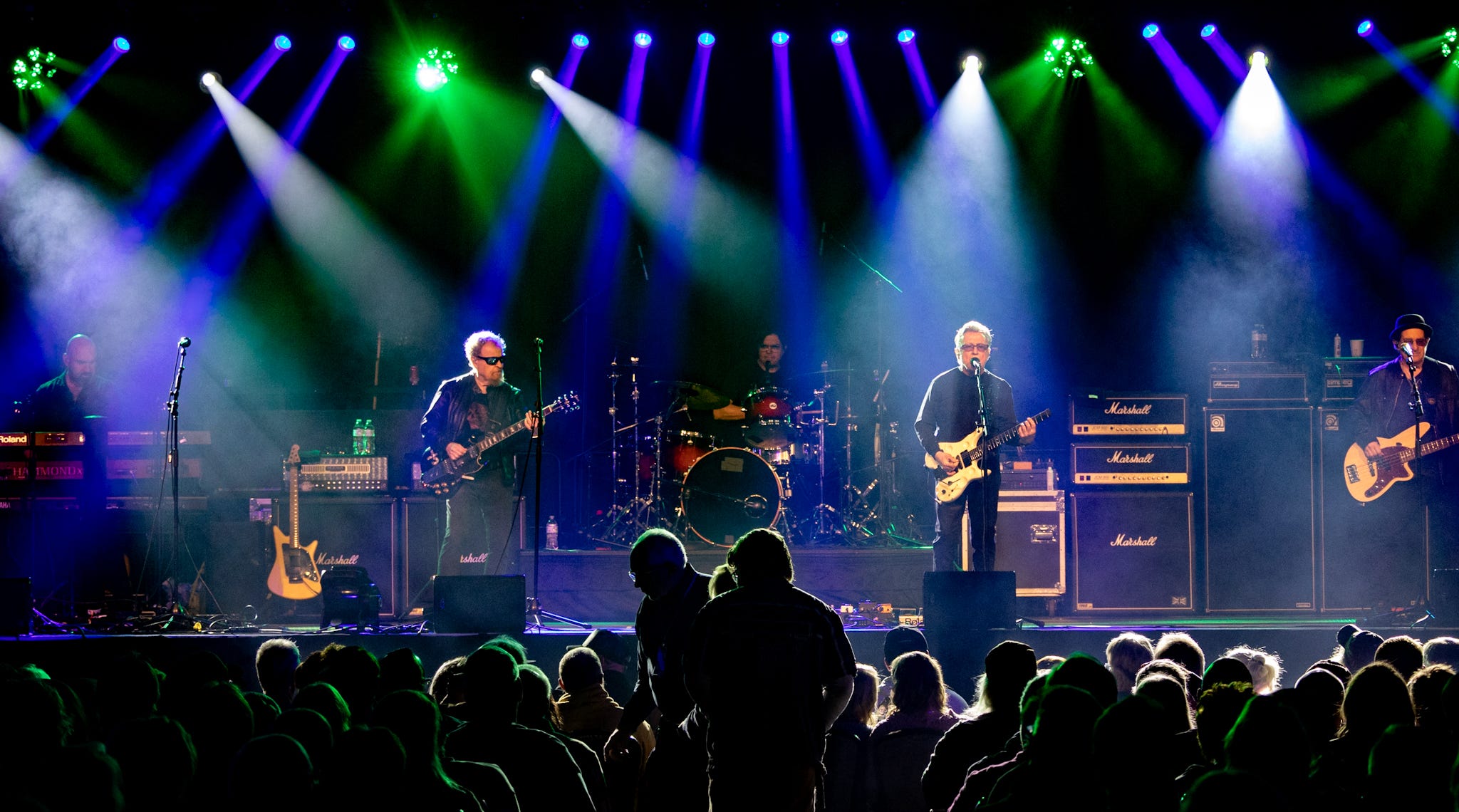
I wasn’t feeling particularly great heading into Saturday night’s Blue Öyster Cult concert at Grand Falls Casino, but I was certainly excited. After all, this was one of those bands that had been part of my life long before I really understood or appreciated the music.
Growing up in Connecticut, my dad and I spent countless hours driving up and down the winding roads that lose themselves in New England’s woodsy terrain. It was one of our favorite pastimes, and Blue Öyster Cult regularly accompanied those drives. Their music became part of the soundtrack of my childhood, so getting the opportunity to see them live all these years later carried a little more personal significance than your average concert.
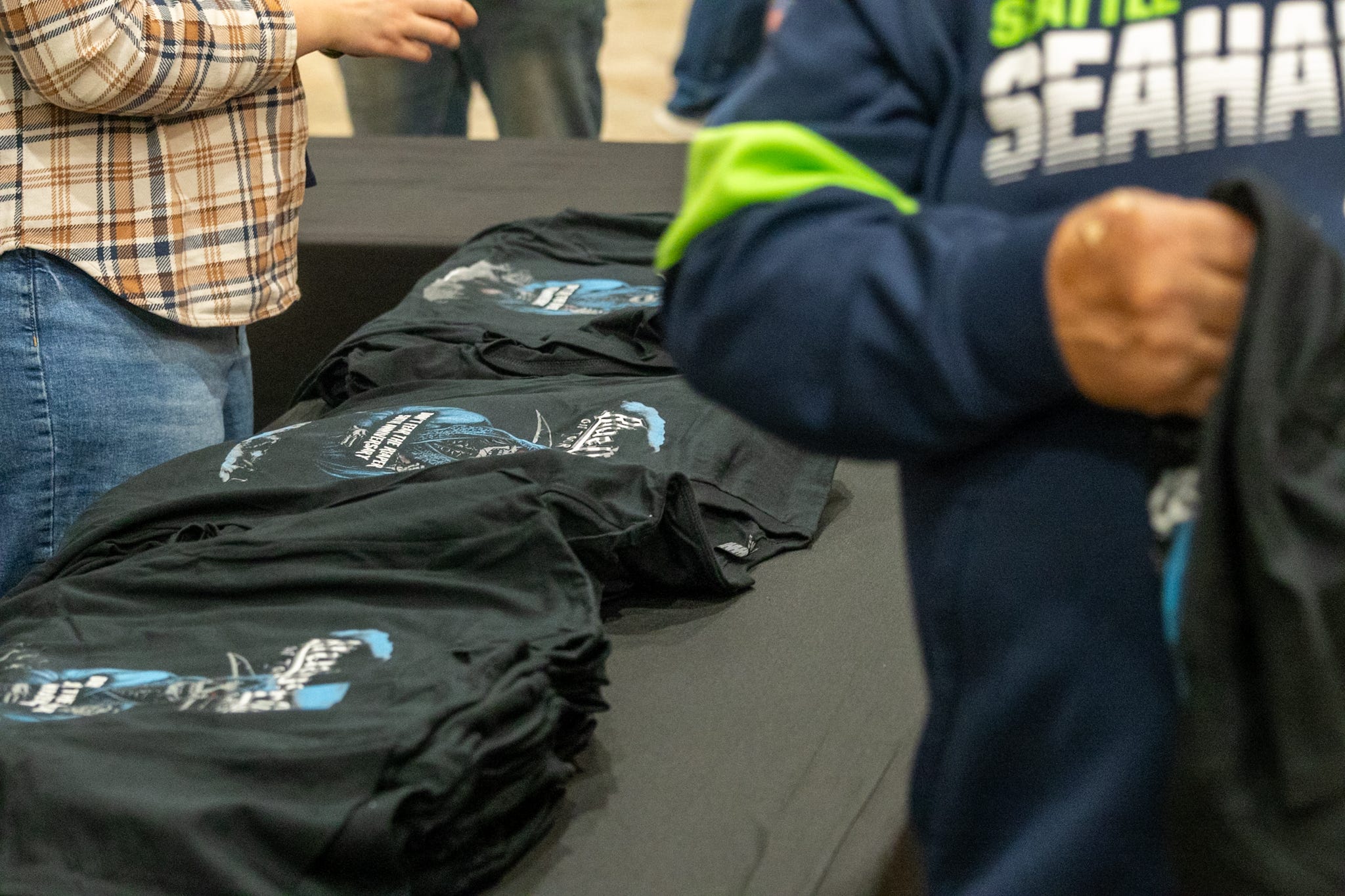
Grand Falls was gracious enough to provide me with a complimentary ticket to stay for the entire performance after photographing the show. And not just any ticket, either. I had a dead-center seat in the second row, giving me an incredibly intimate perspective of a band whose music has endured for more than five decades.
The event center was nearly full, with excited chatter filling the room as classic tracks from the ’70s played over the speakers. There was a sense of anticipation among the crowd, many of whom had likely grown up listening to these songs themselves.
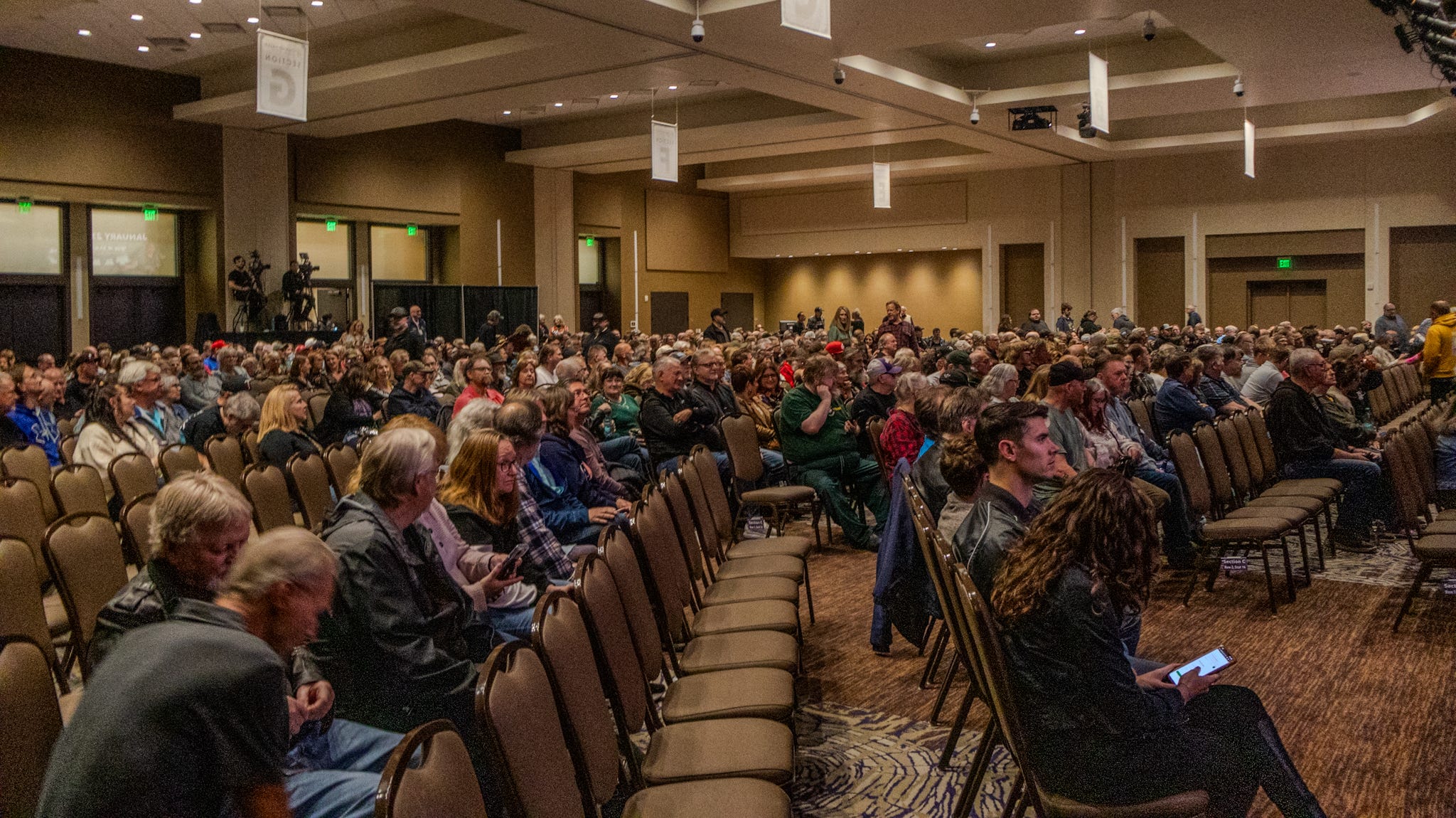
When the lights finally went down, a steady, war-drum-like rhythm began echoing through the room. A dim, orange-brown hue washed over the stage as the musicians took their positions, setting the scene for an evening of old-school rock ‘n’ roll.

Finding their rhythm
The band opened with “Transmaniacon MC,” followed by “Before the Kiss, a Redcap,” both from their 1972 self-titled debut album. The first few songs were a little more reserved than I expected. The band looked remarkably comfortable onstage, almost effortlessly settling into material they’ve performed countless times over the decades. That familiarity was certainly apparent, although the performance wasn’t without a few rough edges.
There were moments early on when drummer Jules Radino seemed to rush or drag slightly through certain fills, creating a few noticeable fluctuations in tempo. Nothing that derailed the performance, but enough to catch my attention. The band also wasn’t particularly animated, with much of the movement limited to the occasional step toward another musician or a change in position.
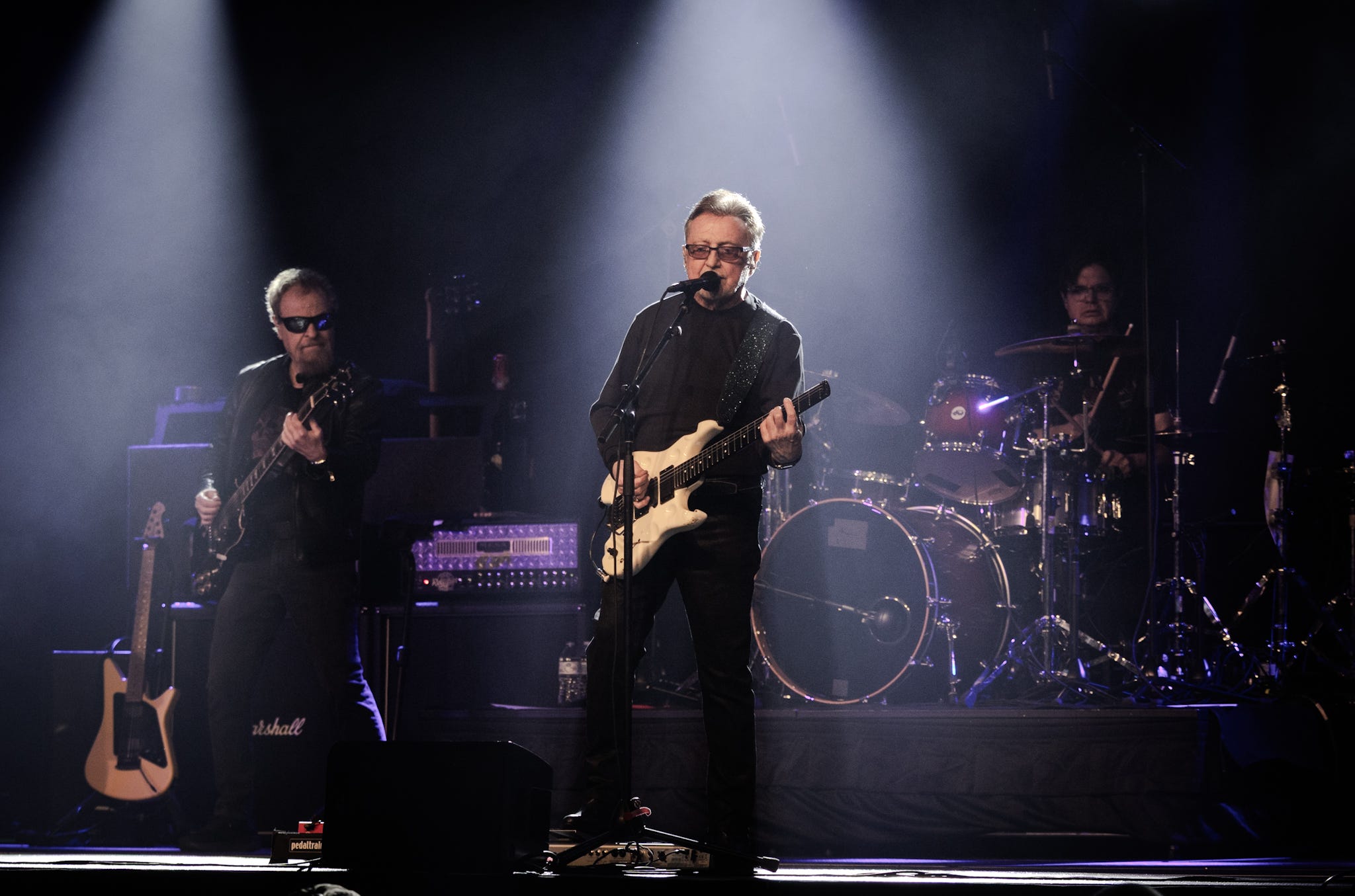
By the third track, “Golden Age of Leather,” things were beginning to pick up. I’d finished getting my shots from the photo pit and could finally give the music my undivided attention.
One of the earlier highlights was “That Was Me,” from the band’s 2020 album The Symbol Remains. The track opened with a gritty, almost grungy rock feel before unfolding into the more expansive guitar-driven sound that has defined so much of their career. It’s interesting hearing newer material from a band with such a long history, particularly when the musical identity that made them famous remains so recognizable.
Then came “Burnin’ for You.”
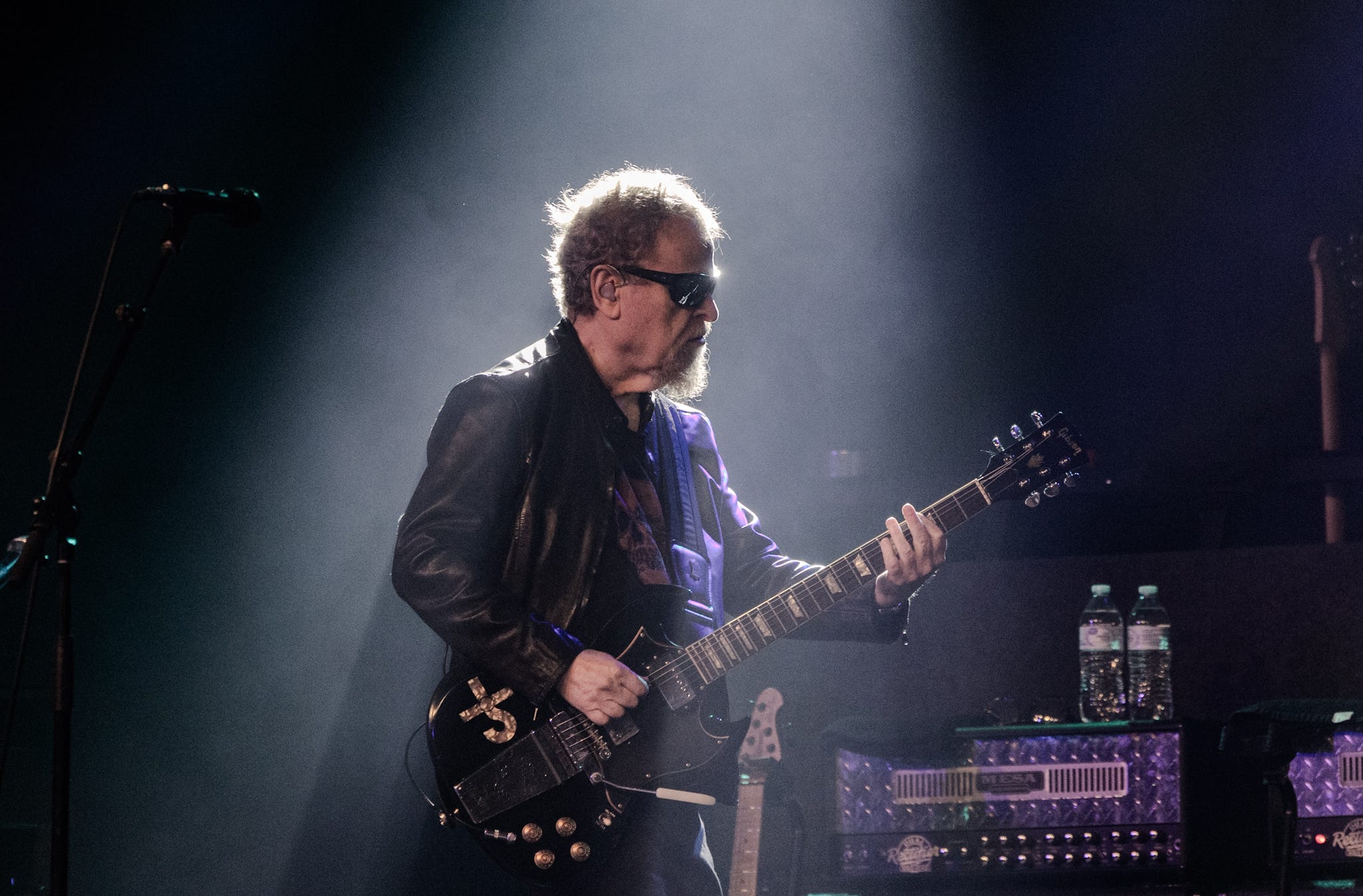
Now, this is one of my personal favorites, and I’ll admit that nostalgia probably played a role in just how much I enjoyed it. But Donald “Buck Dharma” Roeser’s vocal performance genuinely impressed me. His voice retained much of that distinctive higher-register character that made the original recording so memorable, while the supporting harmonies from his bandmates created a rich, natural fullness to the sound.
I couldn’t help but sing along. Haha.
And seriously, how these guys continue to sing in those higher registers at their age is beyond me. That particular vocal style was so characteristic of rock music from their era, and hearing it reproduced so faithfully decades later was remarkable.
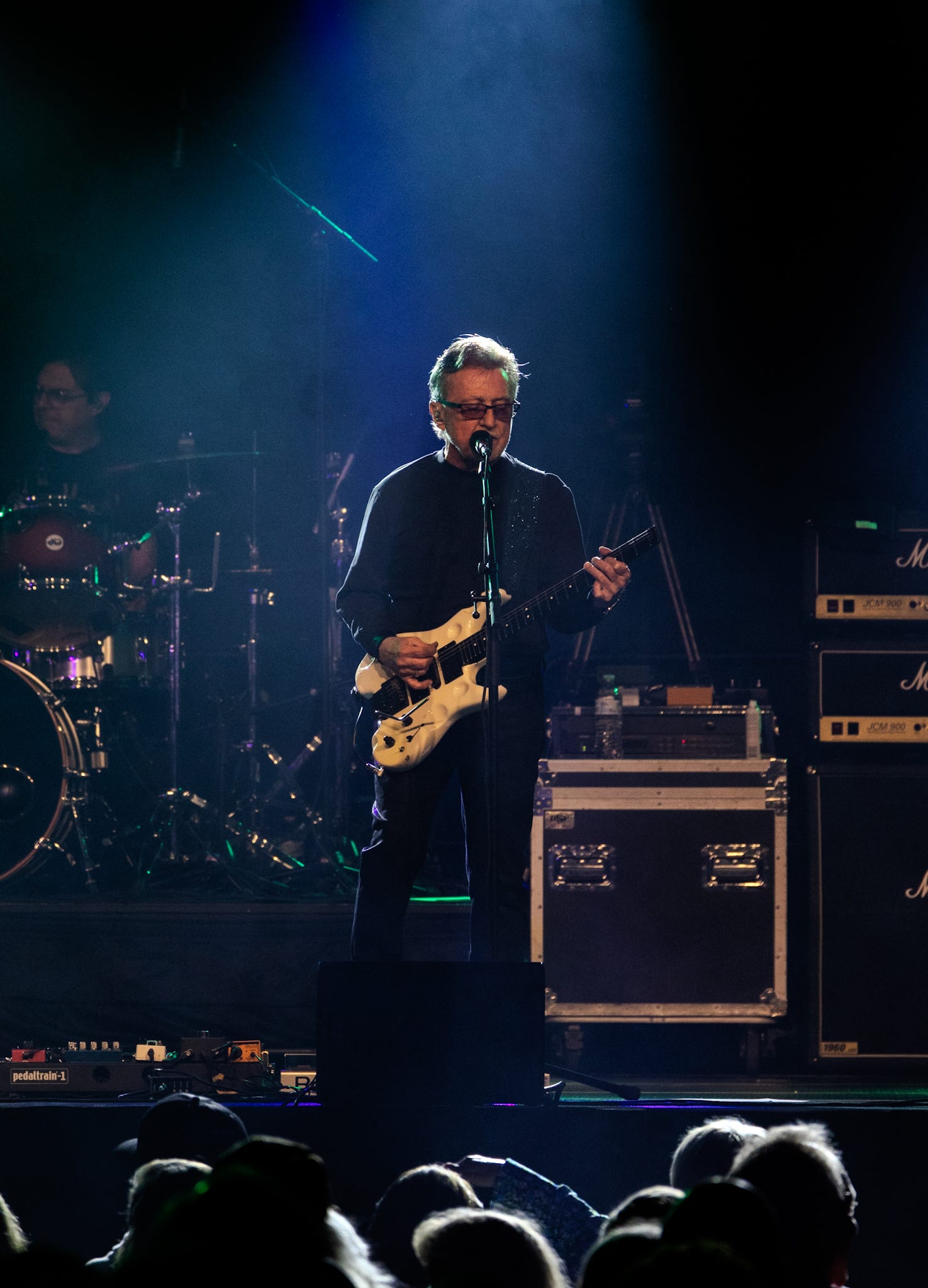
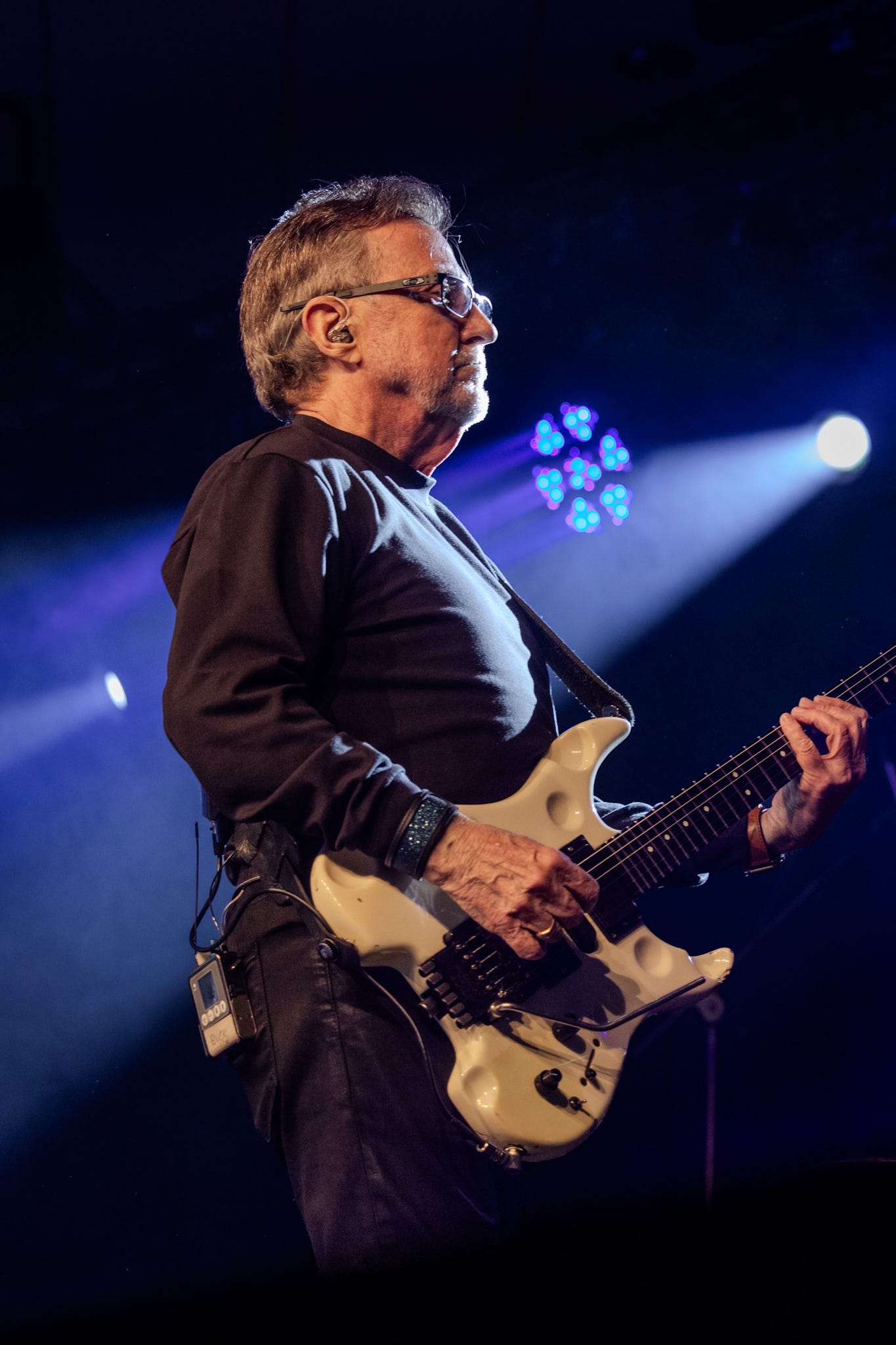
There were plenty of little visual details worth appreciating, too. One of Buck’s guitars had an especially unusual appearance, with crater-like indentations of varying sizes across its body and a headless design that eliminated the traditional tuning headstock. He also sported a beautiful, shimmering blue strap that caught the stage lighting as he played the egg-white guitar.
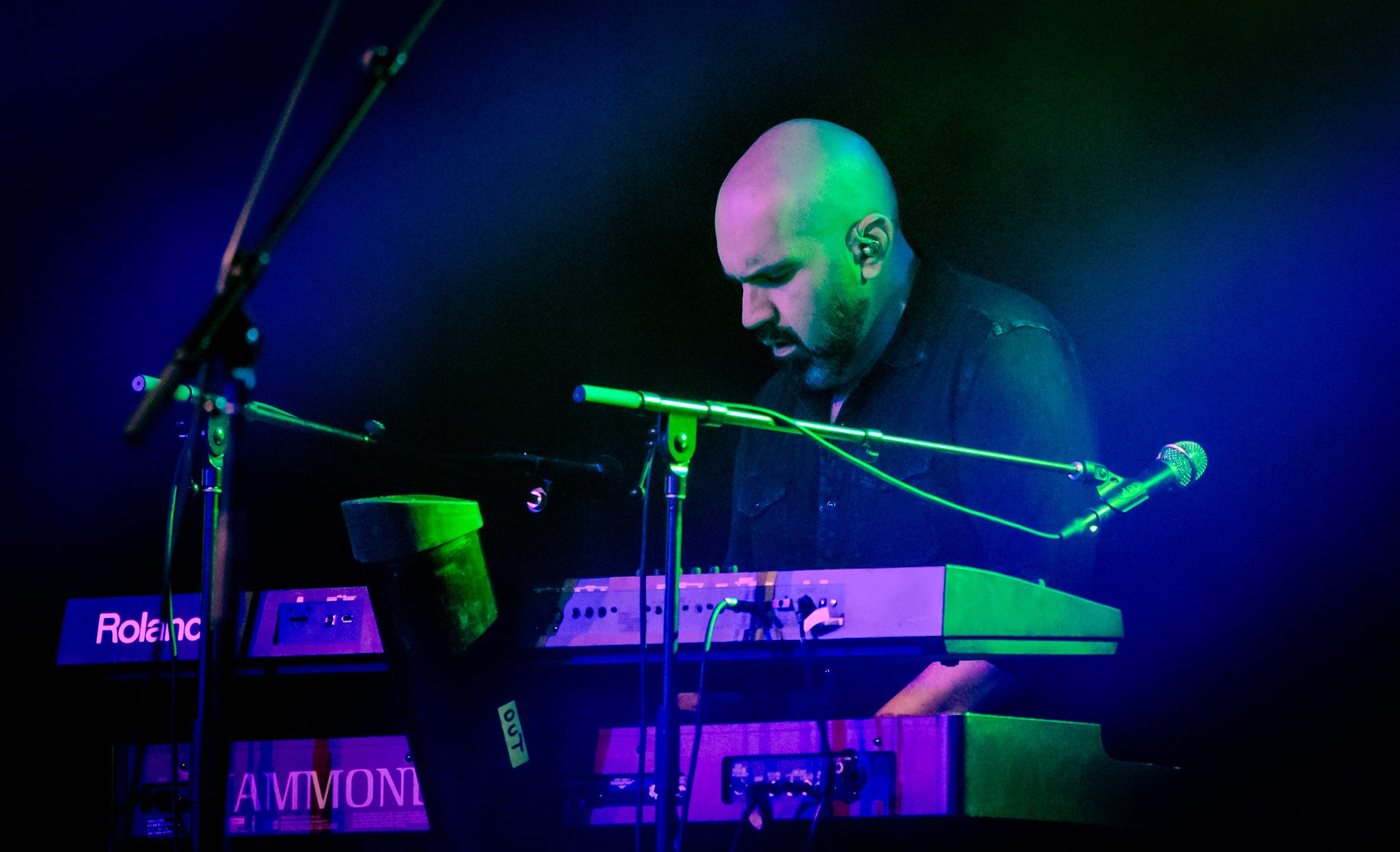
Richie Castellano demonstrated his versatility, moving between guitar and keyboards throughout the performance. It wasn’t merely a matter of filling space in the arrangement, either. His contributions would become increasingly important as the evening progressed.

Please consider Donating to Sponsor an article even $1 helps!

From familiar classics to unexpected favorites
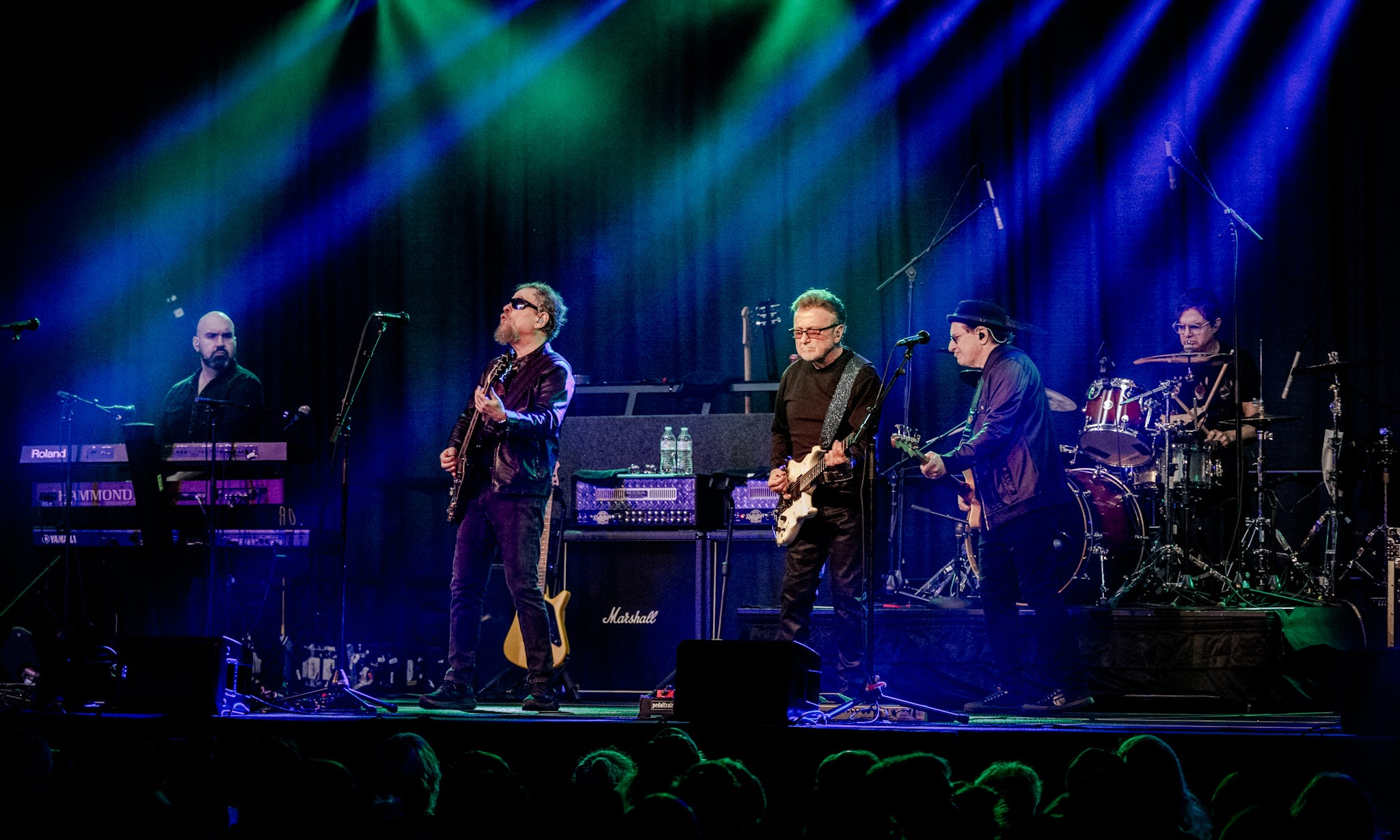
The band continued with “Mirrors,” the title track from their 1979 album. This was actually one I hadn’t heard before, making it a welcome addition to the evening. There’s something enjoyable about seeing a legendary band perform material outside the handful of hits permanently embedded in classic rock radio.


“ME 262” followed, bringing another unusual element into the performance. At one point, the band incorporated an almost percussive vocal effect, using their voices rhythmically to support the instrumentation rather than simply harmonizing with the lead. It was an unexpected touch, and not something I can recall seeing employed quite that way by a live rock band before.
Bassist Danny Miranda was entertaining to watch in his own right. At one point, he flattened his fingers and thumb across the front of the fretboard in a way that caught my attention. Little flourishes like that are part of what makes watching musicians up close so enjoyable. You get to see the techniques and habits that don’t always translate through a recording.
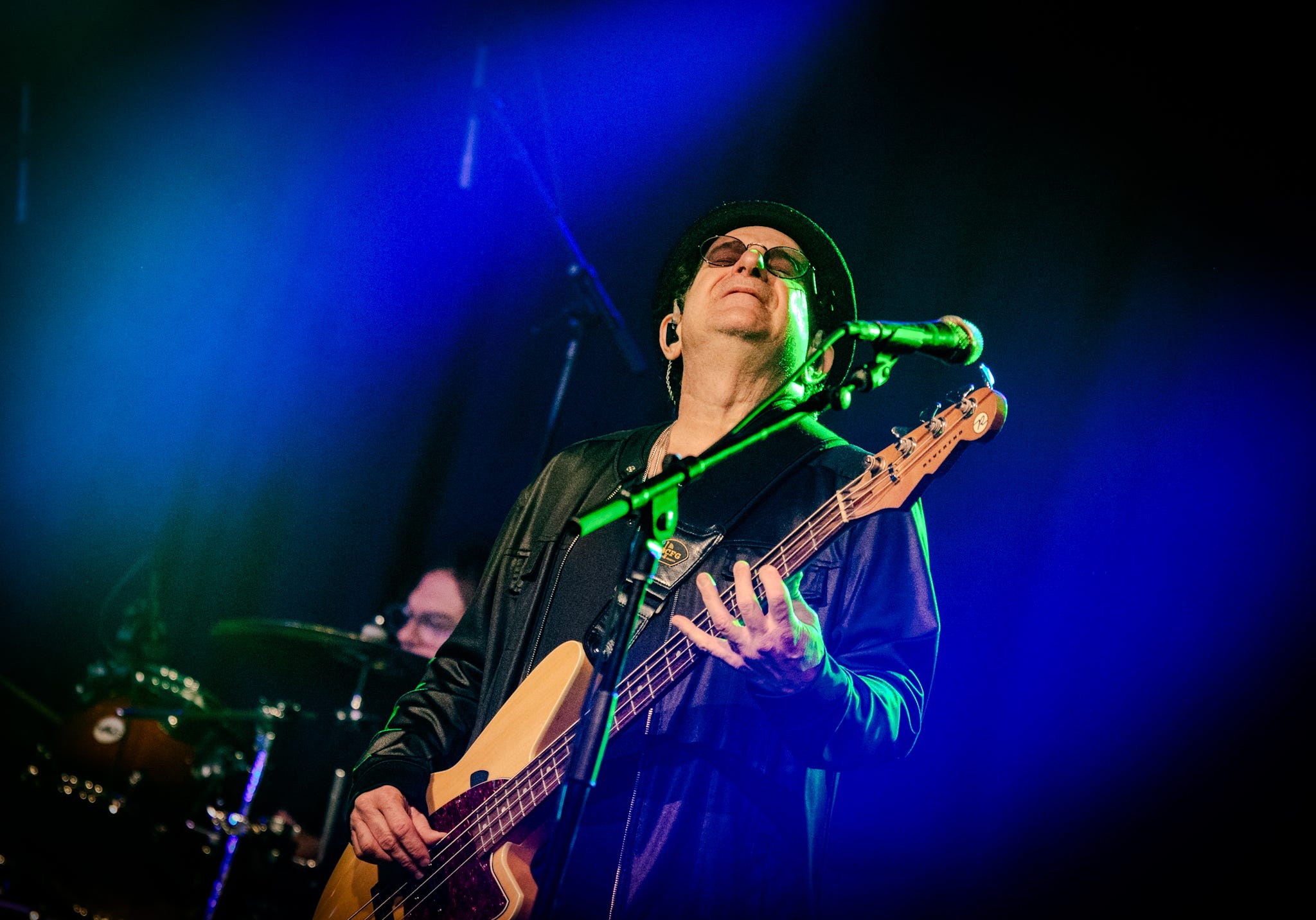
Still, I found myself wishing for a little more energy from the stage.
That began to change with “Shooting Shark.”
The song brought a noticeably different emotional quality to the set. Its winding, almost yearning guitar lines gave the music room to breathe, introducing a sense of atmosphere that contrasted with the more straightforward rock energy of the earlier songs. Castellano moved between guitar and keyboards, physically reacting to the music as he played.
Radino, meanwhile, had one of those unmistakable drummer faces. Hair swept across his forehead, glasses firmly in place, and teeth gritted in an expression of absolute determination, he occasionally looked like he was playing the world’s most intense game of Whac-A-Mole behind that kit.
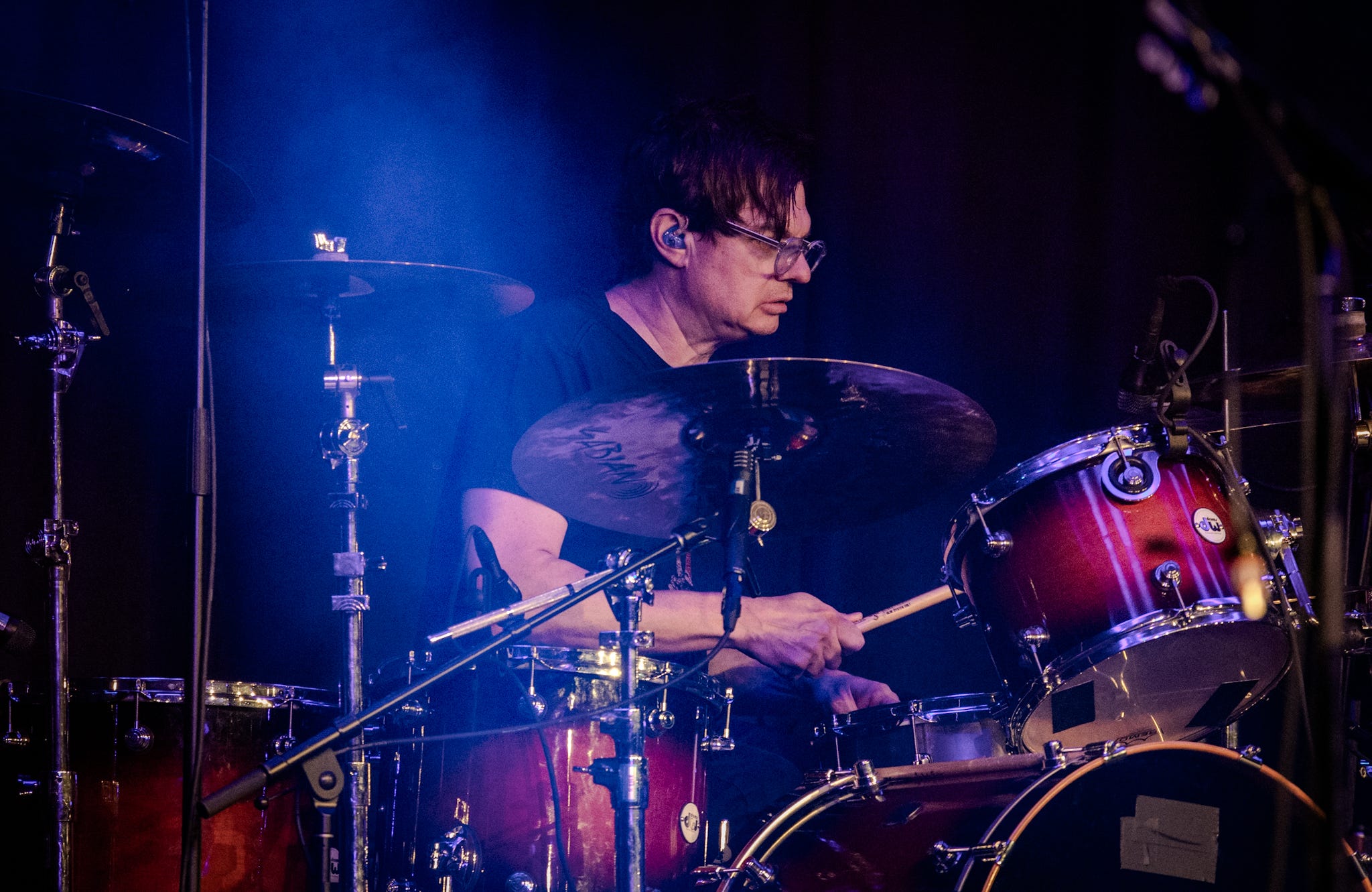
Every drummer knows exactly what I’m talking about.
The band really demonstrated its strengths during the song’s extended instrumental passages. This is where Blue Öyster Cult thrives: the sections where the guitars interact, the arrangement builds, and the musicians have room to show what they can do.
They absolutely crushed those moments.

The second half made me eat my words
Whatever reservations I had about the band’s stage presence during the first half of the performance were quickly put to rest when they launched into “Hot Rails to Hell.”
Now this was the kind of classic rock energy I’d been waiting for.
With Castellano taking over lead vocal duties, the band seemed to find another gear entirely. Another track I wasn’t particularly familiar with going into the show, “Hot Rails to Hell” scratched an itch I didn’t realize needed scratching. I’ve always loved ’70s rock, but these days I spend a considerable amount of time buried in electronic dance music. Hearing that unmistakable old-school guitar sound performed with this kind of intensity reminded me just how much I appreciate the music that laid so much of the groundwork for what came afterward.
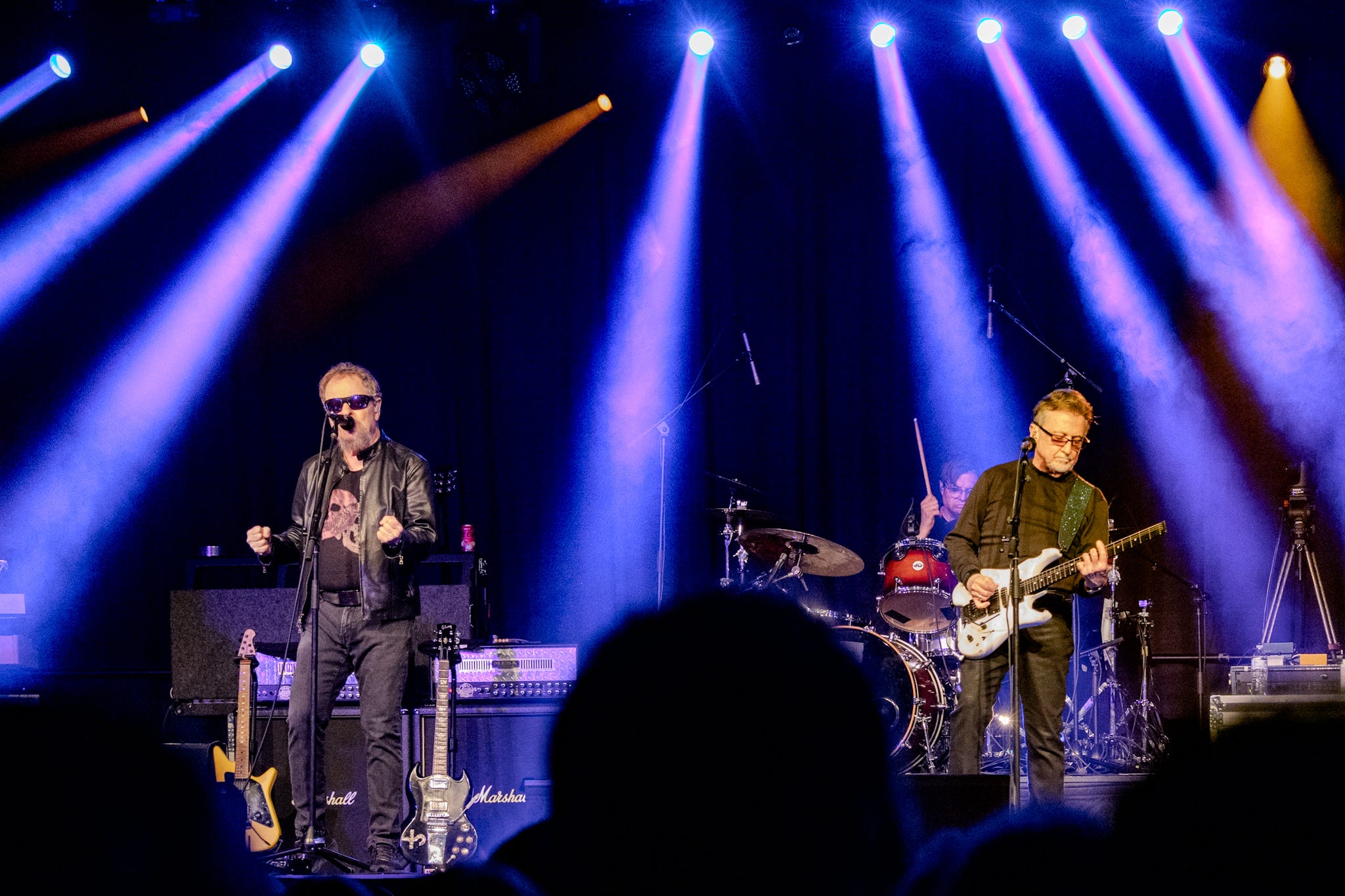
Radino attacked his drums with renewed enthusiasm, the guitarists began moving around the stage, and there were moments when the musicians swung their instruments in unison.
Suddenly, the reserved performers from earlier were running across the stage and bringing exactly the kind of energy I’d been hoping to see.
Well, they certainly made me eat my words.
At one point, the guitarists and Miranda gathered together near the front of the stage, grinning and playing off one another. They looked like a group of guys you’d want to have a beer with in somebody’s garage while they jammed for a few hours.
And I mean that as a compliment.
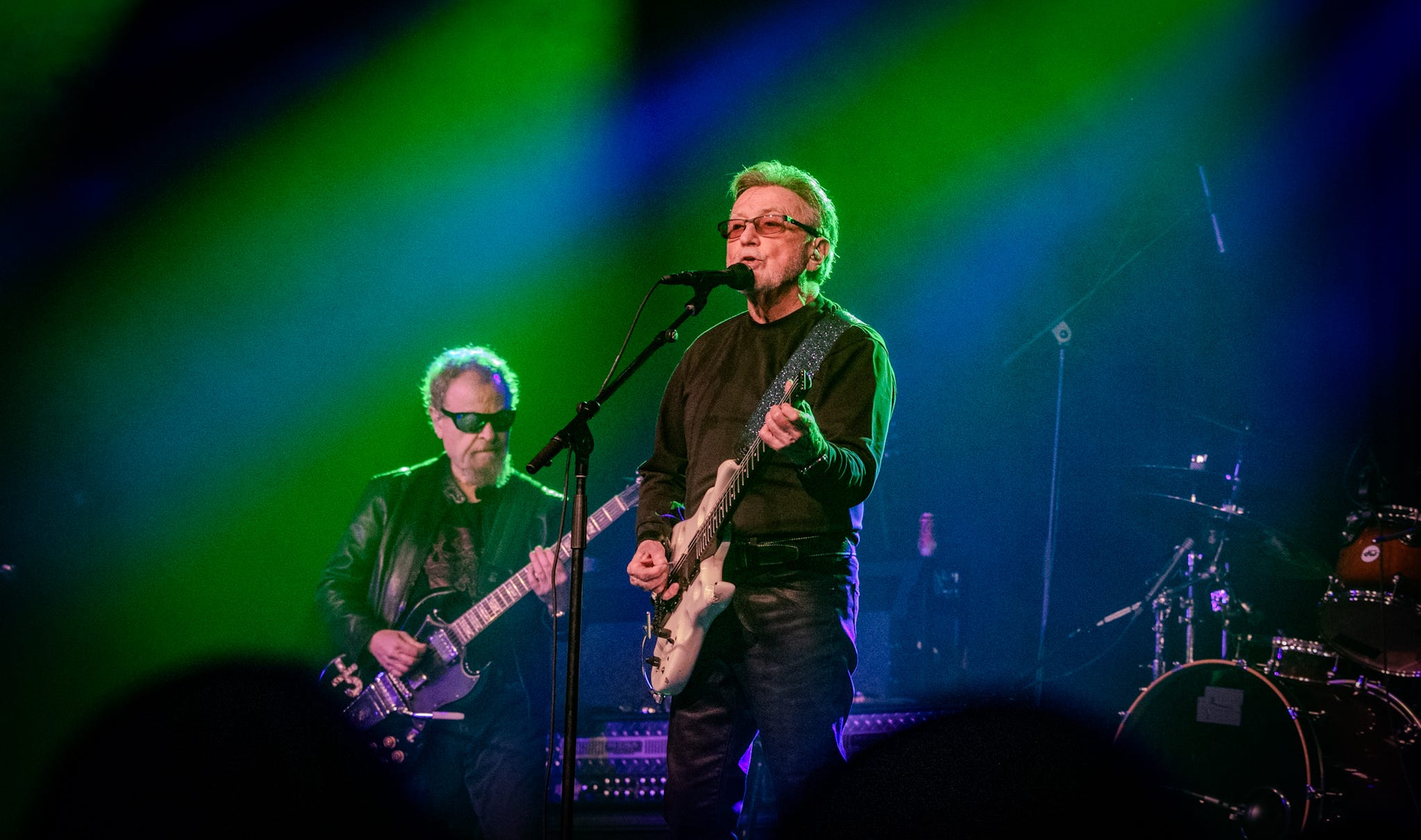
That relaxed chemistry is one of the things I appreciate most about bands from this era. Their musicianship is impressive, but they don’t necessarily need elaborate choreography or massive production elements to make the performance entertaining. Sometimes a handful of good musicians enjoying what they’re doing is more than enough.
The band kept things moving with “E.T.I. (Extra Terrestrial Intelligence),” another selection from their ’70s catalog, before returning to more recent material with “Tainted Blood” from The Symbol Remains. Castellano again handled lead vocals on the latter, providing another opportunity to appreciate his range as a performer. Between his vocals, guitar work, and time behind the keyboards, he proved to be one of the most dynamic musicians onstage.


Eric Bloom eventually took some time to introduce the band, including Castellano, Miranda, and Radino, alongside fellow longtime member Buck Dharma, whose birthday was just around the corner.
Then came one of my favorite moments of the entire night.

A guitar solo worth remembering
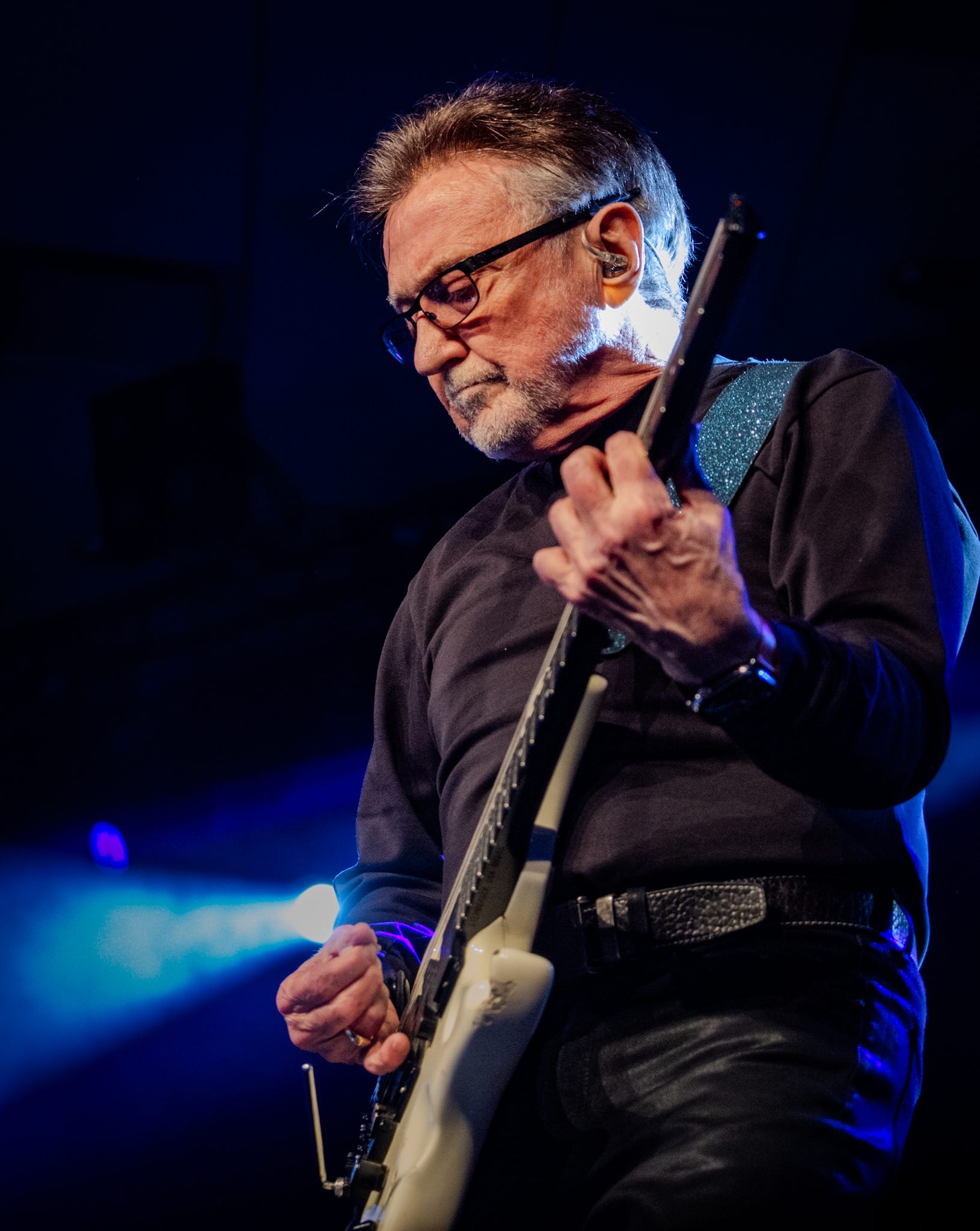
“Then Came the Last Days of May,” from Blue Öyster Cult’s self-titled 1972 debut album, was a beautiful reminder of just how consistent the band’s musical identity has remained over the decades.
You can hear the foundations of their sound in those earliest recordings: the layered guitars, melodic arrangements, and willingness to let the music build organically rather than rushing toward the next chorus. They’ve certainly grown and evolved since then, but that underlying character is still present.
And boy, did they do this one justice.
As the song progressed, the other musicians pulled back to give Richie Castellano room for an absolutely killer guitar solo. I mean, I think the guy might have had an out-of-body experience up there, because I damn near did watching him.
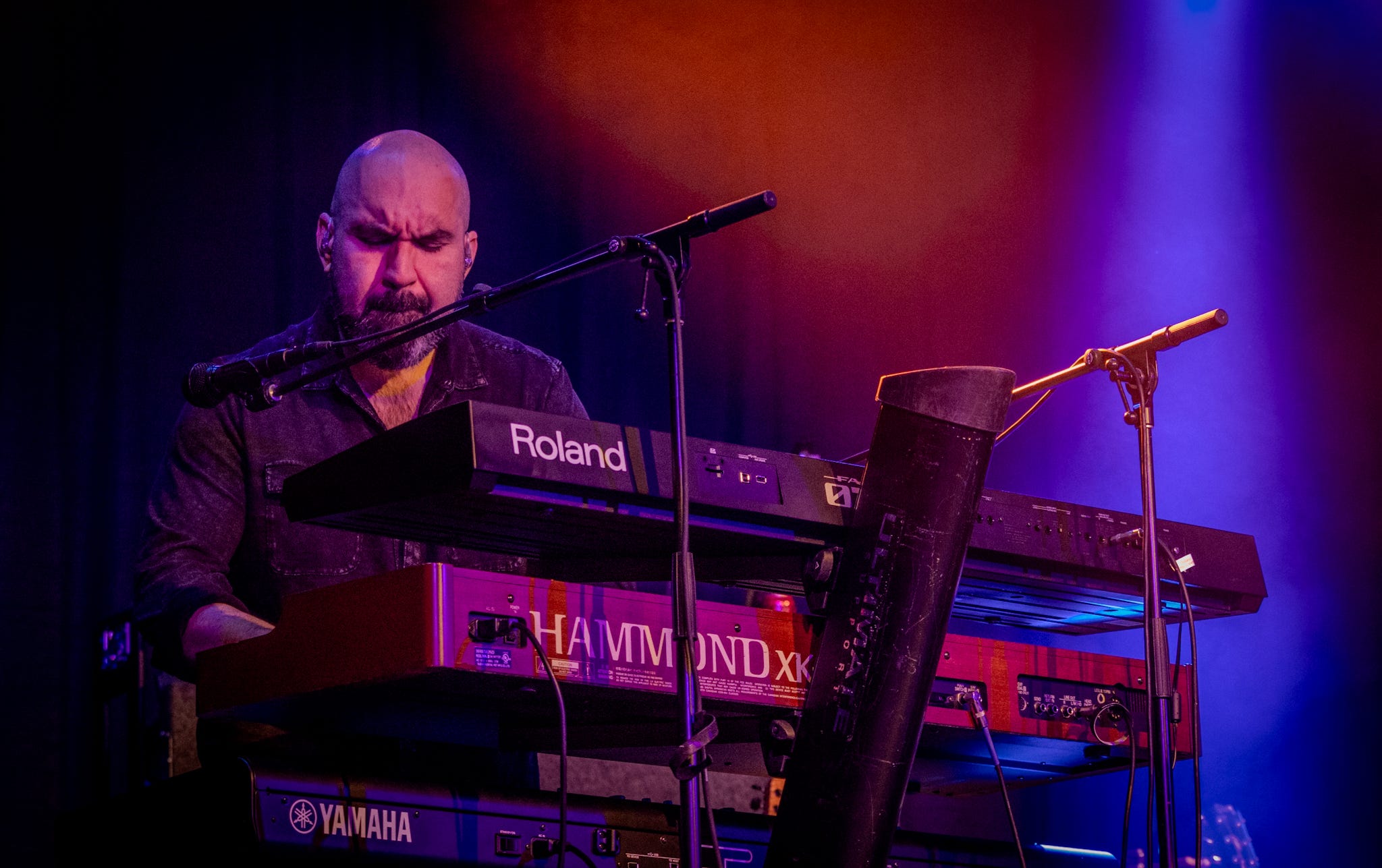
His entire body moved with the music, every phrase seeming to pull another reaction out of him. It wasn’t just the technical ability that impressed me, although that was certainly there. It was the emotion and physical investment he brought to the performance.
One of the beautiful things about rock music from this era is the way a song can gradually increase in intensity, with the arrangement and instrumentation pushing toward an instrumental climax. When it’s executed well, a guitar solo becomes more than an opportunity for a musician to show off. It becomes a defining moment of the entire composition.
That’s exactly what happened here.
As the solo reached its peak, strobes flashed across the stage, the musicians exchanged smiles, and the energy built before transitioning back into the final verse. You could tell they were enjoying themselves, and that enthusiasm was infectious.

Don’t fear the Reaper
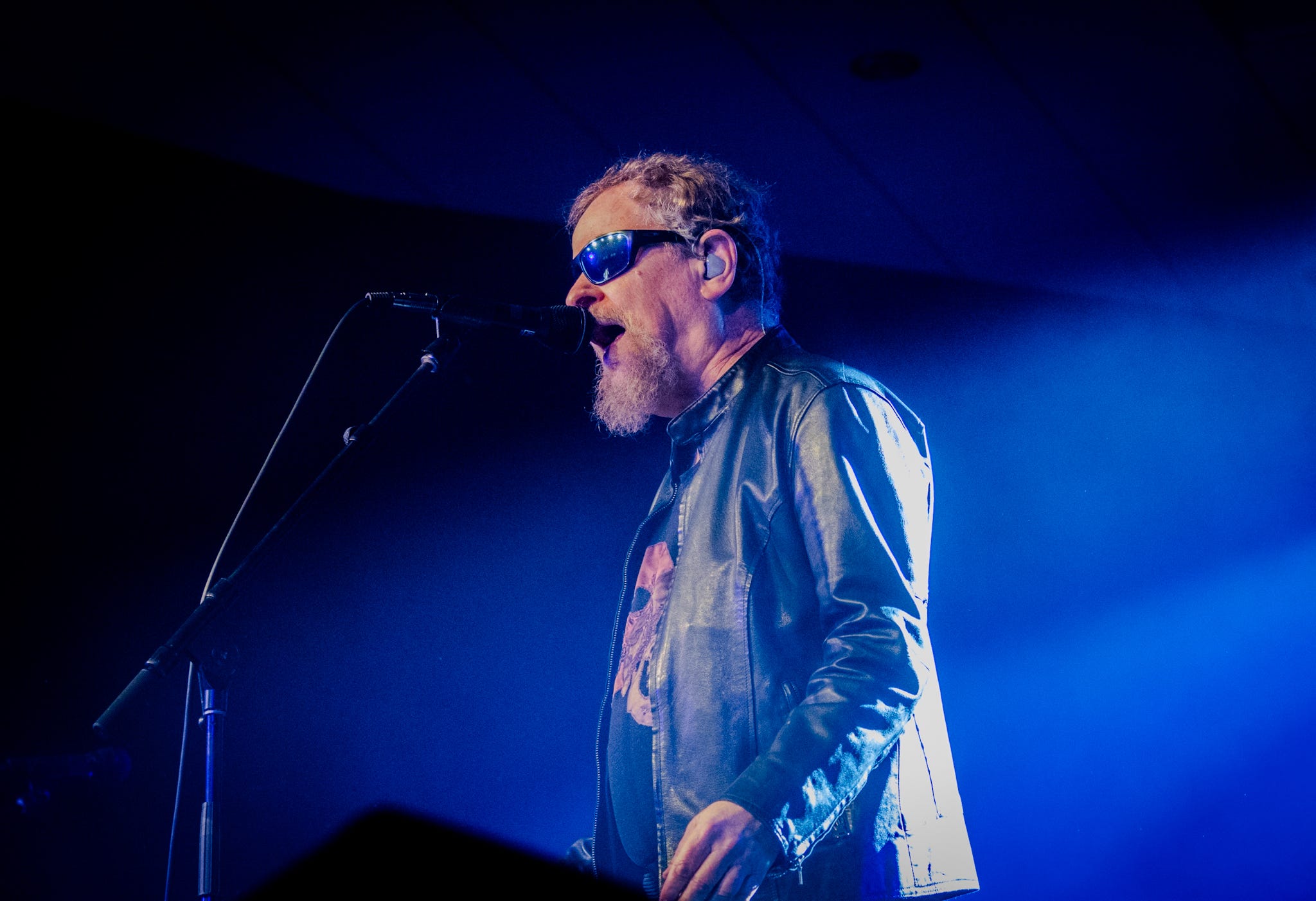
Of course, you can’t have a Blue Öyster Cult concert without “Godzilla” and “(Don’t Fear) The Reaper.”
And thankfully, we got both.
“Godzilla” brought the harder-edged energy back to the forefront, giving the crowd another opportunity to enjoy one of the band’s most recognizable songs. By this point, the performance had become everything I hoped it would be, balancing the nostalgia of familiar classics with instrumental moments that stood on their own merits.
But the real finale came with “(Don’t Fear) The Reaper.”
Before the song began, Buck Dharma spent roughly 45 seconds building a looping guitar passage, gradually creating an atmospheric introduction. Then the keyboards entered with a set of ethereal chords, and the stage lights dimmed.
For a moment, the room seemed to hang in anticipation.
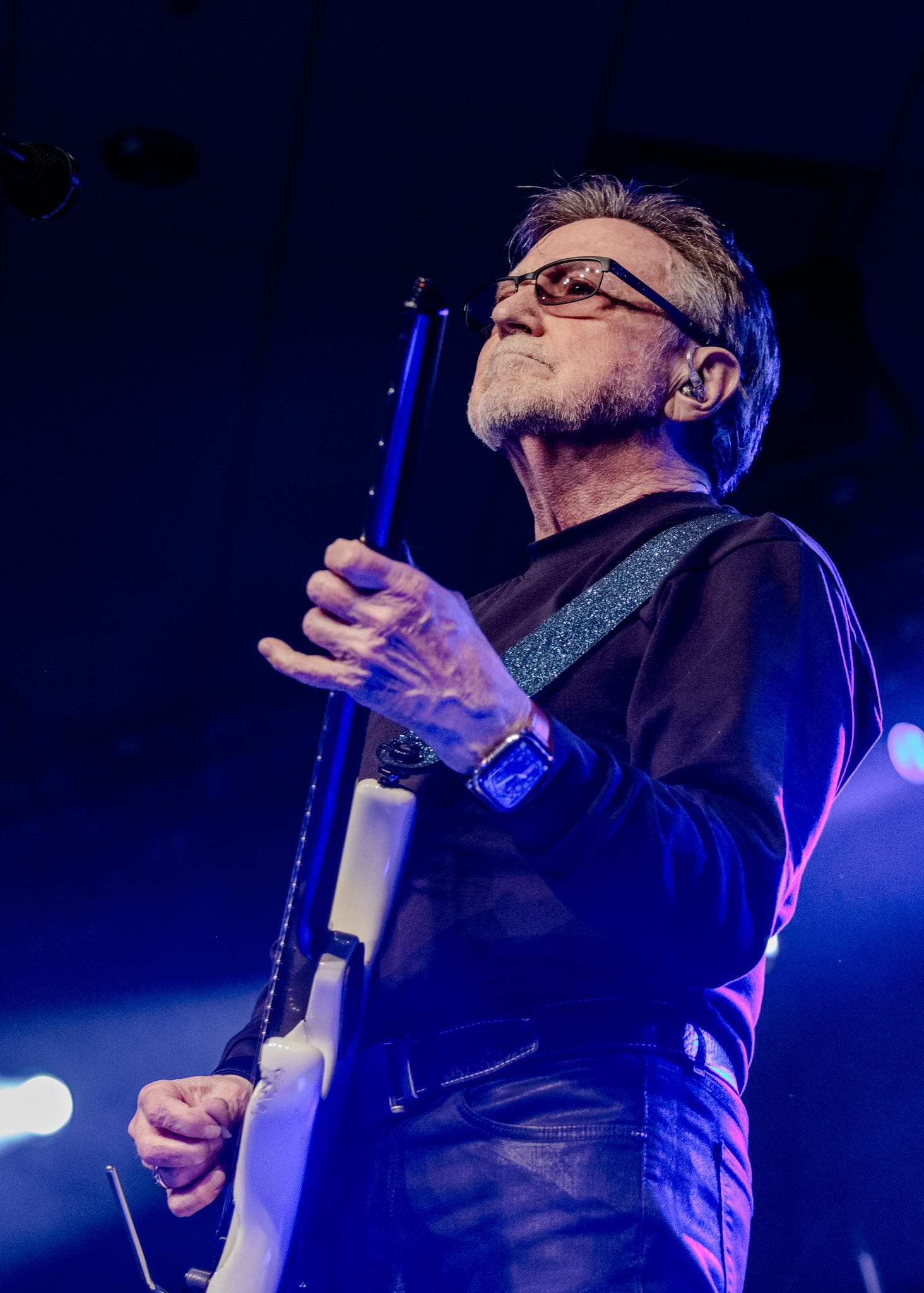
And then, CRASH.
Purple and blue light flooded the stage as the opening notes of “(Don’t Fear) The Reaper” rang out, immediately drawing cheers from the audience.
It was one of those moments where you could feel the collective recognition moving through the room. People behind me were on their feet, singing along, and the excitement was unmistakable. By the time the final notes rang out, nearly everyone around me was standing and applauding.
Afterglow
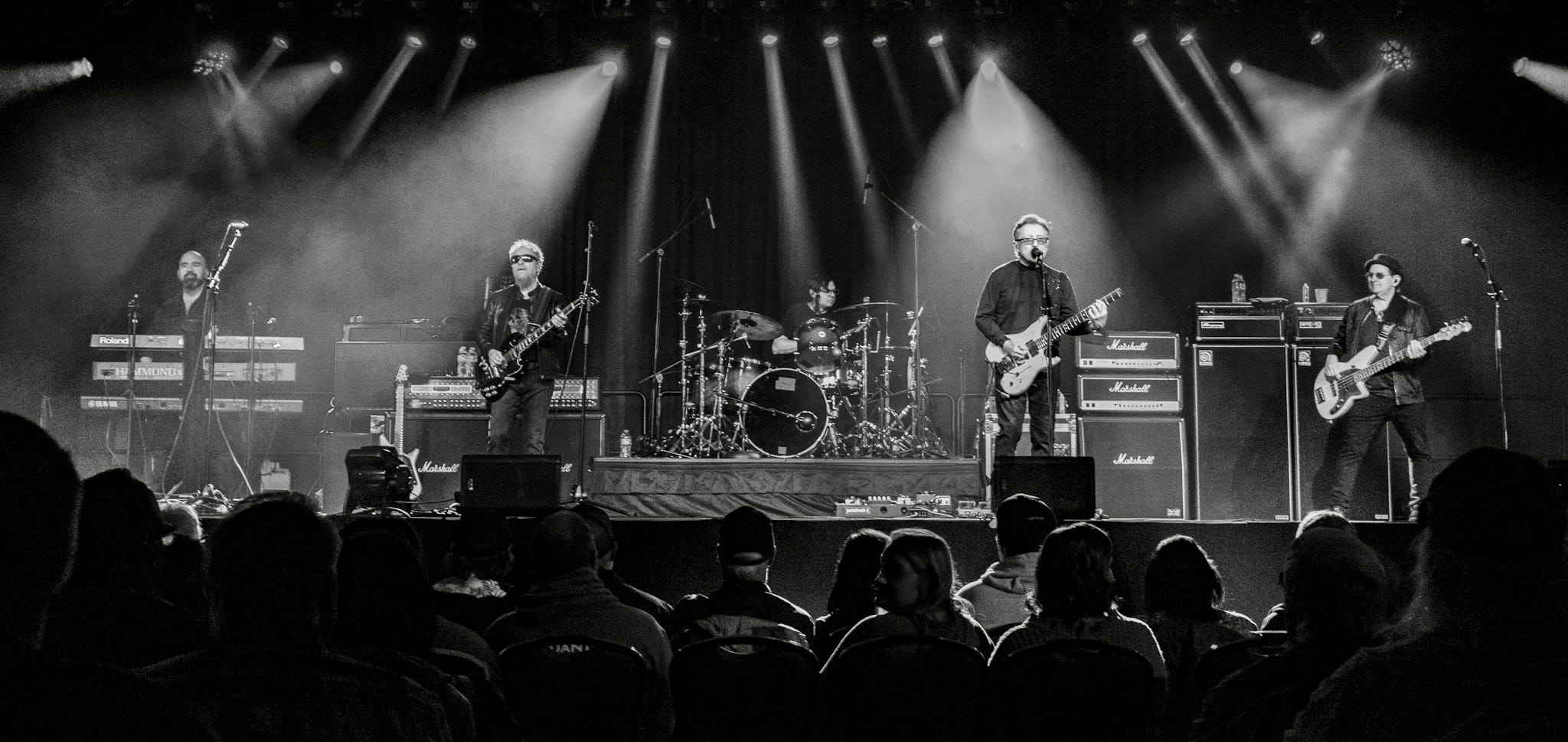
As the applause settled, I found myself thinking about those childhood drives through Connecticut, listening to this very music with my dad. There’s something special about finally hearing songs live after they’ve been part of your life for so many years. Music has a way of connecting different periods of our lives, and for a few hours that night, I got to revisit a little piece of my childhood.
The performance wasn’t perfect, but then again, isn’t a little imperfection part of the charm of live rock ‘n’ roll? What stood out to me most was how the band seemed to find its stride as the evening progressed. By the second half, the instrumental passages, strong vocals, and genuine chemistry between the musicians had reminded me why I fell in love with classic rock in the first place.
And perhaps that’s what makes seeing a band like Blue Öyster Cult so worthwhile. Beyond the familiar hits and nostalgia, there’s still genuine musicianship to appreciate, and moments that simply can’t be replicated by listening to a recording.
Not a bad way to spend a Saturday night.
Please consider Donating to Sponsor an article even $1 helps!

More cowbell please!