



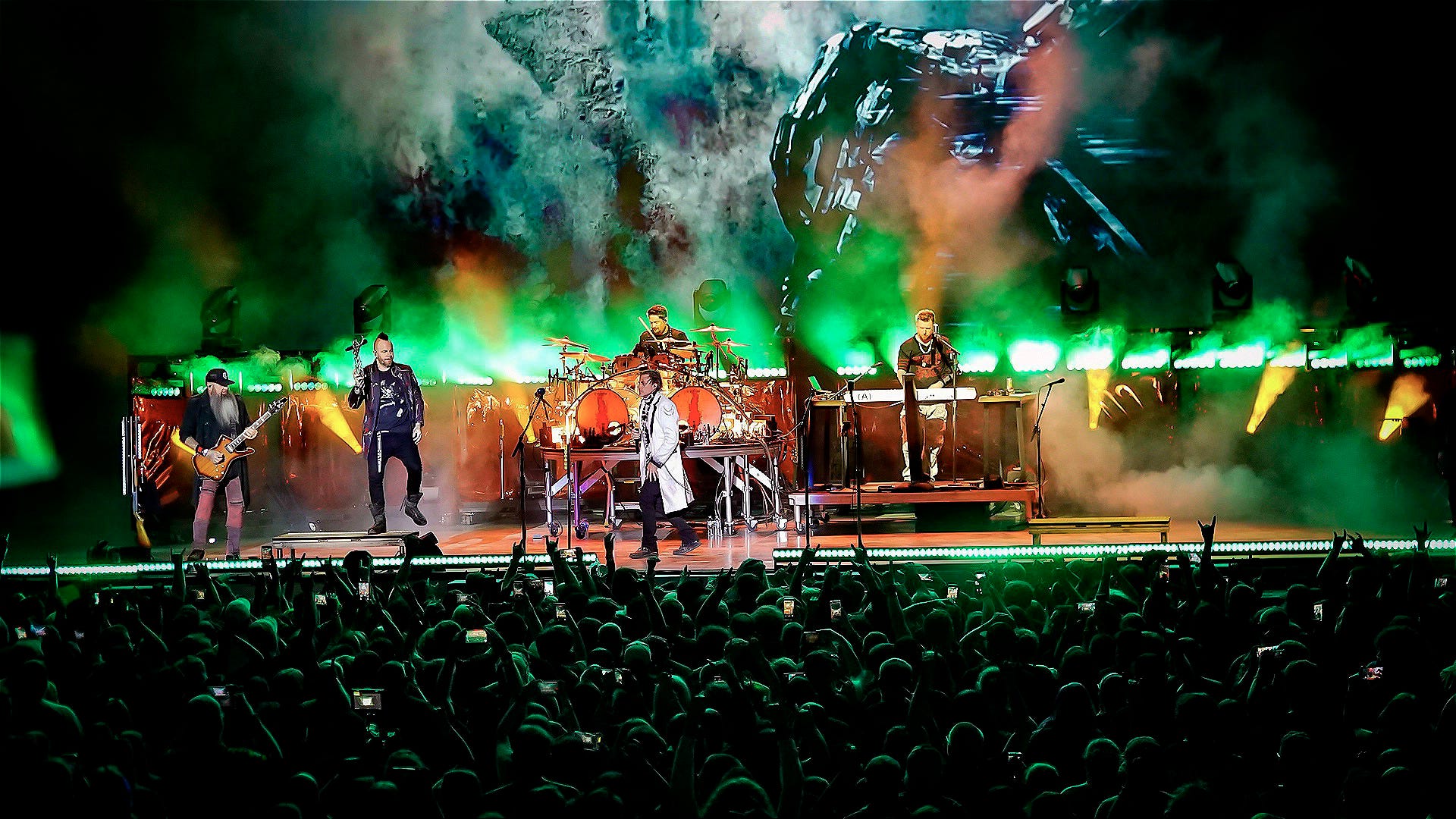
Adam Gontier and Matt Walst shared the front of the stage at The Orion Amphitheater, giving Three Days Grace access to its history without making either singer stand outside it. Gontier’s return could easily have dominated the conversation. What I appreciated in Huntsville was how much room remained for the band Walst had helped carry forward—and for the music they were now making together.
There was a particular reason to watch that partnership here. Huntsville had hosted an earlier onstage reunion between Gontier and his former bandmates in 2023. Three years later, he was a member again, Walst was still beside him and a new album had given the arrangement somewhere to go. This visit carried a little more history than the average tour stop.
First, though, there was a road trip, a new venue and two opening bands with their own cases to make.
Spotify got a workout on the drive as I revisited songs and worked through recent setlists. I enjoy that part of getting ready for a show: finding something familiar, discovering something I had overlooked and letting the anticipation build with the miles. With The Funeral Portrait, I Prevail and Three Days Grace waiting in Huntsville, there was plenty of homework available.
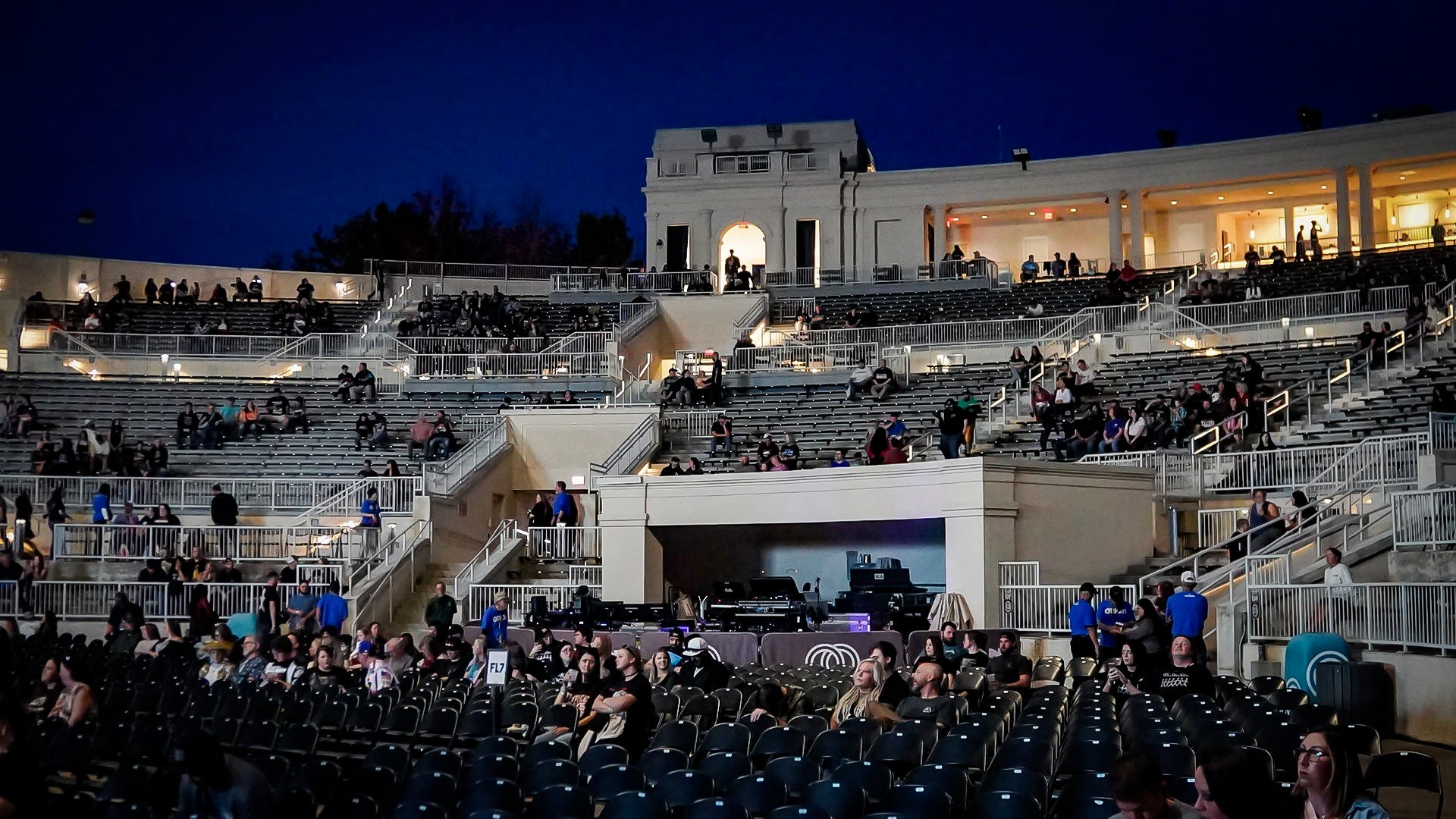
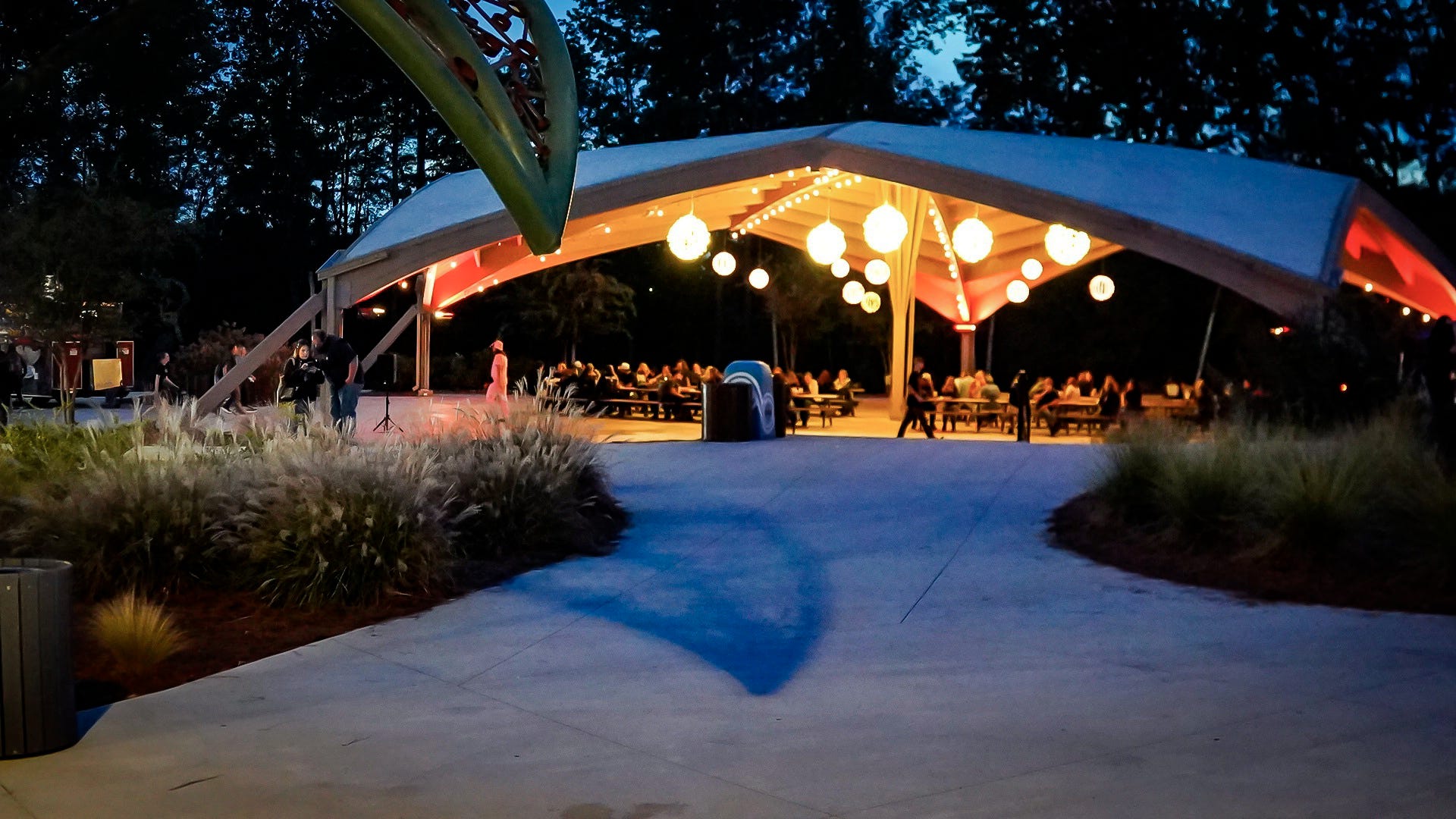
This was my first visit to The Orion Amphitheater, and I would be happy to make another. The tiers of seating and pale architecture gave the place a character of its own, while the gathering spaces outside offered a different view of the venue before attention turned toward the stage. I had come for the bands, but getting acquainted with The Orion was part of the pleasure.
For me, though, there was still the pleasure of arriving somewhere new with a camera and seeing what happened. You can listen to the records and study the songs beforehand, but you can’t prepare every photograph. An expression, a musician turning toward a bandmate or a moment of connection with the crowd can disappear as quickly as it arrives. That’s part of what keeps me coming back, and this lineup promised plenty to watch.

An invitation to Suffocate City
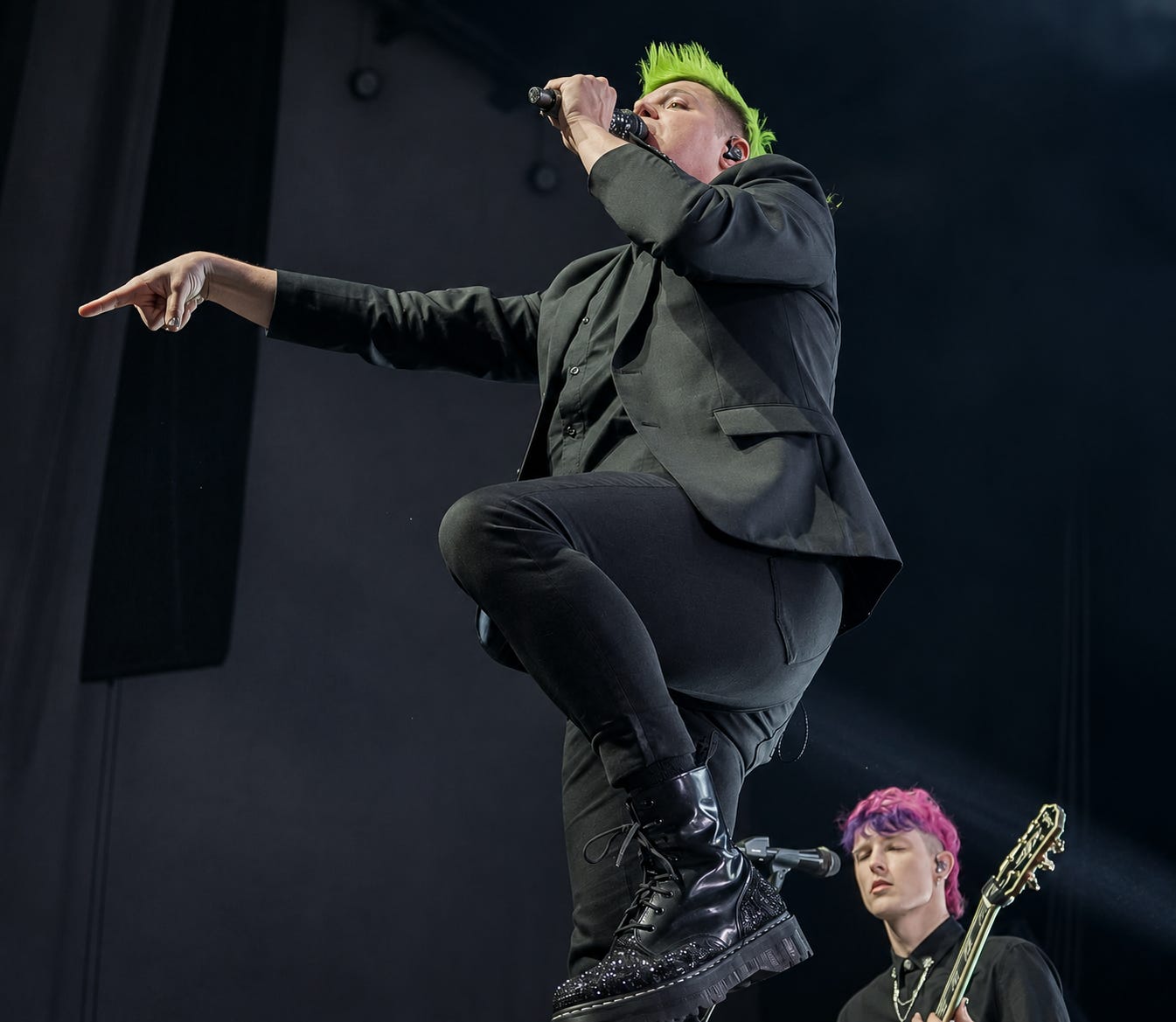
The Funeral Portrait began with a snippet of Tears for Fears’ “Mad World,” then moved into “Generation Psycho”. That transition introduced their approach efficiently. The familiar melody offered a way in; what followed established the band’s own combination of theatrical rock, emo influences and gothic darkness.
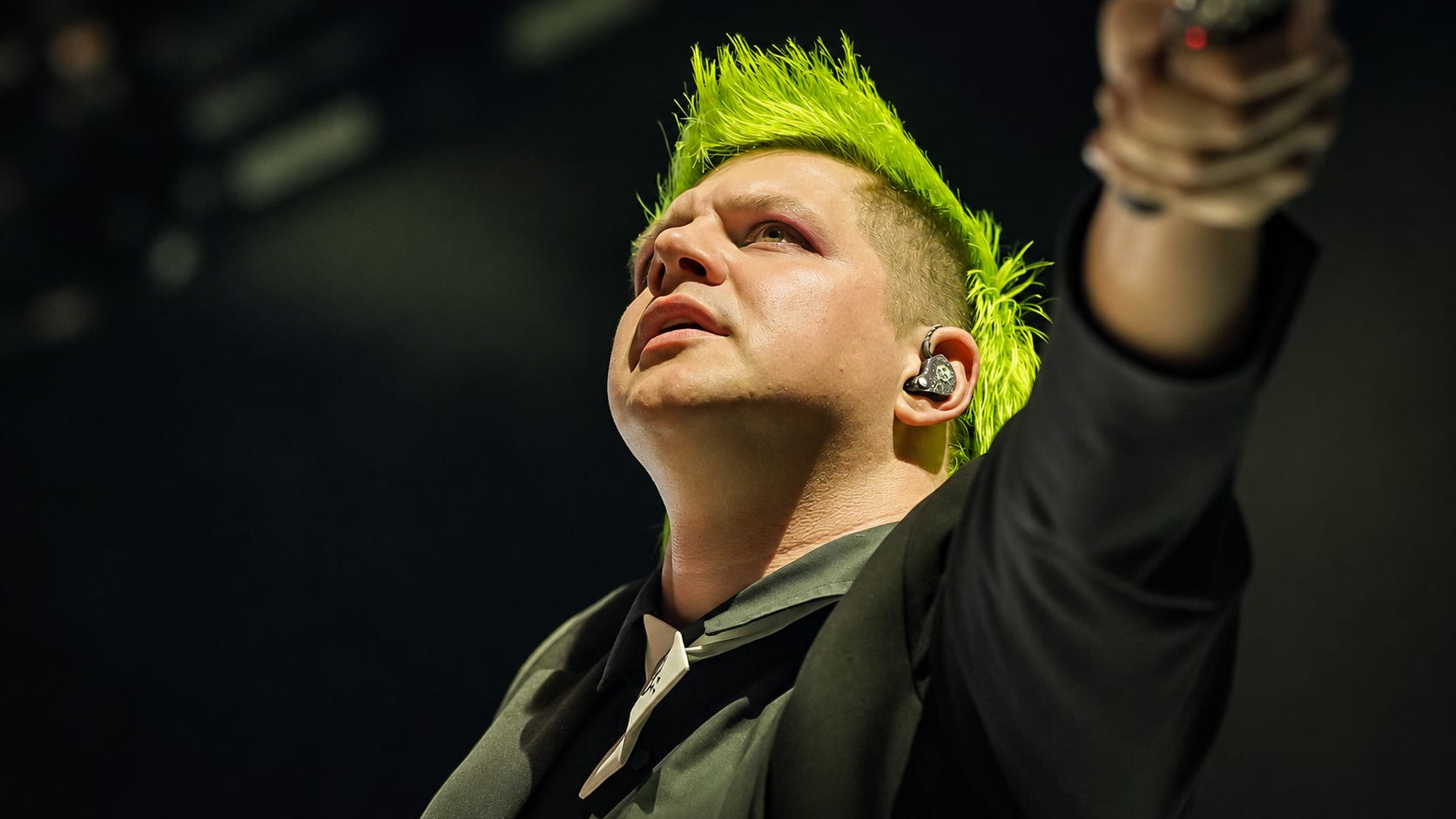
Lee Jennings was an engaging frontman, with enough personality to draw attention while remaining connected to the musicians around him. His bright green hair and the coffin-shaped stage emblem gave the presentation an immediate visual identity. More useful than the individual details, though, was how comfortably the band inhabited them. The theatrical side felt consistent with the music.
That’s what I particularly like about The Funeral Portrait. They embrace a little darkness and attitude without making the songs difficult to get into. The choruses are direct enough to give a first-time listener something to follow, even when the surrounding presentation suggests a stranger neighborhood.
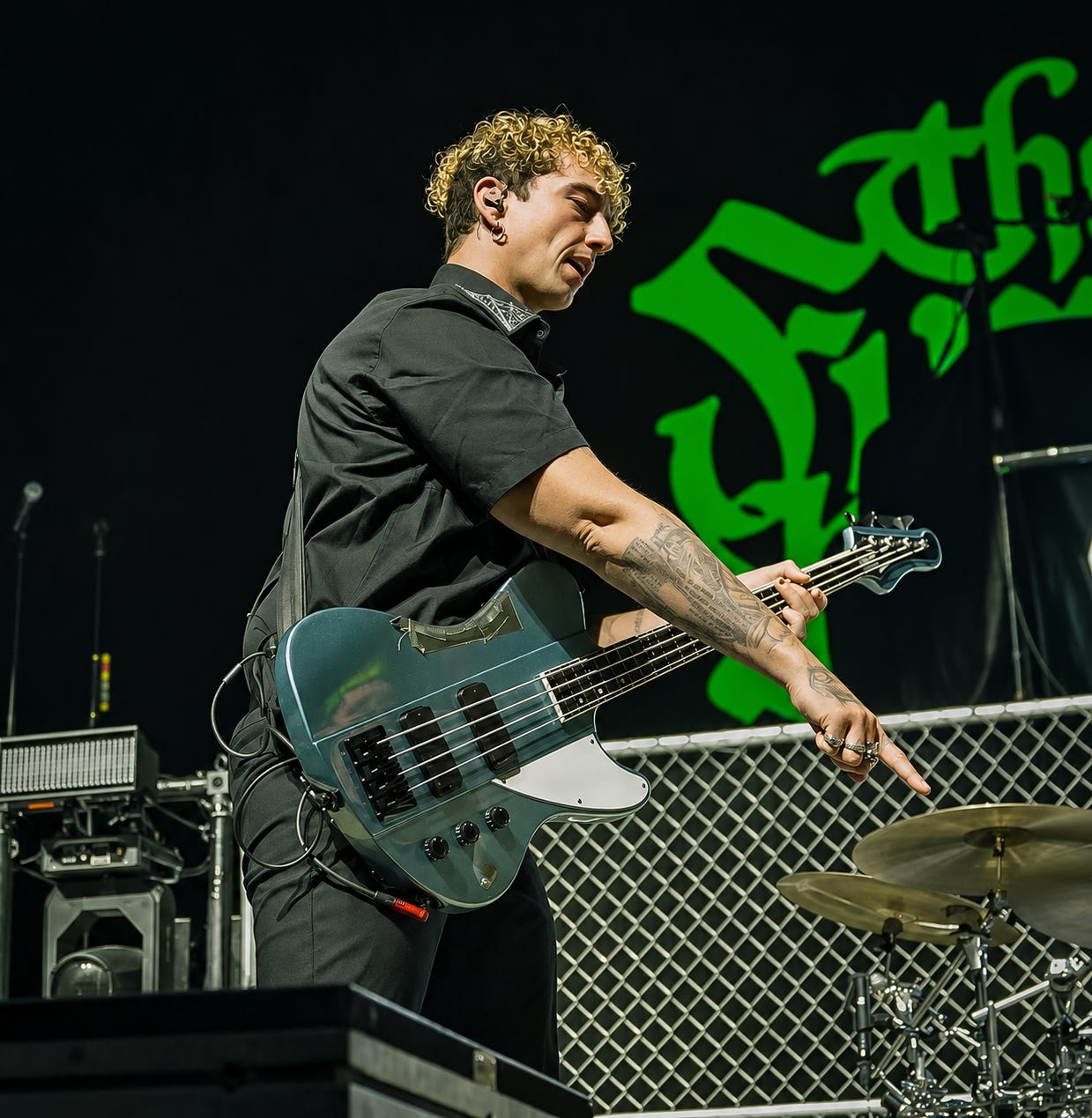
“Voodoo Doll” and “Holy Water” were standouts for me. “Dark Thoughts” added another shade to the set, keeping the darker character present alongside the more immediate hooks. The selections gave us several sides of the band without making the opening slot feel scattered. There was a recognizable personality running through them.
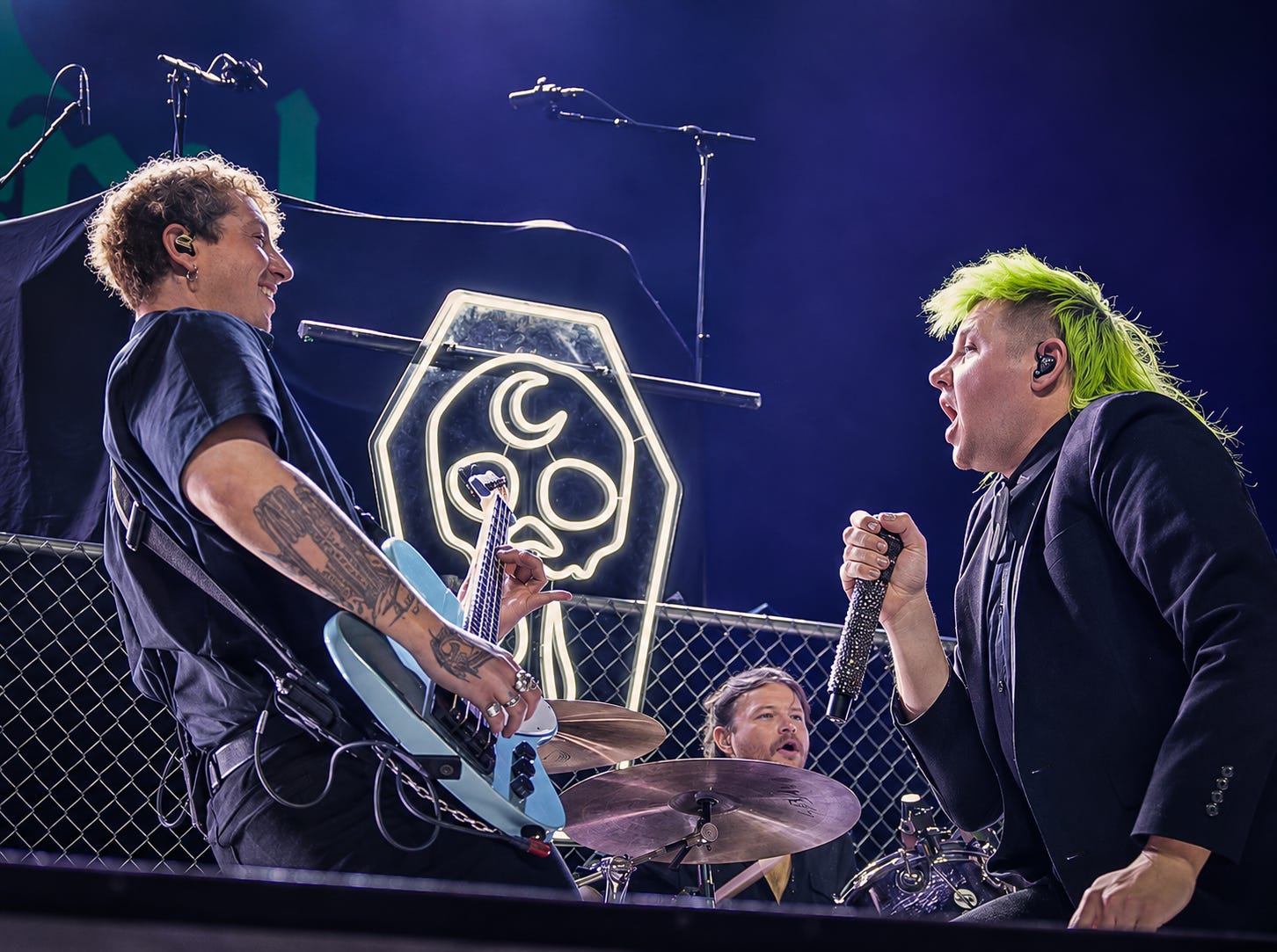
Their 2024 album, Greetings from Suffocate City, provides much of the musical world behind that presentation. Live, the appeal was easier to understand through the band’s interactions. Jennings could command the front of the stage, then turn toward his bandmates and make the performance feel shared again. Those exchanges gave the theatrical framing some warmth.
Closing with “Suffocate City” gave the set a clear destination. By then, I wanted more time with the band. They had introduced their sound, shown some range within it and made an impression beyond the novelty of their appearance.
An opener has a limited window to make people curious enough to follow up. The Funeral Portrait used theirs well. Jennings would be back before the evening ended, but the next band had a different way of getting our attention.


Please consider Donating to Sponsor an article even $1 helps!

I Prevail makes the contrast count
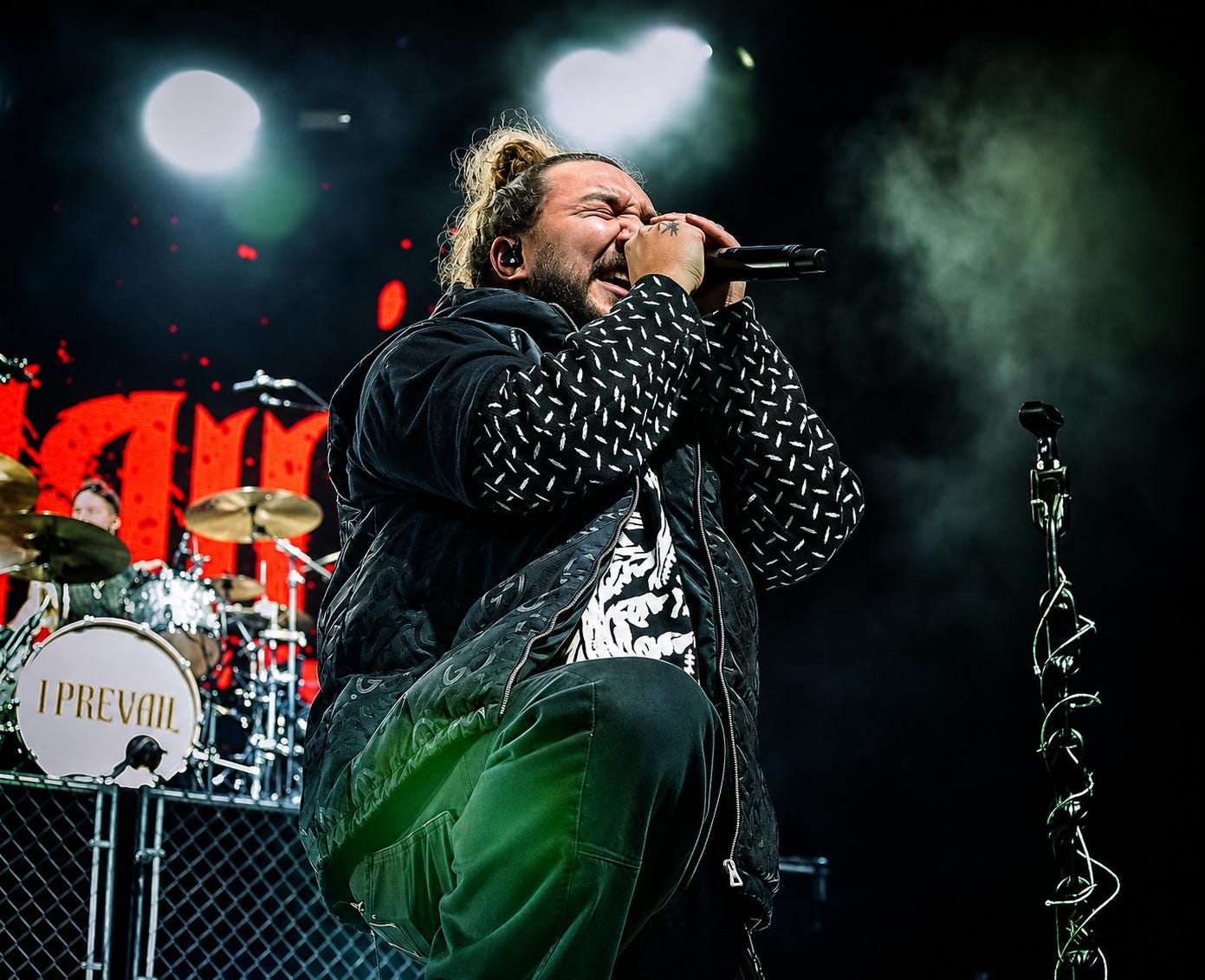
NWO opened I Prevail’s set, followed by “Bow Down” and “Self-Destruction.” The change in weight was immediate. Heavy guitars and aggressive vocals pushed the evening into harder territory, with the melodic passages giving the attack somewhere to turn.
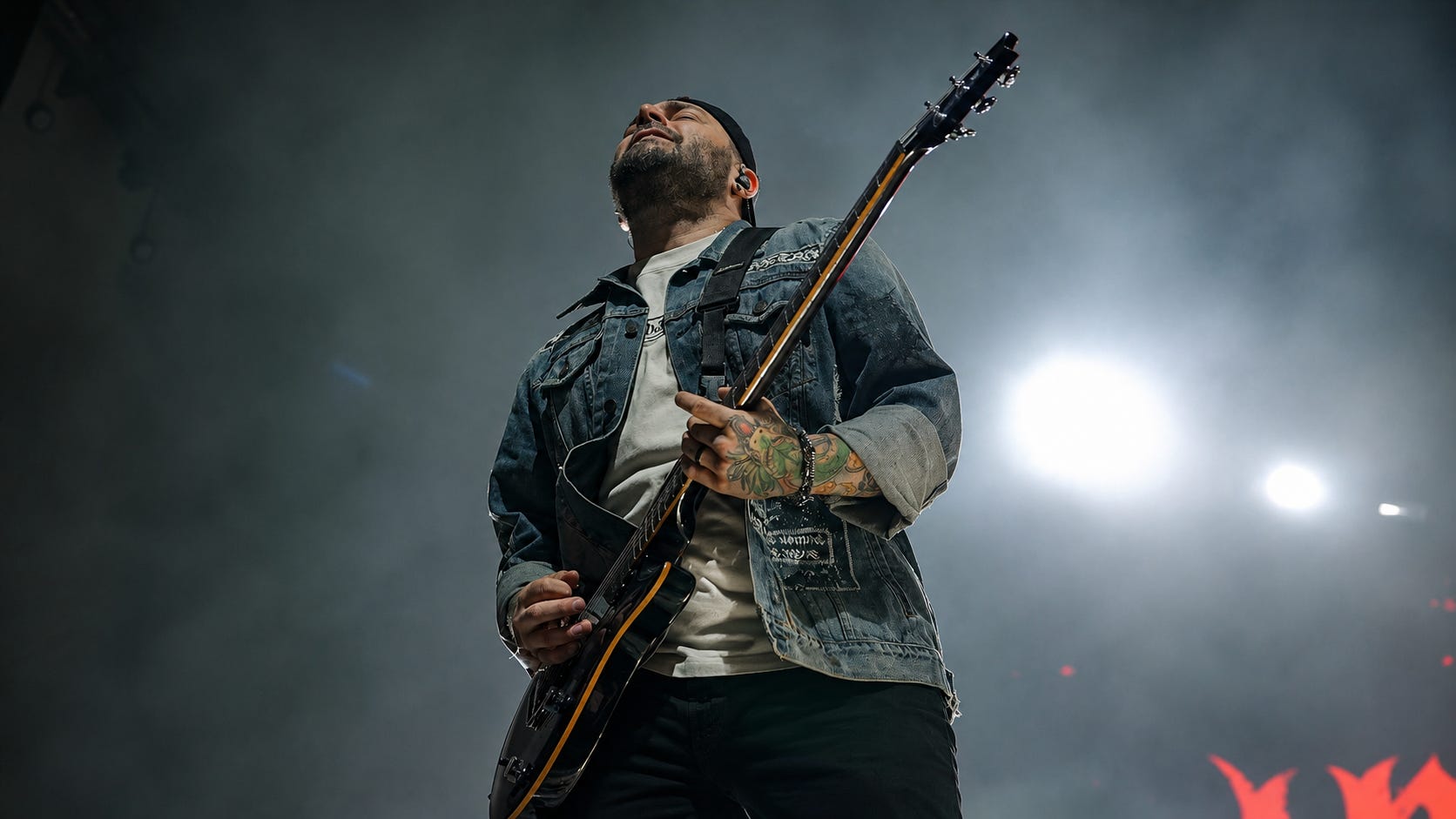
What I enjoy about I Prevail is the relationship between those extremes. The heavier moments hit, but a chorus can open the song up before the next abrasive stretch closes around it. That movement gives the material shape. Across a substantial set, it also keeps intensity from becoming the only available setting.
The vocal arrangement behind that contrast has changed. On their fourth album, Violent Nature, Eric Vanlerberghe took on both clean and harsh lead vocals after the band’s earlier configuration with two lead singers. The music still depends on the tension between melody and aggression, but the responsibility for carrying it has shifted.
“There’s Fear in Letting Go,” “Choke” and “Hurricane” continued the set, while “Bad Things” offered another example of why the hooks are such an important part of this band. I like having a melody to hold on to without losing the force around it. The set kept returning to that balance through different songs rather than relying entirely on volume.
The cover of Metallica’s “Sad but True” was a welcome detour. Its heavy, deliberate character fit the surroundings, but the familiar song gave the set a different point of reference. It was an opportunity to hear I Prevail work with another band’s material before returning to their own.
“Rain” supplied another melodic turn, and a drum solo gave the percussion its own stretch of attention. Those changes helped the pacing. The band could step away from the full vocal-and-guitar attack, then return to it with a little distance established.
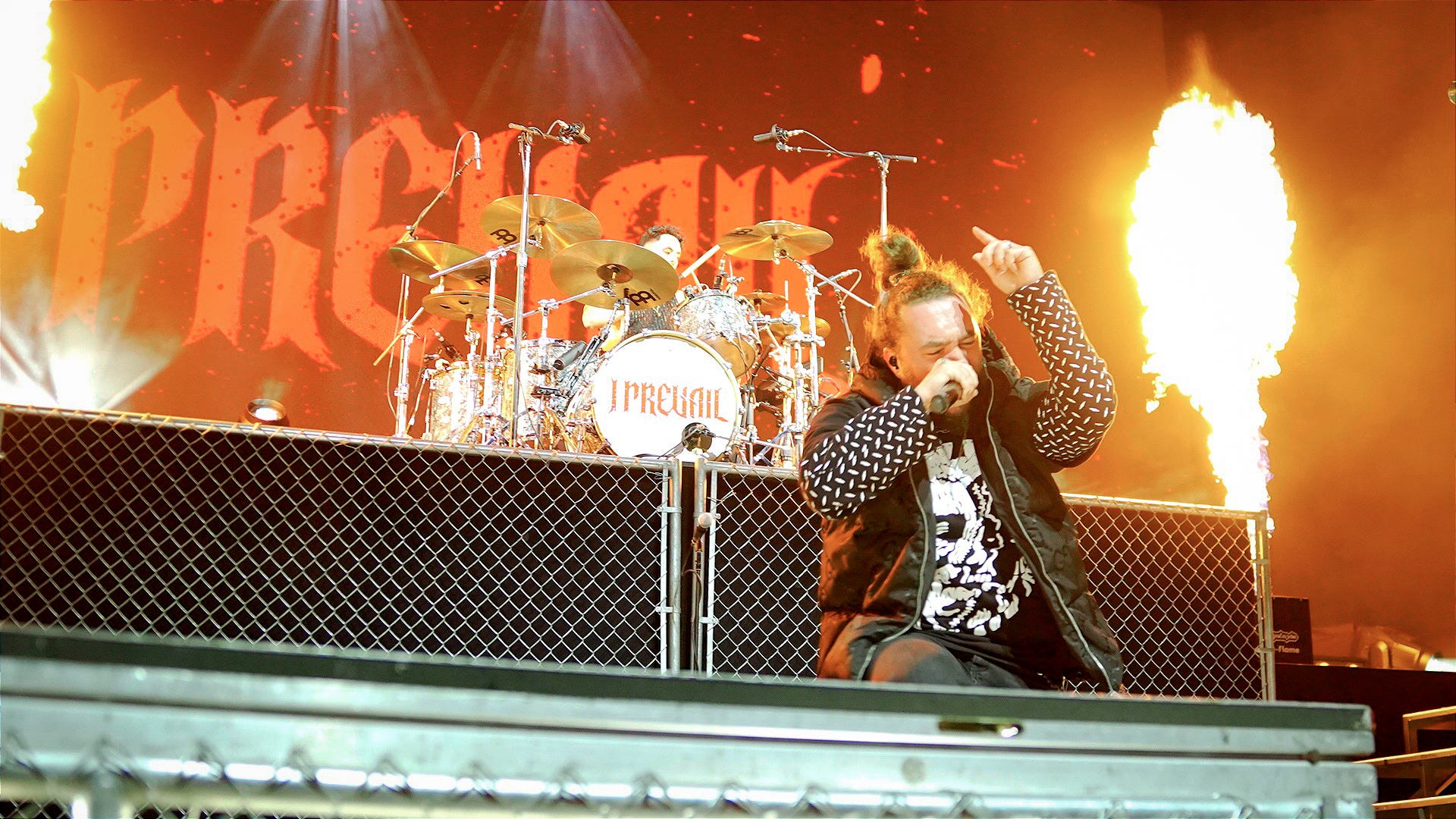
And there was fire! The chain-link barrier across the riser, the large backdrop and the flames gave I Prevail a stage picture that suited the heavier material. It also presented a familiar photographer’s problem: deciding whether to follow the production or stay with the person in front of it.
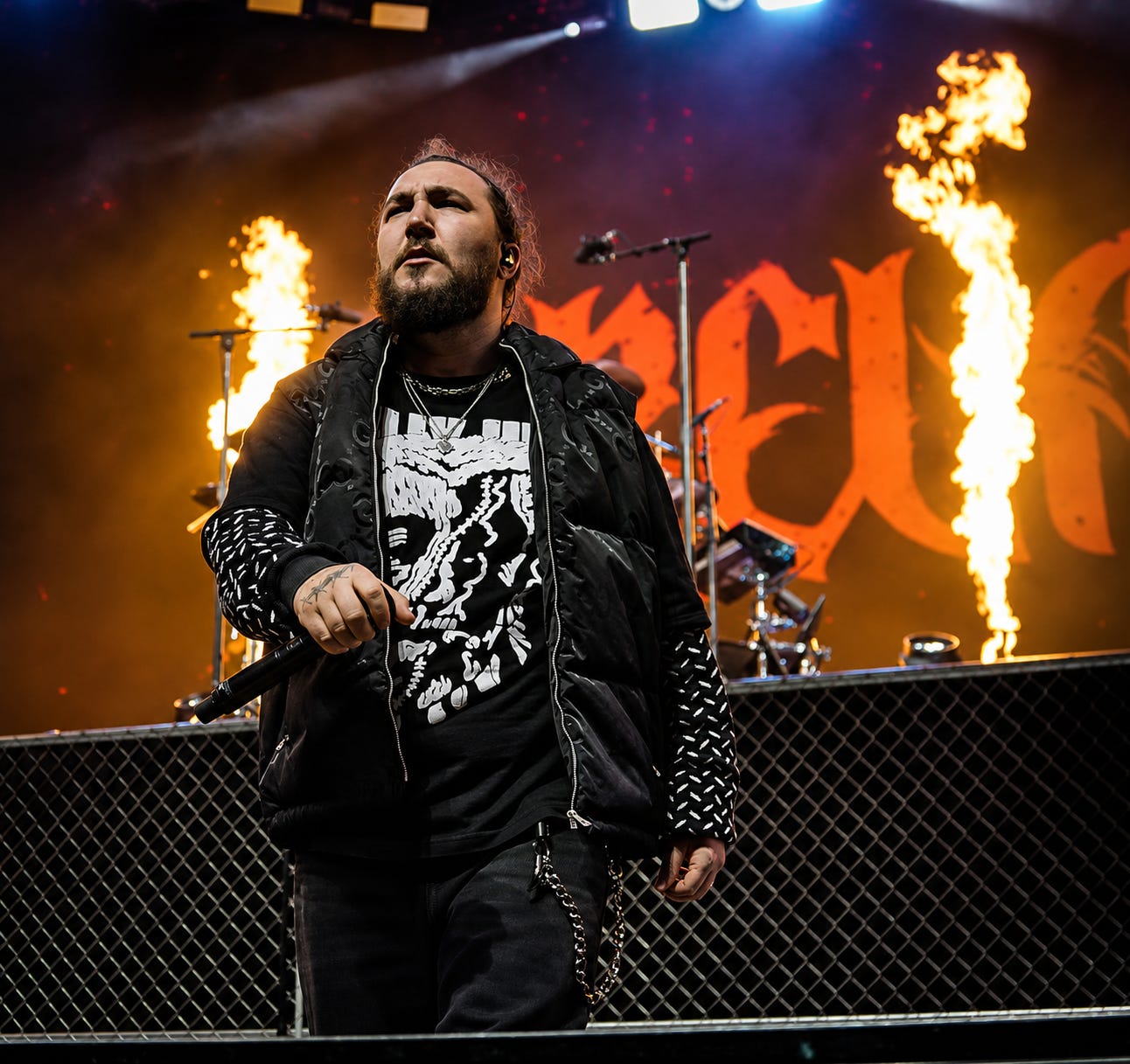
The wider views caught the scale, but the expressions were what kept pulling my attention back. Vanlerberghe leaning into the microphone could give a frame its own force without needing the entire stage behind him. That was the part of photographing this set I particularly enjoyed: having the big production available, then finding something more concentrated within it.
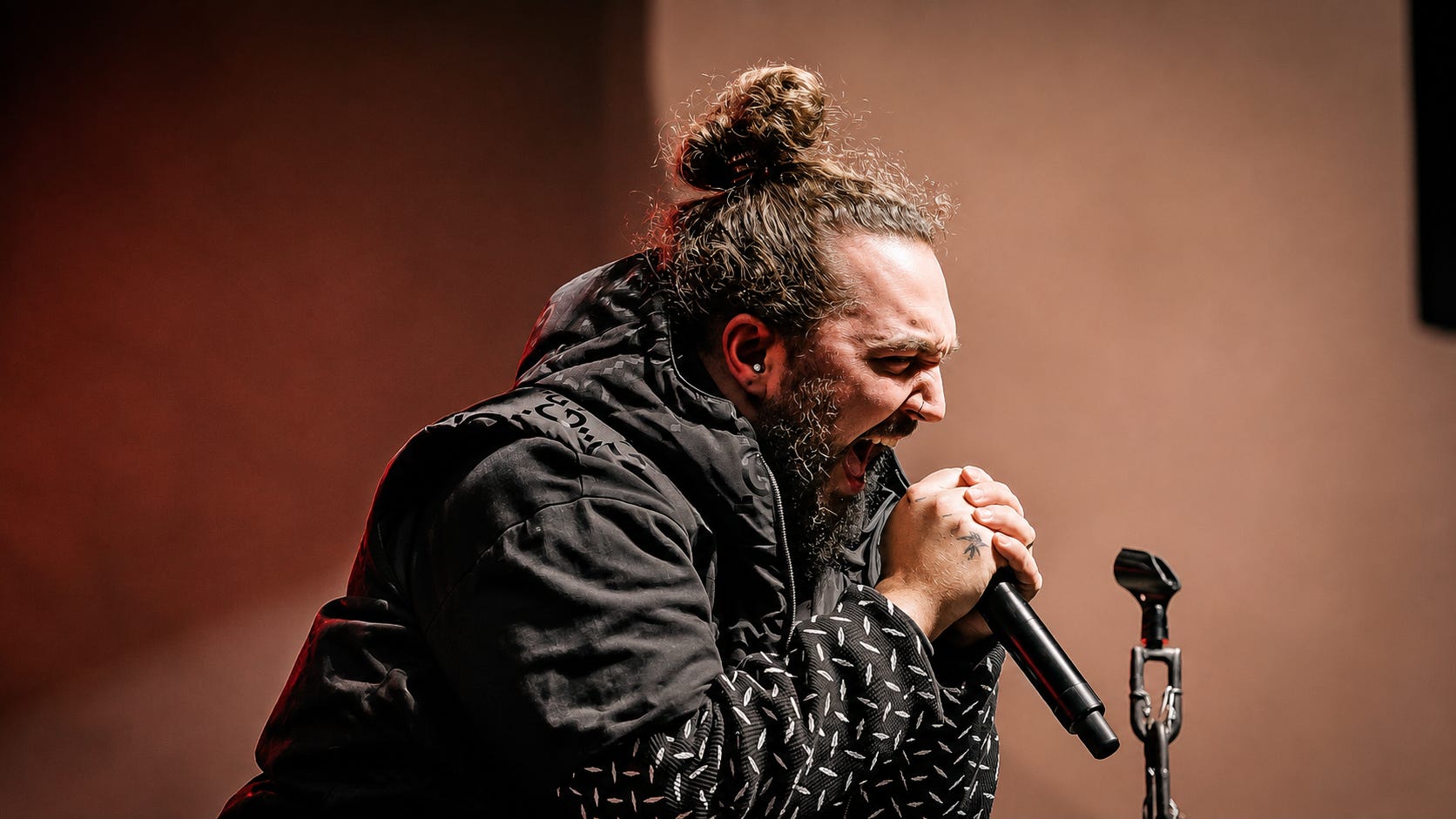
“God” and “Violent Nature” carried the performance toward its finish, with “Gasoline” closing it. The final stretch held on to the aggression that had announced the band’s arrival, but the set had earned that ending by changing the pressure along the way.
I Prevail had made a substantial impression of its own. The Funeral Portrait’s theatrical approach and I Prevail’s heavier contrasts had given the evening two distinct movements. Three Days Grace now had room to take it somewhere else.
Both chapters belong on this stage
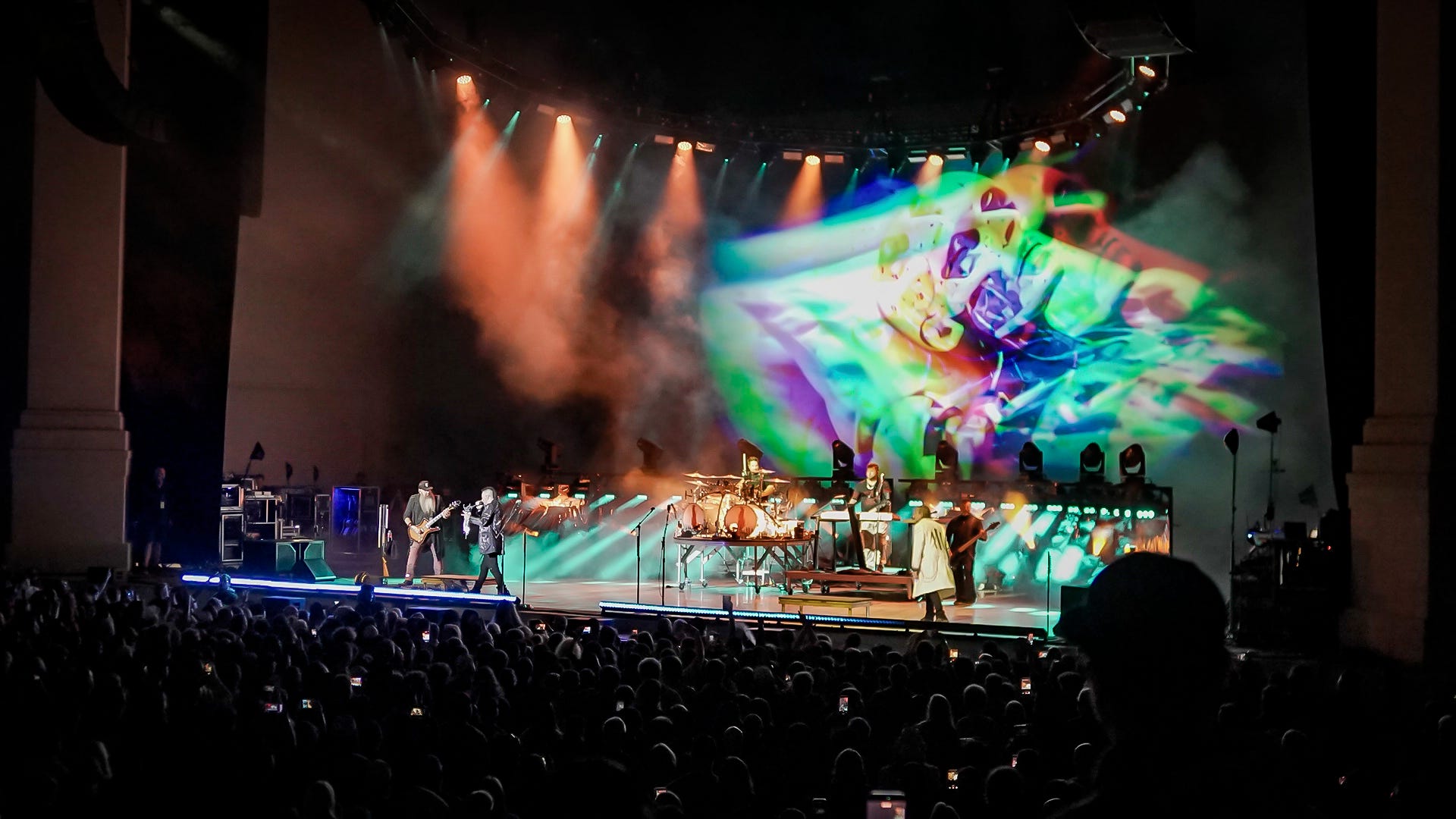
Three Days Grace opened with “Dominate”, then moved through “Animal I Have Become,” “So Called Life” and “Break.” That opening sequence made the range of this lineup apparent quickly: current material, songs associated with Gontier’s earlier years and music from Walst’s tenure, all within the first stretch.
The band announced Gontier’s official return in October 2024, with Walst remaining a lead vocalist. Their subsequent album, Alienation, gave the two singers new material to make together. That was an important part of what we were seeing in Huntsville. The reunion had become a working band with a current record.
Gontier’s voice carries an obvious connection to the early catalog. Hearing him back with Three Days Grace brought that history directly into the performance. But Walst had also spent years helping build the band’s identity, and the song selection gave that work a substantial place.
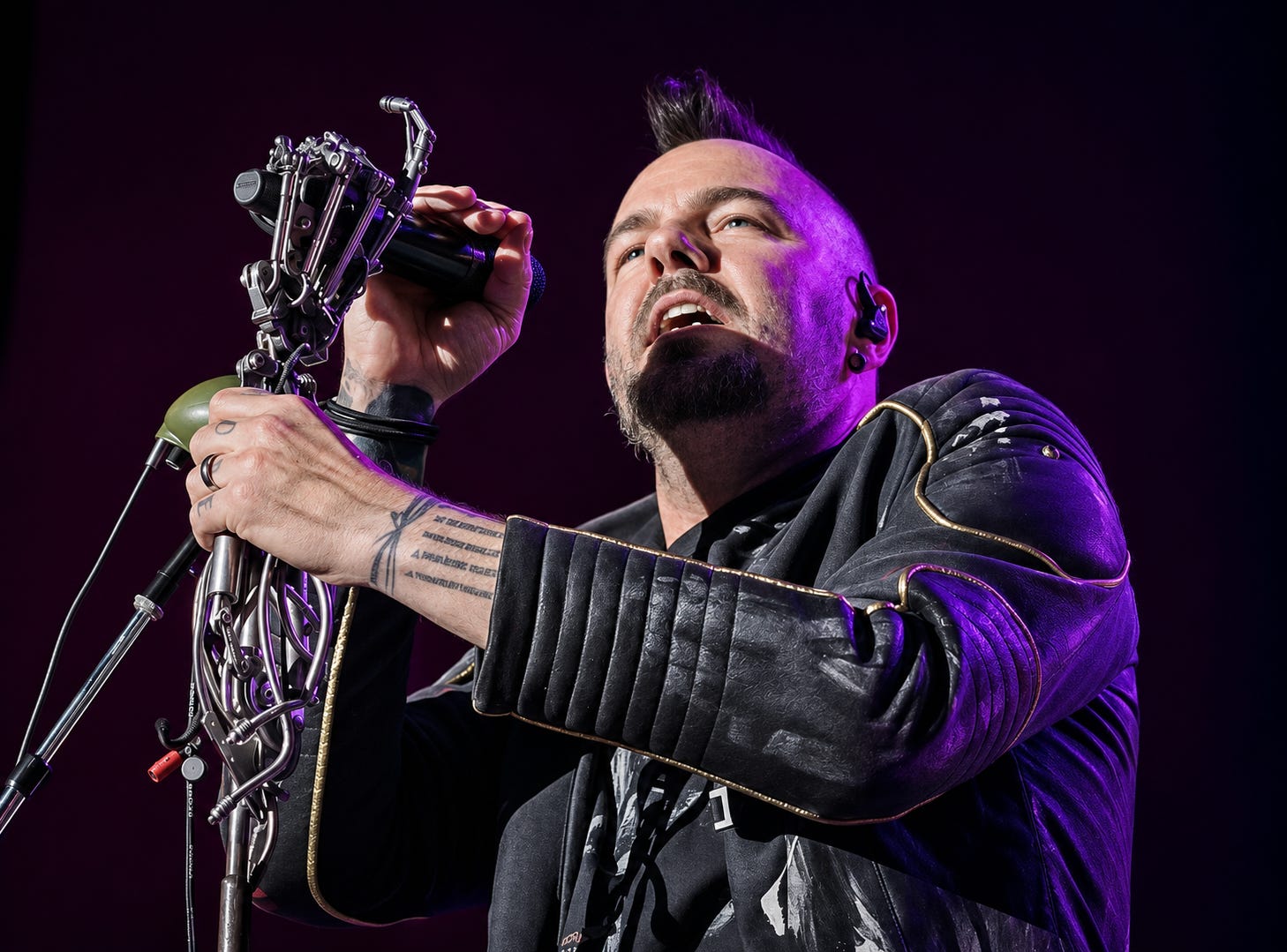
I appreciated how much of the catalog could sit together under that arrangement. “I Am Machine,” “The Mountain” and “I Hate Everything About You” represent different periods, but they belonged comfortably in the same set. Having both singers present made the movement between those periods part of the attraction.
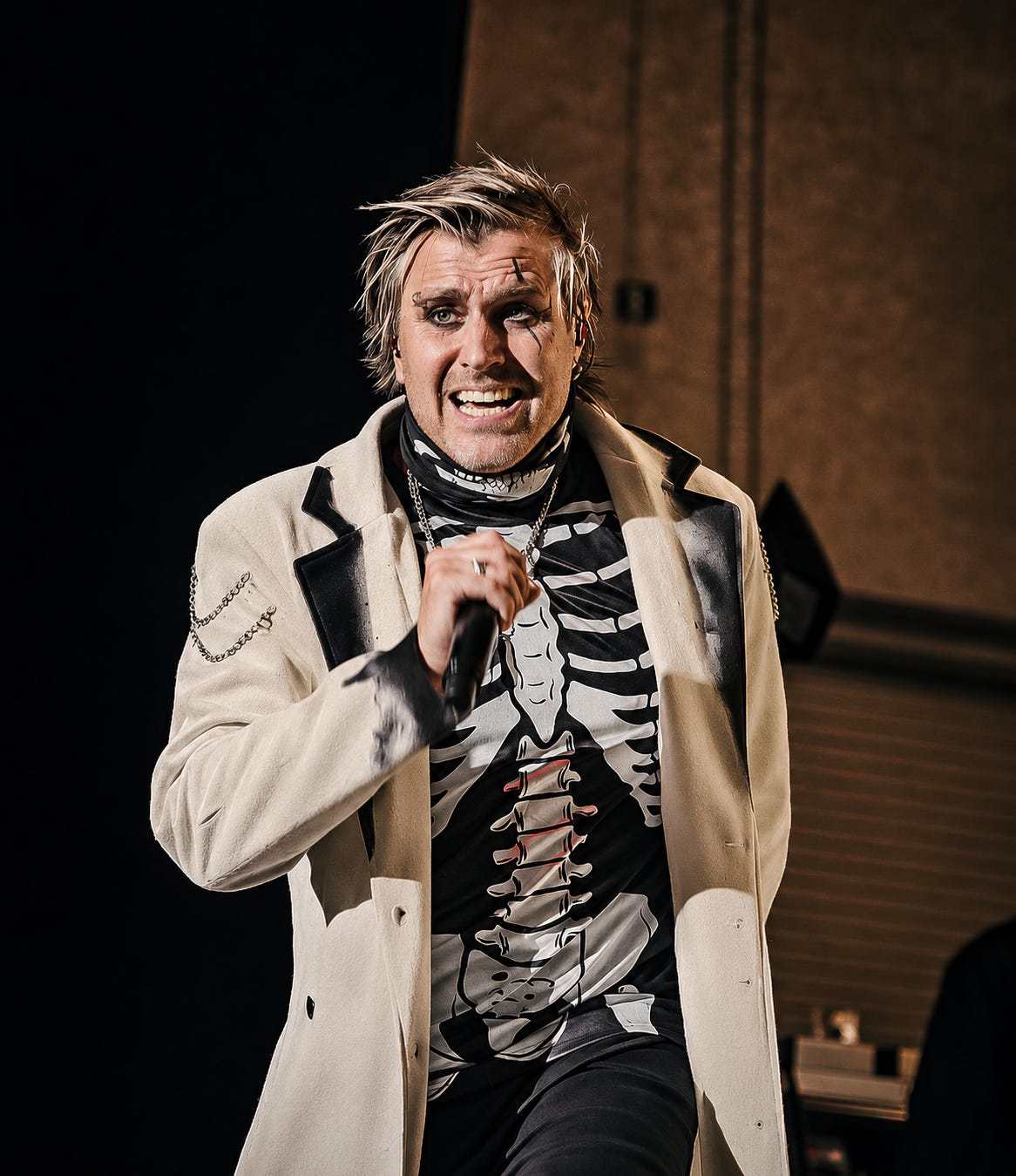
There was a useful contrast with I Prevail here. One band had concentrated its clean and harsh lead vocals in one singer; the other had expanded to two. Both were carrying recognizable music through a change in voices. Hearing them together made the different approaches especially interesting.
Three Days Grace’s songs also carry the associations that accumulate through years of listening. For a lot of us, they belong to particular stretches of life. The audience singing along made those private connections audible, especially as the set kept reaching another familiar title.
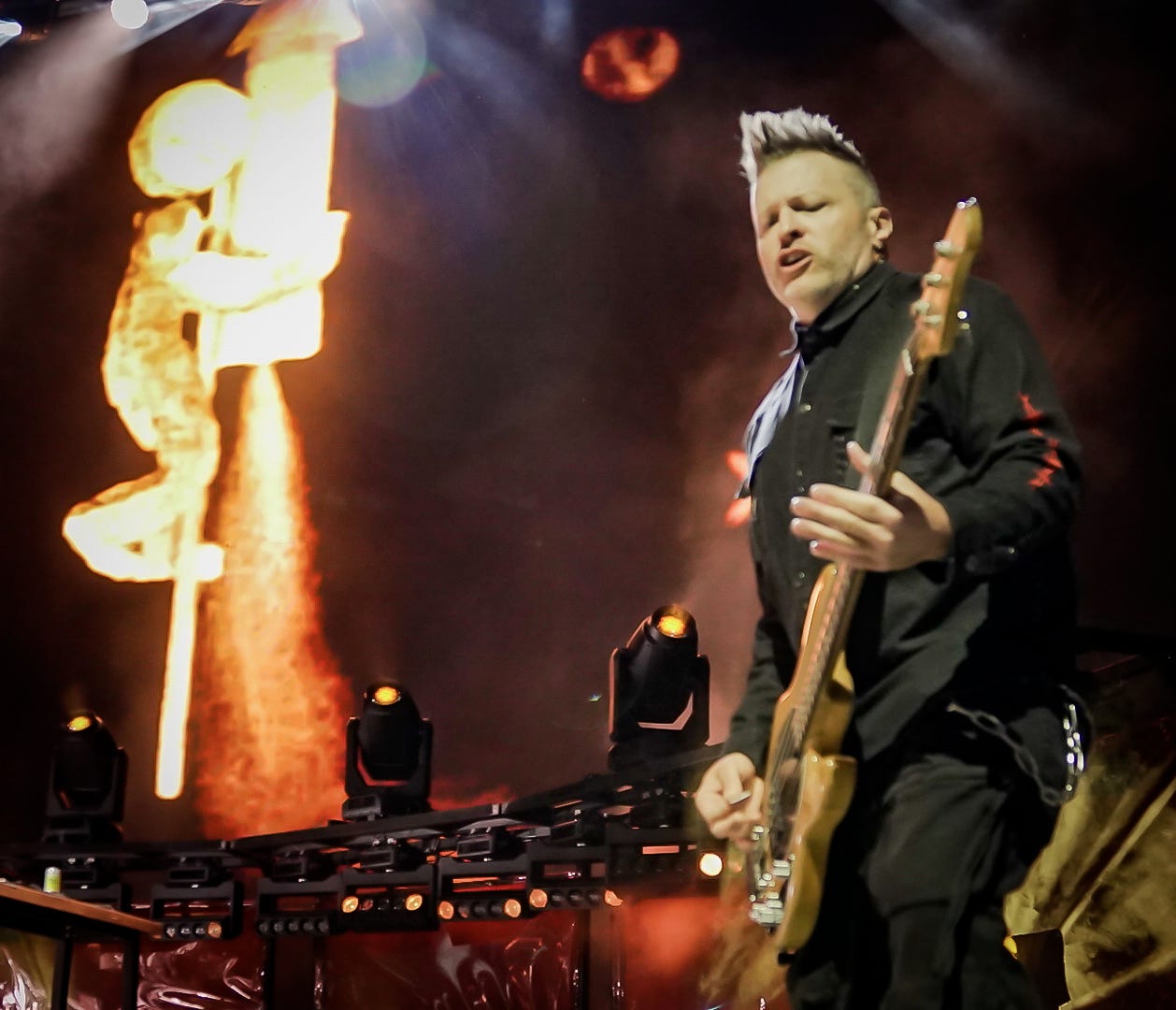
One of the smartest choices was the medley combining “Gone Forever,” My Darkest Days’ “Porn Star Dancing” and Apocalyptica’s “I Don’t Care.” Walst had fronted My Darkest Days, while Gontier supplied the vocals on the Apocalyptica track. The sequence made room for music the singers had helped create outside Three Days Grace.
I liked hearing those connections acknowledged through the songs themselves. A medley can function as a quick burst of recognition, but this one also told us something about the people sharing the stage. Their histories extended beyond the band’s name, and the performance had room for that.
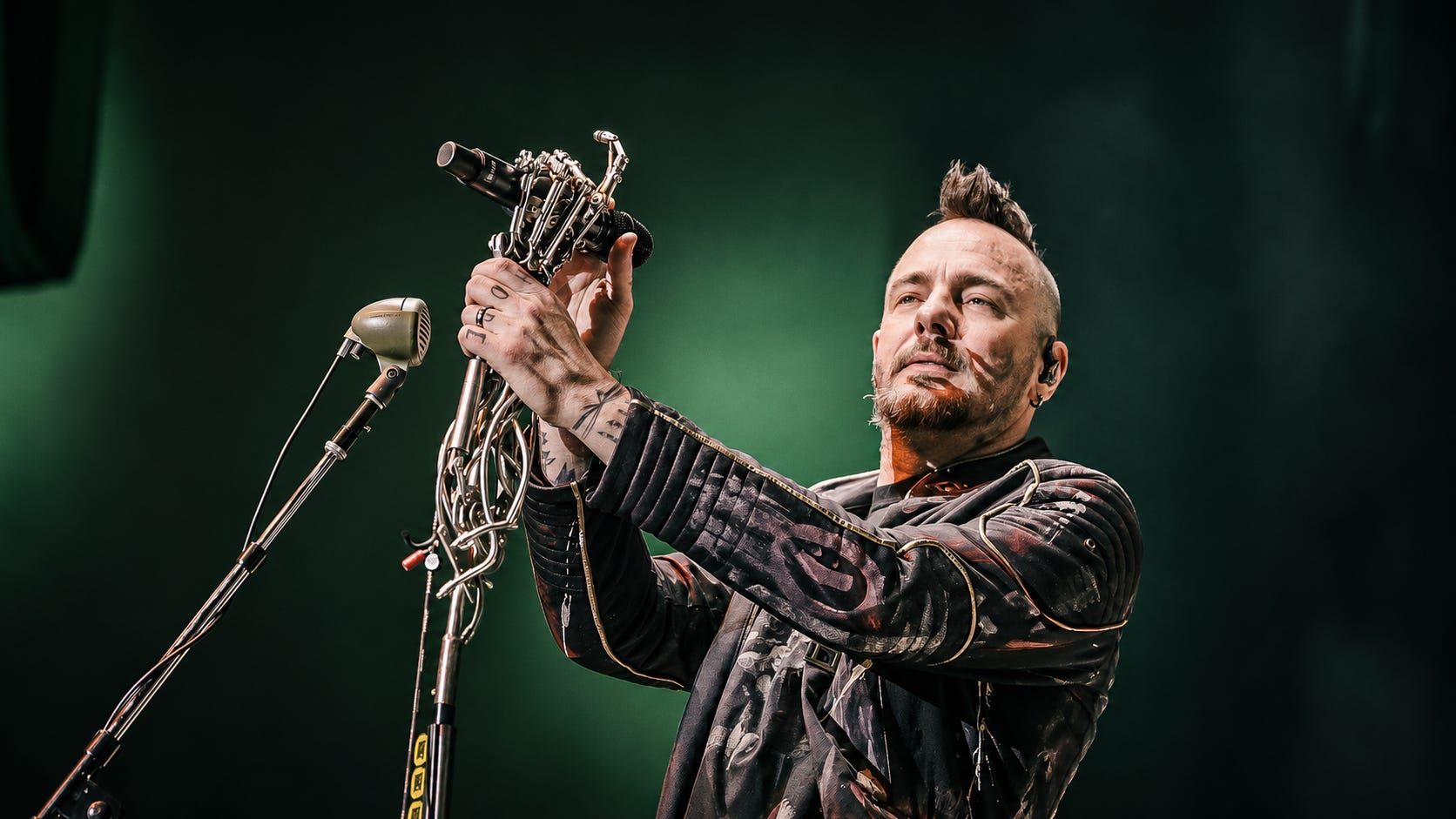
Cale Gontier of Saint Asonia joined them for “Don’t Wanna Go Home Tonight”, bringing another connection into the set. The guests and outside material gave a long performance some variation without pulling it away from the headliners.


Turning down, then bringing everyone back
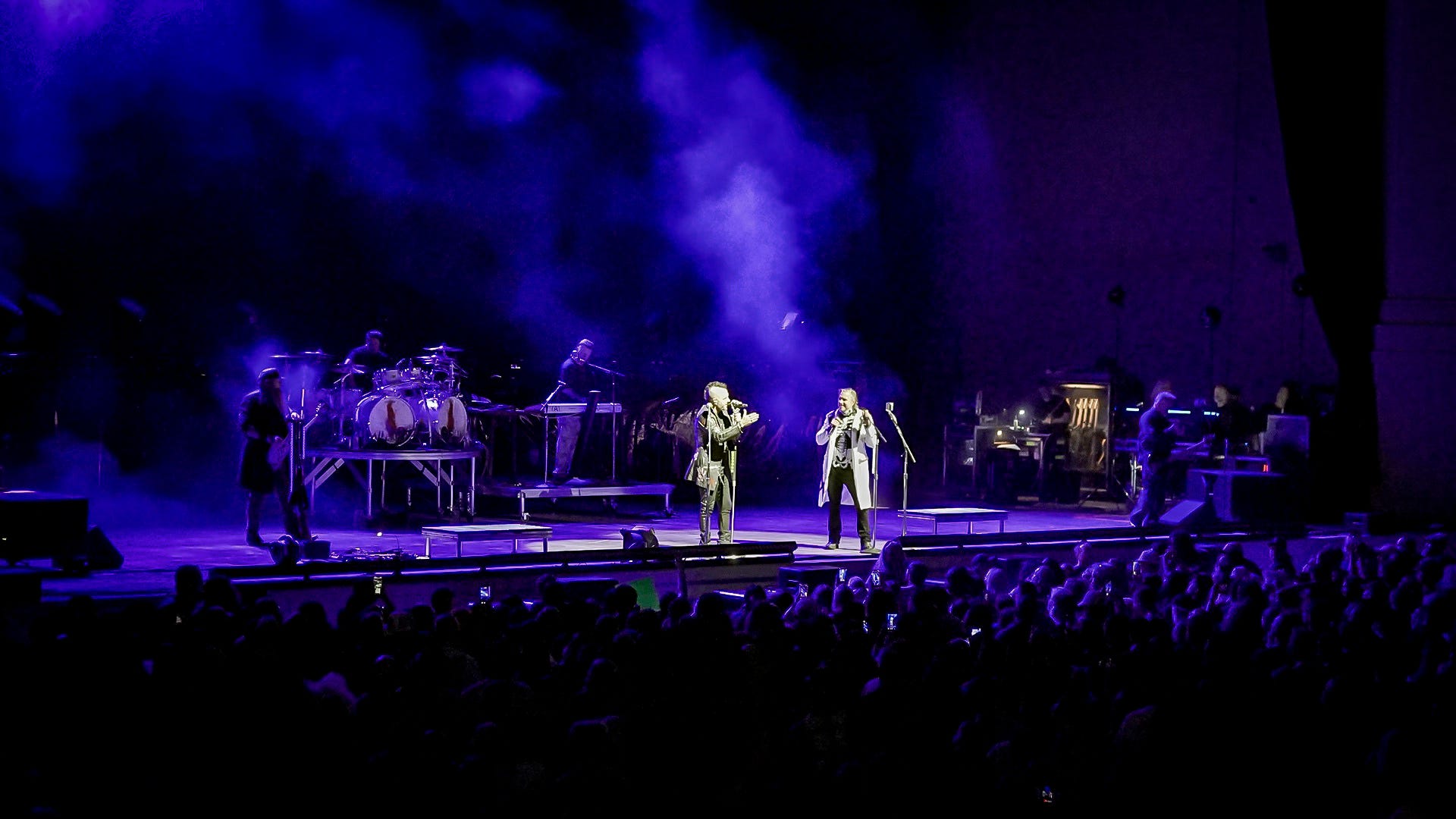
One of my favorite parts of a good rock show is when a band knows when to slow things down. Three Days Grace made that adjustment with an acoustic segment featuring “Lost in You,” “Pain” and “Lifetime”. After the heavier arrangements, it changed what there was to listen for.
The vocals and melodies had more space. Familiar songs could be appreciated from another angle, with less instrumentation around the writing. I was glad they gave this part of the performance time to develop. The change of pace made the set feel more considered than simply moving from one large chorus to the next.
The performance of 3 Doors Down’s “Here Without You” carried a different weight as a tribute to the late Brad Arnold. Earlier in the tour, guitarist Barry Stock had spoken about the kindness Arnold and his band showed Three Days Grace when they toured together early in their career.
That touring history gave the choice a personal foundation. A Mississippi band’s song also had a regional closeness here in Alabama. It was a thoughtful place for the performance to pause before returning to its heavier material.
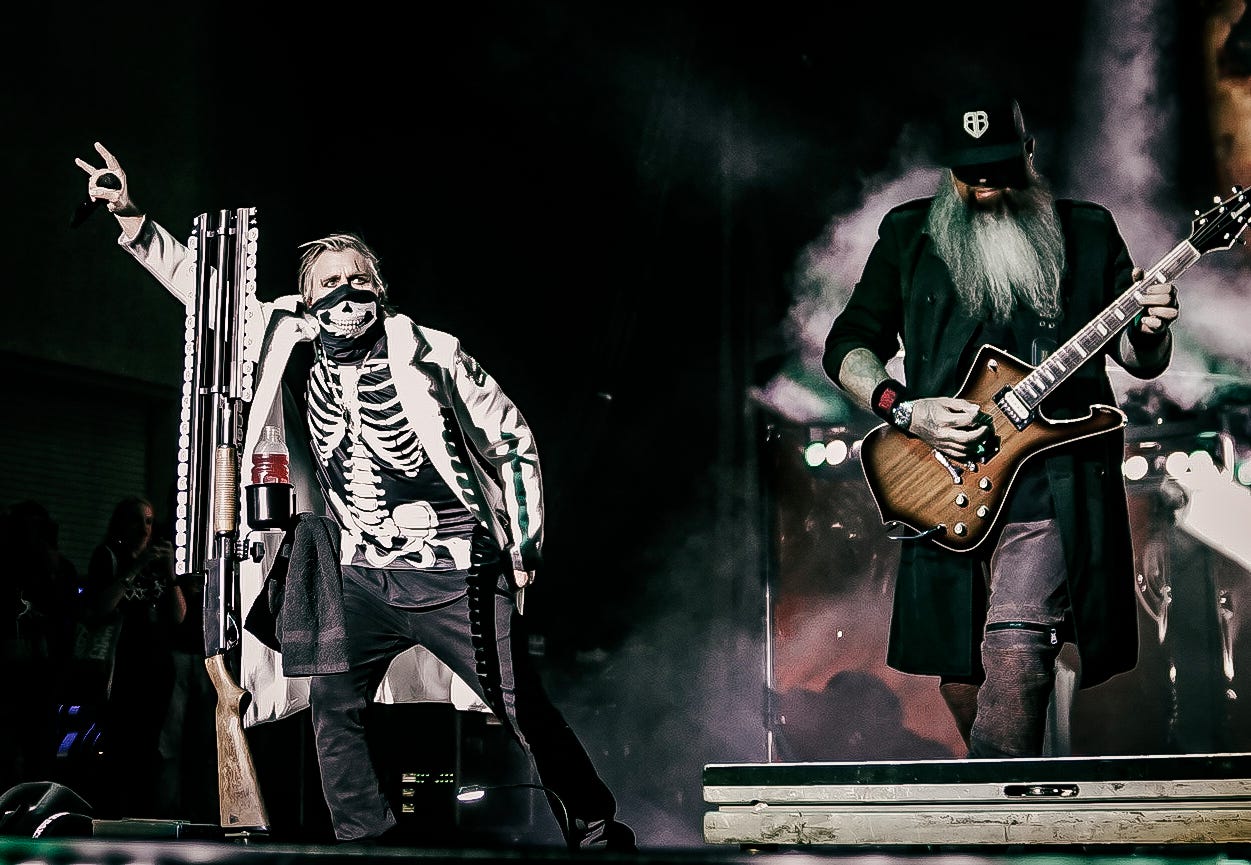
“World So Cold” brought the volume back, and Lee Jennings returned for “Just Like You.” I love seeing an opener invited back to share a song with the headliner. Earlier, Jennings had introduced The Funeral Portrait’s own world; now he was joining a song many people in the room already knew.
That gave his return a different appeal from the opening set. We had spent time getting acquainted with his band, and now the evening offered another setting for his personality. It was a pretty cool way to reconnect the bill before the finish.
“Mayday”, “The Good Life” and “Painkiller” carried the set onward. By then, the show had made space for both singers’ histories, new material, an acoustic passage, a tribute and guests. The variety worked because the songs kept giving it a center.
There were still two songs waiting. In Huntsville, their pairing carried a specific memory.


Afterglow
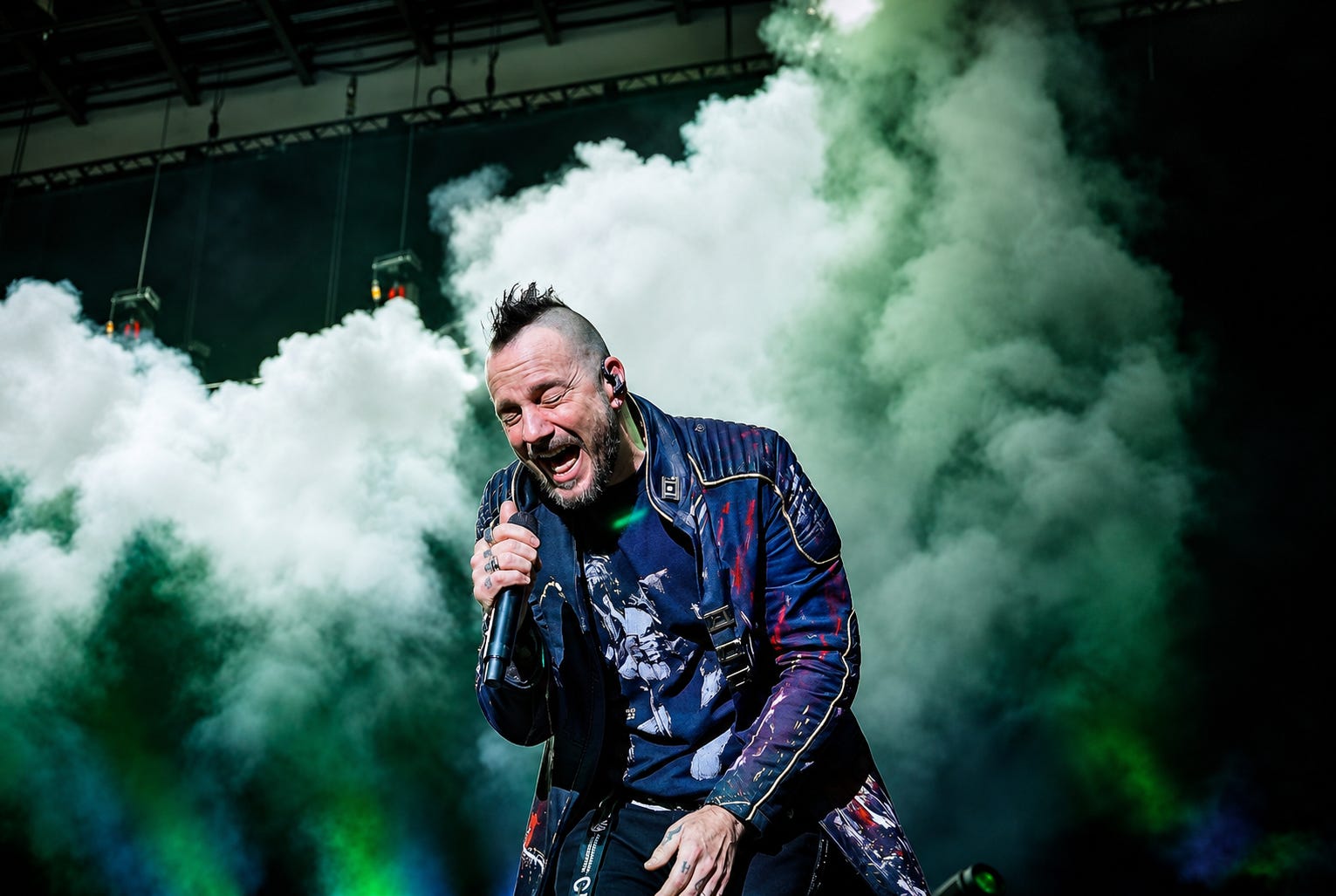
On April 19, 2023, Gontier joined Three Days Grace at Huntsville’s Propst Arena, where the band was opening for Shinedown. He performed “Never Too Late” and “Riot” with his former bandmates. On October 30, 2026, those same songs closed the show at The Orion.
The difference was standing in front of us. Gontier was back as a member, Walst remained beside him and the band had spent the evening showing what they could do together. The closing songs recalled that earlier appearance while arriving at the end of a much larger shared performance.
That was what I appreciated most about this version of Three Days Grace. Gontier’s return gave the older material its original vocal connection, while Walst’s presence kept the intervening years fully represented. The new songs gave the partnership a future tense. All three parts had a place in the show.
I had spent the drive revisiting music I expected to hear. The performance gave me something else to follow: how those songs now belonged to the people sharing them. That was worth seeing in person, particularly in the city where an earlier two-song appearance had helped make the possibility visible.
Thanks to The Orion Amphitheater for having Iron Trakks Media and giving me the opportunity to cover my first show there. I would be happy to make that trip again.
Until next time, keep the music loud and the cameras rolling!


Please consider Donating to Sponsor an article even $1 helps!
